Marcus Licinius Crassus The Richest Man In Ancient Rome
Marcus Licinius Crassus was widely regarded by contemporaries as the wealthiest man of the late Roman Republic, a fortune built on shrewd, and often ruthless, investment. He famously purchased damaged or burning properties at low prices, rebuilt them using enslaved labor, and resold them at substantial profit. Crassus also expanded his wealth through the mass purchase and training of enslaved people in skilled trades, as well as through tax farming and profits tied to Rome’s overseas campaigns. His financial resources translated directly into political influence, allowing him to shape elections, fund public works, and cultivate powerful alliances.
Crassus' Fortune: The Wealthy Roman's Lucrative Silver Mines

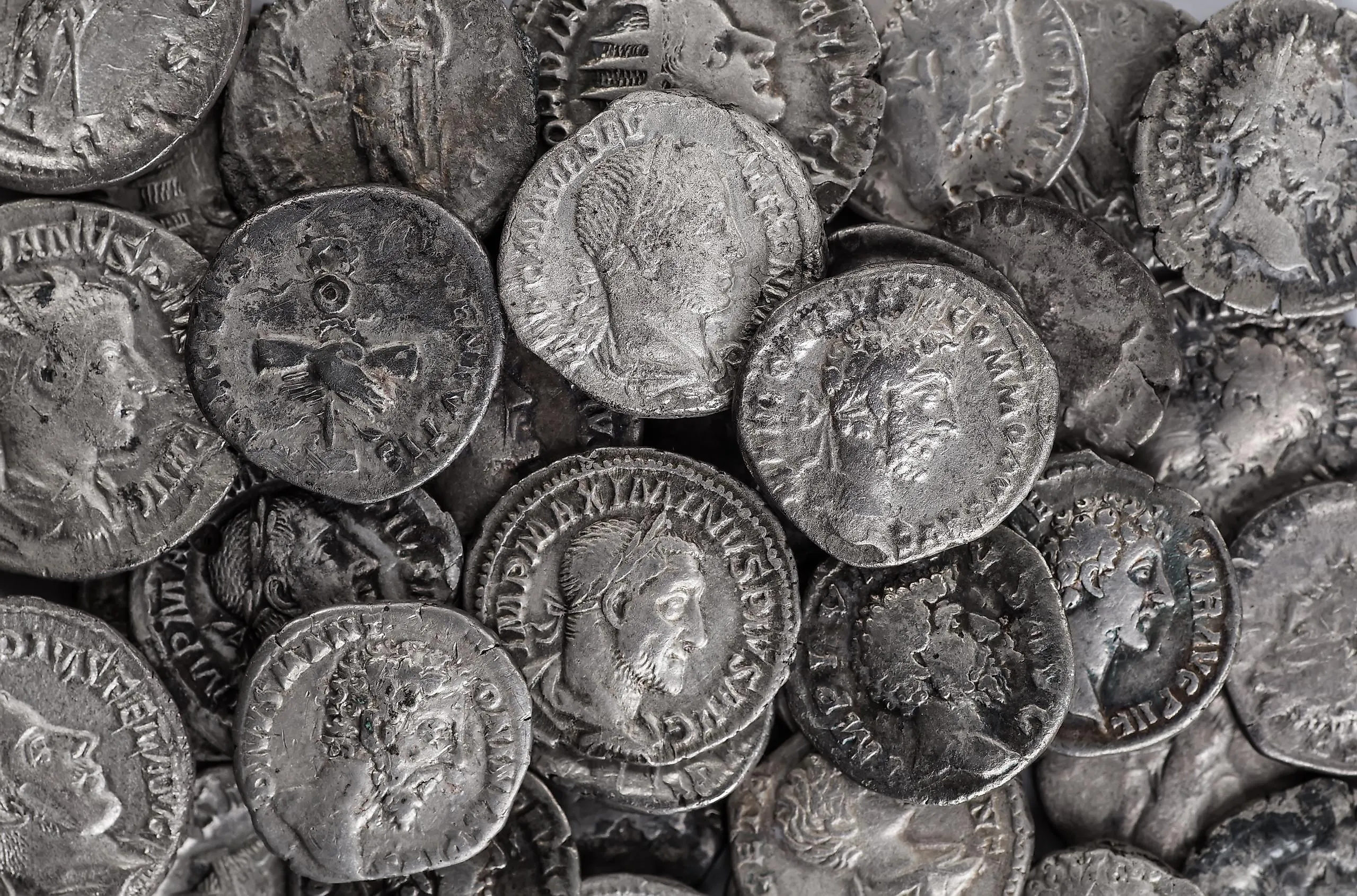
Marcus Licinius Crassus built one of the largest private fortunes of the late Roman Republic, though not through silver mining, as is sometimes claimed. Ancient authors instead portray Crassus as a shrewd and often ruthless investor who capitalized on political upheaval and urban disaster to expand his wealth.
During the proscriptions of Lucius Cornelius Sulla in the 80s BCE, Crassus acquired confiscated properties at deeply reduced prices. He became especially known for purchasing buildings damaged or destroyed by fire, then rebuilding and reselling them at a profit. Crassus also invested heavily in enslaved labor, purchasing slaves in large numbers and training them in skilled trades such as construction and architecture. These trained workers both increased the value of his properties and generated additional income. Combined with tax farming contracts and profits from military campaigns, these ventures steadily expanded his fortune.
By the mid-first century BCE, Crassus was widely regarded by contemporaries as the wealthiest man in Rome. His immense resources helped propel his political career and secure his place alongside Julius Caesar and Pompey in the First Triumvirate. Yet his relentless pursuit of wealth and status ultimately led him east, where his disastrous campaign against Parthia ended with his death at the Battle of Carrhae in 53 BCE.
Crassus' Risky Real Estate Strategy: The Legend of Buying Burning Houses

Marcus Licinius Crassus was renowned in antiquity for his aggressive and highly profitable real estate speculation, particularly in a city where fire was a constant threat. Rome’s densely packed neighborhoods, wooden structures, and reliance on open flames for cooking and heating made destructive fires a frequent occurrence.
According to the historian Plutarch, Crassus exploited these conditions by maintaining a private fire brigade staffed by enslaved laborers. When a building caught fire, Crassus would approach the owner and offer to purchase the property at a sharply reduced price. Only if the owner agreed would his men intervene to extinguish the flames. Once acquired, the damaged structure could be rebuilt and later sold or rented at a substantial profit.
Rome lacked a public firefighting force during much of the late Republic, leaving property owners vulnerable in moments of crisis. Crassus’ tactics took advantage of this reality, turning urban disaster into opportunity. While ancient writers disagreed over his character, they consistently pointed to real estate speculation, particularly the acquisition of fire-damaged properties, as a central pillar of his immense fortune.
The Political Alliance of Marcus Licinius Crassus and Julius Caesar

Marcus Licinius Crassus and Julius Caesar were important political allies during the last decades of the Roman Republic. Along with Gnaeus Pompey Magnus, they made up the First Triumvirate, an informal alliance that helped each of them pursue their goals while sidestepping the usual republican institutions.
Crassus provided immense financial backing, Caesar offered popular support and military success, and Pompey contributed prestige and influence. Together, their alliance reshaped Roman politics, concentrating power in the hands of a few individuals and weakening the authority of the Senate. While Caesar and Crassus cooperated closely in political maneuvering, their ambitions ultimately diverged. Crassus, eager to secure military renown equal to that of his partners, pursued an independent campaign against Parthia, where he was killed in 53 BCE.
The Complicated Alliance: Crassus and Pompey's Quest for Power

Marcus Licinius Crassus and Gnaeus Pompey Magnus were two of the most powerful figures in the Roman Republic during the first century BCE. Pompey gained immense prestige through his military victories in Spain and the eastern Mediterranean, while Crassus built unrivaled wealth through real estate speculation, tax contracts, and political influence. Each envied what the other possessed. Pompey sought the financial independence Crassus enjoyed, while Crassus longed for the military glory that defined Pompey’s career. Ancient writers such as Plutarch portray this imbalance as a persistent source of tension.
Despite their mistrust, the two men worked together politically when it suited their interests. Along with Julius Caesar, they formed the informal First Triumvirate, a clever arrangement that helped them avoid opposition from the Senate and gain control over provincial commands, legislation, and influence. Their somewhat tense partnership changed Roman politics significantly, concentrating power in the hands of just a few people and making the Republic’s traditional institutions weaker.
Crassus’ death during his Parthian campaign in 53 BCE removed a critical counterweight between Pompey and Caesar. Without him, the alliance collapsed, accelerating the rivalries that would soon plunge Rome into civil war.
The Tragic End of Marcus Licinius Crassus: The Fall of a Powerful Roman Leader

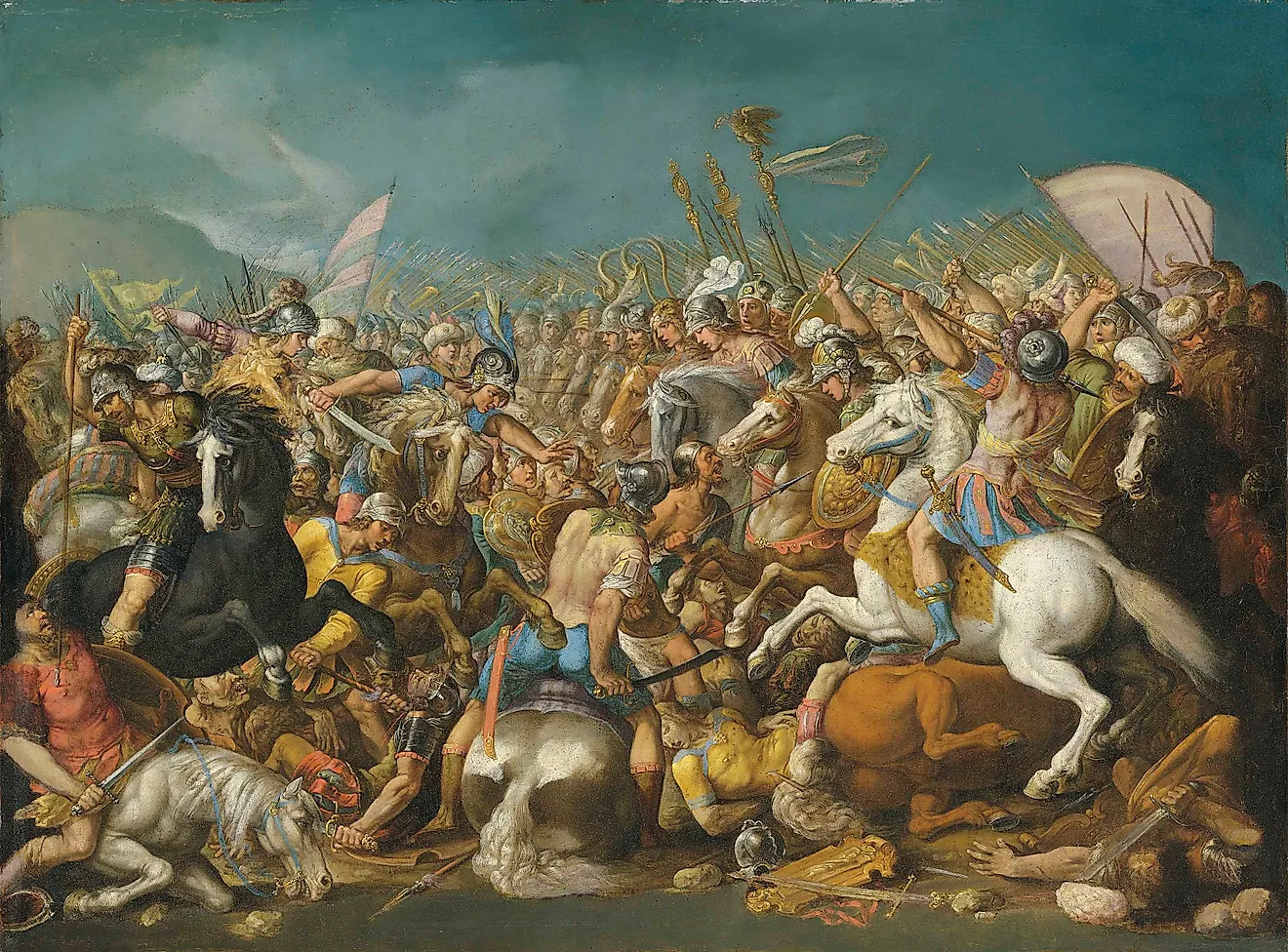
Despite his immense wealth and political influence, Marcus Licinius Crassus met a violent end far from Rome. In 53 BCE, he led a Roman army east into Mesopotamia, seeking the military prestige that had eluded him throughout his career. His target was the Parthian Empire, a powerful rival state centered in what is now Iran, renowned for its highly mobile cavalry and expert horse archers.
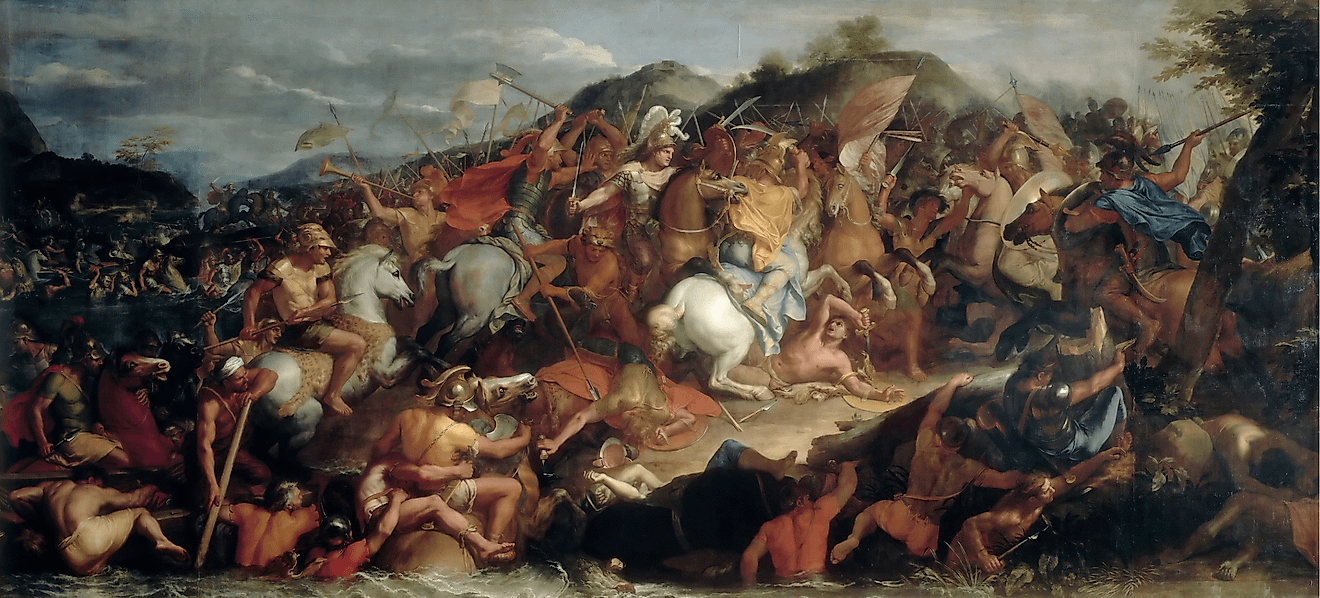
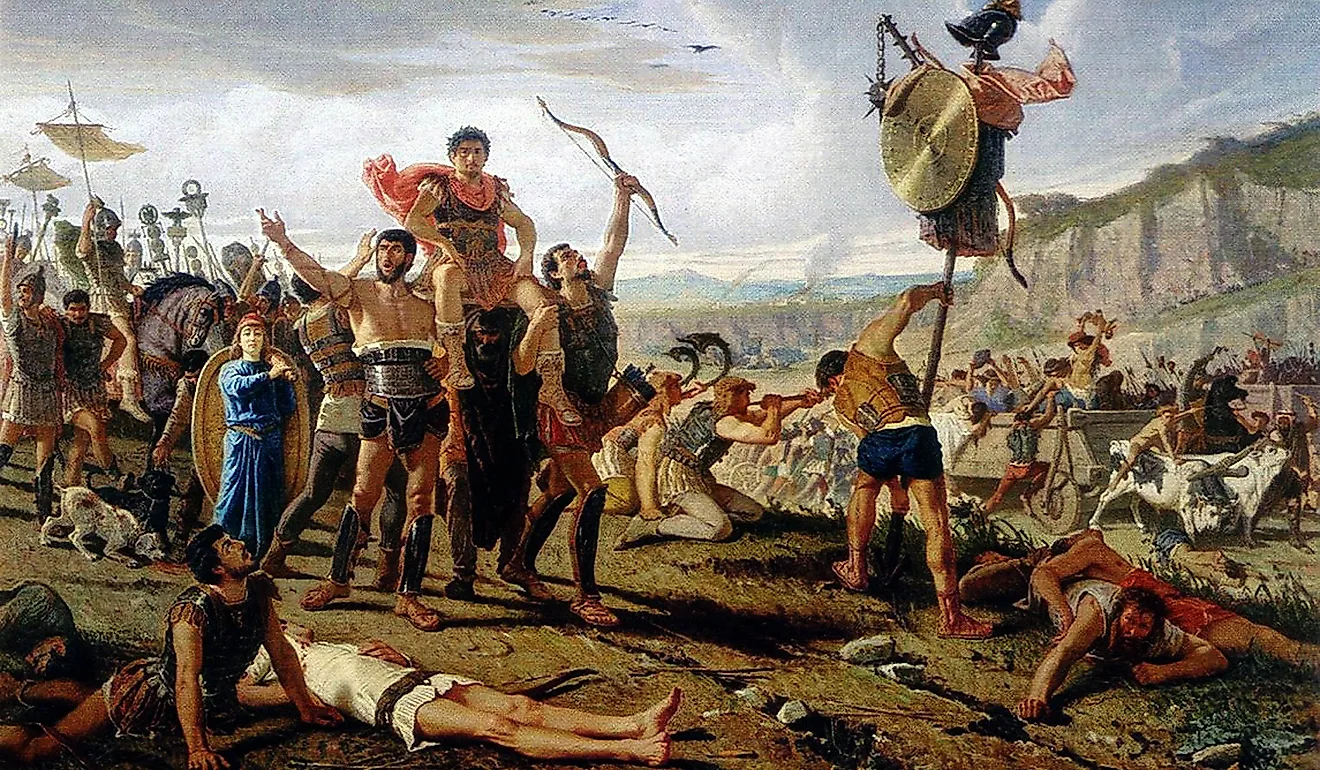
The campaign proved disastrous. Near the town of Carrhae, Crassus’ legions were outmaneuvered and overwhelmed by Parthian forces, whose tactics exposed the limitations of traditional Roman infantry against fast-moving mounted archers. The Roman army suffered one of its worst defeats of the Republic era.
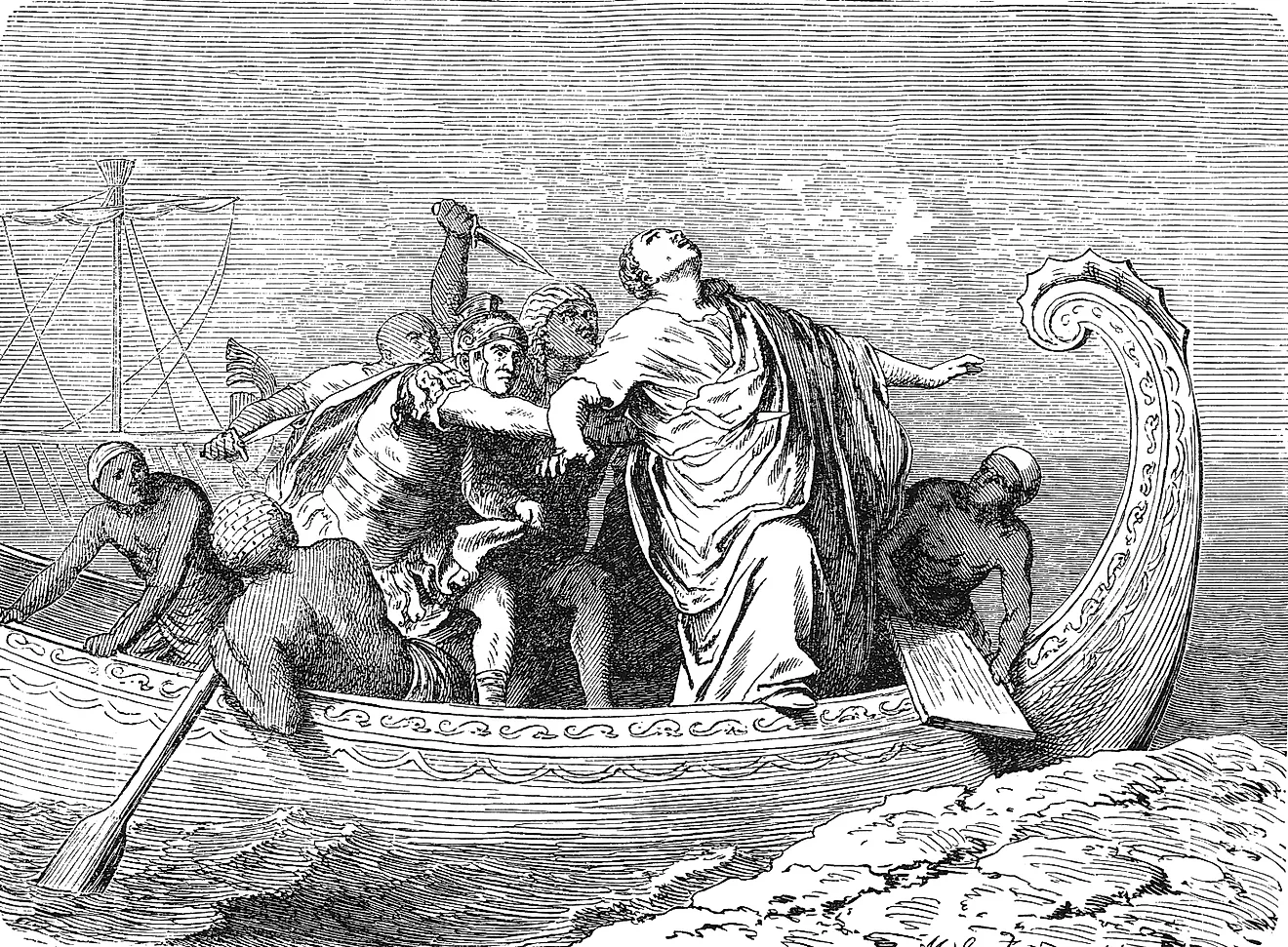
Ancient sources disagree on the precise circumstances of Crassus’ death, but all agree that he was killed in the aftermath of the defeat. His loss had immediate political consequences. By removing one pillar of the First Triumvirate, it upset the fragile balance of power in Rome and accelerated the rivalry between Julius Caesar and Pompey, a conflict that would soon plunge the Republic into civil war.
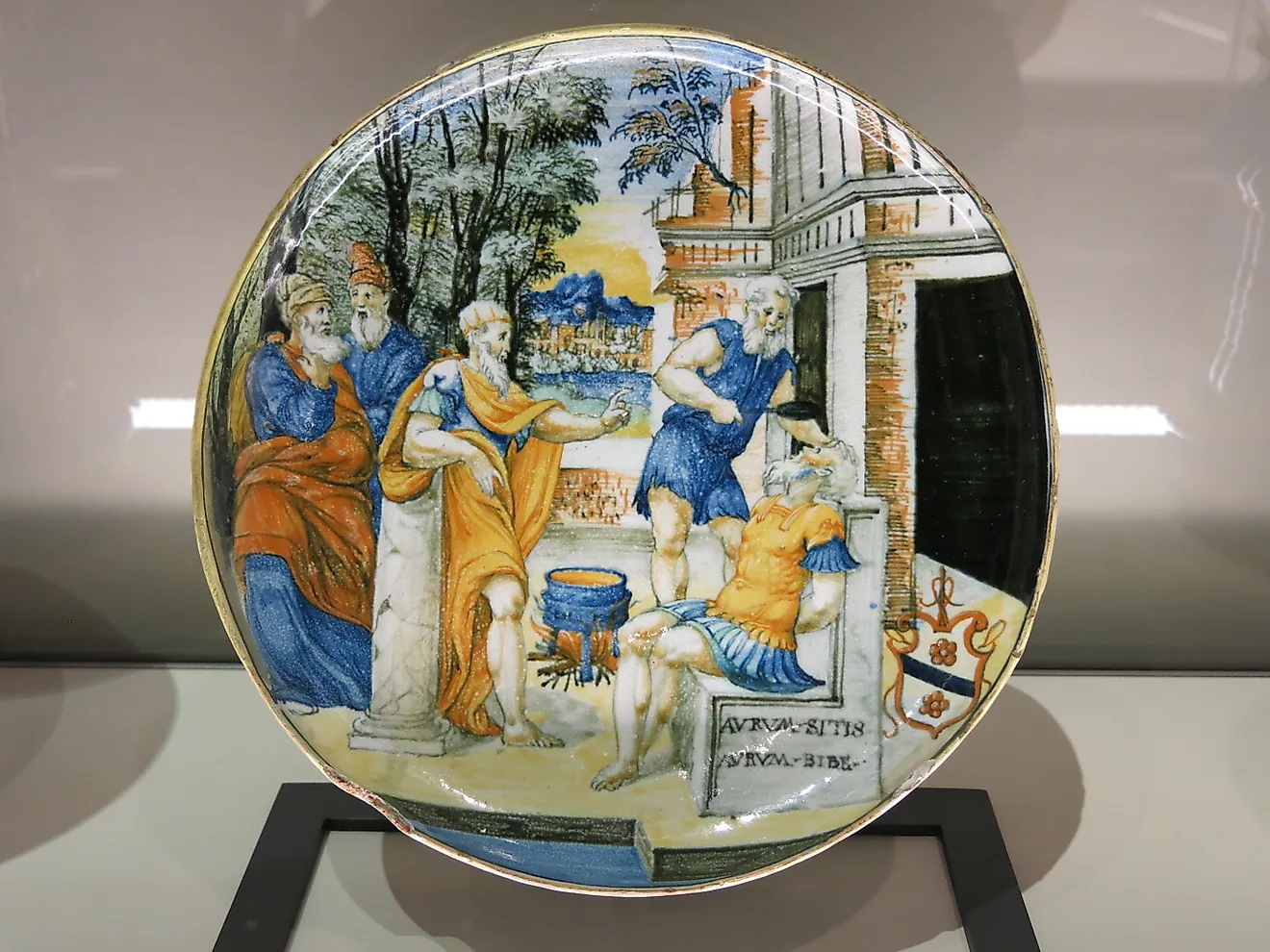
Crassus’ career remains a study in contrasts. He was among the most successful financiers and political power brokers of the late Republic, yet his final campaign exposed the limits of wealth and ambition on the battlefield. His death stands as a reminder that, in Rome’s turbulent final century, even the richest man could not buy victory.
c.
In Conclusion
Marcus Licinius Crassus was one of the most powerful and wealthy figures of the late Roman Republic, a man whose fortune translated directly into political influence. Through aggressive real estate speculation, exploitation of enslaved labor, and strategic use of Rome’s political turmoil, he amassed resources unmatched by most of his contemporaries. Wealth allowed Crassus to shape elections, fund allies, and secure a central place in the Republic’s power struggles.
That influence reached its height with the First Triumvirate, an informal partnership with Julius Caesar and Gnaeus Pompey Magnus that sidelined the Senate and concentrated authority in the hands of three men. While the arrangement brought short-term stability for its members, it also accelerated the erosion of republican norms.
Crassus’ career ended far from Rome, with his disastrous defeat by Parthian forces at Carrhae. His death removed a crucial counterbalance between Caesar and Pompey and hastened the civil wars that would soon tear the Republic apart. Remembered as both a financial genius and a cautionary figure, Crassus embodies the extremes of late Republican Rome, where immense private wealth could elevate a man to unprecedented power, yet still prove insufficient to secure lasting success.