The Worst People In Ancient History
The ancient world was home to some brilliant minds, brazen generals, and appalling people. From mass murderers to sadistic torturers, their brutality is sometimes hard to comprehend. At the same time, we need to take ancient accounts with a grain of salt. There are often few sources, and those that do exist are of questionable reliability. Therefore, this article will present people who allegedly committed terrible acts and leave it to you to decide whether they rank among the worst in ancient history.
Sennacherib (745 to 681 BCE)

Sennacherib became king of the Neo-Assyrian Empire in 705 BCE. Under his reign, it controlled much of Mesopotamia and had territories in the Levant and Anatolia. Sennacherib also inherited a professional military system and imperial administration from his father, Sargon II. He had to contend with rebellious territories as well. In 701 BCE, Sennacherib invaded the rebelling kingdom of Judah. While doing so, he besieged the city of Lachish. The siege itself was savage, but the real horror came afterward. Sennacherib killed some defenders and had others tortured. Methods included being impaled or skinned alive. He then deported the survivors and plundered the city.
Draconian punishments defined the campaign in Judah. Sennacherib's own inscriptions state that his armies captured 46 cities and over 200,000 captives. He used similar measures over ten years later when Babylon resisted Assyrian rule. Sennacherib destroyed major buildings and religious sites, deported people, and killed and tortured thousands. Setting aside the doubtful validity of many ancient sources, it's worth investigating if Sennacherib's actions were uniquely cruel. After all, other Assyrian kings, like Ashurbanipal, allegedly used similar methods. While this doesn't suddenly make them humane, it suggests that they were part of a broader Neo-Assyrian apparatus that used terror to control its population.
Phalaris (Died 554 BCE)

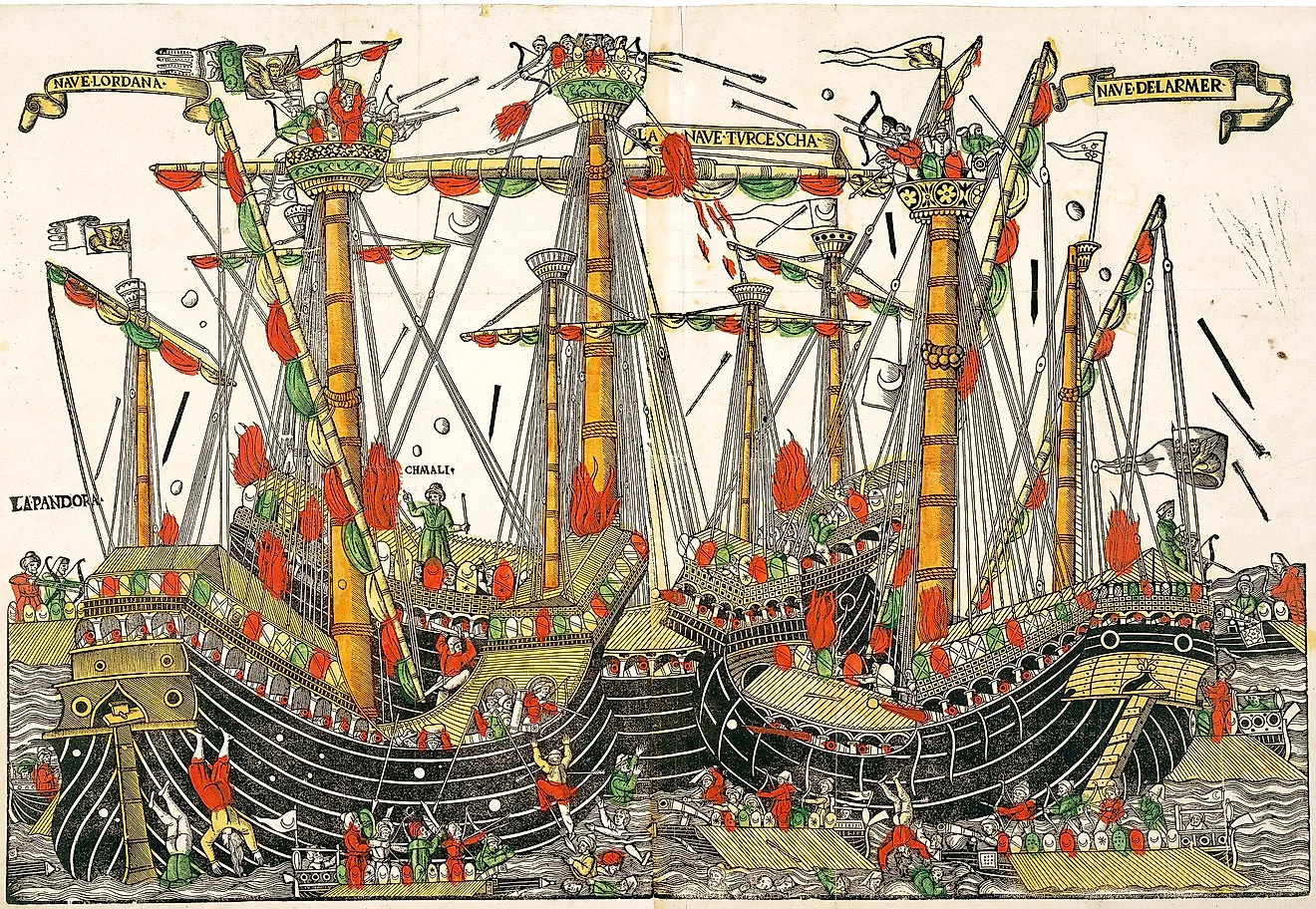
Phalaris ruled the Greek city of Akragas (modern Agrigento) in Sicily from approximately 570 to 554 BCE. Several aspects of his rule made him famous, perhaps none more so than the story of the Brazen Bull. Supposedly, an artisan named Perilaus created a hollow bronze bull and presented it to Phalaris as a new method of execution. The bull was large enough to contain a human. A fire would then be lit beneath it, making the inside unbearably hot. As the person burned alive, their screams ran through a series of tubes that made them sound like a bull. Wanting a demonstration, Phalaris put Perilaus inside. According to some accounts, the artisan was eventually removed and executed via other methods. According to other sources, he died in the bull itself.
This story has made Phalaris one of history's most infamous figures. However, no meaningful evidence supports it. The only sources come from people who lived after Phalaris, and there's no physical record that the bull ever existed. While Phalaris had a reputation for cruelty outside of this story, this too is only supported by thin evidence. Moreover, some ancient sources note that he led Akragas to new military and economic heights. While these also need to be read with caution, they certainly paint a more complex picture than is often remembered.
Julius Caesar (100 to 44 BCE)

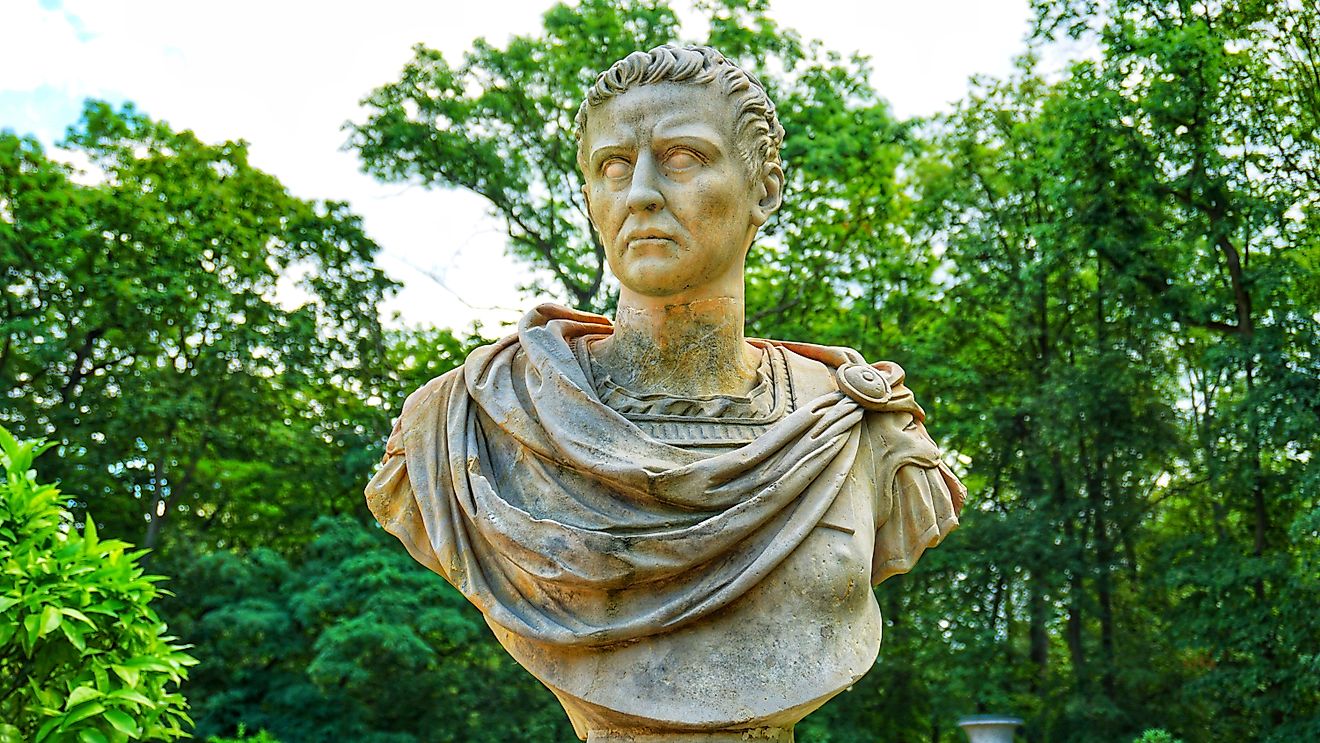
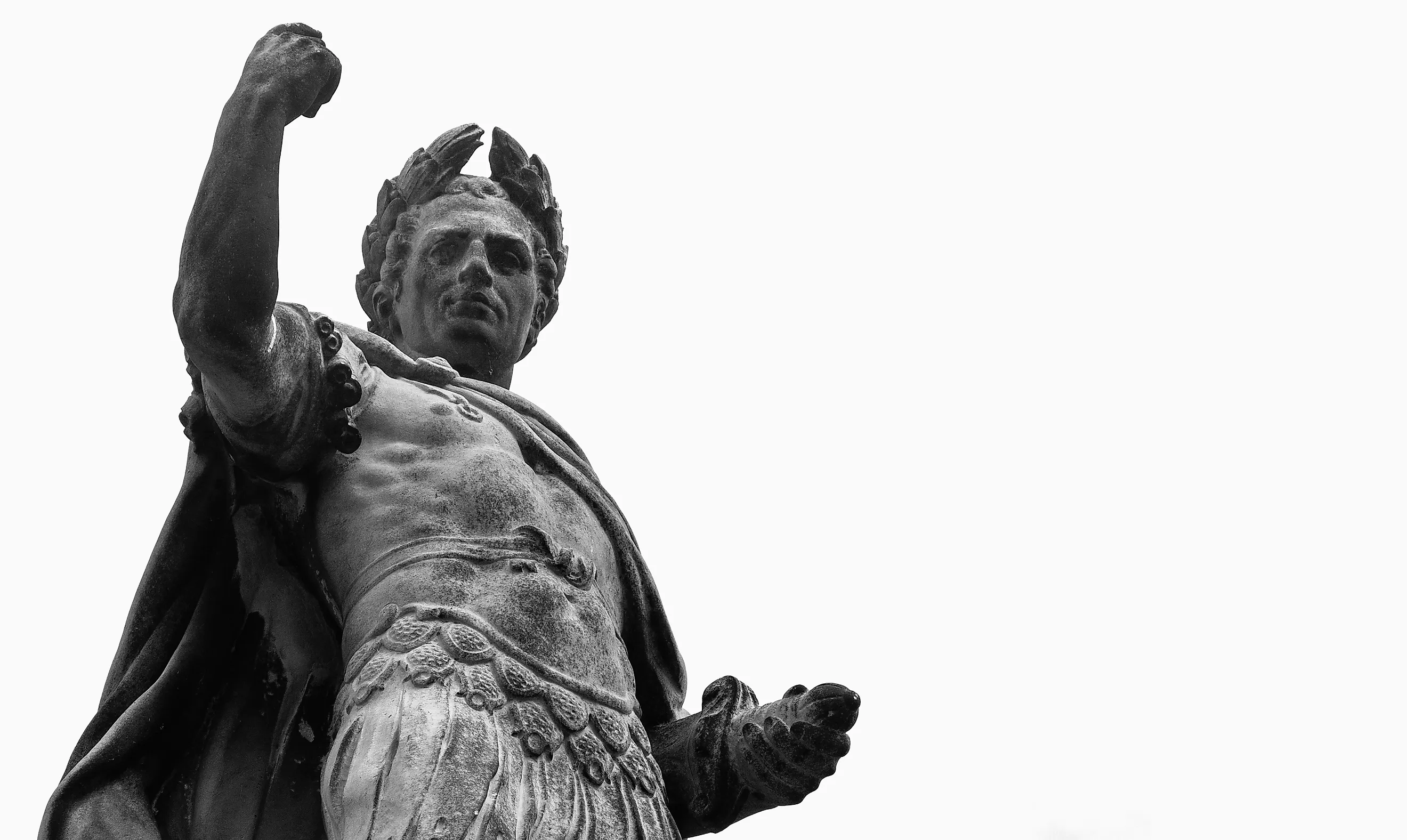
Julius Caesar is one of the most famous people from the ancient world. His military campaigns and political reforms laid the foundation for Rome's transition from a republic to an empire. He was also responsible for several atrocities. Caesar's Gallic campaign is the most illustrative example. From 58 to 50 BCE, he fought a series of wars to conquer Gaul (modern-day France, Belgium, and Luxembourg). His tactics were frequently ruthless. Consider his treatment of the Eburones. In response to their revolt against Roman rule in the winter of 54 BCE, Caesar ordered his troops and nearby tribes to attack the Eburones and kill them "in stock and name". He similarly destroyed the Usipetes and Tencteri in 55 BCE after negotiating with their leaders.
The biographer Plutarch later claimed that Caesar killed about a million people in Gaul and enslaved a million more. These numbers obviously can't be taken at face value. Regardless, many modern historians argue that the actual death toll, paired with the overtly annihilatory intention, makes Caesar's Gallic campaign a genocide.
Commodus (161 to 192 CE)

Commodus was the sole emperor of Rome from 180 to 192 CE. His father, Marcus Aurelius, was one of the most popular and beloved leaders in Roman history. As the empire experienced a series of crises, including invasions, revolts, and plague, Aurelius' steady hand and stoic philosophy helped see it through to the other side. On top of this, Aurelius co-ruled with Commodus for several years before he died, thereby setting his son up for success.
Despite having seemingly every advantage, Commodus squandered all of them. He quickly abandoned his father's military campaigns in Germania and returned home to Rome to pursue his true passion: gladiatorial combat. Commodus believed he was the reincarnation of Heracles and thus spent more time fighting than he did ruling. This disregard for his responsibilities led to corruption and bribery running rampant in his imperial court. When he did find time to rule, he often executed political opponents and drained the state treasury. Fed up with this behavior, his praetorian prefect, chamberlain, and mistress conspired to have him strangled by the wrestler Narcissus in 192 CE. The subsequent year was chaotic, as five men claimed the throne and the empire descended into civil war.
Impact And Legacy
Some truly monstrous people existed in the ancient world. Sennacherib destroyed cities and tortured, killed, and deported thousands of people. Phalaris supposedly locked people inside a giant hollow bull and burned them alive. Julius Caesar oversaw an arguably genocidal campaign in Gaul. Finally, Commodus squandered every opportunity given to him and left the Roman Empire in a far worse state than he found it. At the same time, the stories about these figures need to be considered critically, given the uncertain reliability of many ancient sources.