The Real History Behind The Battle Of Thermopylae
The Battle of Thermopylae is one of the most iconic and misunderstood battles in world history. The Greeks lost, but they held off the Persians long enough to prepare for a counterattack and ultimately win the war. The 300 Spartans played a central role, but they fought alongside thousands of other Greeks, and the Persian army they faced was far smaller than the millions ancient historians claimed. The real history is a story of Persian revenge, a betrayal over a mountain path, and a defeat that bought Athens time to evacuate.
The Greco-Persian Wars

In 499 BCE, Greek cities in western Anatolia began revolting against Persian rule. The revolt lasted five years, and cities from mainland Greece, such as Athens and Eretria, provided assistance. The Persians eventually crushed the revolt, but King Darius I sought to punish Athens. This led to the first Persian invasion of Greece in 490 BCE. Despite being outnumbered, the Athenians famously beat the Persians at the Battle of Marathon and repelled the invasion. Darius then died in 486 BCE, leaving his son, Xerxes I, as heir. Xerxes spent the next few years preparing for a much larger invasion to avenge his father and finally punish Athens for its role in the Ionian revolt.
Xerxes Invades Greece

Xerxes invaded Greece in 480 BCE. Ancient historians like Herodotus claim that his army numbered in the millions, though this is likely exaggerated. Modern historians estimate that the Persian army probably numbered between 60,000 and 300,000. Regardless of the precise number, marching that many people over vast distances was a major logistical challenge. Xerxes, therefore, used the navy to support them and constructed supply depots to ensure his troops never ran out of necessities. Crossing the Hellespont, the strait separating Asia from Europe, was another challenge, so Xerxes ordered his engineers to construct two massive bridges made from ships. This worked perfectly, and the Persians marched through Thrace and Macedonia before finally invading Greece.
The Battle Begins

The Greek defensive force likely numbered between 7,000 and 8,000. Several factors exacerbated the size discrepancy with the Persians. Sparta was in the middle of a religious festival at the time, and the Olympics were also happening, so there were only enough people available for a small advance force. This necessitated a smart strategic approach from Leonidas, Spartan king and commander of the Greek army, to stand a chance. He thus chose to fight the Persians at Thermopylae. A narrow coastal pass between the mountains and the sea, Leonidas aimed to neutralize the Persian size advantage by limiting the number of people who could enter the battlefield at once. While the Persian land force was blocked, the Greek navy also aimed to halt the Persian fleet at Artemisium.
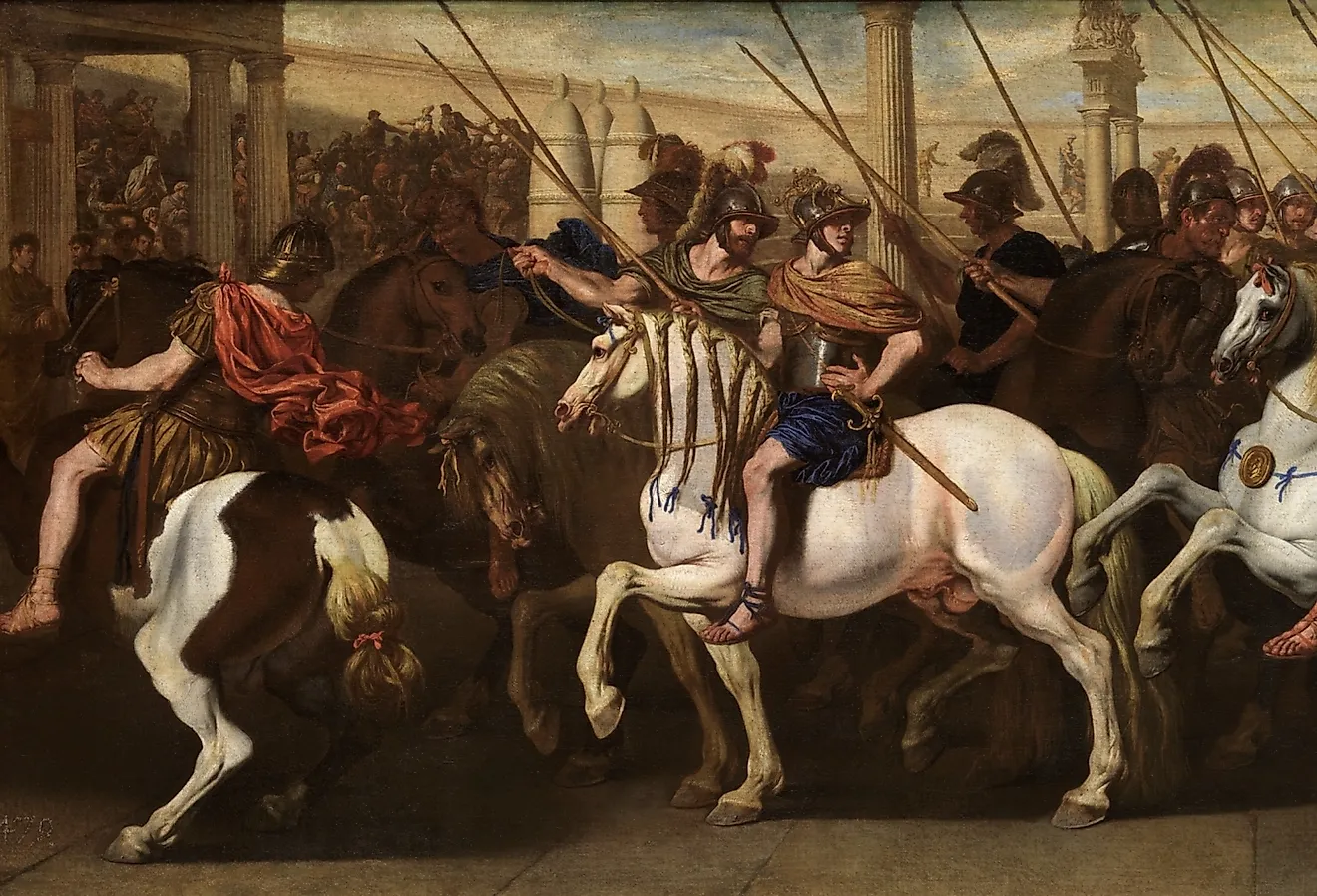
The first day of the battle went well for the Greeks. Xerxes expected them to retreat, but the terrain made it difficult for the Persians to exploit their numerical advantage. In addition, the Greek soldiers were highly effective fighters. Well trained and equipped with large shields, spears, helmets, and body armor, they even withstood the famous elite Persian unit, the Immortals. Their dense formations were particularly well suited to the confined spaces of Thermopylae.
The Persians Break Through

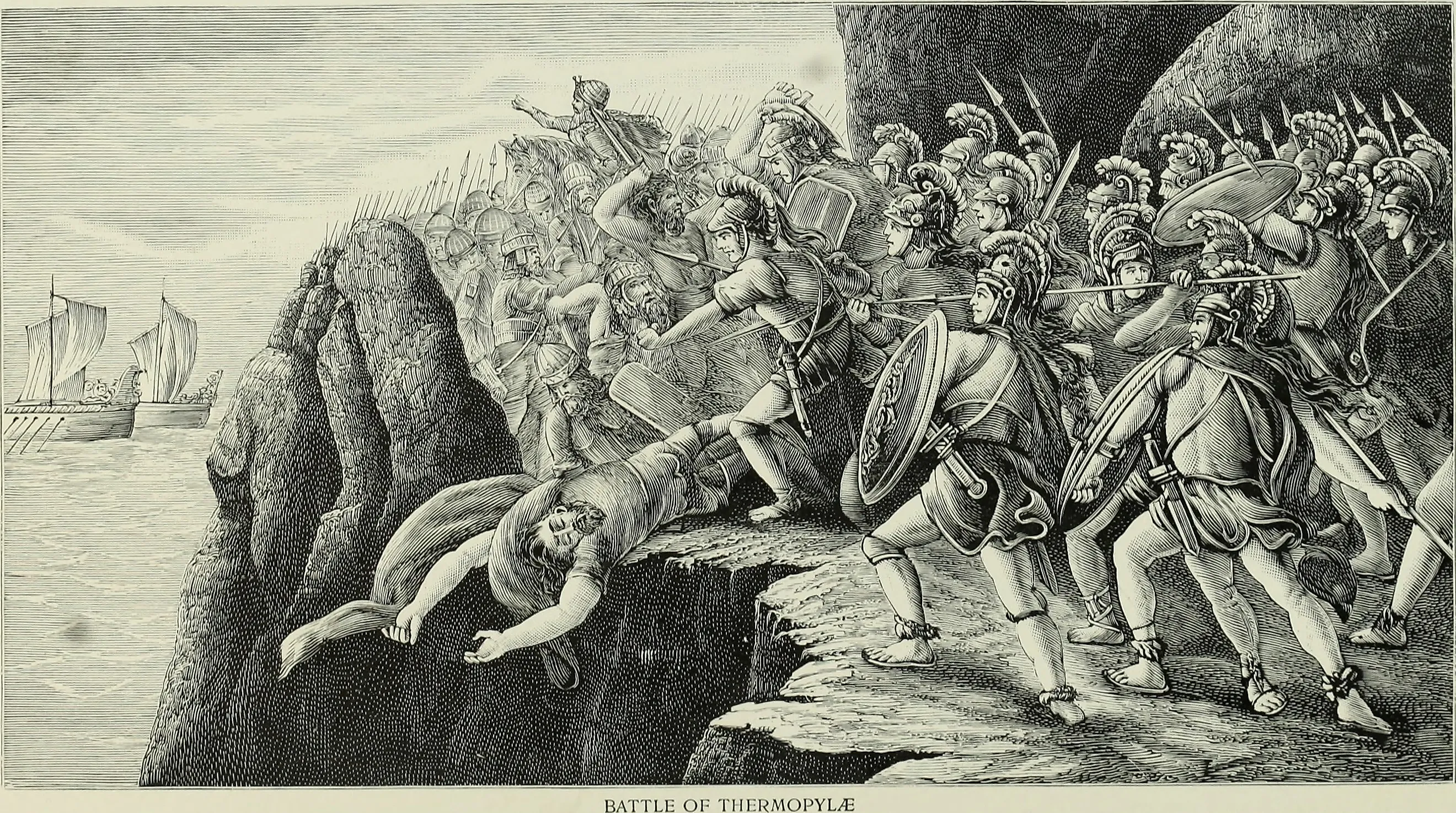
As the battle dragged on into a second day, and then a third, the Greeks began losing ground. The Persians couldn't fully leverage their numerical superiority, but they were still much more easily able to replace fallen troops. However, the true turning point came when a Greek named Ephialtes of Trachis informed Xerxes of a mountain pass that went around the Greek main position. Xerxes sent troops along the path and decimated the soldiers defending it. Realizing that his position was being overrun, Leonidas ordered most of the Greek army to retreat while he and a smaller group made a final stand. This included about 300 Spartan soldiers, 700 Thespians, and 400 Thebans. They moved to the narrowest possible position and attacked the Persians aggressively. None survived, and the last Greeks were finished off by Persian arrows and javelins.
Aftermath

Even though the Persians technically won the Battle of Thermopylae, it came at an enormous cost. According to Herodotus, up to 20,000 Persians died, and Xerxes supposedly hid many bodies in mass graves to cover up the true scale of the losses. Despite these numbers and stories likely being exaggerated, the Greeks nevertheless demonstrated that they could put up a meaningful fight. The battle also gave them time to evacuate Athens before the Persians reached it. Hence, when the Persians took the city and burned it, the Greeks weren't defeated.
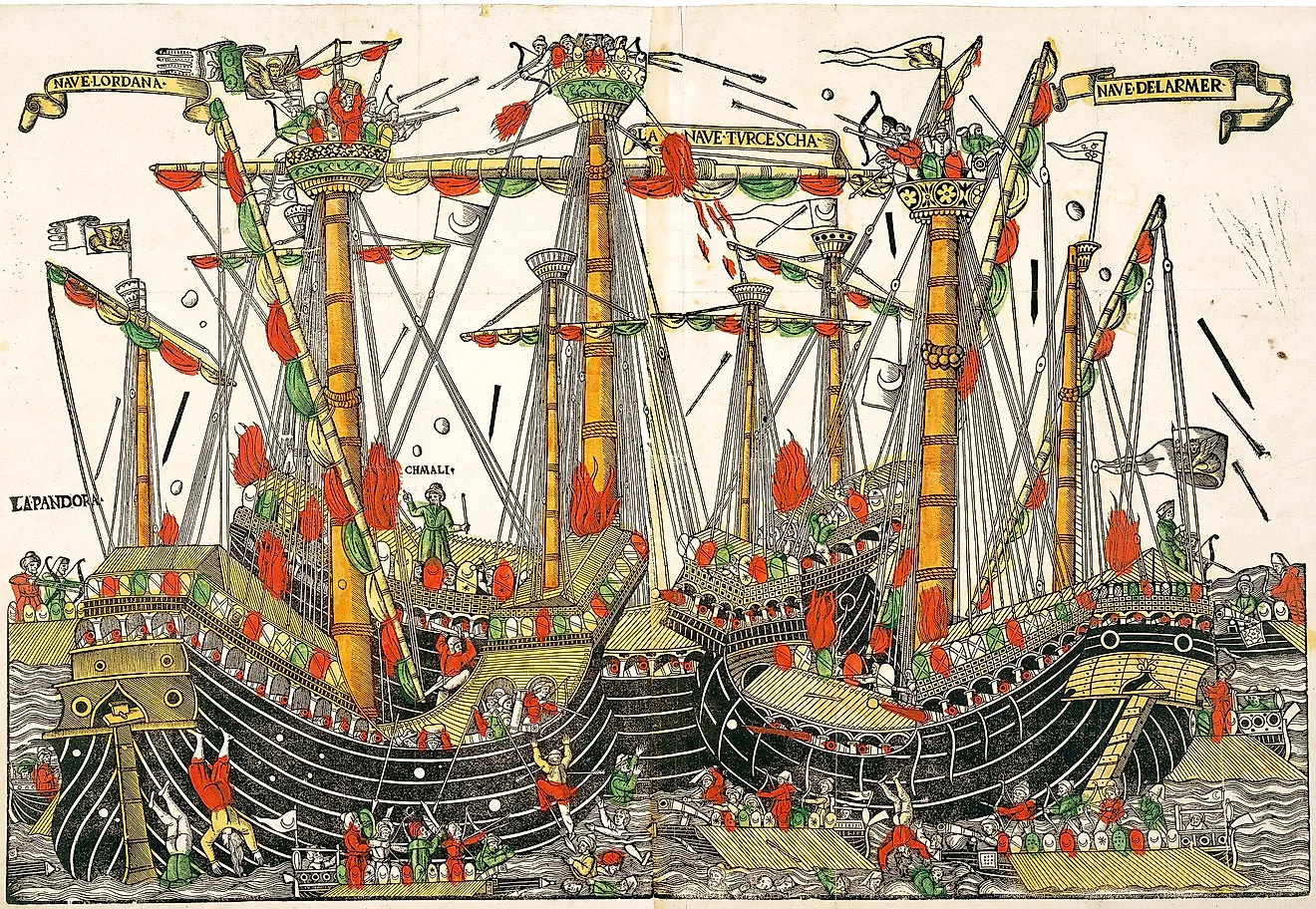
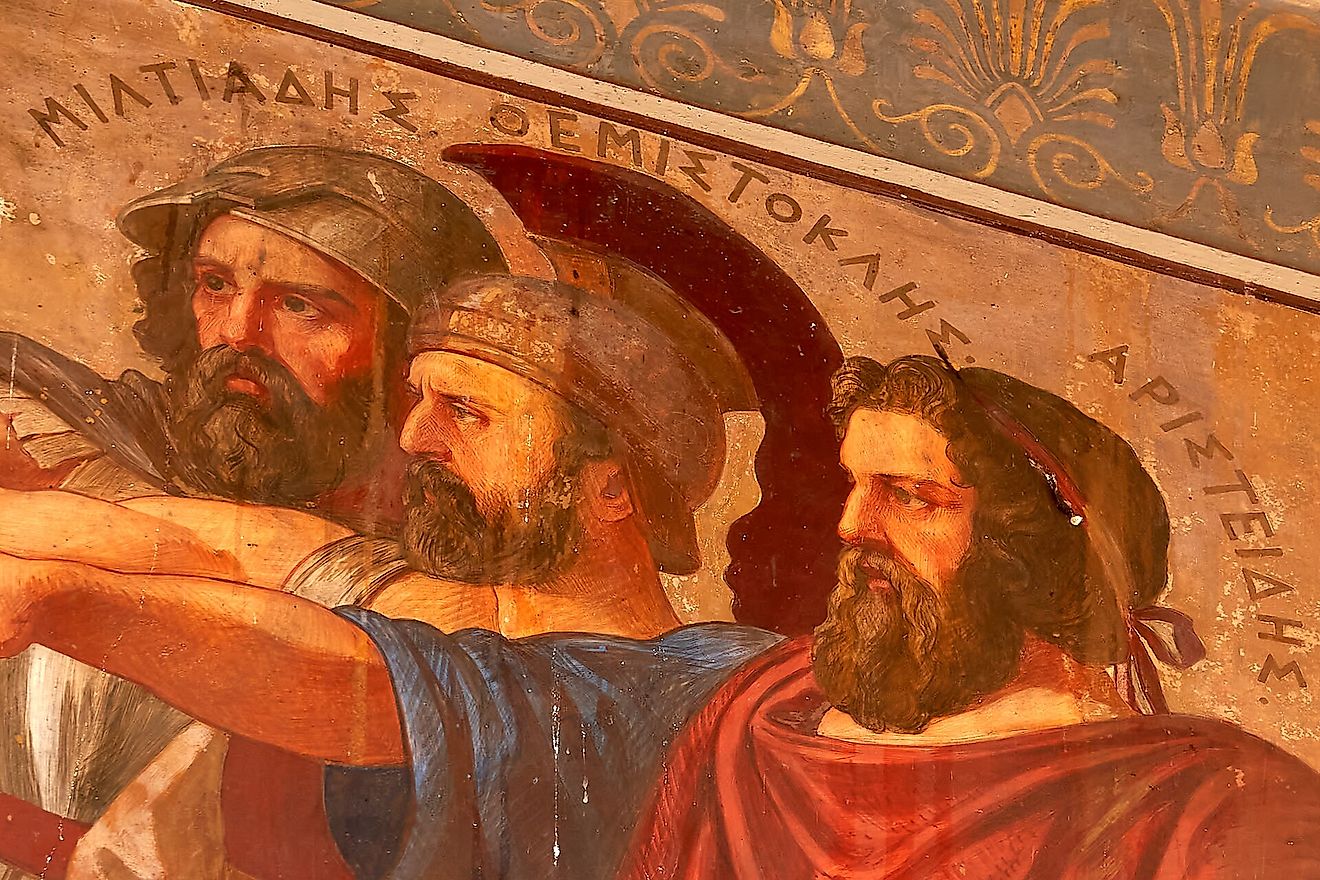
All this set the stage for the decisive engagement of the war, the Battle of Salamis. An Athenian general named Themistocles tricked Xerxes by sending a messenger who claimed that the Greek fleet was planning to escape. Looking to destroy it once and for all, Xerxes led his fleet into the narrow straits near Salamis. The Greeks were waiting and launched a devastating surprise attack. Hundreds of Persian ships were destroyed. The scale of the defeat was so devastating that Xerxes was forced to withdraw much of his land army, since the navy was essential for supplying it. The Greeks again defeated the Persians at the Battles of Plataea and Mycale in 479 BCE. With this, Xerxes' invasion of Greece was effectively over, and the Greeks gradually took more and more territory from the Persians over the next decades.
Impact And Legacy
There are several common misconceptions about the Battle of Thermopylae. Far more than 300 Spartans fought on the Greek side, even during the famous final stand. Persian numbers, including the army's size and death toll, are also often exaggerated. Regardless, the battle still changed the course of history. Against all odds, the Greeks put up a valiant defense against the Persians. This bought the time to evacuate Athens and decisively win the Battle of Salamis.