The Biggest Myths About Ancient Egypt
Ancient Egypt was one of history's longest-lasting civilizations. It has also been the subject of numerous myths and falsehoods. The notion that enslaved people built the gigantic pyramids of Egypt was proven wrong by archaeological discoveries of workers' settlements. Many also believe that Tutankhamun was one of Ancient Egypt's greatest pharaohs or that Cleopatra is of Egyptian ethnicity. However, these and many others are all misconceptions about one of humanity's greatest civilizations.
Enslaved People Built The Pyramids

It's widely believed that enslaved people built the pyramids. This belief is somewhat understandable. After all, slavery existed in Ancient Egypt, and its pharaohs were hardly benevolent. Furthermore, we find it hard to comprehend how such monumental structures were constructed thousands of years ago. Finally, the Ancient Greek historian Herodotus wrote that 100,000 slaves built the Great Pyramid of Giza.
At the same time, archaeological evidence from workers' settlements indicates that many received food, shelter, and medical care. Purpose-built dormitories, bread jars, name stamps and seals, and other artifacts found in such settlements showed that the pyramid building involved an organised team of workers who were treated well unlike the treatment meted out to the enslaved workers of the time. Herodotus' claim also needs critical scrutiny, since he visited Egypt thousands of years after the pyramids were built. This suggests that paid laborers actually worked on them, rather than enslaved people. While some were probably not strictly "free", in the sense that they may have been conscripted seasonally, the popular image of thousands of people in chains being forced to build the pyramids is inaccurate.
Tutankhamun Was One Of Egypt's Greatest Pharaohs

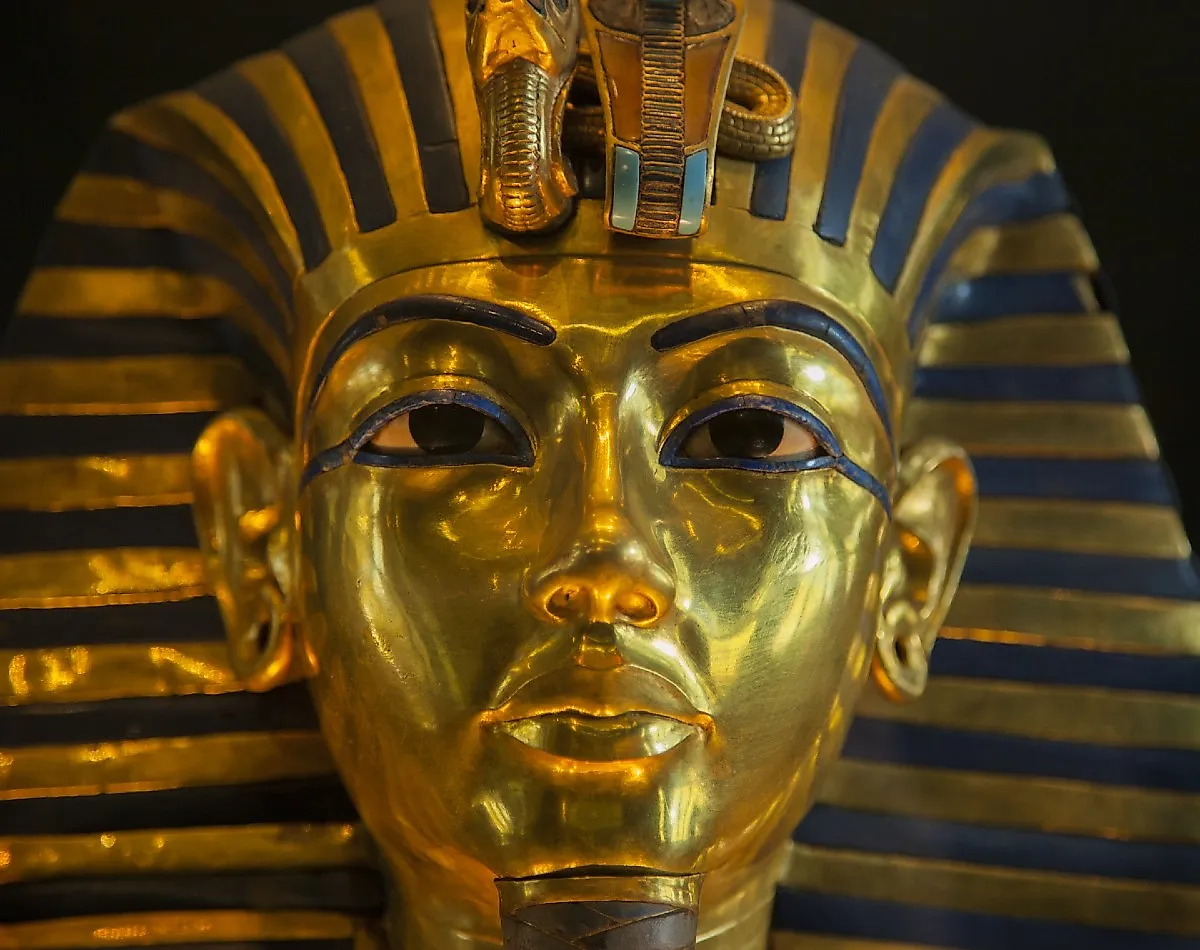
Tutankhamun is one of the most well-known pharaohs in Egyptian history. Contrary to popular belief, he wasn't a particularly consequential or great leader. Ruling from 1332 to 1323 BCE, he ascended to the throne at the age of nine. Tutankhamun did have some minor accomplishments. For instance, he reversed his predecessor's shift towards monotheism by reasserting traditional polytheistic ideals and oversaw military campaigns in Nubia and the Near East. However, the young king was sickly. Modern medical scans indicate that he suffered from a clubfoot, bone disorders, and malaria. This combination of factors likely caused his death at the age of 19.

Due to his relatively brief and inconsequential reign, Tutankhamun was buried in a small tomb in the Valley of the Kings. Over the next thousands of years, he fell into obscurity, sometimes even being left off lists of Egyptian pharaohs altogether. This all changed when a British archaeologist named Howard Carter discovered his tomb in 1922. Virtually intact and untouched by tomb raiders, it contained over 5,000 artifacts that have greatly informed understandings of Ancient Egypt. The discovery also turned Tutankhamun into a global icon. Hence, Tutankhamun's importance comes from his relevance to us in the modern day, rather than his accomplishments as pharaoh.
Egypt Was One Continuous Civilization That Never Changed

When looking back at long-lasting historical civilizations, we tend to view them as continuous, unchanging entities. Ancient Egypt is no different. However, doing so ignores how it evolved over time. Founded around 3,100 BCE, the first 500 or so years saw the establishment of Egyptian state infrastructure. The Old Kingdom period (approximately 2,700 to 2,200 BCE) was then characterized by pyramid building. This was followed by the Middle Kingdom (approximately 2,550 to 1,650 BCE), during which literature, fine arts, and trade flourished. Under the New Kingdom (1,550 to 1,050 BCE), Egypt transformed from a relatively isolated state into a broader Mediterranean empire, as aggressive pharaohs like Ramses II made incursions into the Near East. The following 700 years then saw numerous foreign powers occupy and rule Egypt, including the Libyans, Nubians, Assyrians, and Persians. While the rise of the Ptolemaic Dynasty in the late 300s BCE marked a return to more traditional practices, the rulers were still Greek, rather than Egyptian.
Cleopatra Was Egyptian

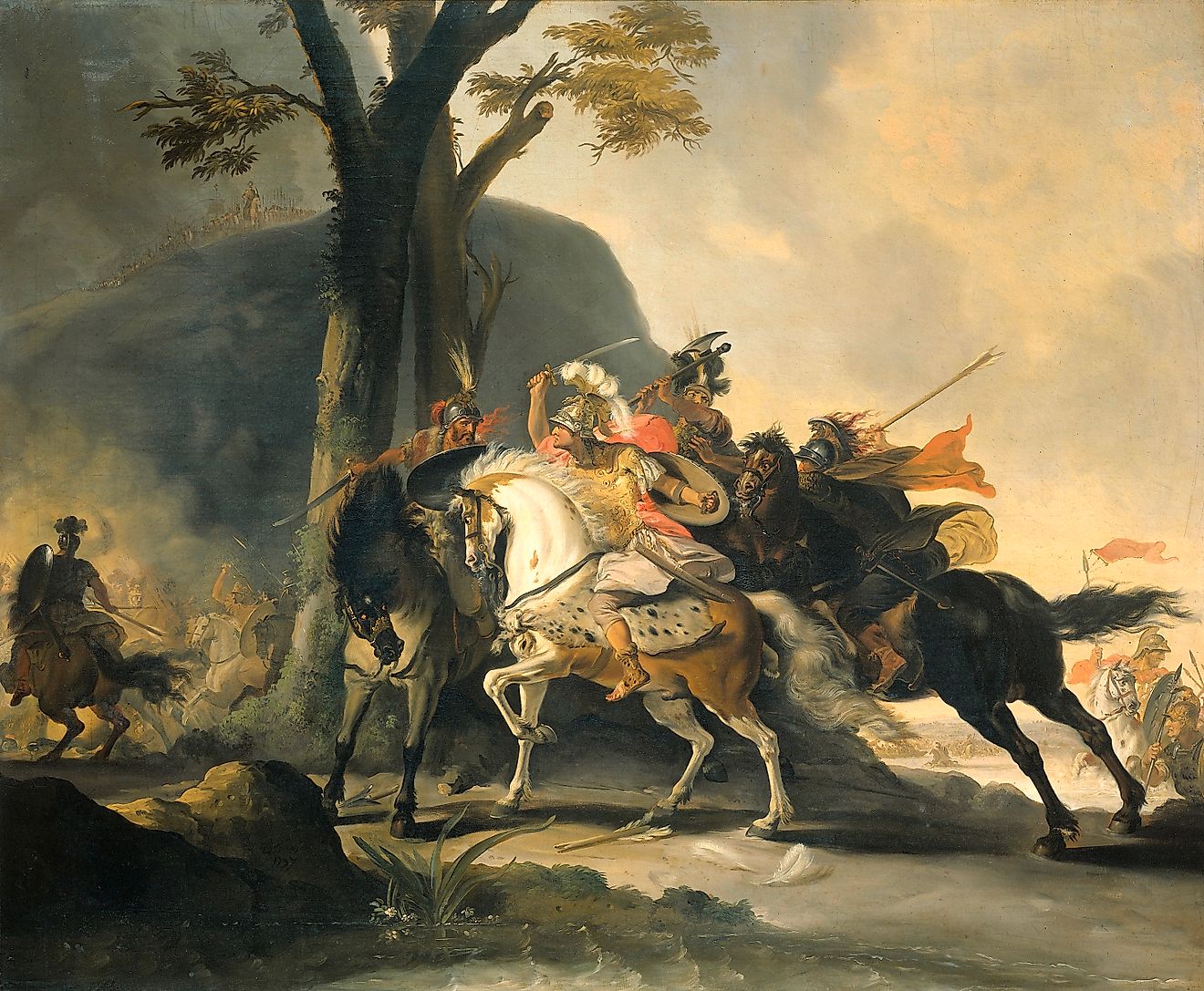
Cleopatra ranks alongside Tutankhamun as one of the most famous leaders of Ancient Egypt. As such, one would naturally expect her to be Egyptian. This wasn't the case. Cleopatra was Greek and the last ruler in the aforementioned Ptolemaic Dynasty. Established by Ptolemy I Soter following Alexander the Great's death, the Ptolemies tried to legitimize themselves by adopting the title of pharaoh and embracing Egyptian religious traditions. Cleopatra went even further, learning the native Egyptian language and portraying herself as the living embodiment of the god Isis. She also supported local temples and priesthoods. These measures did some good, but they didn't eliminate questions about her identity. Indeed, Cleopatra's legacy in modern-day Egypt is mixed, partially due to her Greek heritage.
Ancient Egyptian Civilization Ended in 30 BCE

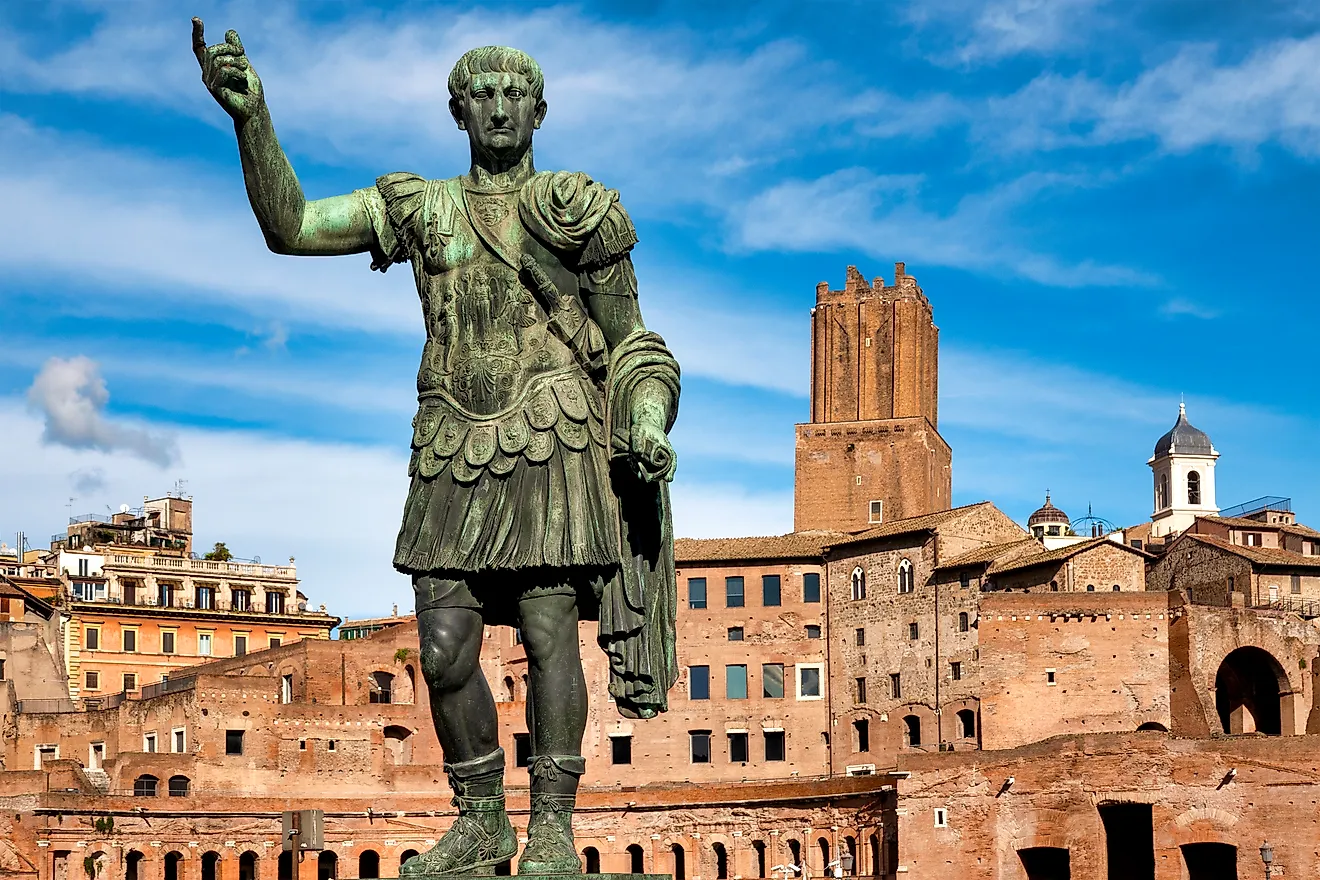
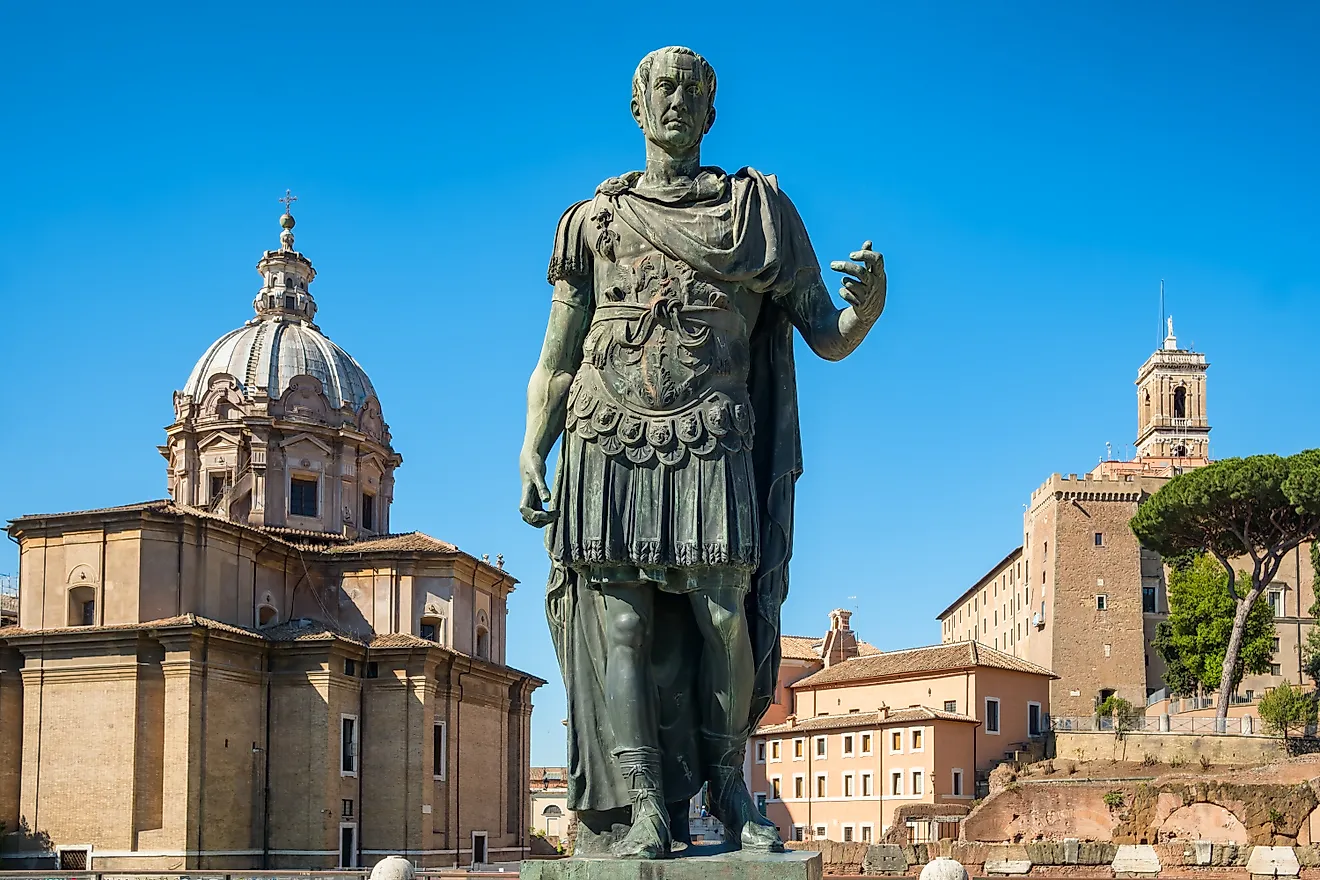
Many believe that Ancient Egyptian civilization ceased to exist when Rome annexed Egypt in 30 BCE. This is somewhat understandable. After all, there were no more pharaohs, and Egypt became heavily integrated into the Roman Empire. It also took thousands of years for Egypt to regain independence. Nevertheless, Egyptian culture and daily practices didn't disappear overnight. Major religious sites like the temples of Philae, Edfu, and Dendera continued to operate, and the Ancient Egyptian language and hieroglyphic system stayed in use for centuries. Mummification practices continued for hundreds of years as well. Finally, contrary to popular belief, Julius Caesar didn't completely burn down the Library of Alexandria during the 40s BCE, and it remained an important intellectual hub during Roman rule. It was only in the 5th and 6th centuries CE when Eastern Roman Emperors closed the last polytheistic temples, in favour of Christian churches, that Ancient Egyptian civilization more or less ceased to exist. Muslim conquests in the 600s CE further altered Egypt's identity.
Impact And Legacy
There are many myths and misconceptions about Ancient Egypt. Paid laborers built the pyramids, rather than slaves. Tutankhamun also wasn't one of the greatest pharaohs and only really gained importance thousands of years later. Ancient Egyptian civilization wasn't static and instead changed significantly over time. Cleopatra was also ethnically Greek, although she made efforts to ingratiate herself with the local Egyptian population. Finally, meaningful aspects of Ancient Egyptian civilization continued after 30 BCE, even when Egypt itself was under Roman rule.