The Brutal Roman Wars That Shaped North Africa
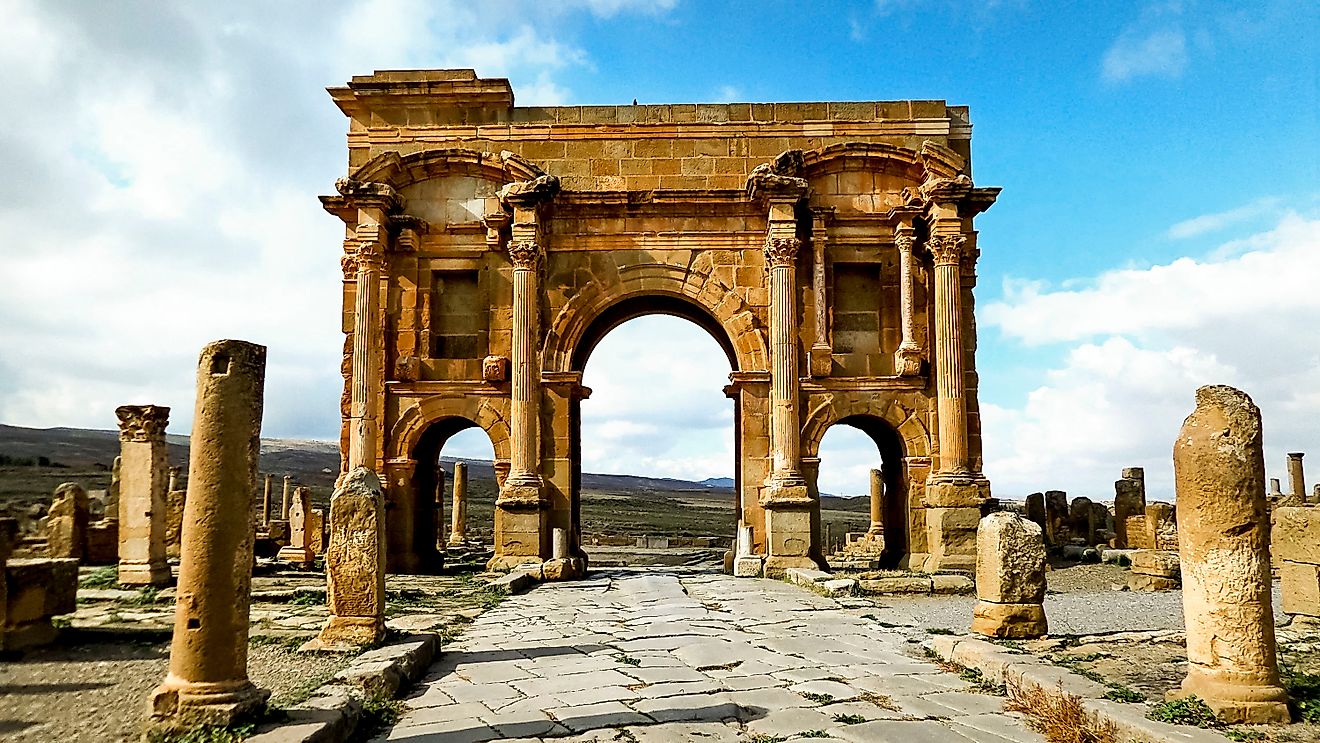
North Africa was one of the most important regions of Ancient Rome. Its agriculture fed millions of people, and its access to the Mediterranean Sea and Red Sea opened crucial trade routes. However, the way the Romans acquired this territory was far from peaceful. From the Punic Wars to the Jugurthine War, centuries of conflict brought enormous bloodshed. Even after conquering North Africa, violence against local populations continued, as evidenced by Tacfarinas’ Revolt in the early first century BCE.
The Punic Wars (264 To 146 BCE)

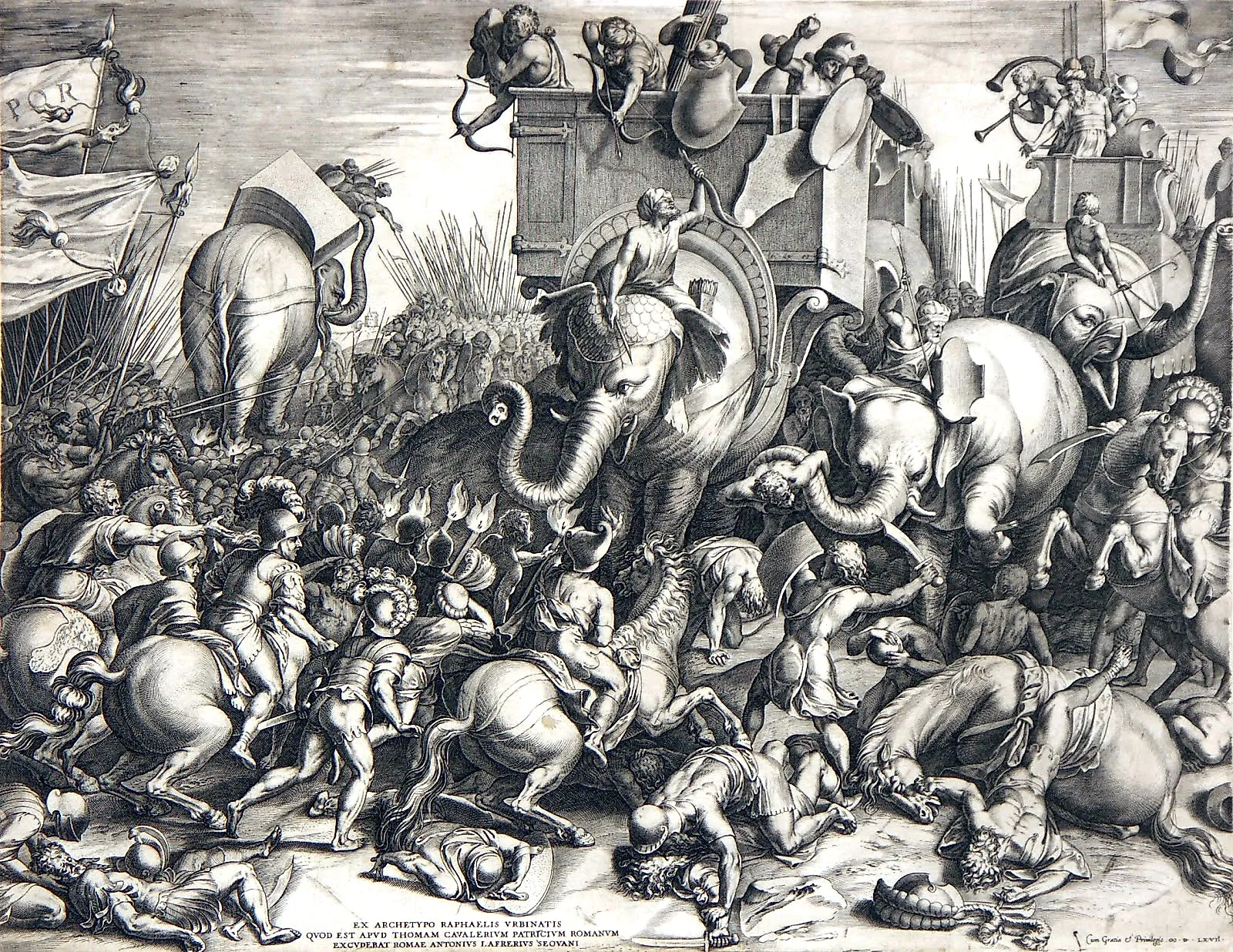
During the third and second centuries BCE, the Roman Republic fought a series of wars with the Tunisia-based empire of Carthage. The first conflict, appropriately known as the First Punic War, was fought primarily for control over Sicily. However, it had some implications for North Africa. In the aftermath, Carthage struggled to pay its mercenary soldiers. This led to the Mercenary War (241 to 237 BCE), in which the unpaid troops and Libyans unhappy with Carthaginian rule revolted. While Carthage suppressed the rebellion, it destabilized the region and made it more vulnerable to Roman incursions. This was demonstrated in the Second Punic War (218 to 201 BCE), which ended with the Romans invading North Africa.

Despite no longer really being a threat, many in Rome still wanted an excuse to destroy Carthage once and for all. They finally found an excuse to do so in the late 150s BCE, when Carthage responded to Numidian attacks on its territory. A technical violation of the peace agreement signed after the Second Punic War, the Romans proceeded to besiege Carthage. Lasting from 149 to 146 BCE, it took longer than expected. The Romans were disorganized, whereas the Carthaginians defended their home with ferocity and tenacity. Nevertheless, the tide turned in 147 BCE when Scipio Aemilianus took control of the Roman army. Carthage finally fell in 146 BCE. Between 50,000 and 200,000 people were killed in the Third Punic War, and another 50,000 were sold into slavery.
The Jugurthine War (111 To 105 BCE)

Even though the Romans now controlled much of the former Carthaginian Empire, this didn’t mean that they ruled all of North Africa. They thus spent the next centuries expanding east and west. The Jugurthine War was one of the most important episodes in this process. Lasting from 111 to 105 BCE, it was fought against King Jugurtha of Numidia (a kingdom mostly centered around modern-day Algeria). The conflict began when Jugurtha captured Cirta and massacred many of its inhabitants, including Roman citizens. Rome responded by declaring war. The campaign initially went poorly, but the tide changed in 107 BCE when Gaius Marius took command. Jugurtha proved no match for Marius. He was ultimately captured in 105 BCE, after which he was transported to Rome and executed.
The Roman Conquest Of Egypt (48 To 30 BCE)

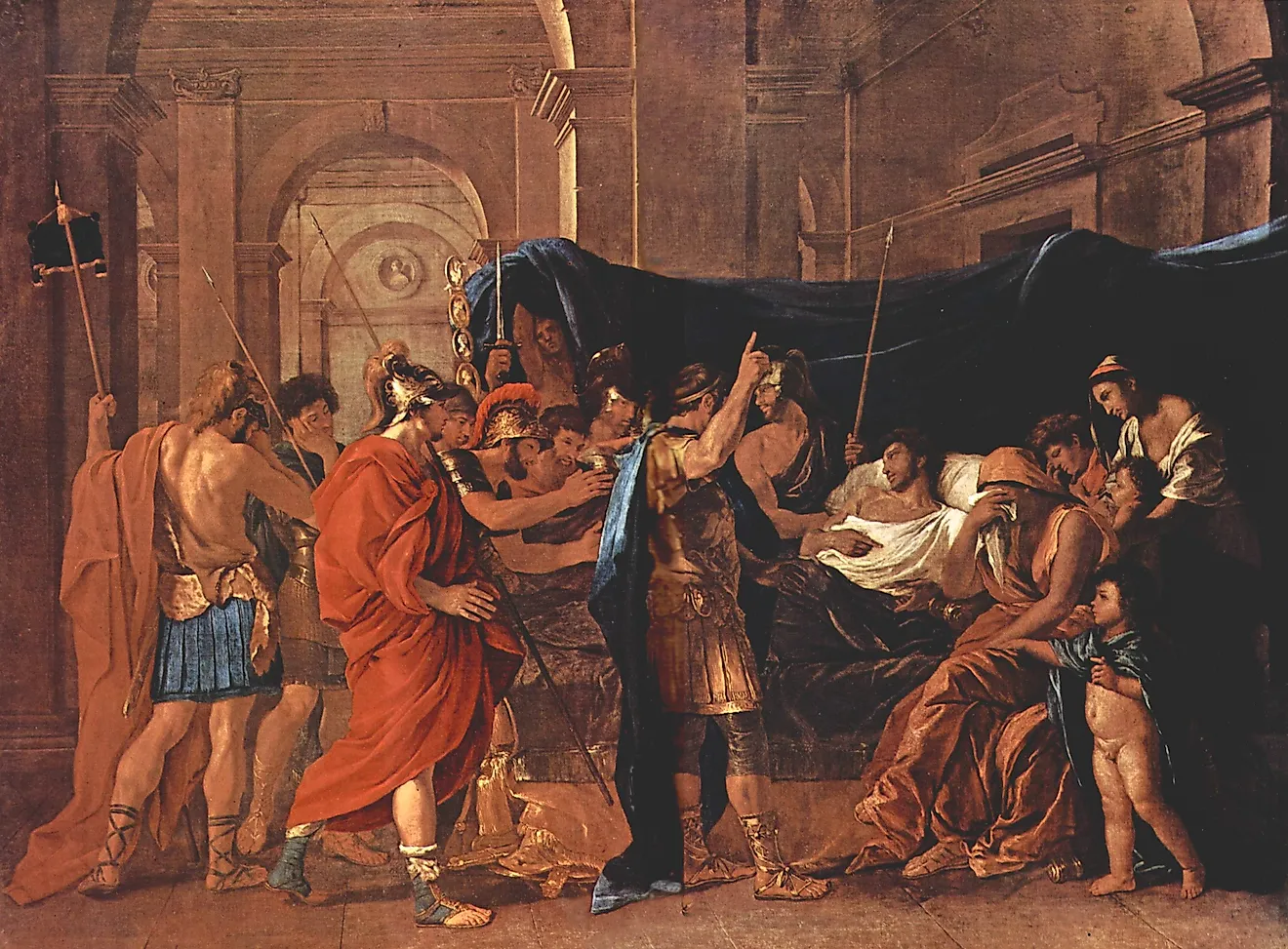
Decades before official military activity began, the Romans exerted influence in Egypt. The ruling Ptolemaic Dynasty was increasingly unpopular due to infighting and their Greek heritage. This forced them to rely on Roman military support, in exchange for access to Egyptian agriculture. Egypt then officially became part of Roman military affairs during Julius Caesar’s civil war with Pompey (49 to 45 BCE). After the Battle of Pharsalus (48 BCE), Pompey fled to Egypt. There, he was assassinated on the orders of Ptolemy XIII, who was hoping to curry favor with Caesar. This didn’t work, and Caesar allied himself with Cleopatra, Ptolemy’s wife, sister, and rival to the throne. The two defeated Ptolemy XIII and Cleopatra became the undisputed ruler of Egypt.

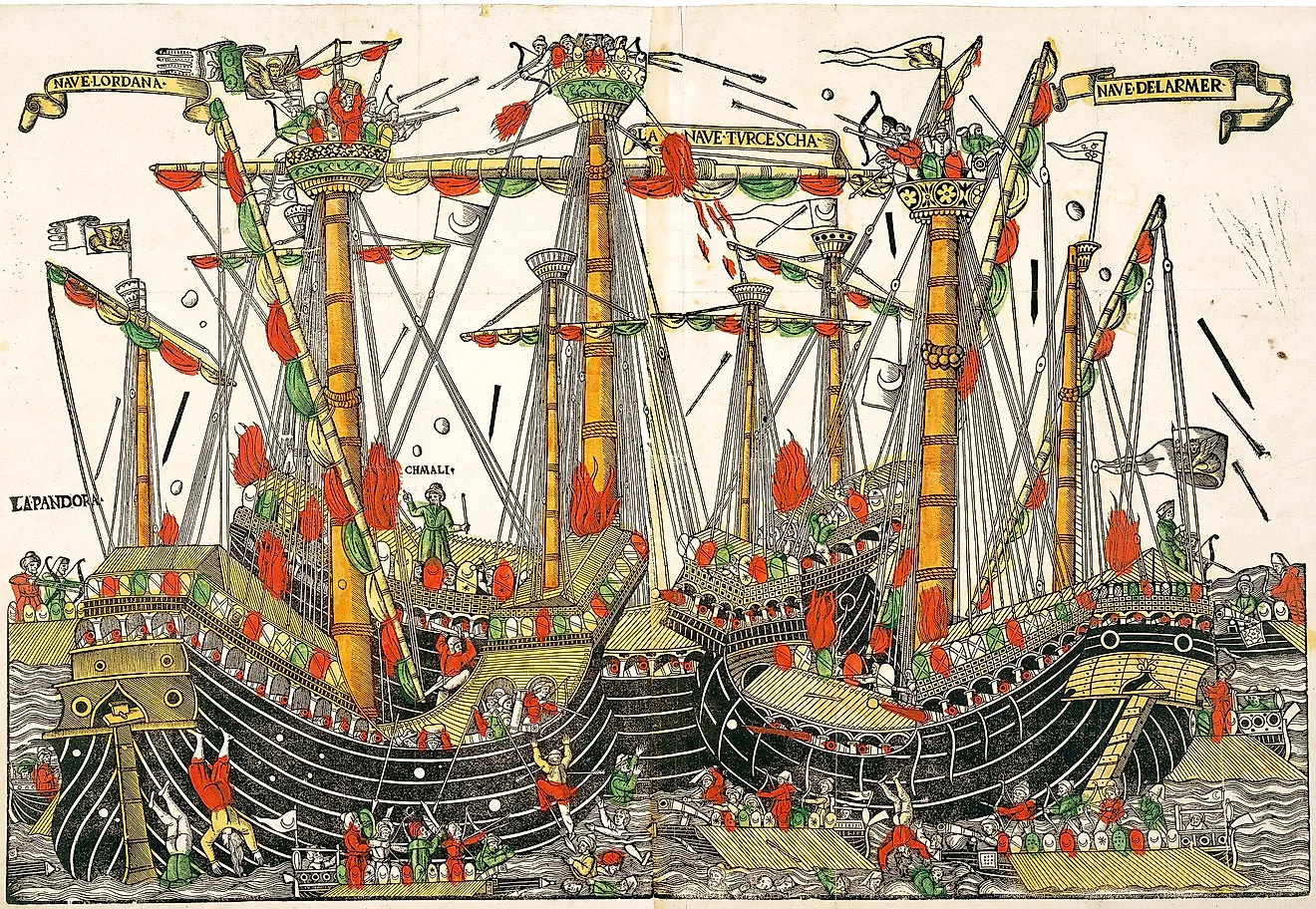
In 44 BCE, Caesar was assassinated by a group of senators concerned about his increasingly tyrannical grip on power. Cleopatra knew that she needed another way to secure Roman support, which she found by courting Mark Antony. A friend and a member of the Second Triumvirate (the alliance that ruled Rome in the late 40s and 30s BCE), Antony became Cleopatra’s political ally and lover. This relationship made many in Rome uneasy, particularly Octavian, who argued that Antony was disloyal to Rome and had been corrupted by the “foreign queen”. These accusations became even more convincing after the Donations of Alexandria in 34 BCE, in which Antony granted large swaths of eastern Roman territory to Cleopatra’s children. The Senate ultimately declared war on Cleopatra and, in turn, Antony. The climactic engagement was the Battle of Actium in 31 BCE, in which Octavian decimated Cleopatra and Antony’s fleets. The two fled back to Egypt, where they committed suicide. Octavian then annexed Egypt.
The Tacfarinas War (17 To 24 CE)

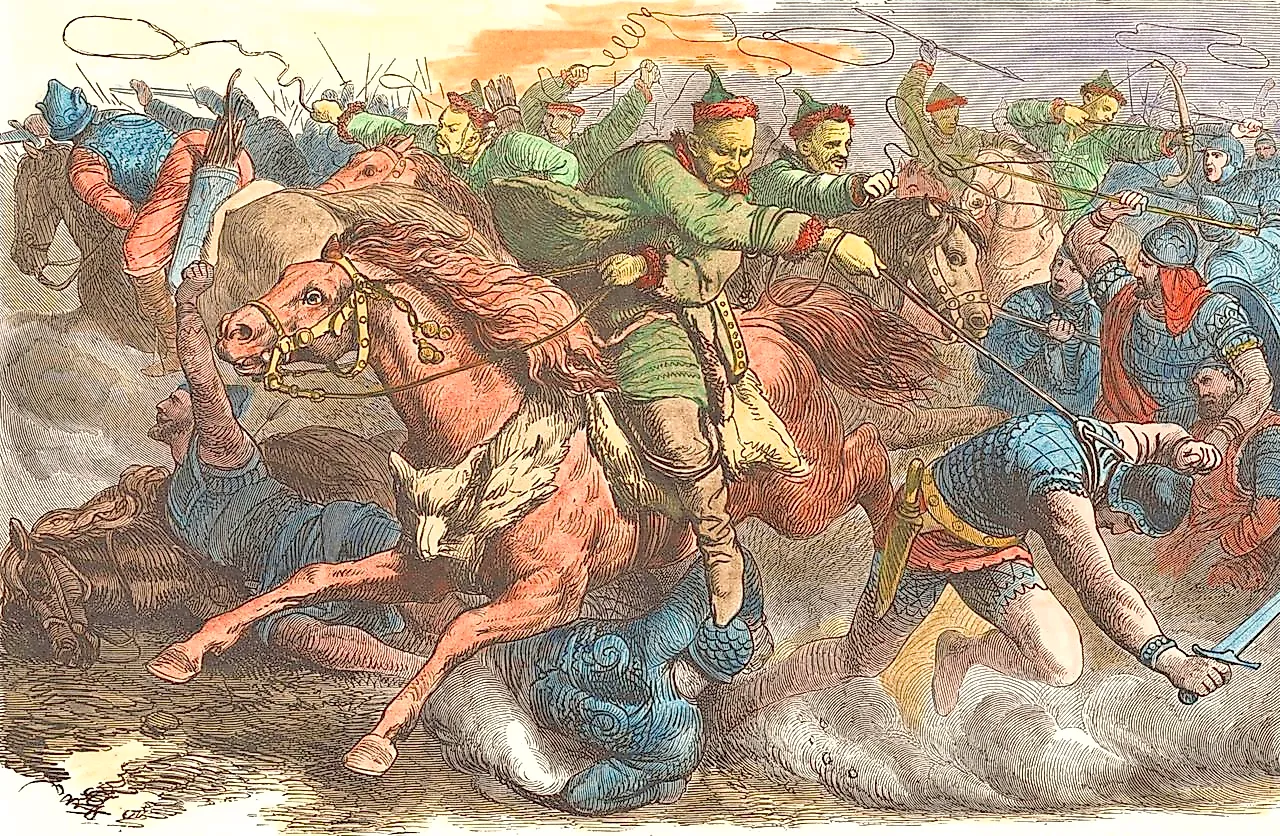
Even when the Romans conquered part of North Africa, this didn’t mean that military activity was over. These regions had indigenous populations who were often unhappy with their new overlords, leading to revolts and all-out wars. Perhaps the most famous example was the Tacfarinas War from 17 to 24 CE. Tacfarinas was a Numidian Berber who served in the Roman auxiliary forces. However, he eventually turned against the Romans. Their agricultural settlements, road systems, and increasingly regulated forms of land ownership threatened the traditional ways of life for local communities. It was particularly disruptive to groups who depended on seasonal movement of livestock. Therefore, with the help of an indigenous nomadic tribe called the Musulamii, Tacfarinas rebelled. Utilizing guerrilla warfare, they gave the Romans enormous challenges and even threatened some major settlements. Eventually, Emperor Tiberius grew frustrated with the situation and ordered a more aggressive, organized attack. This worked well, and under the leadership of Publius Cornelius Dolabella, the Romans subdued the rebellion. Tacfarinas himself died in the final battle in 24 BCE.
Impact And Legacy
Several brutal Roman Wars shaped North Africa. The Punic Wars ended with the Siege of Carthage, in which 50,000 to 200,000 people were killed, and 50,000 more were enslaved. The Jugurthine War saw the Romans conquer much of modern-day Algeria. Numerous wars in Egypt culminated in Octavian annexing it in 30 BCE. Finally, Tacfarinas’ revolt in the early first century BCE demonstrated that a military presence was still needed in the areas already under Roman control.