Was The Ottoman Empire Inspired By The Roman Empire?
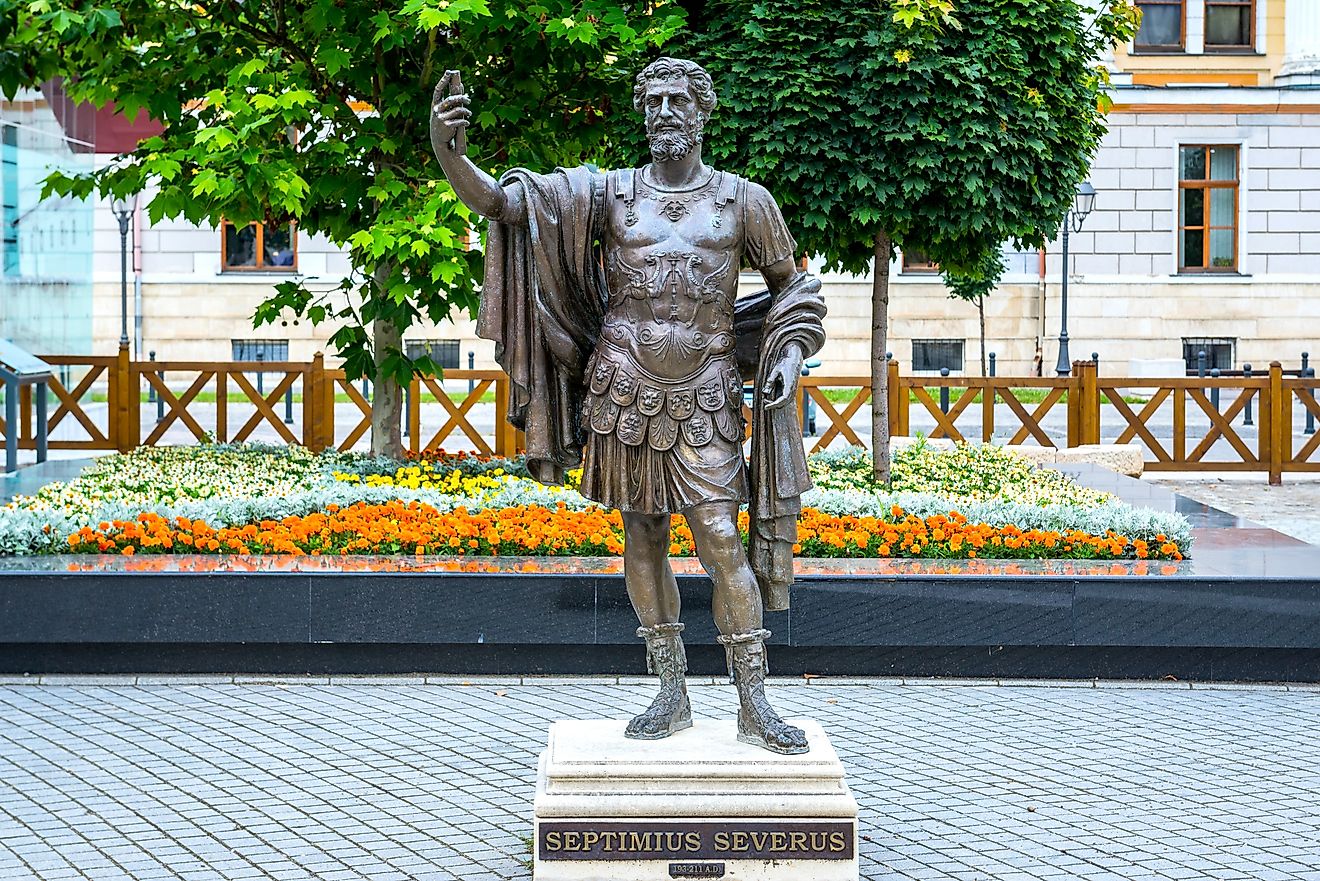
The Roman Empire and Ottoman Empire were two of the most important states in world history. However, their connection is often ignored or not examined as thoroughly as it could be. This does a disservice to both states and also misses how interconnected major powers can sometimes be. The clearest connections lie in territorial overlap, the reuse of Constantinople, Mehmed II's claim to Roman succession, and the selective preservation of local practices.
The Ottomans Caused The End Of The Roman Empire

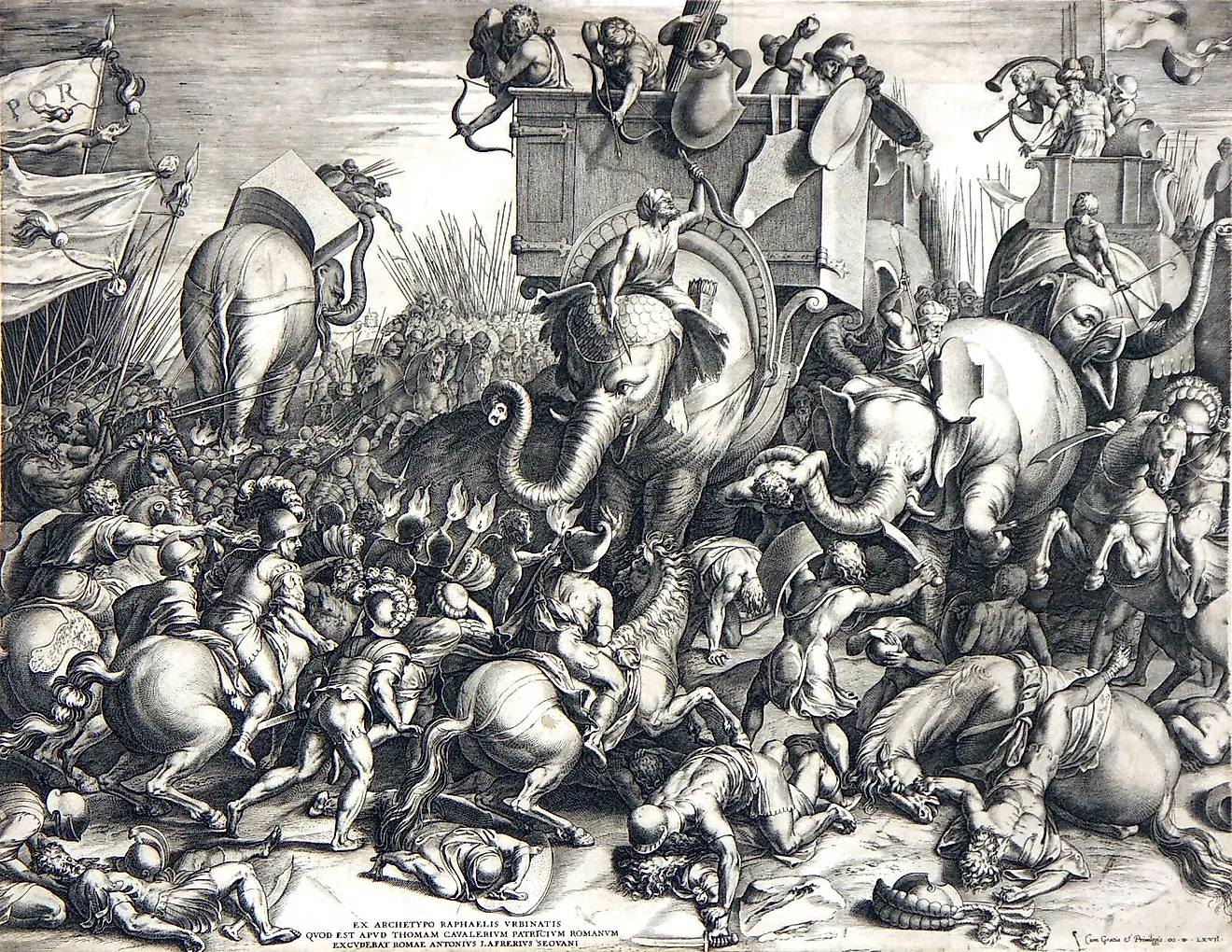
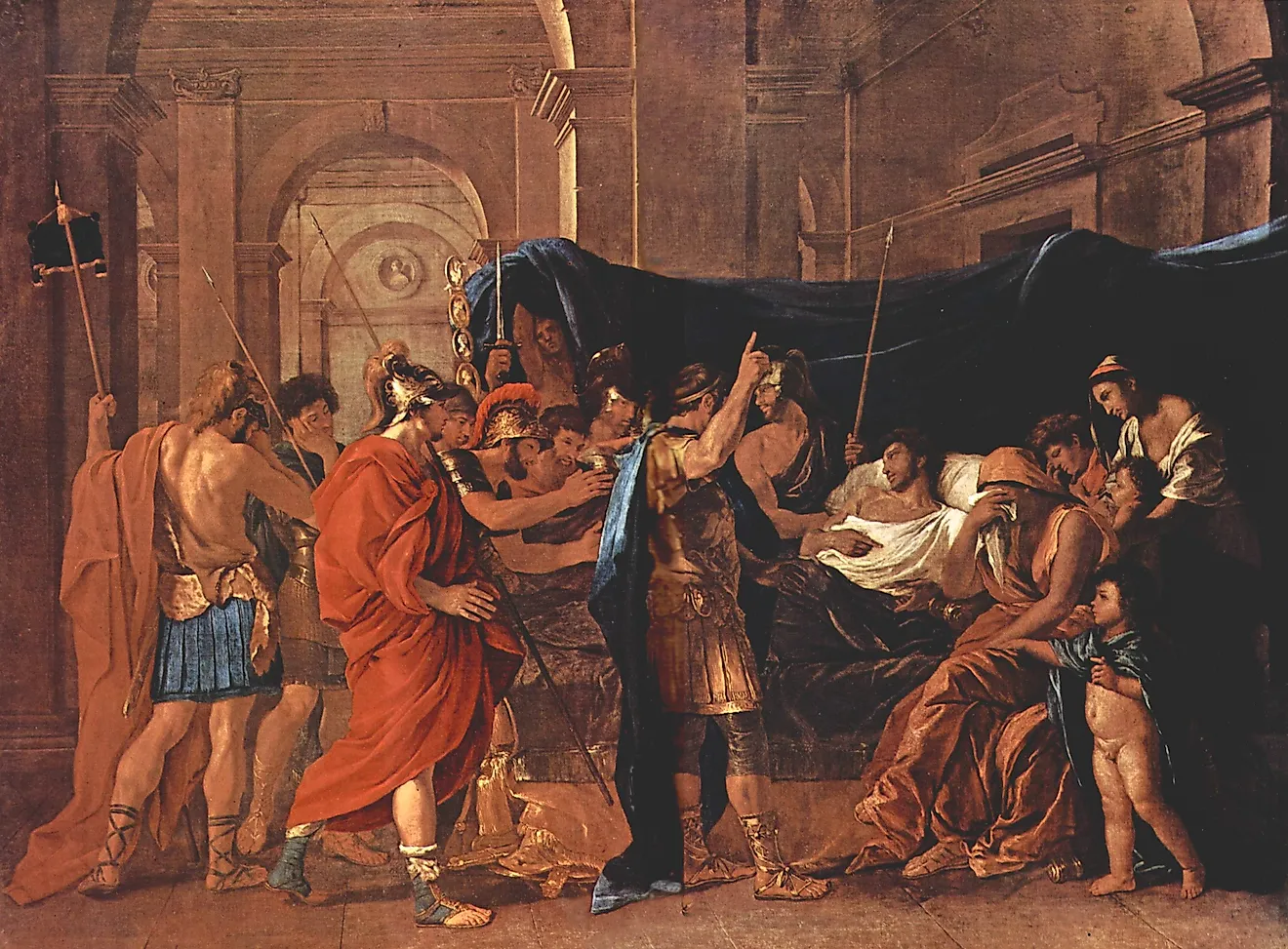
After Theodosius I died in 395, the Roman Empire was governed through separate eastern and western courts, although it remained constitutionally a single empire. The Western Empire struggled and ultimately fell in 476 when the Germanic leader Odoacer deposed Emperor Romulus Augustulus. This didn't mark the end of Roman civilization, since the Eastern Roman Empire (known retroactively as the Byzantine Empire) survived for the next 1,000 years. It remained a major military and cultural power and even briefly reconquered much of the former Western Roman territory. However, several conflicts, such as wars with the Persians and the Crusades, weakened it. The Fourth Crusade was particularly devastating, as it led to the Sack of Constantinople (the Byzantine capital) in 1204. By the 14th and 15th centuries, the Eastern Romans, or Byzantines, were vulnerable.
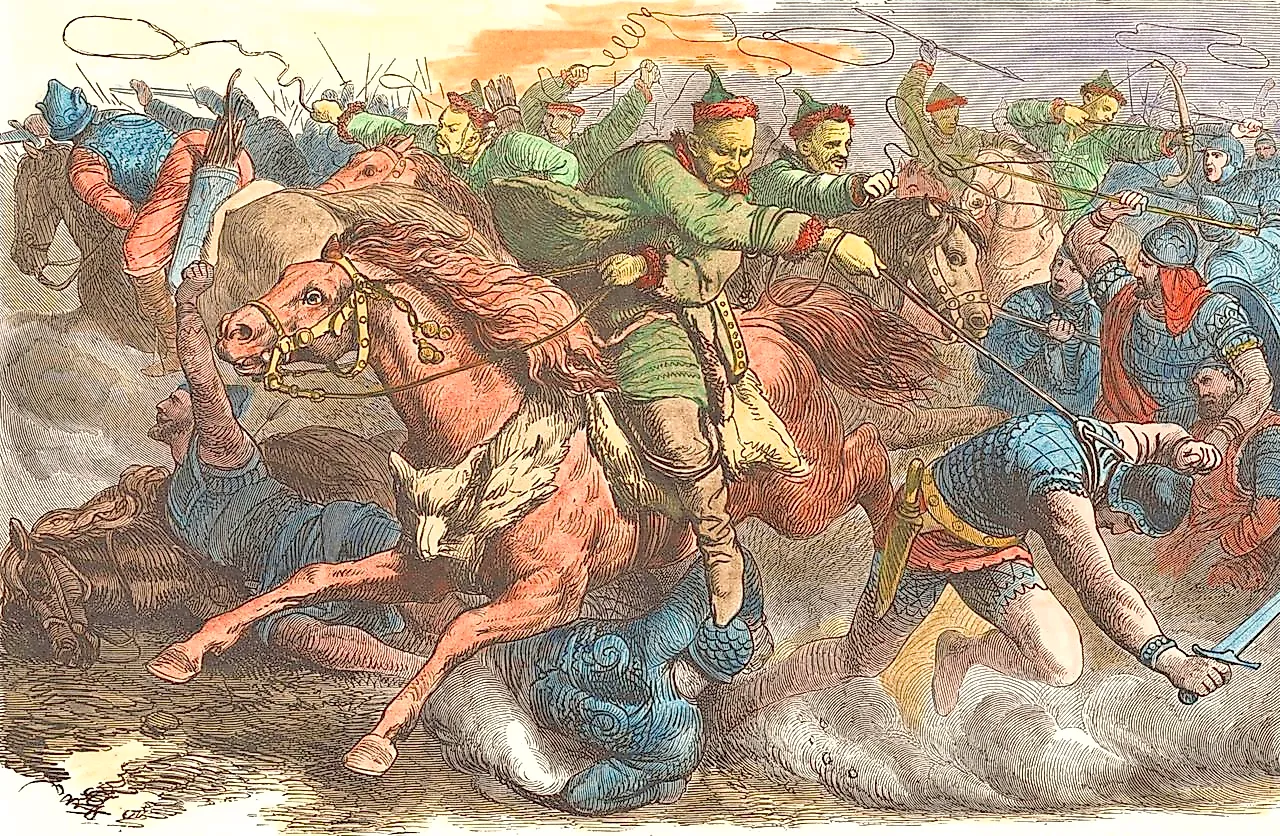
The Ottoman Empire took advantage of this weakness. Founded sometime around 1299 by Osman, it began as a small state on the Anatolian peninsula. The Ottoman state expanded through warfare, diplomacy, frontier opportunities, and the absorption of conquered lands and populations; the Janissaries emerged as a standing infantry force only in the second half of the 14th century. Eventually, it became a major Anatolian and Balkan power, and the biggest threat to the Byzantines. This culminated in 1453 with the Siege of Constantinople. Lasting nearly two months, the Ottomans used a combination of artillery, naval power, infantry, and engineering to take the city. Constantinople's fall ended the Eastern Roman Empire, whose political tradition reached back to ancient Rome and whose imperial system began under Augustus in 27 BCE.
Ottoman Rulers Modeled Themselves After Roman Emperors

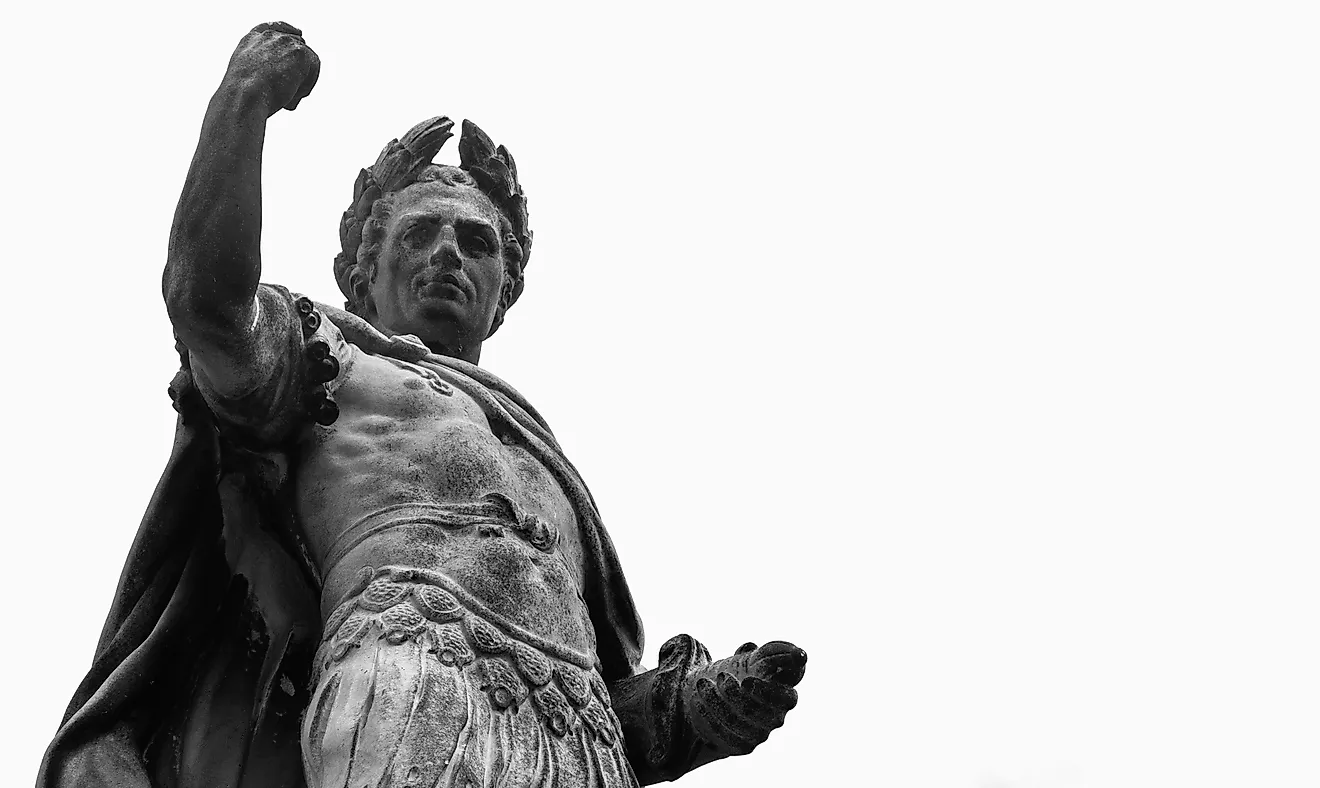
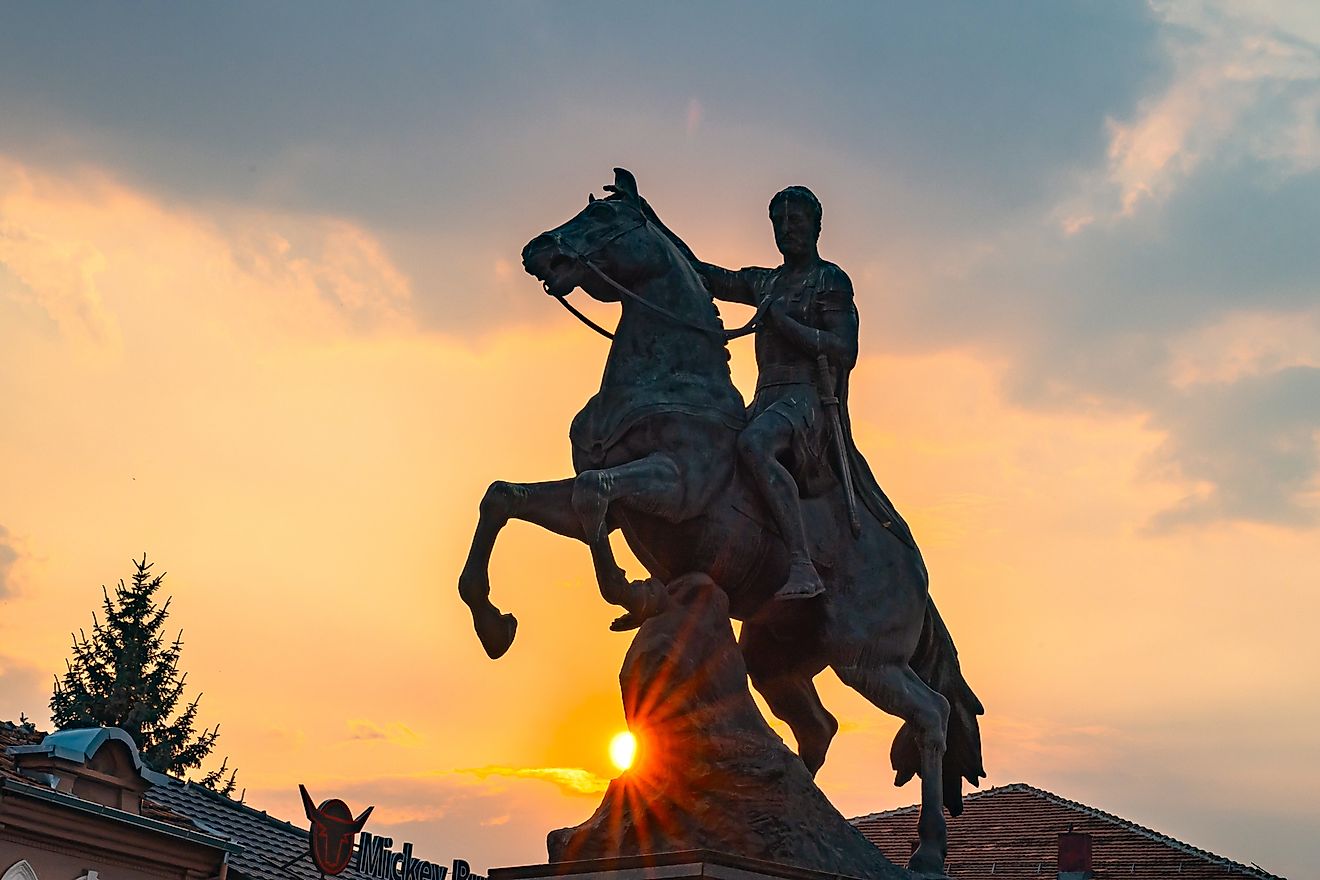
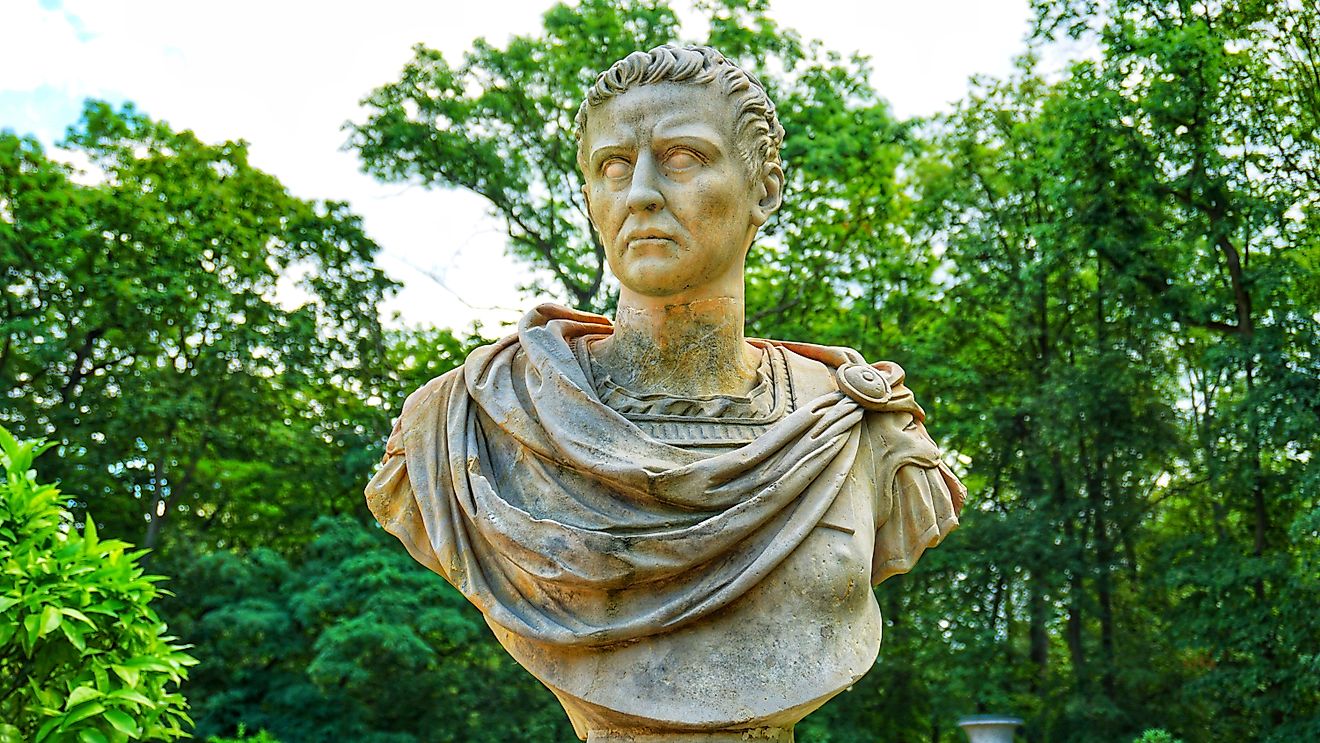
Despite being historic enemies of the Byzantines, the Ottomans often admired Rome and its rulers. Mehmed II, the sultan who oversaw the Siege of Constantinople, was particularly fascinated by the Roman past. He studied the history of Rome and Byzantium and employed Greek and Italian scholars in his court. Mehmed II also viewed the Ottoman Empire as a "universal" empire, like Rome was, and tried to conquer traditional Roman territory. His campaigns in places such as Serbia, Albania, Crimea, and Italy served strategic and dynastic goals, while his Roman imperial claims provided an additional ideological justification for expansion. Finally, and perhaps most importantly, Mehmed didn't view the Ottomans taking Constantinople as the end of Roman civilization. Rather, he believed that he inherited its mantle and thus adopted the title "Caesar of Rome".
The Ottomans Inherited Many Roman Administrative Traditions

There were several other, arguably more tangible, ways in which the Ottoman Empire functioned as a continuation of Rome. One of the clearest examples was in the administrative realm. The Ottomans employed some Greek and Christian intermediaries and preserved selected local institutions, but Mehmed II also developed a distinct Ottoman imperial bureaucracy. Using experienced local leaders and intermediaries could make the transition to Ottoman rule easier and less expensive. Ottoman authorities also retained some local taxes and customary obligations, then incorporated them into a fiscal system influenced by Islamic law and several regional precedents.
Finally, Constantinople, the political and cultural capital of the Roman world for over a thousand years, was made the capital of the Ottoman Empire. Part of this was strategic. Located on the only waterway between the Black Sea and the Mediterranean, Constantinople gave major trade and military advantages to anyone who held it. At the same time, considering that Ottoman sultans often modeled themselves after Roman emperors, moving the capital to Constantinople likely reflected the belief that they were continuing Roman civilization.
Both Empires Had Similar Defensive Needs

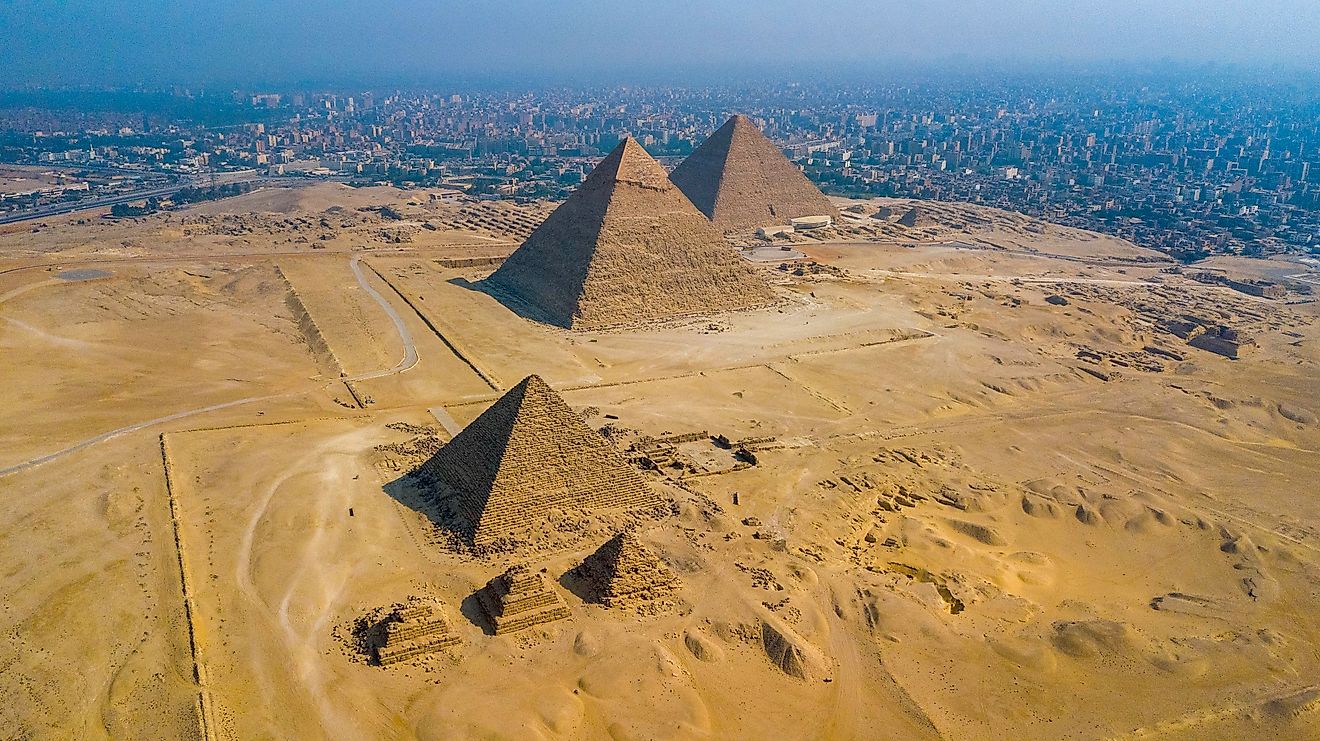
The Roman and Ottoman Empires encompassed much of the same territory. Because the empires controlled some of the same regions, they faced comparable logistical and naval challenges, although these parallels do not prove direct institutional borrowing. Consider the Punic Wars in the 200s and 100s BCE, when the Romans were forced to build up their navy to contend with Carthaginian sea power. The Ottomans similarly developed formidable naval power to attack Constantinople and later contend with European rivals in the Mediterranean during the 1500s. Ottoman naval and military power also helped the empire establish lasting control over Egypt and much of coastal North Africa, another traditional Roman region.
Both empires faced powerful Iranian rivals, although they did not fight the same states. The Romans consistently fought against the Persians, first under the Parthian Empire and then under the Sasanian Empire. On the other hand, the Ottomans frequently contended with the Persia-based Safavids. The Romans and Ottomans also fought many wars against various Arab powers. Finally, the sheer size of both empires necessitated similarly strong logistics to defend them. Roman and Ottoman roads, ports, military camps, and supply depots were all crucial in this regard.
Religion Was A Key Difference

The Roman and Ottoman Empires differed in several key ways. Religion was perhaps the biggest. The Roman Empire began as a predominantly pagan state. This changed during the 300s CE: Galerius granted Christians toleration in 311, Constantine and Licinius expanded their rights in 313, and Theodosius made Nicene Christianity the imperial standard in 380. In contrast, the Ottoman Empire's state religion was Sunni Islam. Christians and Jews generally held a protected but legally subordinate status, while eligible adult non-Muslim men paid the jizya, and non-Muslim communities experienced varying degrees of autonomy and restriction. After Selim I defeated the Mamluk Sultanate in 1517, Mecca and Medina, the two holiest cities in Islam, peacefully accepted Ottoman sovereignty. Control of the holy cities strengthened Ottoman prestige and the dynasty's evolving claims to the caliphate, although its authority over the global Muslim community was neither immediate nor universally accepted. Directly ranking the religious authority of Roman emperors and Ottoman sultan-caliphs is misleading because both institutions changed substantially over their long histories.
Impact And Legacy
The Roman Empire clearly influenced the Ottoman Empire. The Ottomans caused the end of the Roman state, yet their leaders sometimes believed they were inheriting it. The empires also controlled overlapping territories, while the Ottomans selectively preserved some Byzantine practices rather than simply continuing the Roman administrative system. Their size and geography created comparable defensive needs, but the two empires confronted different states and peoples across widely separated periods. While the Romans and Ottomans had different religious practices, these don't erase the significant commonalities.