The Roman Cities Buried Under The Sahara
Some of the Roman Empire's most impressive cities still stand in the dry landscapes of North Africa, where sand helped preserve their streets and monuments for centuries. Thamugadi in Algeria and Leptis Magna in Libya were once thriving urban centers with elaborate public buildings, markets, and temples. Over centuries, both eventually declined and were partly buried beneath windblown sediment. Their ruins offer a remarkable glimpse into Roman life along the northern edge of the Sahara.
Roman Expansion Into Africa

As the Roman state expanded, it struggled to feed its population. While some people lived near fertile farmland, many lived in urban centres with little access to food. The city of Rome itself included about a million people. The government thus had to conquer agriculturally rich regions like North Africa to solve this problem.
Following the Punic Wars in the 200s and 100s BCE, the Roman Republic came to control parts of modern-day Tunisia, Algeria, and Libya. In the next century, it became involved in Egyptian politics, providing military support to the unpopular Ptolemaic Dynasty in exchange for access to their agricultural products. Relations eventually broke down, and Rome annexed Egypt after the Battle of Actium in 27 BCE. With this, it now controlled most of North Africa. Although North Africa is often associated with the Sahara today, much of Roman settlement was concentrated in fertile coastal areas and the lands bordering the desert.
Thamugadi

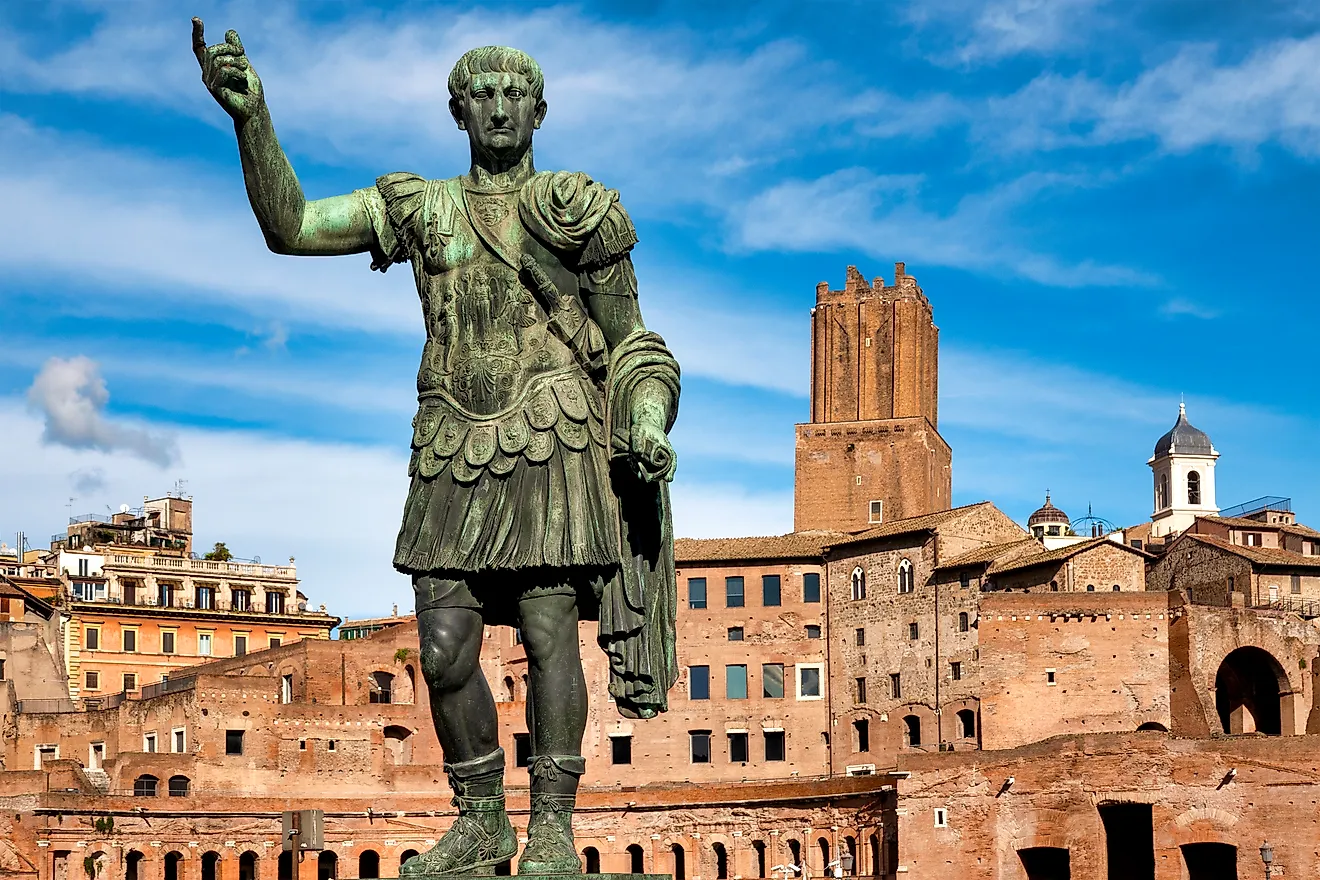
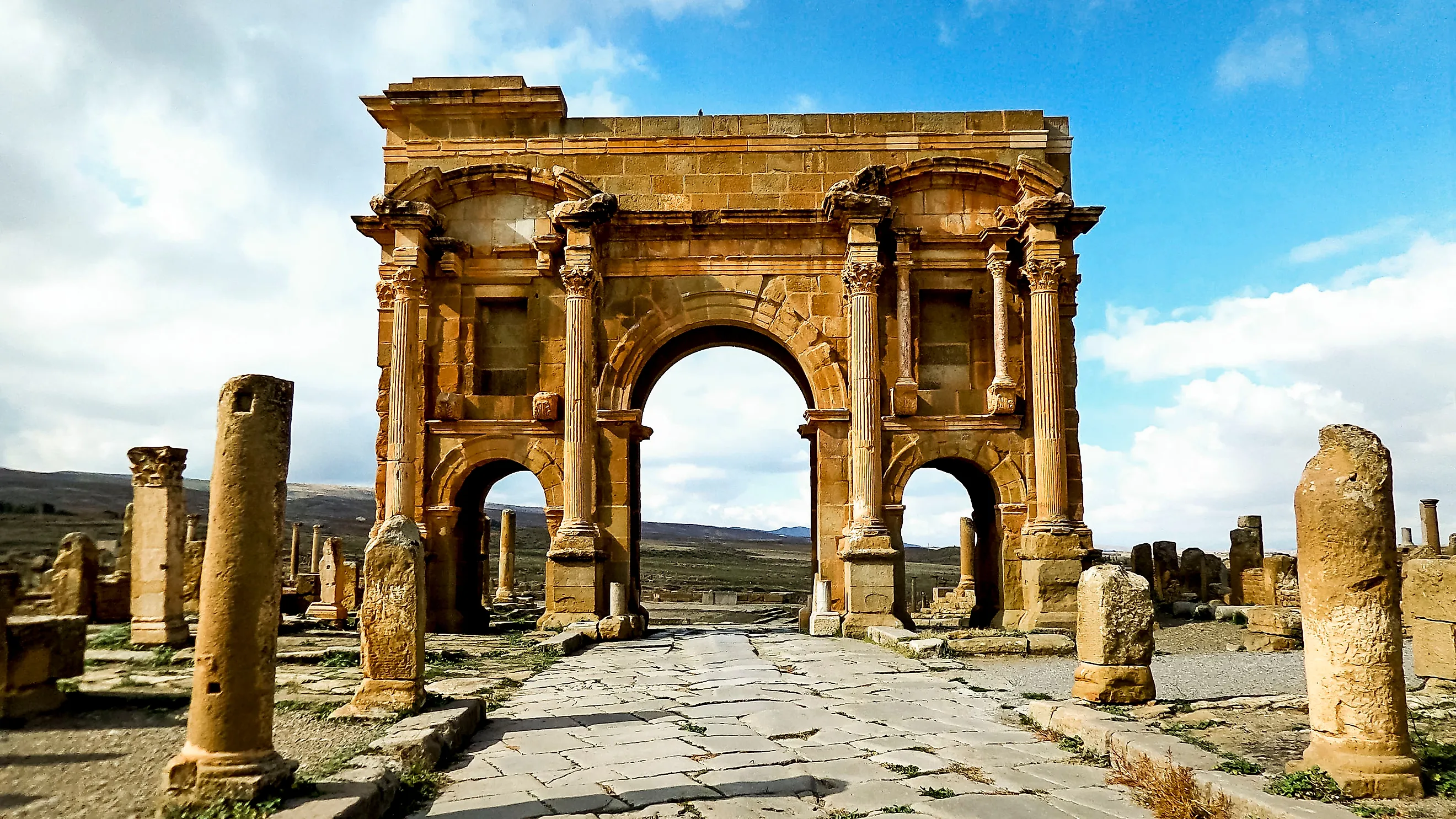
Built in modern-day Algeria, Thamugadi is perhaps the first place you’d mention when talking about Roman cities buried under the Sahara. Founded around 100 CE, Emperor Trajan settled retired soldiers in the city to give them land as a reward for their service. Doing so strengthened Roman military control over the region and helped proliferate Roman culture across North Africa. However, Thamugadi was much more than a military colony. It had a forum, temples, markets, fountains, and shops. It also exemplified Roman urban planning with its extreme grid-based layout. Finally, two of its most famous buildings/monuments were the Library of Thamugadi, founded by a wealthy local citizen in the 2nd century CE, and the Arch of Trajan. These made it clear that Thamugadi was an intellectual and cultural hub, as well as a military one.
Thamugadi changed significantly over the centuries. Despite efforts to keep it Roman, it increasingly resembled a North African city by late antiquity as more locals moved to it. At the same time, they adopted Roman names and Roman customs, ensuring some level of Romanization. The city also transformed when the Roman Empire converted to Christianity, as churches and religious buildings were constructed. Ultimately, it fell out of Roman control when the Vandals conquered North Africa in the 430s CE. The Eastern Roman Empire (or Byzantine Empire) eventually retook it, but Thamugadi never returned to the height of its prosperity and was abandoned. Over the subsequent centuries, buildings gradually collapsed and became covered with windblown sediment from the Sahara. When archaeologists rediscovered the city in the 18th and 19th centuries, much of it was preserved by the sand. This is why Thamugadi has the nickname the “Pompeii of North Africa”.
Leptis Magna

Leptis Magna has a strong claim to being the greatest Roman city in North Africa. Originally founded by the Phoenicians in the 7th century BCE, its location on the Wadi Lebda (a seasonal river valley) gave it access to the Mediterranean Sea and the African interior. The surrounding area was also perfect for olive cultivation. Hence, when the Romans moved into the region, they made sure to Romanize Leptis Magna. Over the centuries, it developed a Roman administrative system, agriculture, baths, markets, roads, and methods of urban planning.
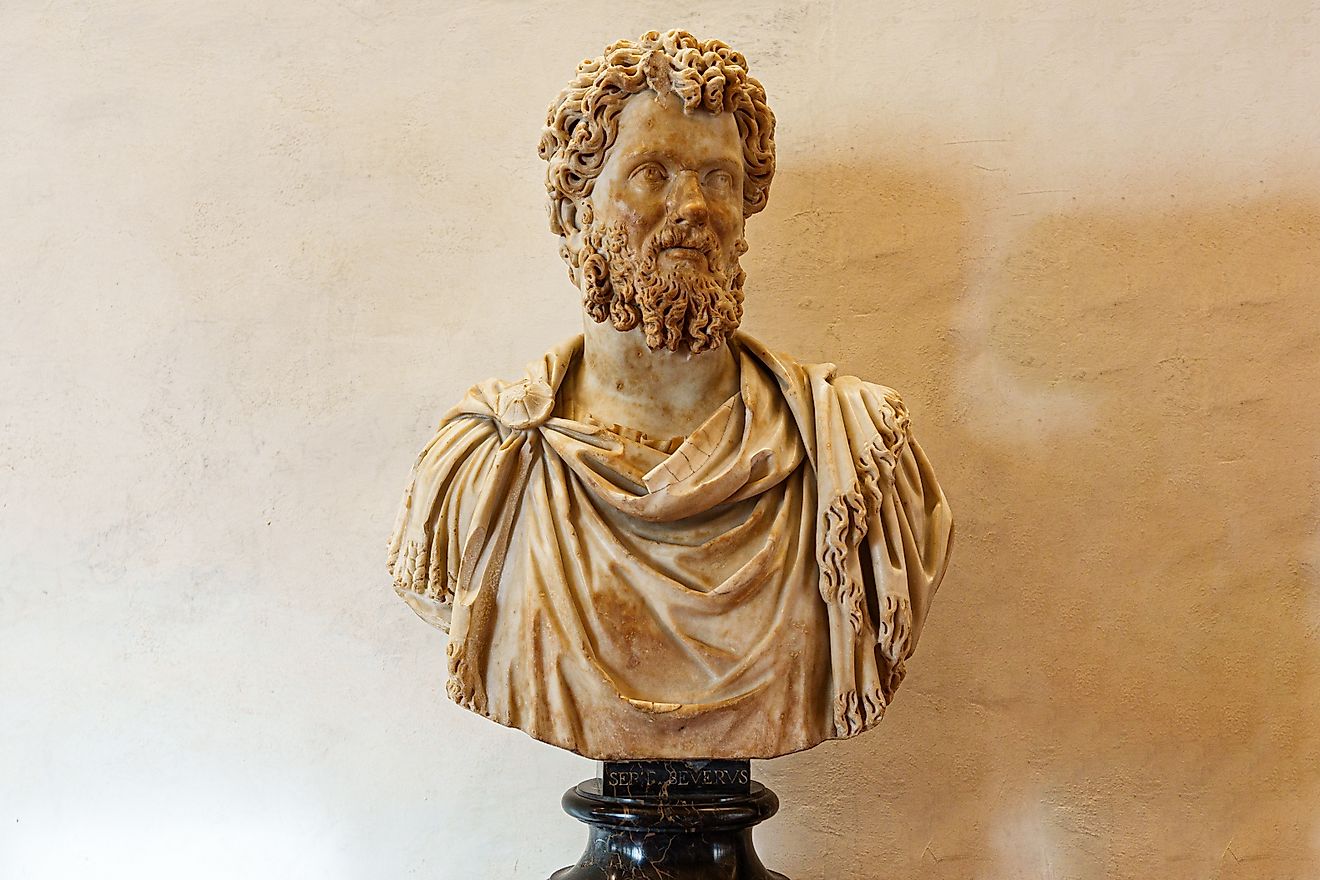
The turning point came with the birth of Septimius Severus in Leptis around 145 AD. After he became emperor in 193 CE, Severus transformed his hometown into one of the most spectacular cities in the Roman Empire. He created a massive public square called the Severan Forum, as well as a huge public building with enormous columns and elaborate marble decorations called the Severan Basilica. Severus also oversaw the construction of a massive arch, appropriately named the Arch of Septimius Severus. However, perhaps his most important project was the expansion of Leptis Magna’s harbor. Connected directly to the Wadi Lebda, it covered roughly 102,000 square metres and included an artificial basin, warehouses, and hydraulic works. A lavish display of Roman wealth, the port transformed Leptis Magna into a major commercial and industrial hub.
Several problems gradually diminished the city's power and importance. The Wadi Lebda sometimes flooded, damaging the city's infrastructure and slowing down its economy. As the Romans faced incursions from Germanic tribes in the north, they were forced to divert resources away from places like North Africa. This made Leptis Magna vulnerable, and it fell into Vandal control in the 430s CE. The Byzantines retook it during Justinian’s reign in the 6th century CE. Much like Thamugadi, it never regained its importance and was eventually abandoned. Its coastal location means it’s somewhat inaccurate to say that Leptis Magna was buried under the Sahara. But windblown sand and desert sediment did help preserve it over the coming centuries. European travellers rediscovered it in the 17th and 18th centuries, and the Italians excavated it in the 1920s.
Impact And Legacy
After Rome expanded into North Africa, it established several cities. Thamugadi was built as a sort of retirement town for Roman soldiers but transformed into a robust and fully formed urban center. Furthermore, Leptis Magna became one of the greatest cities in the entire empire after Septimius Severus’ investments. While both cities ultimately fell out of the Roman sphere of influence, sediment and sand from the Sahara helped preserve them. Hence, they continue to exist today as monuments to Roman civilization.