Lessons From The Rise And Fall Of Rome
As one of history’s most influential civilizations for more than 2,000 years, Rome continues to impact the modern world. Rather than being a long-forgotten civilization, its political and cultural influence can still be felt. From its institutions to its pragmatism, the rise of Rome offers current political leaders lessons on how to strengthen and maintain their states. Moreover, Rome's complacency and ultimate demise are a reminder of the impermanence of any empire, regardless of how formidable it may seem.
The Strength of Institutions Matters

Rome was established in 753 BCE as an absolute monarchy. While it had other governmental institutions, like the Senate, they lacked significant power. Rome’s prosperity thus depended on the competence of the particular king. This changed in 509 BCE when the monarchy was abolished and replaced by a Republic. Power was divided between two consuls, elected annually, the Senate, and the popular assemblies. These institutions enabled Rome to survive for nearly 500 years, while providing necessary checks and balances, regardless of the strength of its leaders.
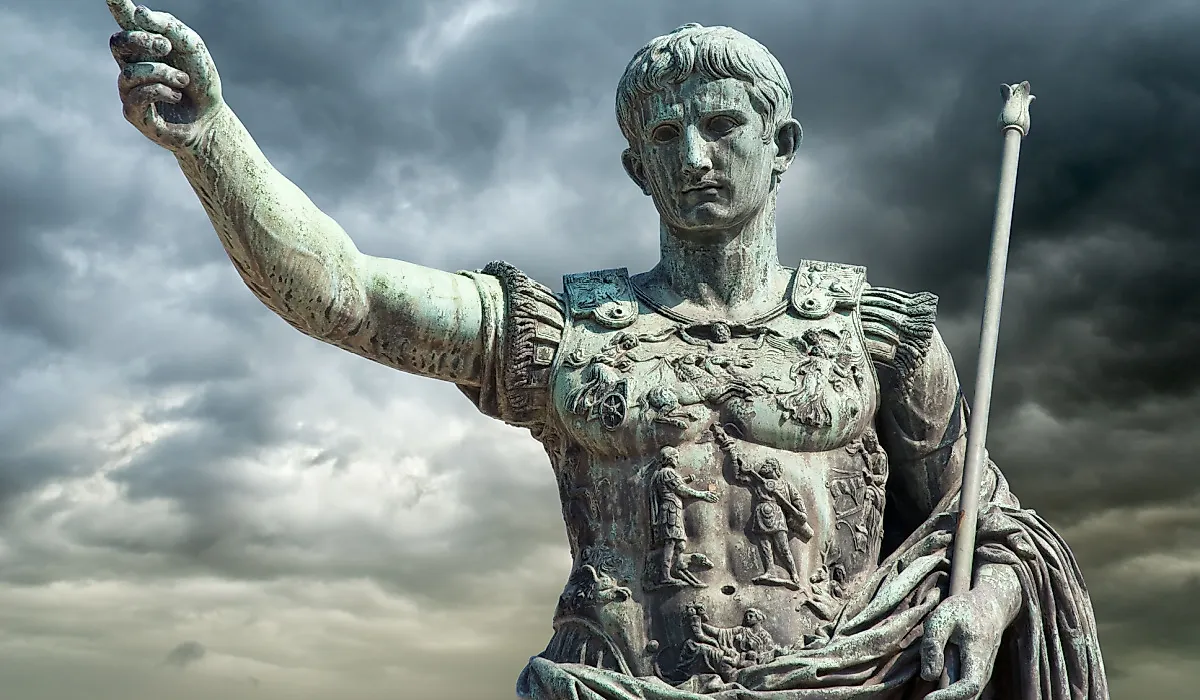
When ambitious generals like Julius Caesar and Octavian (later Augustus) concentrated more power in their hands, the strength of these institutions waned. This culminated in Rome’s transition from a republic to an empire in 27 BCE. While the Roman Empire experienced immense success, particularly in its first 200 years, it relied on the strength of individual emperors. As the Western Roman Empire declined in the 300s and 400s AD due to economic challenges, barbarian invasions, and political fragmentation, its increasingly weak, incompetent, and inexperienced leaders lacked strong institutions to help them. This was one factor contributing to its fall in 476 AD.
Pragmatism is Key to Longevity
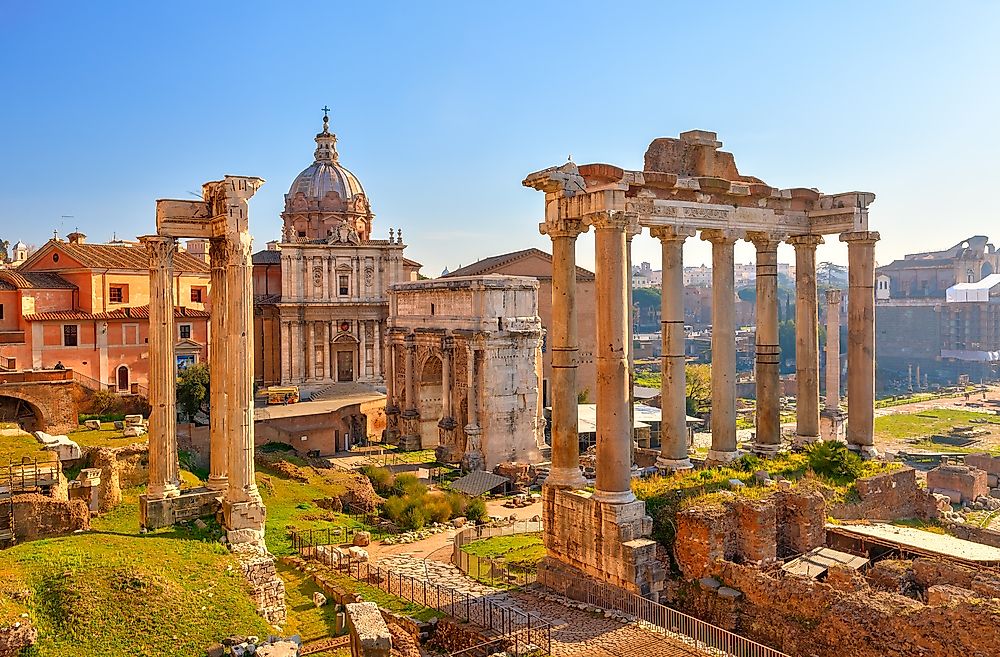
Rome went through many forms and iterations. It started as a monarchy, transitioned to a republic, and then ended up as an empire. These changes were not accidental. Rather, they occurred in response to the specific needs of the Roman state at the time. When Rome needed strong institutions, the Senate, consuls, and popular assemblies gained more power. As civil wars destabilized the Republic, Rome gradually transitioned into an empire centered on imperial rule.
Arguably, the most important transition occurred when Rome split into an Eastern and Western Empire in 395 AD. By this point, its territorial reach was simply too vast to be centrally governed from a single location. This split proved crucial in Rome's long-term success. As the Western Empire declined and ultimately ended in 476 AD, the Eastern Empire thrived for the next thousand years. While it eventually fell in 1453 AD and was replaced by the Ottoman Empire, Rome would not have survived for as long as it did without pragmatically altering its political and territorial makeup a thousand years earlier.
Success Can Create Complacency

Rome was the dominant power in the Mediterranean from around 27 BCE to 180 AD. Known as the Pax Romana, this period led many of its citizens to believe that supremacy was permanent. This belief had adverse consequences. Military and civic participation declined as people thought that Rome’s borders no longer needed defending. An overly decadent lifestyle also led many to become disconnected from the real, increasingly existential threats facing Rome, such as a stagnant economy and barbarian invasions. When combined with the rise of other powers like the Visigoths, Vandals, and Franks in Germany, and the Hunnic Empire in Asia, Rome declined from 200 AD onwards.
Civilizational Collapses Are Rarely Instantaneous

Dramatic visions of barbarians sacking Rome, or the Ottomans sieging Constantinople, often represent the end of the Roman Empire in popular historical imagination. However, civilizations rarely collapse instantaneously. Rather, they generally fall due to multi-decade or even multi-century factors. As for Rome, territorial overreach, economic problems, and complacency were among the many issues that compounded over time, leading to its downfall.
Looking at Rome gives historians important lessons for today. Rather than treating problems as something to be solved in the future, by someone else, societies should take them seriously. Climate change, political polarization, and lack of trust in institutions may seem like disconnected issues that have been occurring for decades. Still, they could worsen and combine into an existential threat. Therefore, since Rome demonstrates that our societies will likely not collapse instantaneously, but instead, over time, we should proactively protect them.
No Empire Is Permanent

The final main lesson one can glean from Rome is that power, no matter how great, is impermanent. While Rome existed for over 2,200 years, it eventually fell. There were also many points throughout its history where it could have collapsed earlier, but did not due to sheer luck. This is important to keep in mind when considering modern-day geopolitical developments. Much has been said about the invasion of Ukraine in 2022 and the rising tensions surrounding Taiwan. As demonstrated by the fall of the Roman Empire, these shifts have historical precedent.