The Greatest Roman Generals In History
Ancient Rome was renowned for its military strength. Many factors contributed to its formidable reputation, perhaps the most important of which was the quality of its generals. Scipio Africanus defeated Hannibal Barca, bringing an end to the long-running Second Punic War. Julius Caesar conquered Gaul, beginning a chapter in Roman history defined by his subsequent victories across Italy, Spain, and Greece. Gaius Marius protected his homeland from invasions by several European tribes. All these figures loom large in our collective historical memory of the Roman Republic and Empire.
Gaius Marius

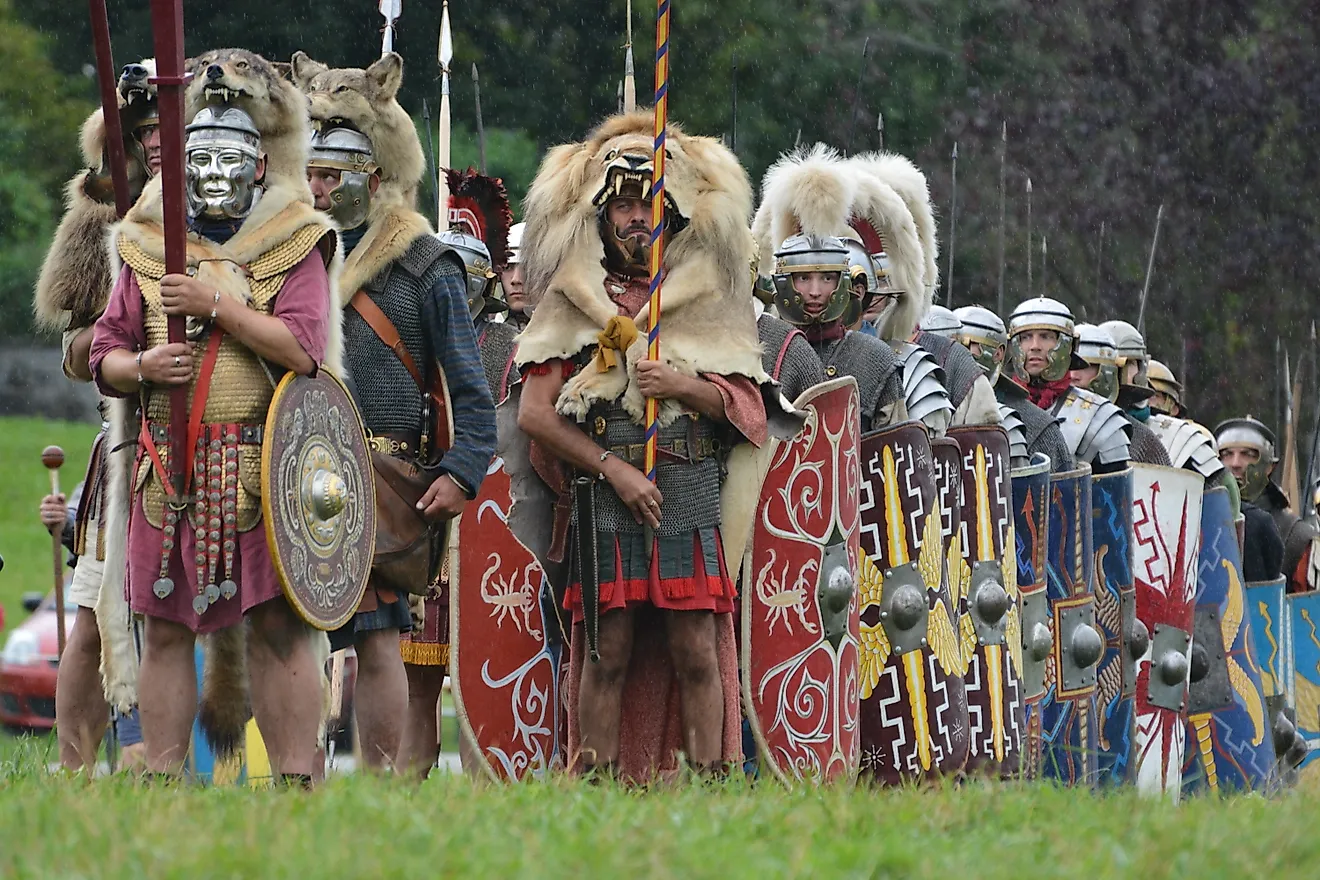
Gaius Marius lived from 157 to 86 BCE. He is remembered for several accomplishments. On the battlefield, he protected Italy from invasions by northern European tribes like the Cimbri and Teutones. However, perhaps most importantly, Marius enacted several military reforms that fundamentally changed the way the army worked. Previously, soldiers needed to own property. Marius removed this requirement, thereby allowing poor, landless citizens to enlist. He also paid and trained them. In short, Marius' reforms helped create a standardized and professional army. While useful in terms of sheer numbers and military power, all these measures encouraged loyalty toward him, rather than the Roman state.
Marius was also an extraordinary politician. He was considered a "novus homo", or new man. This meant that he was the first person in his family to reach political office, which he did by being elected consul seven times. This popularity, paired with disagreements over military matters, led to a rivalry with another general, Lucius Cornelius Sulla. As will be explored in the next section, this rivalry spiraled into domestic instability. Regardless, Marius' rise to political power was indicative of a system that, while elite-dominated, still occasionally allowed non-elites to rise up.
Lucius Cornelius Sulla

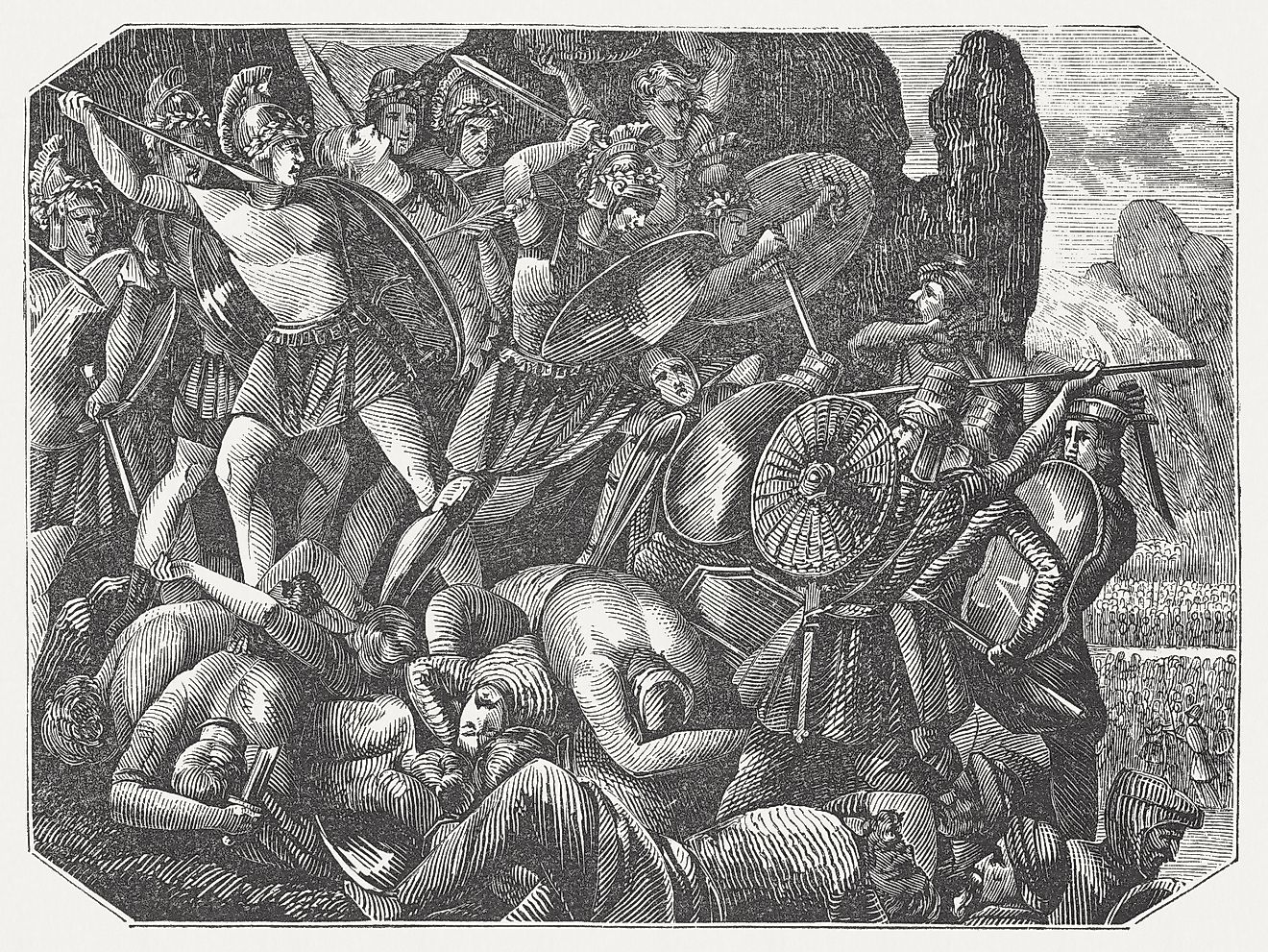
Lucius Cornelius Sulla fundamentally changed Roman political and military norms. Born in 138 BCE to an elite family that had declined in power and relevance, Sulla gained prominence by serving under Gaius Marius in the Jugurthine War. Future successful campaigns led to his election as consul in 88 BCE. However, when Marius tried to strip Sulla of command during a war against Mithridates VI Eupator of Pontus, Sulla did something radical. He marched on Rome with his army and violently expelled Marius. He then left to fight wars in the east, allowing Marius to return and purge Sulla's political allies. After defeating the Pontic armies in Greece, Sulla returned to Italy and again marched on Rome. Even though Marius was now dead, Sulla crushed his successors and assumed the title of dictator in 82 BCE.

As dictator, Sulla strengthened elite rule over Rome by giving more power to the Senate, which was unelected and whose members served for life. He also curtailed the power of the tribune of the plebs, a popular office open to the common people, by removing their ability to propose new laws and eliminating their absolute veto over most state affairs. Finally, arguably the most infamous aspect of Sulla's reign was his proscriptions, state-sponsored death lists of political rivals.
Sulla voluntarily resigned as dictator in 79 BCE. Nevertheless, he had already irrevocably changed Roman politics by establishing the norm that military might could trample over Republican institutions. Future ambitious generals would take this norm even further.
Scipio Africanus

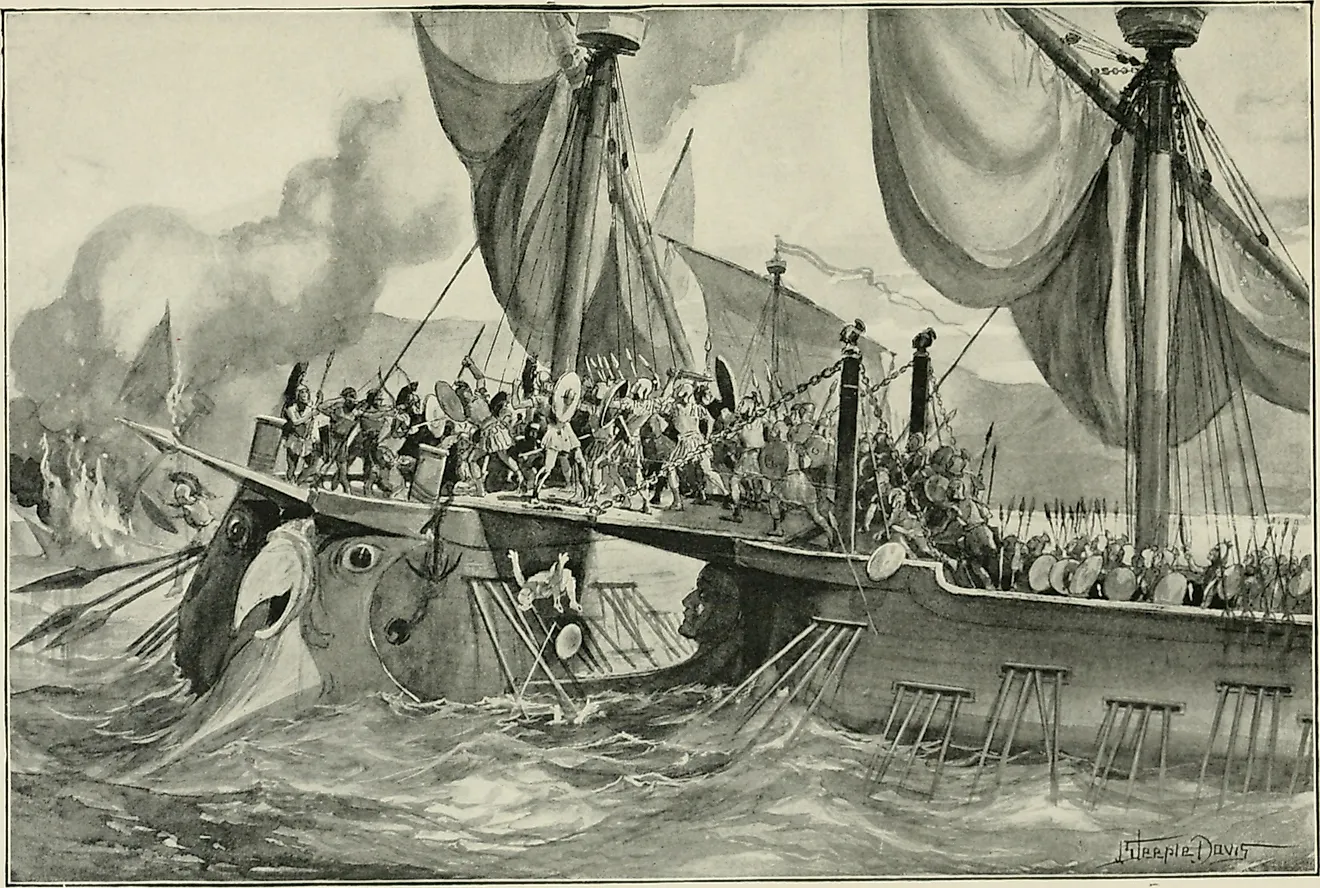
In 216 BCE, amidst the Second Punic War, the Roman Republic suffered one of its biggest military defeats ever. At the Battle of Cannae, Rome lost roughly 50,000 to 70,000 troops out of an army of about 86,000. Meanwhile, their opponents, the Carthaginians, led by Hannibal Barca, suffered only a few thousand losses. The scale of this defeat traumatized the Roman Republic and encouraged a fundamental change in tactics. It also left an indelible mark on one of the few Roman survivors, Scipio Africanus.

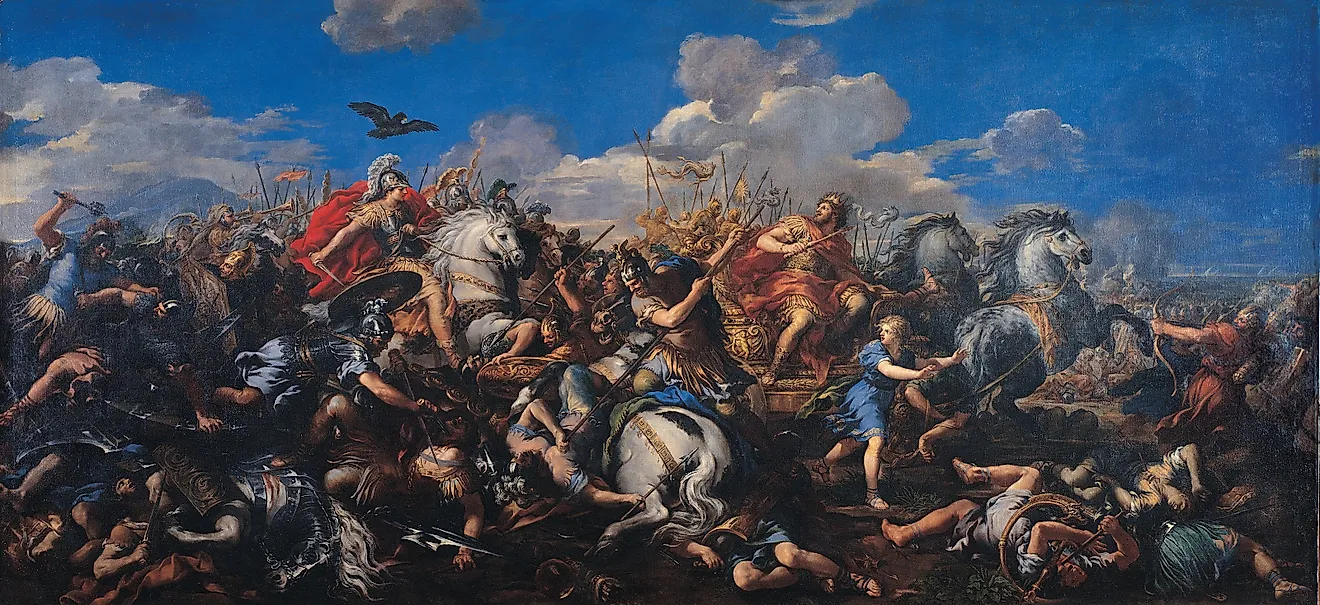
Scipio gained recognition in the aftermath of the disaster for rallying the surviving troops. This made him an ideal candidate to assume command in Spain in 210 BCE, following the deaths of his father and uncle there the year before. Despite only being in his mid-20s, he pushed Carthaginian forces out of the region by 206 BCE. Scipio then took the fight to the Carthaginian homeland and invaded North Africa in 204 BCE. His most famous accomplishment came in 202 BCE, when he defeated Hannibal Barca at the Battle of Zama. Doing so ended the Second Punic War and greatly diminished Carthage's power. This victory also led to Scipio receiving the honorific "Africanus", which commemorated his success in Africa. Even though he would never again reach such heights, Scipio's accomplishments in the Second Punic War make him one of Rome's most enduring figures.
Julius Caesar

Julius Caesar was one such general. Born in 100 BCE to a noble family, he was the nephew by marriage of Gaius Marius. After spending the first forty years of his life rising through the political and military ranks, Caesar formed the First Triumvirate in 60 BCE with two other powerful men, Pompey the Great and Marcus Licinius Crassus. This arrangement allowed the three of them to dominate Roman politics during the 50s BCE. Caesar eventually overshadowed his allies due to his Gallic campaign from 58 to 50 BCE, which brought him enormous wealth and personal popularity. Anxious about this power, the Senate and Pompey ordered Caesar to give up his army and return to life as a private citizen. Caesar refused and marched on Rome with his army in 49 BCE, building off the precedent established decades earlier by Sulla.

The subsequent civil war was not much of a contest. After quickly taking Italy, Caesar secured Spain and then turned to Greece. He beat Pompey at the Battle of Pharsalus in 48 BCE, forcing his former ally to flee to Egypt, where he was assassinated. Caesar spent the next years defeating Pompey's remaining allies. Finally, with all his rivals seemingly eliminated, Caesar declared himself dictator for life in 44 BCE. Unbeknownst to him, the rest of his life would not be long, as he was assassinated later that year by a group of senators concerned about his tyrannical grip on power. This assassination led to yet another civil war that ended with the rise of the Roman Empire.
The Generals Who Remade Rome
These four careers trace a single arc. Marius opened the army to the landless and tied its loyalty to a commander rather than the state. Sulla proved that an army so bound would follow its general against Rome itself, and made himself dictator by force. Scipio showed what that professionalized army could achieve abroad, ending Carthage as a rival. Caesar inherited every one of these precedents and pushed them to their conclusion, and his death gave Rome not a restored Republic but an empire. Their victories reshaped Rome, and the political norms they set in motion outlived all of them.