The Most Horrifying Punishments In Ancient History
Ancient Rome nailed rebellious slaves to crosses and left them to die along a public road. Persia sealed prisoners between two boats and fed them to insects over days. Assyrian kings peeled the skin from rebel governors and hung it on city walls. These punishments turned death into spectacle across the ancient world. Their brutal logic reveals how ancient states used terror to hold power.
Crucifixion (Rome)

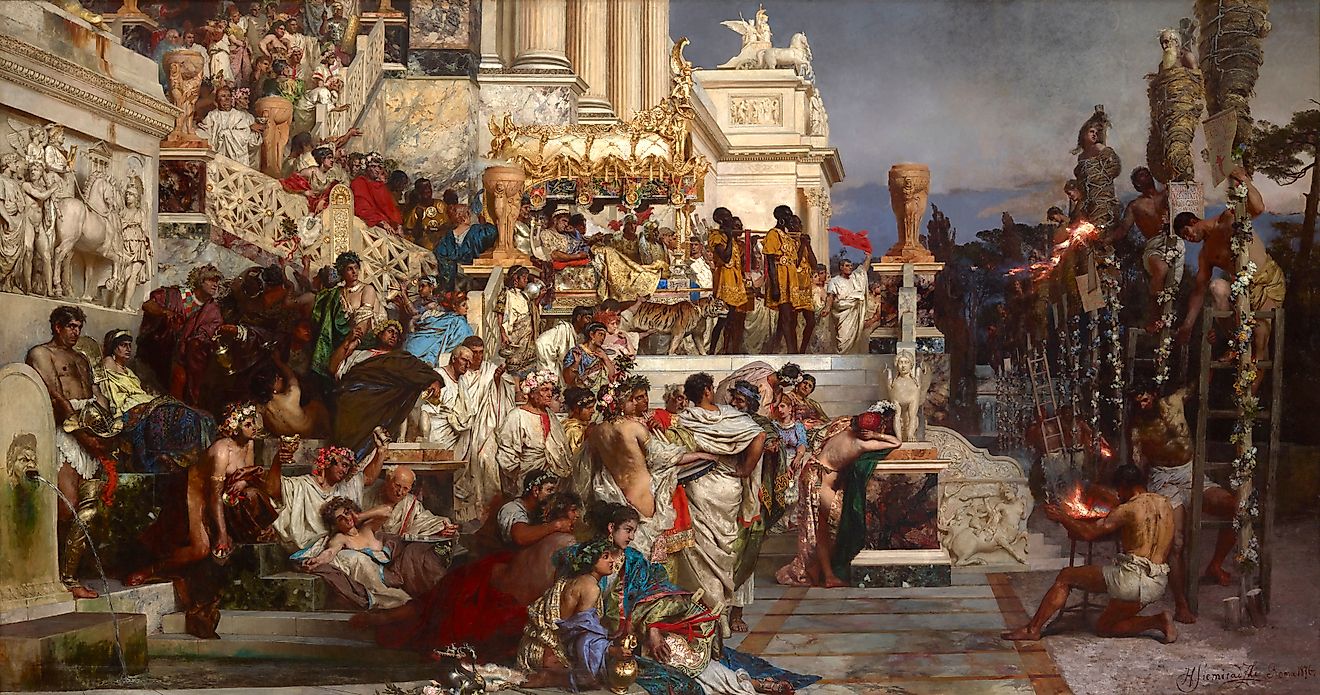
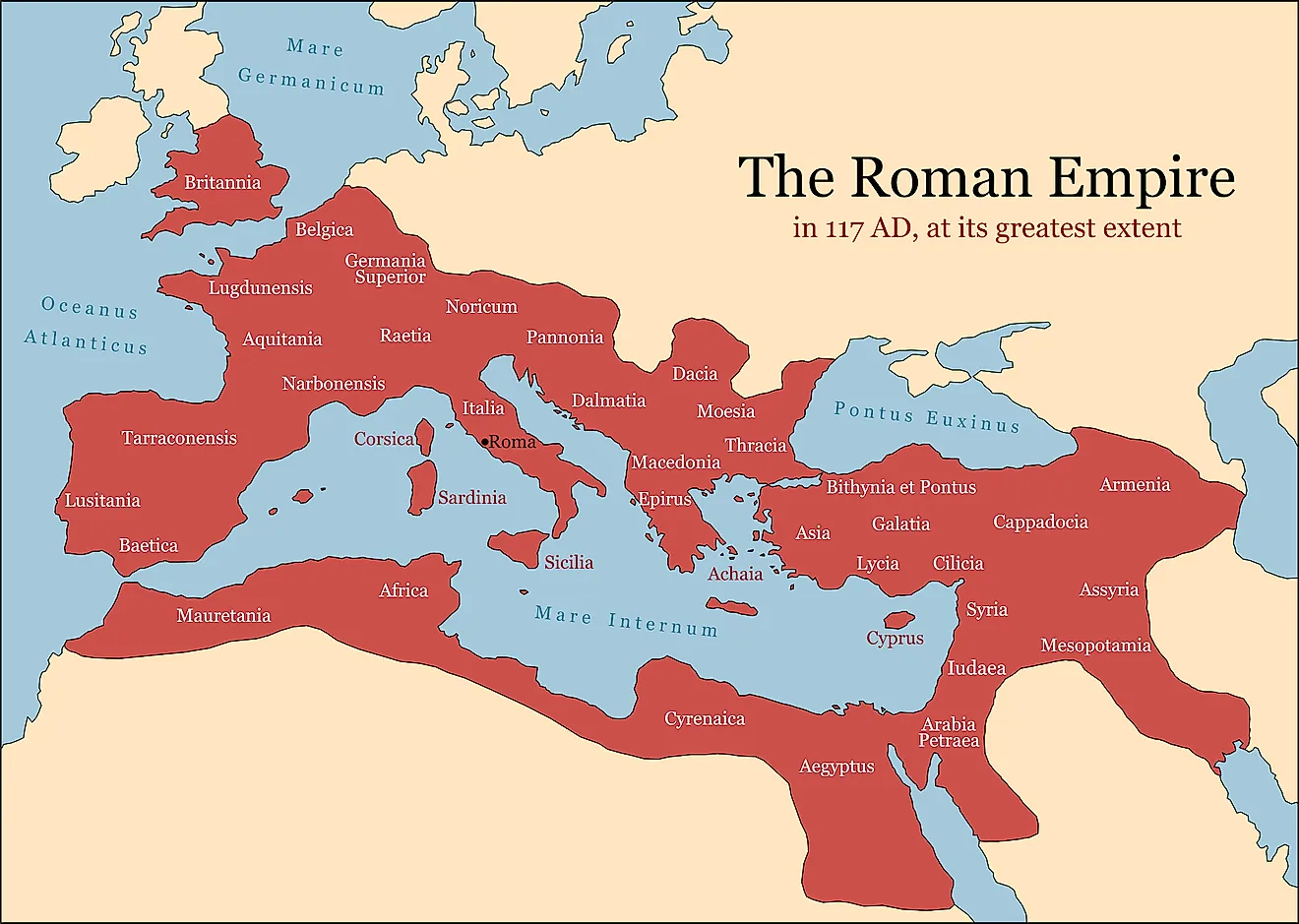
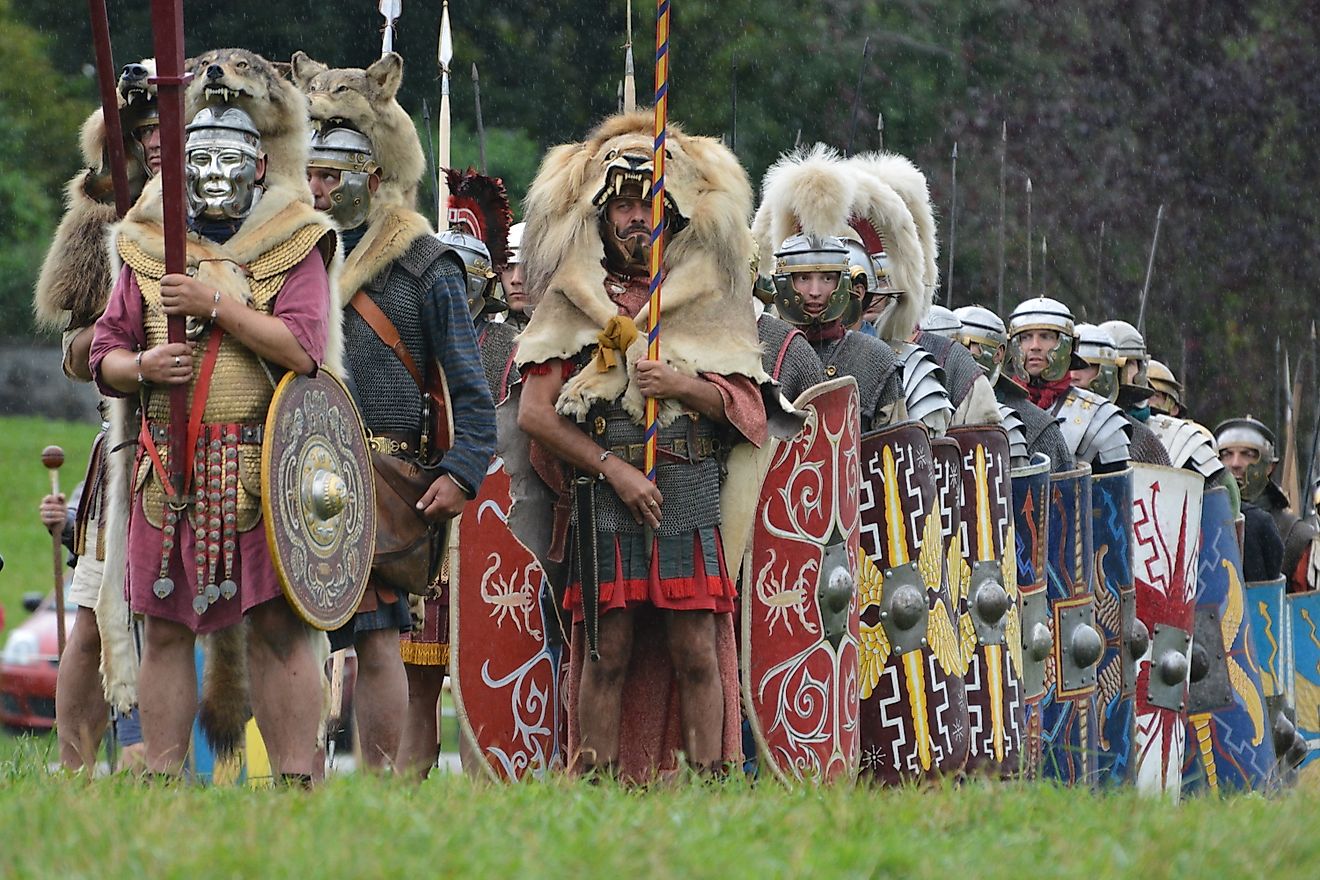
Maybe the most famous ancient punishment, crucifixion is commonly associated with the Roman Republic and Empire (although there are records of the Persians and Carthaginians doing it as well). Victims were often scourged beforehand with a whip embedded with metal or bone and then forced to carry their cross to the crucifixion site. There, they were nailed to it and left for hours or days. Even though this punishment didn't always result in death, survival was rare.

Crucifixion was generally reserved for rebellious slaves, pirates, and non-citizens accused of serious crimes. Arguably the two most famous instances were Spartacus in 71 BCE and Jesus Christ sometime between 30 and 33 AD. Regarding the former case, Spartacus was a slave who led a massive rebellion against the Roman Republic from 73 to 71 BCE. As punishment, General Marcus Licinius Crassus crucified the surviving 6,000 rebels. They were lined up along a 120-mile stretch of the Appian Way (a famous Roman road) and put on display to discourage future rebellions. Concerning Jesus, he was condemned by Pontius Pilate, the governor of Judea, due to being a supposed political and social threat. Even though his crucifixion was meant to deter his followers, it actually became the theological cornerstone of Christianity and jumpstarted the religion within the Roman Empire.
Scaphism (Ancient Persia)

Scaphism is perhaps the most brutal and cruel punishment discussed in this article. Commonly associated with the Achaemenid Persian Empire, the victim was trapped between two small boats or hollowed-out logs. They were then force-fed milk and honey until they got severe diarrhea, covered in honey, and left floating in a marsh. Over the next days, insects would gather on the body, lay eggs, and feed on the exposed flesh. The victim would slowly die as a result of infection, organ failure, and/or dehydration.
With scaphism, and any ancient punishment, it's important to note the sources describing it. Our main description of scaphism comes from Plutarch's work, Life of Artaxerxes. Living under Roman rule during the 1st and 2nd centuries AD, Plutarch was Greek and viewed Persia as Greece's historic enemy. Therefore, we must take his description with a grain of salt. Modern historians believe that scaphism may not have been standard Persian practice, and the attempt to portray it as such was an example of Greek cultural bias.
Impalement (Various Empires)

Impalement occurred in places like Persia and the Neo-Assyrian Empire. There were two main methods of doing so. Transversal impalement saw a stake get driven straight through the front or back of the torso, thereby puncturing the heart and immediately killing the victim. While obviously horrific, this method was nothing compared to longitudinal impalement. A stake was inserted through the victim's lower body (often through the rectum).

Gravity then slowly pulled the body down over the pole, after which it exited through the upper torso. Victims of longitudinal impalement sometimes survived for hours or even days before eventually dying from shock, dehydration, or blood loss. The sheer brutality of it all meant that ancient empires, particularly the Neo-Assyrians, utilised it to deter rebellions.
Flaying Alive (Assyria)

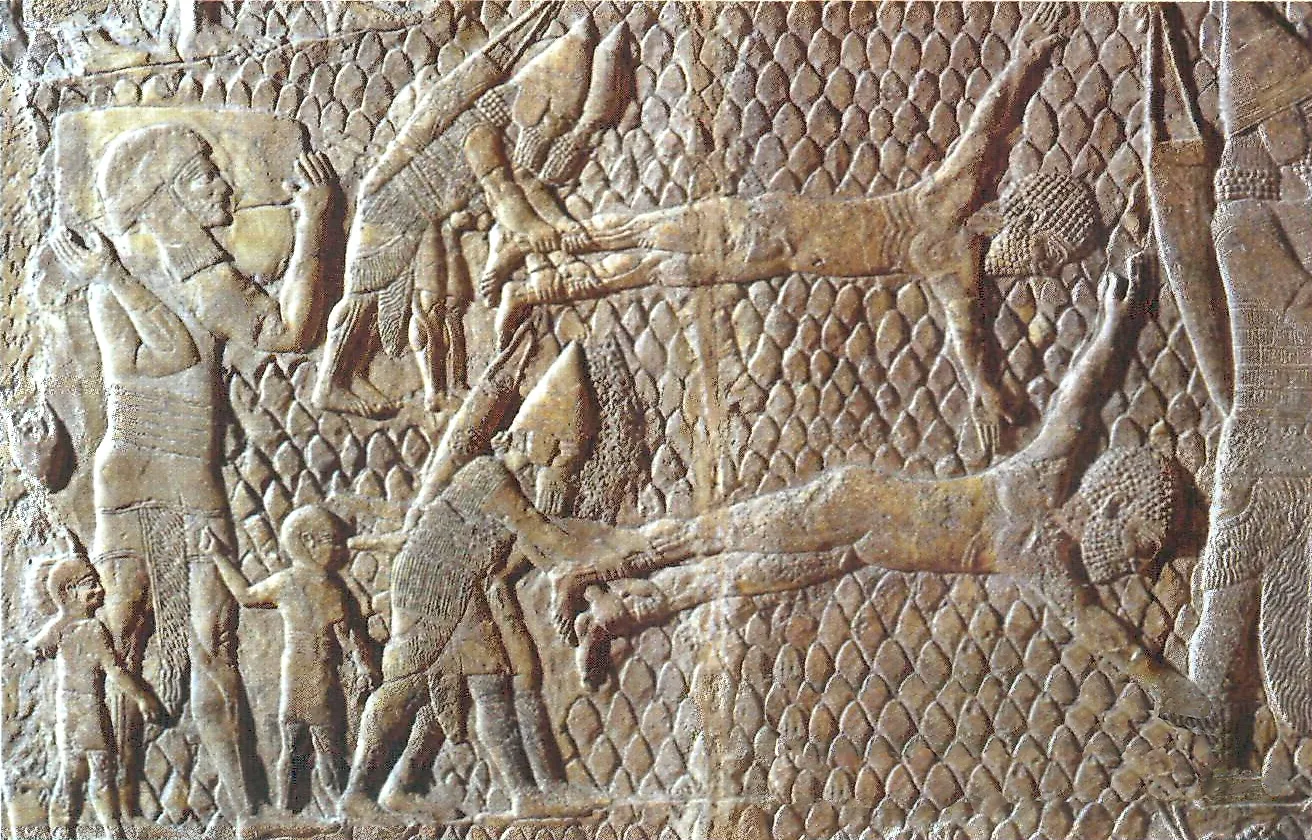
As noted in the previous section, the Neo-Assyrian Empire was notorious for its brutal punishments. In addition to impalement, another such method was flaying people alive. It often began by peeling away skin in sensitive areas like the thighs, legs, back, or face. Afterwards, the skins of the victims were displayed on the city walls. This brutality was very much deliberate. Rather than relying solely on military force, the Neo-Assyrians used psychological terror to discourage rebellion and keep the empire together. Somewhat contradictorily, this was why flaying likely wasn't too common. If overutilised, it would have lost its psychological impact. Thus, flaying people alive was probably reserved for extreme cases, like rebel governors and enemy kings. The Assyrians also weren't the only people who utilized this punishment, and evidence exists of it occurring in both ancient Persia and China.
The Brazen Bull (Ancient Greece?)

The Brazen Bull is one of the most notorious punishments in history. According to the ancient sources, it was a life-sized hollow statue of a bull into which the condemned person was locked. A fire was then lit underneath, and the victim was roasted alive. As they screamed and begged for their life, a system of pipes made their voice sound like a bull's bellowing. Much like many of the methods discussed so far, the Brazen Bull combined psychological torture with public spectacle to deter rebellions and create social cohesion.
The Brazen Bull is most commonly associated with Phalaris, the tyrannical ruler of the city of Akragas in the early 6th century BCE. He was supposedly approached by the inventor Perilaus, who claimed he had an invention that could execute criminals in a uniquely terrifying way. Either horrified or curious about how it worked, Phalaris ordered that Perilaus enter the bull himself. While the inventor was removed before he could be burned alive, he was supposedly executed afterwards by being thrown off a cliff.
Despite being a good story, there is no firsthand historical evidence that it happened, or that the Brazen Bull ever existed. The most detailed accounts come from historians like Diodorus Siculus, Lucian, and Ovid, all of whom lived over 500 years after Phalaris. No surviving Brazen Bulls have ever been found, and no contemporary records from Phalaris' lifetime mention it. When combined with ancient authors' tendencies to exaggerate the cruelty of tyrants to create moral examples, many modern historians believe that the bull was either embellished or entirely fictional. Nevertheless, it continued to appear in medieval literature and Renaissance artwork, and is frequently referenced in modern popular culture.
Reading Cruelty In Context
Each of these punishments served a purpose beyond the pain it caused. Rome lined a road with crosses to warn every slave who might rebel. Assyrian kings displayed flayed skin to make revolt unthinkable. The sources also demand caution, since Greek writers exaggerated Persian cruelty and the Brazen Bull may never have existed at all. Separating the practice from the propaganda is how historians recover the real ancient world.