The Dark Truth About Julius Caesar
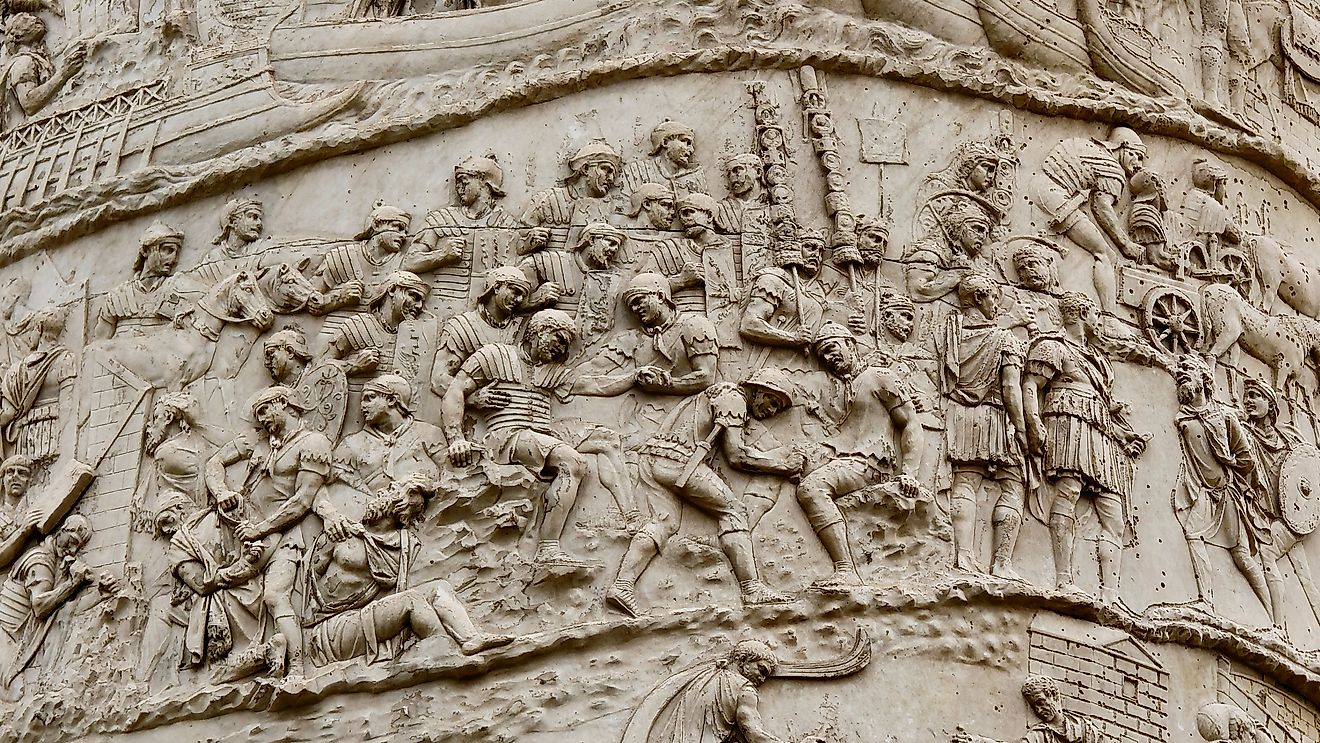
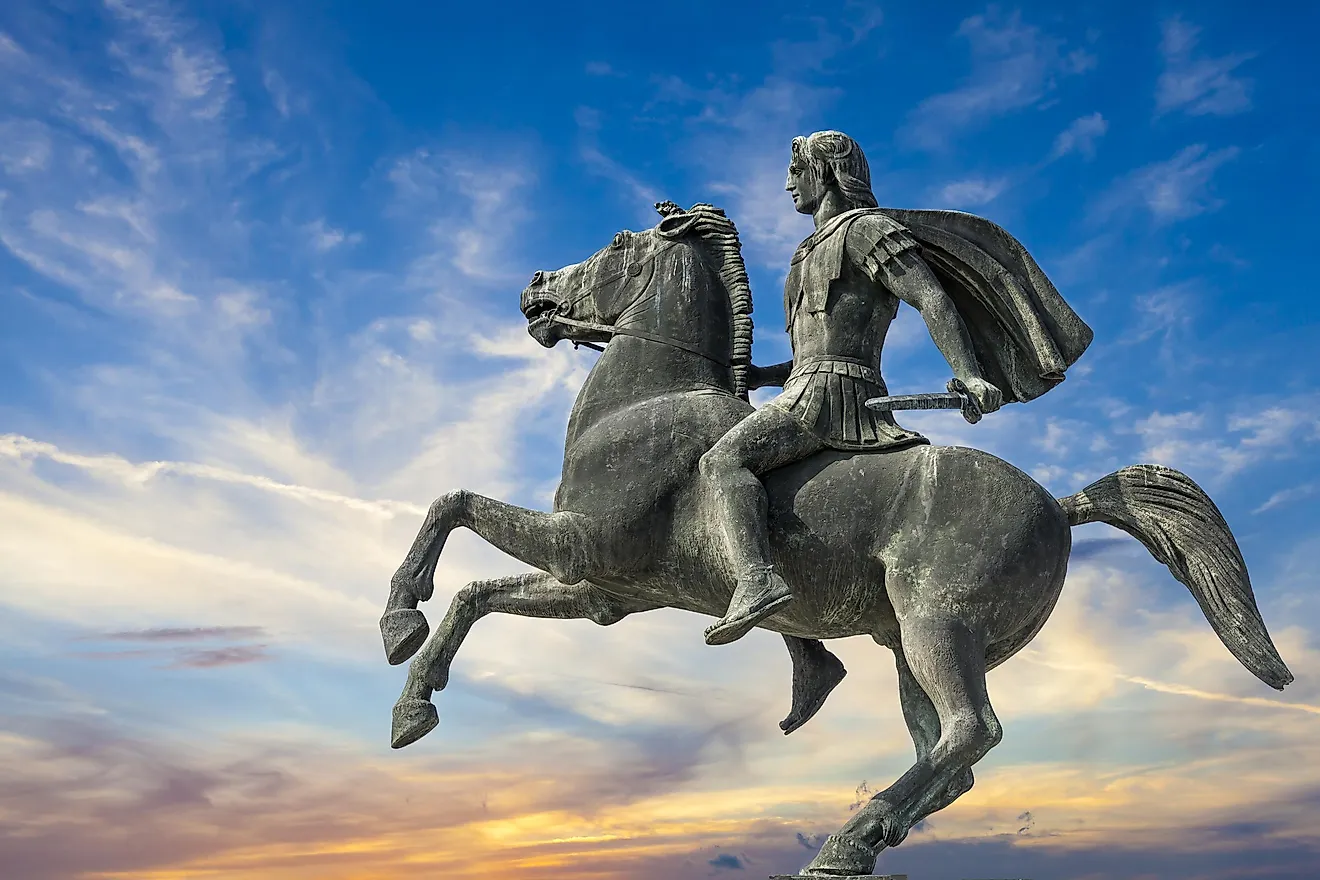
Julius Caesar is remembered as a brilliant general, political reformer, and one of the central figures in Rome's transformation from republic to empire. But his rise was built partly on extraordinary violence. During his conquest of Gaul, Caesar’s forces massacred civilians, enslaved large populations, and attempted to annihilate the Eburones while inflicting catastrophic losses on the Usipetes, Tencteri, and other groups that resisted Rome. Caesar wrote the principal account of these campaigns to defend his actions, and many ancient casualty figures are unreliable. Even so, a careful reading reveals the dark truth behind his reputation. Caesar's achievements cannot be separated from mass killing, collective punishment, enslavement, and, in the case of the Eburones, an explicitly stated desire to erase a people's identity.
The Destruction Of The Helvetii (58 BCE)

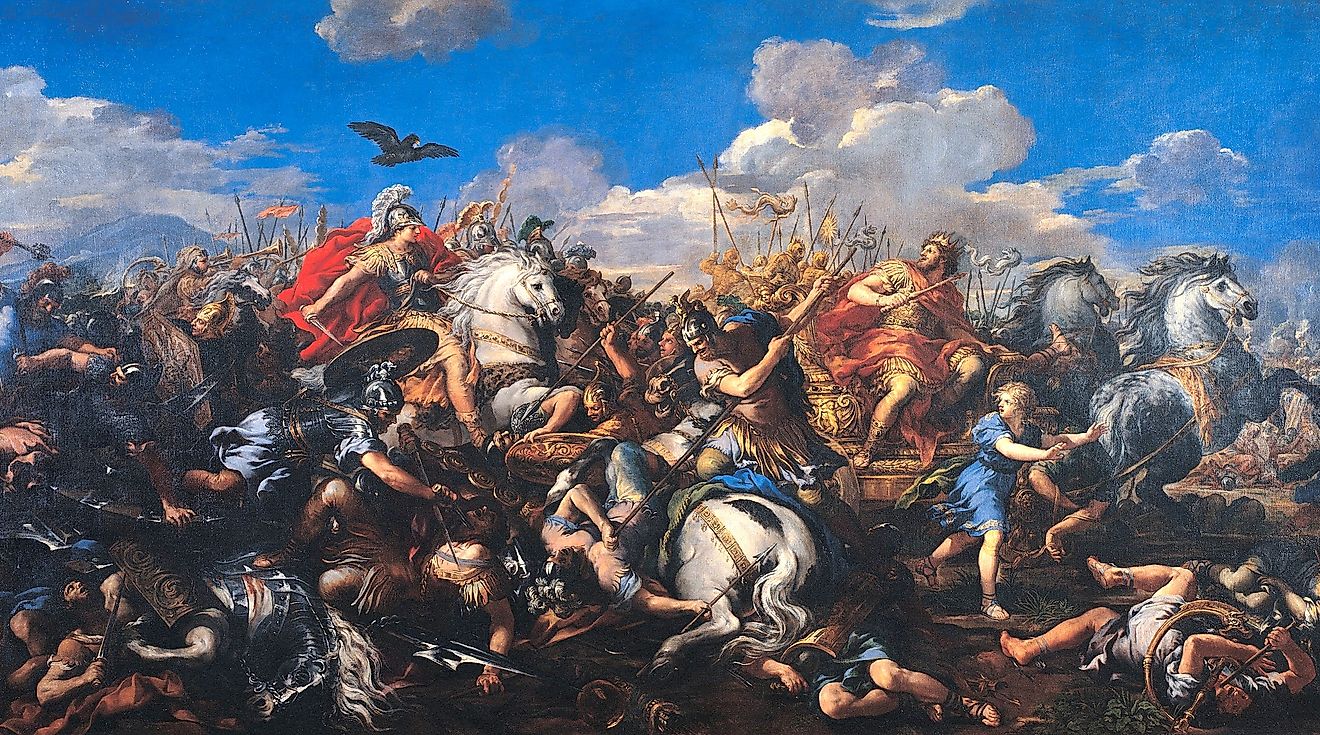
In 58 BCE, Julius Caesar began the campaigns that led to the conquest of Gaul. The region covered most of present-day France, Belgium, and Luxembourg, along with parts of several neighboring countries. Around the same time, the Helvetii were migrating west into Gaul from what is now Switzerland. Caesar viewed them as a threat since they intended to pass through territory near the Roman province of Transalpine Gaul. He therefore constructed fortifications along the Rhône River to prevent the Helvetii from crossing. After they found another route, Caesar pursued them. A series of skirmishes followed, culminating in the Battle of Bibracte. Caesar claimed that 130,000 people survived the battle and that 110,000 were later counted after repatriation, but his internally problematic population figures cannot provide a reliable death toll. Modern historians dispute his figures, but the losses were likely still very high. After the battle, Caesar ordered the surviving Helvetii to return home. Rather than doing so out of humanitarian concern, Caesar simply wanted a buffer between the Romans and other Germanic tribes. In short, the first year of his Gallic campaign saw Caesar determine the fate of an entire tribe.
The Massacre Of The Usipetes And Tencteri (55 BCE)

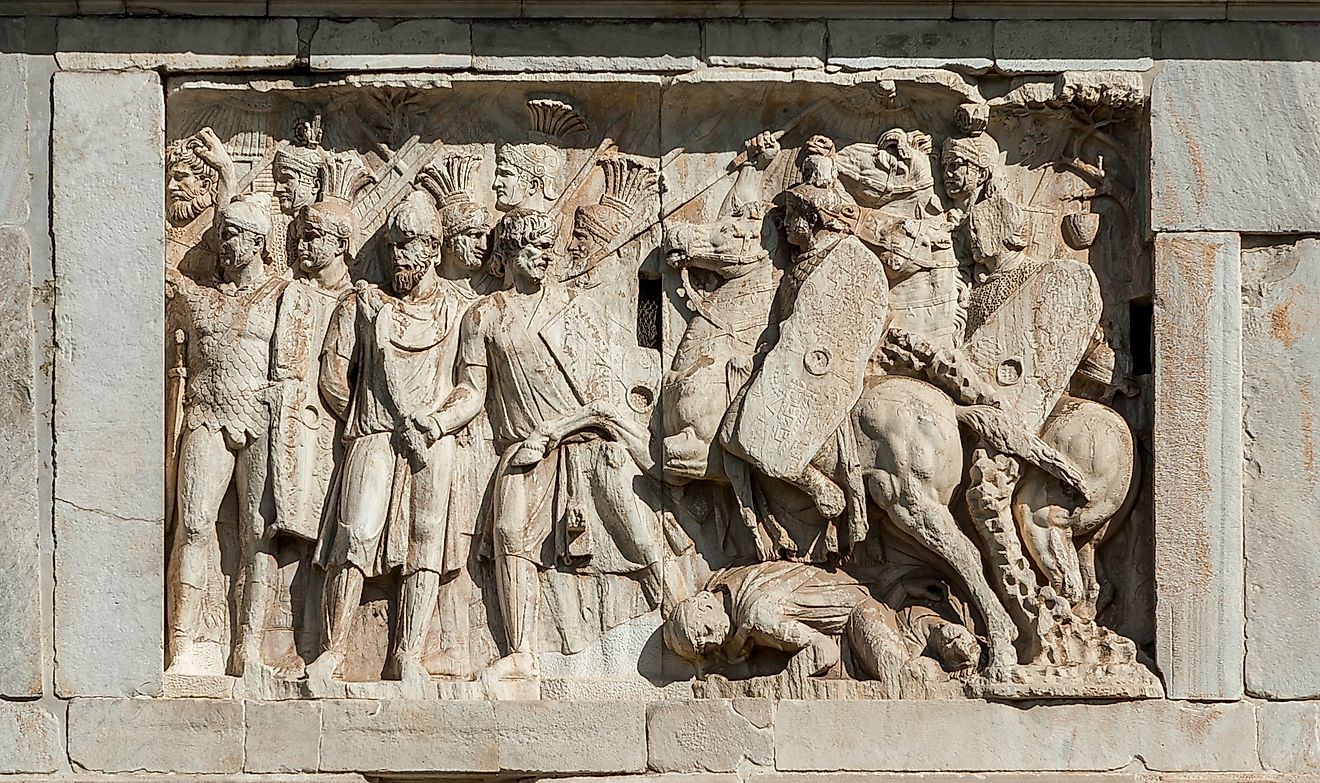
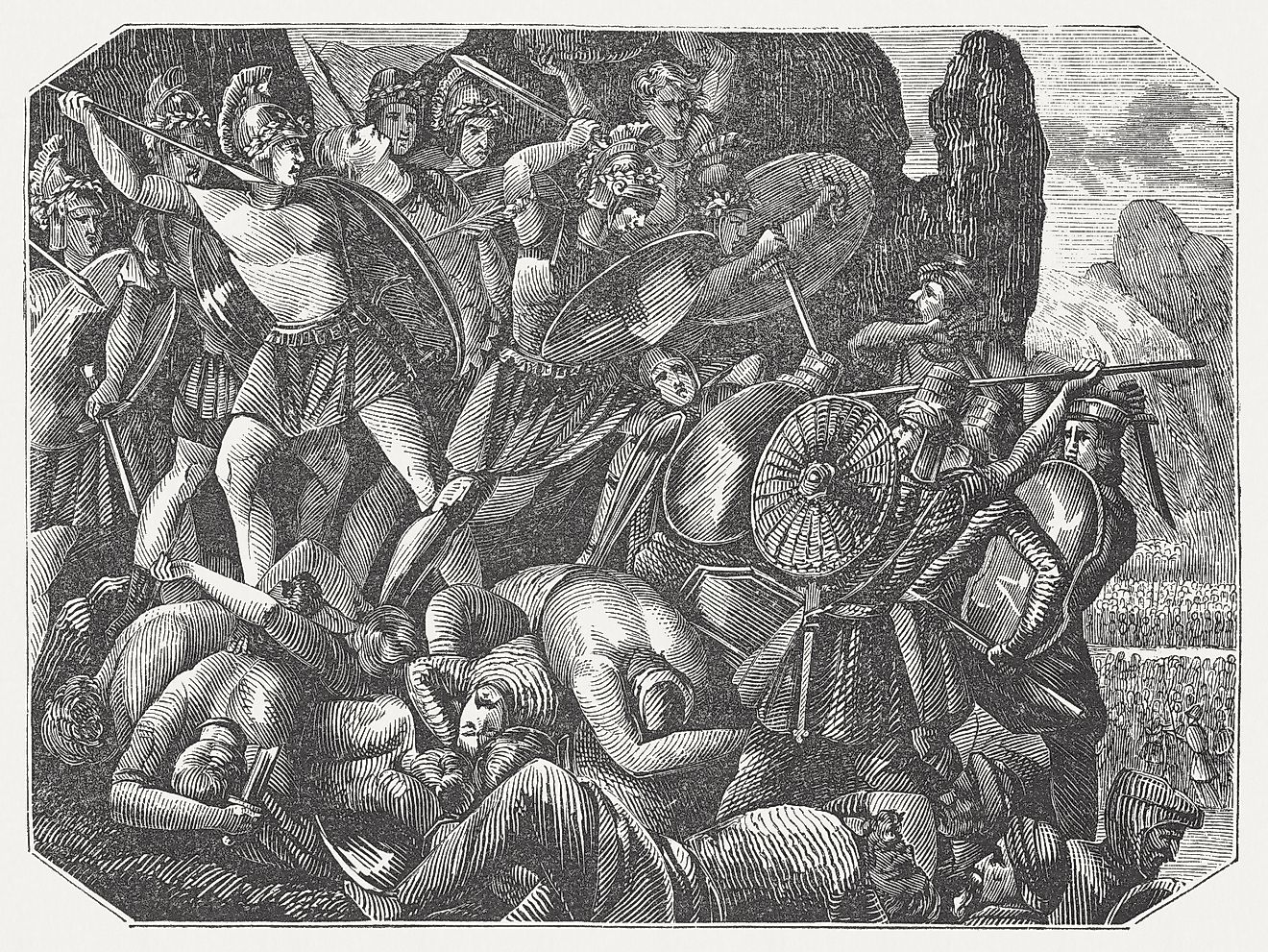
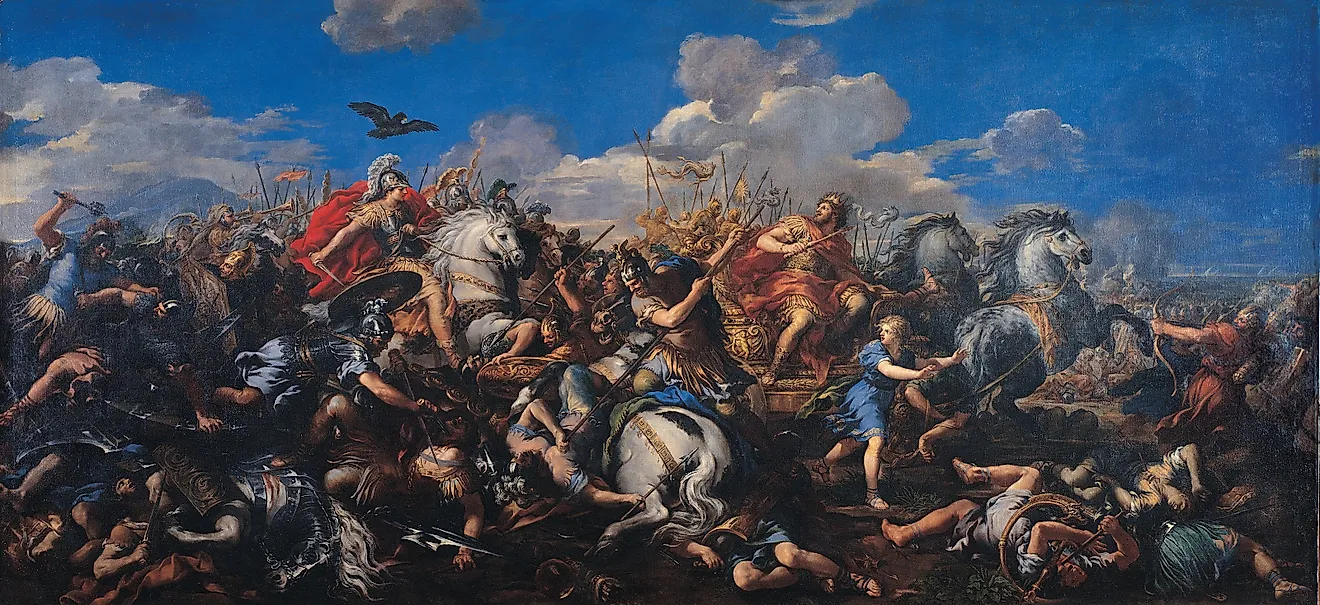
In 55 BCE, two Germanic tribes, the Usipetes and the Tencteri, crossed the Rhine River into Gaul. Caesar had already resolved to make war when the Usipetes and Tencteri requested land or permission to remain in Gaul; he rejected their requests and continued advancing during the negotiations. According to Caesar, some members of the Germanic cavalry attacked his troops during the negotiations, so he responded by detaining their leaders. The following morning, German leaders came to explain the cavalry clash and seek another truce. Caesar detained them and launched a surprise attack on their leaderless camp. Caesar maintained that the whole affair was defensive, but contemporaries such as Cato the Younger and modern-day historians dispute this defense.
The attack quickly turned into a massacre. Women and children were among the victims. Caesar claimed that the migrant population numbered 430,000 and described mass killing and drowning, while Plutarch later wrote that a few people escaped. Like most of his claims, this number needs to be taken with a grain of salt. The attack killed or displaced a large part of the migrant population, but it did not end the Usipetes or Tencteri, both of whom appear in later Roman accounts.
The Genocide Of The Gauls (58 to 50 BCE)

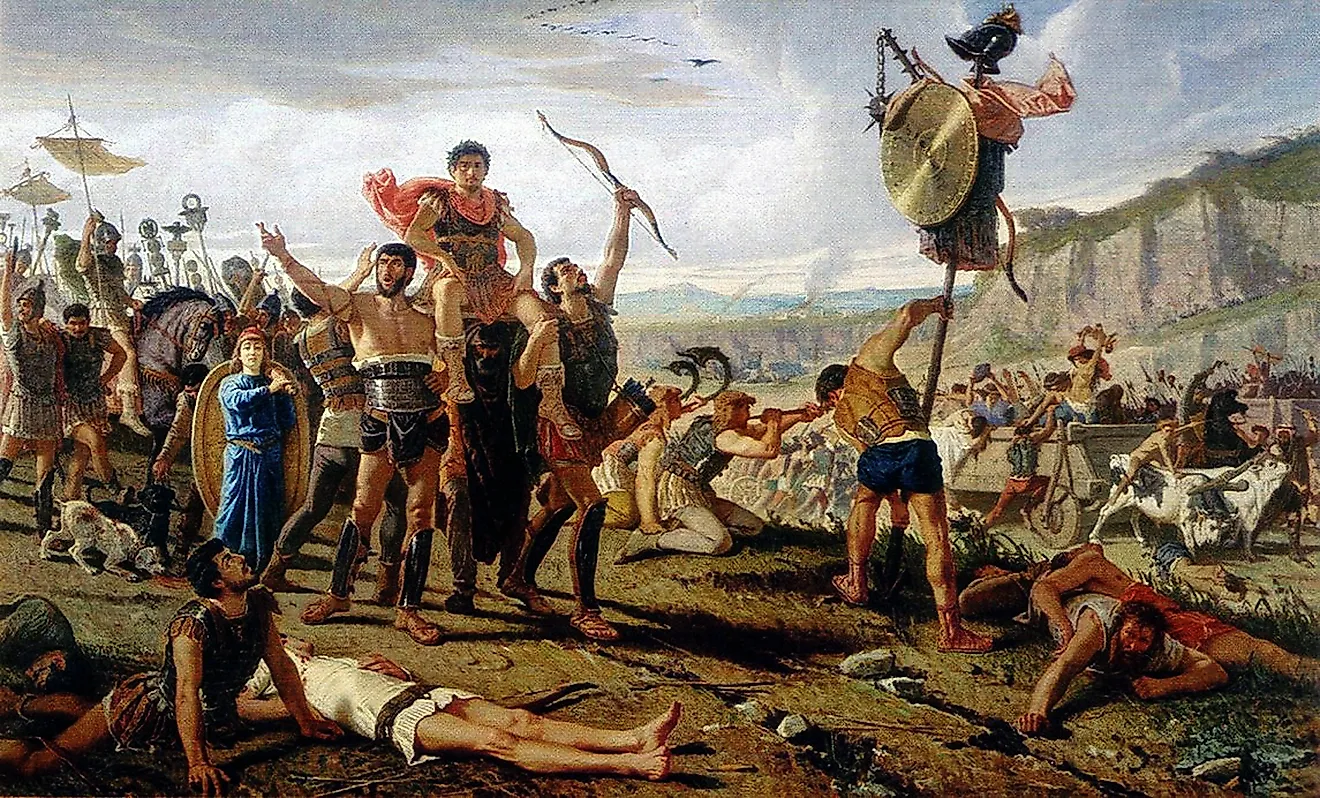
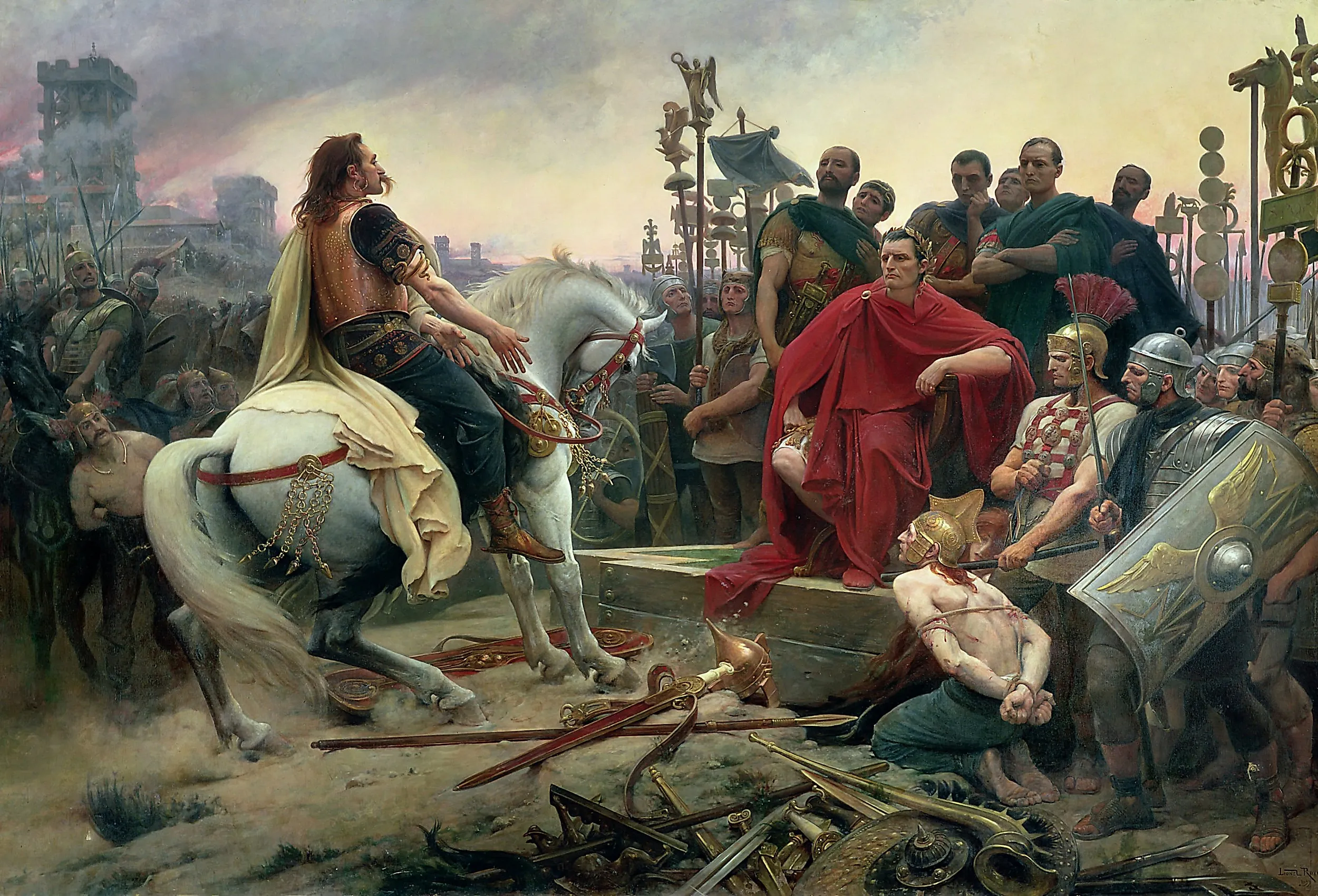
Caesar's defeat of the Helvetii and massacre of the Usipetes and Tencteri should be understood in the context of his conquest and subjugation of Gaul; Romanization was a longer-term consequence, not a clearly documented objective of his campaigns. These two affairs were not the only examples of tribe-destroying violence. In 57 BCE, Caesar claimed that the Nervii's 60,000 men able to bear arms had been reduced to about 500. He accepted the surrender of the surviving women, children, and elders. In 56 BCE, Caesar had the Veneti's ruling council put to death and sold the rest of the tribe into slavery. After an Eburonean ambush destroyed the Roman troops under Quintus Titurius Sabinus and Lucius Aurunculeius Cotta in late 54 BCE, Caesar launched a punitive campaign in 53 BCE intended to destroy the tribe, although some Eburones escaped.

Caesar did not seek to exterminate every inhabitant of Gaul; his broader objective was to conquer the region and bring its surviving population under Roman control. That does not rule out the possibility that particular episodes were genocidal. Genocide is a modern legal and analytical category that requires evidence of an intent to destroy a specific group, at least in part, rather than evidence of high casualties alone. Some scholars apply the term to Caesar’s campaign against the Eburones, whose “stock and name” he explicitly sought to eradicate. Plutarch later claimed that Caesar killed one million people in Gaul and enslaved another million, although modern historians regard those figures with considerable skepticism. Even if the totals were exaggerated, Caesar’s campaigns probably caused hundreds of thousands of deaths and involved mass enslavement, forced dispersal, and the deliberate destruction of certain communities. Scholars therefore assess his conduct using several overlapping but distinct concepts, including genocide, mass killing, mass enslavement, and forced displacement.
The Destruction Of The Library Of Alexandria (48 BCE)

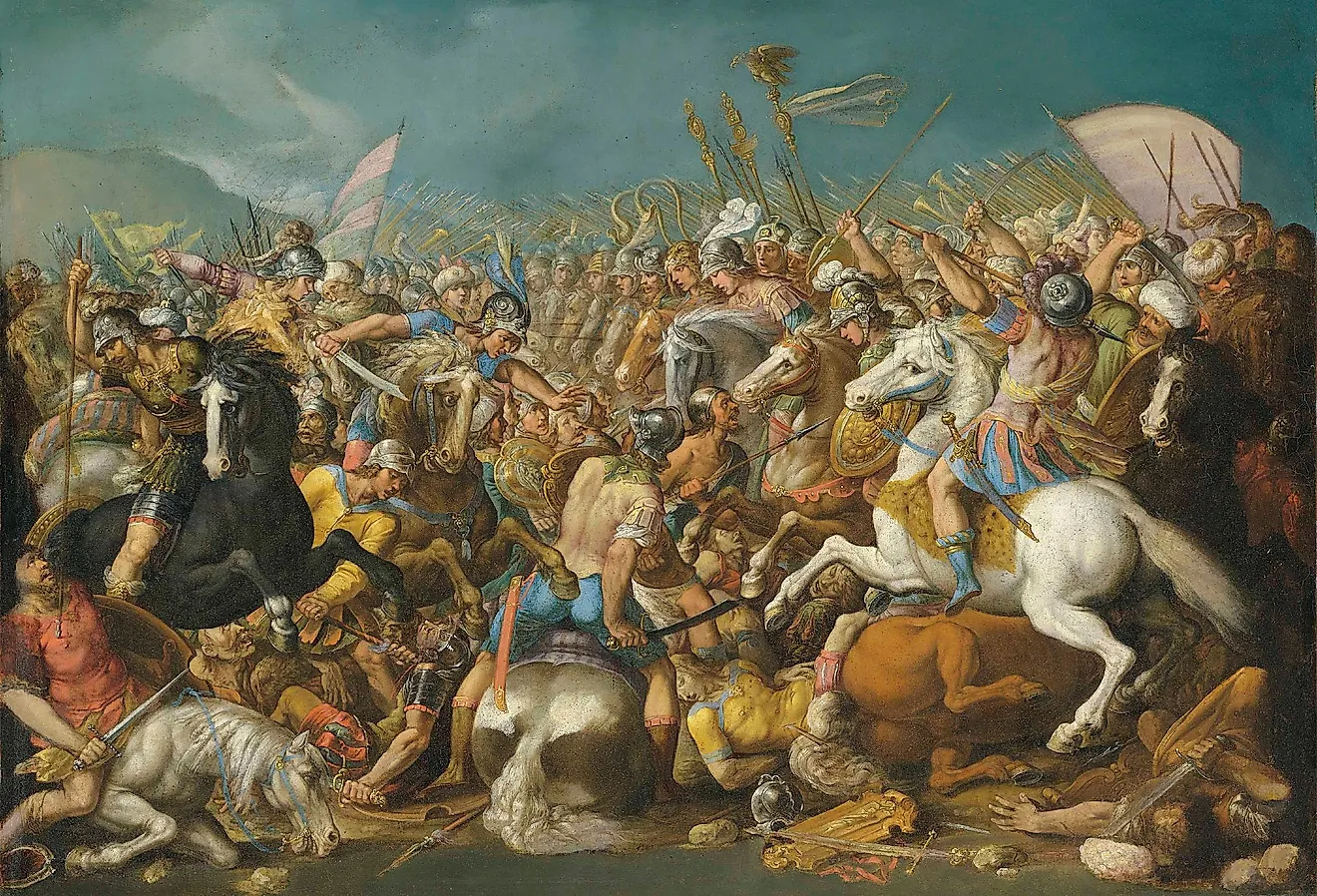
In 49 BCE, Caesar crossed the Rubicon with troops under his command. The river marked the boundary between his province of Cisalpine Gaul and Italy proper. Doing so was an effective declaration of war, since it was against the law for a general to bring his army into Italy. The subsequent conflict was fought between Caesar and Pompey the Great, who was allied with the Senate. Caesar quickly took Italy. After securing Spain, he turned his attention to Greece, where Pompey had fled. He crushed Pompey at the Battle of Pharsalus, forcing his former ally to flee to Egypt.
Egypt was embroiled in its own civil war between Ptolemy XIII and Cleopatra VII. In an attempt to win the favor of Caesar, Ptolemy had Pompey assassinated. This proved pointless, since Cleopatra successfully courted Caesar. Although Caesar and Cleopatra formed a political and probably romantic relationship, Caesar initially claimed to arbitrate the succession dispute and restore their joint rule before becoming embroiled in war with Ptolemy's faction.

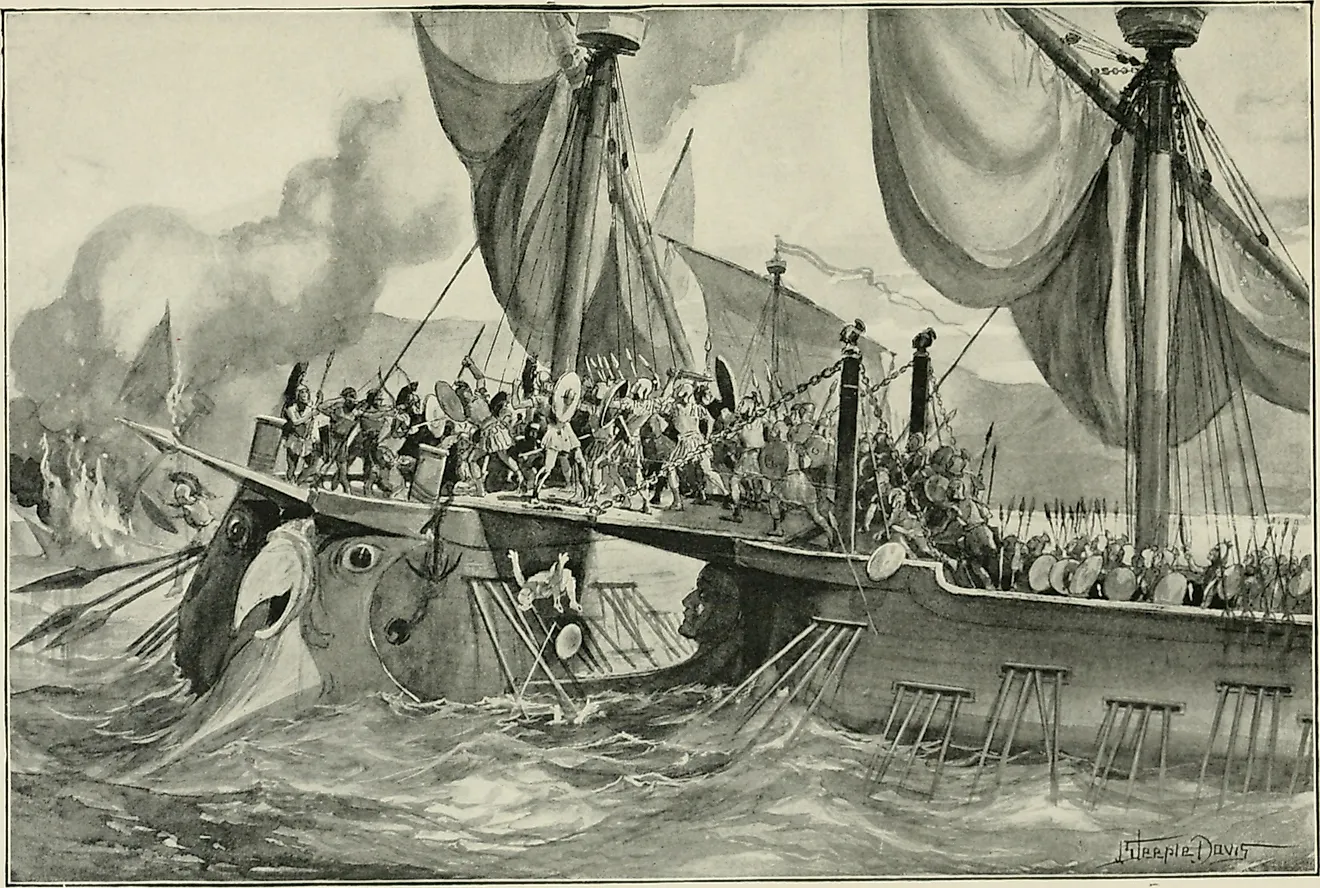
There was one problem. Caesar had come into Alexandria, the Egyptian capital, with a small military force. This allowed Ptolemy's much larger army, led by General Achillas, to surround him. Fighting quickly broke out, and Caesar occupied part of the royal palace complex next to the harbor. Worried that his ships would be destroyed, he ordered that the Egyptian fleet be burned. Caesar records burning the Alexandrian fleet but not the library. Plutarch later claimed that the dockyard fire destroyed the great library. How much was lost, and even where it was stored, remains disputed. Ancient sources claim that tens or hundreds of thousands of scrolls were destroyed, but these numbers were likely exaggerated. The Mouseion and some substantial book collection remained active in Roman Alexandria, but the evidence does not show with certainty that the original palace library itself survived intact for centuries. At the same time, the fire demonstrated how Caesar's military campaigns often had disastrous, unintended consequences.
Why All This Matters

Bloodshed and cultural desecration are integral components of Julius Caesar's legacy. His destruction of the Helvetii in 58 BCE set the precedent for annihilating entire tribes during his Gallic campaign. The massacre of the Usipetes and Tencteri three years later was even more brutal. All this spoke to a broader, arguably genocidal goal. Finally, while perhaps not as brazenly horrific, the partial destruction of the Library of Alexandria demonstrated how his military ambitions had culturally destructive side effects. Caesar's military brilliance and political importance are undeniable, but so is the immense human cost on which his legacy was built.