Major Turning Points In Roman History
Rome was one of the most formidable powers of the ancient world. Beginning as a small monarchical city-state, it transformed into a republic and then an empire that spanned the entire Mediterranean. With such a vast and rich history, it is useful to focus on a few key turning points. The founding of the Roman Republic, Caesar's crossing of the Rubicon, and the fall of the Western Roman Empire each marked a moment when Rome fundamentally changed.
The Founding Of The Roman Republic (509 BCE)
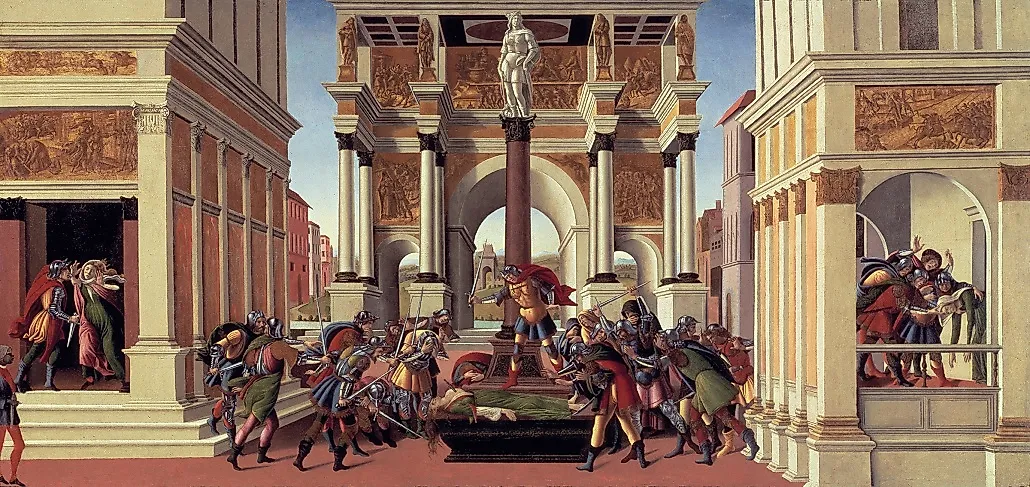
Legend asserts that the Roman Kingdom was founded by Romulus sometime in the 750s BCE. Over the next 250 years, it had seven kings. While some were relatively benevolent, others abused their power. The final king, Lucius Tarquinius Superbus, was particularly bad. He seized the throne through murder, relied on a personal bodyguard, and executed political opponents without consulting the Senate.
The turning point came when his son, Sextus Tarquinius, assaulted the noblewoman, Lucretia. This outraged the Roman nobles, and they expelled the royal family in 509 BCE and replaced it with a republic. The king's power was now divided between elected magistrates and the Senate. While imperfect, ideals of power-sharing were one of the defining features of Rome for the next 500 years.
The Second Punic War (218 to 201 BCE)

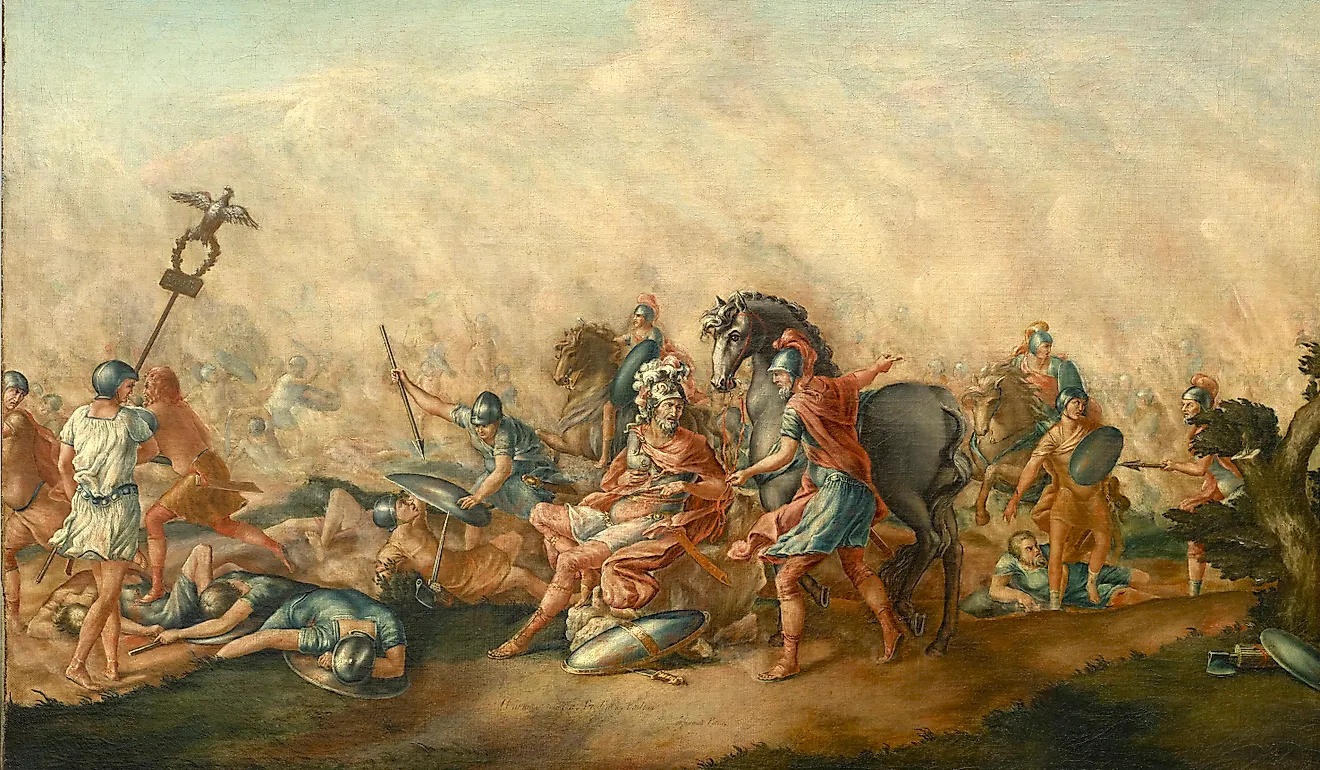
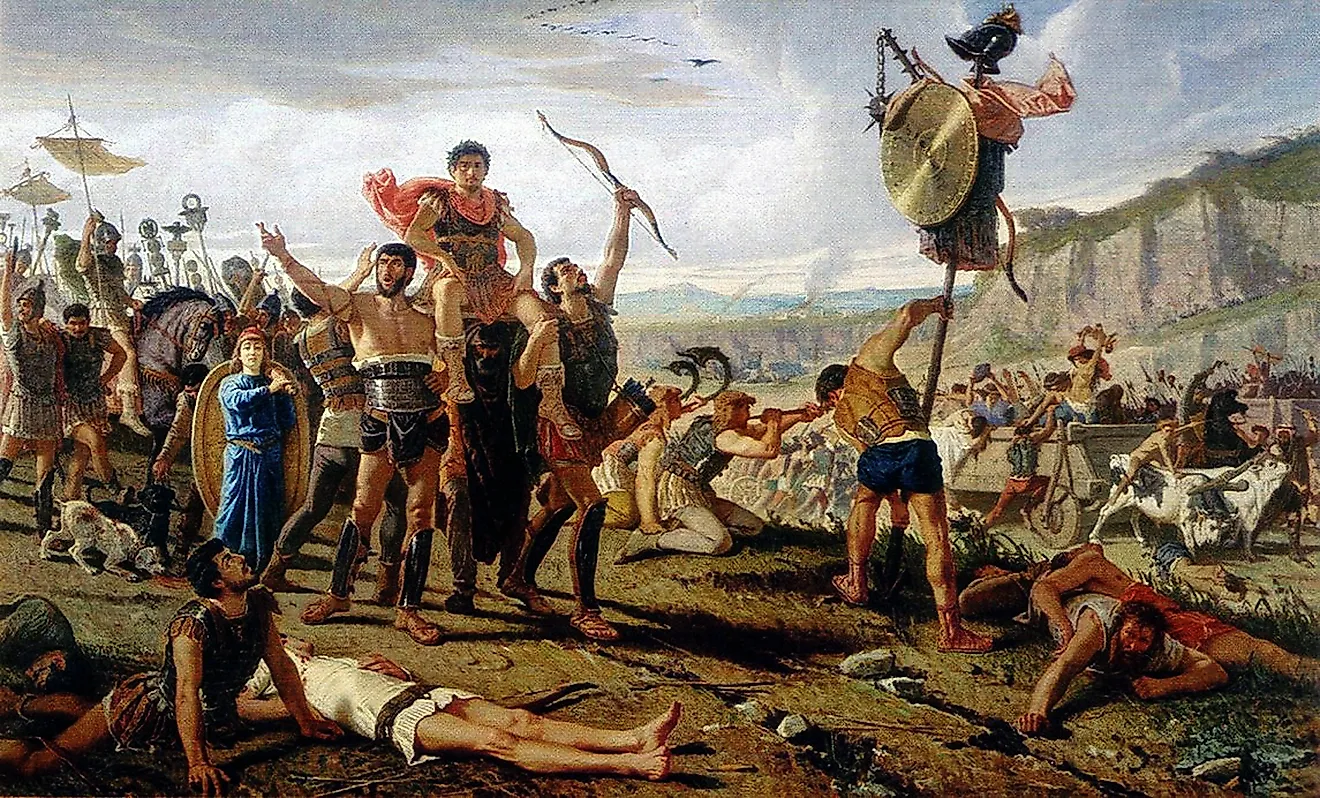
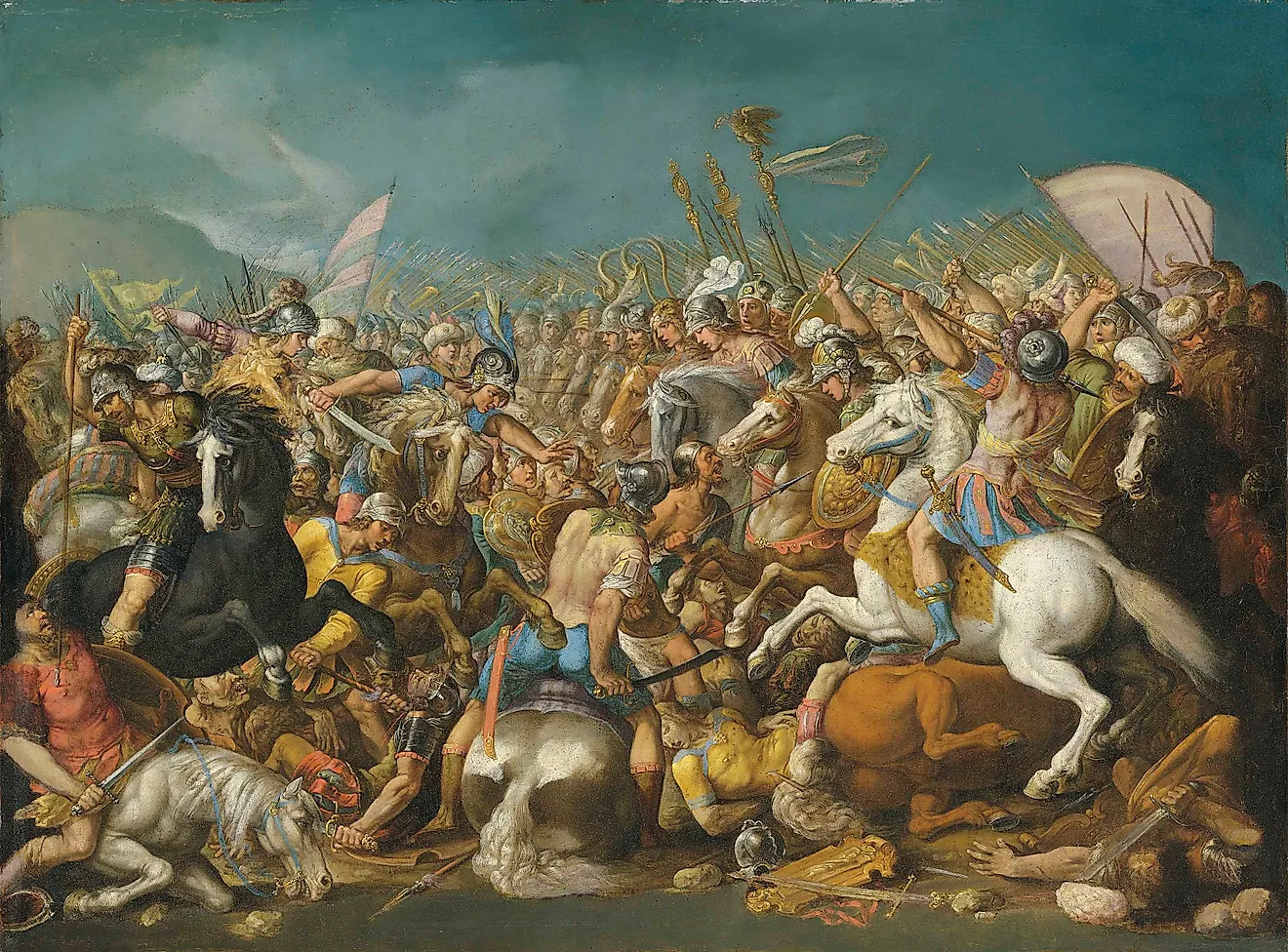
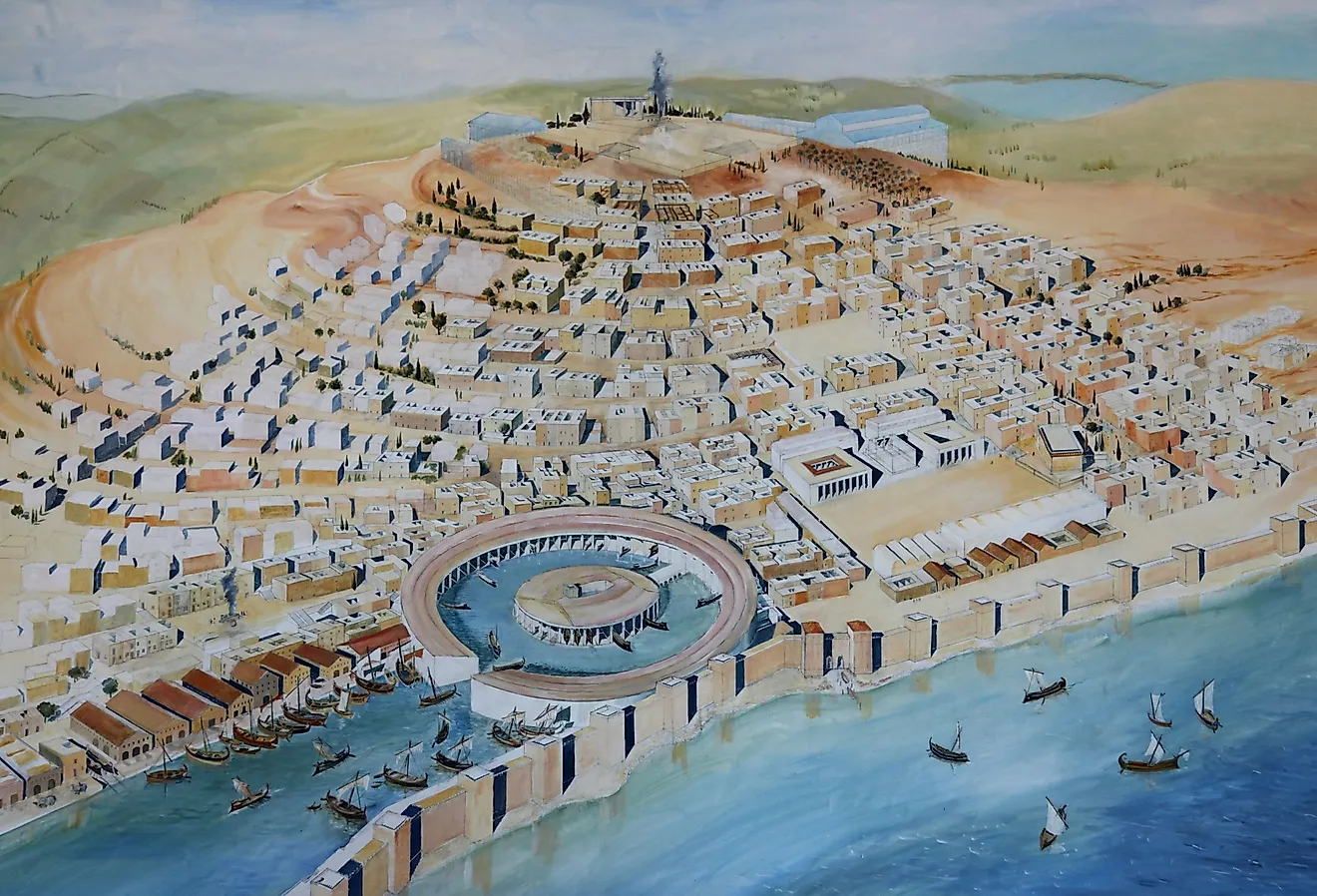
During the 200s and 100s BCE, the Roman Republic fought a series of wars against the North African empire of Carthage. The first conflict, the First Punic War (264 to 241 BCE), saw Rome gain control of Sicily and build up its navy. Humiliated and angered by this defeat, the Carthaginians bided their time and plotted revenge. Eventually, under the leadership of General Hannibal Barca, they attacked Rome in 218 BCE. Rather than doing so via the sea, Hannibal led his army over the Alps and attacked Italy from the north. Completely unprepared for this maneuver, the Romans suffered a series of devastating defeats, including at the Battle of Cannae (216 BCE), where 50,000 to 75,000 soldiers were killed.
Under the leadership of General Quintus Fabius Maximus Verrucosus, the tide began to turn. He masterminded the Fabian strategy, which emphasized avoiding catastrophic defeats and utilizing guerrilla warfare tactics. This strategy allowed Rome to leverage its resource and manpower advantage. Eventually, the Romans were able to launch a counterinvasion of North Africa and defeat Hannibal at the Battle of Zama (202 BCE). Through ingenuity and adaptability, they had managed to win against all odds. This victory greatly improved Rome's reputation across the Mediterranean, establishing it as a force to be reckoned with.
Julius Caesar Crosses The Rubicon (49 BCE)

By the 50s BCE, Rome was facing the consequences of decades of systemic issues. Its now vast territorial reach made it difficult for the government, which was designed for a small city-state, to govern effectively. Ambitious and charismatic generals also proved problematic, since their troops were often loyal to them, rather than Rome. One such general was Julius Caesar. He gained immense prestige and wealth due to his conquest of Gaul (modern-day France, Belgium, and Luxembourg) from 58 to 50 BCE. Concerned about his political ambitions, the Senate ordered that Caesar give up his army and return to life as a private citizen.
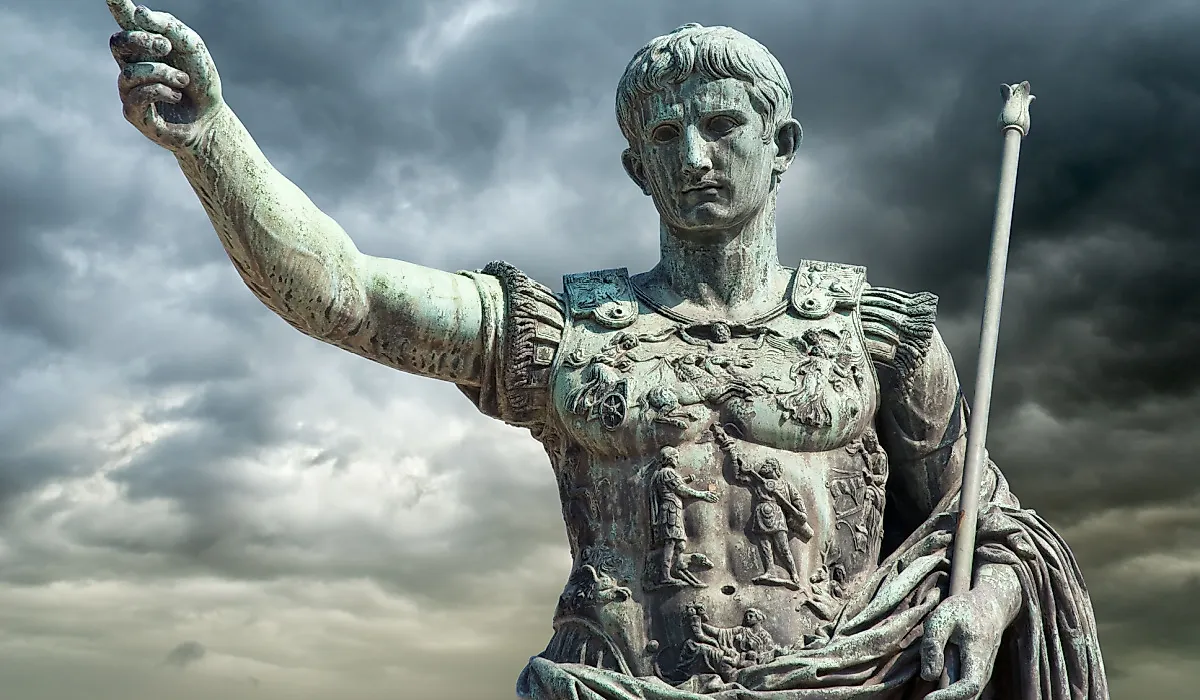
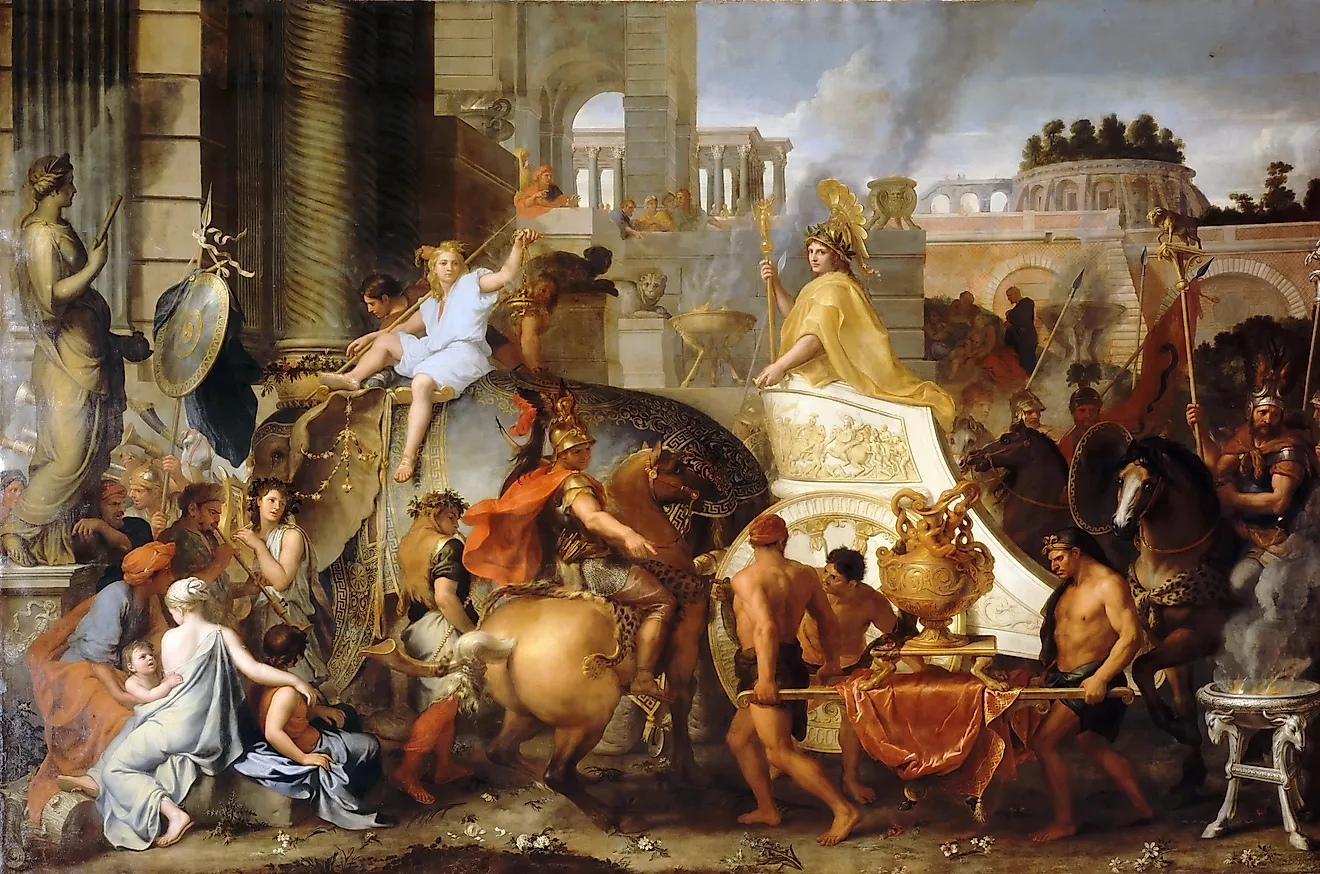
Caesar refused. In January 49 BCE, he crossed the Rubicon River, the border between Gaul and Italy, with his 13th Legion. Generals were forbidden to command armies within Italy, so doing so was an effective declaration of war. The wars that followed lasted more than two decades. While Caesar did not live to see it (he was assassinated in 44 BCE), they ended in 27 BCE with Augustus becoming Rome's first emperor. The Republic was over, and the Empire had begun.
The Crisis Of The Third Century (235 to 284 CE)

The Crisis of the Third Century was one of the most dangerous periods in Roman history. Over the course of fifty years, the empire nearly collapsed due to a combination of civil war, barbarian invasions, economic catastrophe, and famine. It began in 235 CE with the assassination of Emperor Alexander Severus. He had attempted to negotiate with invading Germanic tribes, rather than fighting them. Viewing this as a weakness, his own troops murdered him and raised one of their own, Maximinus Thrax, as emperor. Over the subsequent half century, over two dozen emperors rose and fell, with most only lasting a few months.
As the army became more involved in politics, the government lost central authority. This resulted in the empire splitting into three states: the Gallic Empire in Britain, France, and Spain, the Palmyrene Empire in Egypt, Israel, Palestine, Lebanon, Syria, and Anatolia, and the Roman Empire, which now only held Italy, the Balkans, and parts of North Africa. This political division provided an opportunity for Germanic tribes in the north and the Persians in the east to invade. The Plague of Cyprian from 249 to 262 CE further weakened the already fractured states. Ultimately, Emperor Aurelian helped bring the crisis to a close by defeating the Germanic invaders and reunifying with the Gallic Empire. The crisis officially ended in 284 CE when Emperor Diocletian introduced profound administrative changes.
The Fall Of The Western Roman Empire (476 CE)

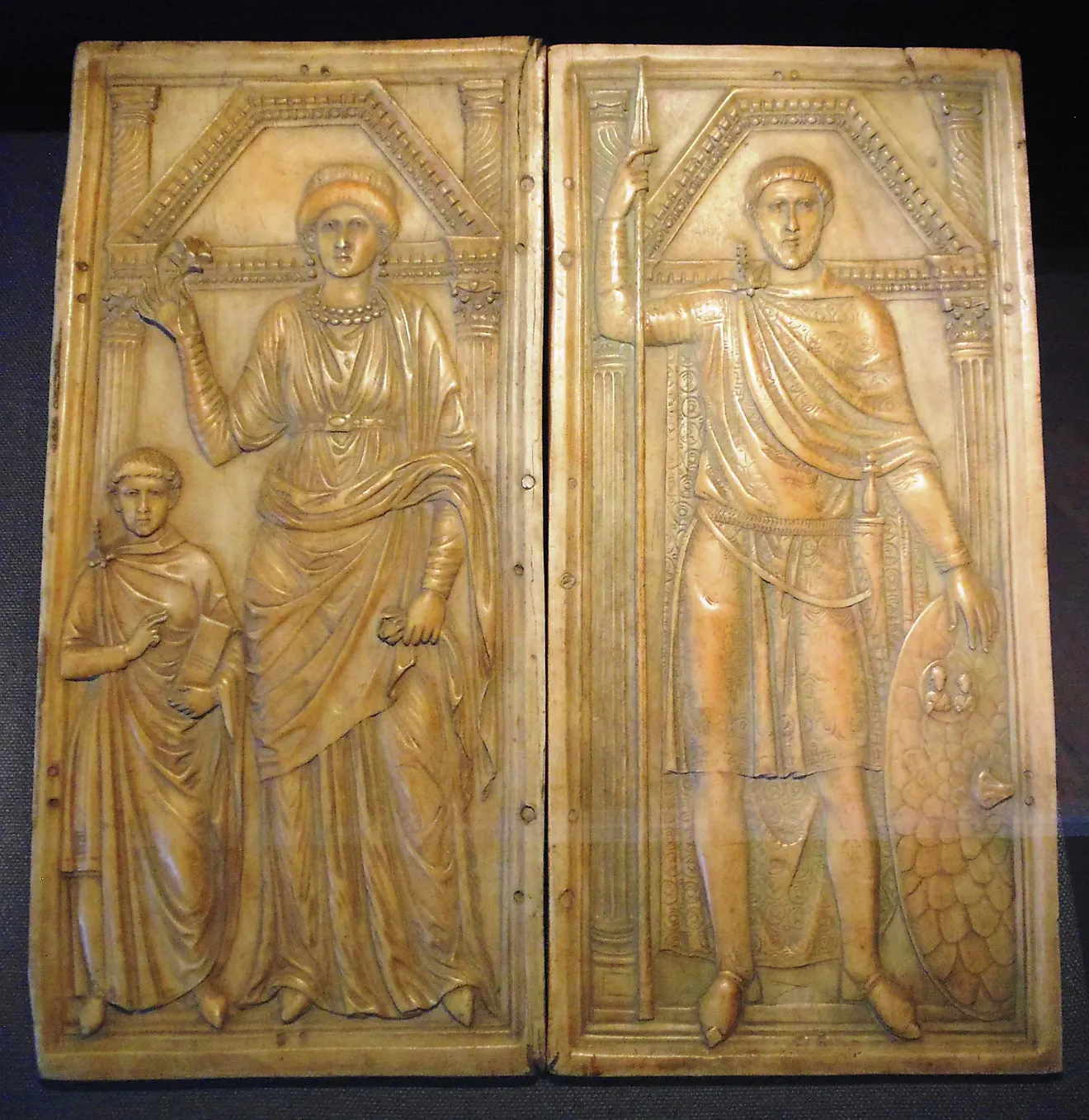
By the 400s CE, the Western Roman Empire was in trouble. Its split from the Eastern Empire in 395 CE exposed fundamental structural problems in its economy, defense, and political system. Whereas the Eastern Roman Empire had agriculturally rich and productive provinces like Egypt, the Western Empire lacked such powerhouses. This meant that there was less economic activity, since there were fewer goods to trade, and its people often went hungry. Its borders were also harder to defend, and it faced invasions from tribes like the Visigoths and the Vandals. In a desperate attempt to maintain control, the government increasingly relied on barbarian mercenaries. While effective fighters, these mercenaries often had their own political ambitions, leading to a hollowing out of the empire as they established kingdoms within its borders.
All these factors, and many more, contributed to the fall of the Western Roman Empire in 476 CE, when the Germanic king Odoacer deposed Emperor Romulus Augustulus. Importantly, Roman civilization survived in the Eastern Roman Empire (known retroactively as the Byzantine Empire), which remained a major power for the next thousand years. Many future kingdoms in Western Europe also maintained Roman political, cultural, and administrative practices. Nevertheless, the Roman Empire, as it is commonly remembered, was gone forever.
Five Moments That Remade Rome
Each of these turning points reshaped Rome by a different mechanism. The expulsion of the kings and the fall of the Western Empire were bookends of constitutional collapse, one replacing monarchy with shared rule and the other dissolving central rule entirely. The Second Punic War and the Crisis of the Third Century were tests of survival, the first won through strategic patience and the second nearly lost to fragmentation before Aurelian and Diocletian restored it. Caesar's crossing of the Rubicon sits between them as the internal fracture that turned Rome's military strength inward and ended the Republic it had built.