How Roman Doctors Treated Battle Wounds
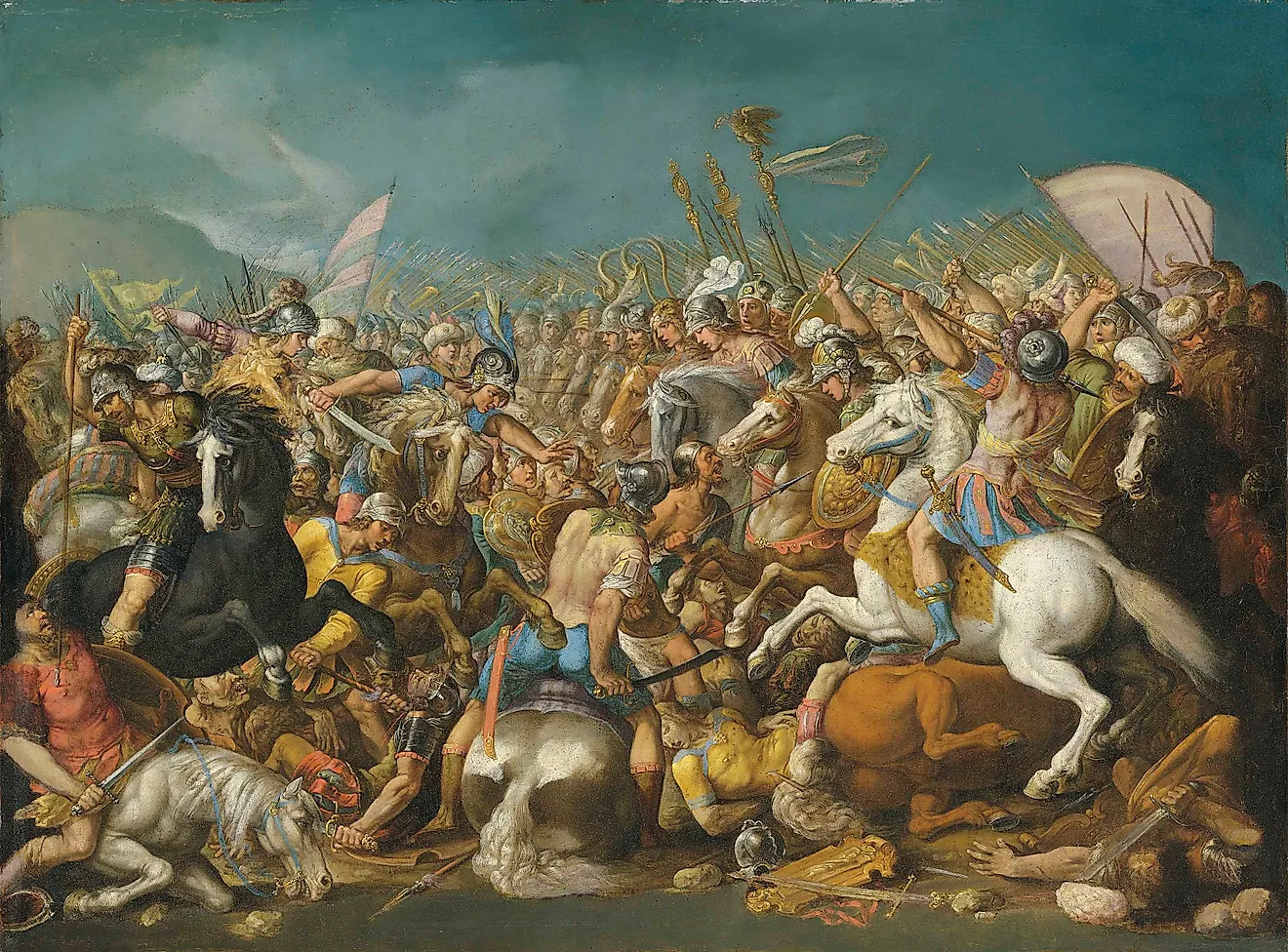
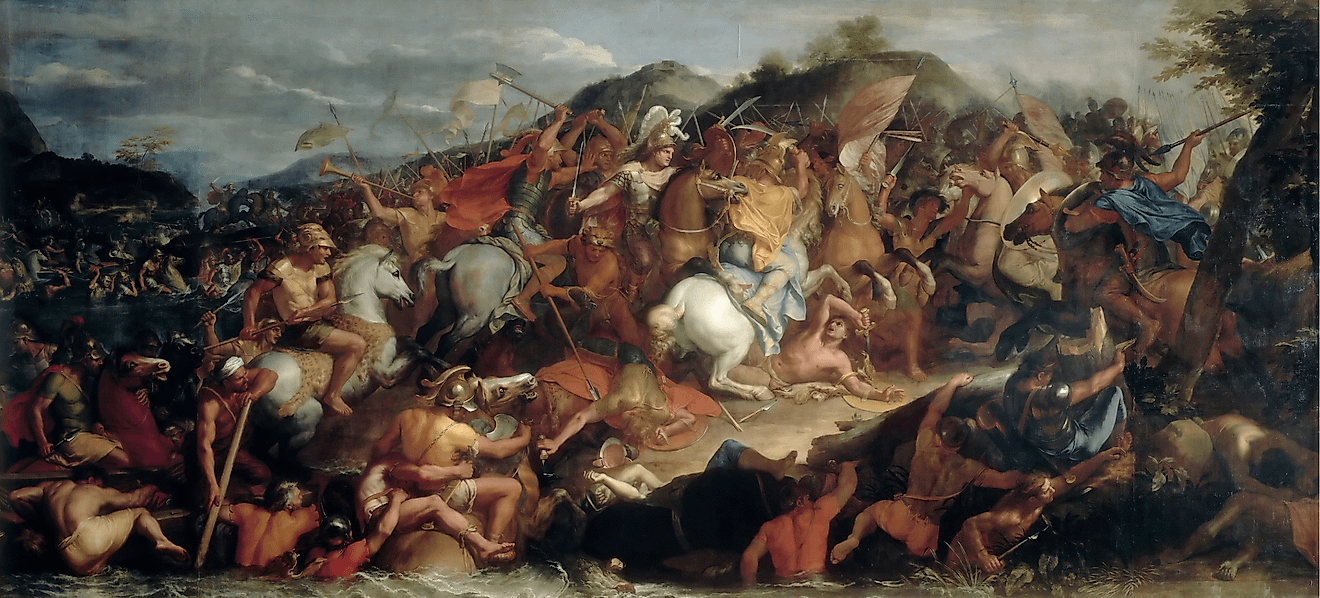
By his own account, the Roman physician Galen lost only five gladiators in four years during his time. A survival record like that hints at just how far Roman battlefield medicine had come. Legendary for their military prowess, Roman legions fought bravely and fiercely, forging an empire that stretched from the British Isles to Carthage in North Africa, the Iberian Peninsula, and Mesopotamia. Between their gladiatorial games and their conquest of the entire Mediterranean world, Roman warriors fought brutal battles that produced horrific wounds and injuries. Battlefields filled with swords, catapults, and ballistae that could hurl giant stones through the air caused severe and traumatic injuries. Luckily, Roman medicine was almost as sophisticated as their military technology.
The Gladiator's Doctor

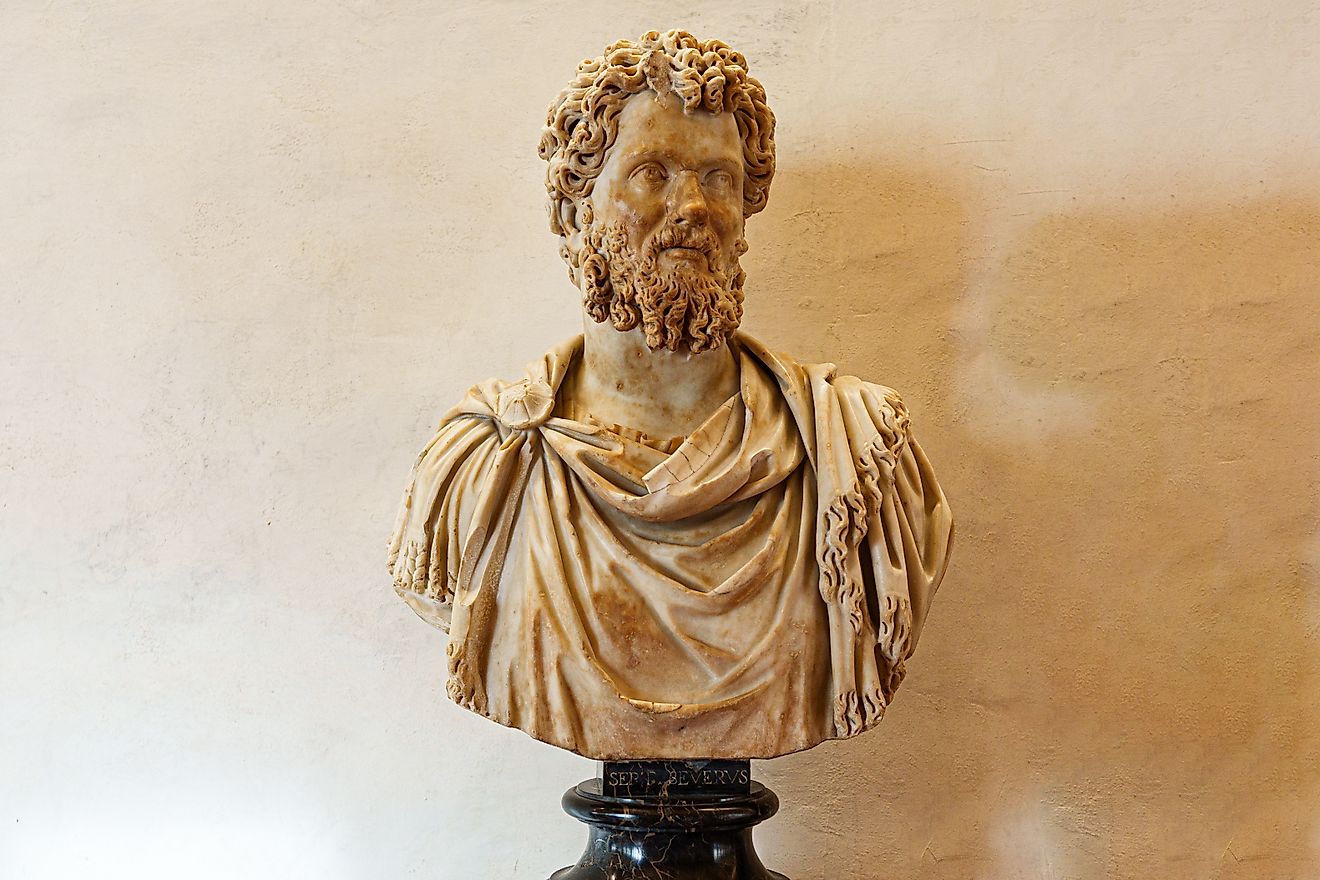
Born in Pergamon (present-day Bergama, Turkey) in 129 CE, the Roman physician Galen wrote prolifically, producing the bulk of Western Civilization's medical knowledge until the Renaissance. He gained his early medical training in his home city, then in Smyrna (now İzmir, Turkey), Corinth, and finally Alexandria, Egypt, the greatest center of learning and medicine in the ancient world. Galen expanded his medical knowledge upon his return to Pergamon in 157 CE, serving as head physician for a troop of gladiators belonging to the high priest of Asia. Galen came to Rome in 162 CE, quickly making a reputation for himself, treating wealthy patricians who had been deemed incurable by lesser physicians. Enamored with the work of the Greek philosopher Hippocrates, Galen began producing his own medical texts, based on his findings from working with gladiators and dissecting animals, such as Barbary apes, goats, sheep, and pigs. Galen was a firm believer in the instructional power of dissection, both for gaining surgical skill and anatomical observation, although he had to stick to animals, as dissecting human corpses was extremely taboo in the ancient world. Writing more than 300 works on medicine throughout his life, Galen obtained further battlefield experience in 168 CE, when he was summoned by the co-emperors Lucius Verus and Marcus Aurelius to their headquarters at Aquileia in northern Italy, where the army was engaged in operations against Germanic tribes along the Danube. Galen returned to Rome, serving Marcus Aurelius, as well as the emperors Commodus and Septimius Severus.
Ancient Military Hospitals

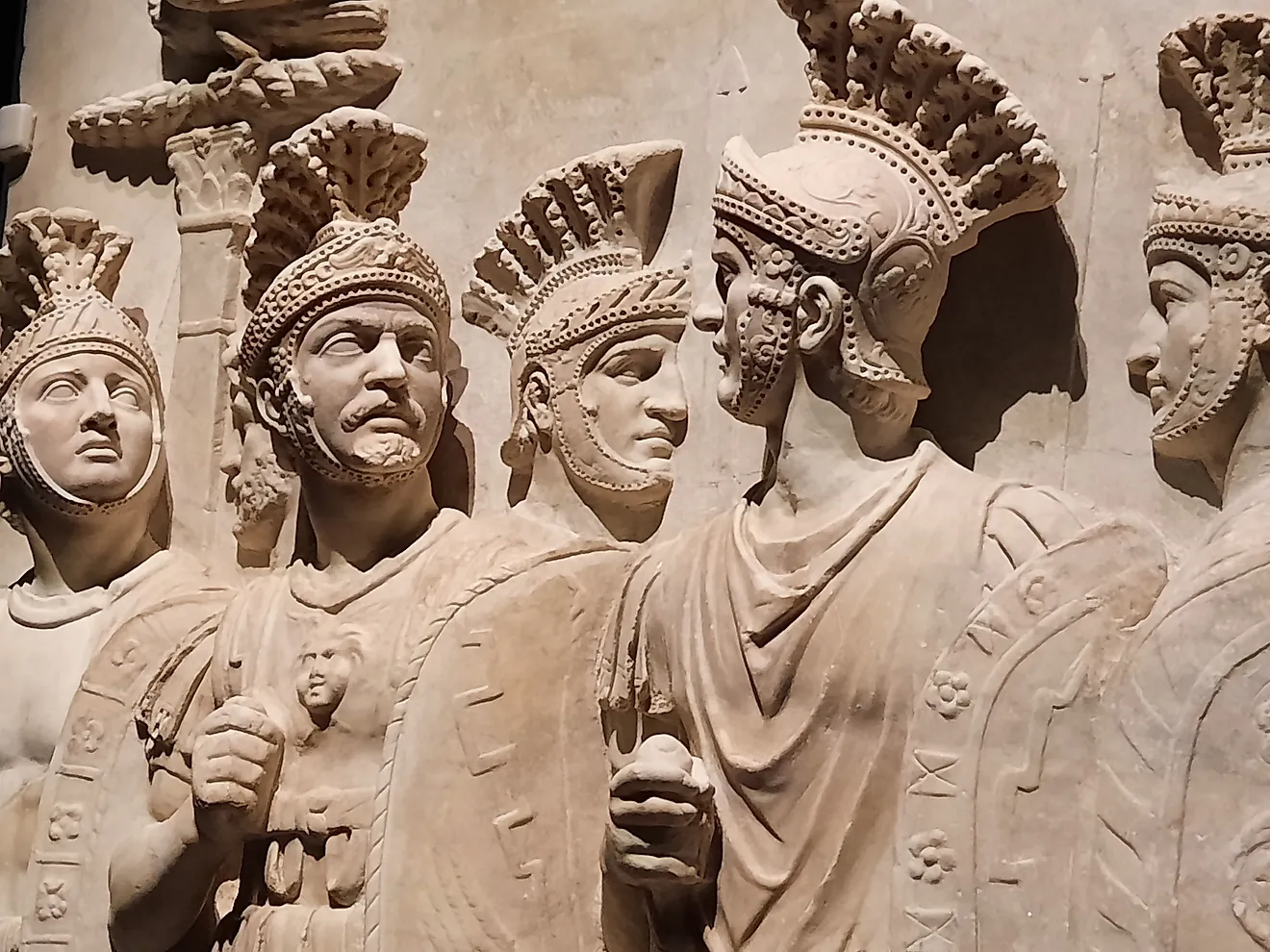
The Roman legion's medical corps was surprisingly organized and sophisticated for the ancient world. Accompanying centurions, marines, sailors, and cavalry on the ground were the capsarii, field medics adept at dressing wounds, providing emergency aid, and transporting the wounded to more advanced medical care. The capsarii were just the lowest rung in a carefully constructed and exceptionally organized military medical structure. At the top of the Roman military's medical establishment were the milites medici, physicians and administrators who would construct and operate field hospitals and more permanent institutions in cities and long-term military bases called valetudinaria. A valetudinarium was well-stocked, containing surgical tools, ancient medicines, and separate wings for the sick and wounded, allowing wounded soldiers to recover isolated from disease and likely infection. Further specialization of the valetudinarium included different sections for treating different types of wounds and injuries, greatly increasing the efficiency of the Roman military medical system. This level of specialization, organization, and sanitation was unusual for its time in the ancient world, and the valetudinaria influenced hospital design well beyond the fall of Rome.
Stopping the Bleeding

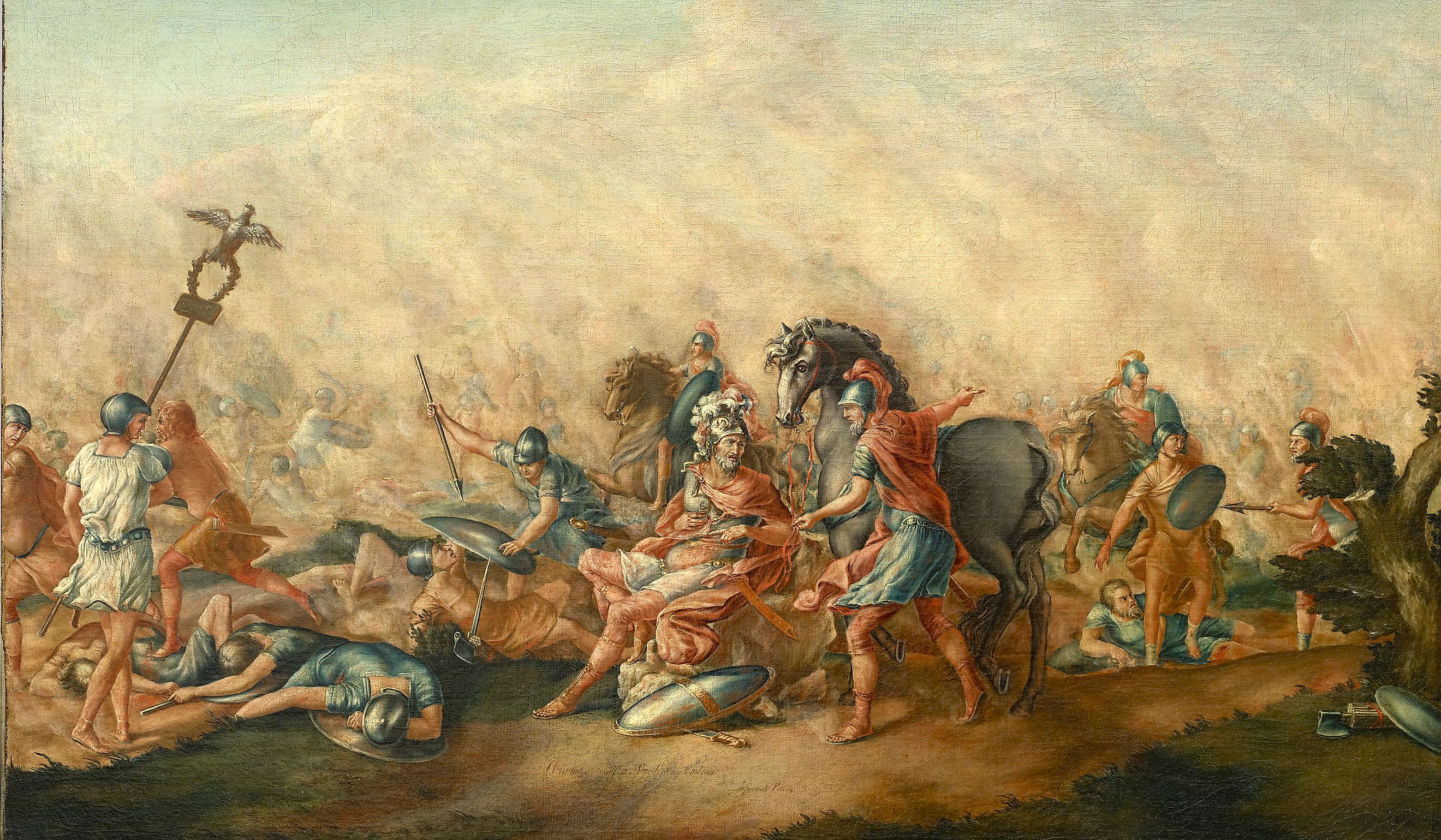
Capsarii, Roman military field medics, were shockingly proficient at bandaging and wound care. Aware that loss of blood was the primary threat after a soldier was wounded by a weapon, the capsarii knew that halting hemorrhaging was the first step in saving a wounded Roman soldier's life or limb. Doctors would employ pressure, packed bandages, ligatures, and even cauterization to stop patients from bleeding out. Triaged in the main entrance room of the valetudinarium, some would go on to surgery or treatment in the dedicated sections of the primitive field hospital. Roman medical experts cleaned wounds and cut out infection. Although the Romans possessed no knowledge of bacteria or germ theory, they intuited that a dirty wound was more likely to develop gangrene or other infection than a clean one. Roman medics treated and dressed wounds with wine, vinegar, honey, oils, resins, and plant preparations that possessed some antimicrobial properties. Roman military physicians' wound care was advanced enough that, by many accounts, Roman soldiers were about as likely to die from disease as from wounds received in combat, given the dirty and unsanitary conditions on battlefields and in latrines, the poor state of rations, and lack of immunity to diseases found in the distant foreign lands the Romans invaded.
Ancient Orthopedics

Despite the Roman medical establishment's lack of X-rays and other modern technological means of imaging, the milites medici were highly skilled at the practice of orthopedics. Dislocations and fractures were reset, with the Roman physician Celsus writing copiously detailed descriptions of fracture care. Using splints, bandages, and immobilization, fractures were manipulated back into place. Although the Roman physicians and medics did not cast bones with plaster like modern doctors, they did have rigid materials for their splints and bandages, and ancient medical manuals had detailed instructions concerning keeping freshly set broken bones immobile until they healed. Although we can be sure that Roman medical writings were more detailed and comprehensive than actual medical care on the ground, fractures and dislocations received expert care on ancient battlegrounds throughout the Roman Empire.
Surgical Precision

Galen wrote extensively on surgery, and using Greek techniques, Roman doctors were capable of performing cataract surgeries, cesarean sections, tonsillectomies, and, particularly necessary on the battlefield, removal of foreign material and debris. Roman surgeons were capable of performing mastectomies to treat breast tumors and amputations when gangrene or infection had set in. Battlefield surgeries were exceptionally dangerous, but the valetudinaria were more sophisticated than civilian practitioners of medicine, as the Romans had no formal licensing or education for the medical profession; military discipline helped keep unqualified or self-taught healers from practicing as military physicians. This mattered because the battlefield was the most likely place to receive a wound from a barbed arrow or spear, or a broken piece of a crude barbarian blade. Removing barbed arrowheads and spearpoints was extremely difficult to accomplish without causing further damage to the patient. Head injuries such as skull fractures were exceptionally deadly, although the milites medici were able to conduct cranial surgeries and recognize several different types of cranial injuries. Roman battlefield doctors were able to conduct trepanation to relieve pressure as well as remove damaged pieces of bone from the skull. Although these procedures were particularly deadly, archaeological evidence shows that some patients did survive such drastic injuries and procedures.
Tools of the Trade

Roman medical instruments would look surprisingly familiar to a surgeon of our day. Roman surgical kits have been found all over the Mediterranean world, from Britain to Asia Minor. These ancient surgical instruments included probes, forceps, bonesaws, needles, hooks, cauteries, scalpels, specula, catheters, and strigils. Although they did not possess anesthesia, Roman battlefield physicians were capable of sedating patients or limiting the effects of severe pain through the use of wine, opium, mandrake, henbane, and other drugs. They are known to have used aloe for burns and gentian for bites and liver disorders.
Although Roman medical techniques are certainly crude when compared with today's medicine, the battlefield may have been one of the best places to obtain quality medical care in the ancient world. Institutions like the valetudinaria only existed inside the Roman military machine. Civilians often received care in their own homes, from unlicensed self-proclaimed healers. Many would visit temples dedicated to healing gods or undertake long pilgrimages to shrines to request divine intervention for their health problems. Just like today, the wealthy often had better access to higher-quality services. Serving in the Roman military was not only a quick path to citizenship and raised social status, but it could also provide one with access to trained, professional medical care.