Why Hannibal Barca Remains Rome’s Greatest Enemy
Few figures from the ancient world are as captivating and compelling as Hannibal Barca, the legendary general who led an army of elephants across the Alps and spent his life pushing back against the conquering Roman Republic’s expansionist plans in Europe and Africa. Hannibal was more than a thorn in the side of the empire, and his military career wasn’t just the classic underdog story of an upstart from Carthage taking on Roman military power. Hannibal was Rome’s greatest enemy. Just the mention of his name could start a panic. Rumor had it that he cannibalized the bodies of fallen soldiers, a story likely fueled by Roman propaganda meant to portray him as a monstrous enemy. His stranglehold on the Roman psyche was such that he became a cautionary proverb: Hannibal ad portas, meaning “Hannibal is at the gates,” became a warning similar to “the wolf is at the door.” His fearsome reputation, military training, creative tactics, and skilled use of psychological warfare put Hannibal in the history books, but his legacy goes beyond his victories. Read on to discover how and why this youthful general became the scourge of one of the mightiest ancient empires.
A Family Grievance

Hannibal was a military prodigy who gained command of an army in his twenties, but his ambition to destroy the Romans began much earlier. Hannibal’s father, Hamilcar Barca, was a powerful commander who served in the First Punic War. The war, which raged from 264 to 241 BC, led to Carthage’s defeat at the hands of Rome. Smarting from the bitter defeat of his homeland, Hamilcar made a nine-year-old Hannibal swear an oath to become “the declared enemy of the Roman people.”
Hamilcar was killed in battle in 230 BC, but Hannibal did not forget his oath. He was already very familiar with army life at the time of his father’s death and afterwards served under his brother-in-law, Hasdrubal the Fair. When Hasdrubal was assassinated in 221 BC, Hannibal assumed command of the army at just 26 years old. Hannibal’s long-standing grievance against Rome was a big factor in becoming the republic’s great enemy. The animosity he inherited from his father made it personal. His reputation as a leader determined to challenge Roman power helps explain why he became such a fearsome figure.
Military Might

Hannibal had the will to defeat the Romans, but motivation alone does not explain why he became an icon. Learning from his father and participating in military campaigns from a young age, Hannibal quickly showed promise as a relentless fighter and savvy tactician. By the time his father died, he was ready to step out of Hamilcar’s shadow and into a leading role befitting one of history’s greatest military minds.
Hannibal made a name for himself early on with his most famous maneuver, the audacious journey across the Alps. His idea was to strike Roman forces from the north, a move they did not expect, since they considered the Alps an impenetrable natural barrier. In 218 BC, Hannibal proved them wrong by marching tens of thousands of soldiers and 37 African battle elephants from the Iberian Peninsula into Italy in an arduous three-month trek that began in the autumn of that year. On their arrival in Italy, Hannibal rallied his troops and pushed south, deeper into Roman territory. It was a stunning move that put the Romans on the defensive and set the stage for what is still considered to be Hannibal’s greatest victory, the Battle of Cannae.
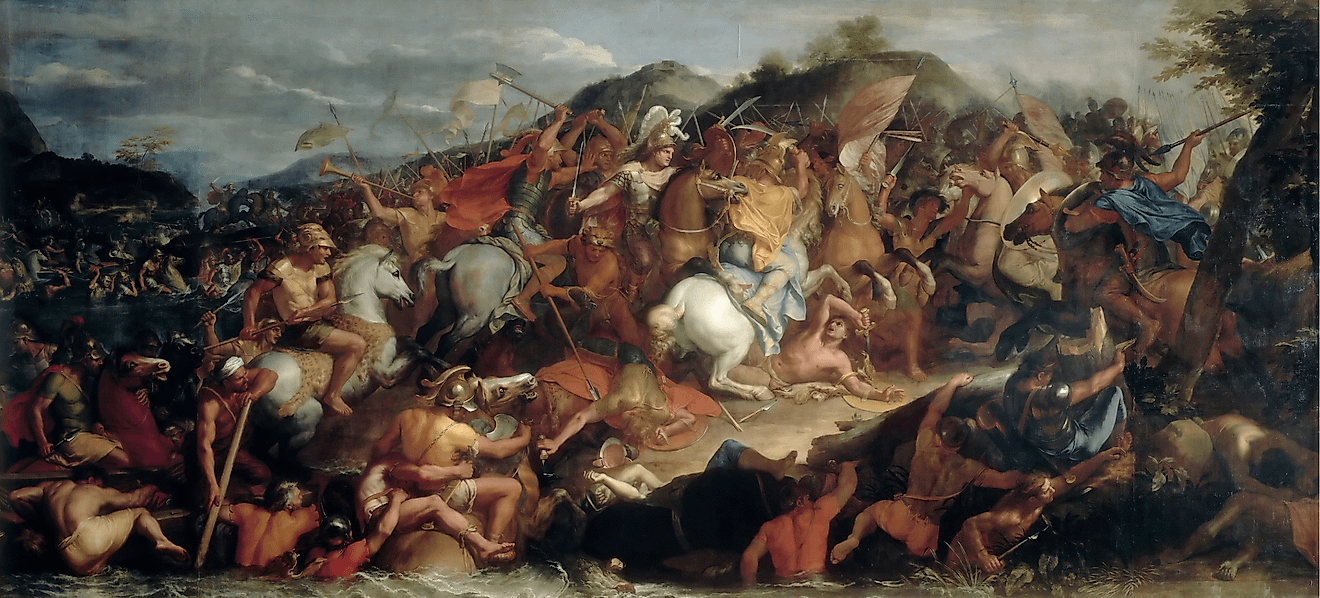
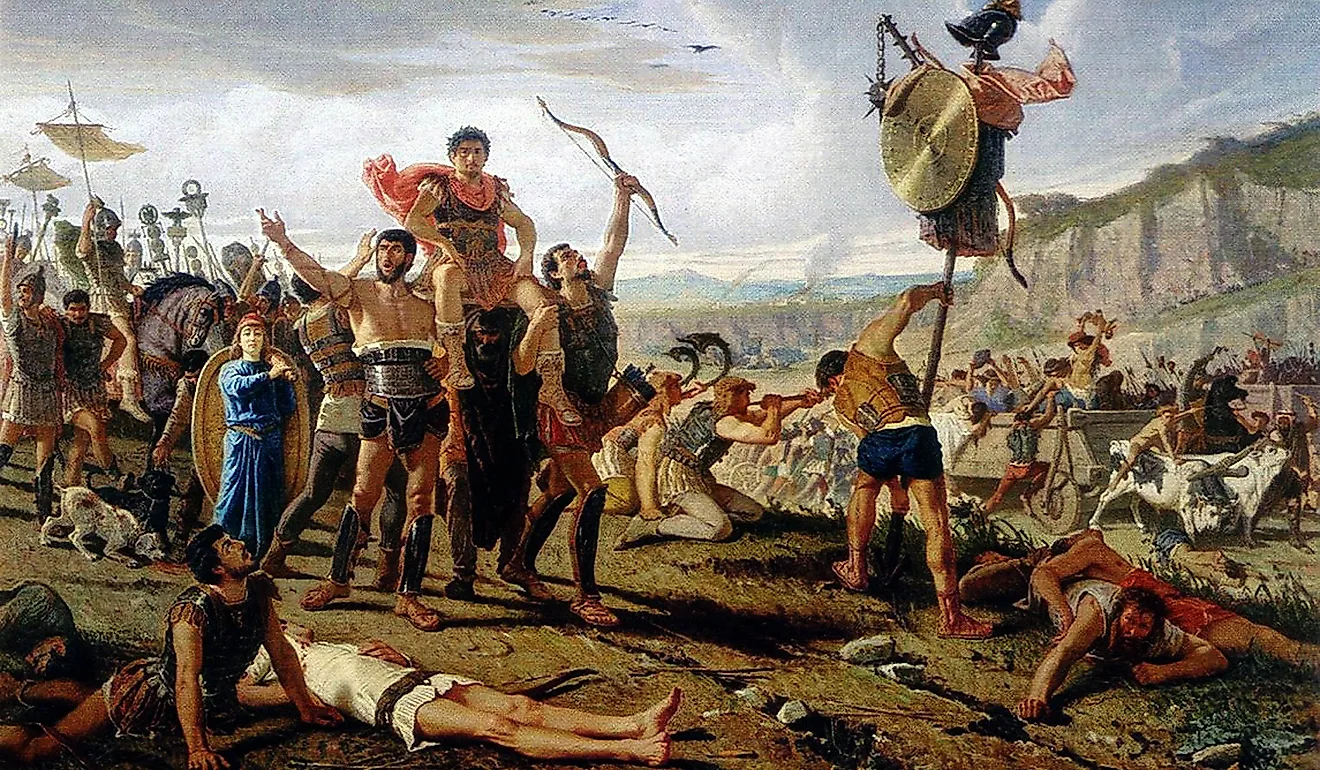
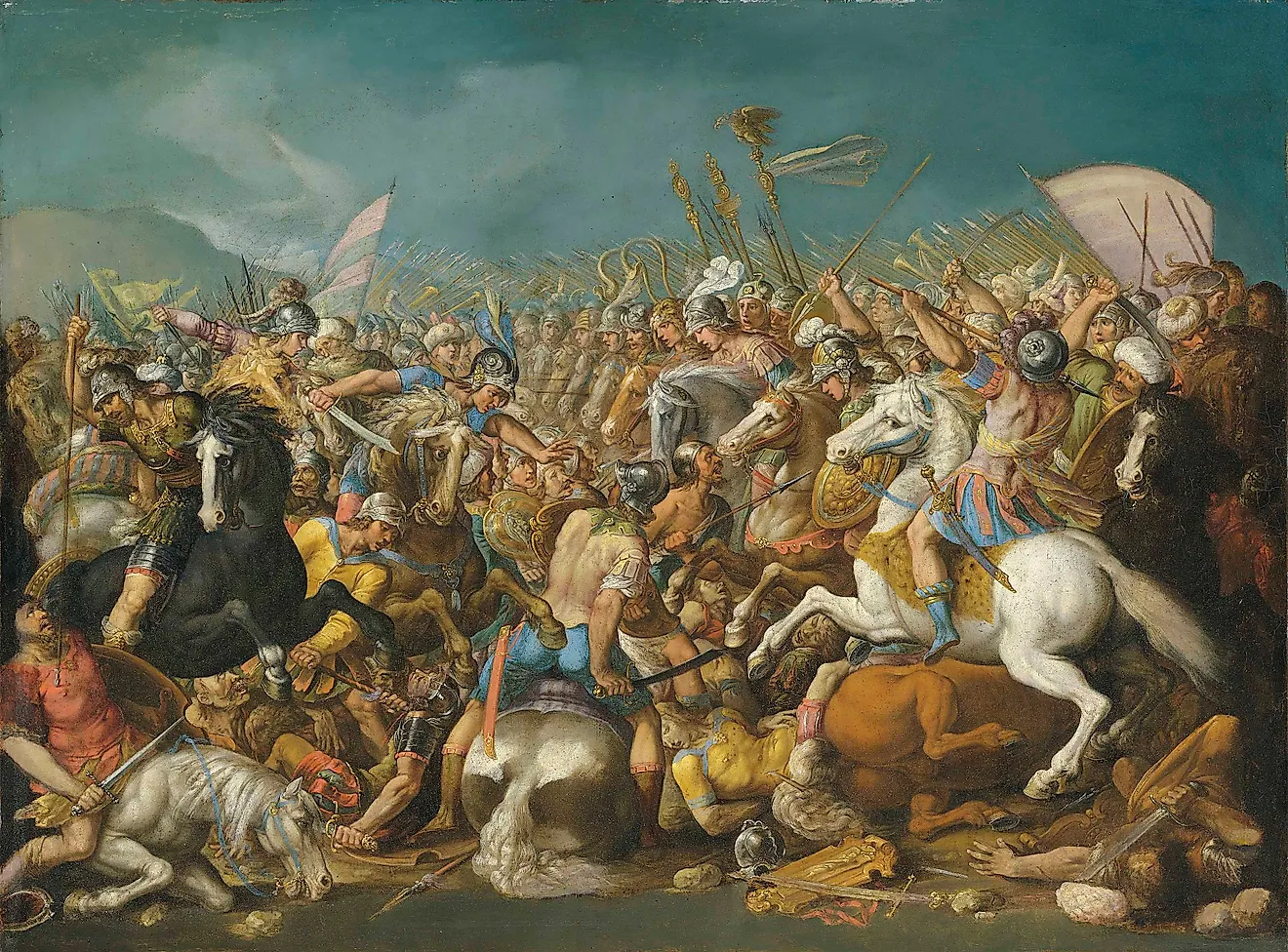
That battle, fought in 216 BC, was a masterpiece of military strategy. Hannibal’s army was significantly outnumbered but managed to pull off a decisive victory by luring the Romans into a trap, encircling their larger army, and cutting off their means of retreat. It was a bloodbath. Ancient sources suggest that around 60,000 Roman soldiers were killed, including several senior commanders. When word reached Rome, it caused widespread panic, and many feared Hannibal’s next move would be to march on the city.
Hannibal did not immediately attack Rome. His army had suffered heavy losses during the campaign, and he lacked the siege equipment needed to capture a heavily fortified city. Instead, he continued the war in Italy for years, winning allies and fighting additional battles while trying to weaken Roman control across the peninsula. This long struggle eventually turned into a war of attrition that worked against Carthage as Rome regrouped and rebuilt its armies.
The Myth and the Man

A large part of Hannibal’s success was his understanding of psychological warfare. He cultivated an image of strength to motivate his troops while also playing into the fear he inspired among the Romans. He was a charismatic leader who fought alongside his men, careful not to give himself the comforts or privileges usually associated with senior military figures.
The Roman historian Livy described Hannibal’s leadership qualities and strong sense of discipline, writing: “He was fearless in exposing himself to danger and perfectly self-possessed in the presence of danger. No amount of exertion could cause him either bodily or mental fatigue; he was equally indifferent to heat and cold; his eating and drinking were measured by the needs of nature, not by appetite; his hours of sleep were not determined by day or night.”
Hannibal’s reputation was based on awe and fear. He was unpredictable and willing to attempt bold strategies, including marching elephants through the Alps. Roman writers later helped shape this image by spreading stories about his brutality and savagery. Hannibal also relied heavily on intelligence gathered from scouts and local allies, allowing him to monitor Roman movements and exploit weaknesses in their leadership and strategy.
Hannibal’s Final Showdown

Hannibal never captured Rome, but he did hold out in Italy for over a decade before he met his match in the Roman general Scipio Africanus. The two commanders finally faced each other in 202 BC at the Battle of Zama in North Africa. When Hannibal was defeated there, it effectively ended the Second Punic War, and Carthage was forced into a humiliating surrender that greatly reduced its power.
Despite the loss, Hannibal remained an influential figure in Carthage and later served as a civil magistrate, helping reorganize the city’s finances. His reforms created powerful political enemies, and pressure from Rome eventually forced him into exile around 195 BC. Hannibal fled first to the eastern Mediterranean, where he served for a time as an adviser to King Antiochus III of the Seleucid Empire. After Antiochus was defeated by Rome, Hannibal continued moving between allied courts to avoid capture. Eventually, he found refuge with King Prusias of Bithynia in Asia Minor. When Roman envoys demanded his surrender around 183 BC, Hannibal chose to take poison rather than be captured by the enemies he had fought for most of his life.
Hannibal’s Legacy

Hannibal did not succeed in destroying Rome, but he permanently changed the course of the war between the two powers. His victories forced the Romans to rethink their military strategies and demonstrated that even the most powerful state in the Mediterranean could suffer devastating defeats. His battlefield tactics, especially the double-envelopment maneuver used at Cannae, have been studied by military leaders for centuries. Commanders from later eras, including Napoleon, examined Hannibal’s campaigns as examples of bold strategic thinking.
Fascination with Hannibal’s story remains strong today. Archaeologists continue to investigate sites connected to the Punic Wars, searching for clues about the routes he took and the battles he fought. More than two thousand years later, the story of the Carthaginian general who challenged Rome at the height of its power continues to fascinate historians and readers alike.