The Best Smallmouth Bass Lakes In America
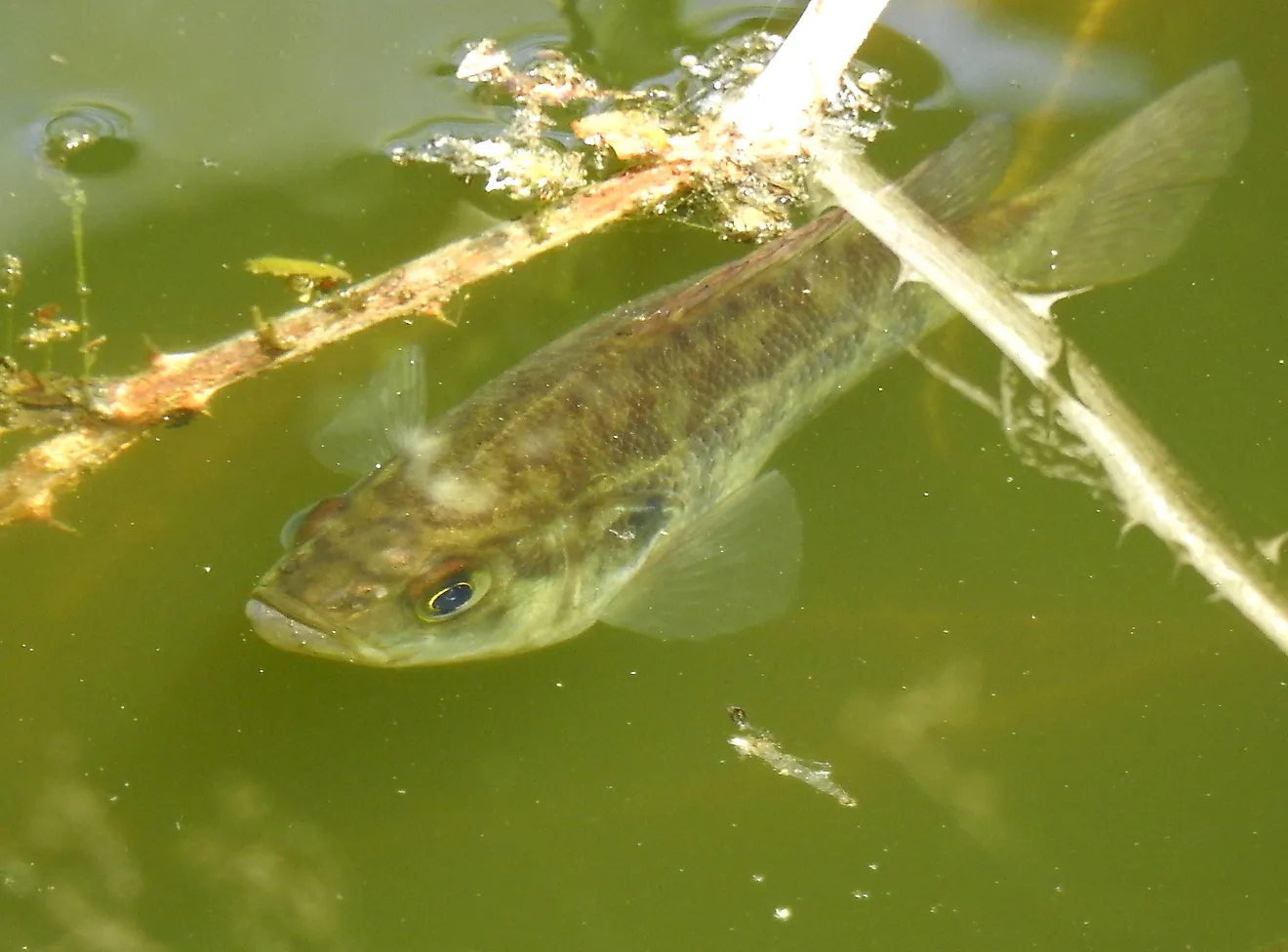
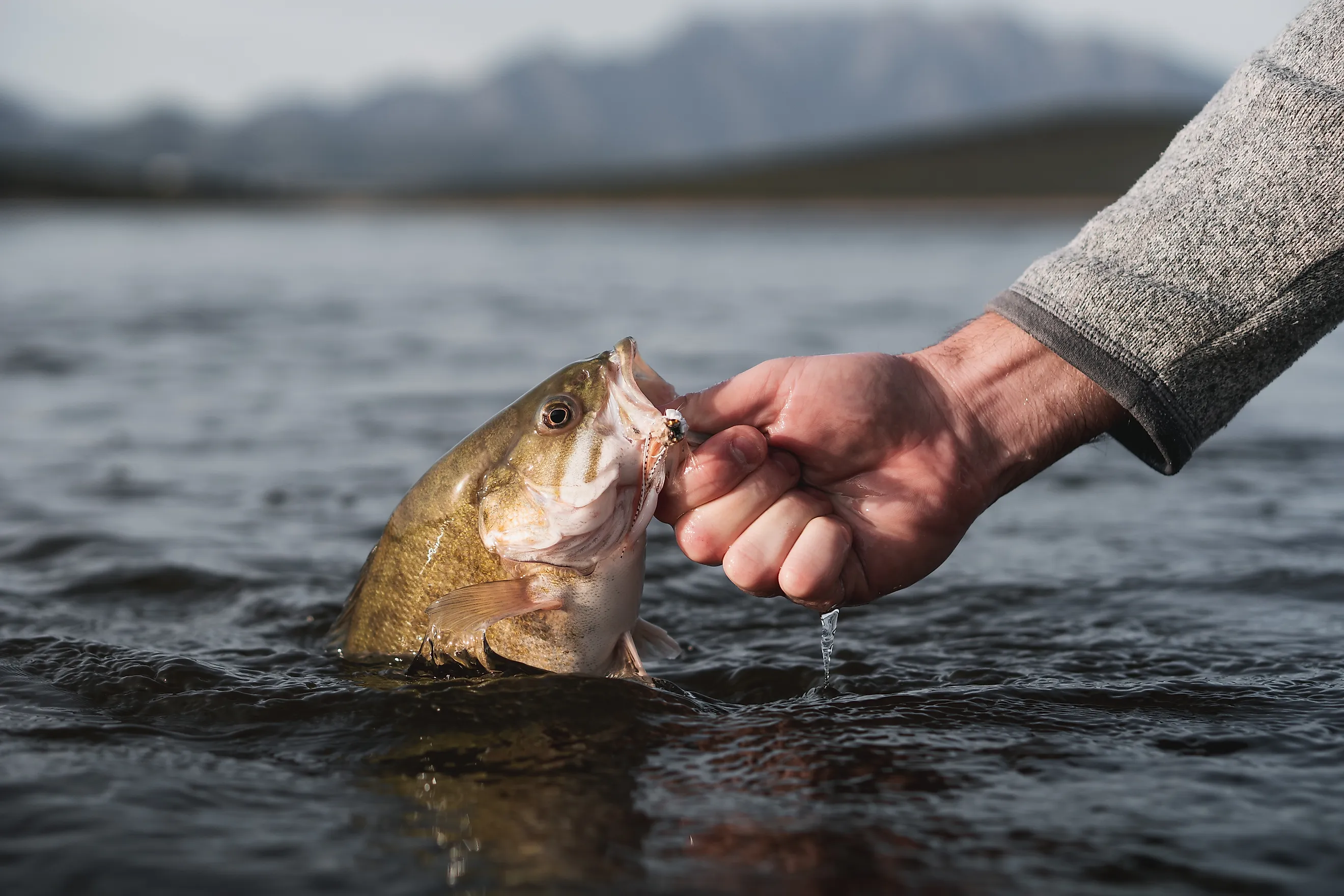
Smallmouth bass, often called "bronzebacks" for their coppery flanks, are prized among anglers as one of the hardest-fighting freshwater fish in the country. Known for long runs, jumps, and a dogged dive for structure the moment a hook sets, these treasures are pound-for-pound contenders.
Ten lakes across the continental United States stand out as premier waters for the species, spanning the Cumberland Plateau, the Great Lakes, the Finger Lakes, the Ozarks, and the Missouri River breaks of the northern Plains. Each has produced fish that rewrote the record books or built a national reputation among tournament pros for sheer numbers of heavyweight smallmouth.
Ranked here from a respectable state-record contender up to the officially recognized world record, these are the lakes where a five-pound smallmouth is common, but something far bigger is a real possibility.
10. Table Rock Lake, Missouri and Arkansas

Carved out of the White River by the Army Corps of Engineers in 1958, Table Rock Lake covers roughly 42,400 acres, along the Missouri-Arkansas border, plunging to 220 feet near Table Rock Dam. Missouri's official state-record smallmouth actually came from nearby Stockton Lake, but Table Rock's clear, rocky, spring-fed water has made it one of the most consistent big-smallmouth producers in the Ozarks.
Multiple Bassmaster and MLF tournaments have been decided on this lake by five-fish smallmouth limits pushing 20 pounds.
The lake's bluffs and clear water make it one of the region's most popular scuba and cliff-diving destinations, drawing millions of visitors a year to its marinas and campgrounds.
Anglers based near Branson, on the lake's northern shore, can combine a fishing trip with the town's live-music theaters, or stop at the Dewey Short Visitor Center near the dam to see exhibits on the lake's construction. Downstream on the same White River system, the small town of Bull Shoals, Arkansas is another worthwhile stop for visiting anglers.
9. Lake Champlain, Vermont and New York

Stretching 107 miles between the Adirondacks and the Green Mountains, Lake Champlain covers more than 500 square miles and reaches depths of 400 feet in its northern basin. Vermont's certified state record for smallmouth bass stands at 6 pounds, 13 ounces.
The lake's real claim to fame, though, is consistency: it has hosted Bassmaster Elite and other national tournaments for decades, with winning smallmouth limits regularly topping 20 pounds for five fish. Biologists who have worked the lake for decades still call it one of the most productive bass fisheries in the Northeast.
Around 80 islands dot the lake, including Valcour Island, the site of a Revolutionary War naval battle and home to the Bluff Point Lighthouse, built in the 1870s. The lake's largest lakeside city, Burlington, Vermont, anchors the eastern shore, while Plattsburgh, New York, sits across the water.
Anglers who want a break from the boat can explore the lake's Vermont islands, several of which form their own small towns connected by causeway.
8. Lake Oahe, South Dakota
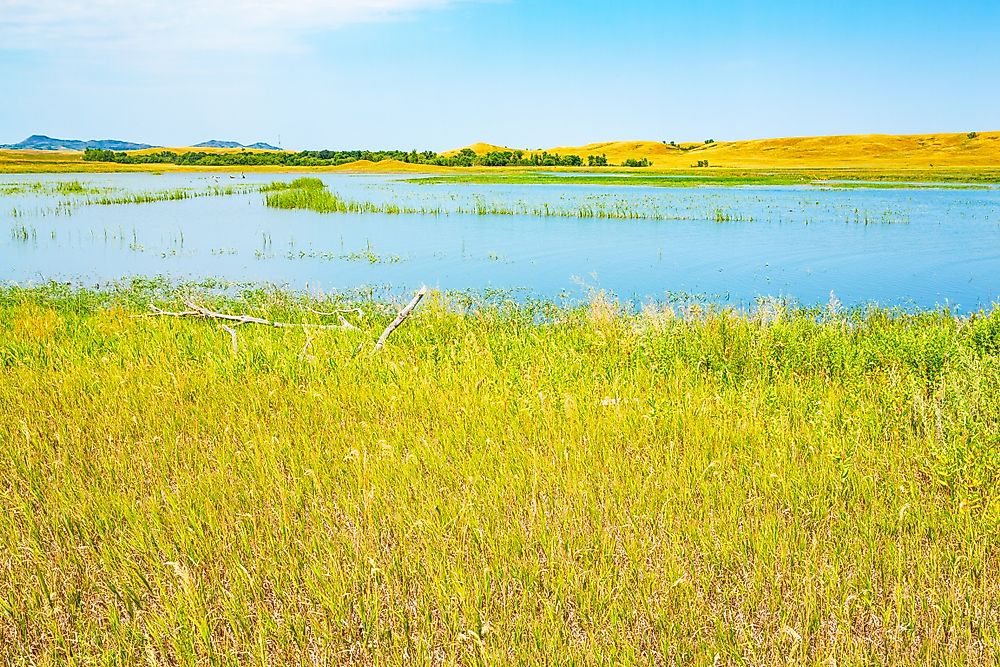
A Missouri River reservoir stretching 231 miles behind Oahe Dam, Lake Oahe covers roughly 370,000 acres and reaches 205 feet deep, making it one of the largest reservoirs in the country.
On July 16, 2021, Sioux Falls angler Troy Diede was ten casts into a practice day when he boated a 7-pound, 4.7-ounce smallmouth on a Ned rig, a fish measuring 20.75 inches that beat the previous South Dakota record by just over an ounce and was released alive after biologists certified it.
The reservoir begins just north of Pierre, the state capital, where 51 developed recreation areas along the shoreline offer boat ramps, marinas, and campgrounds. History runs deep along Oahe's banks: Molstad Village, a National Historic Landmark, preserves a prehistoric Native American archaeological site, and two disputed burial sites associated with Lakota leader, Sitting Bull, sit along the lake's shores.
Anglers staying near Pierre can bait a line within minutes of the state capitol building.
7. Bull Shoals Lake, Arkansas and Missouri

One of the largest reservoirs in the Ozarks, Bull Shoals Lake covers 45,150 acres with roughly 700 miles of shoreline at normal pool, formed by damming the White River in 1951. Arkansas angler, Acie Dickerson, landed the state's certified record smallmouth here on April 1, 1969, a fish weighing 7 pounds, 5 ounces that has stood for more than half a century, a proud testament to the lake's deep, clear water and rocky bluffs that still hold trophy-class fish today.
Bull Shoals Dam, dedicated by President Harry Truman in 1952, remains one of the largest concrete dams in the country. On the Arkansas side, Bull Shoals-White River State Park spans 725 acres with camping and interpretive programs on the lake's history and construction. Nineteen developed parks ring the shoreline, and the small town of Bull Shoals, Arkansas sits near the dam itself, offering marinas and lodging within casting distance of the tailwater.
6. Mille Lacs Lake, Minnesota

Minnesota's second-largest lake at 132,516 acres, Mille Lacs Lake is shallow by comparison to its size, averaging 20 to 30 feet deep with a maximum of just 42 feet. Minnesota's official smallmouth record actually dates to a 1948 catch on West Battle Lake, but Mille Lacs has since eclipsed it in reputation for good reason.
Seven-time Angler of the Year,Kevin VanDam, finished tenth at the 2016 Bassmaster Elite event held here with more than 64 pounds of smallmouth, and wrote afterward in his Bassmaster column that after fishing for the species across the Great Lakes, Canada, New York, and Maine, he had never seen so many big old smallmouth in one lake.
The lake sits about 75 miles north of Minneapolis-St. Paul across Mille Lacs, Aitkin, and Crow Wing Counties, and remains one of Minnesota's most heavily fished walleye and muskie waters that thrive alongside its smallmouth population. Shoreline towns, including Garrison and Isle, offer resorts and public accesses, and thousands of ice-fishing houses dot the lake each winter once open-water season ends.
5. Pickwick Lake, Mississippi, Alabama, and Tennessee

A Tennessee River reservoir spanning three states, Pickwick Lake runs 50 miles between Pickwick Landing Dam at Counce, Tennessee, and Wilson Dam in Florence, Alabama, covering about 47,500 acres at full summer pool.
In the lake's Yellow Creek arm, Mississippi angler, Thomas Wilbanks, landed a 7-pound, 15-ounce smallmouth in 1987 that still stands as the state record. Today, the lake is still described by fisheries writers as one of the premier smallmouth waters in the country, with catches in the 5- to 8-pound range deemed unremarkable during the late-winter pre-spawn.
Cooler, current-swept water flowing down from the Tennessee River highlands lets smallmouth thrive here even though Pickwick sits farther south than most trophy smallmouth lakes.
On the Mississippi shore, J.P. Coleman State Park offers cabins and a marina, while Pickwick Landing State Park anchors the Tennessee side near the dam. Yellow Creek Cove, known locally for a rope-swing waterfall, draws swimmers in summer between fishing trips.
4. Cayuga Lake, New York

The longest of New York's Finger Lakes at nearly 39 miles, Cayuga Lake covers about 66 square miles and plunges to 435 feet, making it one of the deepest lakes in the eastern United States.
On June 15, 2022, the opening day of bass harvest season, Albion angler, Thomas Russell Jr. pulled an 8-pound, 6-ounce smallmouth from the lake on a soft plastic minnow, breaking a New York state record that had stood since 1995 and holding it until a nine-pounder came out of the St. Lawrence River in September 2024. The lake regularly produces fish in the 4- to 6-pound range from its deep grass lines and rocky points.
Cornell University and Ithaca College sit at the lake's southern tip in Ithaca, home to Taughannock Falls State Park, where a waterfall taller than Niagara Falls drops into a gorge just west of the lake. Cayuga Lake State Park and Long Point State Park offer additional public access along the shoreline, and more than a dozen wineries in the Cayuga Lake wine trail give visiting anglers a reason to stay and toast the weekend.
3. Lake St. Clair, Michigan

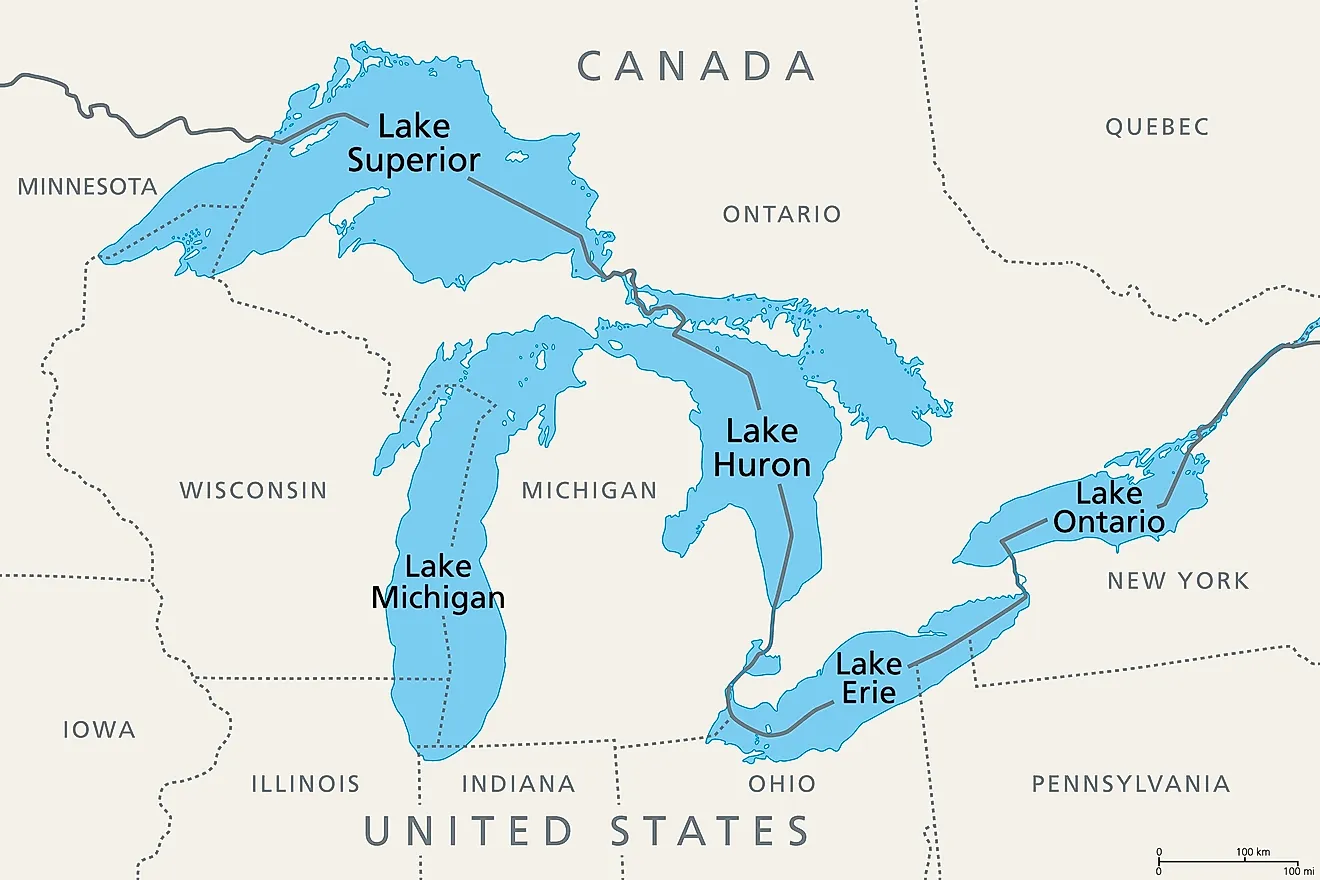
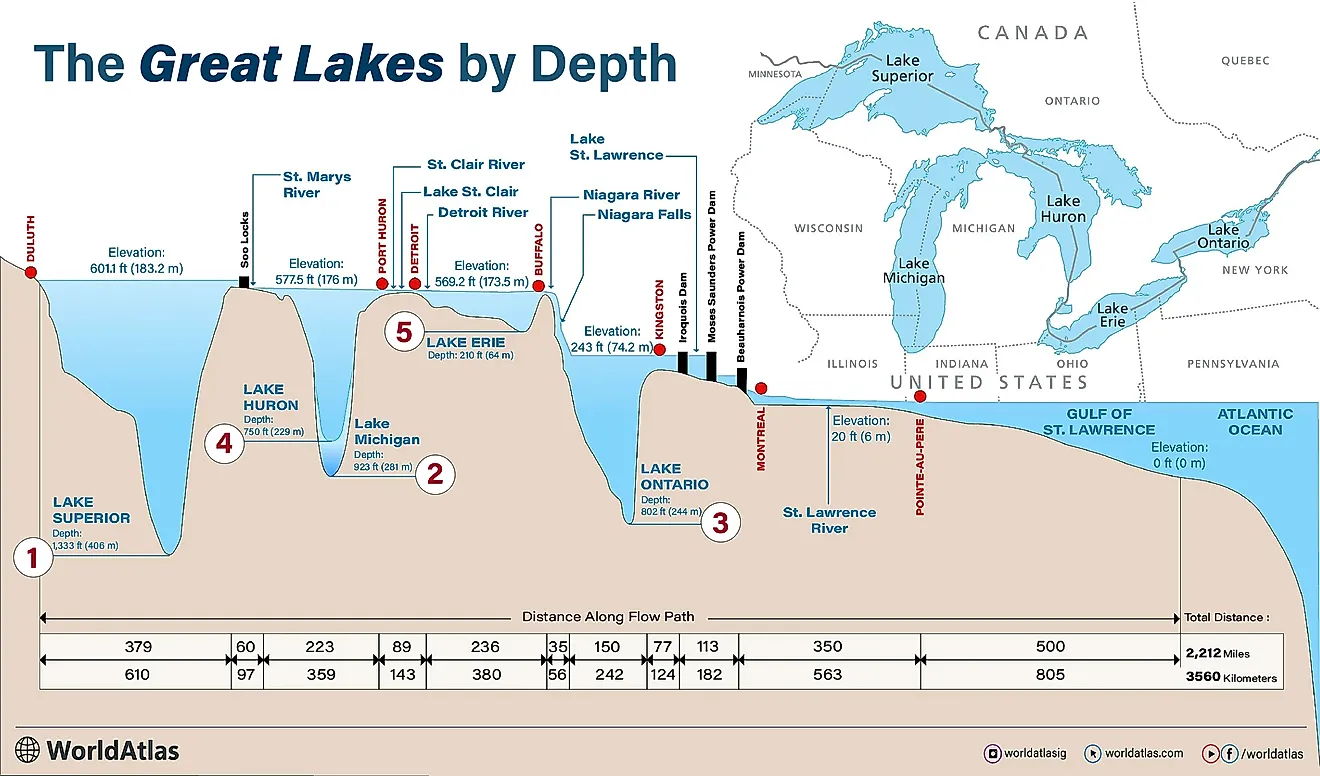
Sitting between Lake Huron and Lake Erie in the Great Lakes chain, Lake St. Clair covers 430 square miles but averages only around 11 feet deep, a shallow, sand-and-grass bottom that concentrates baitfish and, in turn, smallmouth.
Michigan's certified state record for the species, a 9.98-pound fish, was actually caught in the Indian River in September 2016, but St. Clair has since built a stronger national reputation. Outdoor Life credited the lake with a verified 9.72-pound smallmouth, and Bassmaster Elite anglers regularly need 20-plus-pound, five-fish limits to contend here.
Just northeast of Detroit, the lake's Michigan shoreline includes Lake St. Clair Metropark, a popular swimming and boating destination, along with Anchor Bay, home to the Albatross Yacht Club, and Harsens Island, where the historic Old Club and North Channel Yacht Club overlook the lake's St. Clair River delta.
2. Lake St. Clair, Michigan

Sitting between Lake Huron and Lake Erie in the Great Lakes chain, Lake St. Clair covers 430 square miles, but averages only about 11 feet deep, a shallow, sand-and-grass bottom that concentrates baitfish and, in turn, smallmouth.
Michigan's certified state record for the species, 9.98 pounds, was actually caught in the Indian River in 2016, but St. Clair has since built a stronger national reputation. Outdoor Life credited the lake with a verified 9.72-pound smallmouth and Bassmaster Elite anglers regularly need 20-plus-pound, five-fish limits to contend here.
Just northeast of Detroit, the lake's Michigan shoreline includes Lake St. Clair Metropark, a popular swimming and boating destination, along with Anchor Bay, home to the Albatross Yacht Club, and Harsens Island, where the historic Old Club and North Channel Yacht Club overlook the lake's St. Clair River delta.
1. Dale Hollow Lake, Tennessee and Kentucky

No smallmouth bass anywhere has ever topped the fish grappled from Dale Hollow Lake, a 27,700-acre reservoir the Army Corps of Engineers formed by damming the Obey River in 1943.
On July 9, 1955, Kentucky angler, David L. Hayes, cast a pearl-colored Bomber diving plug into a cut between Illwill Creek and Phillips Bottom and landed an 11-pound, 15-ounce smallmouth measuring 27 inches long. The catch is still recognized today by the International Game Fish Association (IGFA) as the all-tackle world record and by both Tennessee and Kentucky as their state record.
The lake also produced the second-largest smallmouth ever recorded, a 10-pound, 14-ounce fish.
The record's path to recognition was not smooth. Allegations of tampering led the IGFA and Kentucky to strip the fish of its title in 1996. Then, a Bassmaster Magazine investigation cleared Hayes's name with both organizations reinstating the record in 2005.
Tennessee had recognized it without interruption throughout the dispute. Straddling the Tennessee-Kentucky border with roughly 620 miles of shoreline, Dale Hollow remains a premier smallmouth destination seven decades later, its clear, deep water still hiding the kind of fish that made it famous.
Chasing America's Next Bronzeback Record
From a shallow Michigan strait to a 400-foot-deep New England lake, these ten waters show just how differently a smallmouth bass fishery can take shape, whether it's a Great Lakes bay holding thousands of fish or a single Tennessee reservoir that produced the biggest smallmouth anyone has ever weighed.
Seven decades after David Hayes set the record at Dale Hollow, no angler has come close to beating it, but from Lake Erie to Lake Oahe, the next great smallmouth story could be just one cast away.