Who Were The Most Underrated Ancient Generals?
The ancient world contained countless iconic generals. Names such as Alexander the Great and Julius Caesar still dominate the way the era is remembered. However, focusing only on household names can make it easy to overlook lesser-known yet equally important people. Epaminondas broke Spartan supremacy at Leuctra with a single tactical gamble, Philip II built the professional army his son inherited, and Quintus Fabius Maximus wore Hannibal down by refusing to meet him in open battle. Exploring the most underrated ancient generals is, therefore, a useful way to gain a more comprehensive understanding of ancient history.
Epaminondas

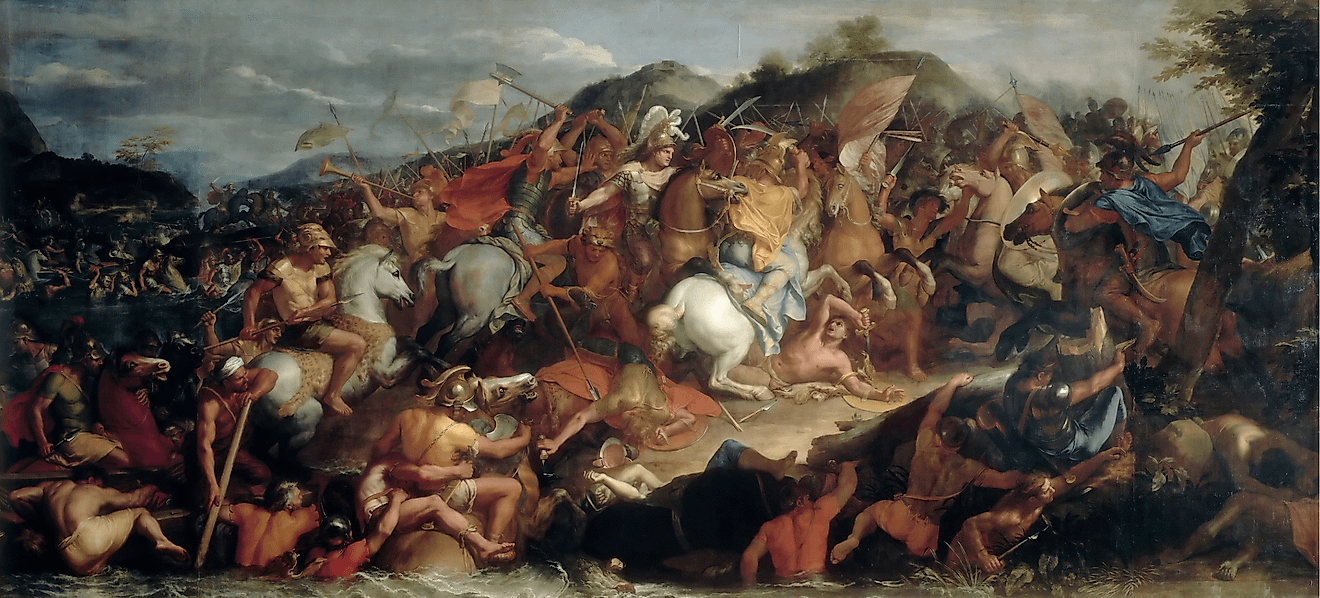
Following the Peloponnesian War (431 to 404 BCE), Greece was under Spartan subjugation. In a heavily militarized society, Sparta's intimidating reputation helped it hold on to power for several decades. Nevertheless, its inexperience in governing a Greek-wide empire eventually caught up to it, and several city-states began to assert their independence. One such city was Thebes. The decisive engagement of the Theban-Spartan conflict came in 371 BCE with the Battle of Leuctra.
This is where Epaminondas comes in. The leader of the Theban army, he utilized a radical strategy. Rather than spreading his troops out evenly across the battlefield, he concentrated them on the left wing. The goal was to overwhelm one part of the Spartan army and, in turn, cause the entire formation to collapse. It worked spectacularly. Thebes soundly defeated Sparta and became the new hegemon of Greece.

Epaminondas didn't stop at the Battle of Leuctra. Understanding that much of Sparta's power came from its control over Messenia, he invaded the region. In doing so, he freed the Messenian helots, the enslaved population whose labor sustained Sparta's economy. Epaminondas' final battle occurred in 362 BCE against an Athenian-Spartan coalition. Thebes won, but Epaminondas was mortally wounded. Regardless, his role in disrupting the traditional balance of power in Greece makes him worthy of remembrance. Furthermore, as will soon be seen, Epaminondas' influence on future military leaders makes him a candidate for one of the most underrated generals of all time.
Philip II

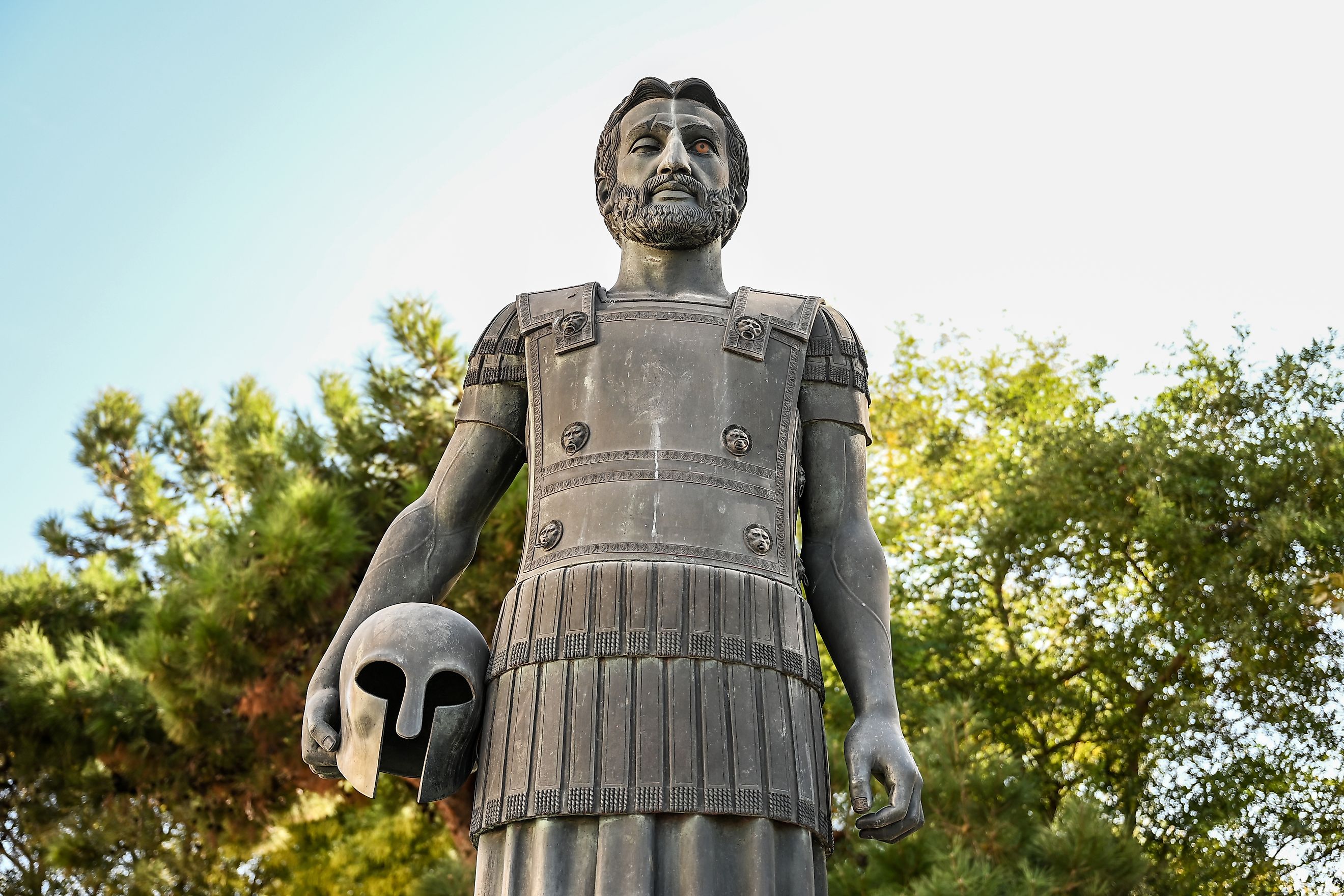
Philip II is primarily remembered as Alexander the Great's father. However, a closer inspection reveals that he was a pre-eminent military figure in his own right. Born in 382 BCE to King Amyntas III of Macedon, Philip had an eventful, chaotic childhood. Macedonia was the site of internal power struggles, invading forces, and constant scheming. One result of this upheaval was that Philip was sent to Thebes as a hostage in 368 BCE. There, the teenager learned firsthand from the then-hegemon of the Greek world. He also observed generals like Epaminondas.
Philip II became King of Macedon in 359 BCE. As Balkan tribes from the north and Greek city-states from the south moved in to take advantage of the young king, Philip realized he needed to reform the military for Macedonia to survive. He therefore introduced three main measures. The first innovation was the sarissa, an extremely long spear that could pin the enemy in place. This was used in conjunction with the Companion Cavalry, elite horsemen who smashed the enemy's flank or rear. This combined arms approach was known as the hammer-and-anvil technique. Finally, Philip created a professional standing army, in contrast to the citizen-based militias in the rest of Greece.

Macedonia survived and thrived thanks to Philip's reforms. After defeating the Illyrians and stabilizing the state's western frontier, he turned his attention to Thrace. Thereafter, he engaged in a series of diplomatic endeavors and battles. Doing so allowed Macedon to establish influence over all of Greece. This reality was formally established in 338 BCE when Philip (and his son, Alexander) defeated a Theban and Athenian coalition at the Battle of Chaeronea. In the immediate aftermath, he created a Macedonian-led federation called the League of Corinth. Philip was assassinated two years later on the eve of his planned invasion of Persia. Regardless, Alexander would cement the legacy of his military reforms by using them to create one of the largest land empires in history.
Quintus Fabius Maximus

Generals like Scipio Africanus often get credit for winning the Second Punic War (218 to 201 BCE). While they certainly deserve praise, their decisive victories wouldn't have been possible without the underlying strategy devised by Quintus Fabius Maximus. At the start of the conflict, the Romans suffered several defeats after Carthaginian general Hannibal Barca unexpectedly invaded Italy from the north. Following the rout at Lake Trasimene in 217 BCE, the Senate appointed Fabius dictator.

Fabius realized a fundamentally different approach was required if the Roman Republic was to survive. He thus devised the Fabian strategy. Rather than attempting to defeat Carthage in a decisive battle, the Romans avoided all-out conflict and employed guerrilla warfare tactics. The goal was to leverage their resource superiority and win by attrition. This strategy was controversial, and Rome set it aside as soon as his dictatorship expired. The consuls of 216 BCE confronted Hannibal directly at the Battle of Cannae and lost between 50,000 and 75,000 men out of an initial fighting force of 80,000 to 86,000. Rome then returned to the method Fabius had devised. It was successful. The Romans eventually mustered their strength and launched an invasion of North Africa, forcing Hannibal to retreat and leading to his defeat at the Battle of Zama in 202 BCE.
Gaius Marius

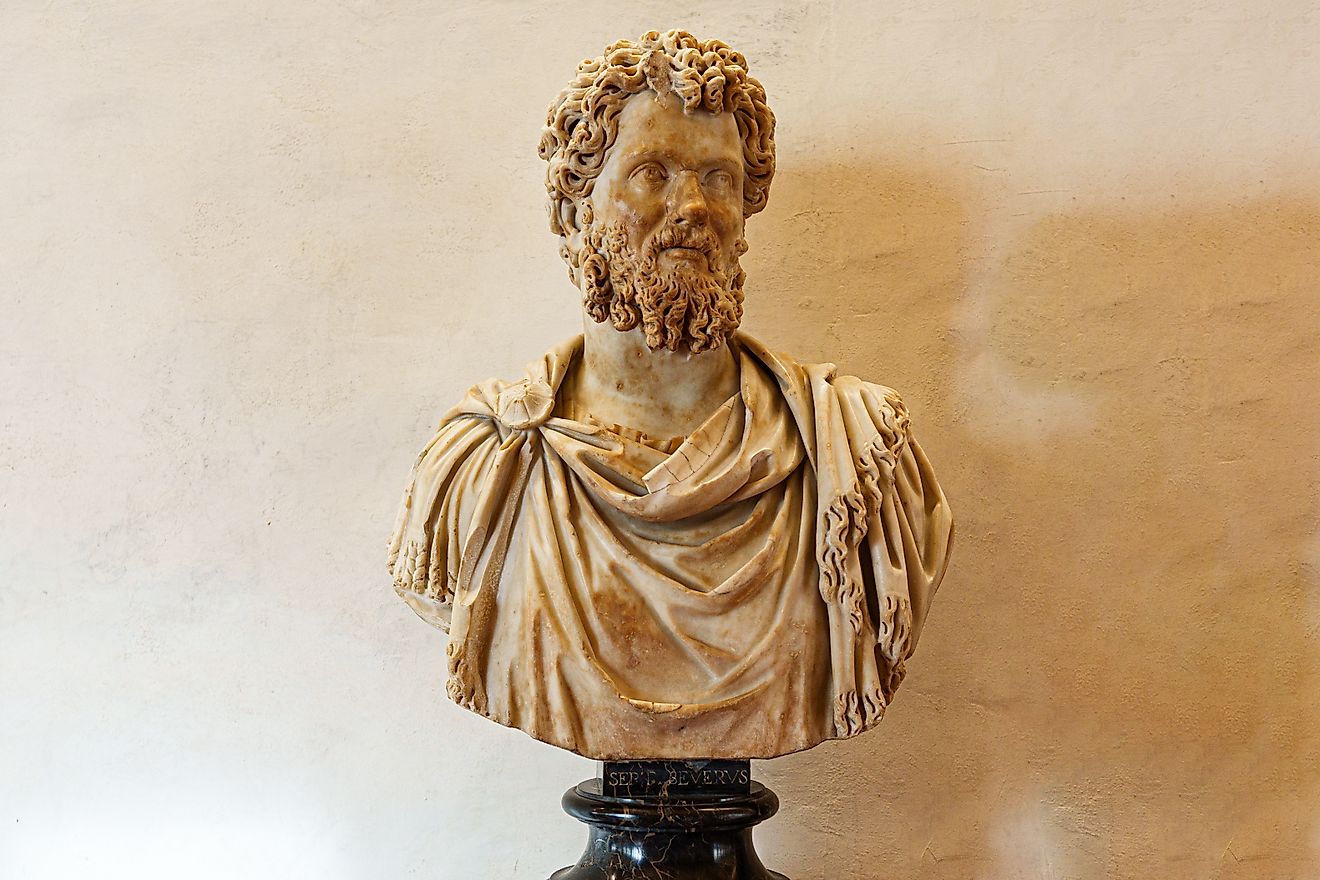
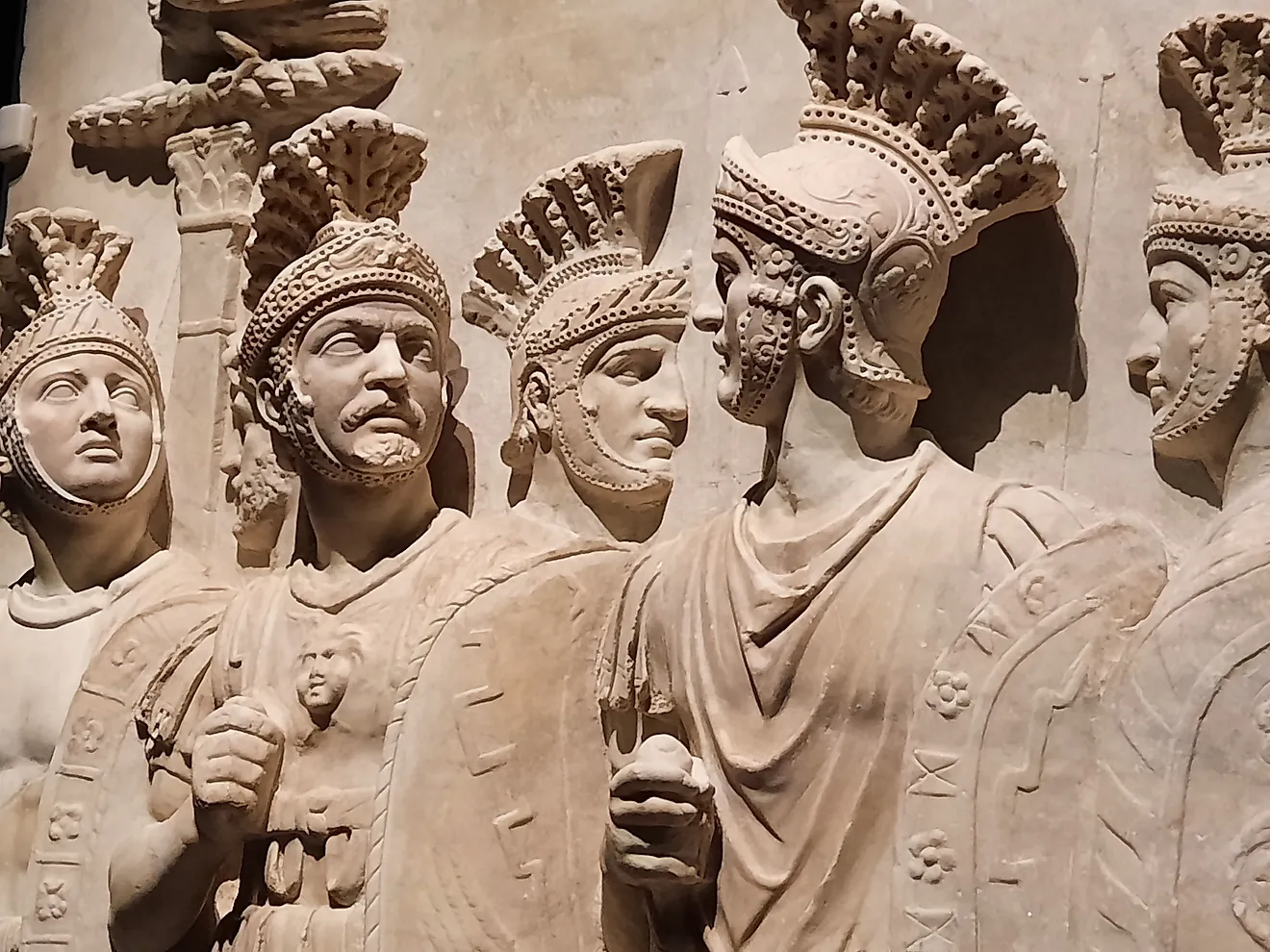
Gaius Marius is one of the most controversial figures in Roman history. He's often remembered as the man who introduced military reforms that led to the end of the Roman Republic. The truth of the matter is more complicated. Marius expanded recruitment to poor, landless citizens. He also helped create a more professional military force where soldiers relied on generals for pay, equipment, and housing. This led to a system in which armies were loyal to their generals rather than to the Roman state. At the same time, these reforms didn't occur overnight. Marius was likely one of many generals over decades to implement them, so blaming him alone for laying the foundation for the Roman Republic's downfall would be inaccurate.

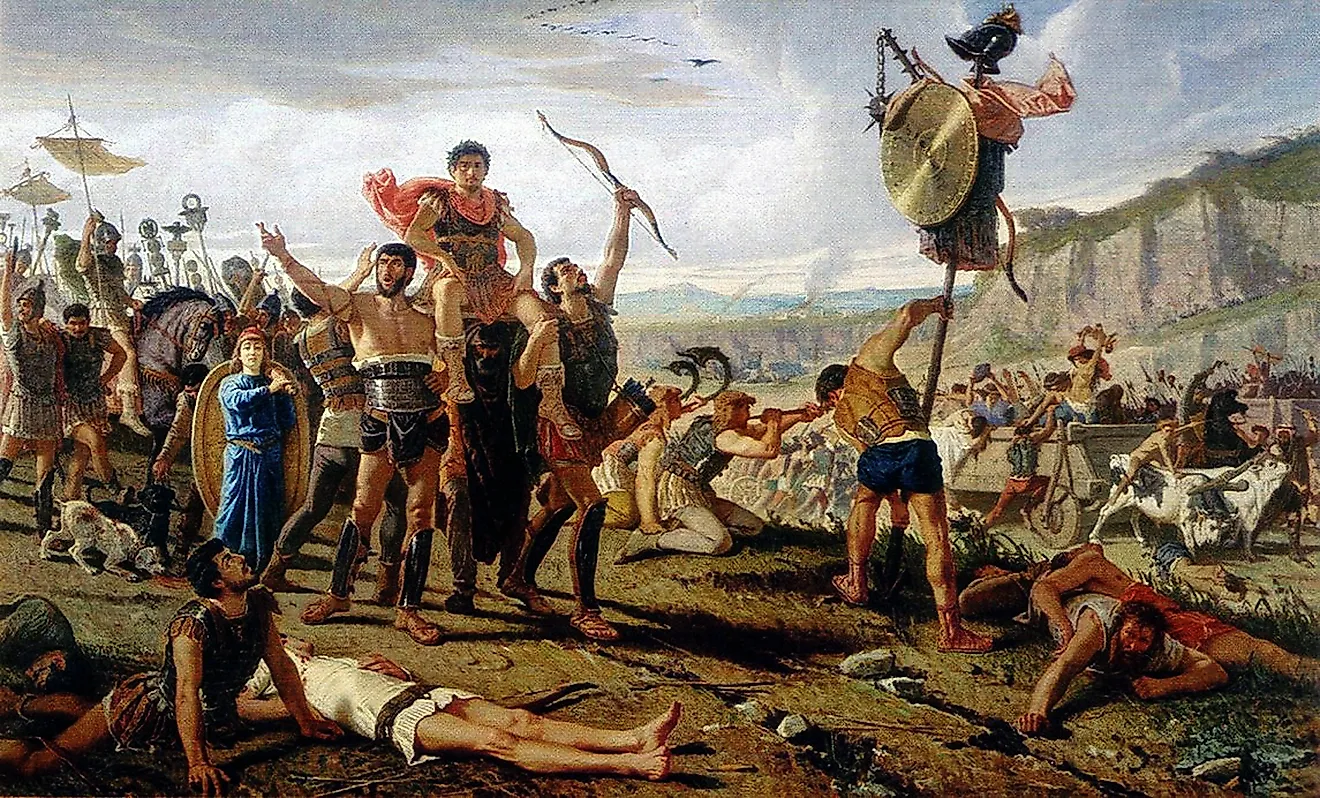
It's also important not to overlook Marius' accomplishments on the battlefield. His first notable victory came in the Jugurthine War (111 to 105 BCE), when he defeated the North Africa-based state of Numidia. However, perhaps his biggest military achievement came in 102 and 101 BCE, when he successfully defended Italy from the invading Cimbri and Teutones. These were migrating Germanic tribes that had already destroyed several Roman armies, most catastrophically at Arausio in 105 BCE. Marius broke the Teutones at Aquae Sextiae in 102 BCE, then combined forces with Quintus Lutatius Catulus to destroy the Cimbri at Vercellae the following year. Doing so saved the Roman Republic from a potential catastrophe and launched Marius' popularity into the stratosphere. Indeed, he was elected as consul seven times during his career, more than any other person. For these reasons, Marius deserves to be considered one of the best generals of the ancient world, even when factoring in his controversial military reforms.
Reassessing The Ancient World's Great Commanders
Reputation in the ancient world has always tracked conquest rather than innovation. Epaminondas never held an empire, but the weighted wing he tested at Leuctra reached Philip II and then the Macedonian army Alexander led across Asia. Fabius won no famous battle and was mocked for it, yet the attritional method that bears his name bought Rome the years it needed to recover from Cannae. Marius fought his decisive campaigns against enemies who left no empire behind, and the professional legion he helped shape outlasted the Republic it served.