The Most Powerful City-States In Ancient Greece
Unlike Rome or Egypt, Ancient Greece was not a unified state. Rather, it was made up of hundreds of city-states. Each had its own government, army, culture, and identity. These cities also had varying levels of power, with some dominating and others existing more on the periphery. Exploring the most powerful city-states therefore helps paint a broader picture of Ancient Greece.
Athens

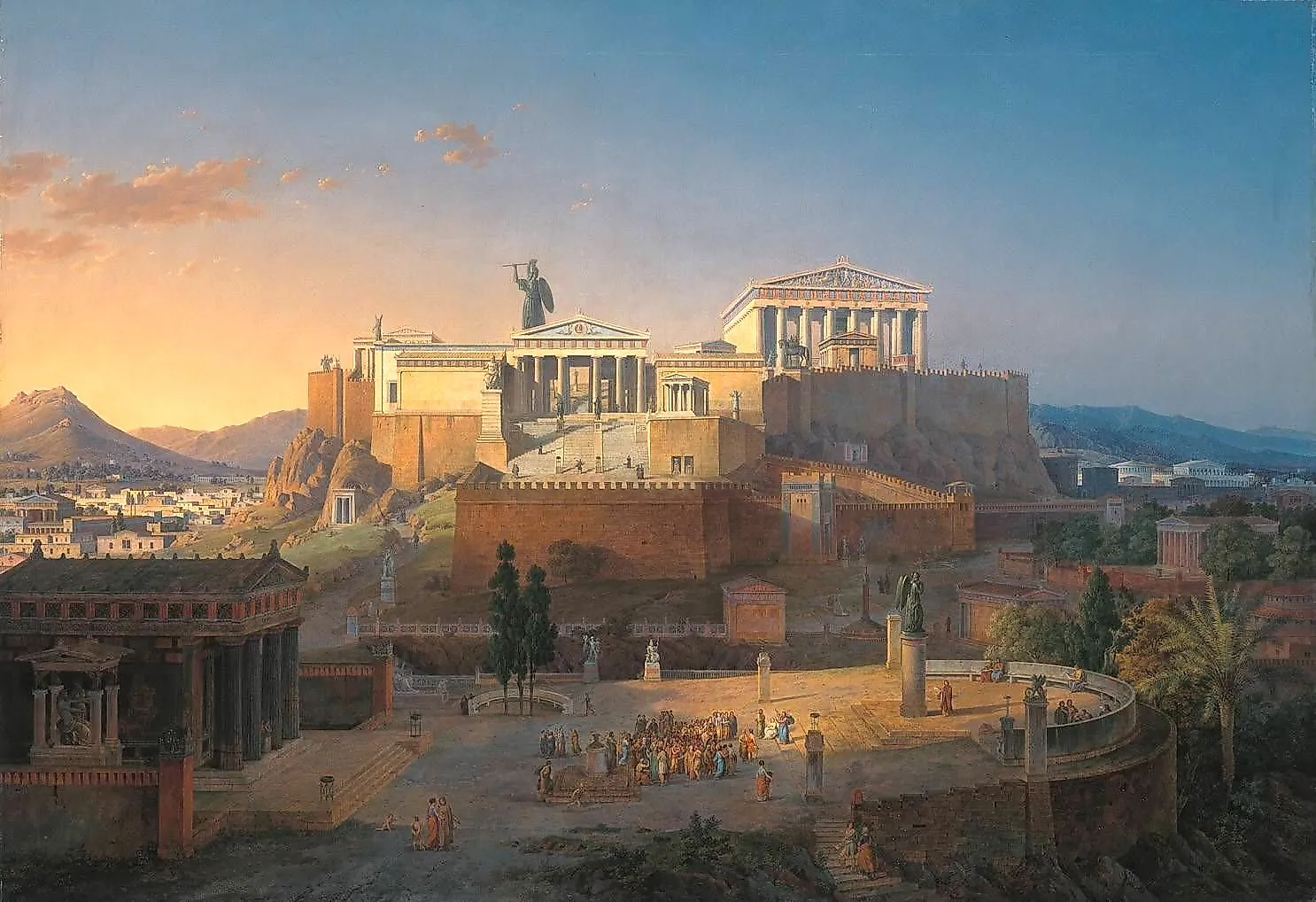
Athens was perhaps the most famous and important of all the city-states. When people think of Ancient Greece, they often conjure up images of Athenian columns and its buildings made up of marble and limestone. However, Athens’ influence went far beyond architecture. Its system of governance continues to influence democratic countries to this day.
Athenian democracy emerged in 508 BCE when the statesman Cleisthenes granted political power to all adult male citizens. People voted directly on issues, and decisions were made by a simple majority. This system was popular and the main source of Athenian soft power, since other cities often tried to replicate it.

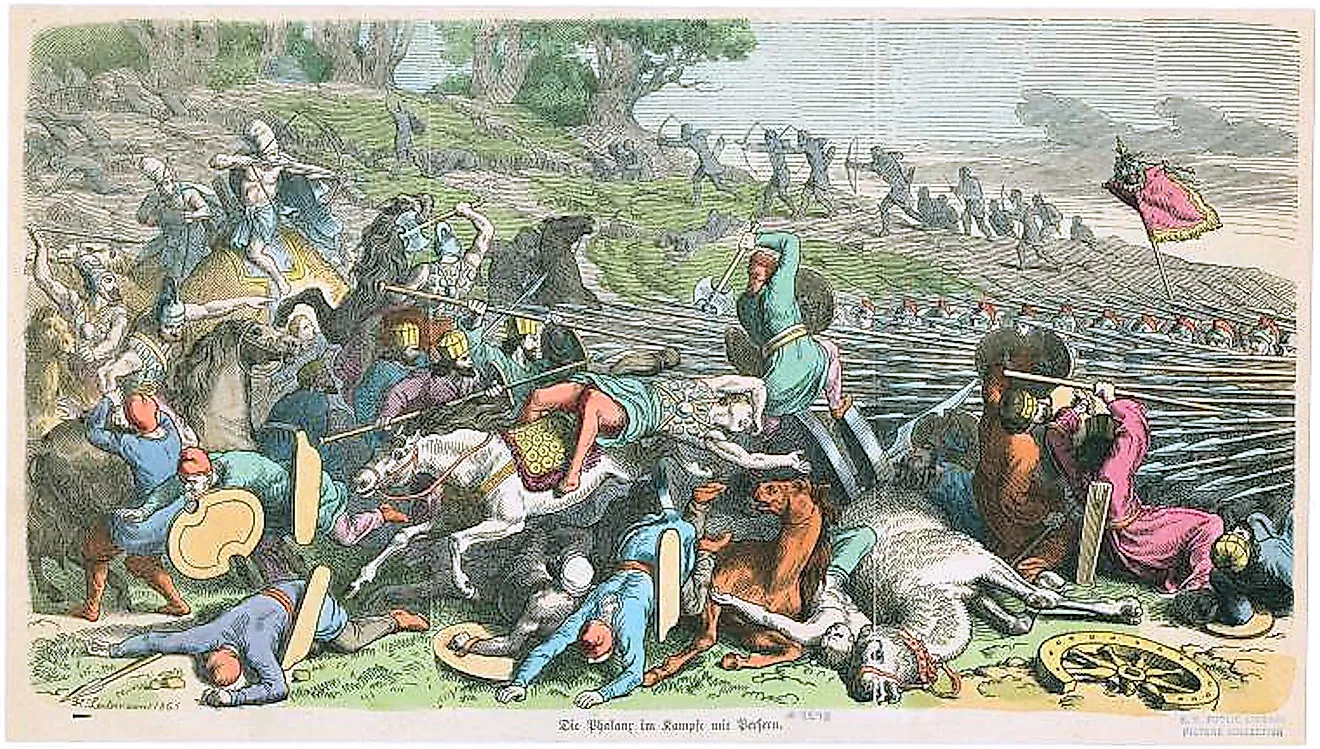
Athens also had substantial hard power, which primarily came from its navy. During the Greco-Persian Wars (499 to 449 BCE), Athens built up its fleet and led a coalition of Greek city-states to repel Persia. Some notable engagements that brought Athens to prominence included the Battle of Marathon (490 BCE) and the Battle of Salamis (480 BCE).
After the war, Athens established a formal alliance called the Delian League. Originally meant for defense, it increasingly began to function as an Athenian Empire. Member states were forced to pay tribute in the form of money or ships, and Athens brutally crushed any rebellions. All this made Athens’ navy even more formidable. Anxiety about Athenian naval power ultimately led to the Peloponnesian War (434 to 404 BCE). A multidecade conflict between Athens and Sparta, it ended the so-called “Athenian Golden Age” and led to a period of Spartan domination of Greece.
Sparta

Sparta was the polar opposite of Athens. Whereas Athens was a democracy, Sparta was an oligarchy. The executive was run by two hereditary kings who descended from two distinct royal families (the Agiads and Eurypontids). A council of elders made up of 28 men over the age of 60 sat below them and functioned as the supreme court and the legislature.

Spartan culture was also completely different from Athens. Everything was focused on war and discipline. From a young age, boys entered military training via the agoge system, where they learned about combat, loyalty to the state, and survival. This process helped produce the best land army in Greece. It also gave Sparta the credibility to lead an alliance of southern Greek city-states called the Peloponnesian League. This power helped Sparta win the Peloponnesian War.
Corinth

While Athens and Sparta were the two pre-eminent Greek city-states, there were other important powers, one of which was Corinth. Located at the halfway point between northern and southern Greece, it controlled trade between the regions. This trade capacity was further bolstered by its two ports, one on the Aegean Sea and the other on the Ionian Sea. Corinthian merchants exchanged pottery, metal goods, and luxury products, among other things. All these factors made Corinth the commerce centre of Ancient Greece and one of its richest city-states.

Corinth was influential for other reasons as well. Its navy was powerful and occasionally challenged Athenian sea dominance. At the same time, Corinth was a Spartan ally and adopted many of its land warfare practices, including the highly effective hoplite (infantry) forces. Culturally, Corinth’s trade centrality fostered a cosmopolitan atmosphere, with traders and immigrants from all over the Mediterranean traveling to the city and exchanging ideas.
Thebes

Thebes was ignored for much of Greek history. This changed during the Greco-Persian Wars, when it controversially sided with Persia. Thebes then allied itself with Sparta in the Peloponnesian War. Afterward, as Sparta struggled to govern a Greek-wide empire, Thebes bided its time and built up its strength. This culminated in the Battle of Leuctra in 371 BCE, in which Thebes defeated Sparta and established itself as the new hegemon of Greece.

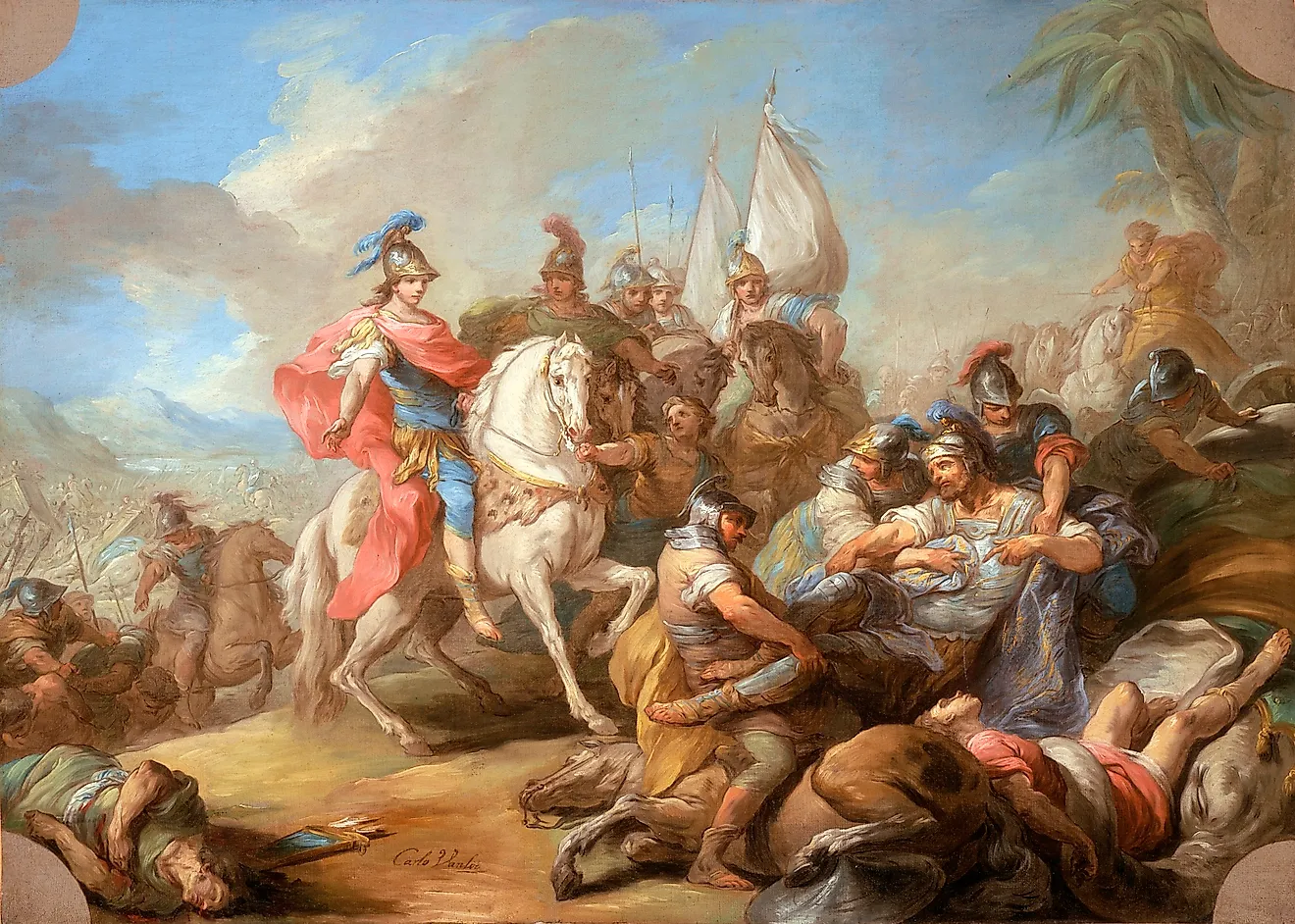
The new power structure didn’t last. Up north, Macedonia was reforming under the leadership of Phillip II. As the decades passed, he united more and more of Greece under his leadership. Finally, Phillip (with the help of his son, Alexander) defeated an Athenian and Theban-led Alliance in the Battle of Chaeronea (338 BCE). Theban domination of Greece subsequently ended, and Macedonia became the new ruling power.
Syracuse

Located in Sicily (part of modern-day Italy), Syracuse controlled trade, grain supply, and naval movement in the western Mediterranean. Its wealth and power attracted artists and intellectuals like Plato. However, Syracuse’s defining moment came during the Peloponnesian War. A Spartan ally, it was also a key strategic objective for Athens. This led to the Sicilian Expedition from 415 to 413 BCE, in which Athens tried to take Sicily, and Syracuse in particular.
The campaign was an utter disaster. The once formidable Athenian fleet was decimated after it got trapped in Syracuse’s harbor. Athens never recovered. Its reputation as a naval power was destroyed, as was the morale of its sailors, soldiers, and civilians. As for Syracuse, it had established itself as a dominant city-state and remained so for the next 200 years.