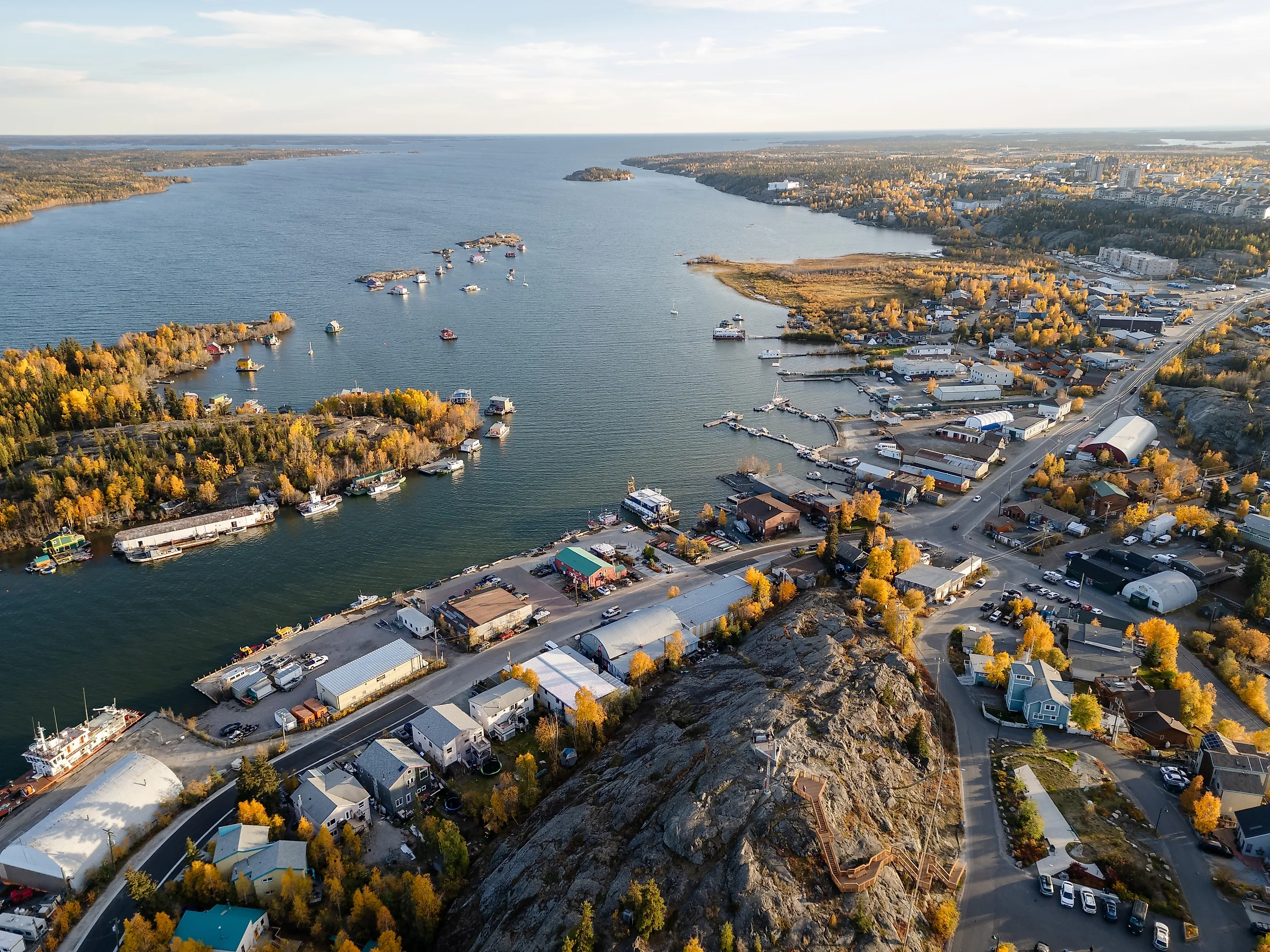
How Great Slave Lake Compares To The Great Lakes
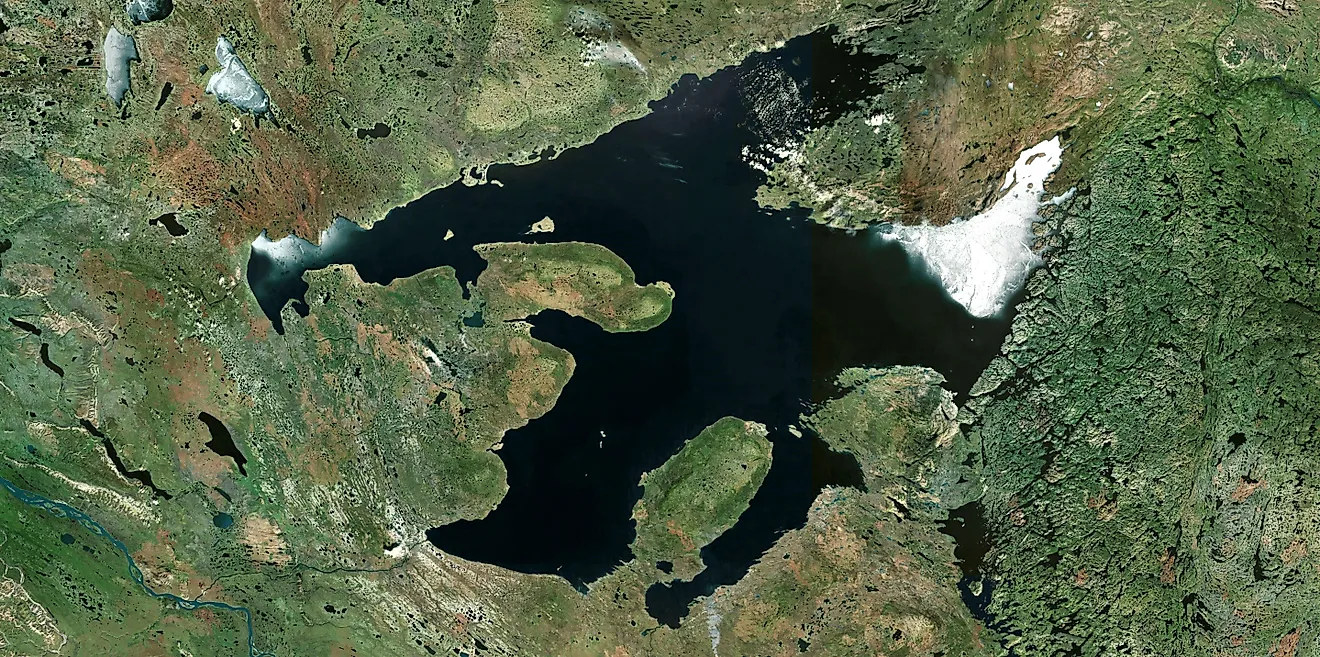
Lake Superior has spent a century being introduced as the biggest of the Great Lakes, and it is, by surface area, comfortably. It is not the deepest lake on the continent, and it never has been. That title belongs to a lake most Americans could not place on a map, sitting in the Northwest Territories with a population smaller than a mid-sized college, frozen solid for eight months a year and crossed in winter by trucks. Great Slave Lake bottoms out at 614 meters, which is 208 meters deeper than Superior, and it is also physically larger than Lake Erie. Here is how Canada's quiet giant measures up against the famous five.
It Out-Deeps Every Single One
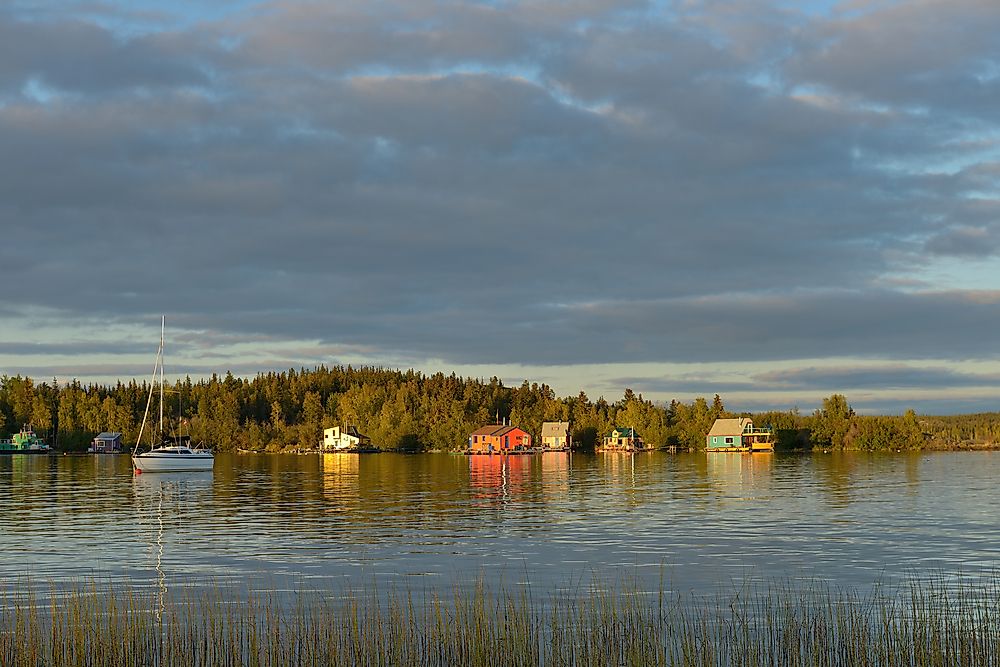
Start with the headline, because it is the one that ends arguments. Great Slave reaches 614 meters, about 2,015 feet, in Christie Bay in the lake's East Arm. Superior, the deepest Great Lake, manages 406 and has to be content with that.
That is not a narrow win. Great Slave is 151 percent of Superior's depth, and the 208-meter gap between them is by itself deeper than Lake Michigan, Huron or Ontario. You could drop the deepest point of Lake Huron into the difference and still have room.
It is also deeper than any other glacial lake in North America or Europe, which is a category that includes some extremely well-regarded water.
Erie Is Barely A Puddle By Comparison

Lake Erie maxes out at 64 meters. Great Slave maxes out at 614. That makes the Canadian lake 9.6 times deeper than one of the five lakes everybody has heard of, which is not a rounding error.
The comparison is unkind and it gets worse, because Great Slave is also bigger on the surface. At roughly 27,200 square kilometers against Erie's 25,667, Great Slave wins by about 1,500 square kilometers while holding more than twice the water.
Erie does hold one advantage. Approximately 12 million people live in its basin, against roughly 28,000 for Great Slave, so Erie is considerably better at the one thing the Northwest Territories was never trying to do.
It Beats Ontario Too
Lake Ontario covers 18,960 square kilometers, so Great Slave is around 43 percent larger by area and two and a half times deeper. Ontario does take the volume round, holding roughly 1,640 cubic kilometers against Great Slave's 1,115, which is a useful reminder that a deep lake and a voluminous lake are different things. Great Slave has a small number of extremely deep spots and a great deal of comparatively shallow western basin, so the average pulls the total down.
Where Superior Wins

To be fair to the incumbent, the surface area contest is not close. Superior covers 82,103 square kilometers, three times Great Slave's footprint, and holds around 12,100 cubic kilometers of water to Great Slave's 1,115.
Against all five Great Lakes combined, Great Slave represents about 11 percent of the total surface area. It is a very large lake that happens to be standing next to the largest freshwater system on Earth.
So the honest scoreboard is this: deepest on the continent by a distance, larger than two of the five, and comprehensively out-volumed by the top three.
The Name Is A Mistranslation Wrapped In An Insult
Nobody was enslaved at Great Slave Lake, and the name has nothing whatsoever to do with the transatlantic trade. It derives from Slavey, a name applied to Dene people living west of the lake and down the Mackenzie. The term came by way of Cree neighbors, who used it with some disdain about a rival group, and European traders picked it up, wrote it down and made it permanent on the map.
The first European to reach it did no better. Samuel Hearne crossed the frozen lake in 1771 and named it Lake Athapuscow, which was a misunderstanding of Athabaska, the name of a completely different body of water. The lake has been the subject of confused paperwork from the beginning.
They Build A Highway On It Every Winter
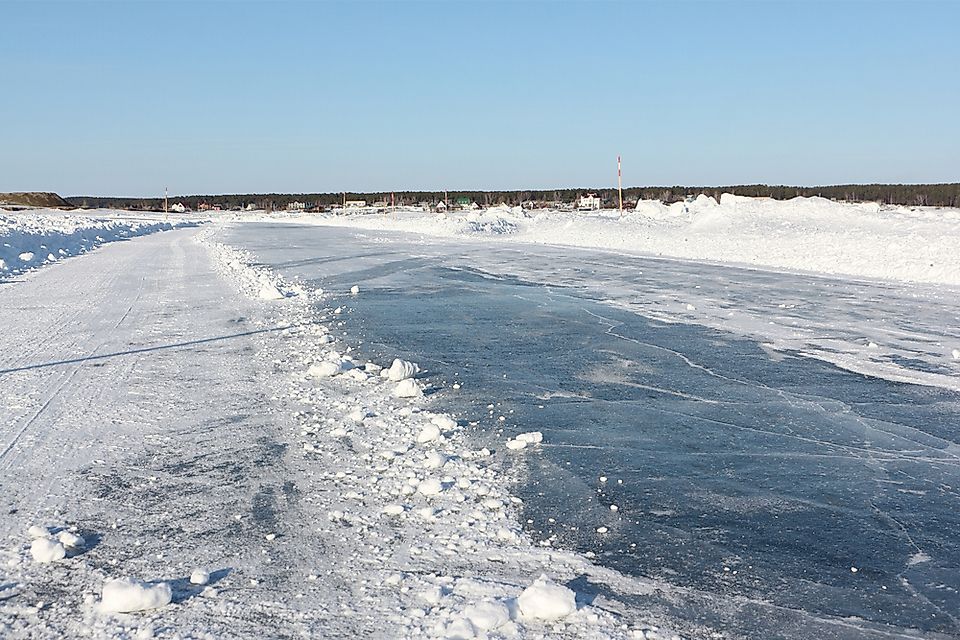
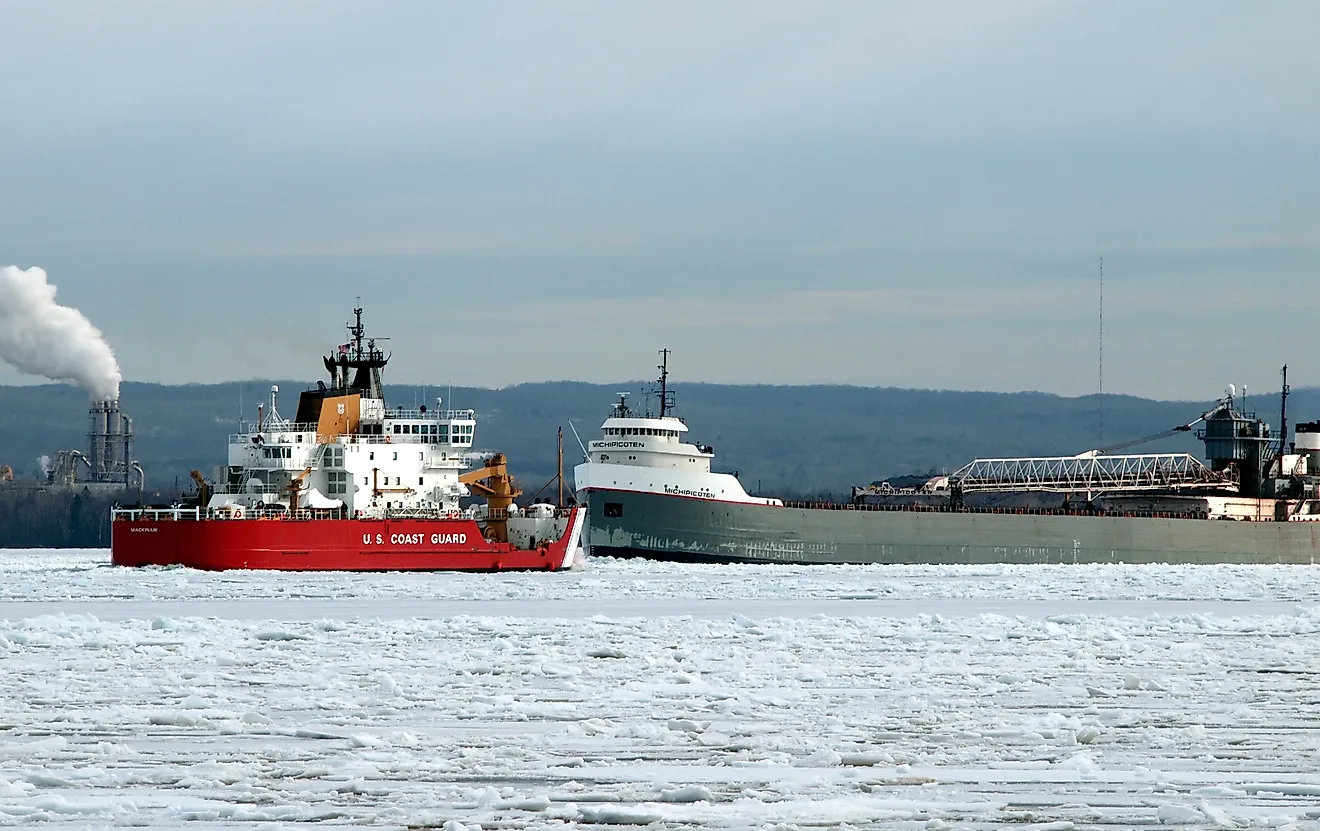
Great Slave is frozen for roughly eight months, generally late November into May, and the ice gets thick enough to carry tractor-trailers hauling fuel and freight to communities and mines on the north shore. Not snowmobiles. Semi-trucks.
The Dettah ice road, connecting Yellowknife to the community of Dettah, is the best known. It is a public road made of lake, rebuilt annually, and it is considerably shorter than driving around.
Nobody drives a semi across Lake Michigan. The Great Lakes get ice cover in hard winters and everyone treats it as a hazard rather than a transport corridor, which is roughly the difference between the two regions in one image.
Almost Nobody Lives There
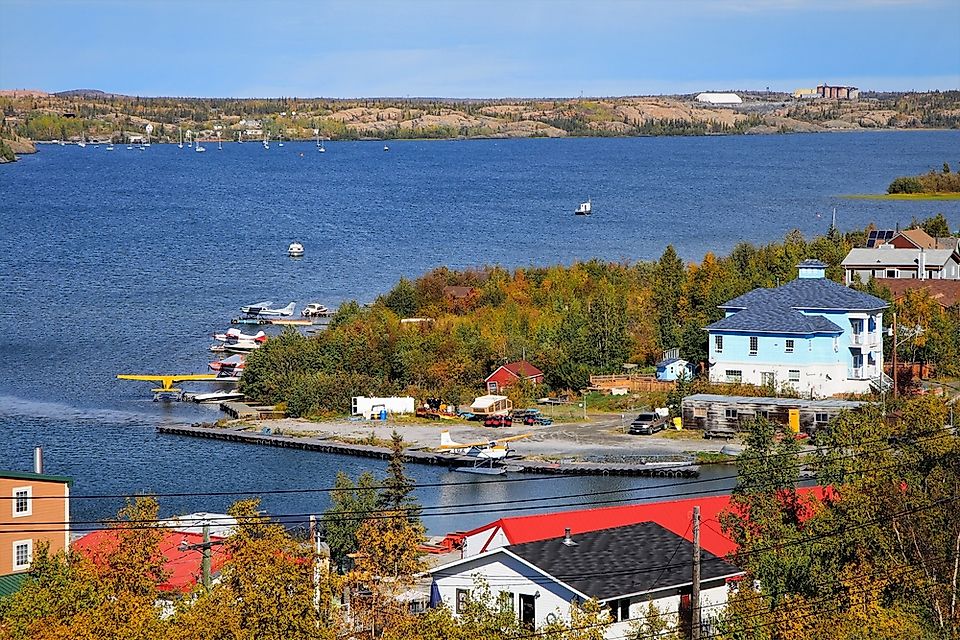
Around 28,000 people live in the Great Slave subbasin, spread across 22 communities, and more than 20,300 of them are in Yellowknife on the north shore. That single town holds most of the lake's population and more than half the population of the entire Northwest Territories.
The Great Lakes basin, for comparison, supports something over 30 million people. One system is the industrial heart of two countries. The other is a lake with a capital city on it and then several hundred kilometers of not very much.
People have been there a long time, though. Human occupation around the lake dates back roughly 7,000 years.
It Feeds The Longest River In Canada
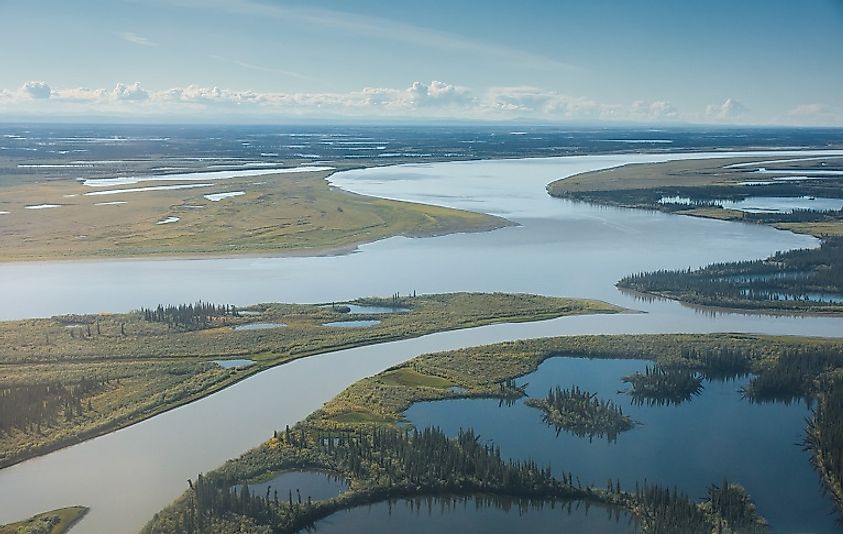
Both systems are the source of something much bigger than themselves, and they send it in opposite directions. The Great Lakes drain east through the St. Lawrence to the Atlantic. Great Slave drains north into the Mackenzie River, which runs to the Arctic Ocean and is the longest river system in Canada. Its main inflows are the Slave and Hay rivers.
So a raindrop landing on the Minnesota shore of Superior ends up in the Atlantic, and one landing 1,500 kilometers northwest ends up in the Arctic.
The Measurements Are Not Settled
One caveat for anyone planning to win a pub argument with this article. Published figures for Great Slave's surface area range from about 26,700 to 28,568 square kilometers depending on the source, and volume estimates run from 1,115 to more than 1,500 cubic kilometers. The depth figure of 614 meters is the one everybody agrees on.
That variation is normal for a remote lake with a complicated shoreline and comparatively little bathymetric survey work. The Great Lakes have been measured obsessively for a century. Great Slave has not.
Roughly The Size Of Belgium

The lake runs 480 kilometers long and between 19 and 109 kilometers wide, which works out to roughly the area of Belgium and puts it among the ten largest lakes on the planet.
Its 614-meter maximum depth is within about 18 meters of the height of the Shanghai Tower, the world's second-tallest building. Sink that skyscraper into Christie Bay and the top floors would be underwater.
The Verdict

Great Slave Lake is deeper than every Great Lake, larger than two of them, holds more than twice the water of Erie, and remains almost entirely unknown outside Canada.
Superior keeps the surface area crown and the fame that comes with it. Great Slave gets the continental depth record, an ice highway, the aurora overhead and the considerable advantage of nobody turning up. On balance that seems like a reasonable trade.