The Story Of Ancient Greece’s Most Infamous City
Alexander the Great burned this city to the ground and killed or enslaved 36,000 of its people. Thebes earned that infamy over two centuries of betrayal. It backed Persia against fellow Greeks during the invasions of 480 BCE. It demanded the total destruction of Athens after the Peloponnesian War. Thebes even ruled all of Greece for a brief decade after crushing Sparta at Leuctra. This is the story of the city every other Greek loved to hate.
The Early Days Of Thebes

Located in the central Greek region of Boeotia, it's unclear when Thebes was originally founded. The earliest recorded evidence of human habitation can be traced back to around 3,000 BCE, but it could have existed long before then. Nevertheless, archaeological evidence and physical records suggest that it was already a major political and administrative power around 1,500 to 1,300 BCE. Thebes also held significant cultural importance. According to mythology, its first leader, a Phoenician prince named Cadmus, introduced the alphabet to Greece. Thebes was the site of major mythological stories as well, including those involving Oedipus and Antigone.

During the Bronze Age collapse around 1,200 BCE, Thebes, like the rest of Greece, fell into a Dark Age. While it survived, its population, economic capacity, and military might declined. Over time, the tide turned. Rich farmland in Boeotia allowed the city-state to become an agricultural powerhouse. Thebes soon became the dominant player in the region and the leader of a federation of city-states called the Boetian League. Its oligarchic political system was also formalized during the Dark Ages. Ultimately, by the 6th century BCE, Thebes was one of the major Greek powers, rivaling but not quite matching Athens and Sparta.
Thebes Becomes A Pariah

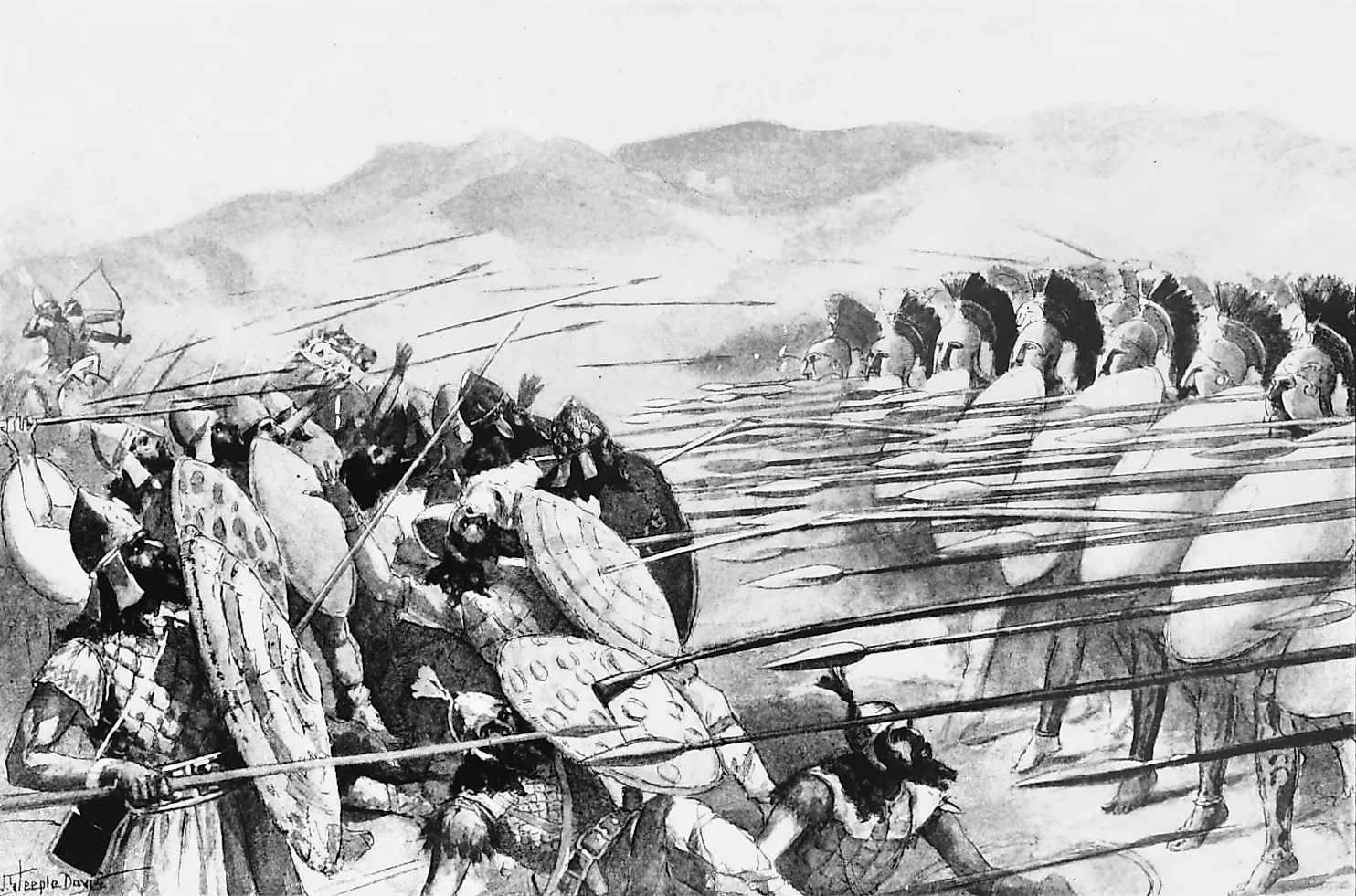
In 546 BCE, Persia conquered Ionia (the western coast of modern-day Turkey). Unhappy with their new overlords, the Greek city-states in the region revolted in 499 BCE and received military aid from mainland cities like Athens. Enraged by this act of defiance, Persian King Darius vowed revenge. This marked the beginning of the Greco-Persian Wars. The initial twenty years of the conflicts were characterized by Persian invasions of Greece, first in 490 BCE and again in 480 BCE. Against all odds, the Greeks pushed back the Persians, largely because they combined their strength and created a coalition of city-states.
Thebes didn’t participate in this coalition. A historic rivalry with Athens made it wary of doing anything that could give the Athenians more power. The sheer might of the Persian army also appeared overwhelming. For these reasons, Thebes allied with Persia in 480 BCE. This was a massive strategic blunder. Soon afterward, the other city-states formed an even stronger coalition called the Delian League. Spearheaded by Athens, it repelled Persia and took more and more territory over the next thirty years. Eventually, the Greco-Persian Wars ended in 449 BCE. Persia was defeated, and Thebes was now seen as a traitorous pariah.
The Peloponnesian War And The Golden Age Of Thebes

A Greece-wide conflict known as the Peloponnesian War occurred from 431 to 404 BCE. It began as a result of Spartan anxiety about Athenian power, which had gone largely unchecked after the Greco-Persian Wars. Thebes naturally allied itself with Sparta, and the two eventually defeated Athens in 404 BCE. Despite Theban insistence that Athens be completely destroyed, Sparta refused to do so. This draconian request, paired with Thebes’ already traitorous reputation, made it even more unpopular.
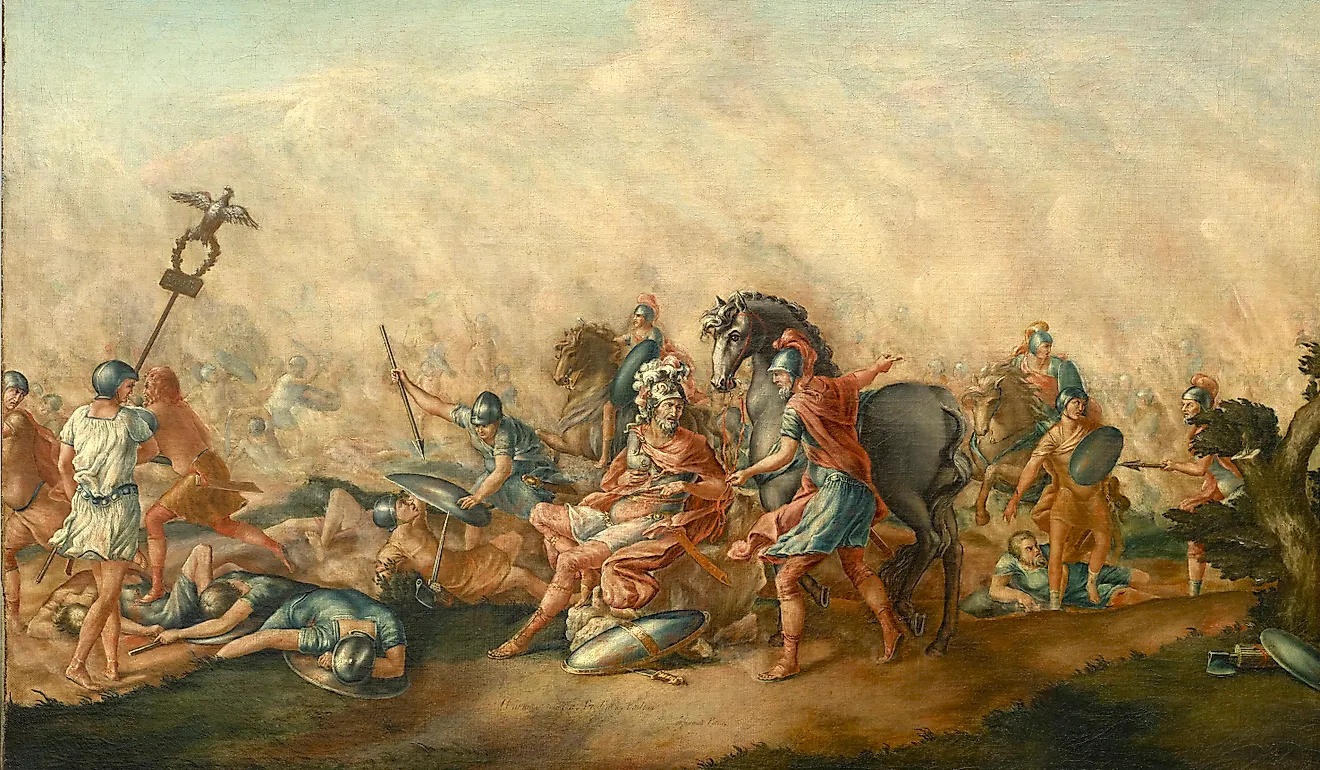
Sparta emerged from the Peloponnesian War as the hegemon of Greece. This didn’t last due to inexperience governing a Greek-wide empire and exhaustion from the Peloponnesian War. Eventually, Sparta was defeated by Thebes in the Battle of Leuctra in 371 BCE. For the next ten years, Thebes was the leading power in Greece. It invaded the Peloponnese region and liberated Sparta’s slaves, doing so with the help of an elite force called the Sacred Band of Thebes. Consisting of 150 male lovers, their feelings for each other helped them fight with a ferocity that made them famous across Greece.
The Decline And Destruction Of Thebes

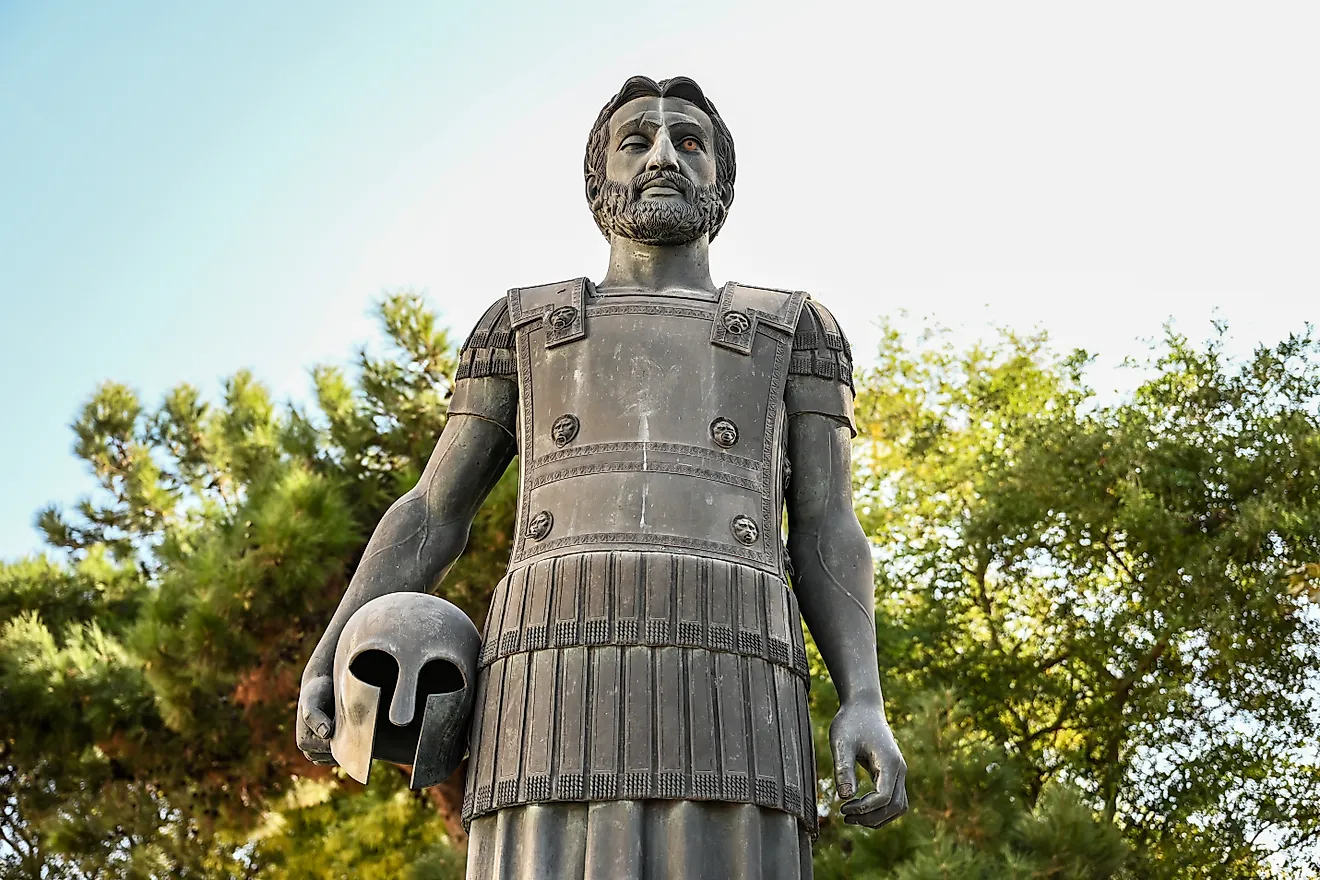
After their leader, Epaminondas, was killed in the Battle of Mantinea in 162 BCE, Thebes declined. This cleared the stage for a new power, Macedonia. Under the reign of Philip II (359 to 336 BCE), the previously backward and wild state gained more and more influence, culminating in the Battle of Chaeronea (338 BCE) when it defeated a coalition of Athenian and Theban forces. With this, Macedonia became the undisputed hegemon of Greece.
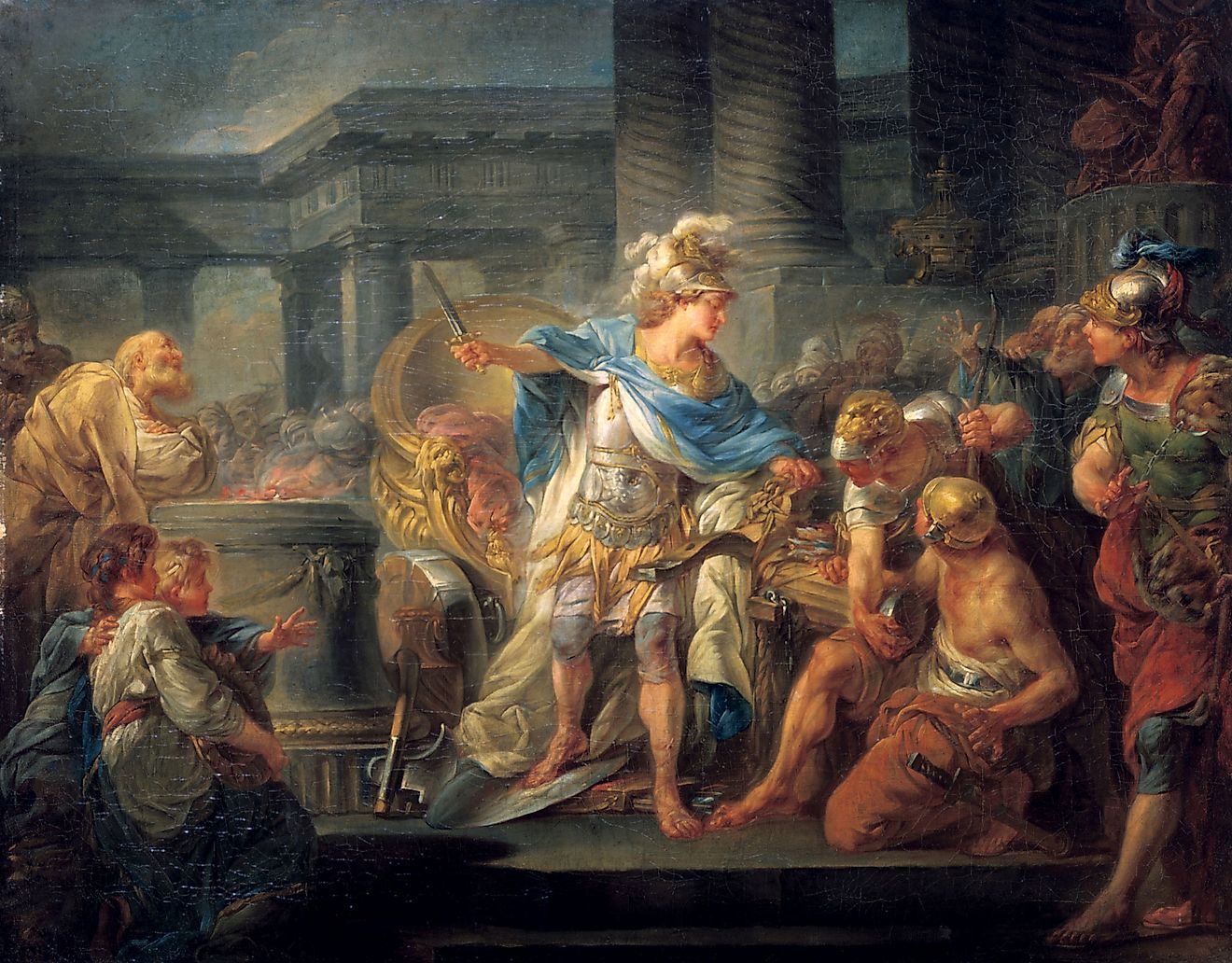
On the eve of his planned invasion of Persia in 336 BCE, Philip II was assassinated. Believing that Macedonia’s new king, the twenty-year-old Alexander (the Great), was nothing more than a spoiled and inexperienced boy, Thebes revolted. Upon hearing news of the rebellion, Alexander marched his army south at lightning speed and besieged the city. Thebes refused to surrender, and the young king subsequently decimated it. Almost every building was leveled, 6,000 people were killed, and 30,000 more were enslaved. Even though this event shocked the rest of Greece and discouraged future rebellions, many also thought that Thebes deserved it. Its treacherous reputation that dated back to the Greco-Persian Wars persisted. Thebes was eventually rebuilt, but it never regained its former power and gradually faded into obscurity over the next centuries.