The Biggest Myths About The Roman Army
The Roman Army was arguably the most powerful military force in ancient history. Its formidability has therefore made it the subject of many misconceptions. Some hold that Rome won its battles through sheer weight of numbers. Others hold that the empire collapsed because its army grew weak. Neither claim survives a look at the record, and both continue to paint an inaccurate view of the ancient world.
The Roman Army Was Invincible

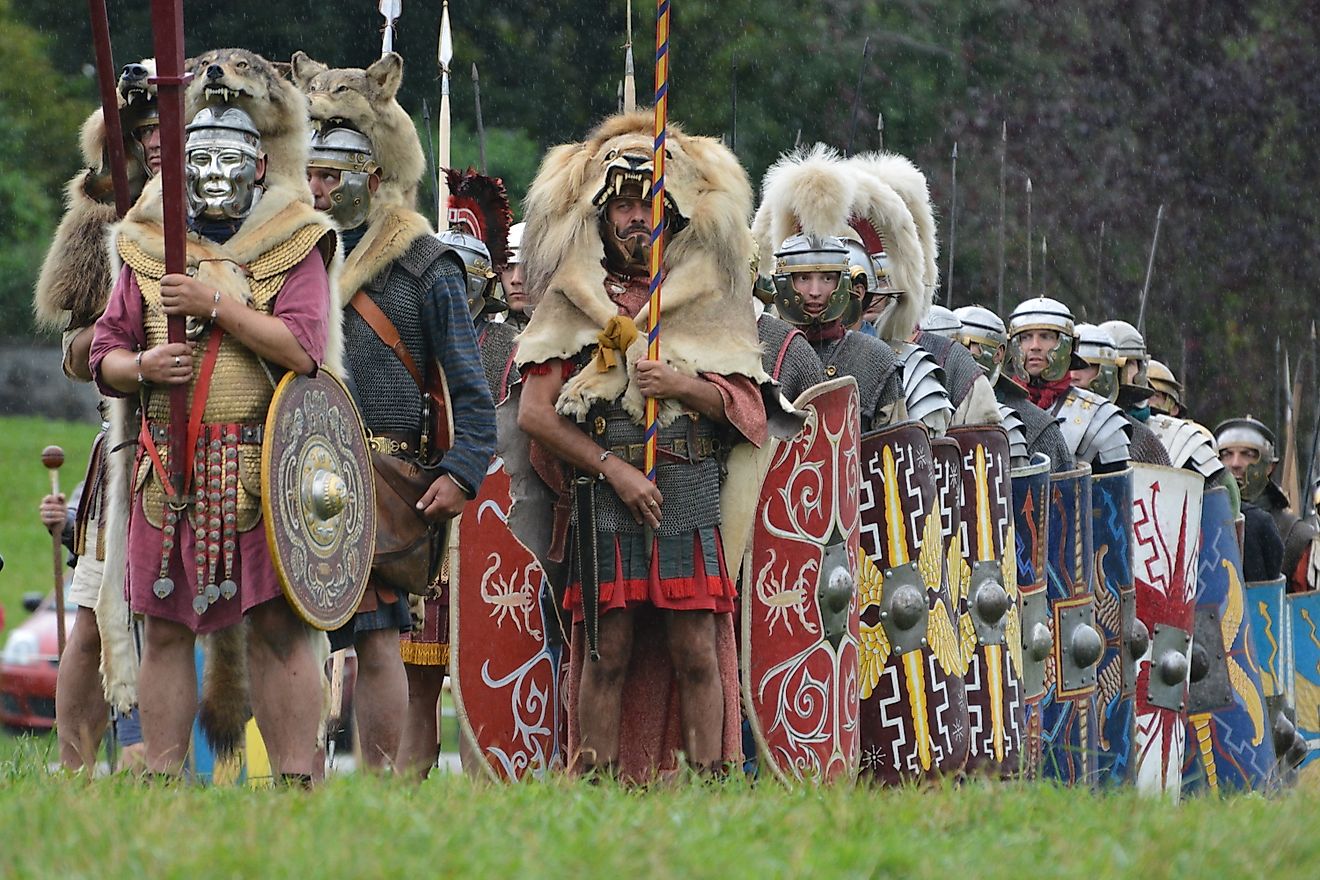
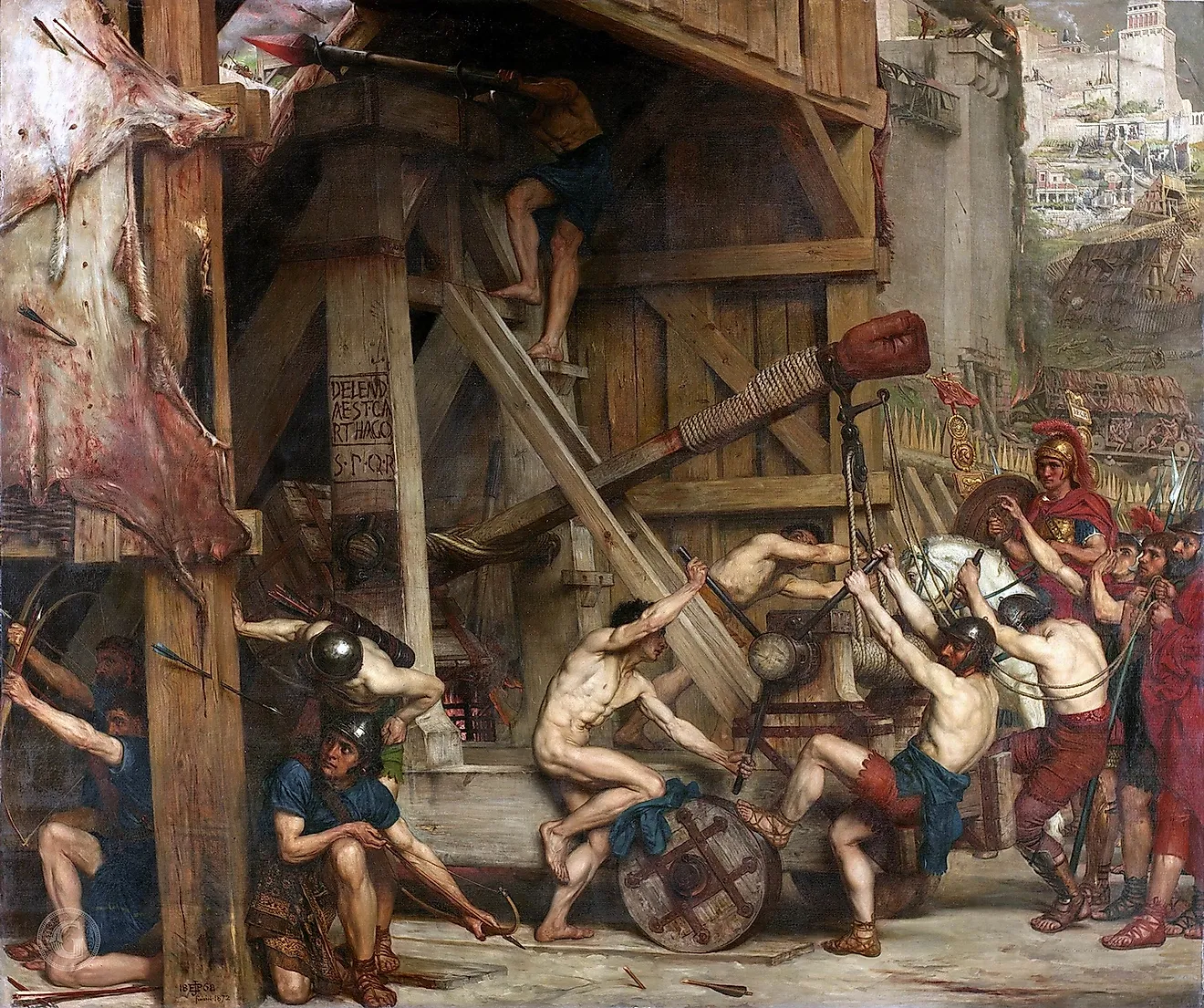
Rome's army won countless battles over more than a thousand years. Many of the most famous ones occurred during the Roman Republic (509 to 27 BCE). This period saw Rome expand from a small Italian citizen state into a Mediterranean-wide behemoth. The army played a major role in this process. Its largest unit, the legions, essentially functioned as small, self-sustaining armies within the broader military. Add sophisticated road networks that allowed it to move quickly from one place to another, plus superior generals like Julius Caesar, and it is easy to see how the Roman army acquired a reputation for invincibility.
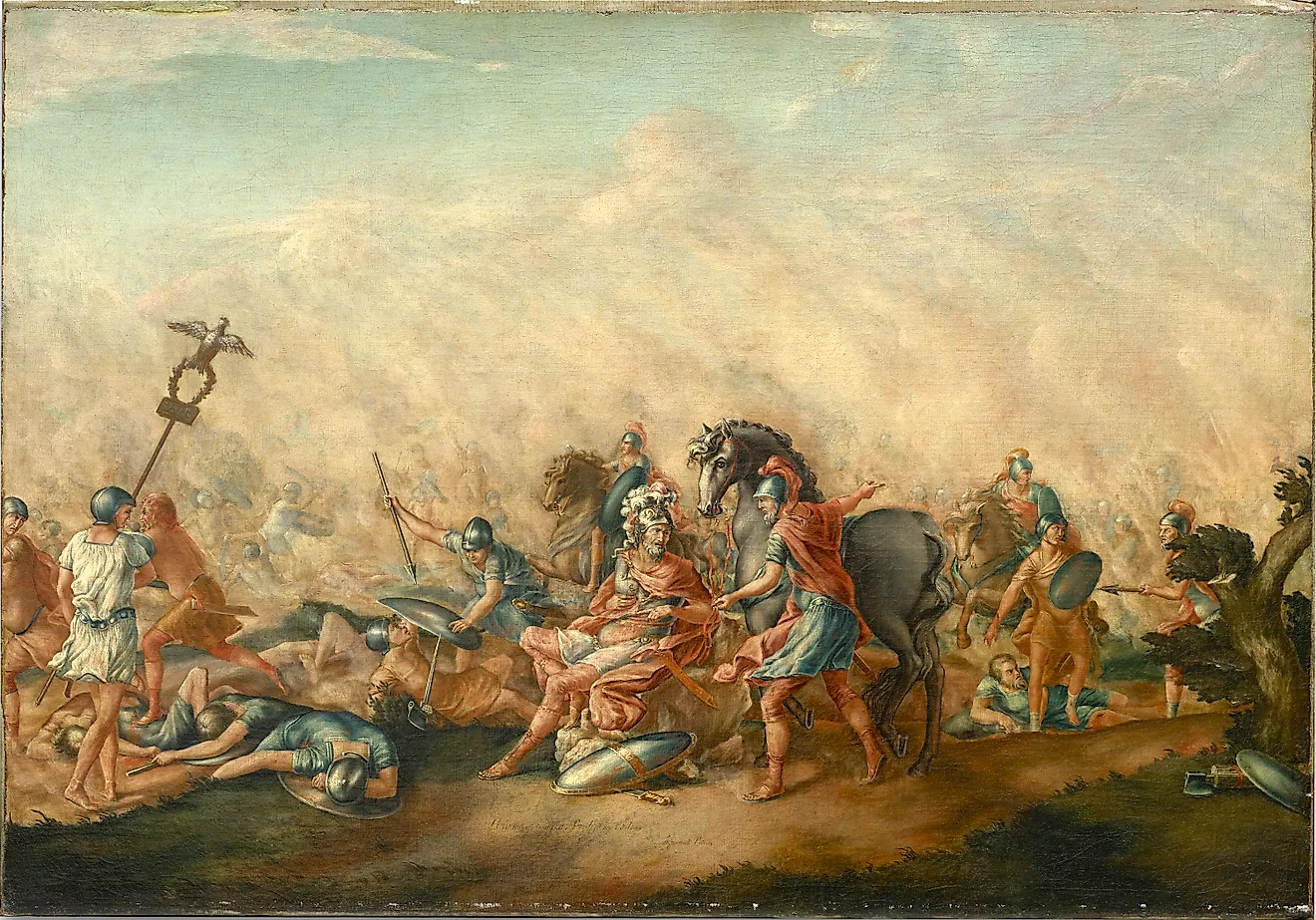
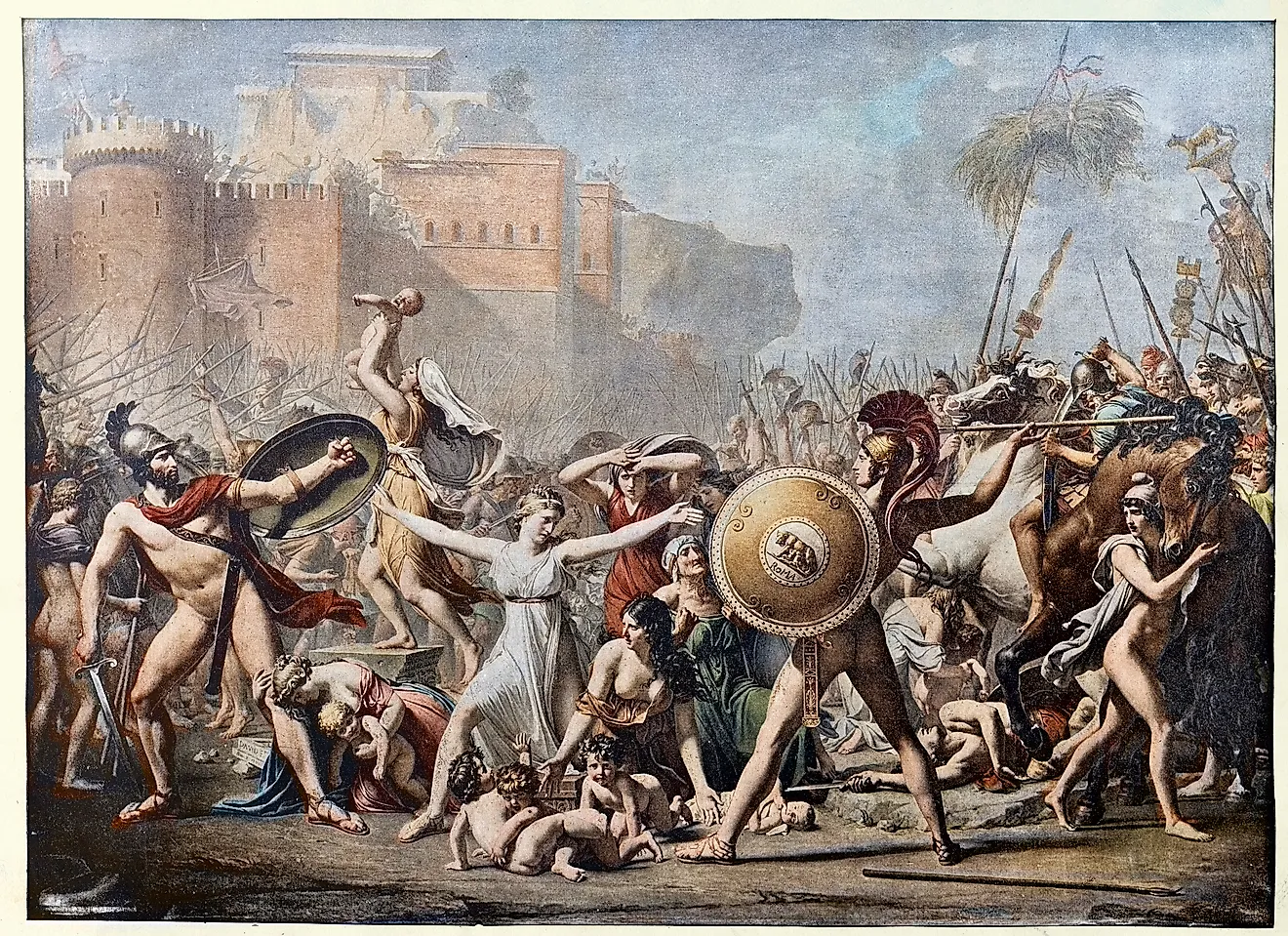
This, of course, was not the case. The Battle of Cannae (216 BCE), the Battle of Carrhae (53 BCE), and the Battle of the Teutoburg Forest (9 CE) were just some examples of defeats. Rather than being minor setbacks, all these battles were major catastrophes that resulted in the deaths of tens of thousands and permanently altered military strategy. None came during the empire's decline. Cannae fell in the middle of the Republic's expansion, and the Teutoburg Forest came within the first decades of the Principate. Later defeats, like the Battle of Abritus (251 CE), the Battle of Edessa (260 CE), and the Battle of Adrianople (378 CE), occurred as Rome declined. All of this demonstrates that the Roman army was hardly invincible.
Every Soldier Was A Roman Citizen

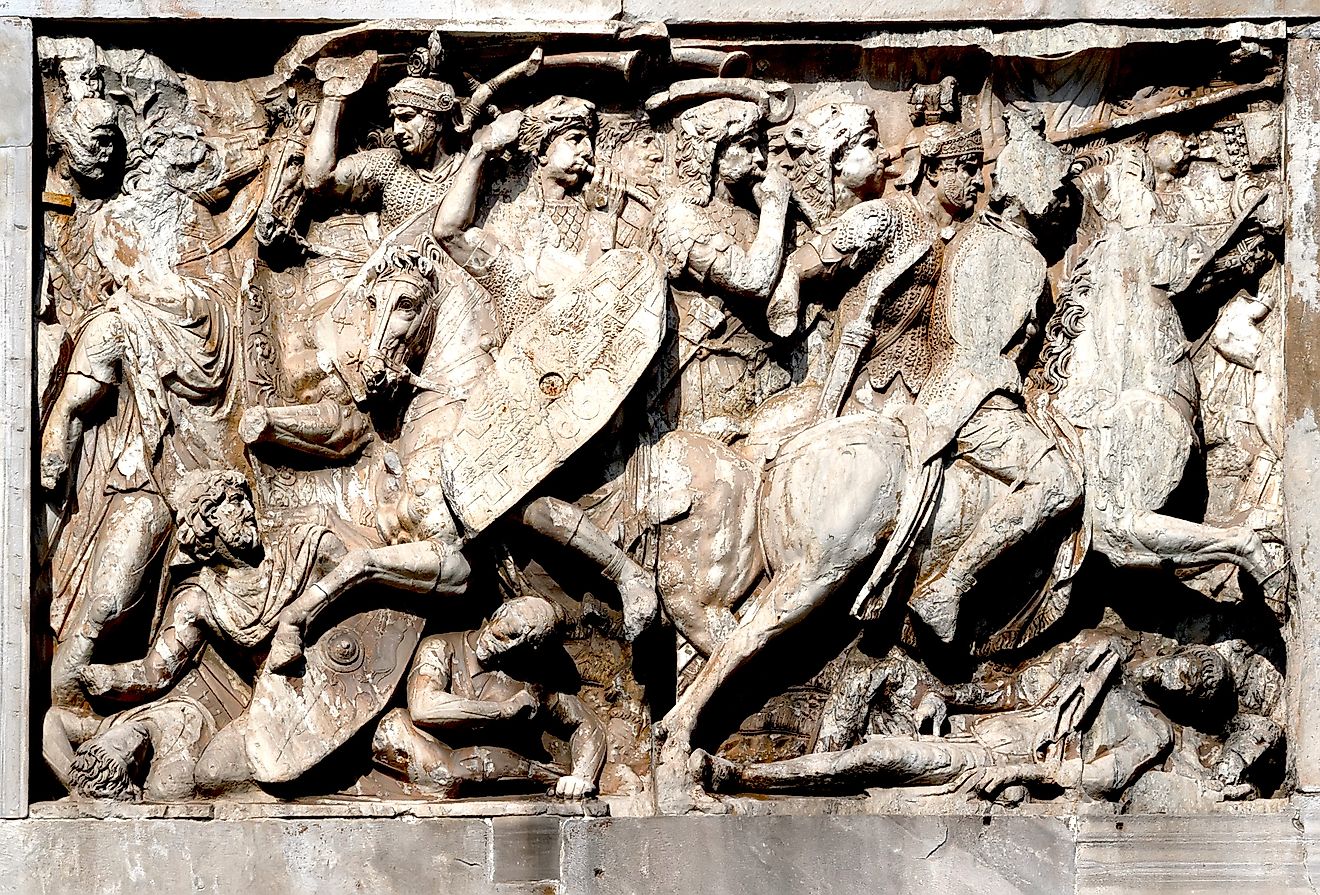
Early on, most soldiers were Roman citizens. This quickly changed. As Rome expanded, it became impractical to rely only on Romans. An auxiliary force of professional, non-Roman soldiers was therefore created to protect Rome's far-reaching provinces. By the 2nd century CE, more than half of the army was made up of these auxiliary troops. They encompassed virtually all the cavalry units and a high percentage of light infantry and archers.
As Rome faced more and more incursions from Germanic tribes in the north and the Persians in the east, its defensive needs grew. This necessitated expanding its military even further. The 3rd, 4th, and 5th centuries CE thus saw Rome increasingly rely on barbarian mercenaries. The government signed treaties with entire barbarian tribes. Instead of only paying them in cash, these groups were granted land within the empire. Known as the Foederati system, these arrangements became common in the 4th and 5th centuries and proved useful for fulfilling short-term defensive needs. However, they "hollowed out" Rome over the long term, as these groups had their own political ambitions. Ultimately, an overreliance on barbarian mercenaries contributed to the fall of the Western Roman Empire.
Roman Discipline Was Always Perfect

Roman discipline was famous. Soldiers had grueling daily routines and faced severe punishments in cases of wrongdoing. In the penalty known as decimatio, a unit that showed cowardice or mutinied could have one man in every ten chosen by lot and clubbed or stoned to death by his own comrades. The sources record it only rarely, and some historians question how often it was actually carried out. An individual guilty of desertion, theft in camp, abandoning his post, or perjury faced the fustuarium, in which his legion beat him to death with staves and stones. All these measures instilled tremendous discipline.
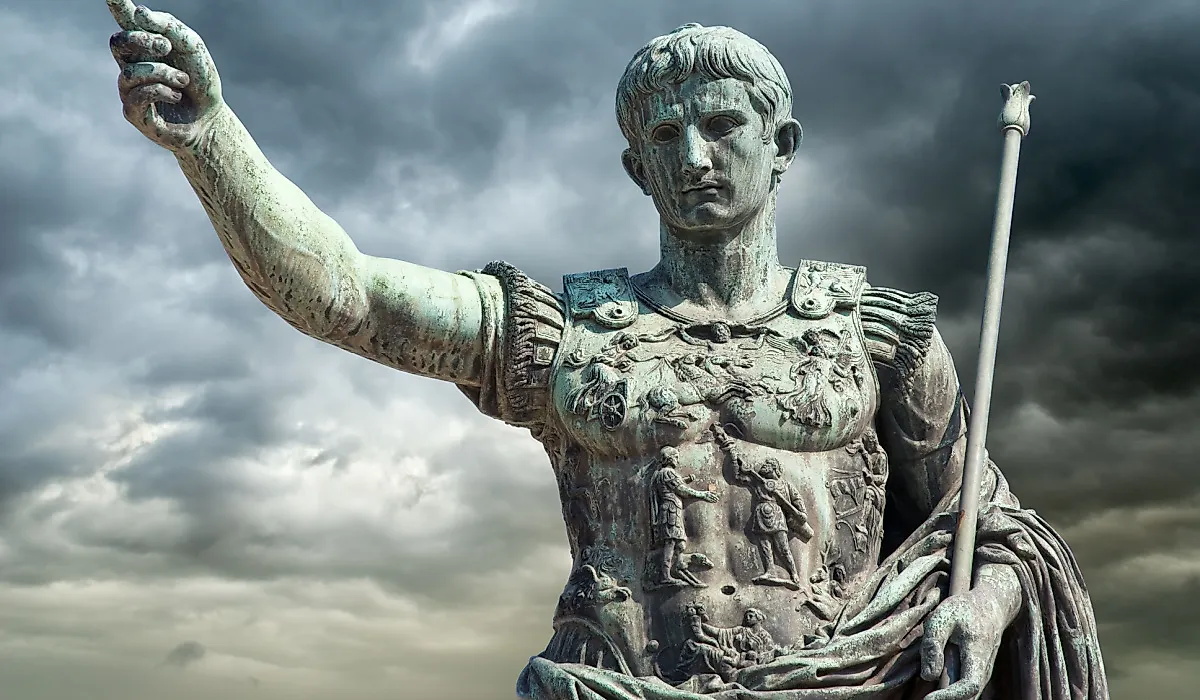
It wasn't perfect. There were numerous times when soldiers, units, or entire armies went against orders. Take what happened when Emperor Augustus died in 14 CE. In the immediate aftermath, legions stationed in Pannonia and on the Rhine River mutinied and demanded better pay and shorter service lengths. Even though these mutinies were controlled before they reached the point of full rebellion, they demonstrated that rigorous training and draconian punishments were unable to instill flawless discipline.
Rome Won Because Of The Size Of Its Armies

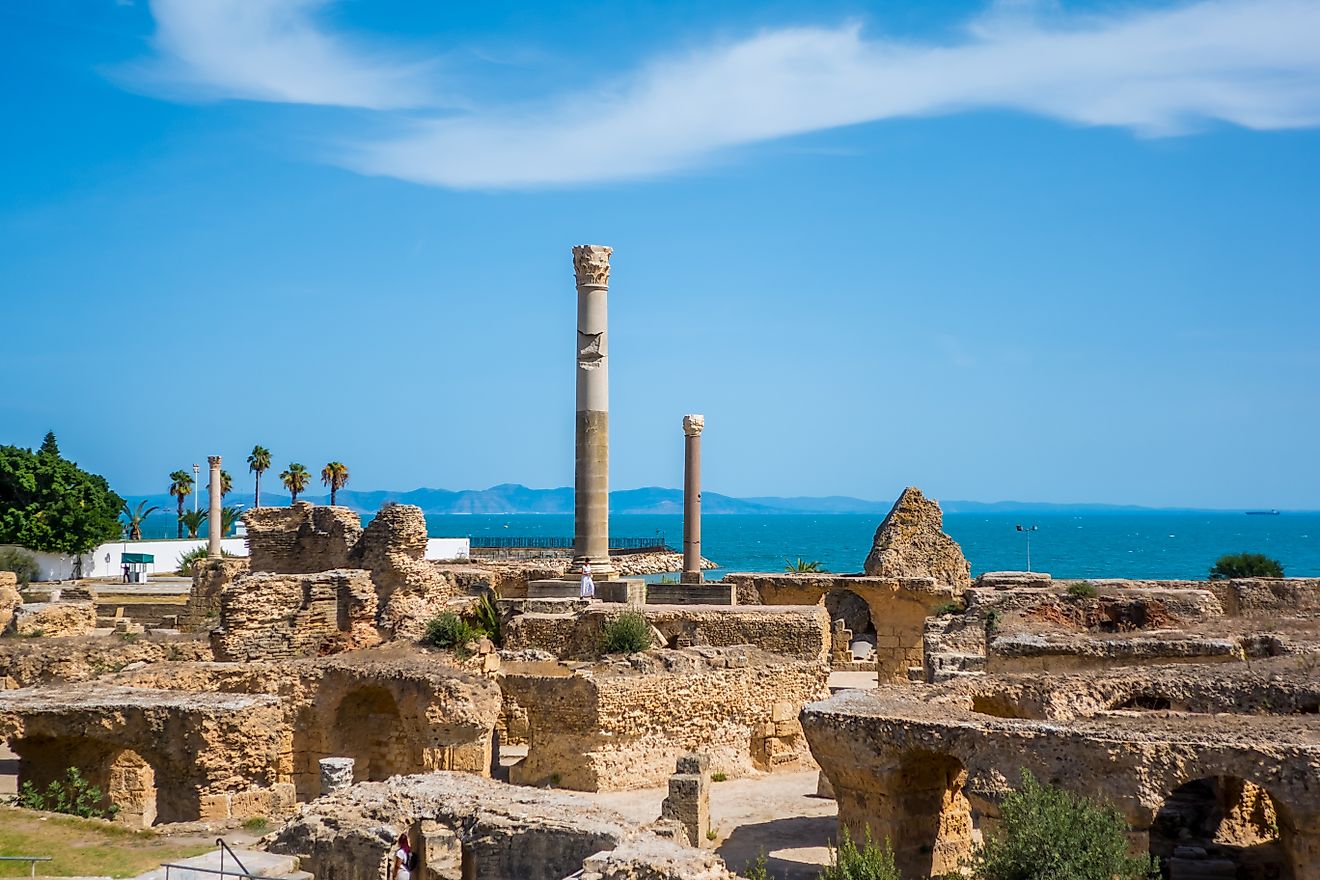
The Roman army was massive. Beginning as a small citizen militia, it eventually grew into a force of between 300,000 and 600,000 men. Nevertheless, size was not the key to its success. Many of its opponents also had formidable armies, and there were numerous instances where the numerically superior Romans actually lost. Consider the Battle of Cannae (216 BCE). Fought during the Second Punic War against Carthage, it saw the Romans field an army of between 80,000 and 86,000 men. Despite nearly outnumbering the Carthaginians two to one (they had between 40,000 and 50,000), the Romans were encircled and annihilated.
Somewhat ironically, the aftermath of this disastrous battle demonstrated the true strength of Rome's army: its superior tactics, infrastructure, and logistics. Rome turned to the Fabian Strategy, named for the dictator Quintus Fabius Maximus, which avoided battles likely to end in decisive defeat and wore the enemy down over time. That approach allowed Rome to recover and eventually defeat Carthage. None of it would have been possible without its vast road network and the willingness of the army to change its approach.
Rome Fell Because Its Army Became Weak

Perhaps the biggest misconception about the Roman army was that its weakness led to the fall of the Western Roman Empire. While true that the army faced some problems, like the aforementioned overreliance on barbarian mercenaries, this alone would have been insufficient to lead to the end of the entire Roman state. Rather, systemic political and economic failures were the main cause.
The root of these issues was the empire's size. At its height, it held territory on three continents, reaching Britain in the northwest and Egypt in the southeast, and it was simply too large to be governed centrally from one place. Even though it eventually split in 395 CE, it was unable to save the Western Empire. Crippling inflation and taxation meant that many people fled in search of a better life, forcing the government to raise taxes on those who remained. When paired with political instability due to the lack of a clear succession system for the emperorship, the Western Roman Empire ultimately fell in 476 CE when the Germanic leader Odoacer deposed Emperor Romulus Augustulus.
Why The Myths Persist
Each of these misconceptions treats the Roman army as a fixed object rather than an institution that changed continuously across more than a thousand years. The citizen militia that lost at Cannae in 216 BCE had little in common with the mixed frontier force of legionaries, auxiliaries, federate contingents, and mobile field units holding the Rhine six centuries later. Reading it as one unchanging machine makes its defeats look like anomalies and its final collapse look like a failure of nerve. The record shows something else. This was an army that absorbed catastrophic losses, rebuilt itself repeatedly, reinvented its own composition, and outlasted the political and fiscal structures that paid for it.