Why Ancient Greece Never United Into One Empire
Ancient Greece produced some of history's greatest philosophers, military commanders, artists, and scientists, yet it never became a single, lasting empire. Unlike the Persians, Romans, or other great powers of the age, the Greeks remained divided into dozens of independent city-states that fiercely guarded their autonomy. Rugged geography, competing political systems, and constant rivalries all discouraged unification. Even during moments of cooperation, alliances usually dissolved once the immediate crisis had passed. As a result, ancient Greece became one of history's most influential civilizations without ever creating a singular empire.
Divided Landscape

One of the biggest obstacles to Greek unity was the country's geography. Greece is dominated by rugged mountains separated by narrow valleys and small coastal plains, making travel and communication difficult in the ancient world. Rather than encouraging one central government, these natural barriers allowed hundreds of communities to develop independently.
Many of these settlements evolved into autonomous city-states, or poleis, each with its own government, army, laws, and traditions. Athens, Sparta, Corinth, Thebes, Argos, and dozens of others considered themselves separate political communities. Citizens identified first with their own city rather than with Greece as a whole.
The Mediterranean Sea connected these city-states through trade and colonization, but it did not create political unity. Greek colonies established throughout southern Italy, Sicily, the Black Sea, and Asia Minor generally remained independent rather than becoming provinces of a larger Greek kingdom.
Fierce Independence

Ancient Greeks viewed political independence as one of their greatest strengths. Citizenship meant participating in government and defending one's own city, so surrendering local control was deeply unpopular. Every city-state developed a strong civic identity, reinforced by its traditions and local heroes.
The major city-states also differed sharply in how they governed. Democratic Athens, militaristic Sparta, oligarchic Corinth, and numerous other communities believed their own political systems were the best. These competing models made it difficult to imagine a single government that everyone would willingly accept. As a result, alliances usually aimed to preserve each city's independence rather than eliminate it. Many Greeks preferred risking military defeat over submitting to permanent rule by a neighboring rival.
Endless Rivalries

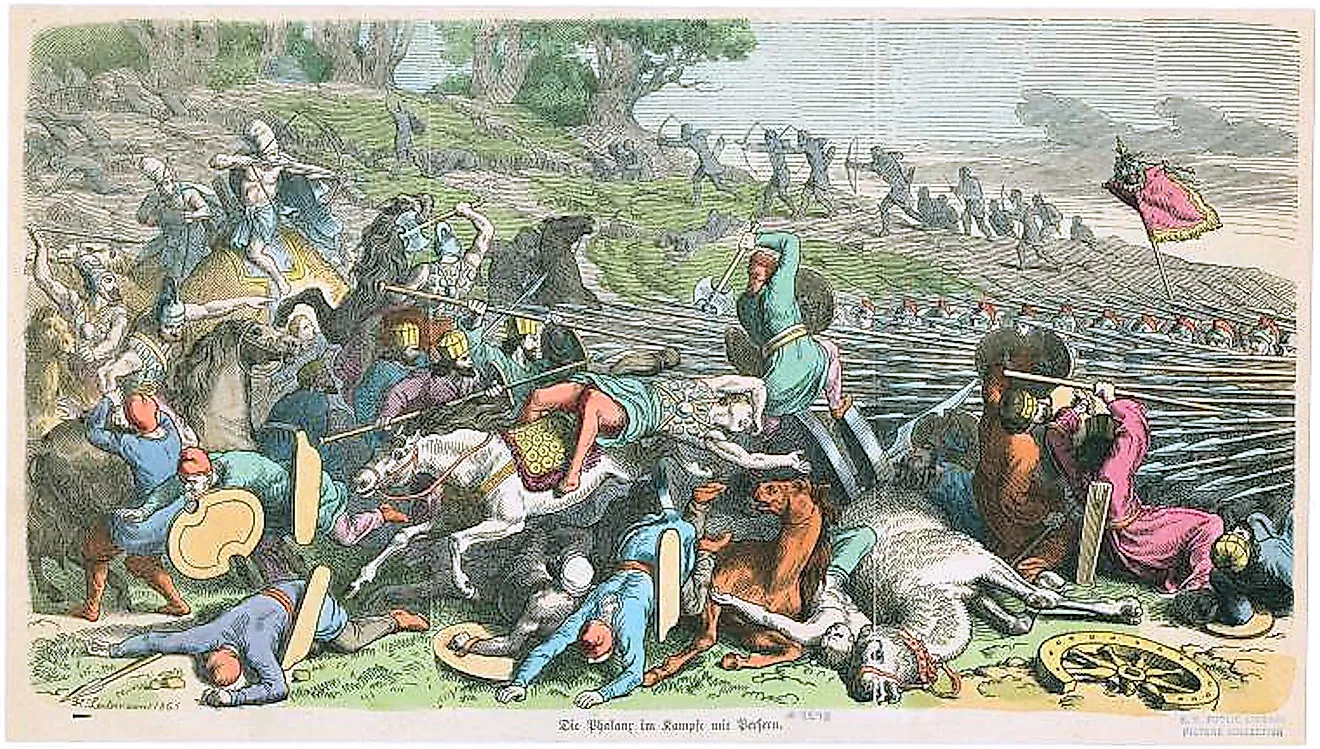
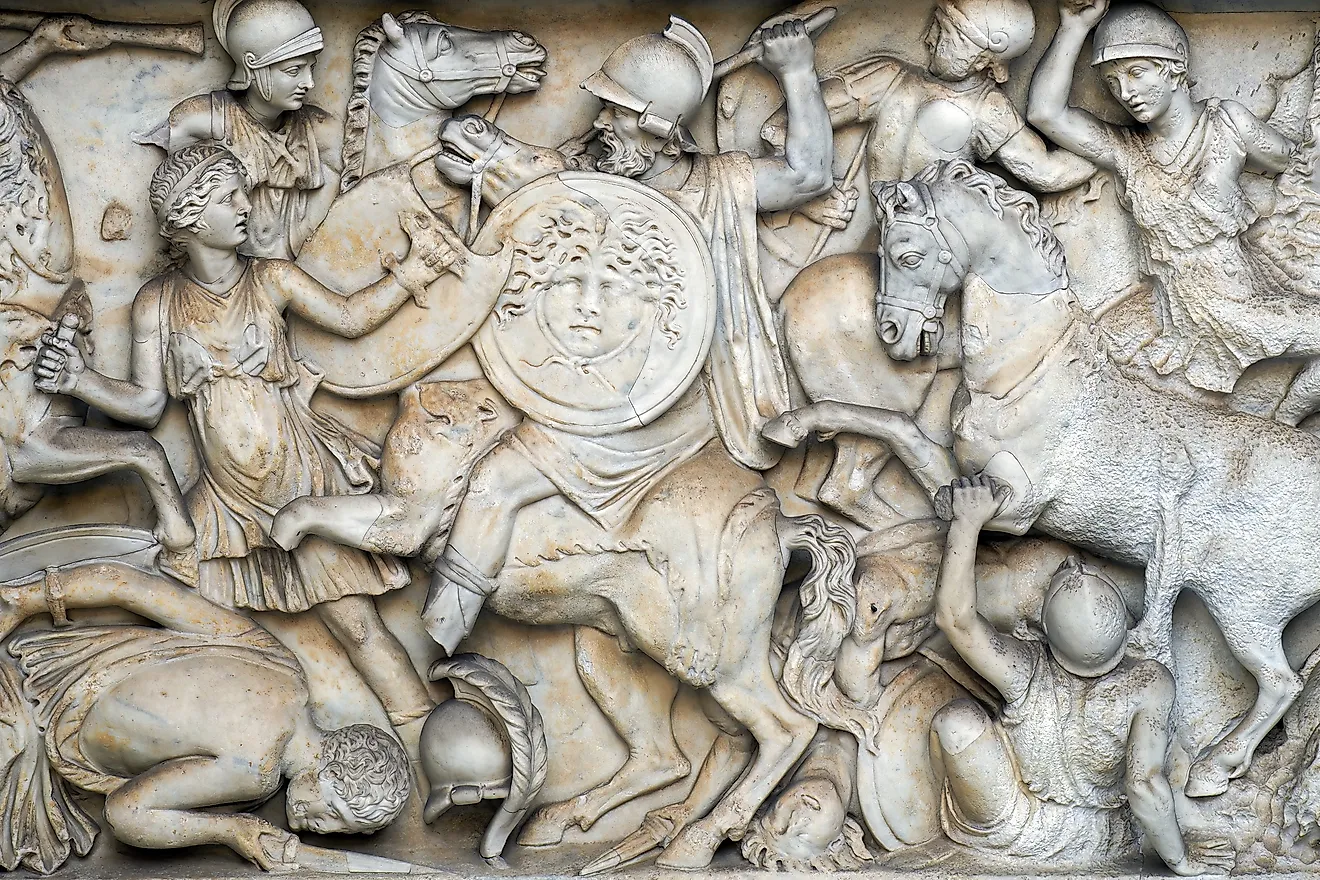
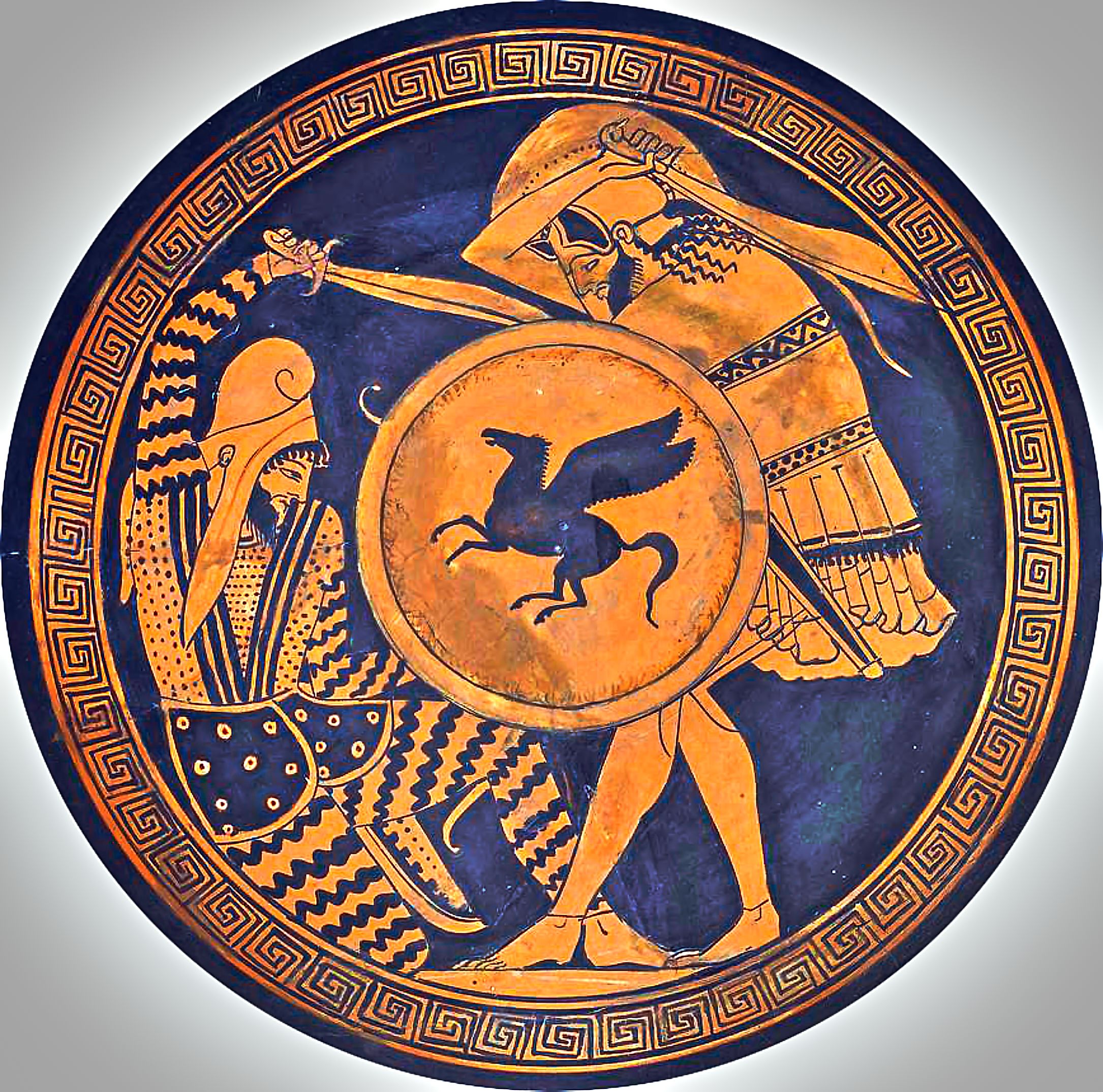
Outside threats occasionally united the Greeks. During the Persian Wars (492 BC-449 BC), many city-states joined forces to defeat one of history's largest empires, winning famous victories at Marathon, Salamis, and Plataea. These successes demonstrated that cooperation was possible when survival depended on it.
Once the Persian threat faded, however, old rivalries quickly resurfaced. Athens transformed the Delian League into an empire, prompting Sparta and its allies to resist. The resulting Peloponnesian War lasted nearly three decades (431 BC-404 BC) and left much of Greece exhausted. In the years that followed, Sparta, Thebes, and other powers each briefly dominated before being challenged by new rivals.
Instead of creating lasting unity, every attempt by one city-state to lead Greece inspired coalitions determined to preserve the traditional balance of power. Centuries of nearly constant competition weakened the major powers and prevented the emergence of a stable Greek state.
Macedonian Conquest

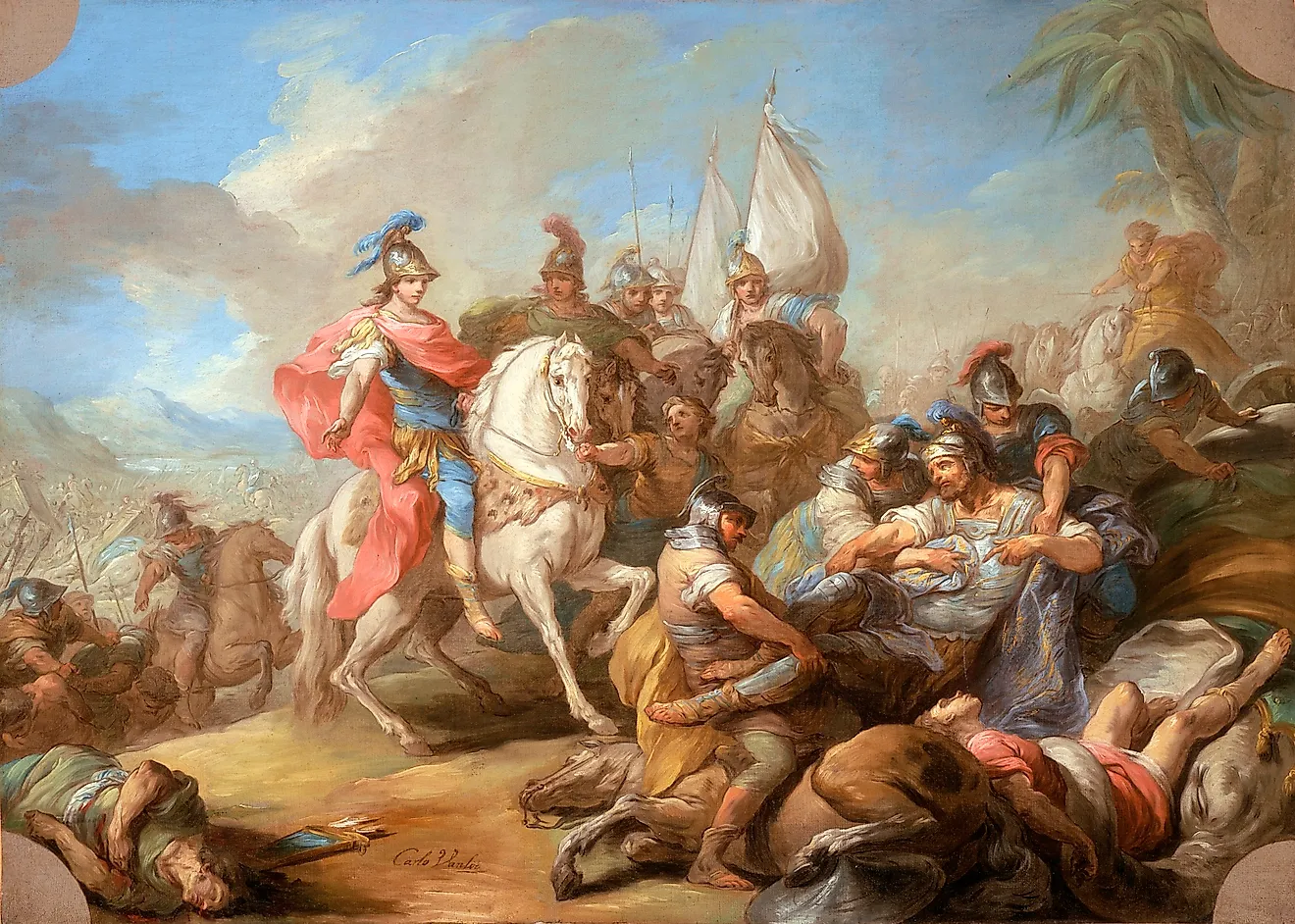
The closest that ancient Greece came to political unity arrived under King Philip II of Macedonia in the fourth century BC. Taking advantage of decades of warfare among the Greek city-states to the south, Philip transformed Macedonia into the region's dominant military power. His decisive victory over a coalition led by Athens and Thebes at the Battle of Chaeronea in 338 BC ended the independence of the major Greek powers.
Philip then established the League of Corinth, which brought nearly all of mainland Greece into a single political and military alliance under his leadership. Although the city-states retained some local authority, they no longer controlled their own foreign policy or military affairs. For the first time, most of Greece was united under one ruler, but this unity was imposed by conquest rather than voluntary cooperation.
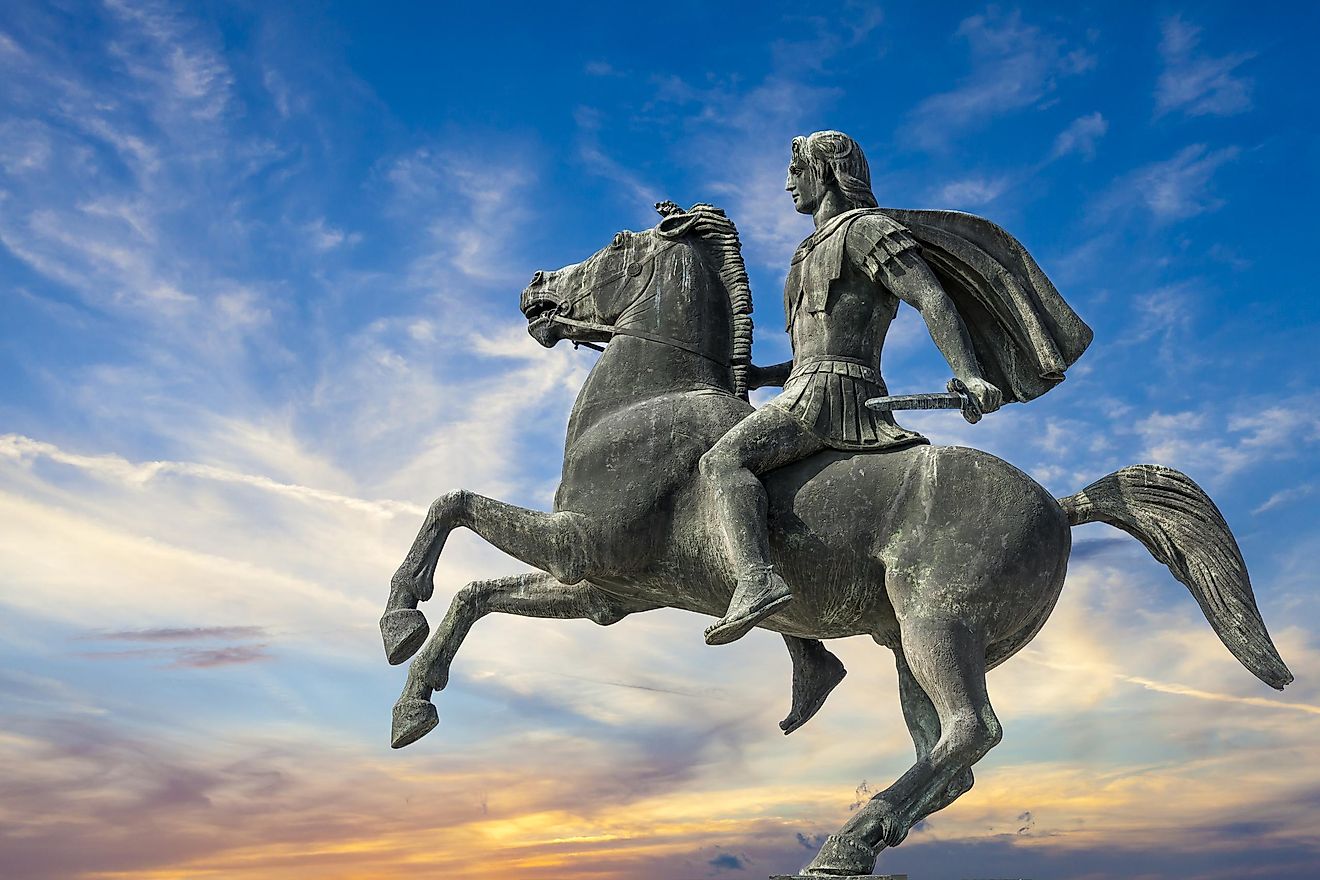
After Philip's assassination in 336 BC, his son, Alexander the Great, inherited the unified kingdom and launched his famous invasion of the Persian Empire. His astonishing victories spread Greek language, art, philosophy, and science across Egypt, the Near East, and the frontiers of India, creating the Hellenistic world. Greece remained largely unified by force, but it was just one region within Alexander's enormous Hellenistic empire.
Division and Domination

Alexander died unexpectedly in 323 BC, leaving no designated heir, and his vast empire quickly splintered. His leading generals fought a series of bitter wars to divide his territories among themselves. Instead of remaining united, Greece once again found itself caught between competing kingdoms in Macedonia, Egypt, and western Asia.
The Greek city-states regained limited independence at times during the Hellenistic age, but none possessed the strength to dominate the others or restore lasting unity. Coalitions continued to form and dissolve, while leagues such as the Achaean and Aetolian Leagues sought to balance the influence of larger powers. The centuries-old pattern of shifting alliances and regional rivalries persisted for decades between Alexander's death and the arrival of the Romans.
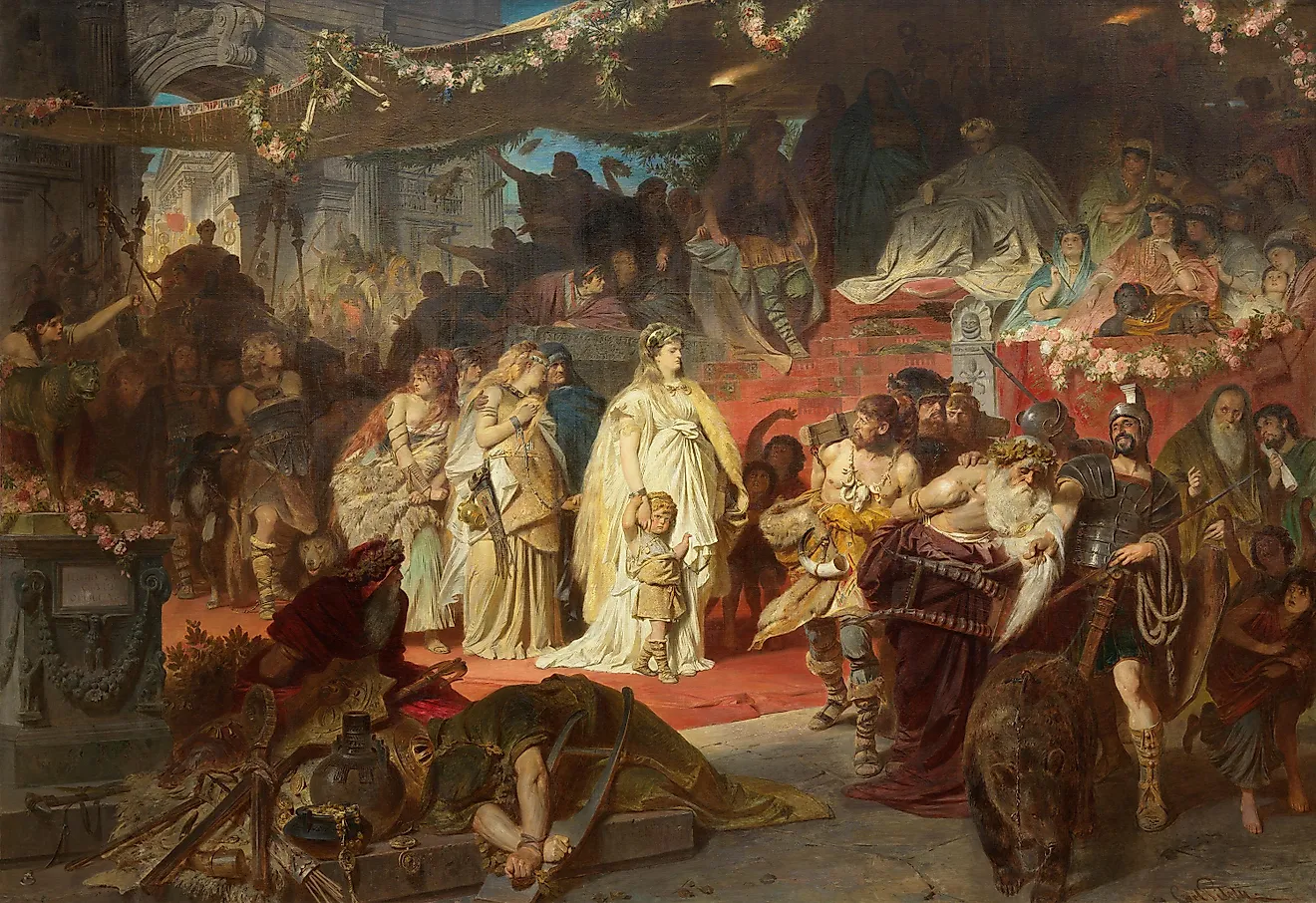
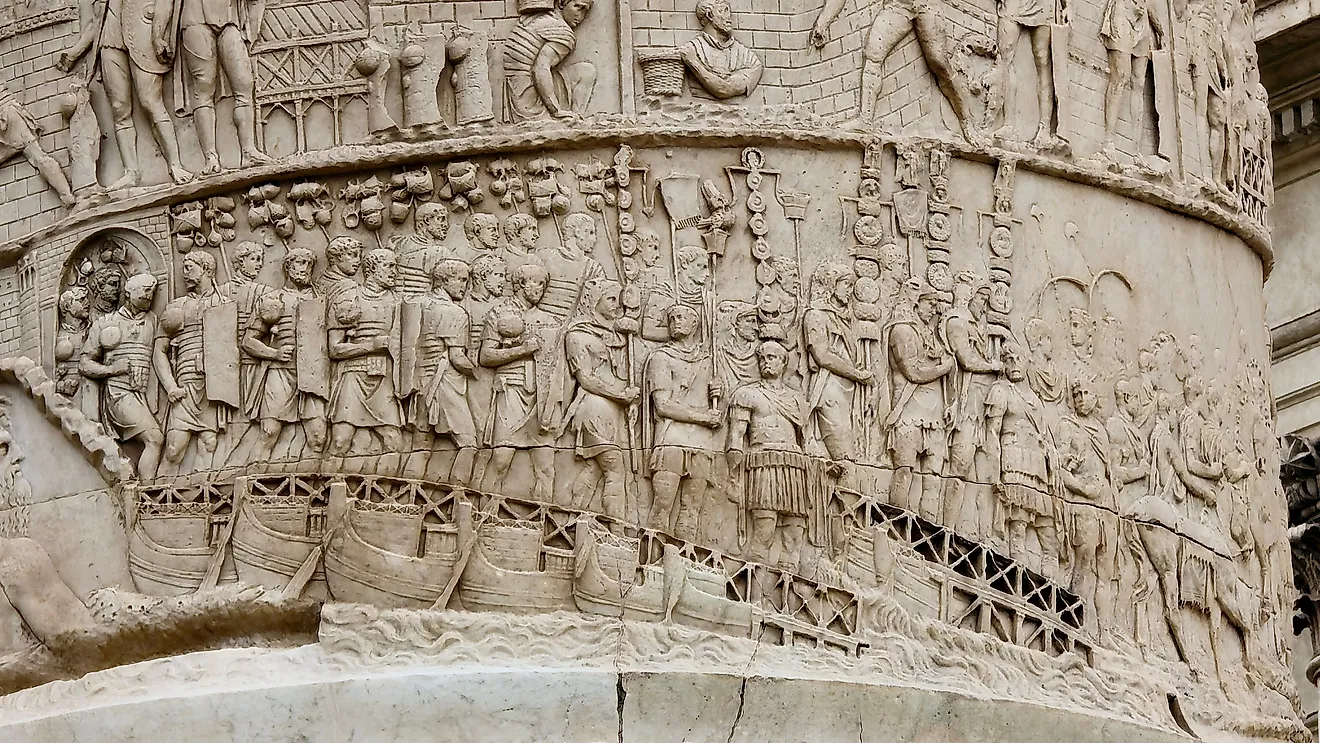
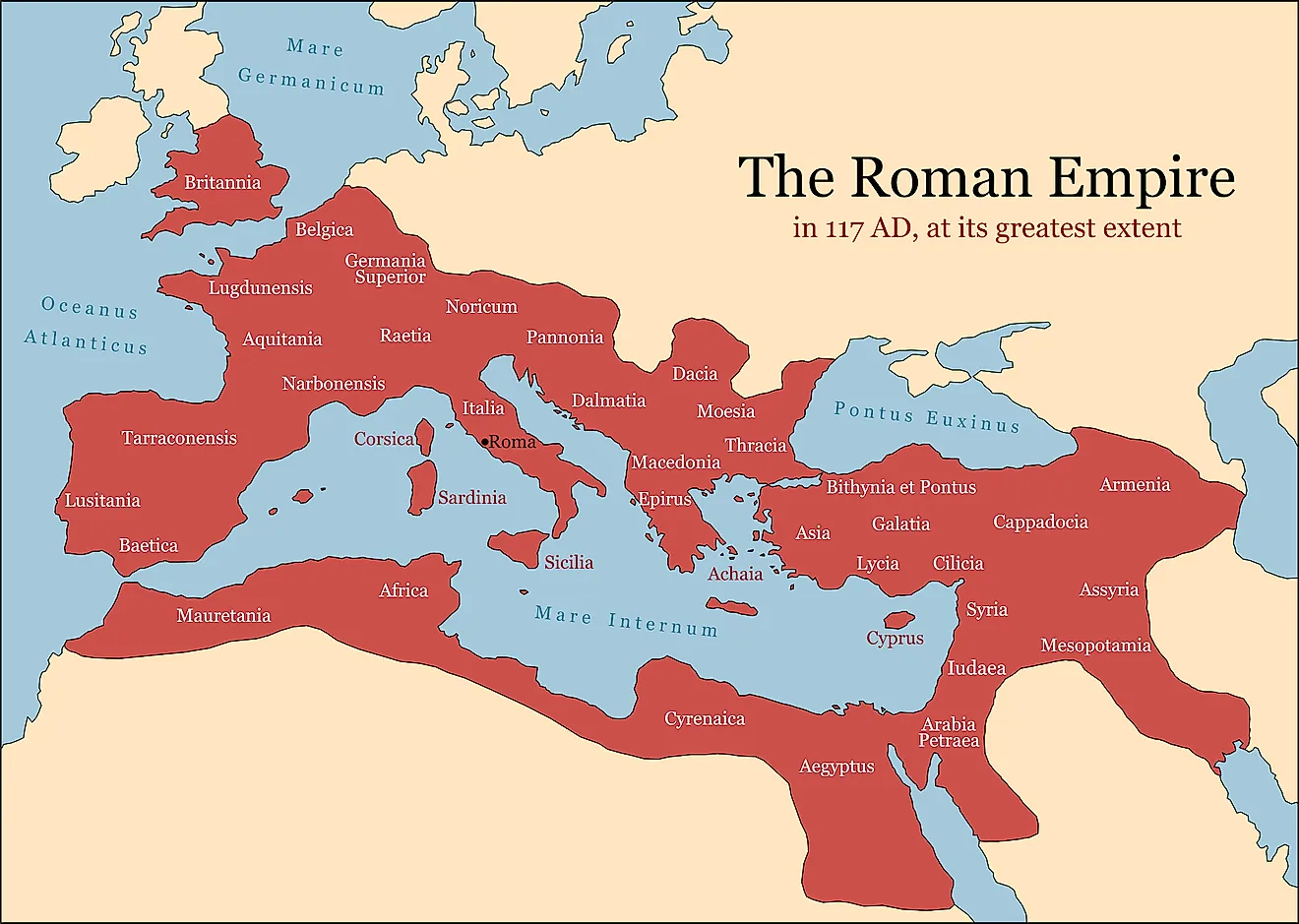
Rome gradually expanded into the eastern Mediterranean during the second century BC and became involved in Greek affairs through a series of wars against Macedonia and its allies. After defeating Macedonia in a series of wars and crushing the Achaean League at Corinth in 146 BC, Rome incorporated Greece into its expanding empire. Although Greek cities retained much of their culture, language, and local administration, political independence had effectively come to an end. Greece would remain an important and highly respected part of the Roman world for centuries. Still, it was not until the 19th century, following the Greek War of Independence, that an independent Greek state re-emerged, with national unification continuing over subsequent decades.
Ancient Civilization Instead of Empire
The people of Ancient Greece spoke related dialects, worshipped many of the same gods, and celebrated common religious festivals, but local identity consistently outweighed broader political unity. The rugged geography encouraged isolation, rival governments competed for influence, and generations of warfare made sustained cooperation difficult. Greece was united only after prolonged conflict weakened the city-states enough for Macedonia and, later, Rome to impose their rule. The same local pride and independence that fueled extraordinary achievements in politics, philosophy, literature, and science also prevented the creation of a lasting Greek empire.