Why Did The Roman Republic Collapse?
The Roman state lasted for centuries and changed shape more than once. It started as a monarchy, then became a republic around 509 BCE, and that republican system held for nearly five hundred years. During those centuries, Rome grew from a single city in central Italy into the dominant power across the Mediterranean. The system that worked for a city did not scale to an empire. Decades of structural strain, ambitious generals with private armies, and back-to-back civil wars eventually brought the Roman Republic down.
A System Built for a City, Not an Empire
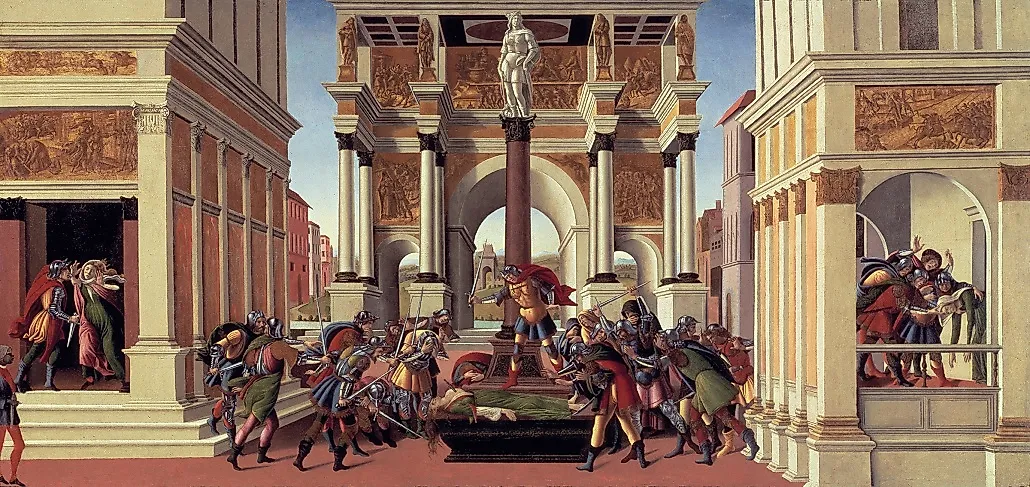
The Republic's biggest problem was that its government was designed for a small city-state. As Rome took on territory in Spain, Gaul, North Africa, and Asia Minor, officials in the city were making decisions about places they had never seen, populated by peoples they did not understand. There was no permanent civil service to fill the gap. A small city does not need career bureaucrats with regional expertise; an empire does, and Rome did not have one.
The political design itself created problems too. Offices were annual and powers were shared, both meant to stop any one person from concentrating authority. The trade-off was nonstop competition among an experienced elite for short windows of influence, much of it fought out inside the Senate that controlled most policy. As the stakes grew, that competition turned into open conflict.
Generals With Their Own Armies

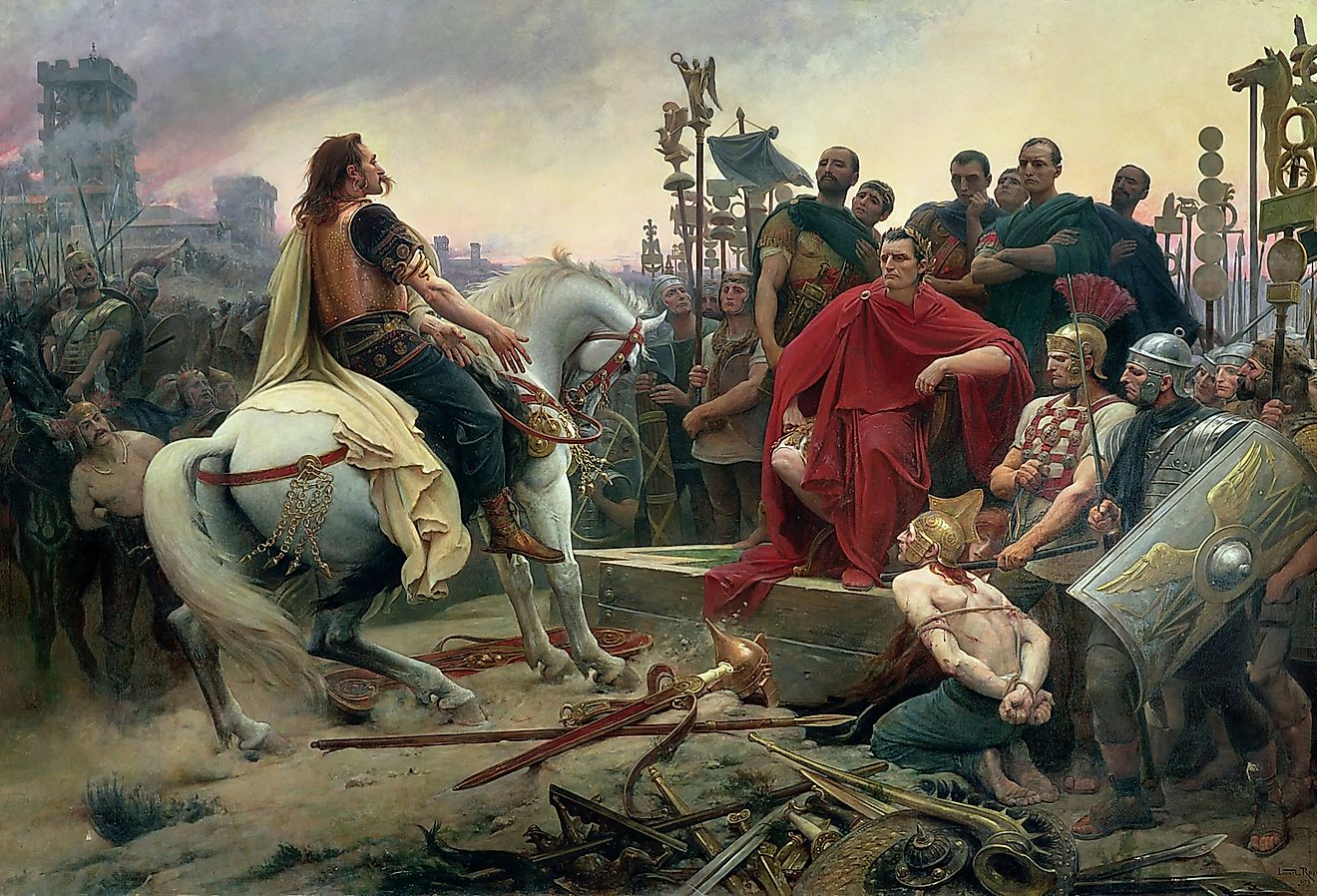
For most of the Republic's history, Roman soldiers were citizen-farmers. They were called up for a campaign, fought, and went back to their land. The general Gaius Marius changed that in the late second century BCE by dropping the property requirement and recruiting poor citizens with no land to return to. Those soldiers needed their general to pay them and to make sure they got a plot of land at the end of their service. The loyalty followed the paycheck. Soldiers stopped thinking of themselves as Rome's army and started thinking of themselves as their general's army.
Lucius Cornelius Sulla was the first to use that loyalty against the city itself. In 88 BCE he marched his legions into Rome, took power, and eventually had himself made dictator. He stepped down a few years later and retired, which surprised almost everyone, but the precedent was set. From that point on, a general with troops he had personally raised could threaten the Senate. The pattern repeated. By 60 BCE, three of the most powerful men in Rome (Julius Caesar, Pompey, and Crassus) had formed an informal political alliance, the First Triumvirate, that let them bypass the Senate and run the state between themselves.
Caesar Crosses the Rubicon

The Triumvirate held together as long as Caesar and Pompey had reasons to cooperate. Two events broke it. Crassus was killed fighting the Parthians in 53 BCE, removing the figure who had kept the other two in check. Then Julia, Caesar's daughter and Pompey's wife, died, severing the family tie. Pompey gradually moved closer to the Senate, which wanted Caesar disarmed and tried for political crimes. In 49 BCE, Caesar, then commanding the Roman armies in Gaul, brought a single legion across the Rubicon River, the legal boundary of Italy proper. Bringing an army across that line was an act of war against the Senate, and Caesar knew it.

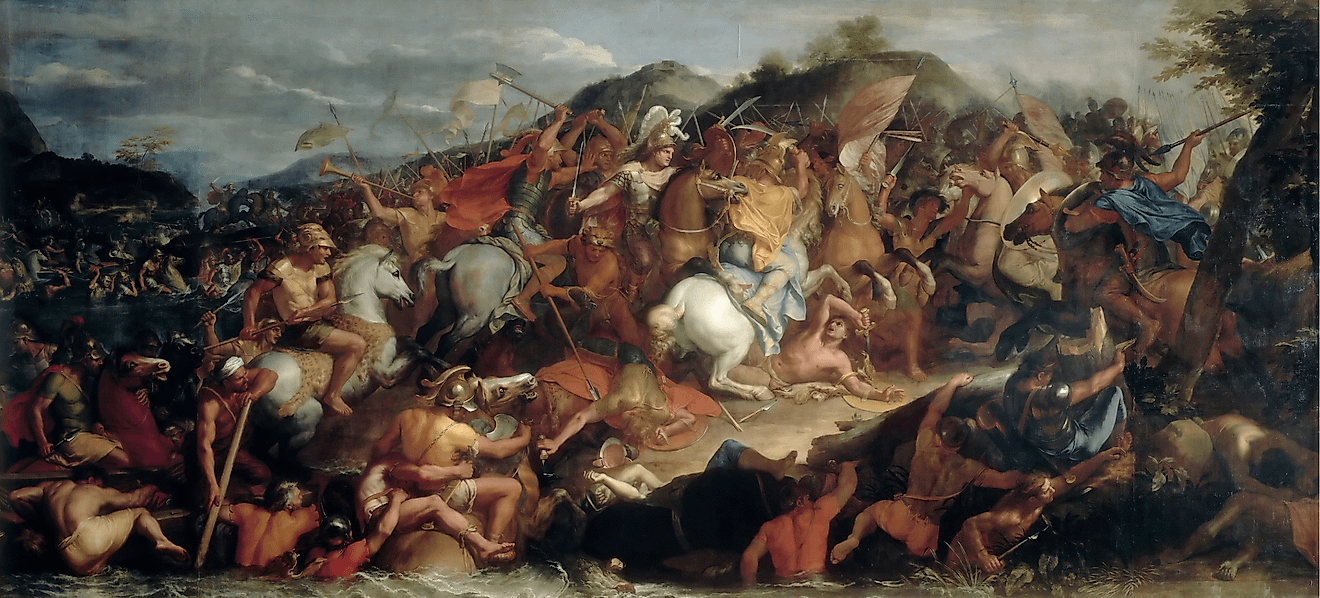
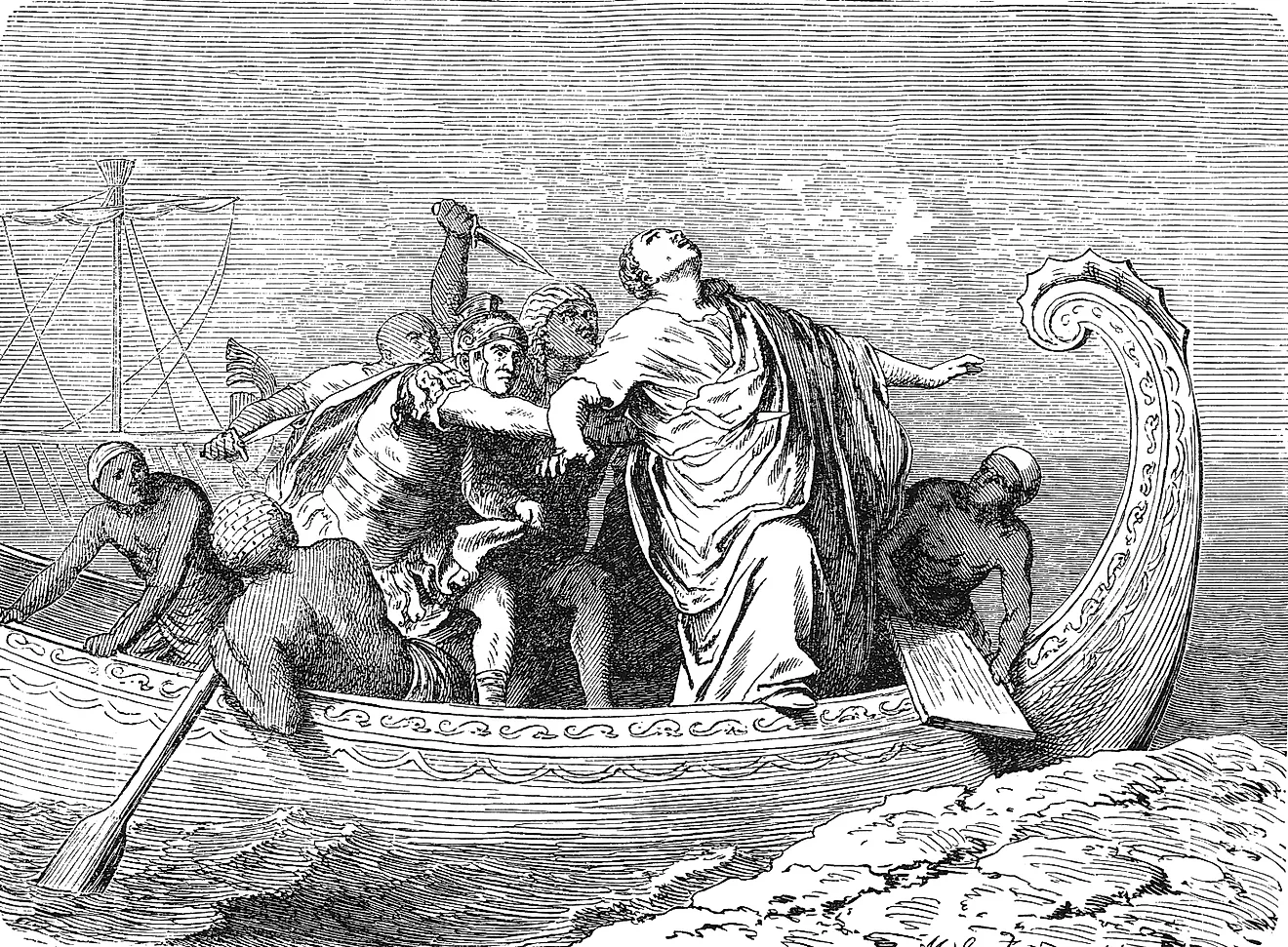
Pompey and most of the Senate were caught off guard and fled to Greece, leaving Caesar to take Italy without much resistance. Caesar followed and broke Pompey's army at Pharsalus in 48 BCE. Pompey escaped to Egypt and was killed there by agents of the young pharaoh Ptolemy XIII, who hoped to win Caesar's favor. Caesar spent the next three years finishing off Pompey's remaining supporters in North Africa and Spain, and by 45 BCE the war was over. The Senate made him dictator for life.
The (Official) Fall of the Republic

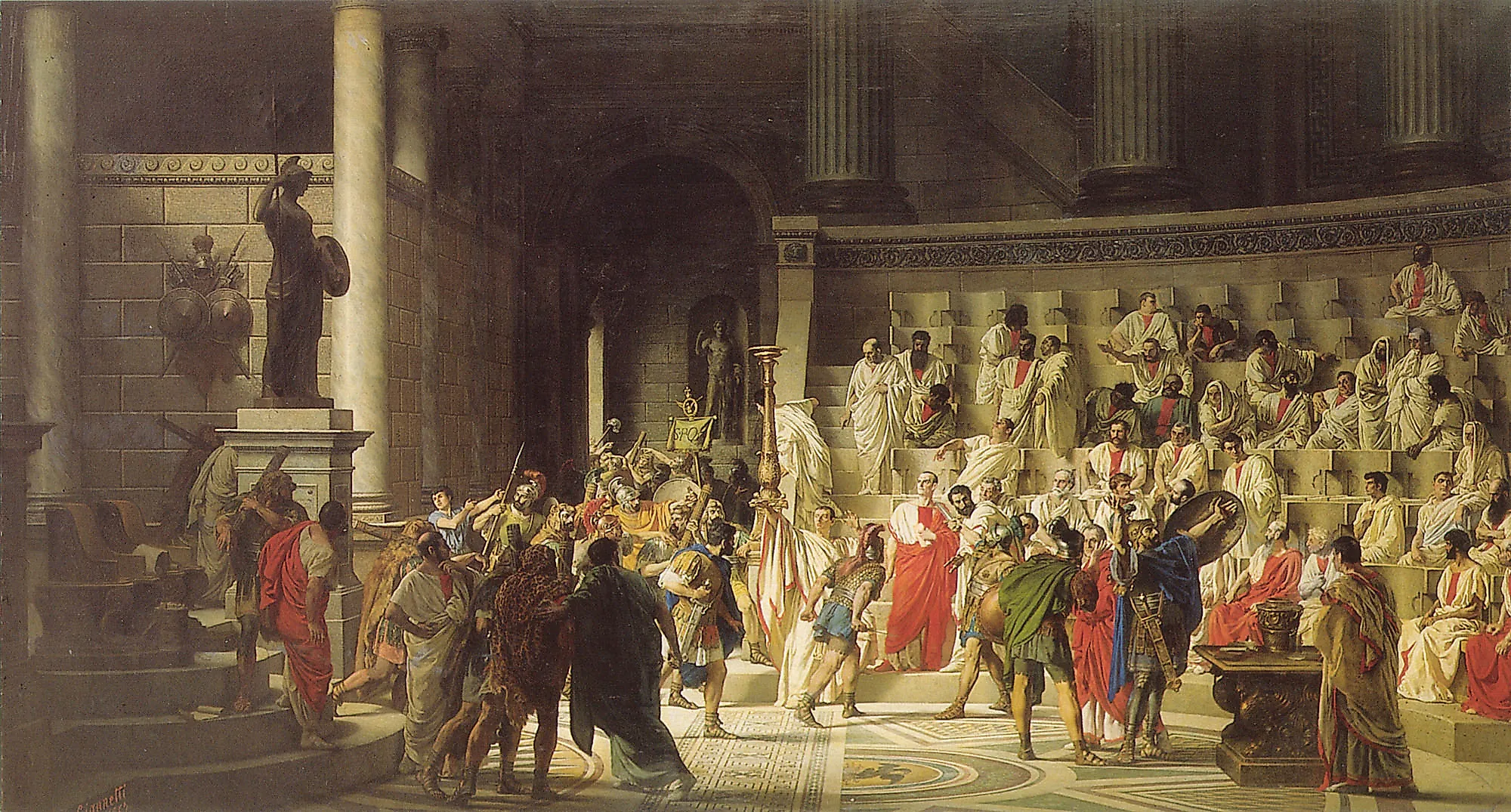
A dictator for life was exactly what a group of senators had spent their careers trying to prevent. In March 44 BCE, a conspiracy led by Brutus and Cassius assassinated Caesar on the floor of the Senate. They had no plan for what came next. Caesar's allies (his teenage heir Octavian, his second-in-command Mark Antony, and the cavalry commander Lepidus) formed the Second Triumvirate, hunted down the conspirators, and split the Roman world among themselves.

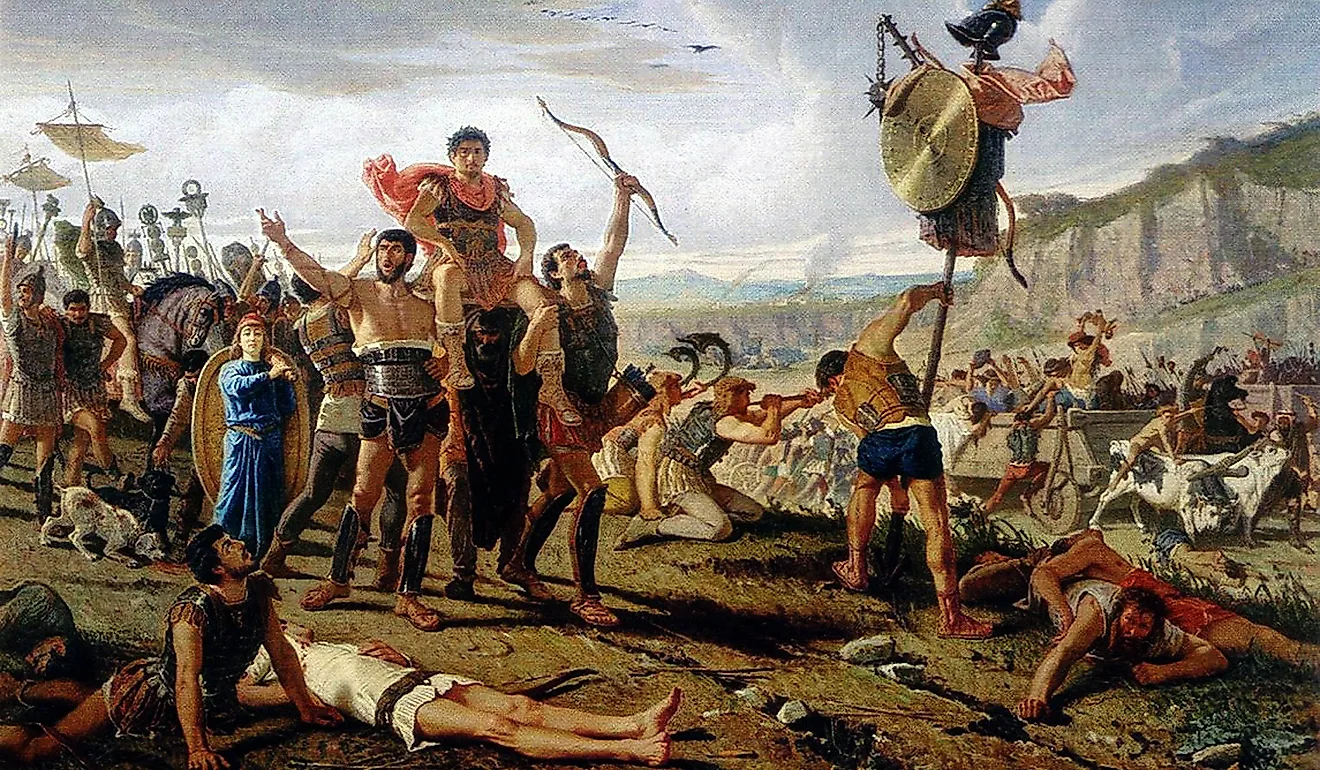
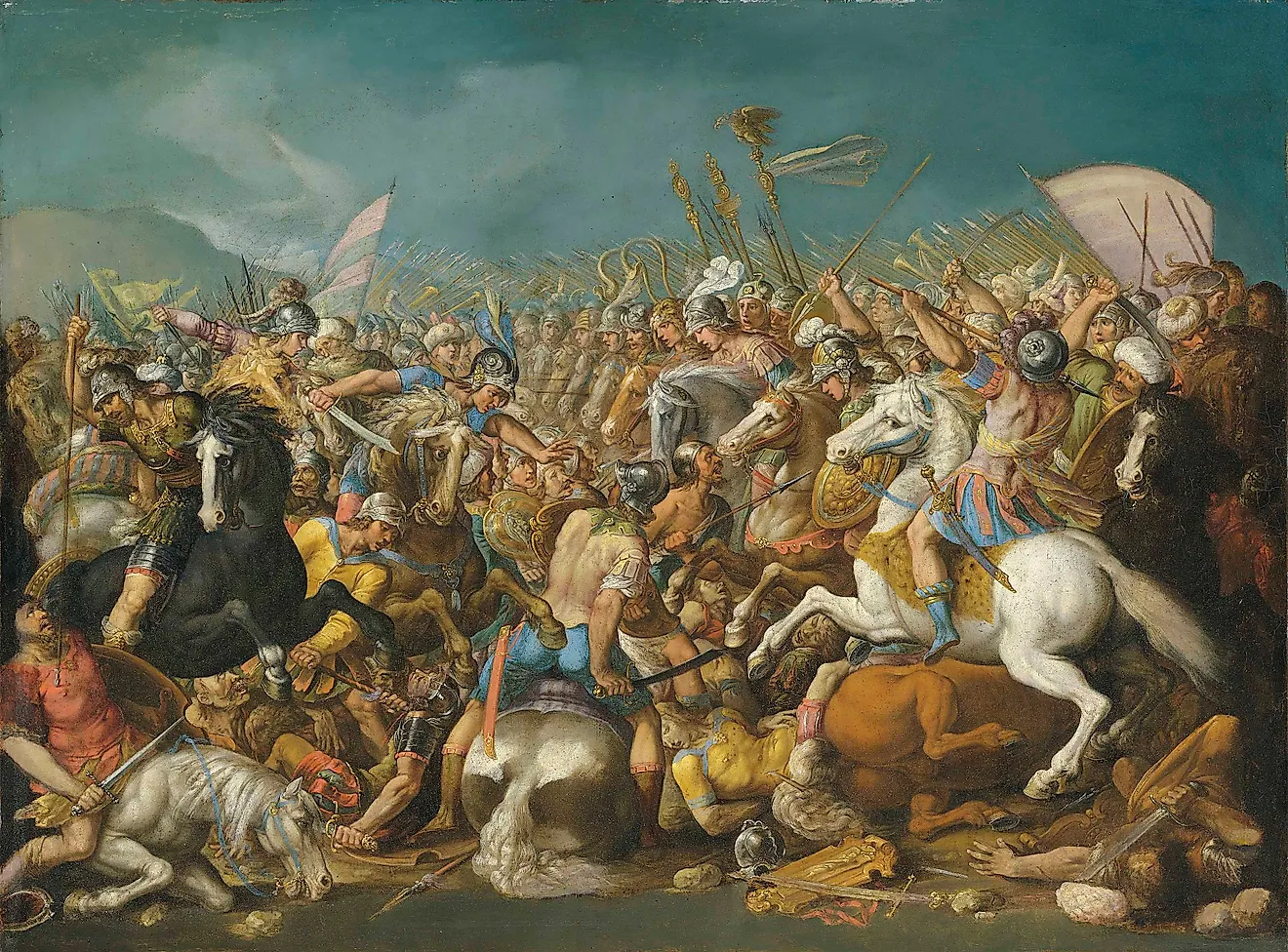
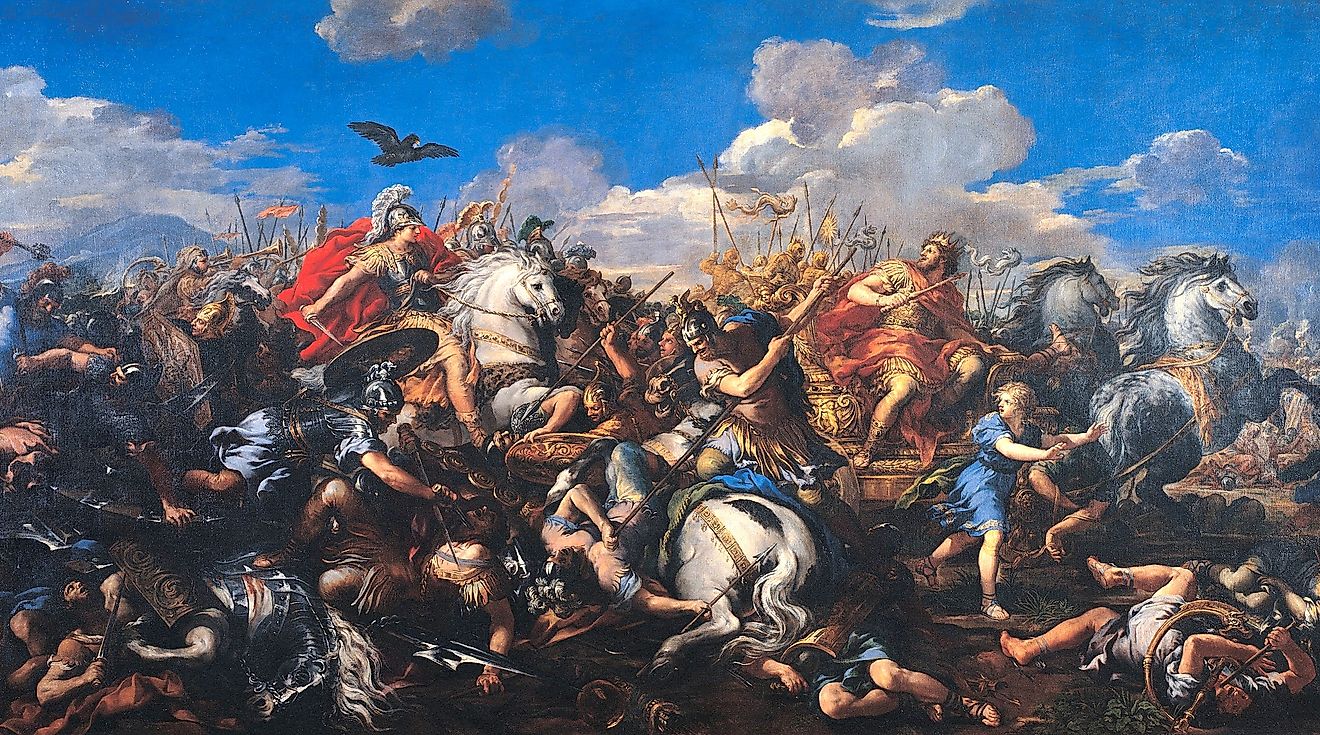
Brutus and Cassius were beaten at the Battle of Philippi in 42 BCE, but defeating the assassins did not solve the underlying problem. Octavian held the western provinces. Antony took the east and based himself in Egypt with his ally and lover, Cleopatra. The arrangement could not last. The two went to war, and Octavian destroyed Antony's fleet at the Battle of Actium in 31 BCE. Antony and Cleopatra fled back to Egypt and killed themselves the following year. Octavian was the last man standing. He took the name Augustus, accepted a series of titles that made him emperor in everything but name, and the Republic was finished. If Caesar's dictatorship was the moment the Republic effectively died, Augustus was the moment it was officially buried.
Why the Republic Could Not Survive

The Republic did not collapse for a single reason. It was built to run a city and ended up running an empire, with no professional administration to manage the territory it had taken. Marius's military reforms turned soldiers into the personal followers of whichever general had recruited them, which gave ambitious commanders a private power base the Senate could not match. Once one general (Sulla) showed that an army could be marched on Rome, others followed: Caesar, then the men who fought over what he left behind. By the time the last civil war ended at Actium, there was no functioning Republic to restore. The system that had governed Rome for five centuries was replaced by an emperor.