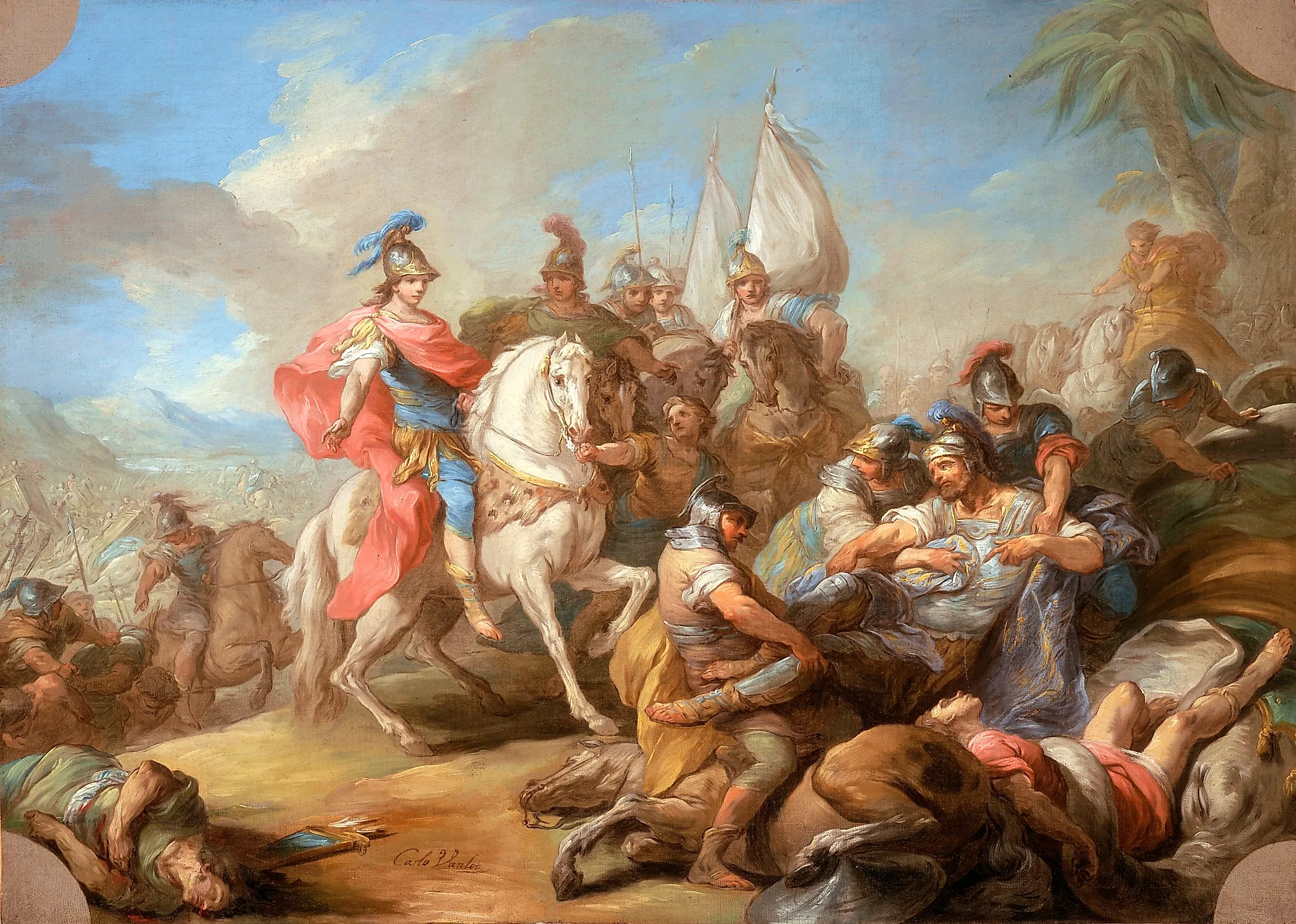
Who Were The Most Influential Ancient Generals?
The ancient world contained some of the most iconic generals in history. Even today, we remember people like Alexander the Great and Julius Caesar. On top of their seemingly mythic status, many had a practical influence through their military accomplishments and political endeavors. Exploring these figures in more detail helps us understand the full breadth of their importance.
Epaminondas (419 or 411 to 362 BCE)

Epaminondas was a Theban general who rose to prominence when Sparta dominated Greece. In the aftermath of the Peloponnesian War (431 to 404 BCE), the previous Greek hegemon, Athens, was much weakened, paving the way for Sparta to take power. But with little experience governing a Greek-wide empire, it faced constant problems and threats from other cities, one of which was Thebes.

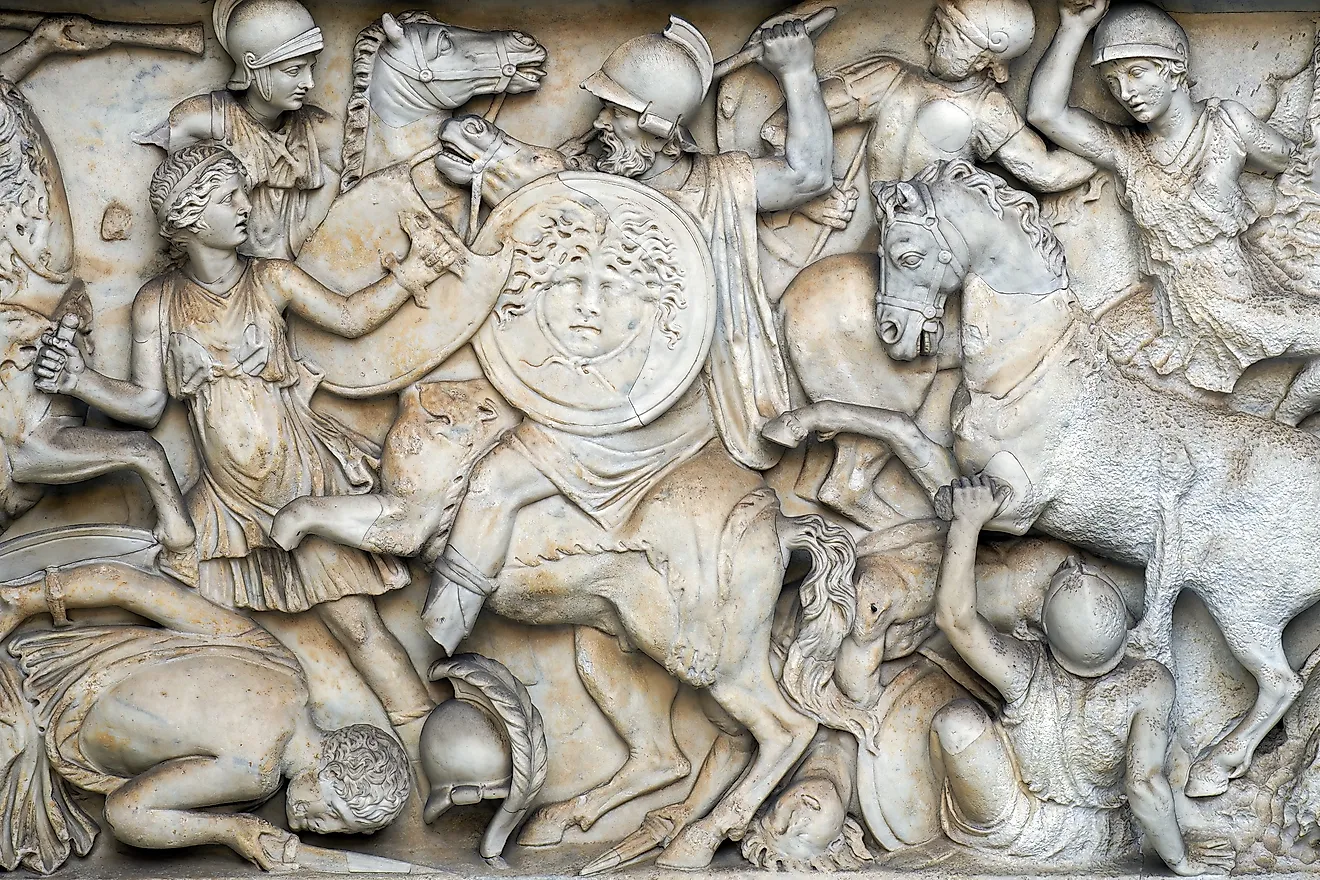
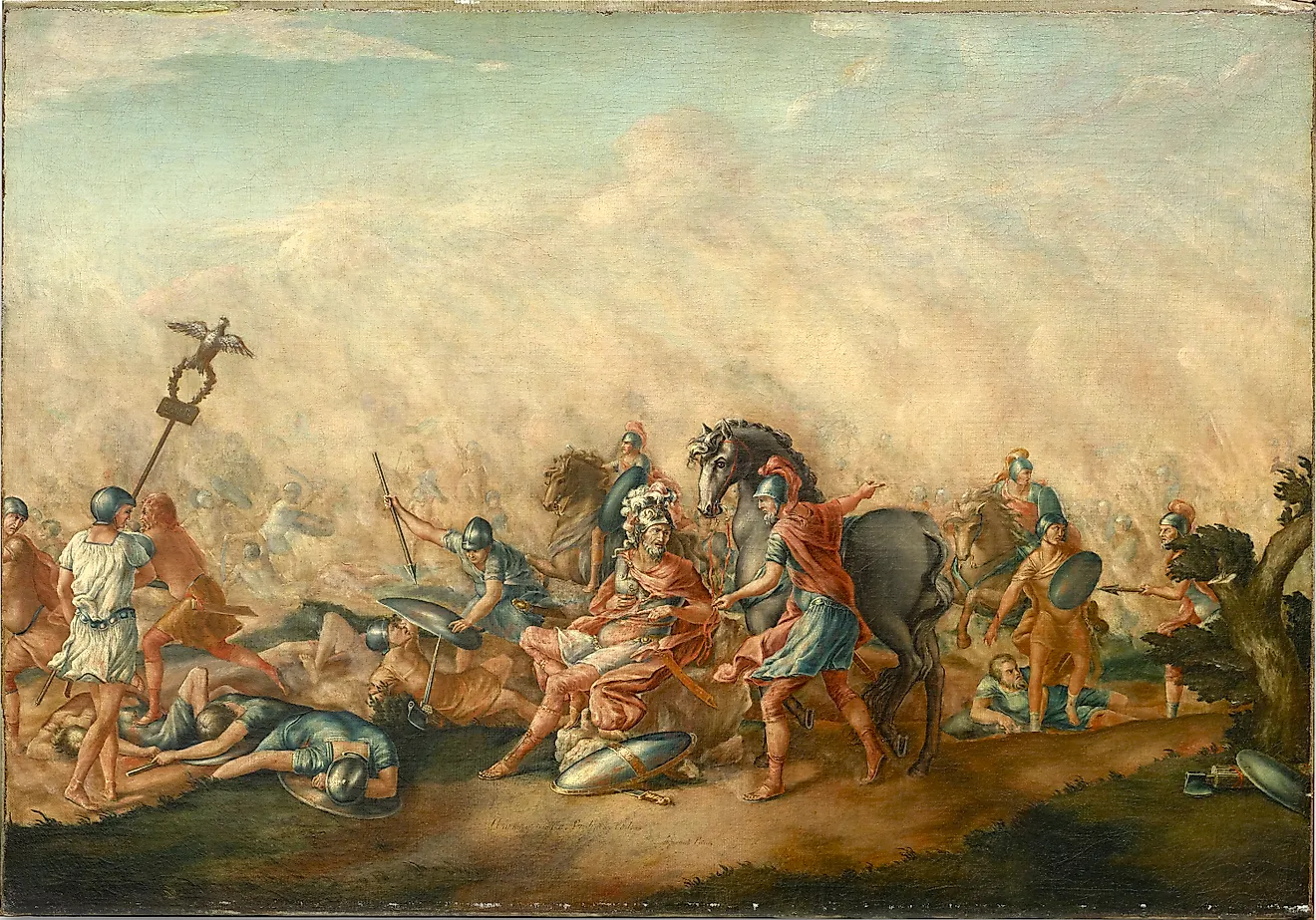
The climactic engagement of the Thebes-Sparta conflict came in the Battle of Leuctra in 371 BCE. Here, Epaminondas established his legendary reputation. For years, Greek warfare had been dominated by the hoplite phalanx system. Armies deployed in lines several ranks deep and pushed against each other. Epaminondas instead created an extremely deep formation on his left wing, where the Spartan king was located. Doing so led to an oblique attack, in which the Thebans smashed through one part of the Spartan defense. When that part collapsed, so did the entire Spartan formation.
The victory at Leuctra led to about ten years of Theban rule over Greece. It also influenced future Greek generals. As a teenager, Philip II, heir to the Macedonian throne, stayed at Thebes as a hostage. He learned from Epaminondas’ tactical approach and used these lessons to reform the Macedonian army. His son, Alexander, further built upon the foundation established by Epaminondas to create one of the largest empires in world history.
Philip II (382 to 336 BCE)

Philip II became king of Macedonia in 359 BCE. He proceeded to transform it from a “backward” and “wild” state on the periphery of the Greek world into the hegemon of the region. Army reforms were the backbone of this strength. Philip II introduced the sarissa, a long spear that made it easy to pin the enemy in place. He utilized it in conjunction with cavalry, creating a hammer and anvil technique whereby the troops holding the sarissa (the anvil) pinned the enemy in place, and the cavalry (the hammer) smashed through them. Philip also created a professional, standing army, contrasting the citizen militias seen across much of the rest of Greece.

All these factors, combined with Epaminondas’ aforementioned oblique attack, culminated in 338 BCE, when Philip defeated a Theban and Athenian coalition at the Battle of Chaeronea. In the aftermath, he established the League of Corinth, a Macedonian-led federation of Greek city-states. He then set his sights on Persia but was assassinated in 336 BCE before he could begin his full-scale invasion. Regardless, Philip’s influence is difficult to overstate. Without his foundation, his son, Alexander (the Great), wouldn’t have become arguably the most formidable military leader in history. Even though Alexander died in 323 and his empire split apart, Philip’s military system remained in the successor states. This ensured that his influence would be felt for centuries to come.
Alexander The Great (356 to 323 BCE)

Alexander the Great quickly established a legacy separate from his father. After he became king of Macedonia in 336 BCE, he brutally subdued rebellions at home and set his sights on Persia. The invasion began in 334 BCE, and Alexander made rapid progress. The climactic moment came with the Battle of Gaugamela in 331 BCE. Utilizing an Epaminondas-inspired oblique attack, Alexander created a gap in the Persian defense. He then led a cavalry charge directly at King Darius III, forcing him to flee. The Macedonians proceeded to take the Persian capitals within the next year and set their sights further east.

Alexander’s Central Asian campaign was tumultuous. The region had difficult terrain, and he had to contend with guerrilla warfare tactics from its tribes. Nevertheless, after about three years, he eventually emerged victorious and launched an invasion of India. Despite some early success, his exhausted and homesick army refused to go any further, so Alexander was forced to turn back in 326 BCE. He reached Persia in 324 BCE following a deadly march through the Gedrosian Desert. Alexander then died amidst mysterious circumstances the following year.
Almost every future military leader studied Alexander’s techniques. Carthaginian general Hannibal Barca is perhaps the clearest example, as he used mobility, surprise, and overwhelming force to nearly conquer Italy. More generally, Alexander influenced military imagination, particularly in Rome. Julius Caesar lamented that he had accomplished considerably less than Alexander had by the same age, and Pompey took the title “the Great” to deliberately draw comparisons between himself and the Macedonian king.
Julius Caesar (100 to 44 BCE)

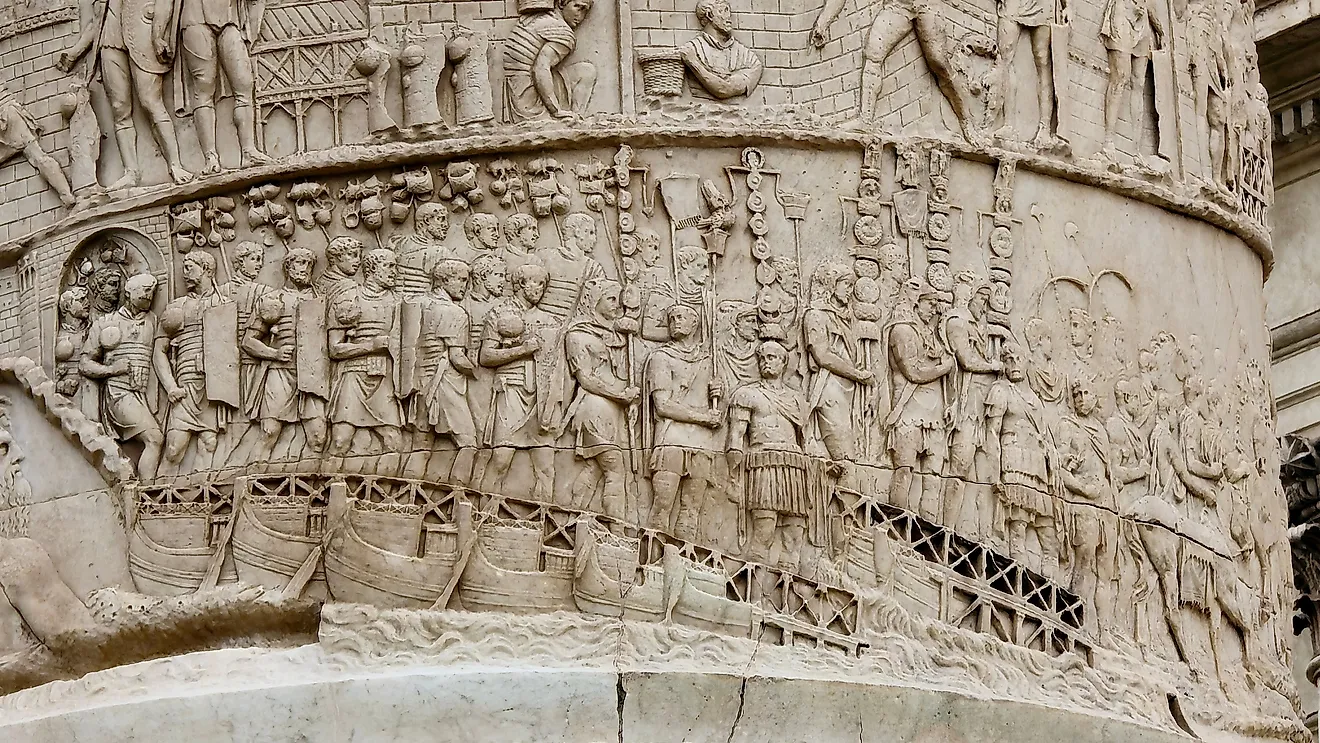
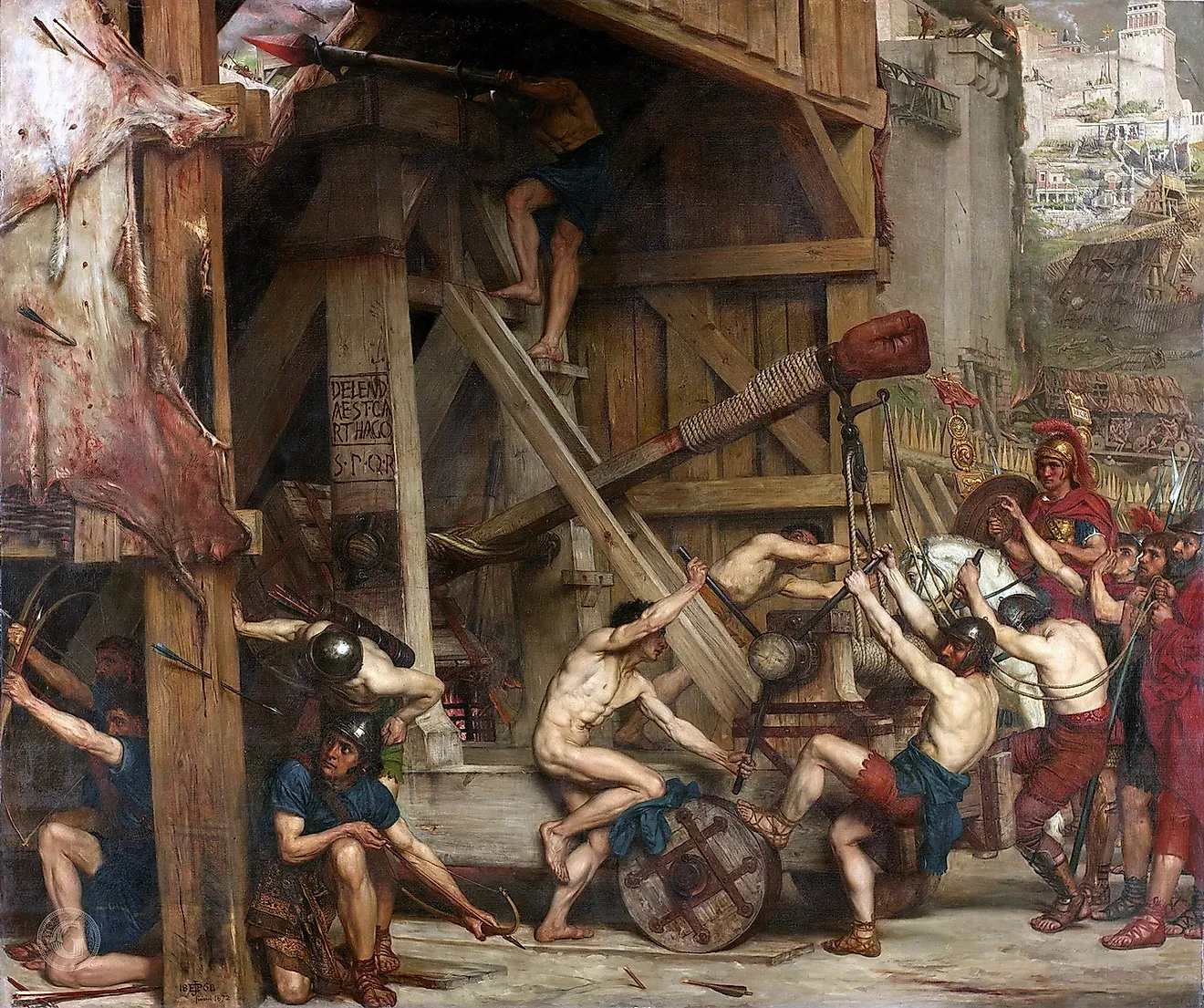
Julius Caesar was arguably the most important figure in Roman history. A member of the First Triumvirate, he helped destroy Republican political norms and establish the foundation for Rome’s transition to an empire. On the battlefield, his use of engineering, particularly during his Gallic Campaign (58 to 50 BCE), was also profoundly influential. Consider the Siege of Alesia (52 BCE). While besieging Vercingetorix's army, Caesar had to contend with a Gallic relief force coming up behind him. He therefore constructed a massive outer wall to protect his troops.

The strategy worked perfectly. The relief force was unable to break through, and Vercingetorix surrendered. This technique, paired with many others, became a major component of Roman military education and culture. Caesar’s influence extended beyond the ancient world, with generals like Frederick the Great and Napoleon Bonaparte partially basing their military campaigns on his example.
Impact And Legacy
The most influential generals of the ancient world learned from each other. Epaminondas’ oblique attack formed the foundation of Philip II’s military reforms. Alexander the Great then built on what Philip started and created an empire that stretched from the Balkans to India. Finally, Julius Caesar was famously insecure about his own military accomplishments in comparison to Alexander. This insecurity likely served as motivation for his Gallic Campaign, during which he established military techniques that influenced even more generals.