Why Was The Nile So Important To Ancient Egypt?
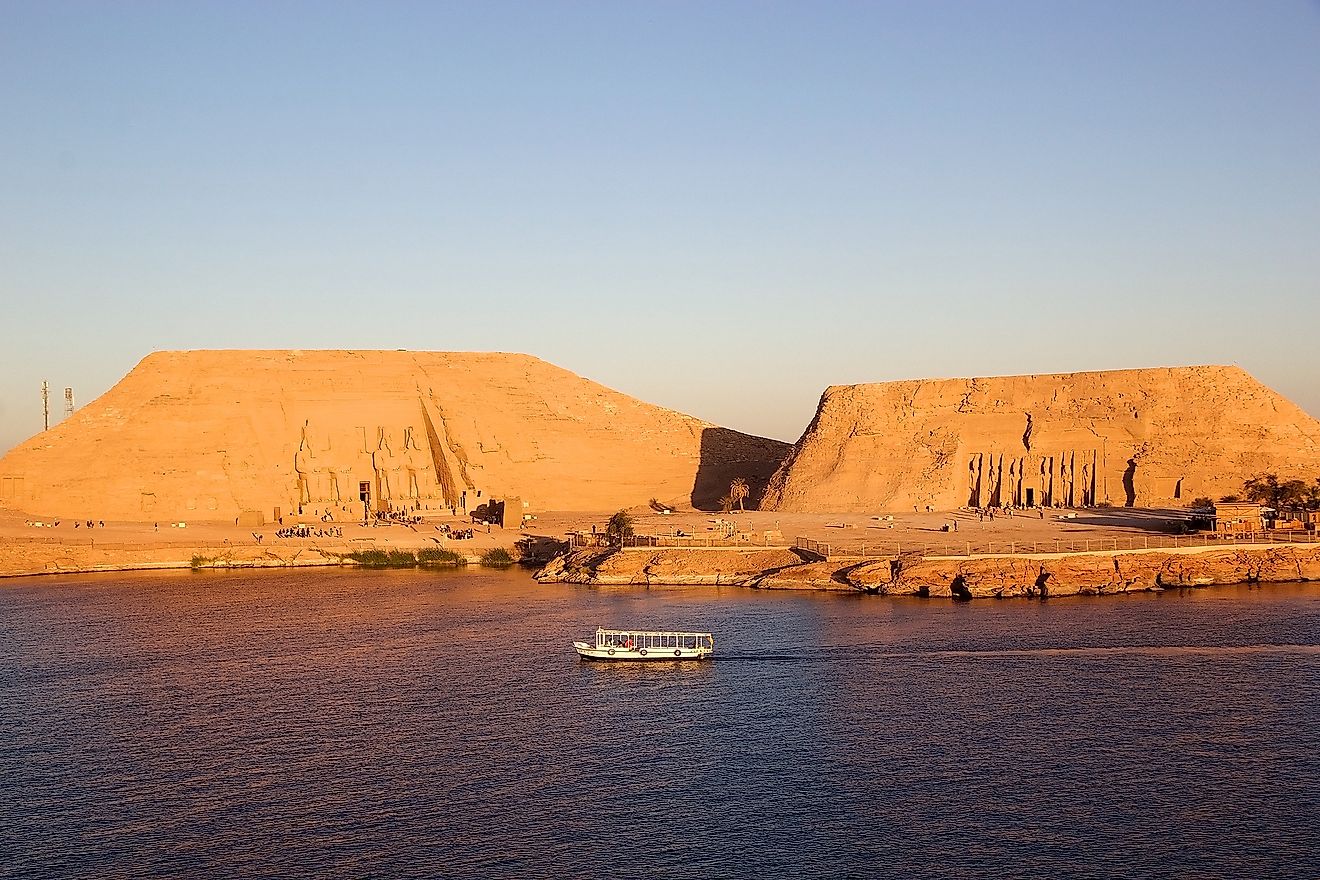
The Nile River served as the foundation of Ancient Egyptian civilization. As one of, if not the, longest rivers in the world, it helped unify a previously divided state. It also facilitated transportation, making massive projects like pyramids possible. Perhaps most crucially, it made agriculture viable and ensured that there were massive food surpluses. This prosperity had numerous positive side effects, including political stability and cultural development.
It Helped Unify The Egyptian State

During much of the fourth millennium BCE, Egypt was divided between the confusingly named Upper Egypt in the south and Lower Egypt in the north. Both states had their own political systems, cultures, and diplomatic relations. However, they had one thing linking them: the Nile. Flowing northward, the river allowed people from the two countries to trade and form relations. Eventually, they became economically interlinked and dependent on each other.

When Narmer united the Egypts around 3,100 BCE, we don’t know exactly how he did it. It could have been through military conquest, diplomatic endeavors, or a combination of both. Regardless, we do know that he established Memphis as the capital of the new state. Situated near the apex of the Nile Delta, its location demonstrated that Narmer understood the river’s importance.
It Made Agriculture Possible

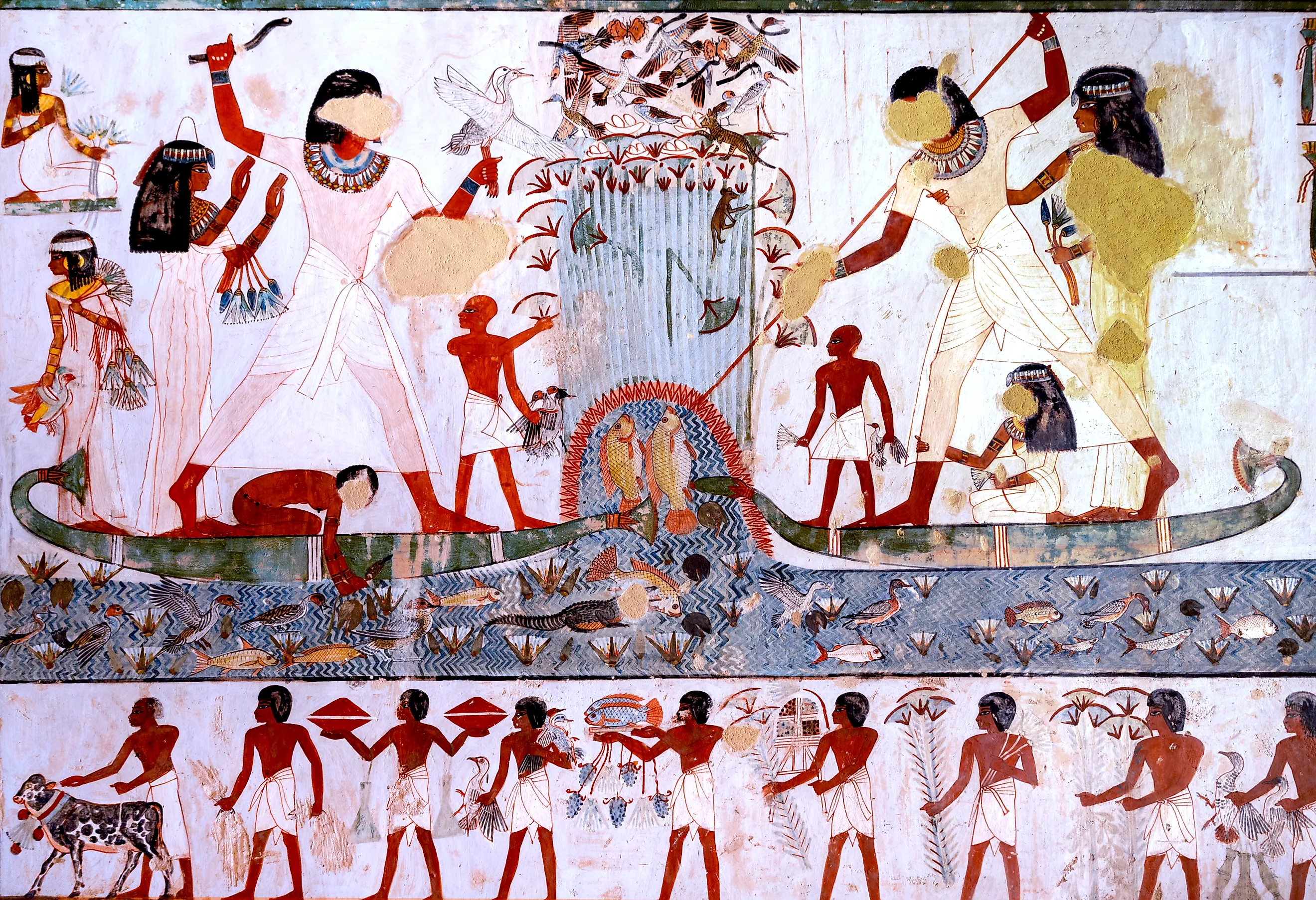
Most of Egypt receives very little rainfall. This is where the Nile served its most important function. By flooding annually, it created exceptionally fertile farmland on the riverbanks. The three agricultural seasons were as follows. First, Akhet, or the inundation, saw the Nile flood and cover the nearby land with water and fertile silt. Second, Peret, or the emergence, saw the water recede, and the farmers planted their crops. Finally, Shemu, or the harvest, saw the farmers harvest their crops before the hottest part of the year.

The Nile allowed Egyptians to grow grain, barley, flax, vegetables, fruit, and papyrus. Its flooding also occurred predictably, ensuring that farmers could plan their harvest and garner a predictable yield. In turn, Ancient Egypt generally had a food surplus. This helped it endure hardships like invasion, drought, or famine. It also facilitated population growth and allowed people to focus on more high-minded, cultural pursuits, since they weren’t constantly worried about survival.
It Was Crucial For Transport

As alluded to in a previous section, the Nile essentially functioned as a highway from southern to northern Egypt. This helped people move quickly from place to place. More importantly, it allowed for the transportation of materials. Without the Nile, it would have been basically impossible to build the pyramids. The Great Pyramid of Giza contained roughly 2.3 million stone blocks. Moving this quantity over land would have taken far more time than was practical. Egyptians therefore quarried the stone elsewhere, loaded it onto boats, and transported it up the river. The annual flooding also allowed boats to get much closer to the construction sites during particular seasons, making construction even easier. Finally, the aforementioned food surpluses kept the builders well fed. Contrary to popular belief, the pyramids were built by paid workers, rather than slaves. Feeding them well was essential for good morale and swift progress.
It Strengthened The State And Maintained Political Stability

The Nile gave the Ancient Egyptian government several administrative and political advantages. Food surpluses ensured that the population was well-fed, even in times of crisis. Prosperous people not constantly worried about survival were less likely to revolt. The abundance of resources also gave the government something to tax. Grain was thus collected and stored in granaries, where it was redistributed to government officials, soldiers, and workers. Egypt’s unusual geography made collecting these taxes easy. Since it was mostly desert, the majority of people lived along the river. Government officials therefore only had to focus their attention on a small section of the country, which they could easily traverse.
Finally, the Nile helped with defense. Any invading force needed to travel across hundreds of miles of desert before it reached Egypt’s power centers, and they were often forced to turn back. If invaders did reach the Nile, they were frequently decimated. The Egyptians had ample time to prepare and could focus their defensive efforts around a small section of the country.
It Connected Egypt With Other States

Just as it enabled the transportation of materials within Egypt, the Nile facilitated trade with other states. In the south, traders had access to goods from Nubia (modern-day Sudan) like gold, ivory, ebony, and precious stones. Gold was particularly important to Egyptian pharaohs, since they used it as displays of extravagance to legitimize their rule. In the north, the Nile Delta opened up into the Mediterranean. This gave Egypt access to goods from a wide variety of societies, including the Levant, Cyprus, Greece, and Anatolia. One particularly important resource was wood. While Egypt had an abundance of stone and agricultural products, it had few trees large enough for major construction projects. It therefore imported wood from the eastern Mediterranean, in particular places like Lebanon, and brought it into the country via the Nile Delta.
Impact And Legacy
Without the Nile River, Ancient Egyptian civilization likely wouldn’t have existed. It helped unify the state by linking Upper and Lower Egypt economically and diplomatically. By flooding annually, it ensured that farmers could plan their harvests, resulting in food surpluses. This allowed everyday Egyptians to withstand hardships and helped the government maintain political stability. Since most Egyptians lived along the Nile, the government could easily monitor them and collect taxes. Finally, the Nile made trade with other states in places like Nubia and the Levant possible. In short, the Nile River formed the political, economic, and cultural backbone of Ancient Egypt.