How Roman Generals Dominated Their Opponents
Rome lost entire armies and still came back to destroy the forces that beat them. When they did win, commanders such as Julius Caesar, Scipio Africanus, and Fabius Maximus consistently chose when to fight, used engineering and logistics to reshape the battlefield, adapted to unfamiliar enemies, and exploiting fear and morale. The ability to patiently and purposefully alter the conditions of a war until they favored Rome was a true specialty of Roman tacticians.
They Bided Their Time

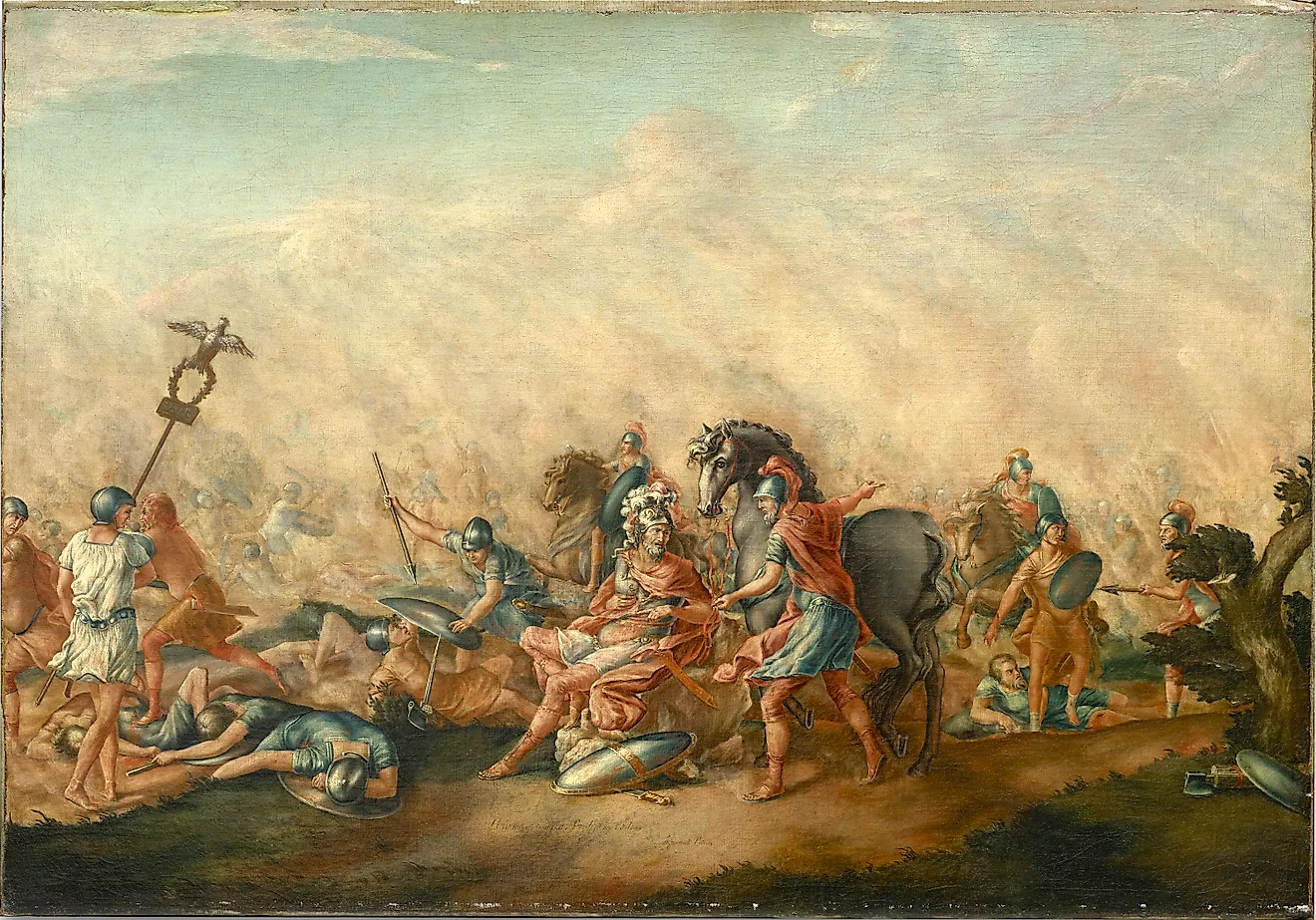
Perhaps counterintuitively, Roman generals sometimes dominated their opponents by biding their time. The clearest example occurred during the Second Punic War (218 to 201 BCE). After Carthaginian general Hannibal Barca marched over the Alps and invaded Italy from the north, the Romans were in disarray. Unprepared for Hannibal’s tactics, they lost battle after battle, culminating in the disastrous Battle of Cannae in 216 BCE. Ancient accounts differ on the exact losses, but perhaps 50,000 to 70,000 Romans and their allies were killed from an army numbering roughly 80,000 or more.
Dictator and general Quintus Fabius Maximus Verrucosus knew something needed to change. He realized that the Romans could not reliably beat Hannibal in open combat, at least not yet. Therefore, he pursued an approach that emphasized avoiding major battles, shadowing Hannibal’s army, disrupting his ability to gather supplies, and preserving Roman strength. The appropriately named Fabian Strategy helped Rome avoid another catastrophe while forcing Hannibal to continue campaigning in hostile territory without destroying Rome’s ability to raise new armies.
Fabius did not defeat Hannibal himself, and Rome still faced years of hard fighting. However, his strategy demonstrated that the Romans did not need to accept battle simply because an enemy offered it. Eventually, Roman forces recovered, regained territory, and took the war to Carthaginian lands. Scipio Africanus invaded North Africa in 204 BCE, forcing Hannibal to return from Italy. At the Battle of Zama in 202 BCE, Scipio decisively defeated him, effectively settling the war in Rome’s favor. The Second Punic War thus demonstrated how Roman commanders could use patience as a military weapon.
Superior Logistics

Roman armies were not formidable just because of their fighting ability. They were also excellent builders, and the best generals exploited this strength. Consider the Siege of Alesia in 52 BCE. The climactic engagement of Caesar’s Gallic campaign saw the Romans besiege the Gallic leader Vercingetorix at the hilltop stronghold of Alesia. Caesar began by constructing a ring of fortifications around Alesia to prevent the defenders from escaping and supplies or reinforcements from reaching them.
However, he soon faced another problem. A large Gallic relief force was approaching from outside. Caesar’s troops therefore built a second defensive line facing outward, effectively trapping themselves between two enemy armies. The Roman defenses included trenches, pits, stakes, towers, and fortified camps. When the relief army attacked, Roman troops defended both sides of their enormous fortification system. The relief force was eventually driven off, leaving Vercingetorix without realistic hope of rescue. He surrendered shortly afterward.
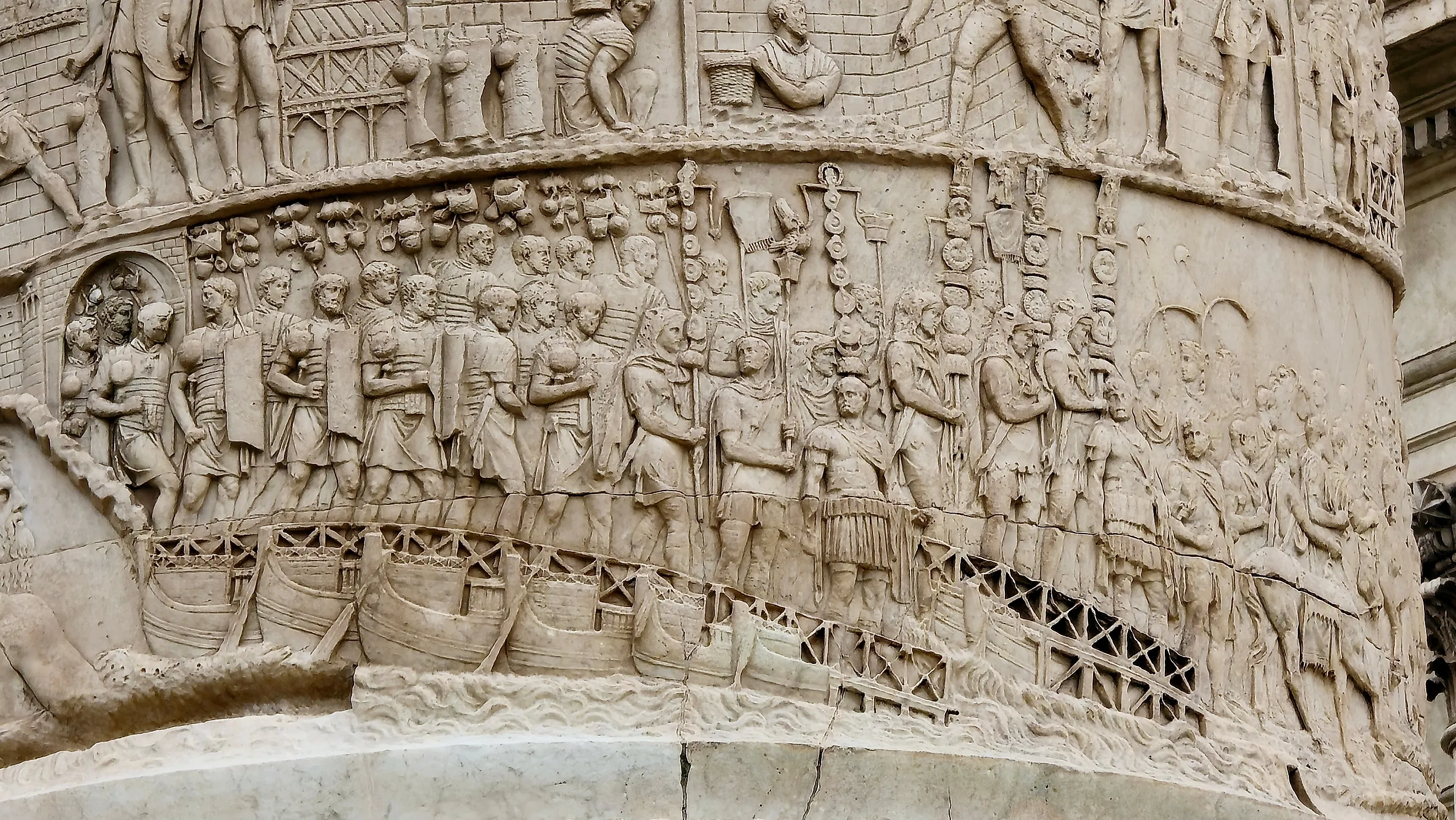
Logistics made feats like Alesia possible. Roman armies could construct fortified marching camps, organize large supply trains, and use roads and waterways to move troops and provisions. Caesar’s campaign across the Rhine River in 55 BCE provides another dramatic example. Faced with threats from Germanic groups across the river, Caesar decided to cross the Rhine. Rather than transport his army in boats, he ordered his soldiers to build a timber bridge across the river.
According to Caesar, the bridge was completed within ten days of beginning to gather the timber. His army then crossed into Germanic territory, where Roman forces burned settlements and crops belonging to hostile groups. After spending a total of 18 days beyond the Rhine, Caesar returned to Gaul and dismantled the bridge. The expedition achieved limited permanent territorial gains, but it demonstrated something important: geographical barriers that might protect Rome’s enemies could sometimes be overcome through organization, manpower, and engineering.
They Were Flexible

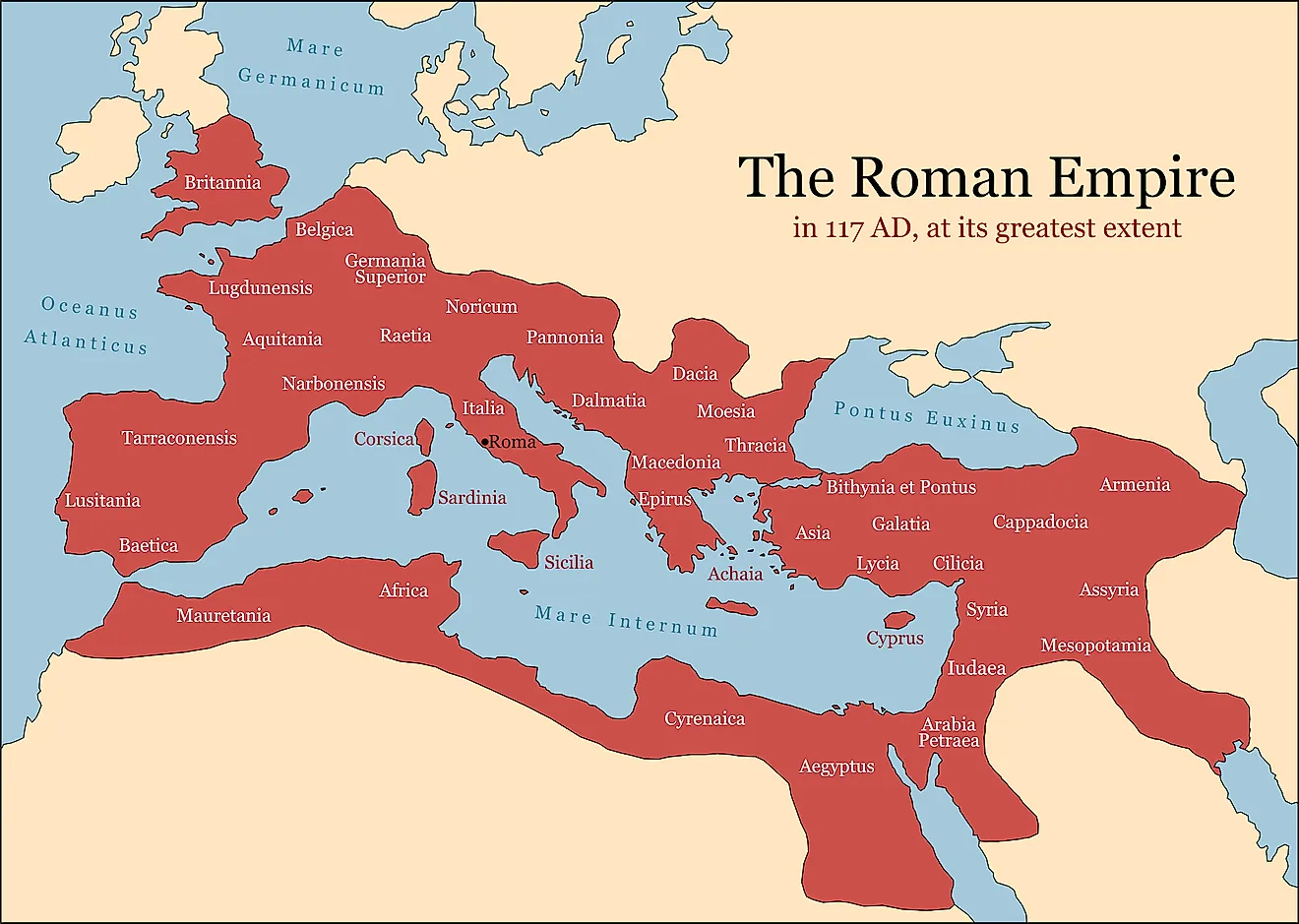
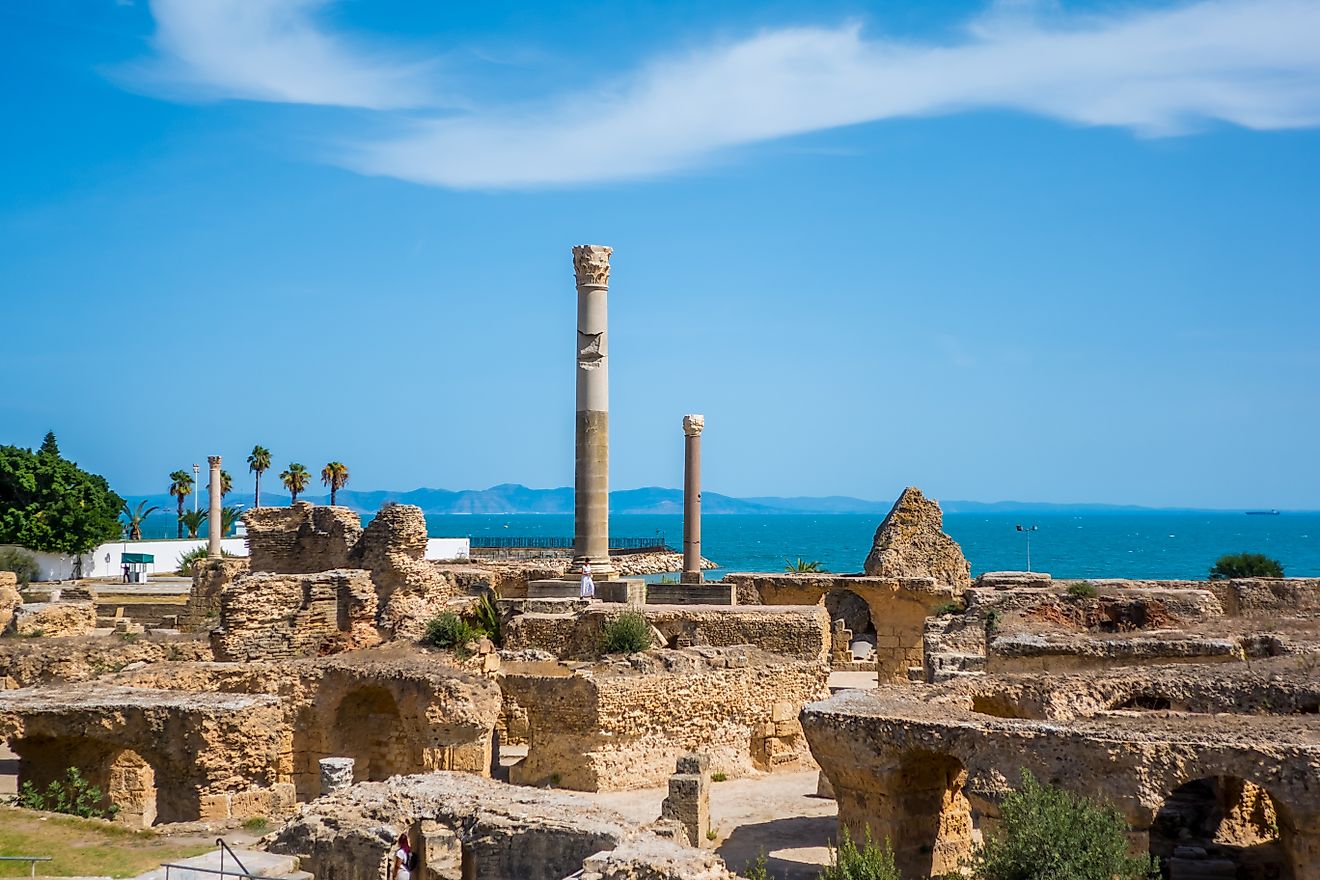
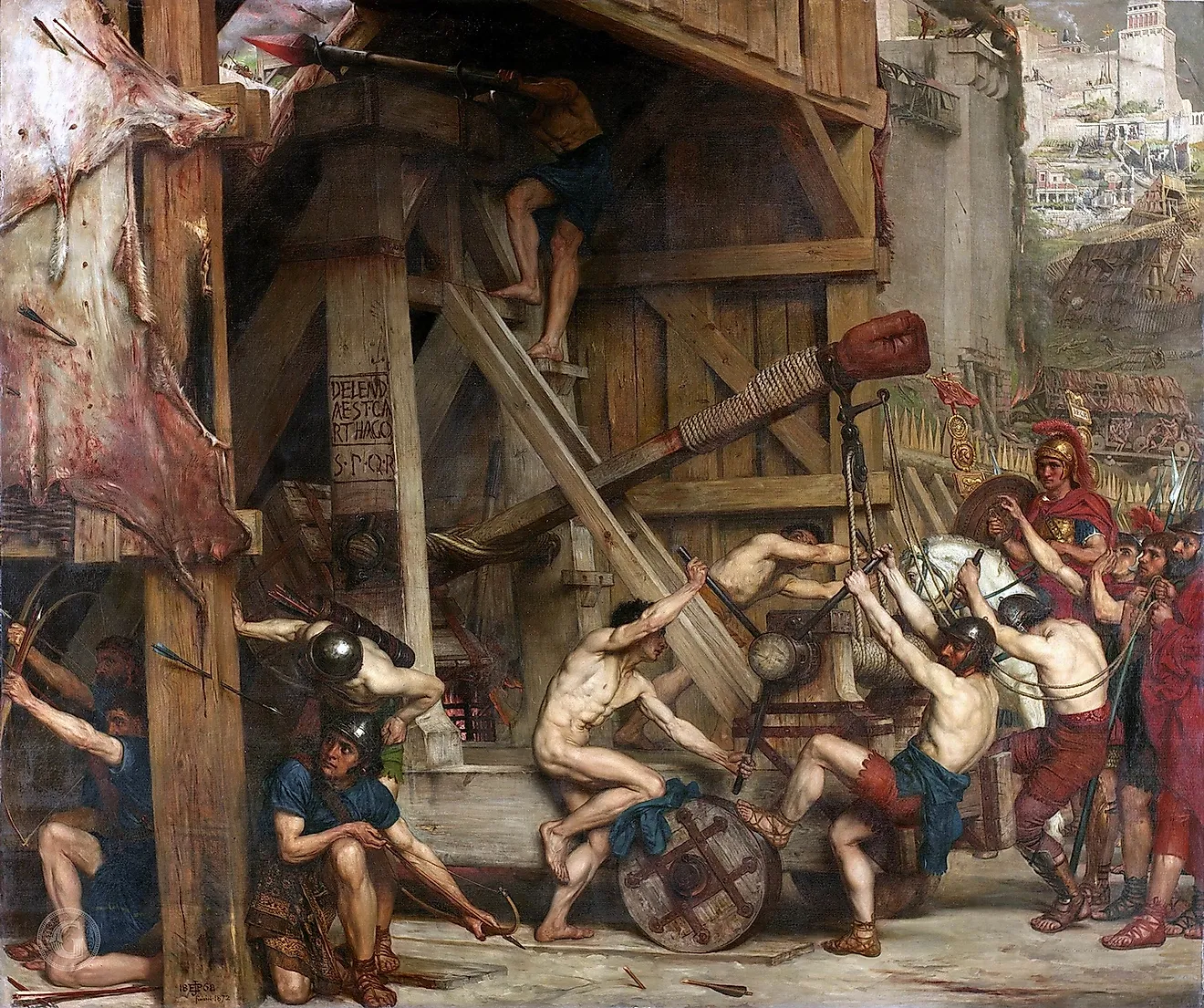
The best Roman generals also adapted to the enemy and battlefield rather than relying on one method of fighting. Consider the Punic Wars. In the First Punic War (264 to 241 BCE), the Roman Republic, traditionally strongest on land, built up a large navy to contend with Carthage at sea. As previously mentioned, the Second Punic War saw commanders like Fabius use delaying and attritional tactics when direct battle favored Hannibal. The Third Punic War (149 to 146 BCE) was characterized largely by siege warfare, as the Romans, ultimately under the leadership of Scipio Aemilianus, captured and destroyed Carthage.
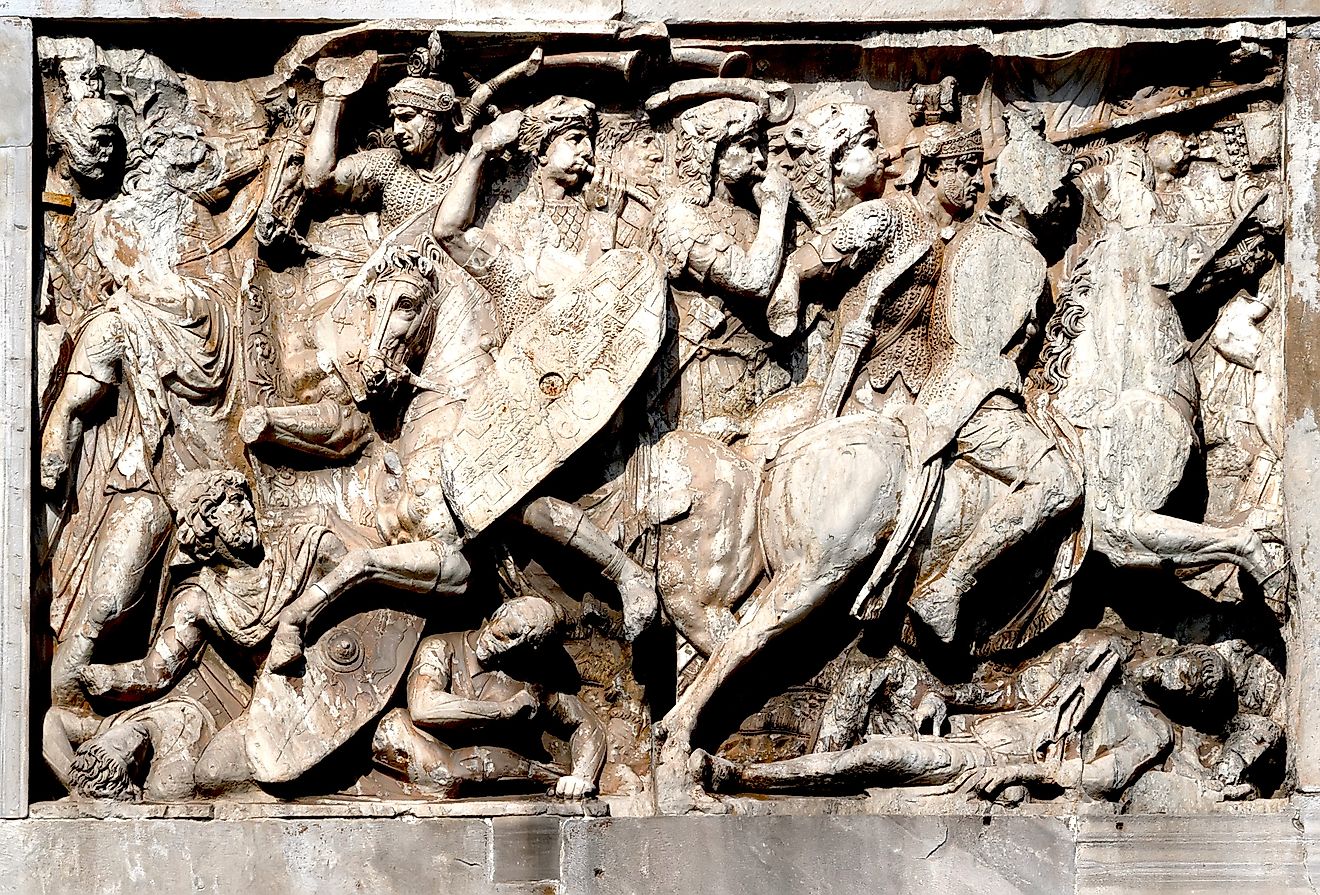
Tactical flexibility was not limited to the Punic Wars. Different opponents presented very different problems. Germanic armies could make forests, marshes, and broken terrain dangerous for Roman formations, encouraging commanders to rely heavily on fortified camps, reconnaissance, and controlled engagements where possible. In the east, Parthian and later Sasanian armies employed large numbers of cavalry and horse archers, forcing the Romans to contend with highly mobile enemies who could attack from a distance.
The Macedonian phalanx presented another challenge. Its mass of long pikes could be extremely difficult to approach head-on when the formation remained intact. However, the phalanx was less effective when rough terrain disrupted its tightly packed ranks. Roman commanders could exploit the resulting gaps with their more flexible infantry units. Rome did not always adapt successfully, as major defeats throughout its history demonstrate. But its ability to alter tactics, recruit new types of troops, and learn from previous failures gave its best commanders a major advantage.
They Used Psychology

Roman generals understood that warfare was not limited to the battlefield. Psychology could also be used to weaken opponents. Caesar was particularly skilled at exploiting political divisions. He knew that the Gauls were divided among numerous peoples with different rivalries and interests. Caesar formed alliances with some groups, fought others, and repeatedly used existing divisions to prevent his enemies from easily presenting a united front. Only later, under Vercingetorix, did a large coalition mount a serious coordinated resistance.
Fear could also serve Roman goals. Caesar’s campaigns included mass killings, enslavements, destruction of settlements, and harsh punishment of groups that resisted him. Such violence had practical military purposes, but it could also send a message to neighboring peoples about the consequences of continued resistance. At other times, Roman commanders deliberately showed mercy to defeated enemies, making surrender appear preferable to continued fighting. Fear and clemency could therefore serve the same purpose when used strategically.
Psychology also mattered within the Roman army. One clear example followed the Battle of the Teutoburg Forest in 9 CE. Three Roman legions under Publius Quinctilius Varus were destroyed after being ambushed by Germanic forces led by Arminius. Beginning several years later, Germanicus led major campaigns east of the Rhine. These expeditions sought revenge for the Varus disaster, recovered some of the lost legionary standards, inflicted defeats on Germanic forces, and helped restore Roman prestige after one of the empire’s most humiliating military disasters. Germanicus did not permanently reconquer Germania, and Emperor Tiberius eventually recalled him. Nevertheless, the campaigns demonstrated how Roman commanders understood the symbolic side of warfare. Recovering an eagle lost with a destroyed legion or marching an army back onto the site of an earlier defeat could matter beyond its immediate military value.
Impact And Legacy
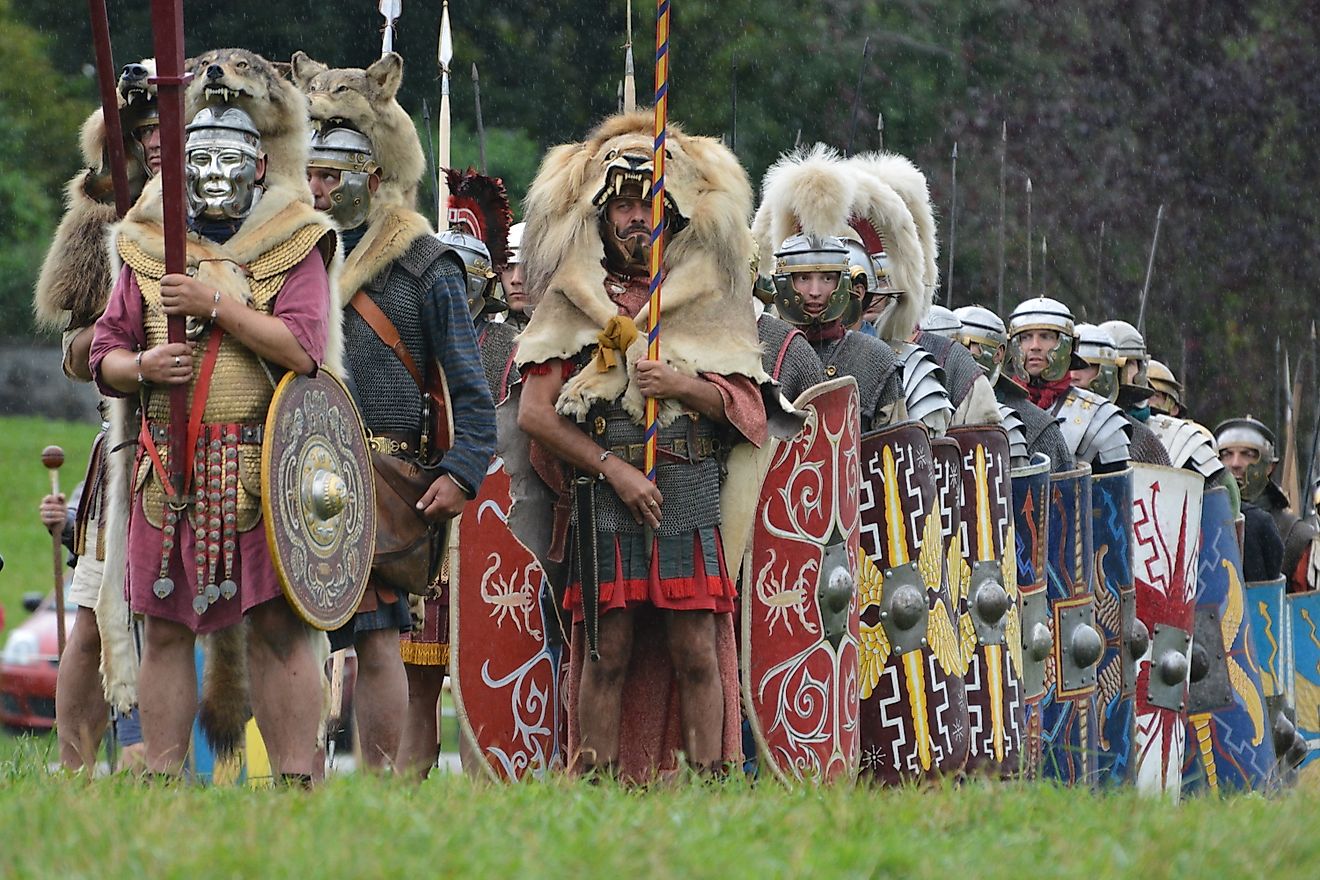
Roman generals dominated their opponents through more than superior battlefield tactics. Biding their time allowed them to survive periods when an enemy held the advantage. Engineering and logistics let Roman armies cross rivers, build fortifications, maintain sieges, and operate far from home. Flexibility helped commanders deal with everything from Carthaginian fleets to Macedonian phalanxes and Parthian cavalry. Psychology could intimidate enemies while rebuilding confidence among Roman troops.
None of these advantages made Roman armies unbeatable. Rome suffered enormous defeats at places such as Cannae, Carrhae, and the Teutoburg Forest. What distinguished many of its greatest generals was their ability to respond to such setbacks. Instead of relying on one formula for victory, they changed their methods according to the opponent, terrain, and circumstances. That adaptability, combined with Rome’s extraordinary capacity for organization, helps explain why its armies remained formidable for centuries.