Battles That Destroyed Entire Ancient Civilizations
Civilizations rarely fall in a day. Years, decades, or even centuries of problems often cause slow and gradual declines. This doesn't mean that there aren't singular moments we can point to that signified the end of a state. Such moments frequently come in the form of a military engagement. The Achaemenid Persian Empire and Ptolemaic Egypt both number among the ancient civilizations that fought a single battle which precipitated their collapse.
The Battle Of Gaugamela (331 BCE)

The Achaemenid Persian Empire was the historic enemy of Greece. This rivalry was cemented in 499 BCE when western Anatolian Greek cities under Persian control rebelled, with the help of mainland city-states like Athens. While Persia suppressed the rebellion, it vowed revenge on the rest of Greece, leading to the Greco-Persian Wars over the next fifty years. Persia lost the conflict but continued to influence Greek affairs via monetary aid, political scheming, and general obstruction.
In the 300s BCE, Persia experienced money problems and political instability. This happened at the same time that a major power was rising in Greece. Philip II became King of Macedonia in 359 BCE. He reformed the military and united Greece under Macedonian rule. Philip also planned to attack Persia, only to be assassinated on the eve of his planned invasion in 336 BCE.

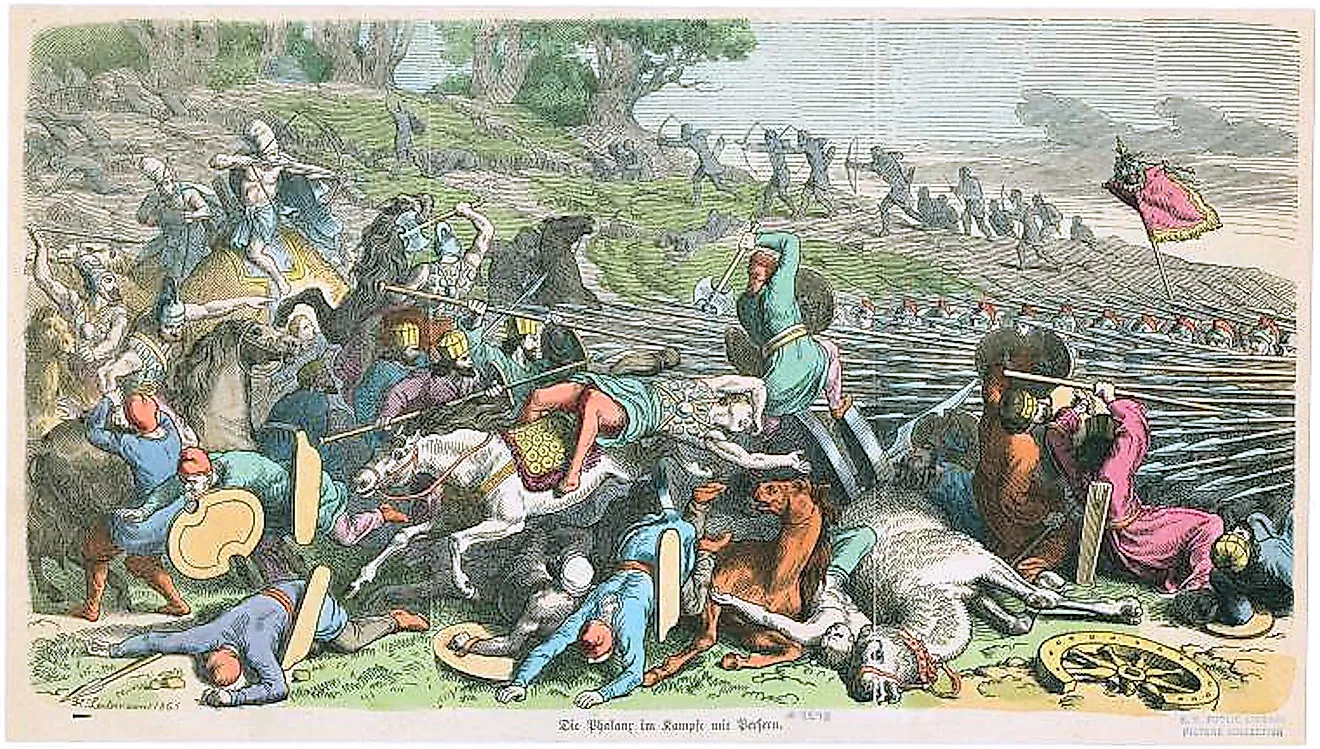
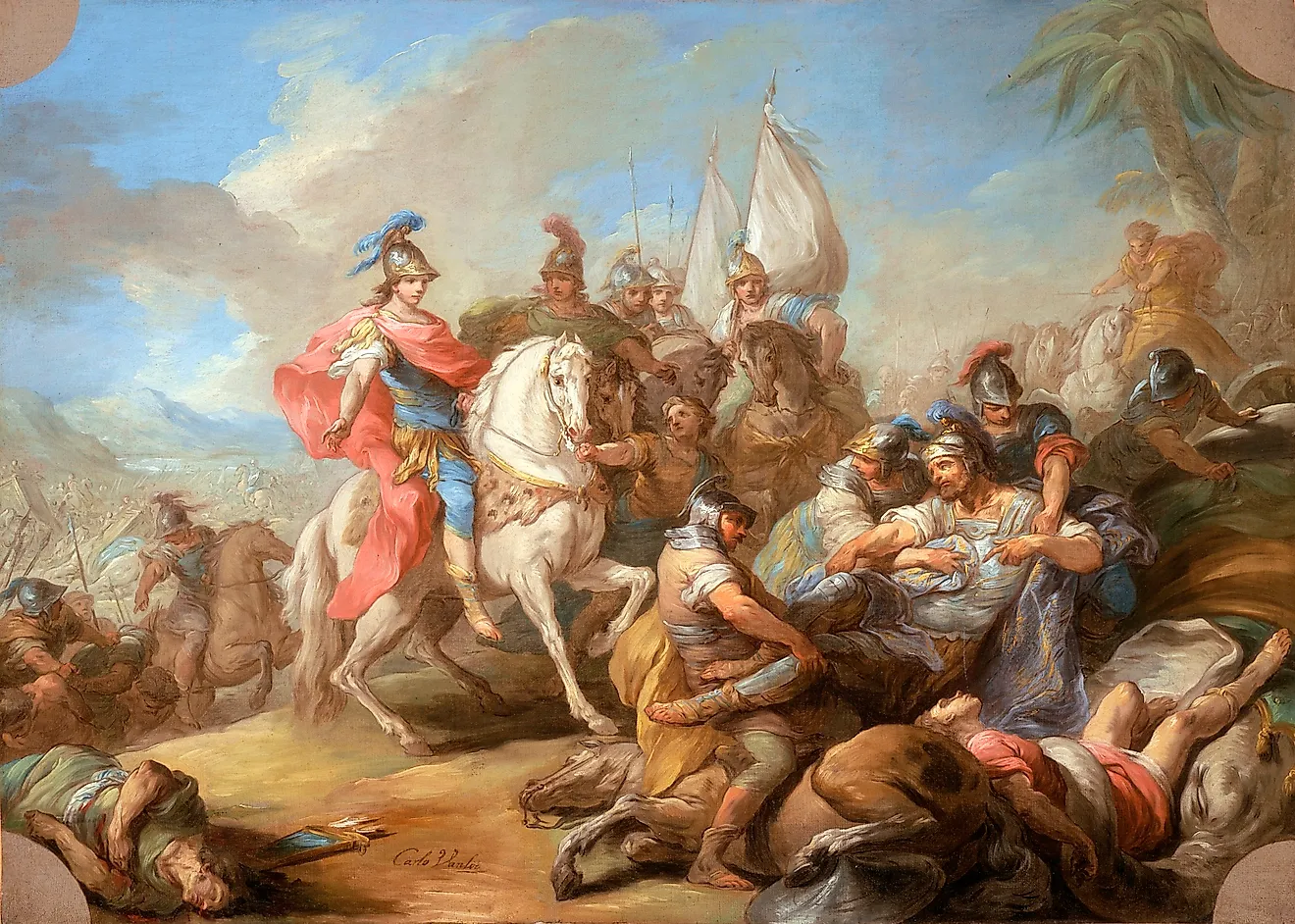
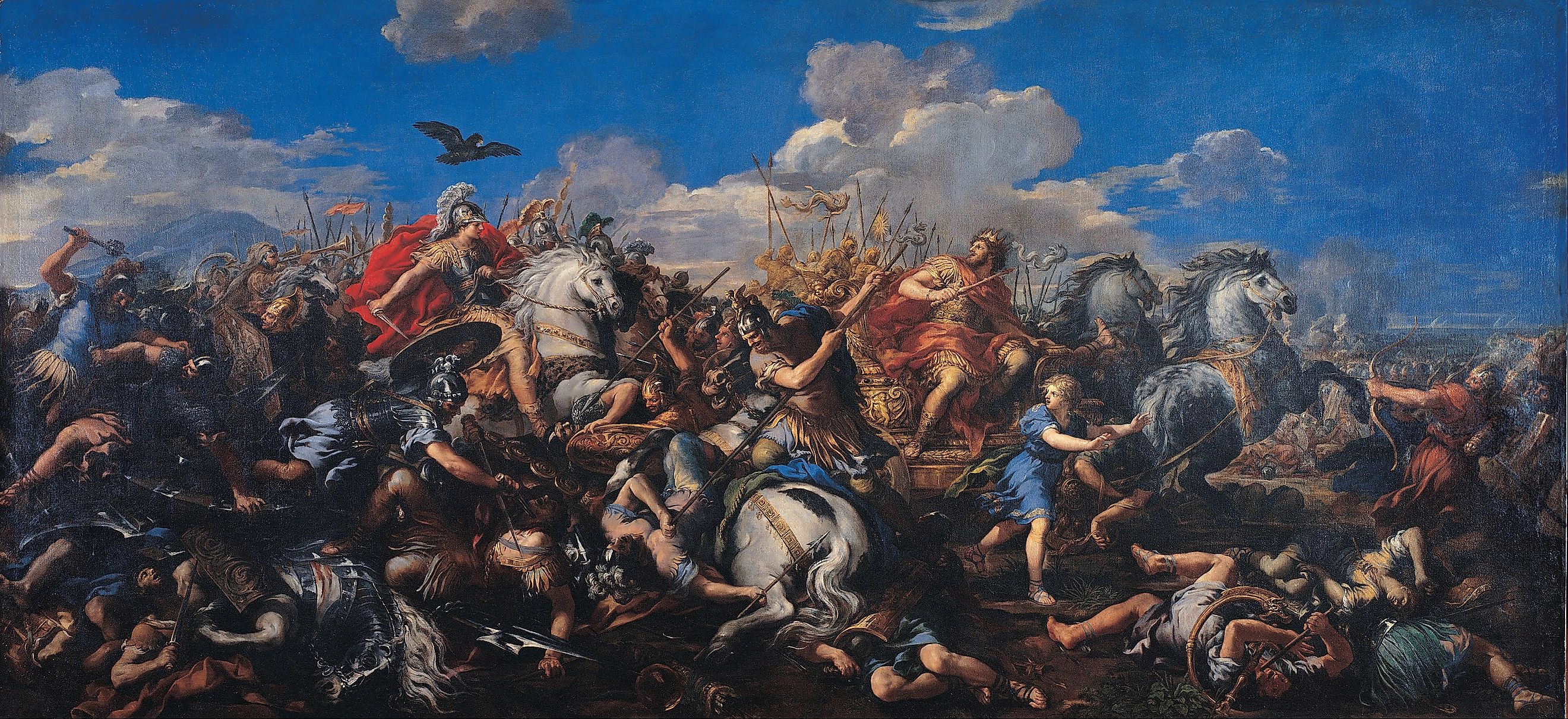
While some in Persia now believed that they were safe, this was anything but the case. Philip's son, Alexander the Great, proved an even more formidable foe. After suppressing rebellions in Greece and the Balkans, the young king invaded Persia in 334 BCE. Alexander experienced victory after victory during his campaign. However, the climactic engagement was the Battle of Gaugamela in 331 BCE. Despite being heavily outnumbered, Alexander managed to defeat the Persians by leading a cavalry charge directly at King Darius III and forcing him to flee. Now leaderless, the Persian army collapsed. This victory paved the way for Alexander to take the Persian capitals over the next year and effectively led to the end of the entire Achaemenid Empire.
The Siege Of Carthage (149 to 146 BCE)

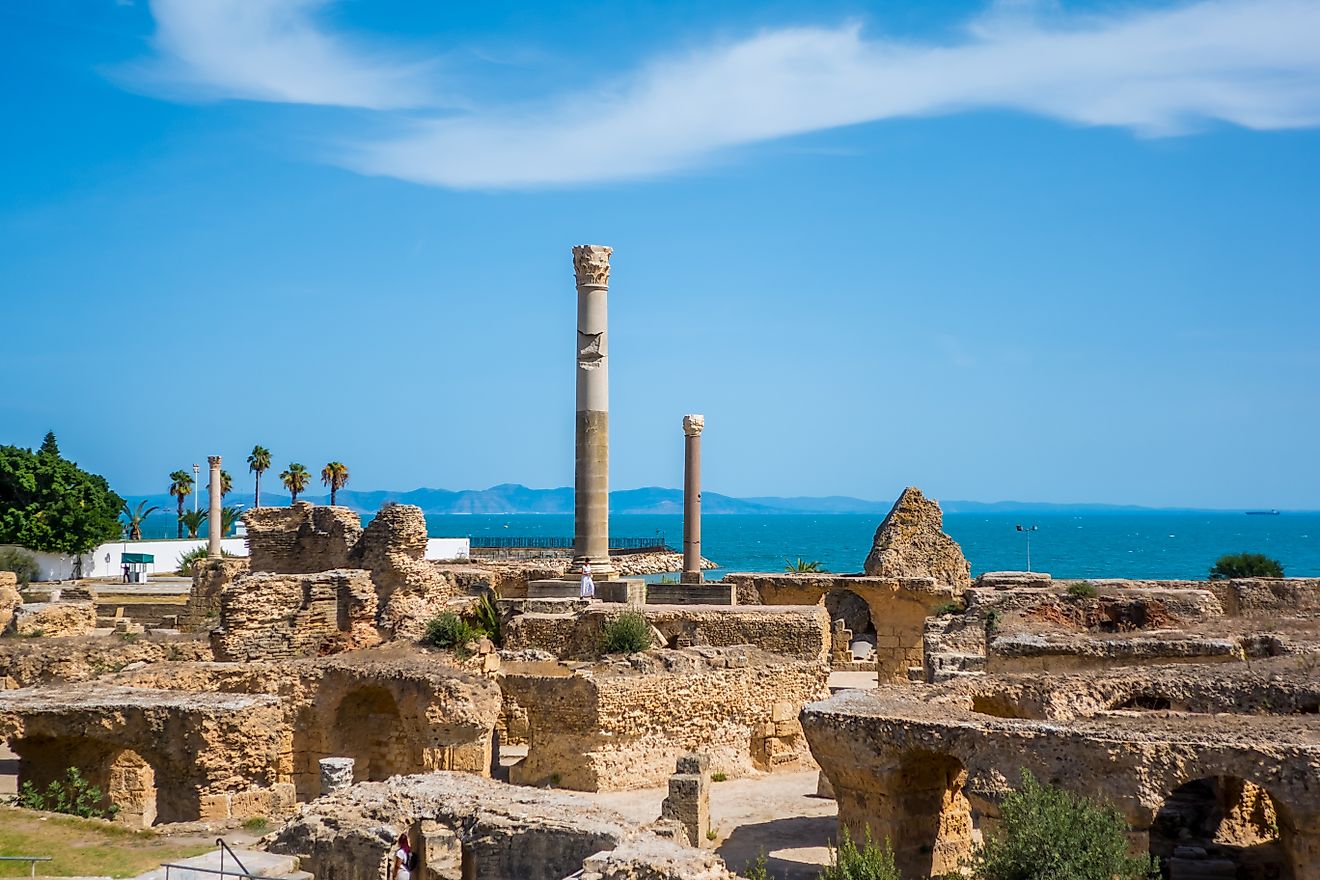
During the 200s and 100s BCE, the Roman Republic and Carthage fought a series of brutal wars for Mediterranean supremacy. Even though Rome soundly defeated Carthage in the Second Punic War (218 to 201 BCE), many Roman politicians wanted to eliminate it once and for all. They got their opportunity to do so in 149 BCE when Carthage retaliated militarily against Numidian raids, supposedly breaking the terms of its peace with Rome. In response, the Republic sent an army to besiege the city of Carthage.

Lasting from 149 to 146 BCE, the Carthaginians fought valiantly as they mobilized everything in their society to withstand the Romans. The tide eventually turned when general Scipio Aemilianus took command of the Roman army and ordered the city to be completely isolated, on land and at sea. Doing so caused famine and disease to spread within Carthage. Finally, in early 146 BCE, Scipio's forces broke through the harbor defenses and entered the city. After nearly a week of brutal house-to-house fighting, Carthage fell. Hundreds of thousands were killed, the surviving 50,000 Carthaginians were sold into slavery, and the city itself was razed to the ground.
The Battle Of Alesia (52 BCE)

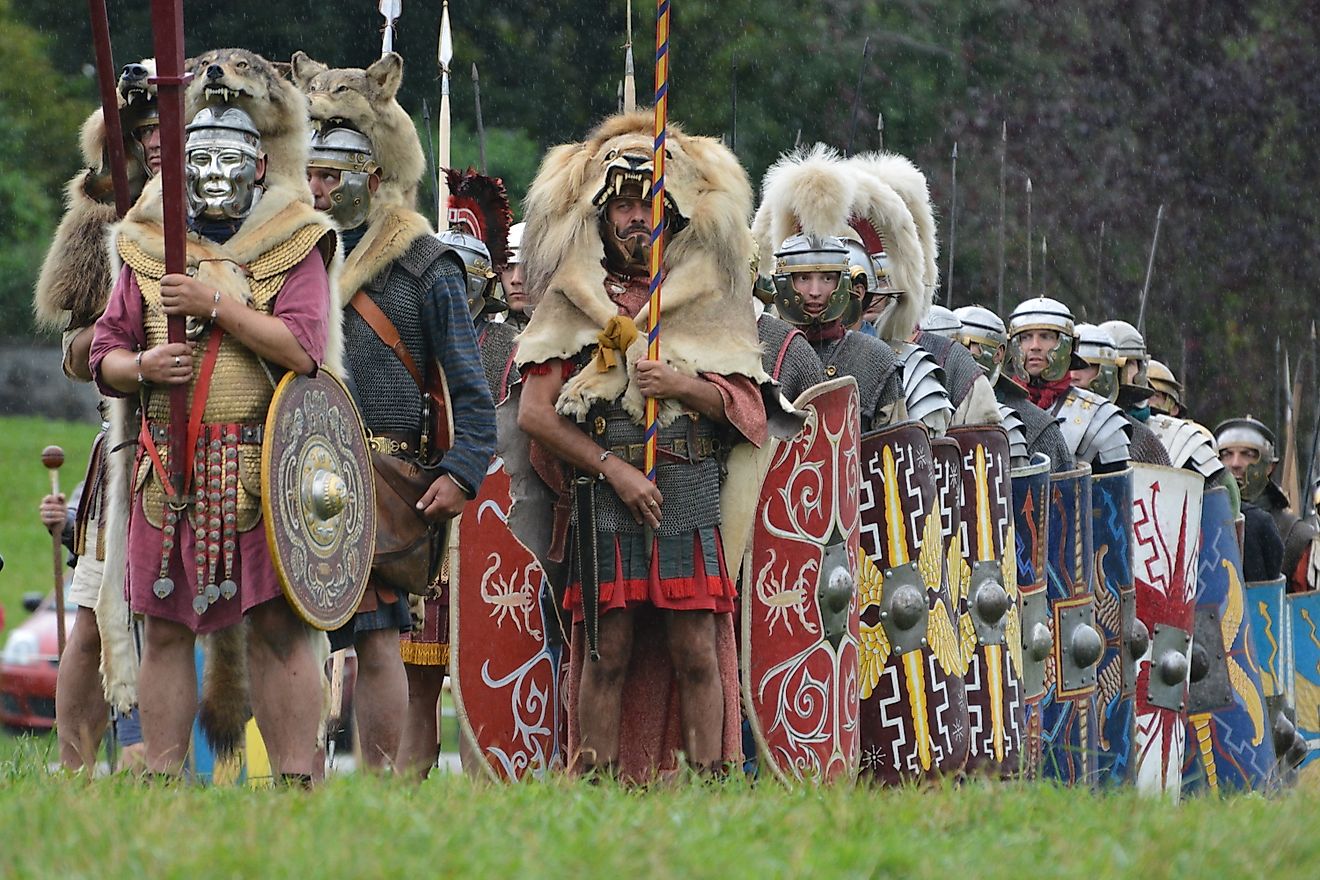
In 58 BCE, Roman general Julius Caesar invaded Gaul (modern-day France, Belgium, and Luxembourg). Early on, the Gallic tribes were divided, allowing Caesar to play them against each other and easily conquer them one by one. This eventually changed when Vercingetorix, a leader from the Arverni tribe, united the Gauls. By utilizing scorched-earth tactics, Vercingetorix starved the Romans and even handed Caesar some rare defeats.

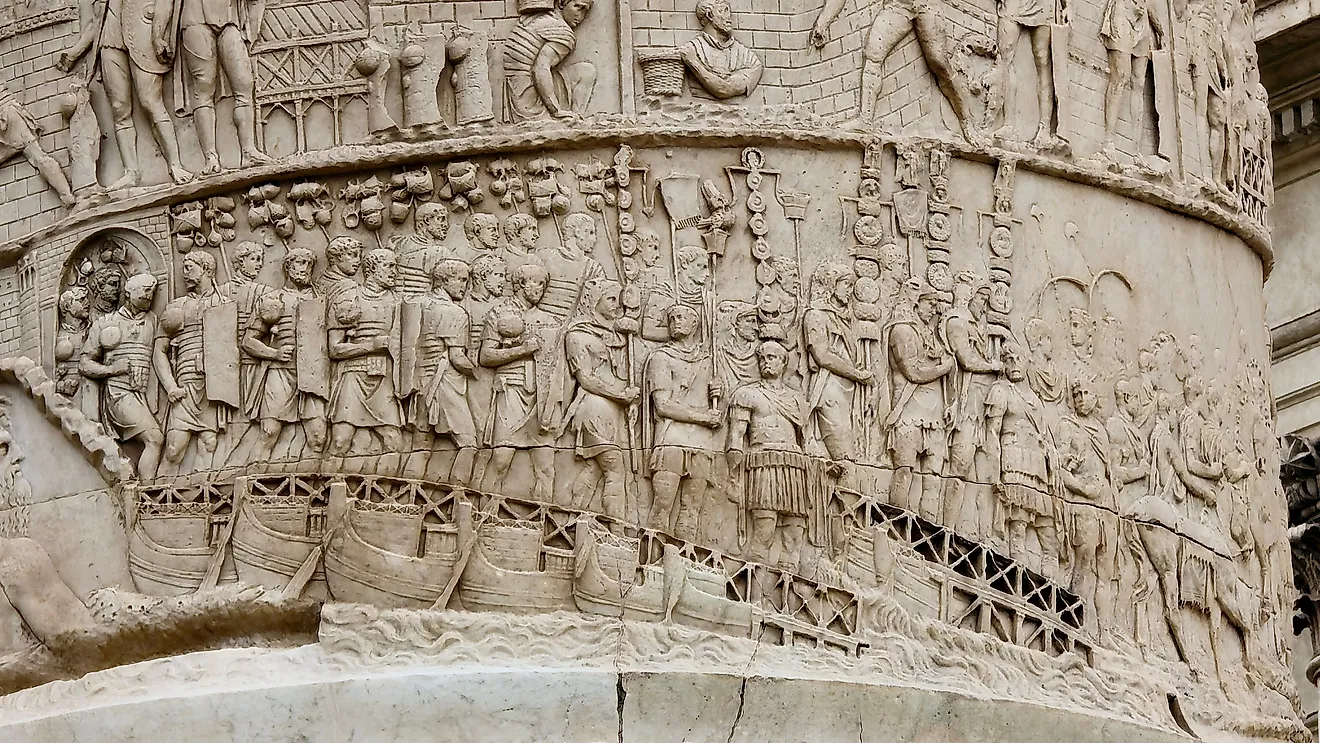
The tide turned in 52 BCE when Vercingetorix retreated with 80,000 men to the hilltop fortress of Alesia. Caesar and his army of 50,000 subsequently besieged the town. In doing so, they built a ten-mile-long inward-facing wall to trap Vercingetorix. Upon learning that a massive Gallic relief army was approaching, the Romans also built a second wall to protect their rear. As starvation and disease spread within Alesia, Vercingetorix realized that he was out of options and surrendered. While Caesar's campaign officially continued for the next two years, the Battle of Alesia effectively marked the end of an independent Gallic civilization.
The Battle Of Actium (31 BCE)

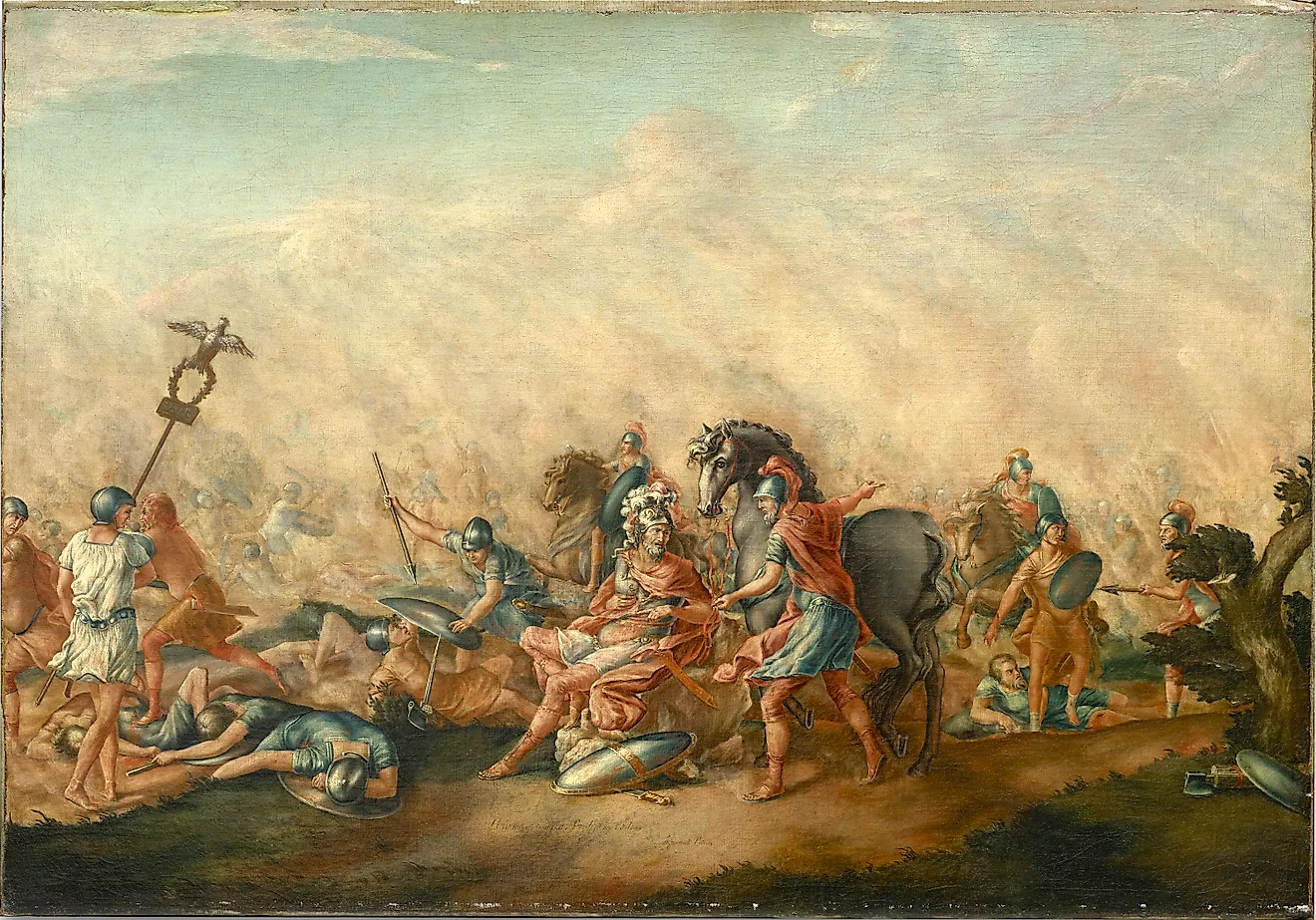
By the time Cleopatra became pharaoh in 51 BCE, Egypt was in trouble. Dynastic infighting and an unpopular Greek ruling class had left it dependent on Roman military aid to remain independent. Cleopatra's reign led to a further deepening of this dynamic. To win a civil war against her brother (and husband), Ptolemy XIII, she formed a political and romantic alliance with Roman general and dictator, Julius Caesar. After Caesar was assassinated in 44 BCE, she again secured Egypt's independence by entering into a relationship with Mark Antony, the politician and general who controlled the eastern Roman Republic.
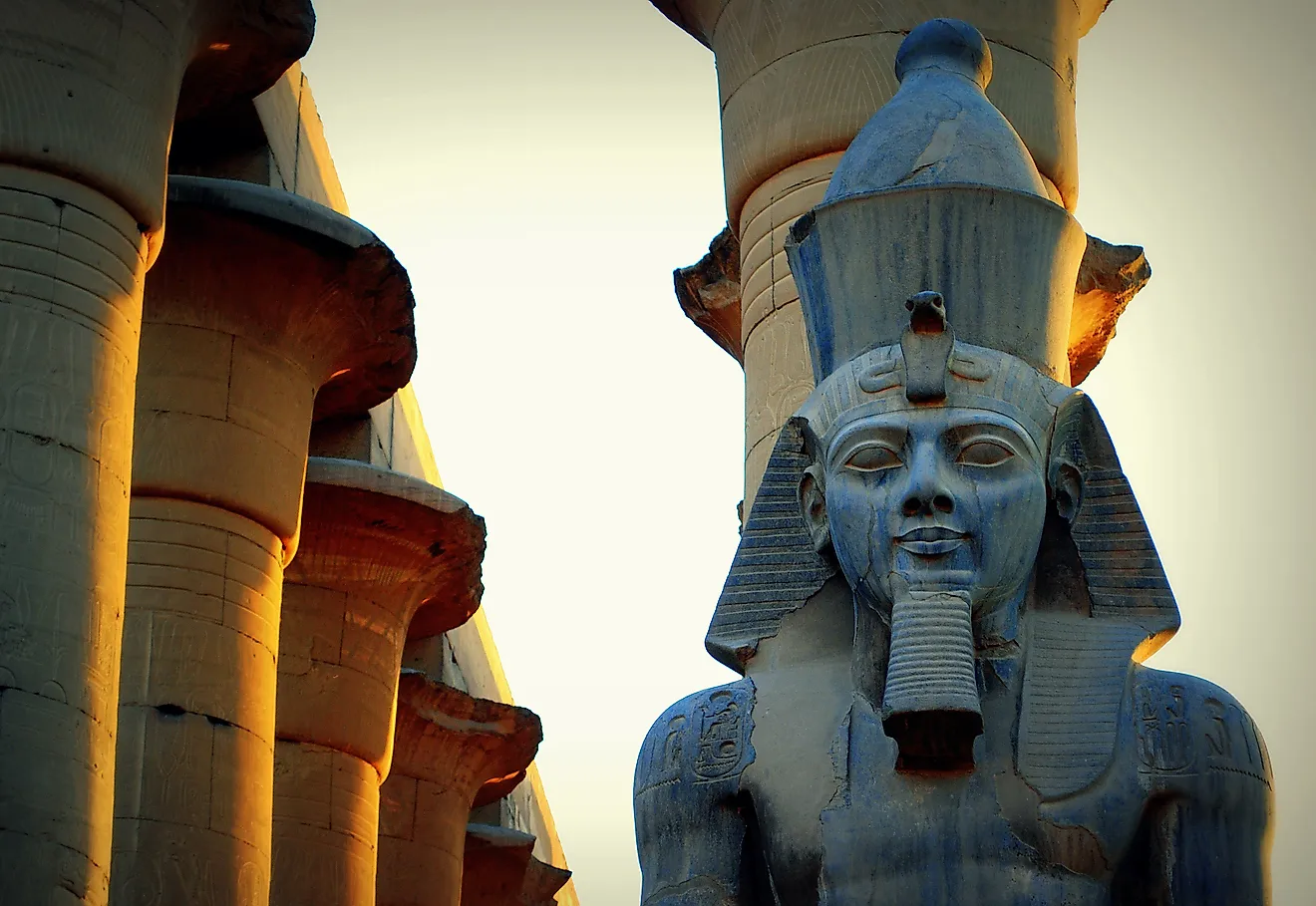
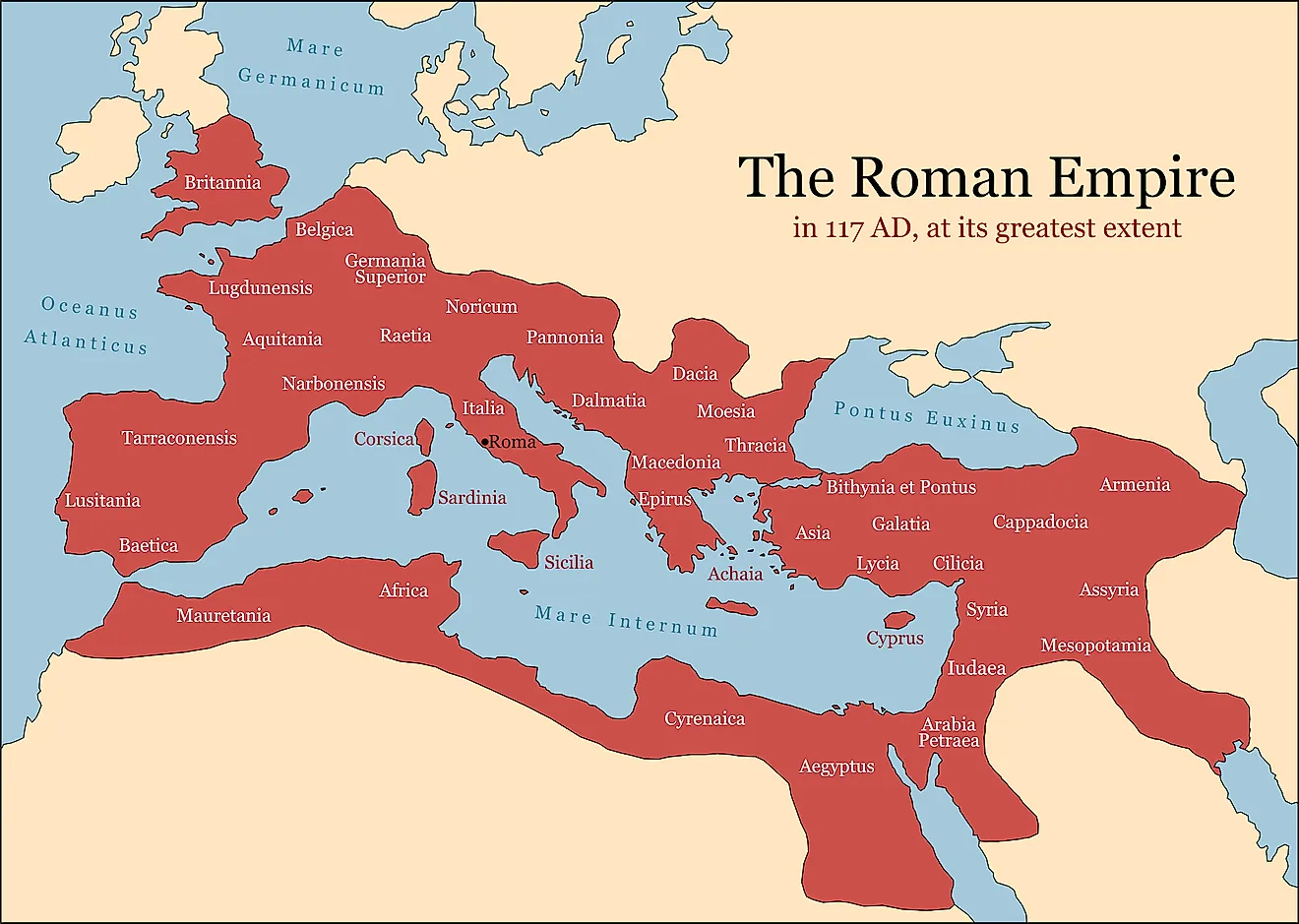
Antony's rivals at home, particularly Octavian, used his alliance with Cleopatra to argue that he had been "corrupted" by the foreign queen and was no longer loyal to Rome. These accusations ultimately led to the Roman Senate declaring war on Cleopatra (and effectively Antony) in 32 BCE. The decisive engagement came the following year with the Battle of Actium. Octavian's fleet decimated Antony and Cleopatra's combined forces. The two lovers subsequently retreated to Egypt, where they committed suicide. Rome then annexed Egypt, marking the end of any independent Egyptian state for the next 2,000 years.
Impact And Legacy
While singular battles rarely lead to the end of entire civilizations, they can serve as climactic moments where collapse becomes inevitable. That's the case with all the battles discussed in the article. The Battle of Gaugamela precipitated the end of the Achaemenid Persian Empire. The Siege of Carthage also saw the Romans essentially wipe Carthaginian civilization off the face of the earth. Julius Caesar fundamentally altered the historical trajectory of Gaul with the Battle of Alesia, and the Battle of Actium led to the end of an independent Egypt for two millennia.