The Worst Mistakes Made By Roman Emperors
Roman emperors were some of the most powerful leaders in world history. As such, they could make sweeping decisions. These sometimes ended well, but they could also lead to catastrophe. Consider Augustus, whose decision to expand into Germania resulted in thousands of Roman soldiers being killed, or Valens, who fought and died in a battle against the Visigoths before reinforcements arrived. These are just two examples of some of the worst mistakes ever made by Roman emperors.
Augustus: Losing Three Legions In The Teutoburg Forest (9 CE)

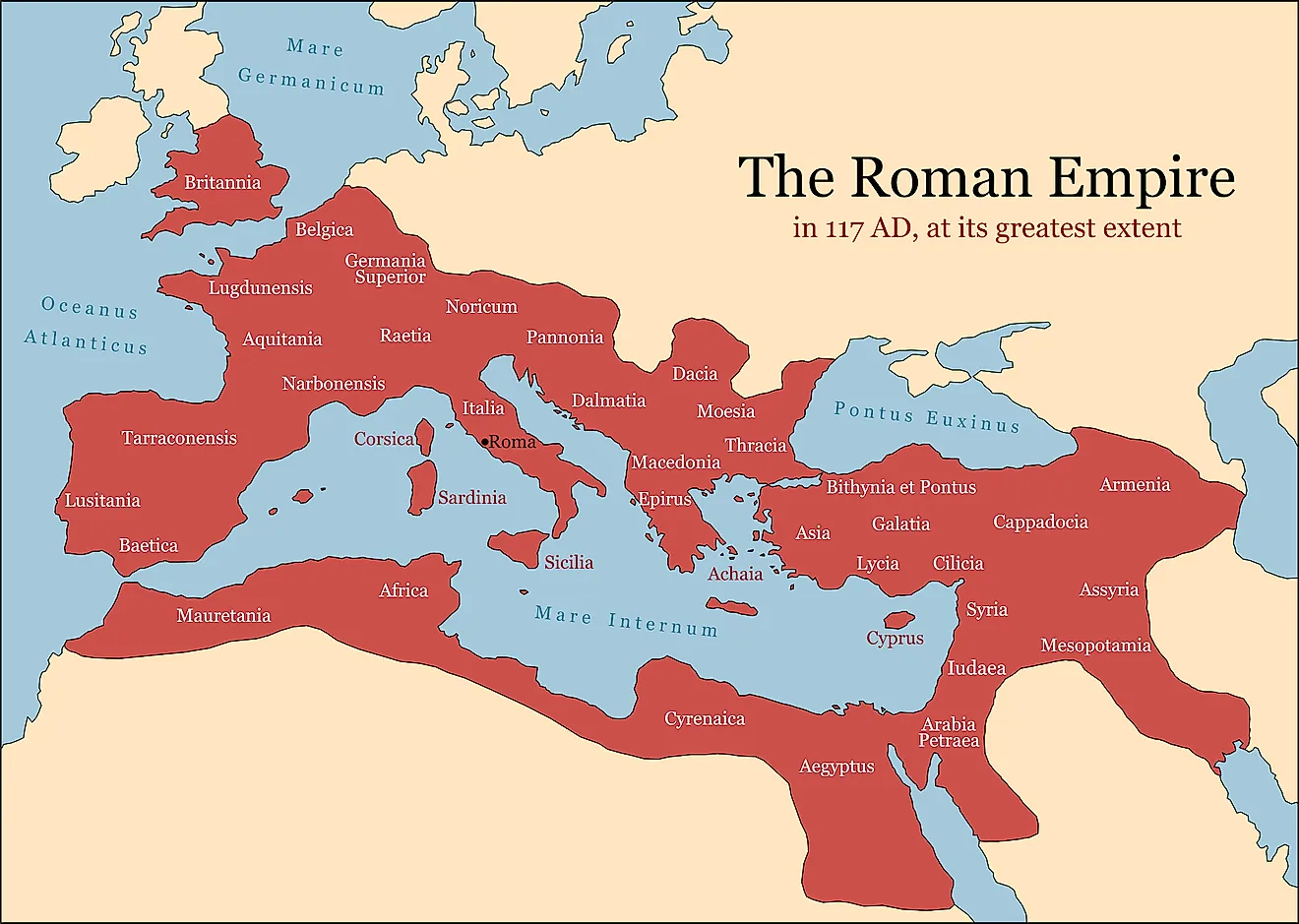
Roman incursions into Germania began during Julius Caesar’s Gallic Campaign (58 to 50 BCE). Although he didn’t permanently settle the region, the information he gathered about the people and terrain proved crucial for future leaders. Beginning in the late 10s BCE, Rome’s first emperor, Augustus, launched further Germanic campaigns. He aimed to secure the empire’s northern borders and expand its economic activity and agricultural production.
Things initially went well, with generals like Drusus and Tiberius penetrating hundreds of miles past the Rhine River. However, difficult terrain and rebellious Germanic tribes made the region less secure than it may have initially seemed. This insecurity paved the way for disaster.

In 7 CE, Augustus appointed Publius Quinctilius Varus to oversee affairs in Germania. Varus allied himself with Arminius, a Germanic leader. Unbeknownst to Varus, Arminius began organizing resistance behind his back. This culminated in 9 CE, when the Germanic leader falsely told Varus about an uprising occurring near the border. Rather than travelling there via a familiar route, the Roman general led three legions through the wooded and marshy Teutoburg Forest.

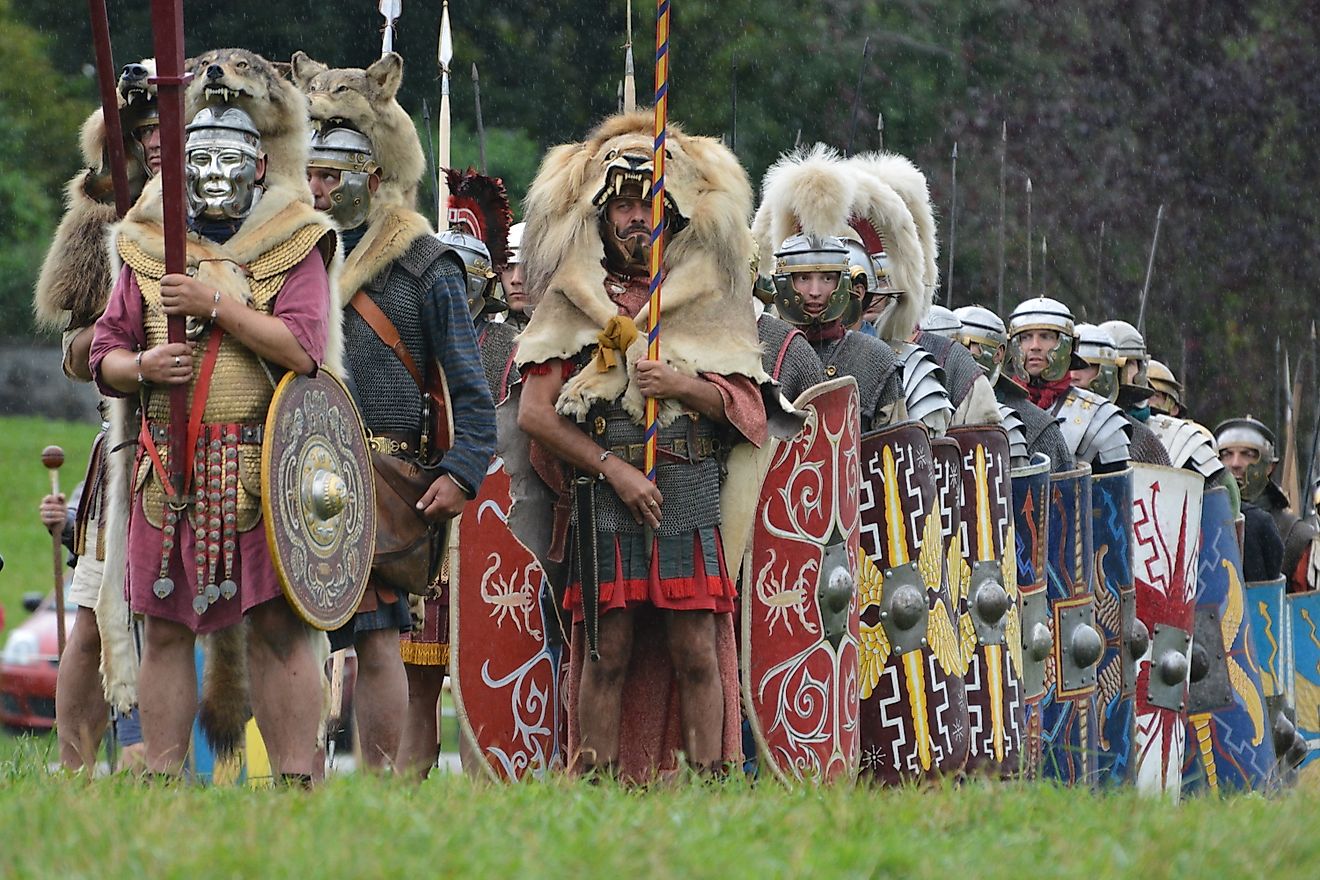
Here, Germanic forces ambushed them. Over the next three days, every legion was destroyed, and between 15,000 and 20,000 soldiers were killed. The defeat permanently halted Roman plans to conquer Germania. Furthermore, in its aftermath, the typically composed and measured Augustus was supposedly struck by grief and let his hair and beard grow for months.
Nero: Destroying His Relationship With The Political Elite (54 to 68 CE)

Nero is one of the most infamous emperors in Roman history. Admittedly, the first five or so years of his reign went relatively smoothly, as the young leader took guidance from advisors like Seneca and Sextus Afranius Burrus. However, the tide turned when he arranged for his mother, Agrippina, to be killed in 59 CE. This shocked the political elite. Nero’s love of performing didn’t help matters, since many believed it betrayed the gravitas and respect an emperor was supposed to engender.

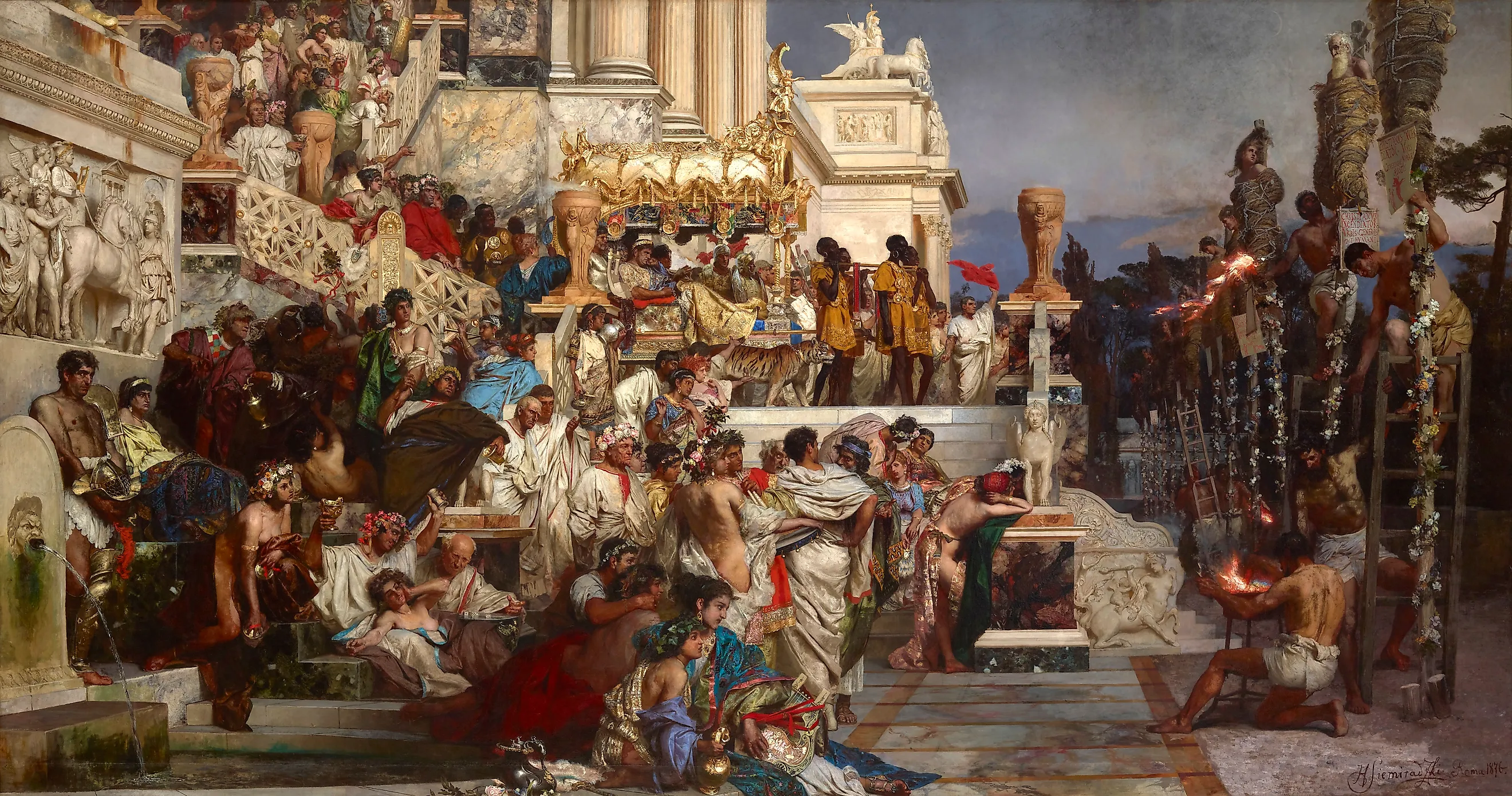
The Great Fire of Rome in 64 CE further destroyed Nero’s relationship with the political elites. While he didn’t cause it or play a fiddle while Rome burned (as is often falsely believed), he did build an opulent and garish building, the Domus Aurea (Golden House), on the land that it cleared. The optics of this were terrible, since many Romans needed help recovering from the fire.
All these factors led to a plot to assassinate Nero in 65 CE. When he learned about it, the emperor launched a sweeping purge. Senators and other aristocrats associated with the plot were executed, forced to commit suicide, or exiled. Rather than securing his power, this purge made Nero even more unpopular. The final straw came in 68 CE, when he failed to contain a rebellion in Gaul in 68 CE. The Praetorian Guard abandoned Nero, and the Senate declared him a public enemy. Distraught by his unpopularity, he committed suicide on June 9th, 68 CE.
Marcus Aurelius: Choosing Commodus As His Successor

Marcus Aurelius is often considered one of the best emperors in Roman history. Ruling from 161 to 180 CE, his reign was characterized by constant wars and a devastating plague that killed millions. Throughout all of this, Aurelius stayed calm and level-headed, as influenced by his Stoic philosophy. This mentality allowed him, and the Roman Empire, to prevail.
Much of Aurelius' good work was undone by his choice of successor. Many previous emperors lacked a clear heir, so they simply picked the person they believed was right for the job. However, Aurelius had a male son named Commodus. If he chose someone else, Commodus would be a rival. Not wanting to risk instability, Aurelius made Commodus his heir.

This didn’t work. Aurelius died in 180 CE, and Commodus, who had been co-ruling with his father for the previous three or four years, became the sole emperor of Rome. Widely considered one of the worst emperors in history, he ended military campaigns in places like Germany, alienated senators, and enacted brutal purges. Commodus also viewed himself as the living embodiment of Hercules and was more interested in fighting as a gladiator than ruling. Ultimately, he was assassinated in 192 CE, leading to the chaotic Year of the Five Emperors. Commodus’ reign is generally associated with the end of a nearly 100-year period of stability and prosperity. Therefore, while Aurelius’ decision to make him his successor is understandable, it was clearly a mistake in retrospect.
Valens: Fighting The Goths At Adrianople Before Reinforcements Arrived (378 CE)

In 376 CE, the Visigoths (or Goths), who were fleeing the Huns, sought refuge in the Roman Empire. The Romans granted it but treated them terribly. They sold them food at exorbitant prices, kidnapped their children, and assassinated their leaders. Fed up with this mistreatment, the Goths rebelled. This culminated in 378 CE with the Battle of Adrianople, in which Eastern Roman Emperor Valens personally led his troops against the Goths. Crucially, he did so before Western Roman reinforcements could arrive. This was a disastrous decision. The Romans were soundly defeated, and Valens was killed. The scale of the defeat was so great that it permanently negatively impacted the Roman Empire’s reputation. It also paved the way for further Gothic victories, like the sack of Rome in 410 CE.
Impact And Legacy
Roman emperors, good and bad, made some terrible mistakes. Augustus’ Germanic campaign resulted in up to 20,000 troops being killed in the Teutoburg Forest. Nero alienated the political elite, leading to his suicide. To prevent instability, Marcus Aurelius made his son, Commodus, heir. This led to one of the worst Roman emperors in history and ended decades of peace and prosperity. Finally, Emperor Valens fought the Goths at Adrianople without waiting for reinforcements, resulting in his death and years of war.