Why Ancient Egypt Was One Of The Greatest Civilizations In History
Many ancient civilizations remain ever-present in popular historical memory. However, perhaps none are as pre-eminent as Ancient Egypt. Its cultural, political, and iconographic elements still capture the imagination of many. This is the case for several reasons. First, Egypt had geographic advantages that let it invest in culture and technology, rather than only focusing on its military. A centralized and effective government then allowed Egypt to capitalize on these investments. Finally, Ancient Egypt's longevity ensured that it left a major impact on the world.
Geographic Advantages

Ancient Egypt had several geographic advantages, the largest of which was the Nile River. The Nile flooded predictably every year, creating a narrow strip of extremely fertile farmland. This predictability allowed farmers to plan their harvests, in contrast to civilisations in places like Mesopotamia where floods were unpredictable. Egyptian harvests thus often resulted in food surpluses, which facilitated the growth of a large population. These surpluses also meant that in the event of a bad harvest, there was still a food supply.

Egypt’s location provided it with natural defenses. In the West and East, massive deserts made land invasions nearly impossible. The Mediterranean Sea to the North limited invasions as well. A desert and whitewater rapids in the Nile also made it difficult to invade from the south. All this meant that Egypt rarely had to fight off foreign threats. Thus, rather than only spending on the military, Egypt could invest in culture and technology.
Cultural And Technological Advances

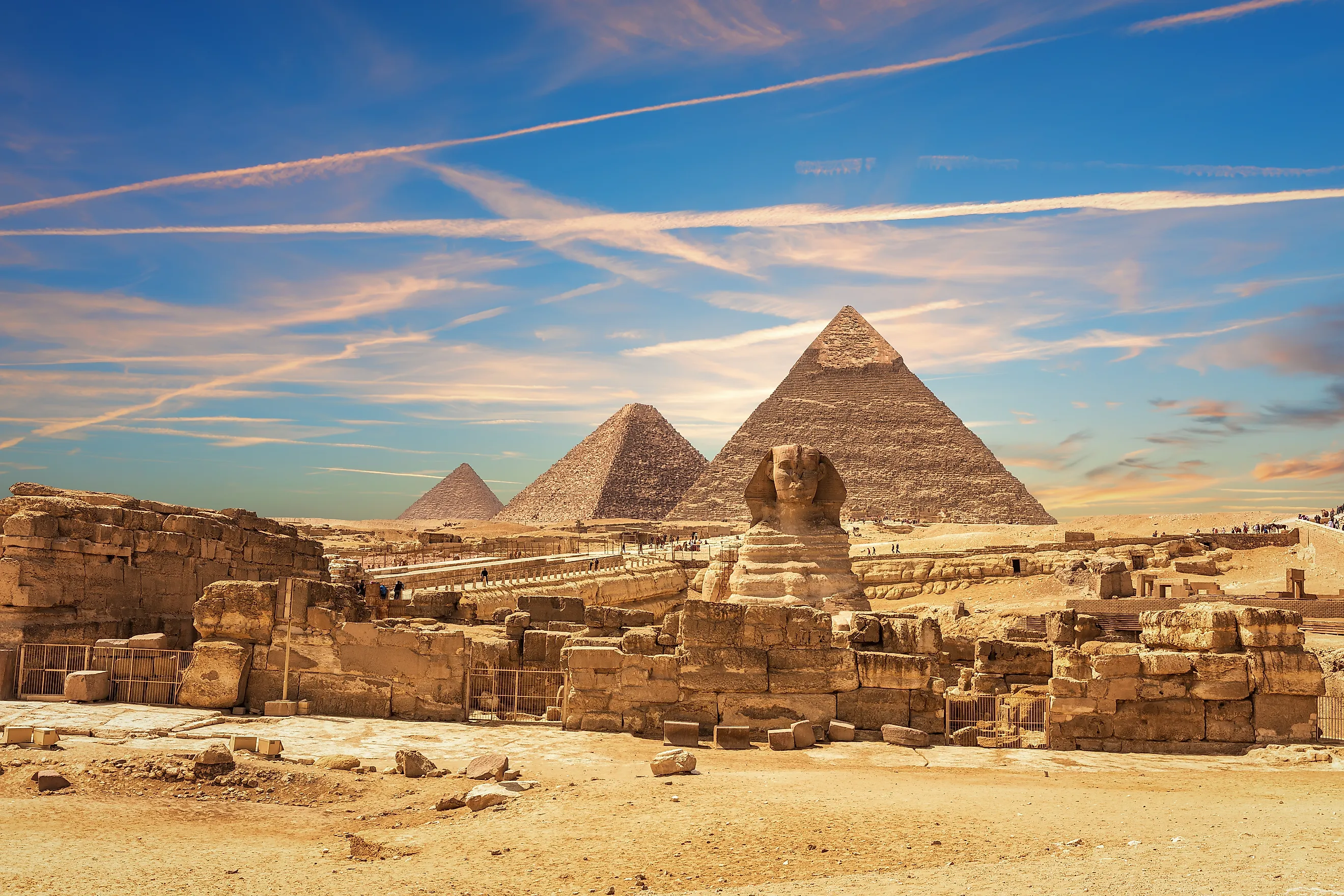
The pyramids are perhaps the most famous technological and cultural legacy of Ancient Egypt. Built between 2,700 and 1,500 BCE, they were massive feats of planning, architecture, and willpower. The Nile proved useful in their construction, serving as a “road” to transport the stone blocks out of which the pyramids were made. Since Ancient Egyptians believed in life after death, the pyramids primarily served a religious purpose, existing as complexes to help the pharaohs transition into the afterlife.

There were other important cultural and technological advances in Ancient Egypt. For instance, farmers developed irrigation systems along the Nile to help distribute water around the farmland. They also built ships to travel on the Nile and the Mediterranean Sea. Finally, Ancient Egyptians utilised an early form of writing called hieroglyphics. This allowed for record keeping, thereby making administrative processes like tax collection easier. Hieroglyphics also ensured that laws, stories, religious texts, and other forms of knowledge could be preserved for future generations.
Strong And Centralized Governance

Ancient Egyptian governance was strong and centralised. At the top was the pharaoh, who was considered the political and religious leader. Dual authority was important, since if someone disobeyed the pharaoh, they were also disobeying the divine order of the universe. This belief thus limited rebellions and general opposition to the government.

Egypt also had an effective administrative state. For instance, directly below the pharaoh was the vizier, who functioned as a prime minister and oversaw the entire governmental bureaucracy. The next level was occupied by regional governors, called nomarchs. They ran operations in the provinces and reported to the vizier, who then reported to the pharaoh. The final level of government was composed of record keepers and technocratic administrators called scribes. This administrative system ensured that tax collection, laws, and infrastructure projects all functioned as intended. Nonetheless, since the pharaoh still had ultimate authority, the system permitted him or her to take quick, decisive action if necessary, rather than being forced to first seek approval from other branches of government.
Longevity

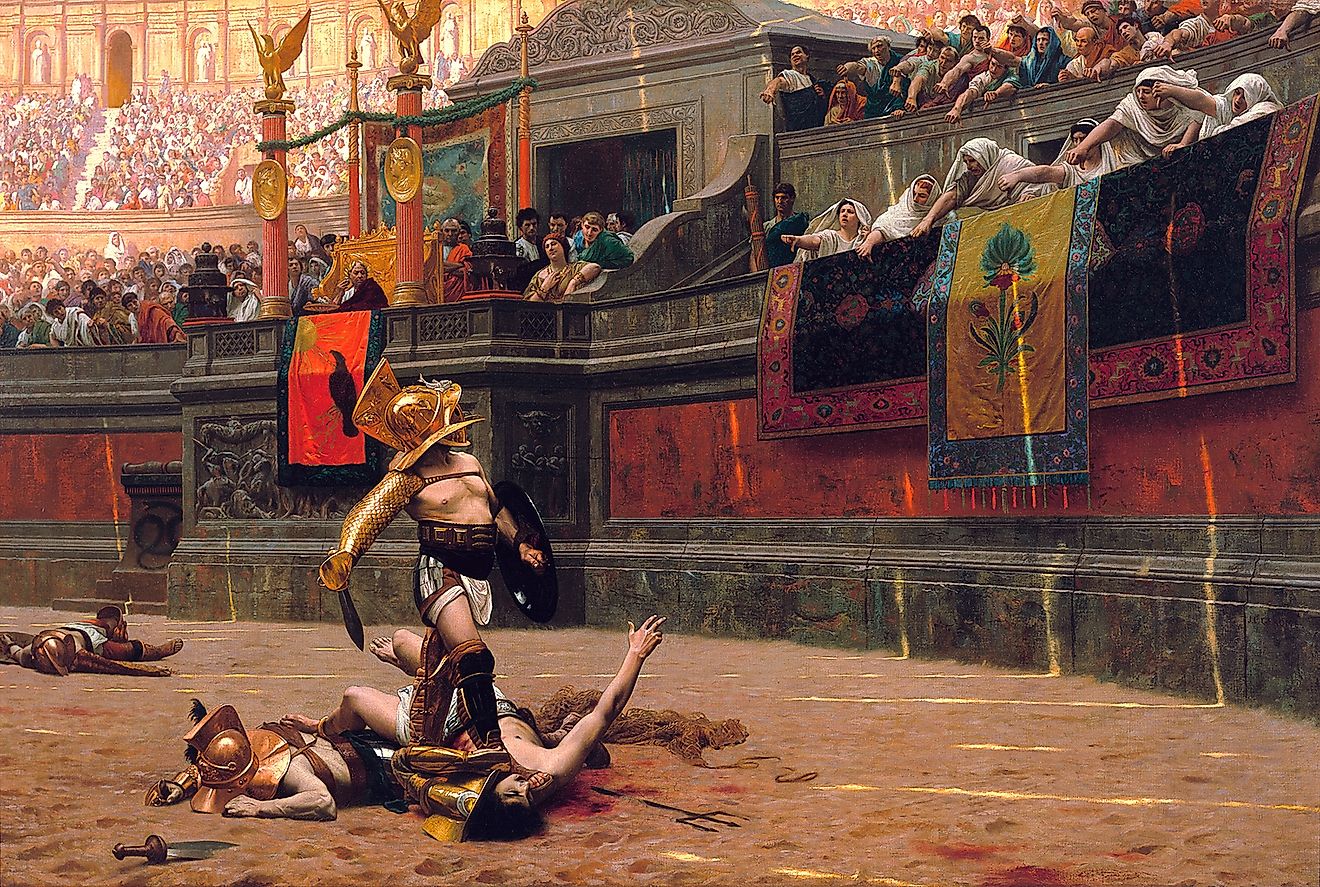
All the factors discussed so far contributed to the most important reason why Ancient Egypt was one of the greatest civilisations in history: its longevity. Whereas Ancient Greece's cultural and political peak spanned about 500 years, and Rome existed between 1,200 to 2,200 years, Ancient Egyptian civilization lasted for over 3,000 years.
It began around 3,150 BCE when the first pharaoh, Menes, united Upper and Lower Egypt. Thereafter, the Old Kingdom lasted from 2,686 to 2,181 BCE, during which Egypt emerged as a major power. The Middle Kingdom then spanned from 2055 to 1650 BCE. Known as the “classical” age of Ancient Egypt, it was characterized by more effective and less authoritarian rule by the pharaohs. Finally, the New Kingdom lasted from 1550 to 1070 BCE and saw Egypt reach its greatest territorial extent and international influence.

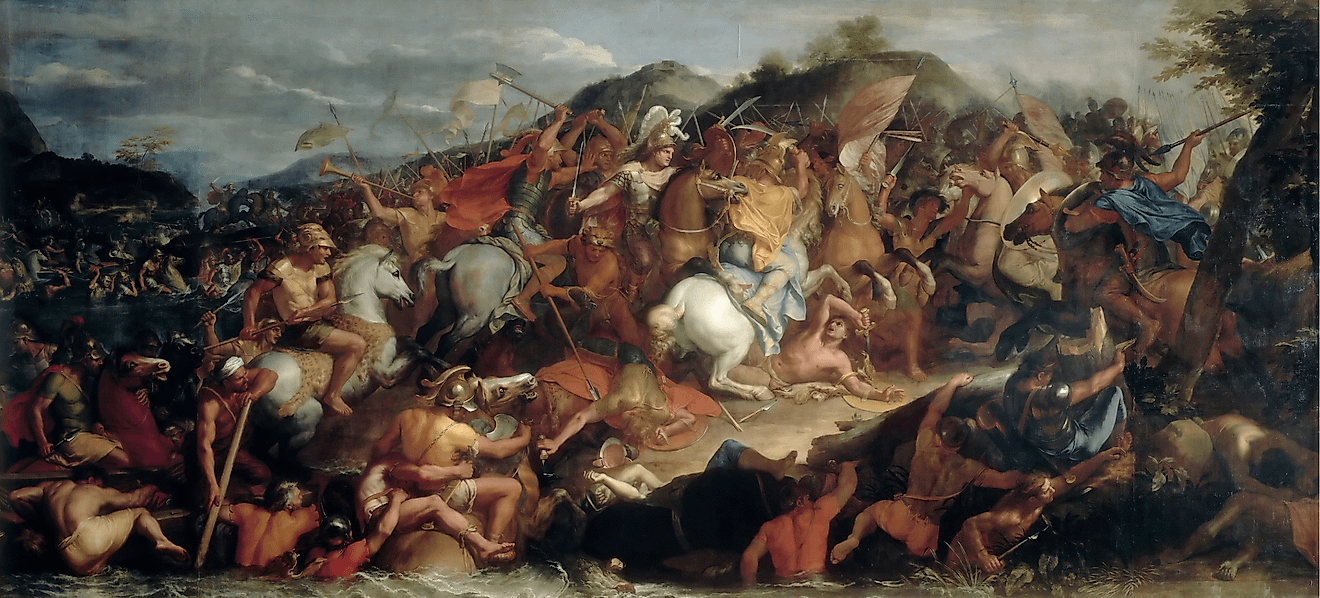
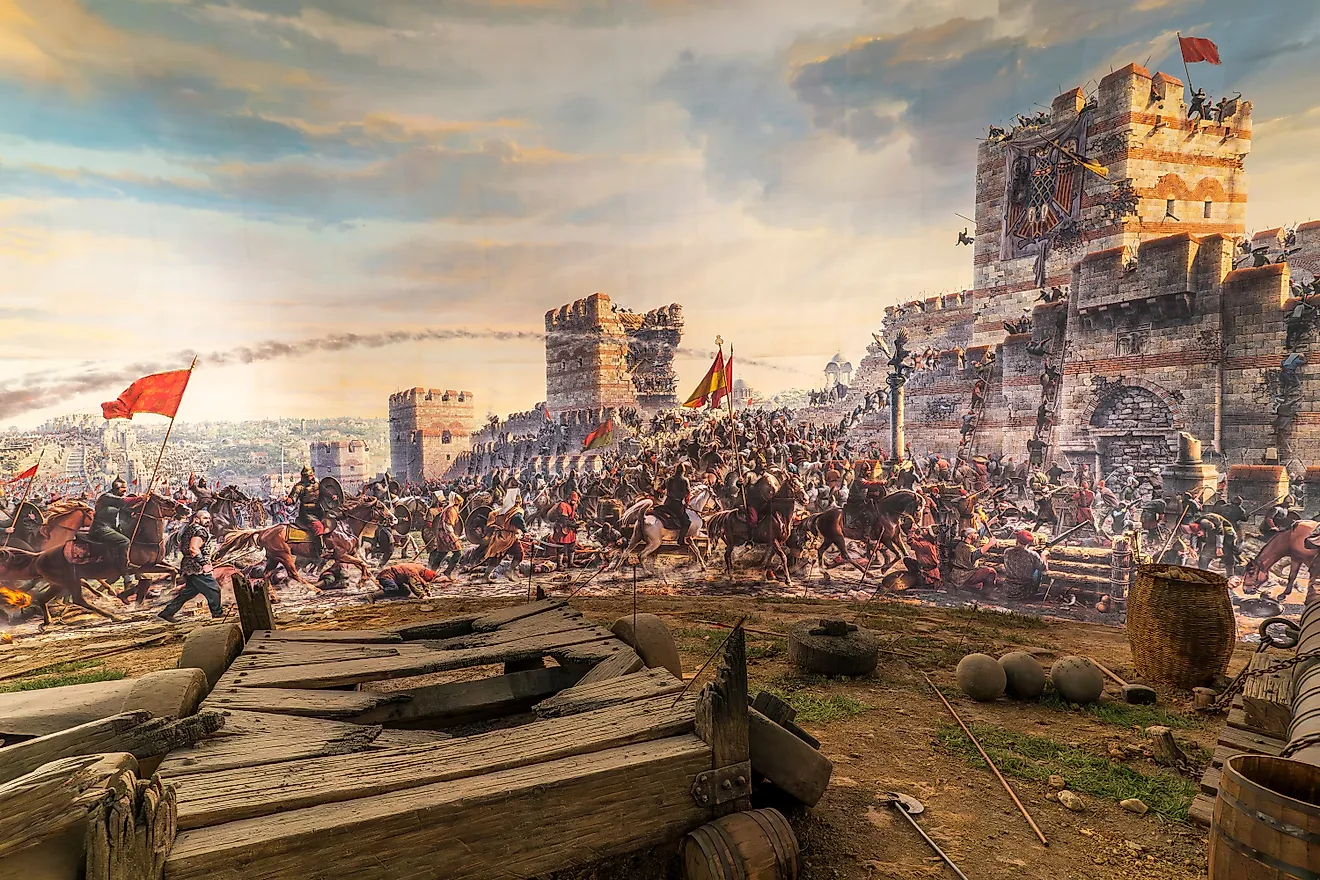
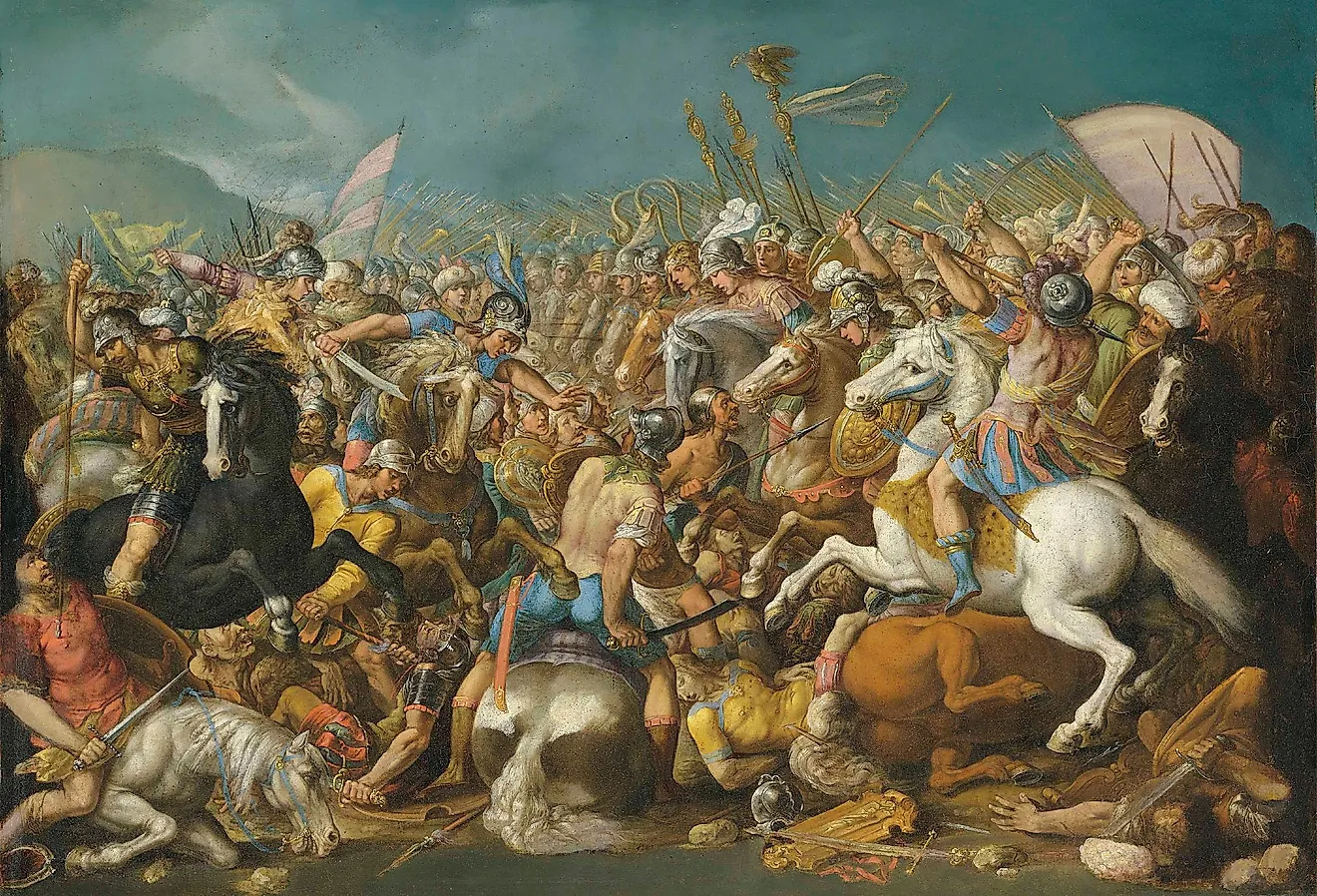
Following an over 700-year period of fragmentation and occupation, Egypt was liberated by Alexander the Great in 332 BCE. After Alexander died, the Ptolemaic dynasty ruled Egypt for the next 300 years. Despite being Greek, the leaders of the dynasty adopted the title of pharaoh, along with many elements of classic Egyptian culture, to ingratiate themselves with the local populace. Ultimately, after decades of infighting and foreign interference, Egypt came under Roman control in 30 BCE, marking the end of Ancient Egyptian independence.
Impact And Legacy
Several factors made Ancient Egypt one of the greatest civilisations in history. First, deserts and the Nile gave it a geographic advantage over other powers. These advantages allowed Egypt to make technological and cultural investments that brought it even further ahead of competing civilizations. A strong and centralized government then ensured that Egypt could fully capitalize on its advantages. All these factors combined to make Ancient Egypt one of the long-lasting civilizations in world history.