How Rome Defeated Hannibal
Over its 2,200-year history, Rome never faced a greater foe than Hannibal, who came closer than any other foreign enemy to toppling the Roman Republic during its rise. The Carthaginian general and statesman seems to have been destined for the role, swearing an oath to his father at age nine to become “the declared enemy of the Roman people.” He didn’t disappoint. Within decades, “Hannibal ad portas” (Hannibal is at the gates) would become a common Roman saying, similar to “The wolf is at the door.” How did the Romans achieve victory over Hannibal, even when the odds were stacked against them? To find the answer to this question, read on.
The First Punic War

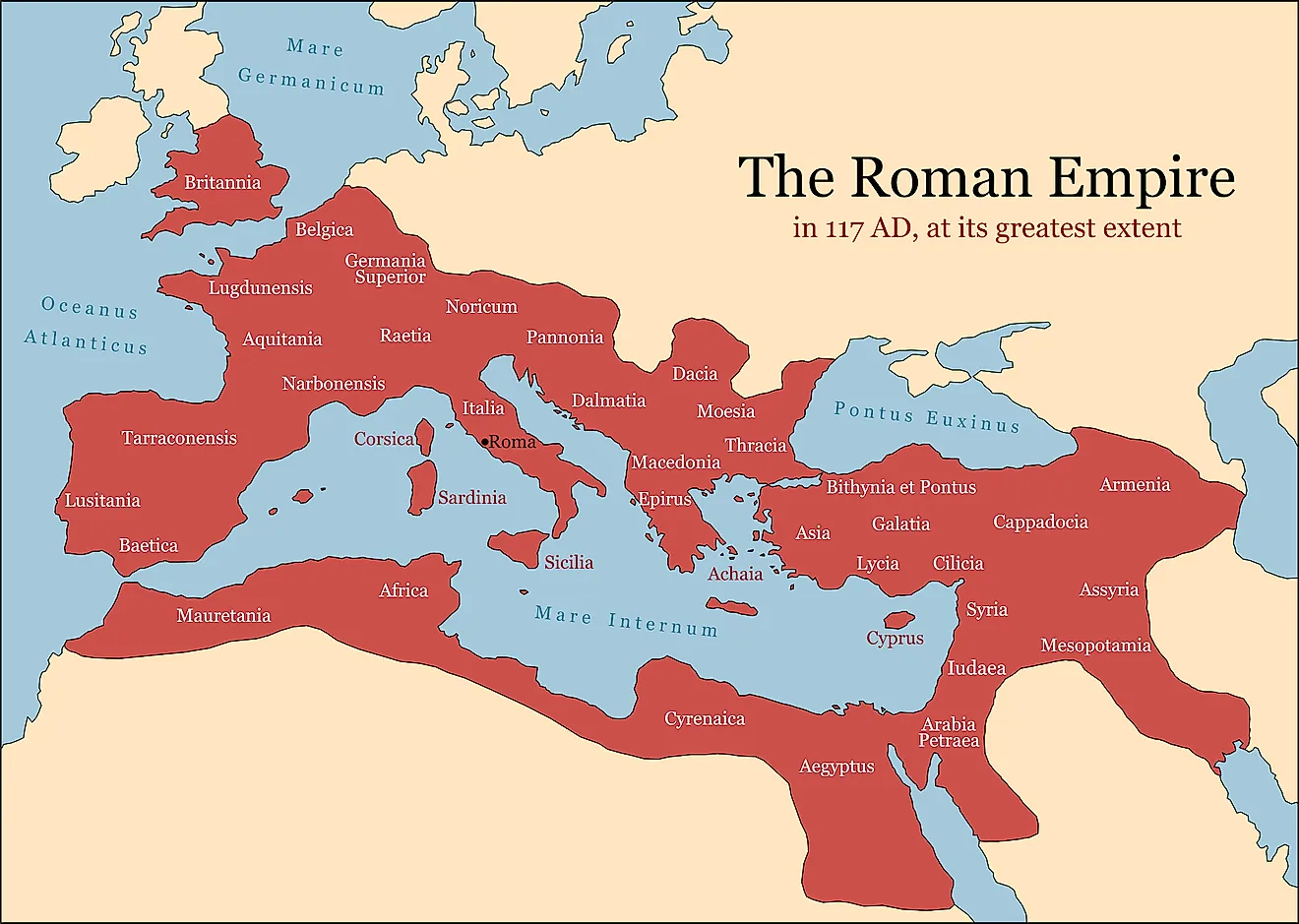
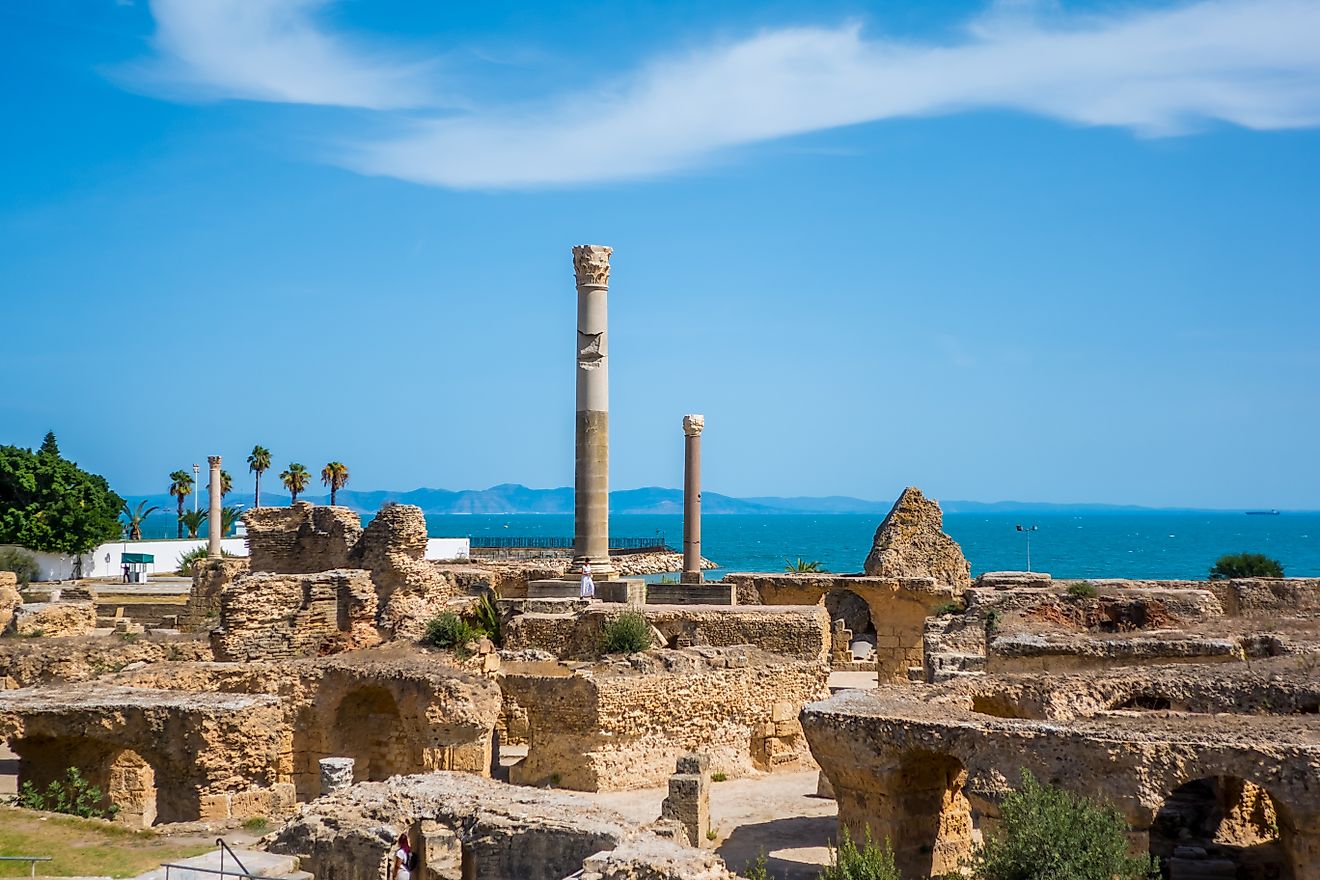
By the 3rd century BCE, two states dominated the Mediterranean. The Roman Republic, which had begun centuries earlier as a small city-state, now controlled the Italian peninsula. Carthage (centered in what is now Tunisia) held North Africa, parts of Iberia (Spain), Corsica, Sardinia, and portions of Sicily. The source of power for these two states was initially different. Rome found its strength in a formidable land army, whereas Carthage controlled the seas.
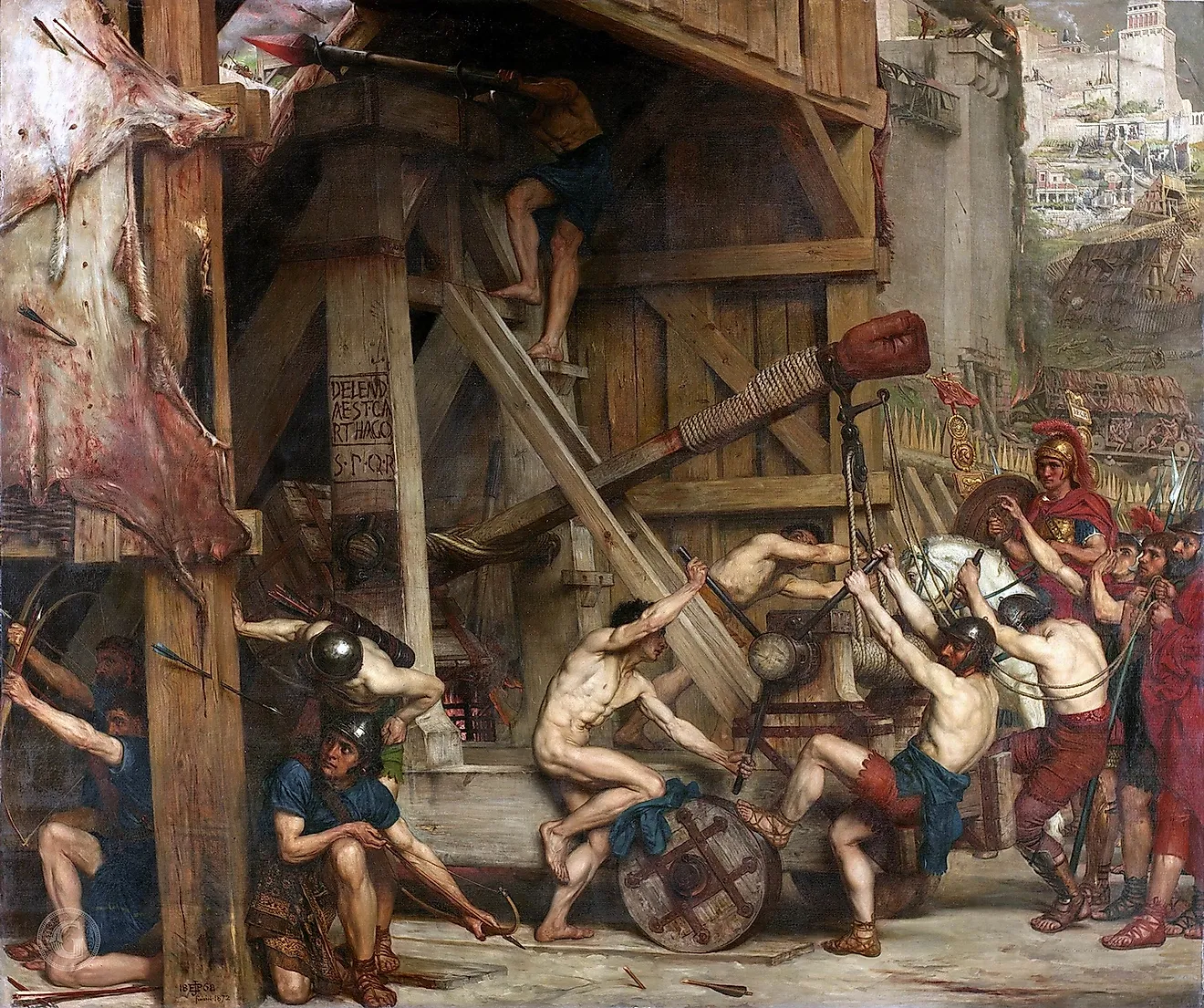
This dynamic changed in the First Punic War (264 to 241 BCE). During the conflict, Rome unexpectedly built a navy to gain the advantage in a long struggle over Sicily. Sicily eventually became Roman territory, along with Corsica and Sardinia. The war humiliated Carthage and engendered a deep hatred for Rome among the populace. One such person was Hamilcar Barca, father of Hannibal, who made his son swear eternal hatred toward Rome.
The War With Hannibal Begins

In 219 BCE, Hannibal, now a grown man and a renowned general, attacked the Roman-allied Spanish city of Saguntum. Rome then demanded that Hannibal surrender. When the Carthaginian general refused, Rome declared war on Carthage in 218 BCE. This marked the beginning of the Second Punic War.
Hannibal Crosses the Alps

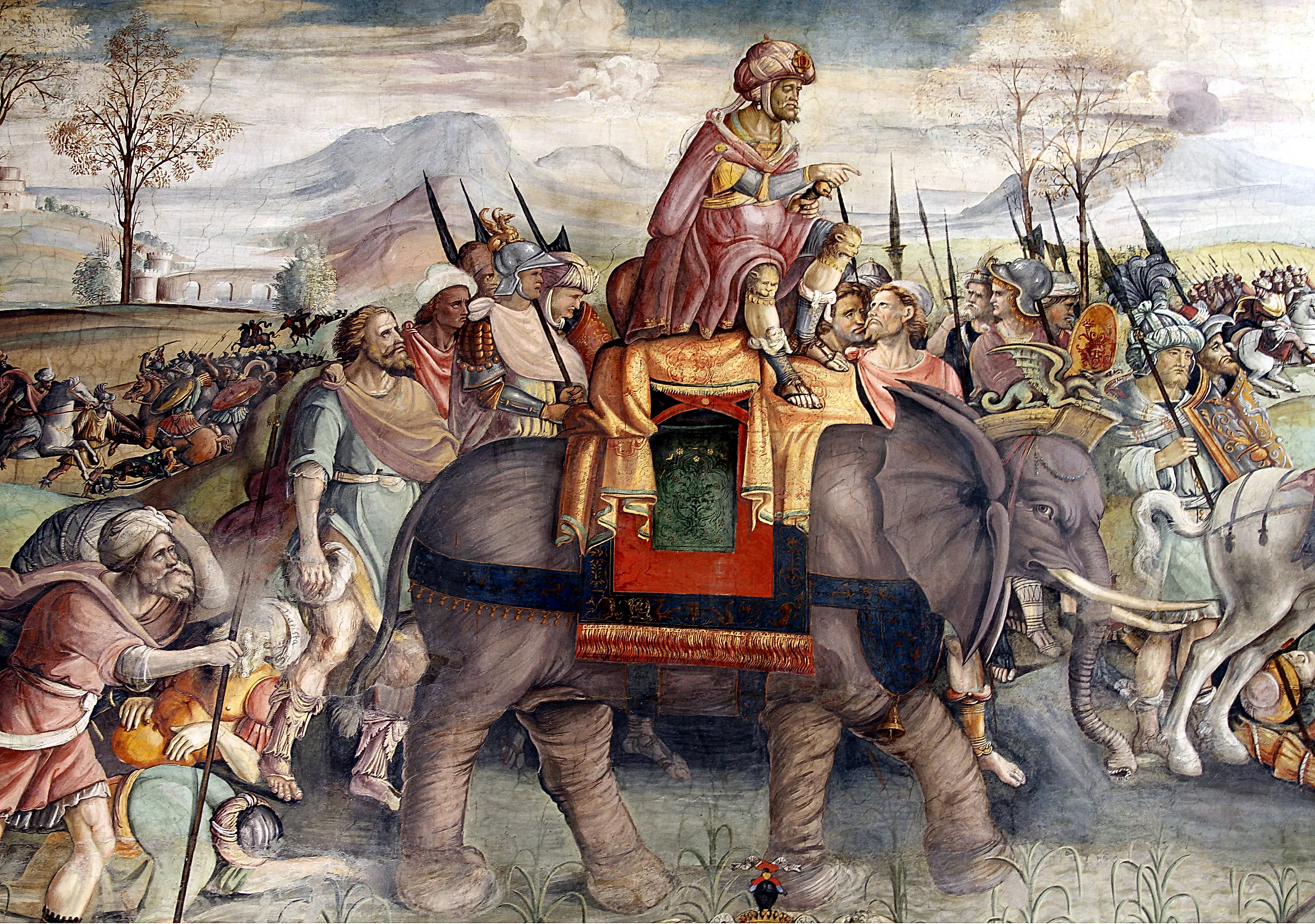
Hannibal knew that Carthage could not beat Rome in a protracted conflict, since the Republic had a stronger land army and more allies. He had to defeat Rome quickly and decisively instead. The most important element of his strategy was surprise. Rather than attacking by sea, he marched his army over the Pyrenees, through southern Gaul, and most impressively, over the Alps. The Romans believed that this mountain range was practically impassable for a large army and were shocked when thousands of infantry, cavalry, and even elephants invaded Italy from the north in 218 BCE.
All Is Lost?

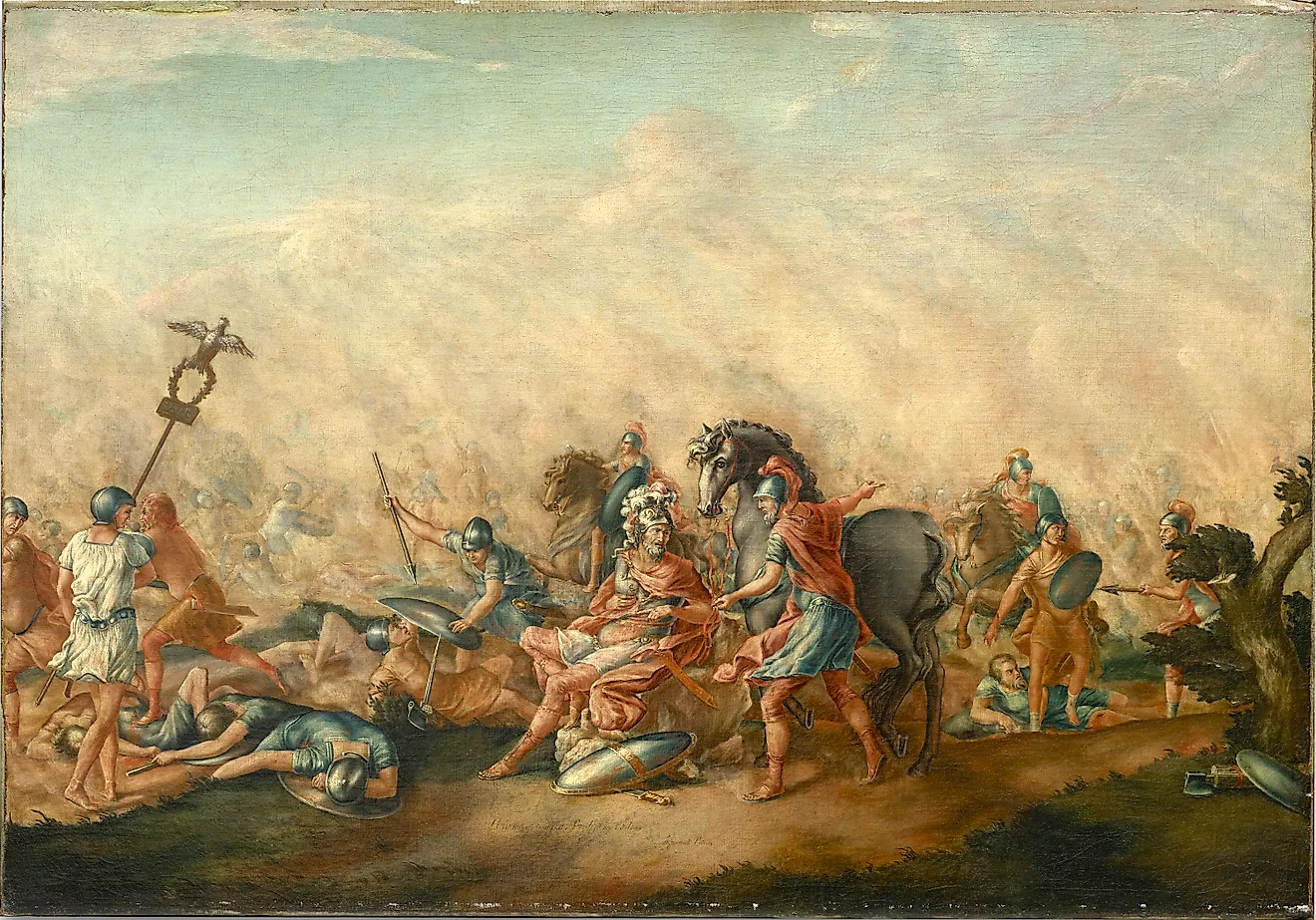
Hannibal racked up many early victories. In the Battle of the Trebia (218 BCE), he lured Roman forces across an icy river where hidden Carthaginian troops then ambushed and decimated them. The Battle of Lake Trasimene (217 BCE) was another ambush that resulted in thousands of Roman deaths. The lowest point for the Romans came in the Battle of Cannae (216 BCE). In an attempt to crush the Carthaginians and drive them out of Italy, Rome raised a massive army of 80,000. Hannibal managed to encircle the Romans and slaughter them from all sides. After one of the deadliest defeats in Roman history, panic spread across Italy as people learned of the catastrophe.
The Tide Turns

The Romans did not surrender. The Roman dictator Quintus Fabius Maximus Verrucosus realized that they could not beat Hannibal in direct battle. He adopted what became known as the Fabian strategy. For the rest of the war, the Romans generally avoided head-on conflict and used attritional tactics, like cutting supply lines and harassing foraging parties, to wear the Carthaginians down over time. Doing so let Rome replenish its ranks and leverage its deeper pool of resources. Many Romans hated this strategy and perceived it as cowardly, but without it, the Republic likely would not have survived.
Rome Defeats Hannibal

As the war entered its second decade, Rome also began attacking Carthaginian territory. Under the leadership of a young general named Scipio Africanus, the Romans drove Carthage from Spain. These gains were particularly devastating to Carthage due to domestic turmoil. Political divisions meant the Carthaginian government was unable to fully support Hannibal. His distance from the main center of power also meant that, even if Carthage’s government had been united, Hannibal still likely would have lacked sufficient resources.
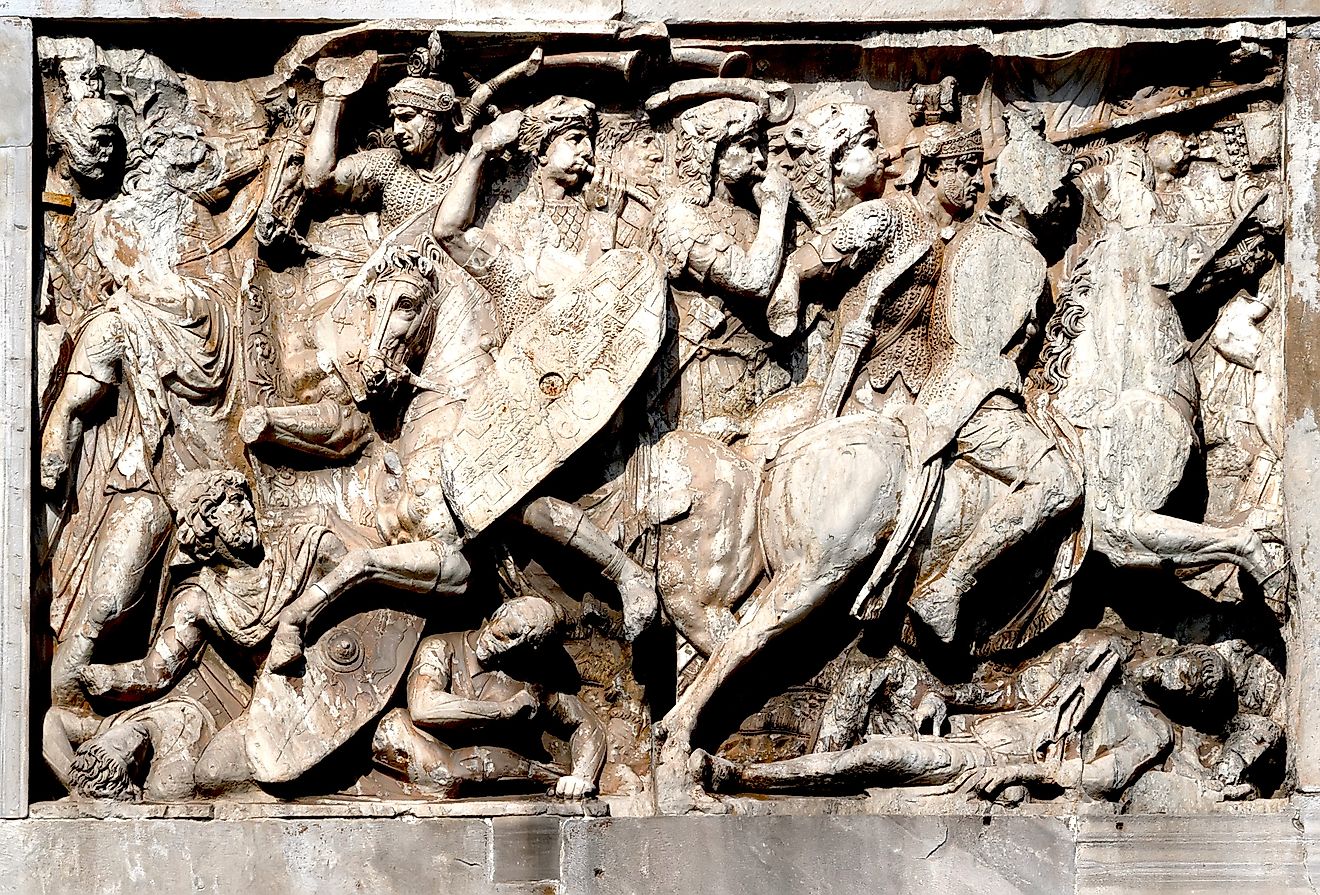
All these factors allowed Rome to eventually attack North Africa directly, forcing Hannibal to withdraw from Italy after nearly 15 years of campaigning. The decisive battle of the Second Punic War came in the Battle of Zama (202 BCE). Led by Scipio Africanus, the Romans established an alliance with the Numidians beforehand, who were located to the south of Carthage. Much like what Hannibal had done to them at Cannae, the Romans and Numidians encircled the Carthaginians and defeated them. Hannibal survived, but Carthage’s military power was permanently weakened.
Impact and Legacy
Rome’s defeat of Hannibal in the Second Punic War was a multifaceted victory. At first it appeared that Carthage would quickly take the entire Italian peninsula and wipe out the Roman Republic. The Fabian strategy let the Romans survive long enough to regroup and replenish their ranks, turning the tide when Rome took the fight to Hannibal and attacked Carthaginian territory. Defeating Hannibal and Carthage at the Battle of Zama paved the way for Roman domination of the Mediterranean in the centuries to come. Call him a wolf, or a thorn in the side, but for a long stretch Hannibal, in the parlance of our times, “had Rome shook.”