The Most Important Roman Cities
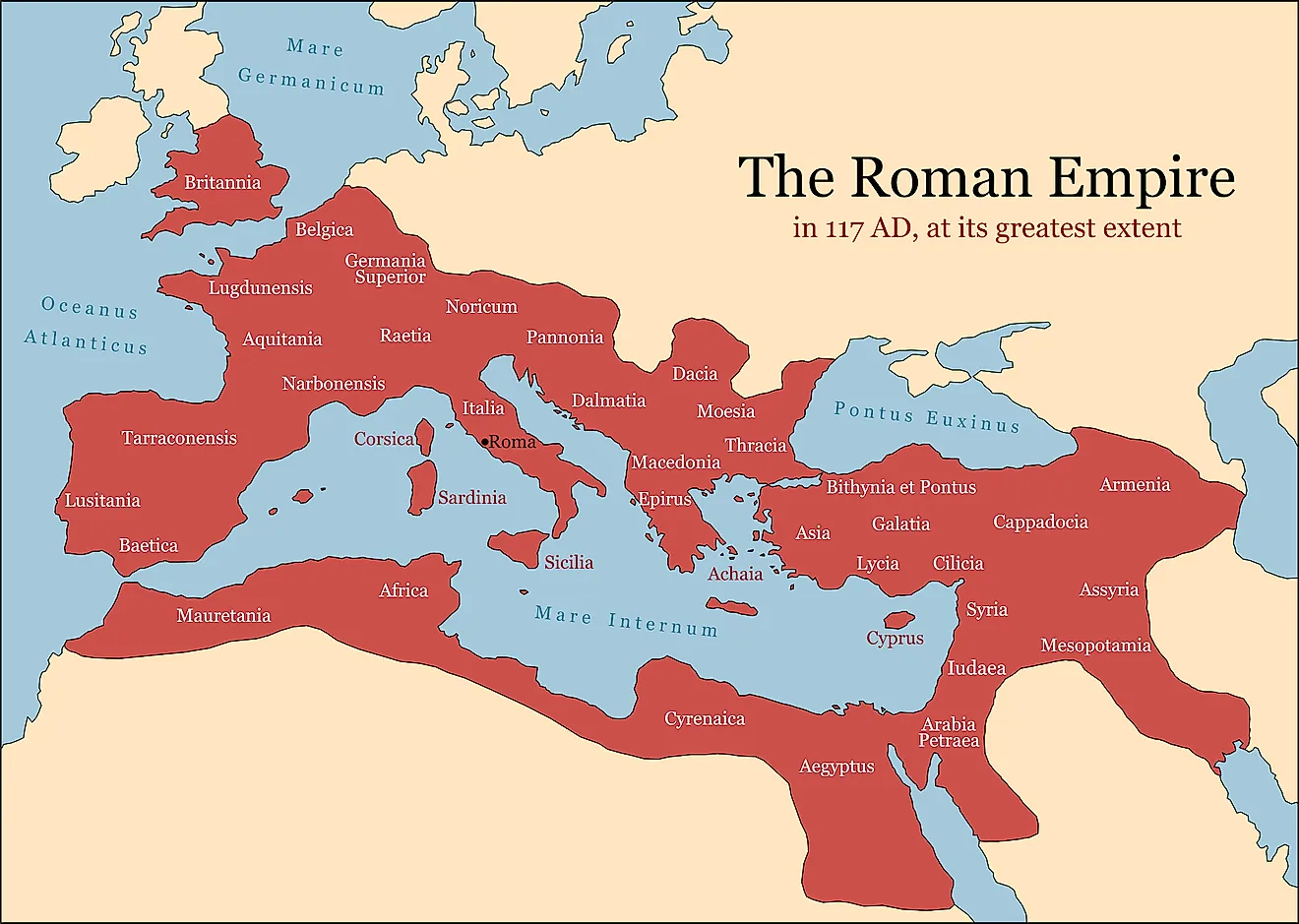
Ancient Rome was home to some of the most important cities in history. Rome itself, as the political and cultural capital, was the centerpiece. Later, Constantinople rivaled Rome's importance and became the largest city in Europe. Alexandria was also vital to the Roman state, serving as a linchpin of its food supply system. Finally, after the Punic Wars, the Romans rebuilt Carthage and established it as the pre-eminent urban settlement in North Africa.
Rome

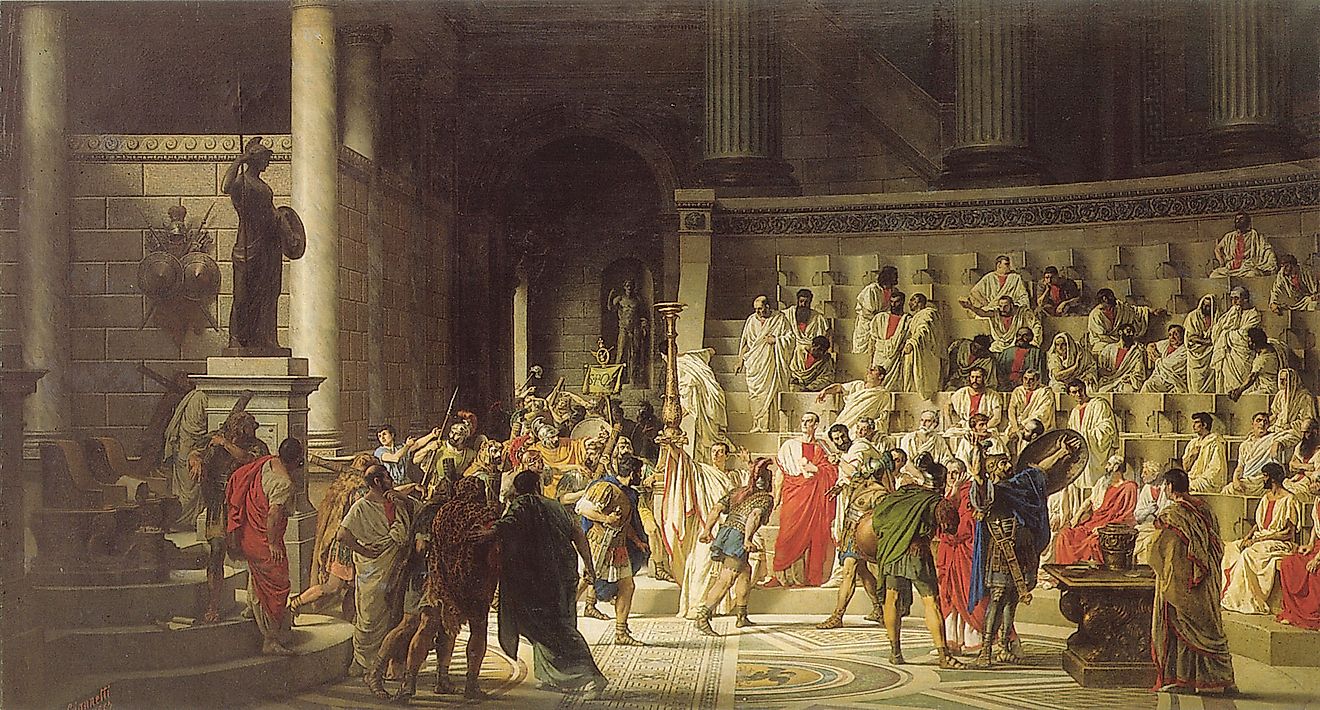
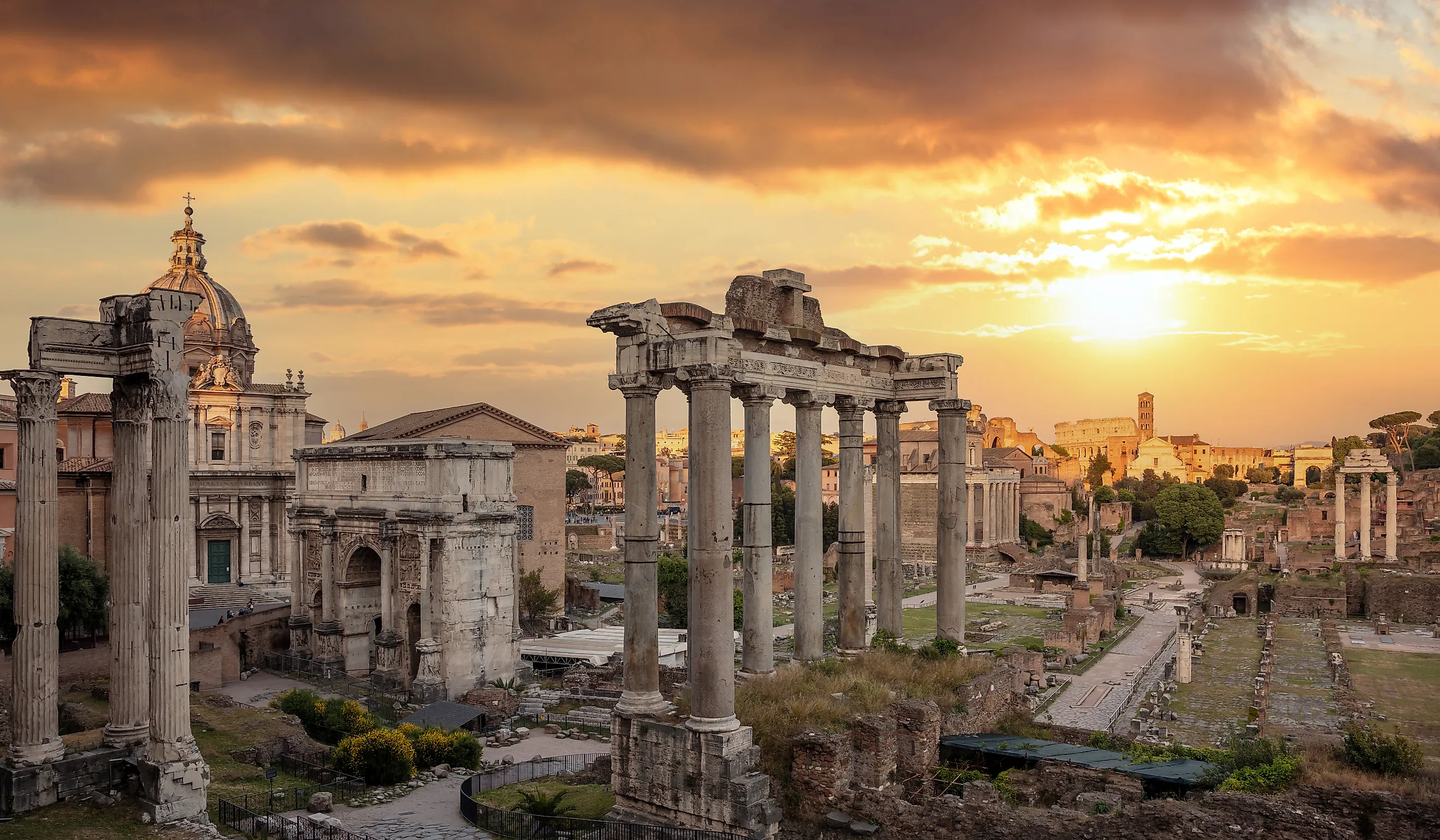
According to tradition, Romulus founded Rome in 753 BCE. For roughly the first 250 years of its existence, it was ruled by seven kings and grew from a small village into a formidable city. This growth accelerated after Rome transitioned from a monarchy to a republic in 509 BCE. As the Romans fought and won a series of wars, first in Italy and then across the broader Mediterranean, wealth flowed into the city. The elite therefore funded the construction of temples, basilicas, and other public works. At the same time, Rome's population expanded dramatically, reaching up to a million people by the late Republican period. This led to overcrowding and extreme wealth inequality.
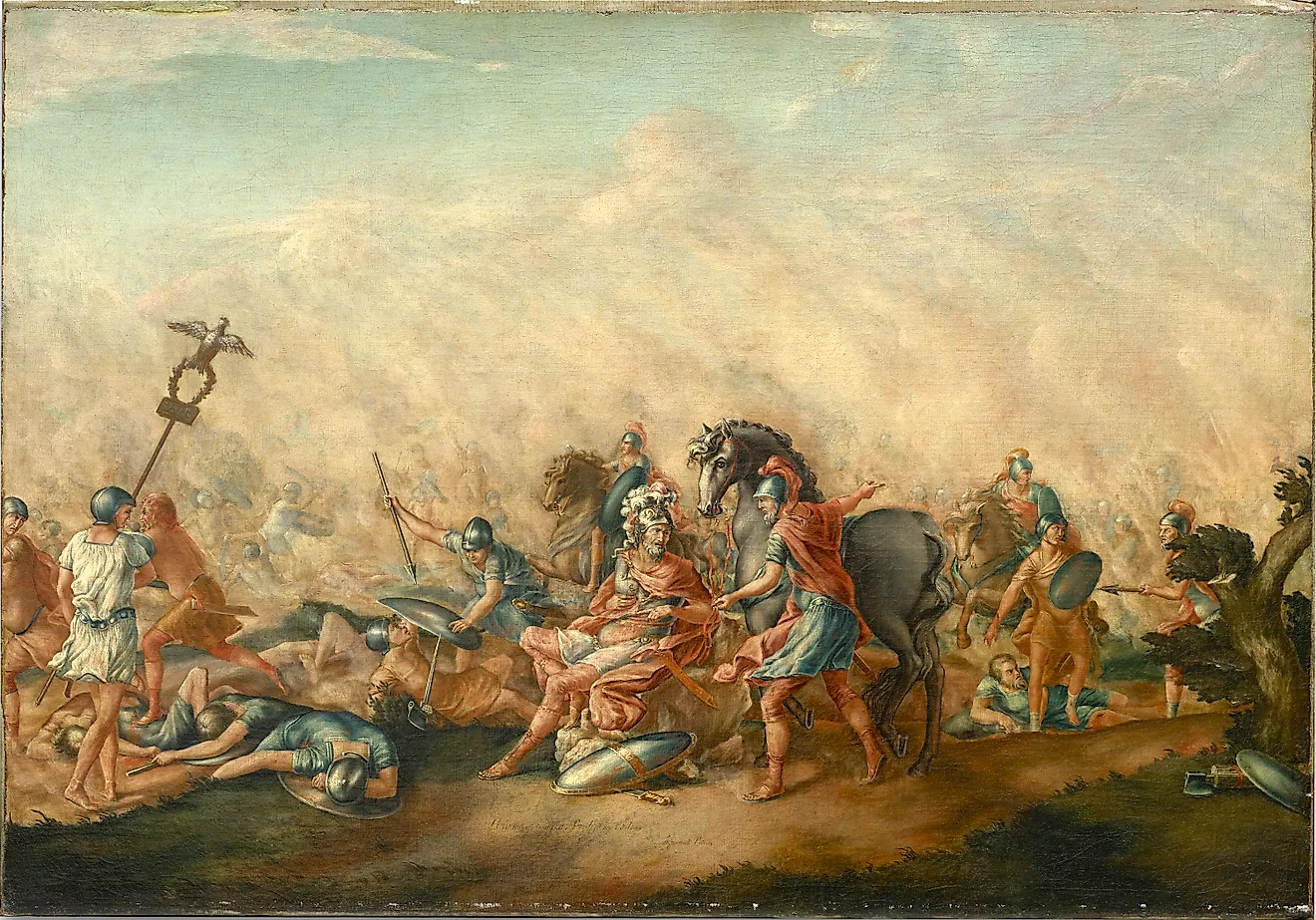
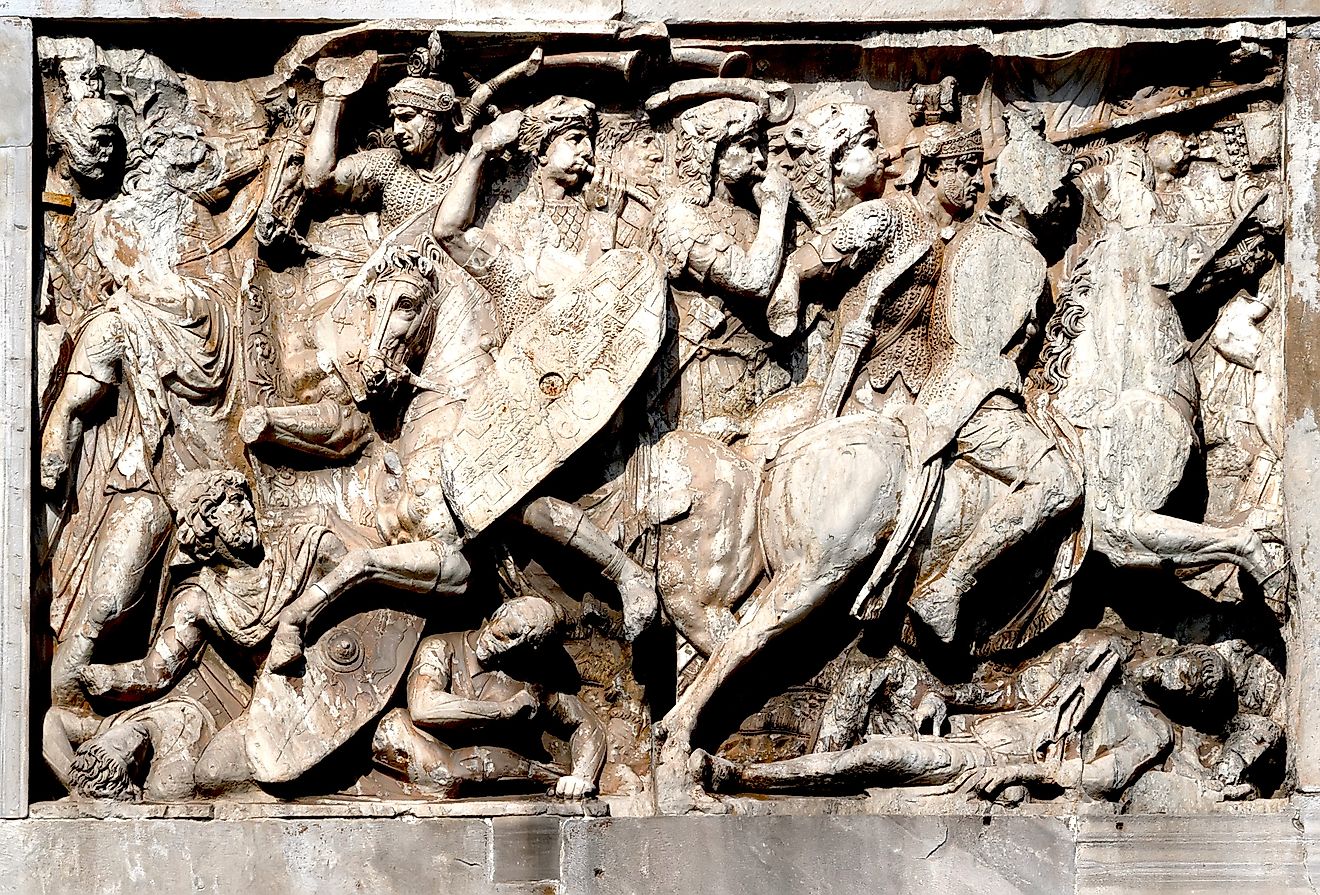
After the Roman Republic transitioned to an empire in 27 BCE, Rome reached the height of its political and cultural power. The centuries that followed saw the construction of numerous famous structures, including the Colosseum, Trajan's Forum, and the Pantheon. Yet the city still faced challenges. The Great Fire of Rome in 64 CE burned much of it, and the Crisis of the Third Century (235 to 284 CE) revealed the need to strengthen its defenses. Making Constantinople the new imperial capital in the east in 330 CE also diminished Rome's importance. Emperors increasingly resided elsewhere, and as the Western Roman Empire's power waned, so did the city's ability to defend itself. It was sacked several times, first in 410 CE by the Visigoths and again in 455 CE by the Vandals. The Western Roman Empire ultimately fell in 476 CE. However, the city of Rome soon acquired new significance as the leading center of Christianity in Western Europe.
Constantinople

If Rome was the most important city in the Roman Empire, Constantinople was a very close second. It became its eastern capital in 330 CE, which made sense given its strategic position. Constantinople controlled the only waterway between the Black Sea and the Mediterranean. It also lay on the Silk Road. This dual trade importance made it a hub of economic activity, and Constantinople eventually grew into the largest city in Europe. When the Western Roman Empire fell in 476 CE, it then became the undisputed leader of Roman civilization.
Just as the city of Rome became the center of Christianity in Western Europe, Constantinople was vital for the development of Eastern Christianity. The original Hagia Sophia was dedicated in 360 CE, while the monumental structure that stands today was completed in AD 537. The city also played a pivotal role in the East-West Schism of 1054 CE, in which the Roman Catholic Church and the Eastern Orthodox Church formally split.
As Eastern Roman (or Byzantine) power waned, Constantinople grew increasingly vulnerable. It was besieged several times and famously sacked by Catholic Crusaders in 1204 CE. Ultimately, the city finally fell to the Ottomans in 1453, marking the official end of the Roman Empire.
Alexandria

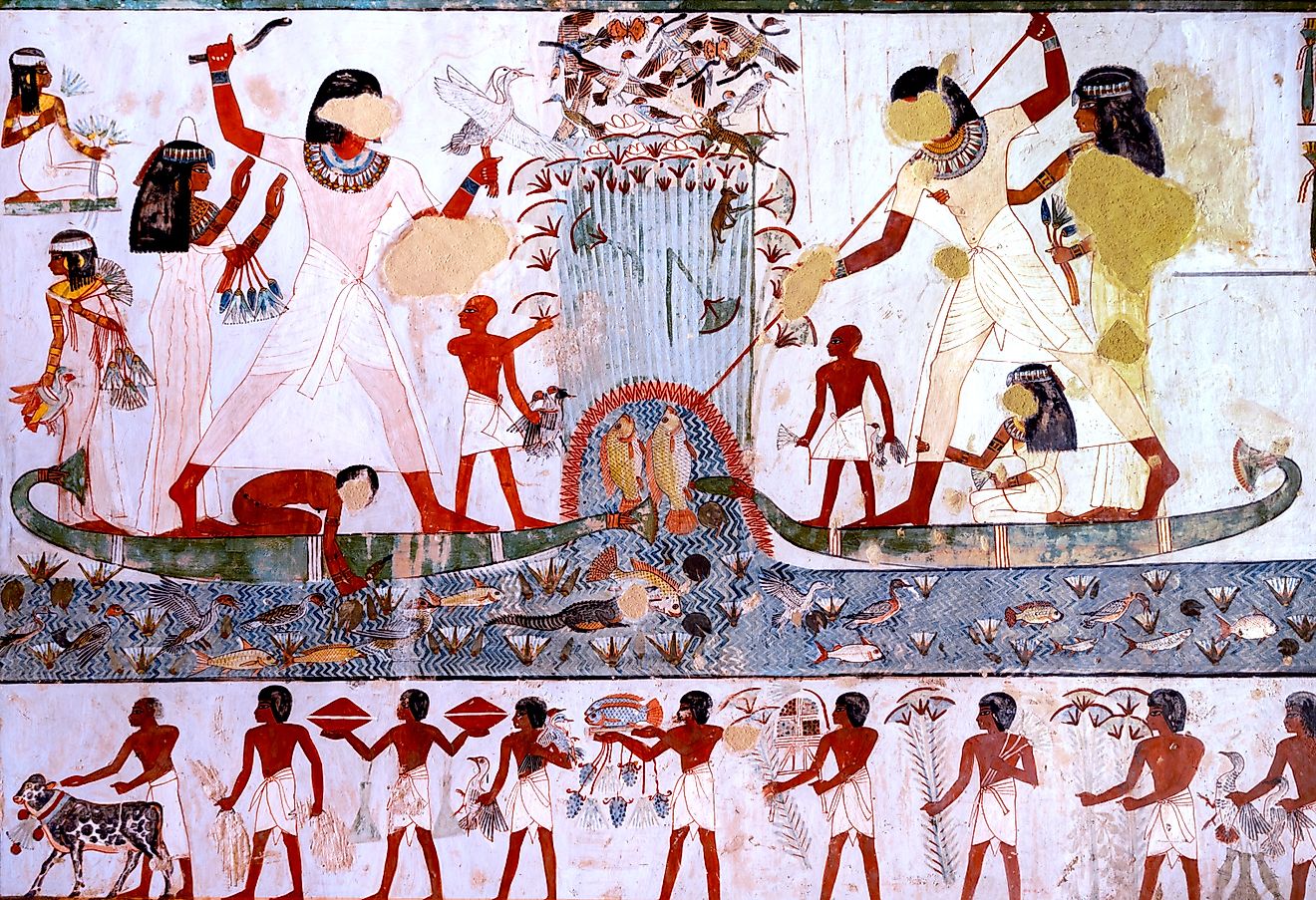
After the Romans annexed Egypt in 30 BCE, Alexandria became one of the empire's most important cities. The Nile flooded annually, depositing fertile soil along its banks. This made the surrounding area ideal for farming. Its coastal location gave it access to the entire Mediterranean, and its massive harbor ensured that many ships could come and go at any given time. In short, Alexandria served as the linchpin of the Roman Empire's food supply system. Its intellectual and cultural relevance (the Library of Alexandria was a destination for academics around the Mediterranean, and the city was vital to the development and spread of Christianity) further bolstered Alexandria's profile.
Carthage
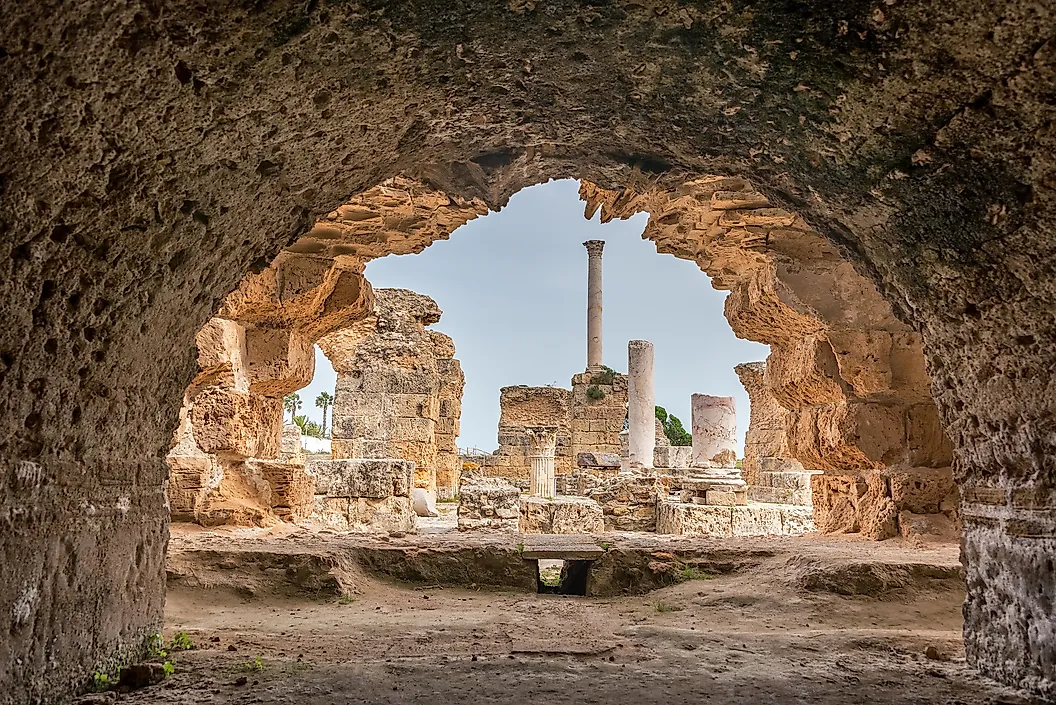
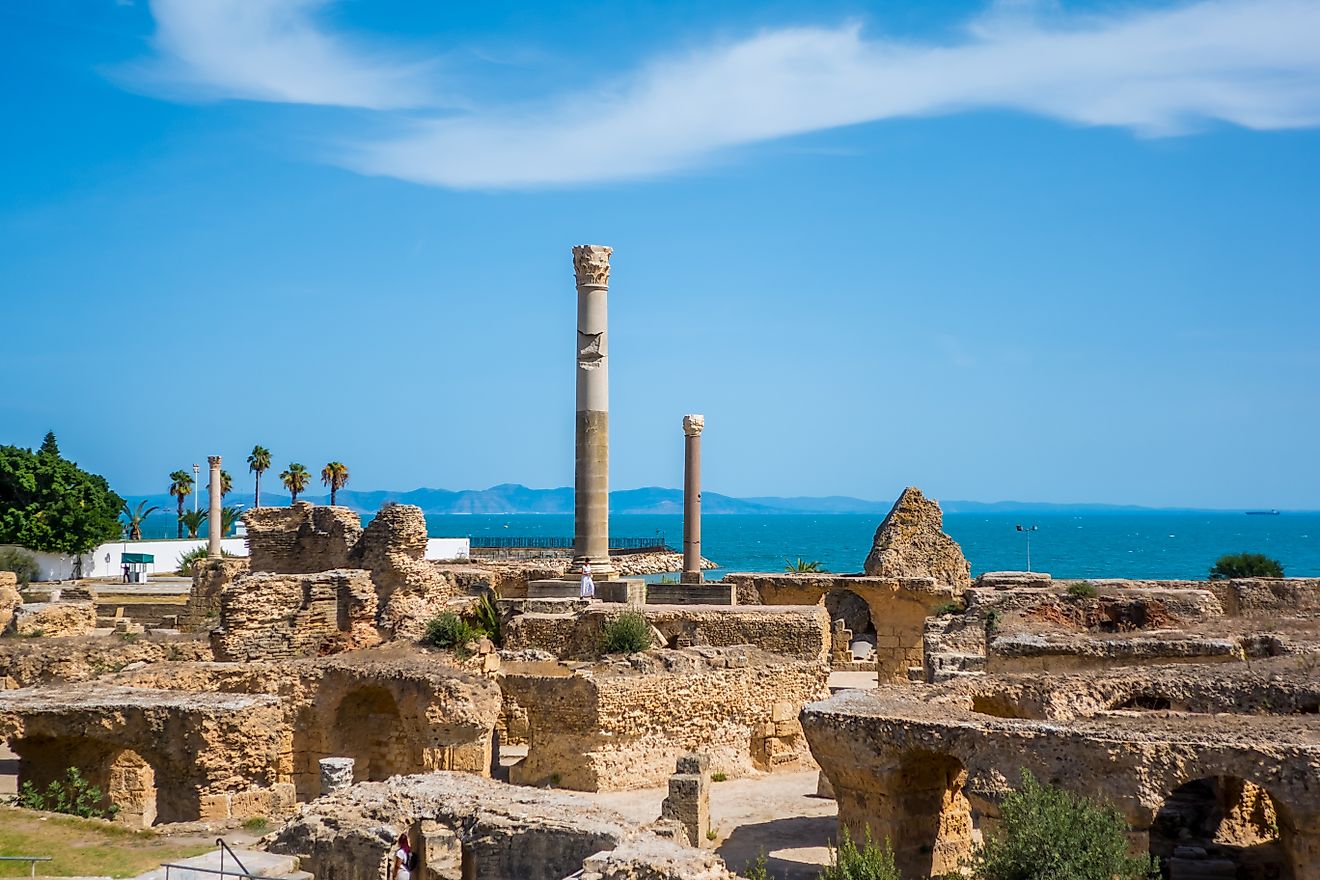
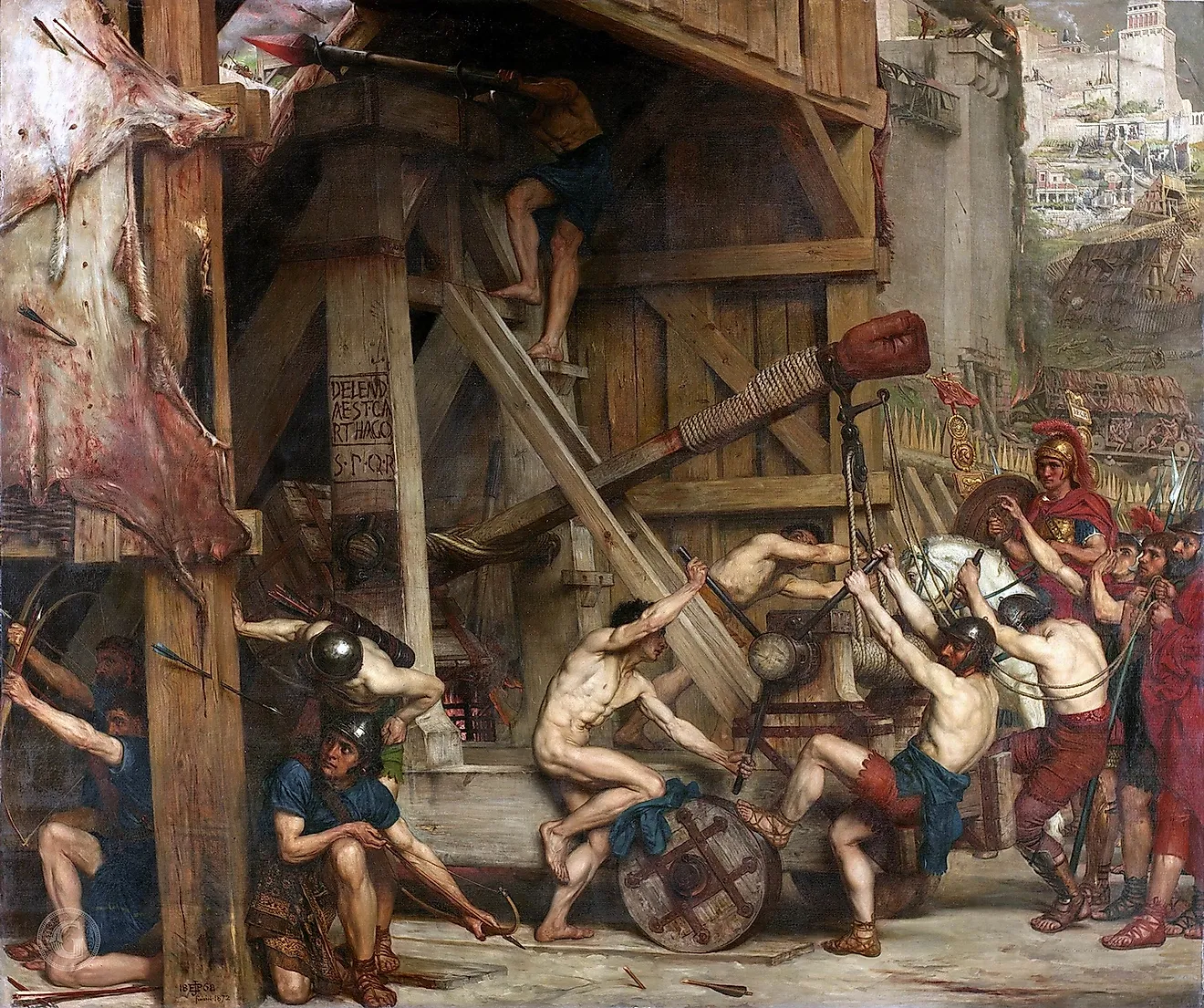
The Phoenicians likely founded Carthage in the 9th century BCE. It eventually grew into a major empire, bringing it into competition with the Roman Republic. The two powers fought a series of wars in the 200s and 100s BCE. The final conflict, the Third Punic War (149 to 146 BCE), ended with the destruction of Carthage. However, the Romans recognized the city's strategic importance. Its surrounding land was fertile, making it ideal for agriculture. Its coastal location also proved advantageous for defending Roman territories in places like Spain and Sicily.
For all these reasons, Carthage was rebuilt as a Roman city. Roman-style forums, streets, baths, and infrastructure were constructed. At the same time, local language, religious practices, and social identities persisted, creating a unique cultural fusion. This, combined with its status as the administrative center of Roman Africa and a productive agricultural hinterland, ushered in a golden age during the 1st and 2nd centuries CE. Carthage was so prosperous that it became considered the "second city" of the Western Roman Empire, after Rome itself. This made its eventual capture by the Vandals in 439 CE even more devastating. Without Carthaginian food supplies and economic activity, the Western Roman Empire struggled. It ultimately collapsed in 476 CE, in no small part due to the loss of Carthage.
Several cities defined the Roman Republic and Empire. Rome itself was the most important, serving as the bedrock of Roman civilization. However, Constantinople eventually grew even larger and preserved the last vestiges of Roman civilization until 1453 CE. Alexandria's location at the crossroads of the Nile River Delta and the Mediterranean Sea helped sustain the Roman Empire. Finally, Carthage was the administrative and economic capital of Roman Africa.