The Worst Places To Live In Ancient Rome
The Roman Empire was one of the largest states in world history. As such, inhabitants in its different regions had to contend with a variety of trials and tribulations. In Northern Britain, people had to contend with a cold climate and constant incursions by tribes in what is now Scotland. In Rome, the poorest citizens lived in cramped, unsanitary, and unsafe apartments. Finally, in Mesopotamia, inhabitants dealt with heavy militarization and shifting borders. All these places were among the worst to live in Ancient Rome.
Northern Britain

While Roman incursions into Britain began during Julius Caesar's Gallic Campaign (58 to 50 BCE), the full-scale invasion occurred in 43 CE under Emperor Claudius. It took decades to conquer Britain, but much of the island eventually became heavily Romanized. Northern Britain was an exception. Cold, wet, and rural, many locals resisted or outright rejected Roman culture. Incursions from Caledonian tribes in the north were another concern. To address these issues, Emperor Hadrian ordered the construction of a massive wall (appropriately named Hadrian's Wall) in 122 CE. Forts such as Chesters, home to a cavalry regiment of around 500, were built along it.
Due to the climate and security threats, Northern Britain relied on Roman logistics networks. If these were interrupted, people often suffered. Thus, as the Roman Empire faced more and more problems during the 3rd, 4th, and 5th centuries CE, the region experienced significant challenges. The Romans ultimately abandoned Northern Britain in the early 5th century CE, leaving a power vacuum that wouldn't be filled for centuries.
The Rhine And Danube Frontier Zones

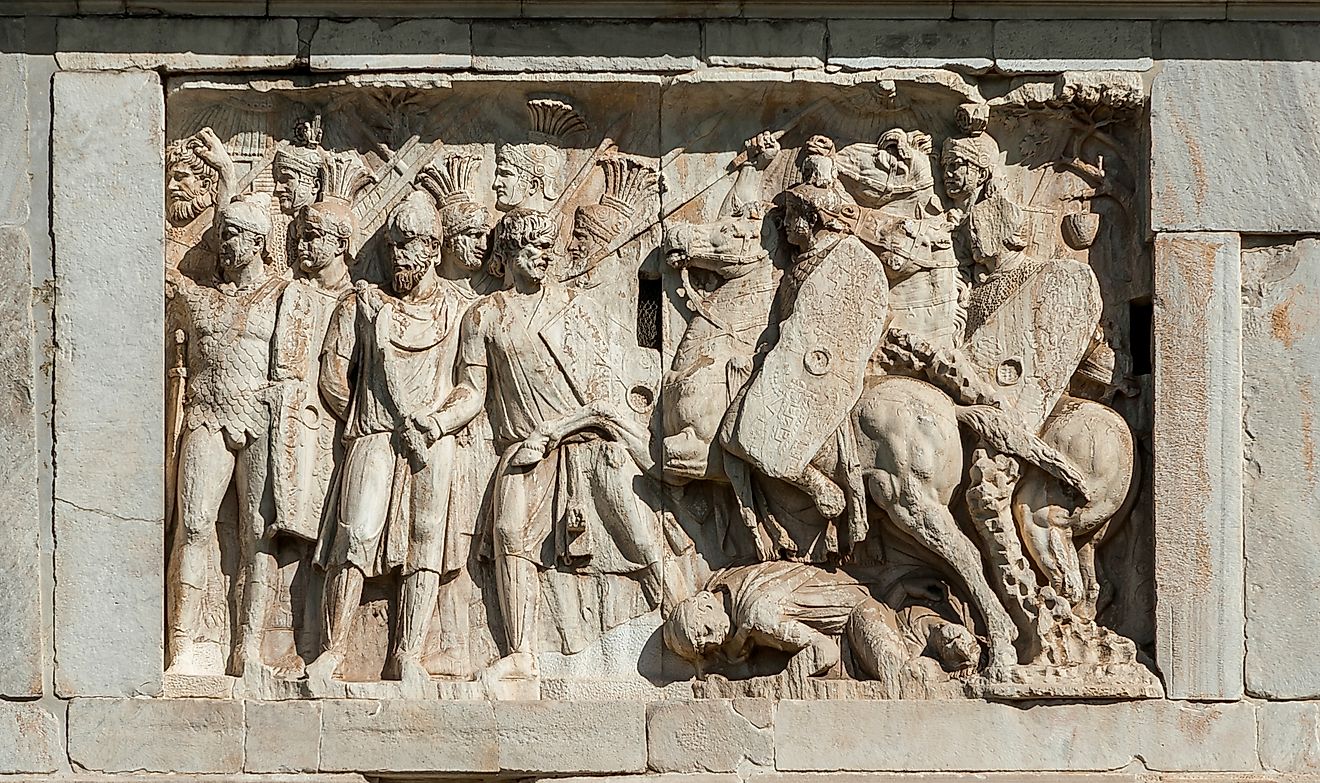
Julius Caesar made temporary incursions into Germania during his Gallic Campaign. Augustus, Rome's first emperor, then attempted to permanently settle the region in the late 1st century BCE and early 1st century CE. While it initially went well, disasters like the Battle of the Teutoburg Forest in 9 CE (in which between 15,000 and 20,000 Roman troops were lost) effectively ended plans to expand past the Rhine River.
The Romans were moderately more successful with their Danubian expansion. Trajan led incursions into Dacia (modern-day Romania) in the early 2nd century CE, and the Romans held it for nearly 170 years. However, Dacia was ultimately abandoned around 270 to 275 CE during the Crisis of the Third Century, and the border reverted to the Danube River.

Due to constant warfare, life in the Rhine and Danube frontier zones was heavily militarized. Much like in Britain, the region contained many fortresses that housed thousands of troops. River fleets patrolled the waters as well. The regions also relied on Roman logistics to supply them, though the land was somewhat better suited for agriculture. The Rhine and Danube frontier zones contained some major urban centers. Colonia Claudia Ara Agrippinensium was one such Roman colony and served as the basis for modern-day Cologne. This meant that, while still difficult, life was probably slightly better than in Northern Britain. Regardless, the regions were still vulnerable to similar military threats, as evidenced by the Hunnic invasion of Gaul in 451 CE.
The Eastern Frontier Near Mesopotamia

The Roman Empire's eastern border constantly shifted. Mesopotamia was particularly hotly contested. Trajan briefly established a Mesopotamian province between 116 and 117 CE; however, his successor, Hadrian, abandoned it. Septimius Severus eventually regained control in 198 CE, but the region remained a war zone for centuries as the Romans fought the Persia-based Parthian and Sasanian Empires. Local towns and villages existed in the shadow of the military apparatus, as infrastructure was built to support the army rather than everyday needs. Consequently, there was minimal investment in cultural, linguistic, and political institutions, leaving Mesopotamia much less Romanized than other provinces. Local populations generally continued to speak their languages, practice their laws, and worship their gods. The constant warfare also disrupted the economy, which would have naturally thrived on fertile farmland.
The Poorest Districts In The City Of Rome

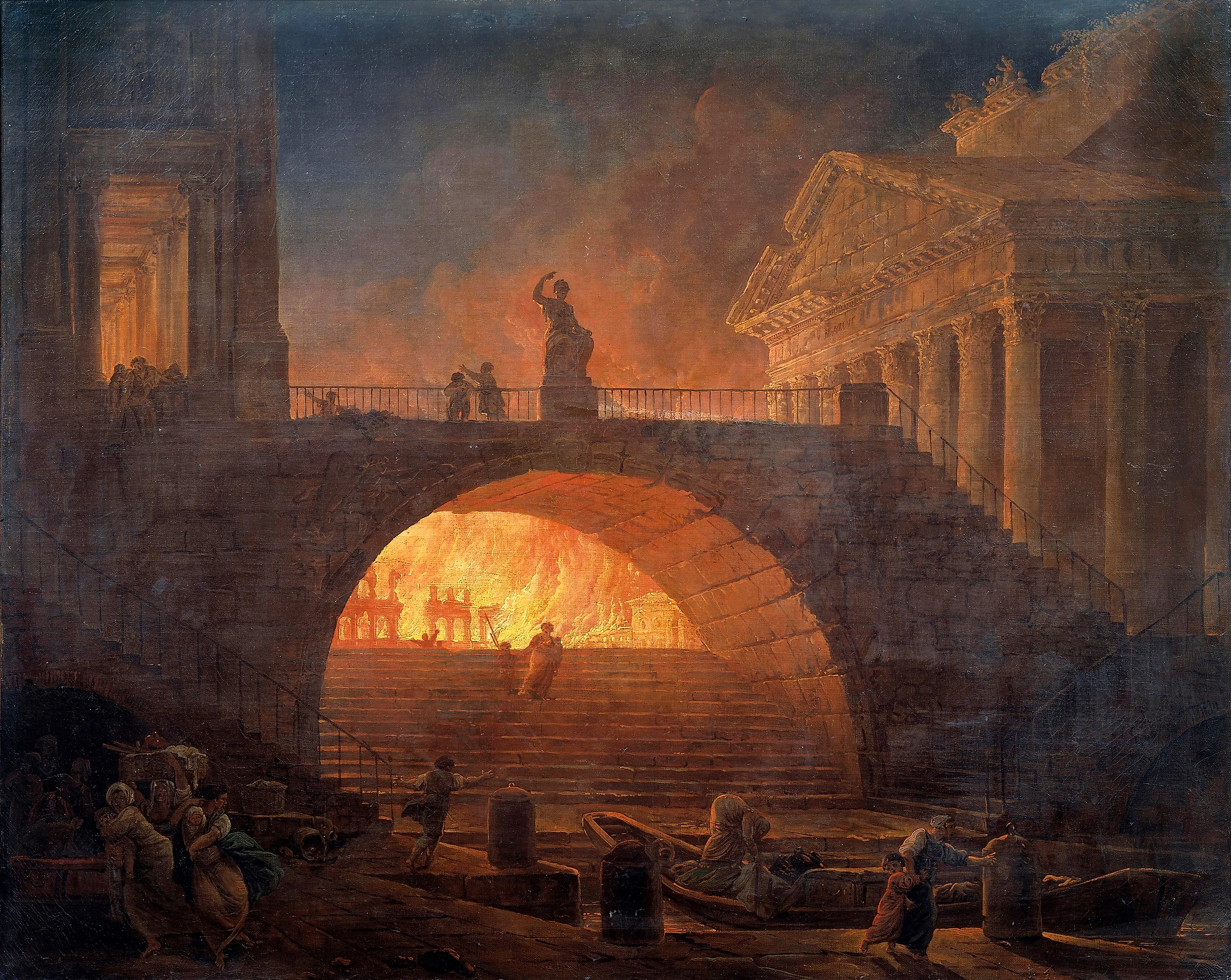
When people think of the city of Rome, they tend to picture lavish architecture, extravagant monuments, and extreme wealth. While this was certainly a part of the city, it didn't reflect the lived experiences of most of its inhabitants. The poorest people lived in multi-story apartment buildings called insulae. Crowded and with poor sanitation, these units lacked basic utilities like running water, kitchens, or latrines. People were therefore forced to throw their public waste into the street or use chamber pots that emptied from the windows. Overcrowding, paired with cooking fires and oil lamps, made fires a constant worry. The threats were so acute that rent was cheapest on the top floors since they were the most vulnerable during building collapses or fires.

All these factors had measurable impacts on people. Disease ran rampant, life expectancies were short, and infant mortality rates were high. To escape these horrific living conditions, many attached themselves to wealthy patrons by doing odd jobs in exchange for money, food, or legal protection. However, others also worked as dockworkers or day labourers, sometimes alongside enslaved people hired out by their owners. While public entertainment like chariot races and gladiatorial matches provided some respite, life in Rome's poorest districts was generally dire and destitute.
Impact And Legacy
Even though Ancient Rome was a prosperous and powerful state, there were still several places one would like to avoid living. Northern Britain was cold, wet, and dealt with constant military incursions. The Rhine and Danube Frontier zones faced similar challenges but boasted larger urban settlements. Mesopotamia dealt with constant warfare as well. All three regions were heavily militarized because of these threats and generally less Romanized than the empire's other regions. Finally, the poorest districts in the city of Rome were characterized by disease, poor sanitation, unstable work, and fire hazards.