The Most Important Ottoman Cities
As one of the largest empires in world history, the Ottoman Empire had many major cities. The most obvious one was Constantinople, or Istanbul. Its strategic location made it the centerpiece of the Ottoman state. However, other cities, such as Bursa and Edirne, served as early capitals and remained important throughout the empire's existence. Cairo was vital in facilitating the transportation of Egyptian agriculture. Finally, Damascus had religious and administrative significance.
Constantinople (Istanbul)

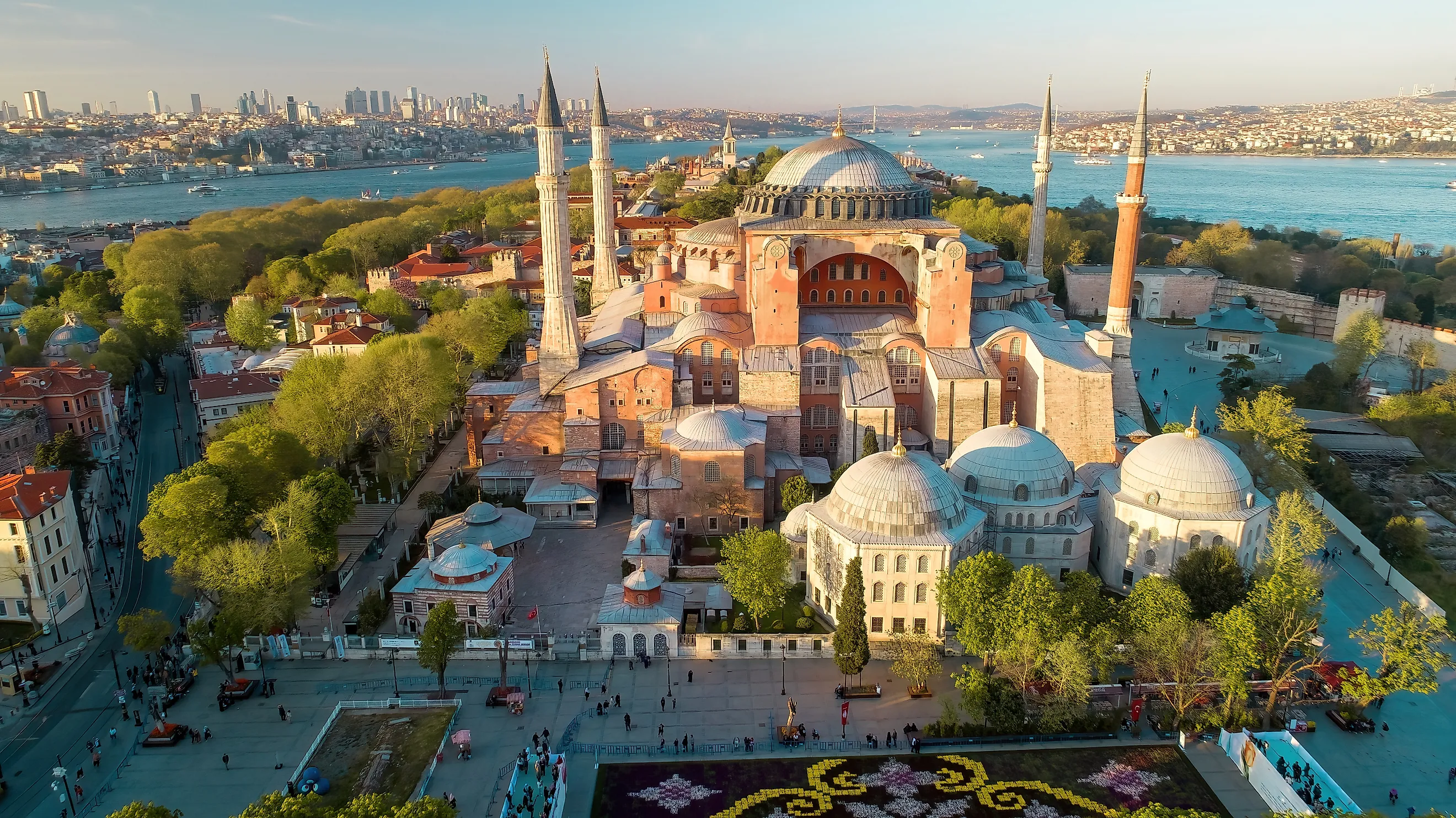
Roman Emperor Constantine the Great refounded the Greek city of Byzantium as Constantinople in 324 CE. Six years later, it was made the new capital of the Roman Empire. As the Western Roman Empire struggled and ultimately fell in 476 CE, the Eastern Roman Empire (known retroactively as the Byzantine Empire) survived. Constantinople was a major reason for this. Its location on the Bosphorus Strait gave it control of the only waterway between the Black and Mediterranean Seas. It was also situated on the Silk Road, further enhancing its trade importance. Constantinople eventually grew into the largest and most powerful city in Europe.
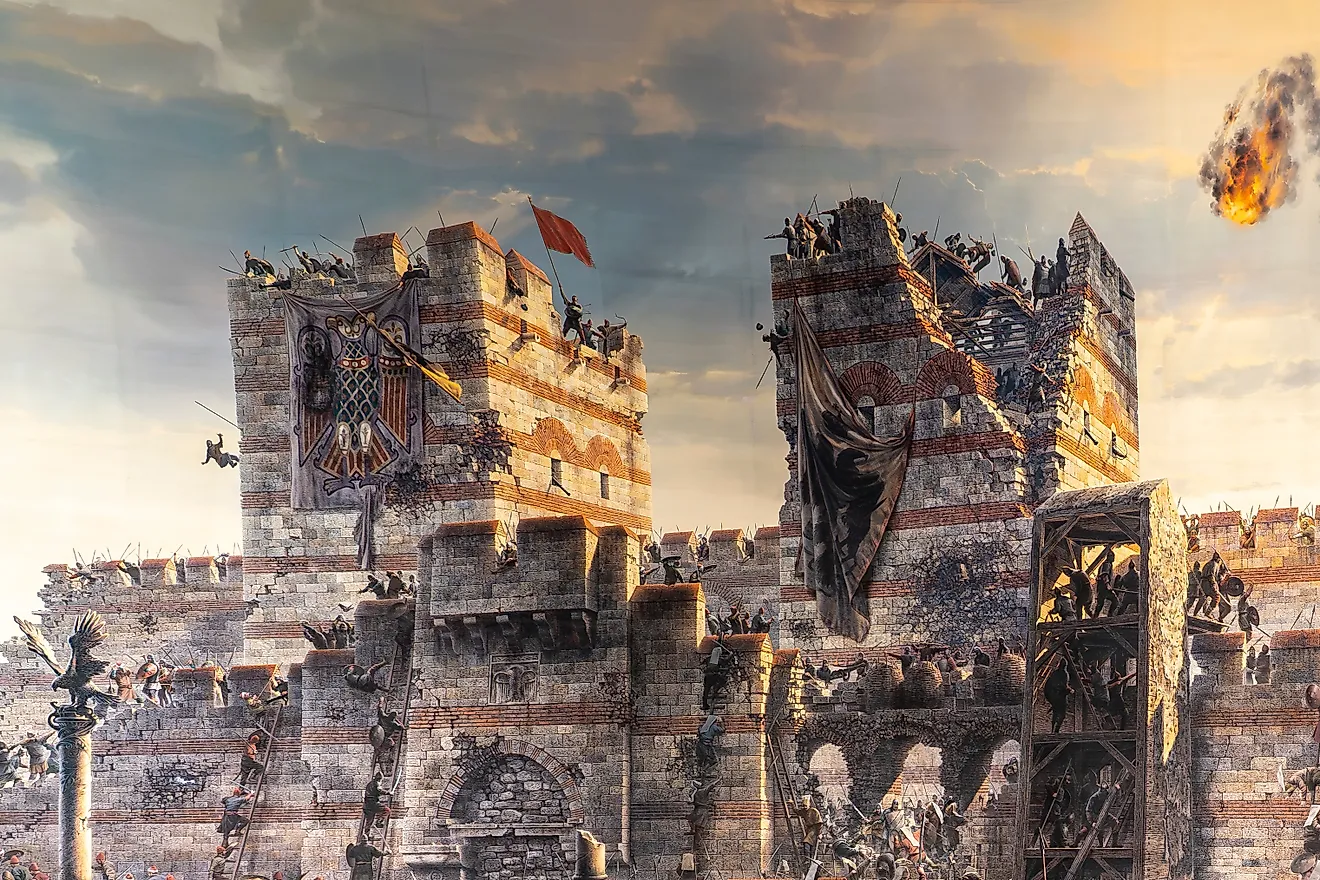
All this made it a target, and Constantinople was besieged and sacked several times. However, the turning point came in 1453 when the Ottomans captured the city. With this, the Ottoman Empire established itself as a major power. Under Suleiman the Magnificent in the 1500s, the city flourished culturally and reached a population of about half a million. The 19th century brought modernization to the city's legal codes and infrastructure, but it remained a formidable power. Finally, after World War I, the Allies occupied Constantinople. The Ottoman successor state, Turkey, changed its capital to the Anatolian city of Ankara. Regardless, Constantinople (now Istanbul) remains the largest city in Europe and a major economic and cultural hub.
Bursa

If conquering Constantinople made the Ottomans a world power, then gaining control of Bursa was essential for the empire to get off the ground in the first place. The Ottomans captured it in northwestern Anatolia in 1326. They made it their first capital and established public works projects, a professional standing army, and the empire's first coins. Major buildings were also constructed, like the appropriately named Grand Mosque of Bursa. Bursa's location on the Silk Road made it a key economic hub and helped the Ottomans gather wealth for further expansion. Finally, while not directly on the water, Bursa was relatively close to the Sea of Marmara, giving the Ottomans access to additional trade and shipping routes. All these factors meant that, even as other cities grew larger and more prominent, Bursa retained its significance throughout the empire's existence.
Edirne

Edirne was the second Ottoman capital. Situated in Eastern Thrace near the border with modern-day Greece, the city was essential to gaining a foothold in Europe. From here, the Ottomans oversaw future expansions into the Balkans and developed their administrative state. Sultan Mehmed II also planned his conquest of Constantinople from Edirne. Even when Constantinople became the new and permanent capital, Edirne remained important. Several major buildings, like the Selimiye Mosque, were built, and some sultans even lived, hunted, and held court in or near the city. Life in Edirne became more tumultuous during the empire's final centuries. It shifted between Ottoman and Russian control in the 1800s and was occupied by Bulgaria during the First Balkan War in 1913. The Ottomans ultimately recaptured the city, and it remains under Turkish control to this day.
Cairo

The Ottoman Empire wasn't just an Anatolian and Balkan power. During the 1510s, it expanded into Egypt, Arabia, and the Levant. In doing so, the Ottomans came to control several important cities, including Cairo. Located in Northern Egypt along the Nile River, Cairo facilitated the movement of agricultural goods throughout the Ottoman Empire. It was also a hub of Islamic learning and the site of numerous mosques.
However, there were challenges. The previous rulers, the Mamluks, eventually reasserted control over Cairo's treasury and day-to-day administrative operations. Napoleon's invasion of Egypt in 1798 further weakened the Ottoman foothold in the city. All this paved the way for Mohammad Ali's rise in 1805. Technically an Ottoman governor, Ali ran Egypt as an effectively independent state and even fought two wars against the government in Constantinople. The British then occupied Egypt in 1882, and it became a British protectorate in 1914. With this, Cairo officially fell out of Ottoman control.
Damascus

The Ottomans also came to control Damascus in the 1510s. Located in Syria, Damascus was instrumental in the empire becoming the world's preeminent Islamic power. After all, it served as a gathering place for Anatolian and Balkan Muslims making their pilgrimage to Mecca. This influx of people also drove local commerce and trade. The city became even more important in the 1800s. During this time, the Ottomans were enacting major modernization reforms known as the Tanzimat, which led to the establishment of telegraph lines, municipal building codes, and modern civil bureaucracies.
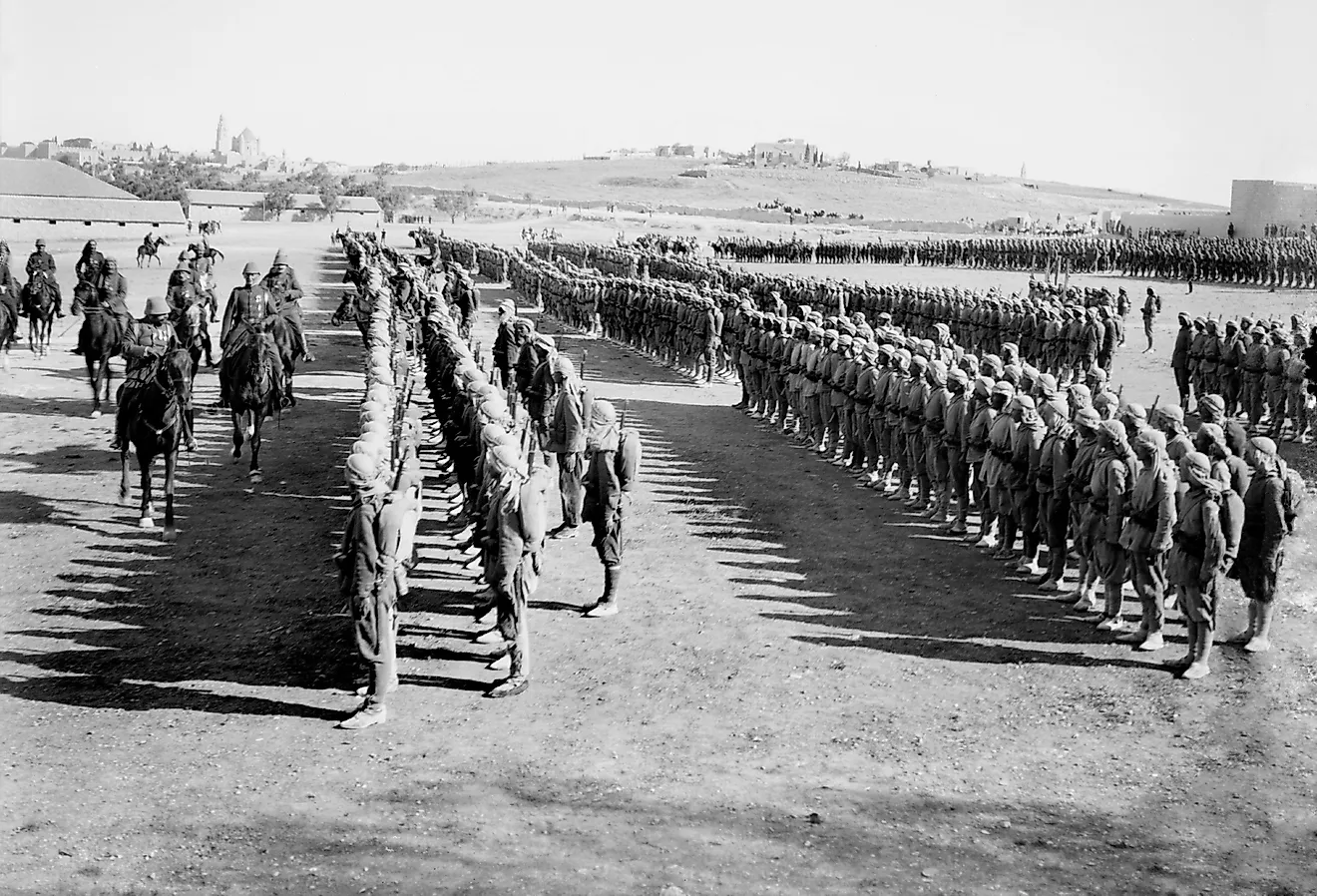
Damascus also served as the capital of the newly founded province of Syria. While somewhat effective, these reforms exacerbated sectarian and ethnic tensions, since many local communities resented their top-down implementation by the Ottoman government. Following years of problems, Allied troops eventually occupied the city in October 1918.
Impact And Legacy

The Ottoman Empire had several important cities. Consider Constantinople, which served as its main power base for centuries. Cities like Bursa and Edirne were also important for political, cultural, and economic reasons. Cairo was instrumental in ensuring Egyptian agriculture reached the rest of the empire. At the same time, it was constantly contested. Finally, Damascus was the most important city in Ottoman Syria due to its religious and administrative significance.