Why Did Roman Emperors Fear The Roman Army?
A Roman emperor could command hundreds of thousands of soldiers, yet could also be killed by the very men meant to protect him. Roman emperors feared the army because it could assassinate them, refuse their orders, or declare a rival emperor. The Praetorian Guard was particularly dangerous because it had direct access to the ruler. Armies stationed on the frontiers could be dangerous as well, since they sometimes declared one of their own generals emperor and could back up this declaration with military might. Soldiers also expected pay and rewards, making their loyalty difficult to take for granted.
The Army Could Make And Unmake Emperors

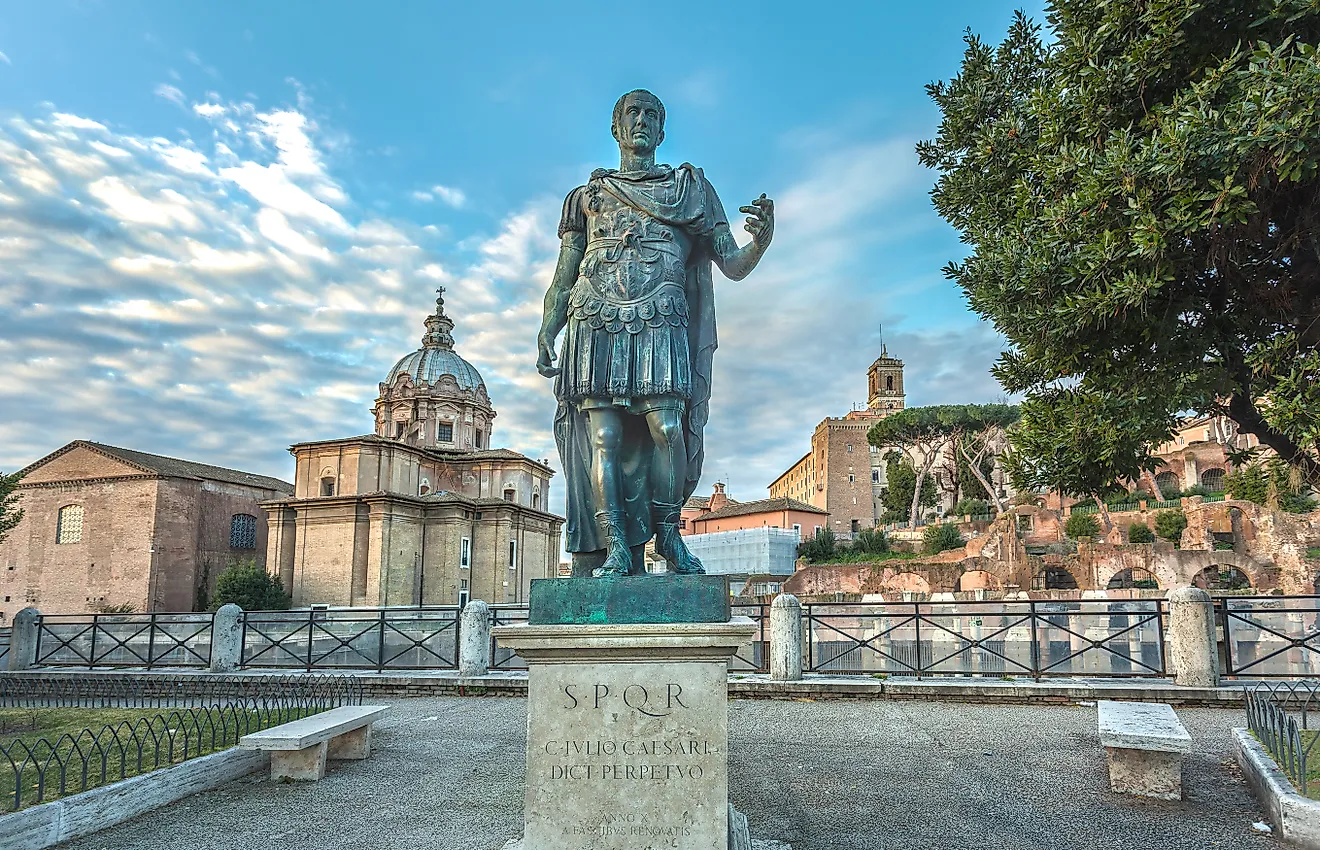
During much of the Roman Republic (509 to 27 BCE), the army was formally subordinate to elected magistrates and the Senate. Over time, this changed. Soldiers were paid by the Roman state, but generals could reward them with spoils of war and promises of land, making many loyal to individual commanders rather than to Rome. Several generals, such as Lucius Cornelius Sulla, Pompey the Great, and Julius Caesar, also had their own political ambitions. All this created a situation in which the leaders of the Roman Republic were often determined by who the army supported.
When Augustus established the imperial system in 27 BCE, he put military service and veterans' payments on a more regular footing, eventually establishing a military treasury for retirement benefits. Regardless, the "might makes right" dynamic remained. Relatively effective emperors could lose power if the army didn't support them, while brutal despots could rule for years with the army's backing. To illustrate the former point, consider Severus Alexander. He reigned from 222 to 235 CE and, according to several accounts, was a moderate and thoughtful ruler. However, his diplomatic efforts with some Germanic tribes alienated many in the army, and mutinous soldiers assassinated him in 235 CE. On the other hand, Domitian reigned from 81 to 96 CE as a brutal and paranoid emperor. Purges were common, and he had a strained relationship with the Senate. But Domitian supported the army, which, in turn, backed him.
Emperors didn't just need to worry about those closest to them. Frontier armies could create rival emperors by raising one of their own. This dynamic was particularly acute in the Crisis of the Third Century (235 to 284 CE), a nearly fifty-year period marked by civil war, invasion, plague, and economic dysfunction. During this time, over twenty emperors rose and fell. Many were known as "barracks emperors," rulers who relied heavily on the backing of their soldiers to secure power. Maximinus Thrax was an early example. A low-born career soldier, he was proclaimed emperor during a military revolt in 235 CE that also saw the assassination of Severus Alexander. Diocletian, the emperor who brought an end to the crisis and reorganized the Roman state in its aftermath, was himself a cavalry commander proclaimed emperor by his troops in 284 CE.
The Praetorian Guard Could Assassinate Emperors

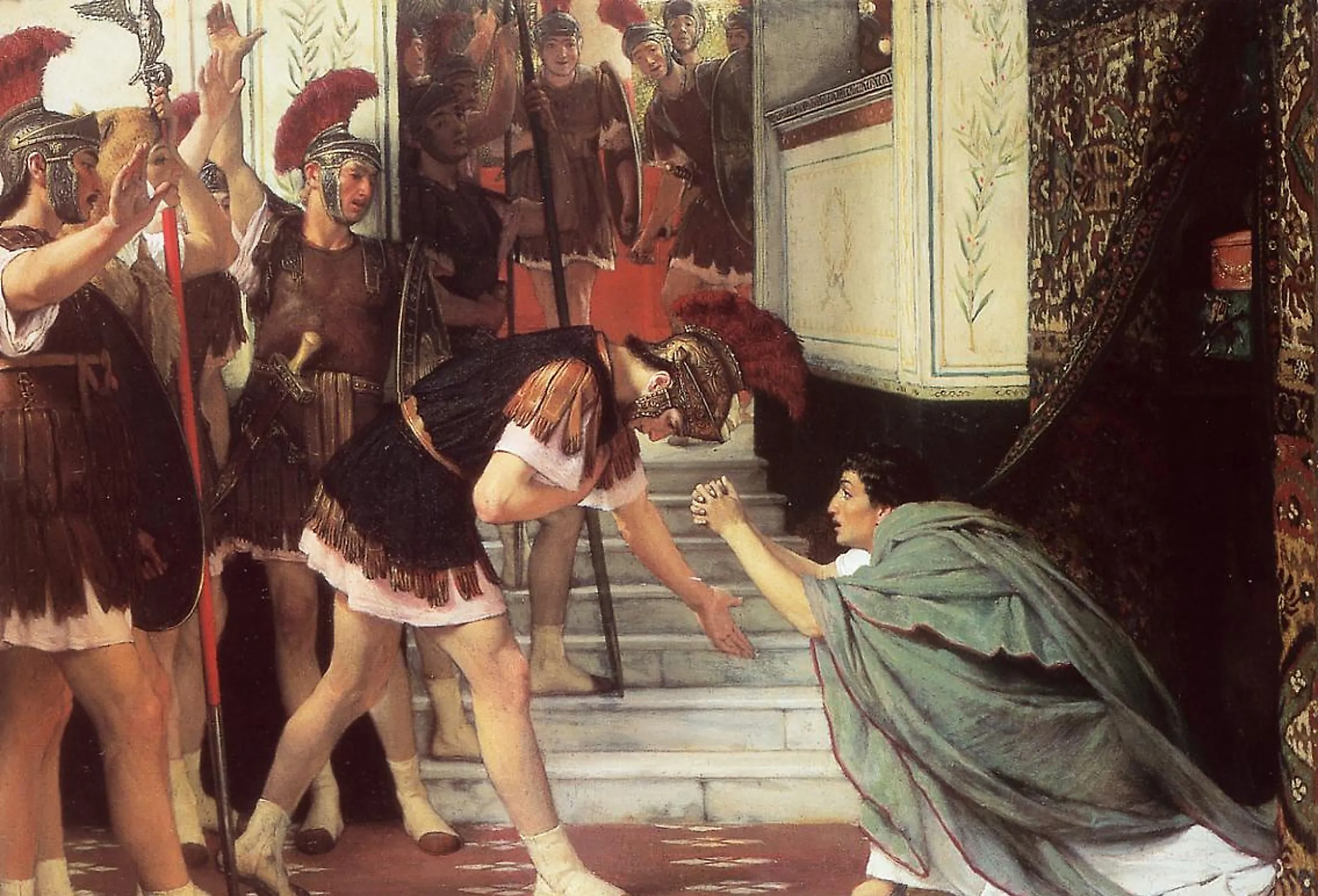
Somewhat paradoxically, the Praetorian Guard was arguably the most dangerous part of the Roman army for emperors. Created to protect the emperor and his household, its proximity to the ruler made assassination relatively easy. Caligula was the first emperor to find this out. A notoriously cruel and tyrannical ruler, he frequently humiliated people around him, including Praetorian officers. Two Praetorian officers were among those who assassinated him in 41 CE. His wife and young daughter were also killed. Galba was assassinated during a Praetorian uprising after ruling for just seven months. Finally, in 193 CE, Pertinax attempted to rein in the power of the Praetorians. This didn't work, and they assassinated him after only three months in power.
Soldiers Expected To Be Paid Well

Roman soldiers expected to be well compensated. As noted earlier, generals could offer rewards to their soldiers during the Republican period. Augustus made military payments and veterans' benefits more systematic. Future emperors nevertheless faced pressure to increase compensation to ensure loyalty. In particular, soldiers expected a special payment called a donativum. Rather than functioning only as a generous gesture, these payments came to be seen as necessary for securing power. The case of Galba is again illustrative. He refused to honor a promised payment to the troops, helping turn soldiers against him. Pertinax also failed to satisfy the Guard's financial expectations and was subsequently assassinated. The Praetorian Guard then effectively auctioned off the emperorship to Didius Julianus, the man who offered the highest financial compensation.
Emperors Sometimes Made The Problem Worse

While emperors often feared the army because of factors beyond their control, they sometimes made the problem worse. Consider Caligula again. He mocked Cassius Chaerea, a high-ranking Praetorian, by ridiculing his voice and “effeminate” features. Caligula also supposedly declared war on the sea and ordered soldiers to collect seashells as the “spoils of the conquered ocean.” Such blatant disrespect for the army undoubtedly factored into his assassination.
Nero also didn’t help matters. Ruling from 54 to 68 CE, he often neglected his duties to the troops because of his love of performing. Many high-ranking generals viewed performing as humiliating and beneath the dignity of the emperor as well. Nero’s relationship with the army was then irreparably damaged when he executed popular generals, such as Gnaeus Domitius Corbulo. This sparked the revolts that ended his reign in 68 CE.
Not all emperors worsened their relationship with the army due to incompetence or cruelty. Some simply had a governing style that ran counter to the army’s preferences. As previously mentioned, Severus Alexander was a moderate, diplomacy-focused leader. When generals wanted to go to war with Germanic tribes threatening invasion, he took a far less decisive approach. Doing so ultimately led to his assassination.
Impact And Legacy
Ultimately, Roman emperors feared the army for several reasons. The Praetorian Guard had direct access to them, meaning it could assassinate leaders it disliked. Frontier armies also sometimes declared one of their own as emperor. Soldiers expected financial compensation as well. When emperors couldn't meet these demands or refused to do so, they risked losing the army's support. Finally, emperors sometimes made their relationship with the army even more fraught through their incompetence, cruelty, or differing governing philosophies.