What Was Life Like In The Roman Empire?
In 59 CE, the Emperor Nero had his own mother killed because he feared she threatened his power. That was elite life at the top. At the same time, small farmers in the countryside could lose everything to a single bad harvest, and the urban poor were packed into apartment blocks so flammable that they helped turn the Great Fire of Rome into a catastrophe. The Roman Empire held all of these people at once, and life looked completely different depending on where you stood.
The Elite

Elites in Roman society included the emperor, senators, other government officials, high-ranking military officers, and wealthy landowners. They had vast fortunes and lucrative assets. Government and military positions paid extremely well, and landowners gained substantial incomes by acting as landlords. Many elites also owned massive estates in the provinces called latifundia, which themselves functioned as major centers of agricultural production and wealth generation.
Roman elites were highly educated. This education was gendered in nature. Boys were expected to serve in the military and in politics, so they were taught public speaking and military history, on top of more traditional school subjects like math, literature, and reading. Girls’ education focused on preparing them for domestic life; however, they were also expected to know both Greek and Latin.

Slavery was a core component of elite life. Slaves worked as tutors, cooks, gardeners, doctors, and secretaries, among many other positions. This freed up the elites to focus on more high-minded educational ideals. The latifundia also required dozens of slaves to run properly. In short, without slaves, Roman elites would not have been as wealthy or as well-educated.
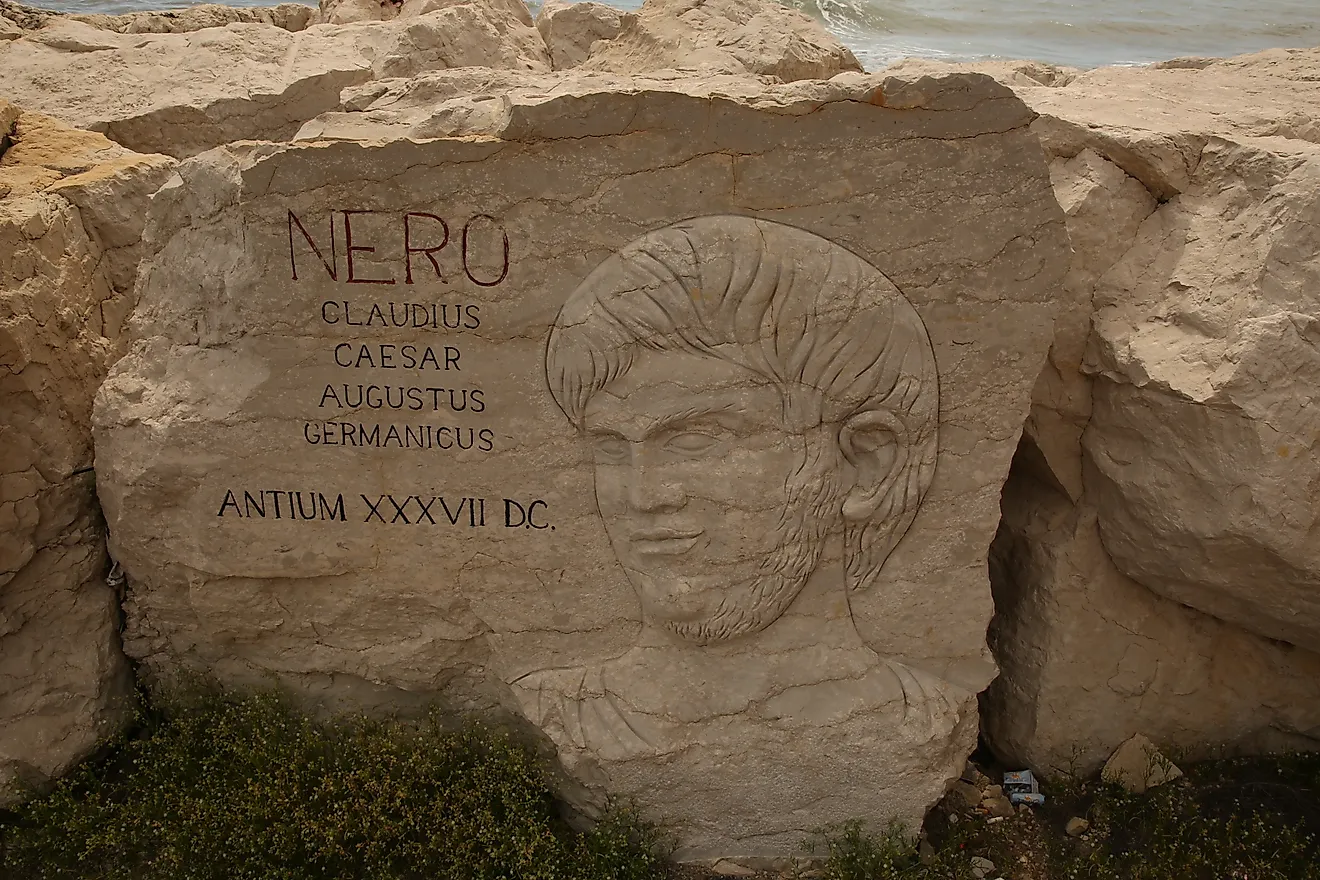
Despite their privileges, elite life was often filled with danger, particularly at the highest levels of politics. Since there was no formal succession system for the emperorship, bloody power struggles were common. In one particular grisly incident, Emperor Nero had his mother killed in 59 CE, since he feared that she was a threat to his power.
The Middle Class

Rome had a substantial middle class. Merchants, artisans, shopkeepers, doctors, and lawyers were among the people who made up this group. The empire’s stable trade networks, particularly from around 30 BCE to 200 CE, meant that they could live fairly comfortably. Goods like olive oil, spices, and wine were readily available, and there were even opportunities for social advancement. A sophisticated road system across the empire allowed people to travel from places like Gaul to Egypt to pursue opportunities. The Roman middle class received a meaningful education as well, with most knowing how to read and write.
The Urban Poor

Two types of poverty characterized the lower class in the Roman Empire. The first could be found in city centers, like Rome itself. The urban poor lived in apartment buildings called insulae. Small and cramped, they were dangerous due to poor sanitation and fire risks. Some historians even argue that these buildings were the reason why catastrophes like the Great Fire of Rome, which destroyed nearly three-quarters of the city, were so disastrous.
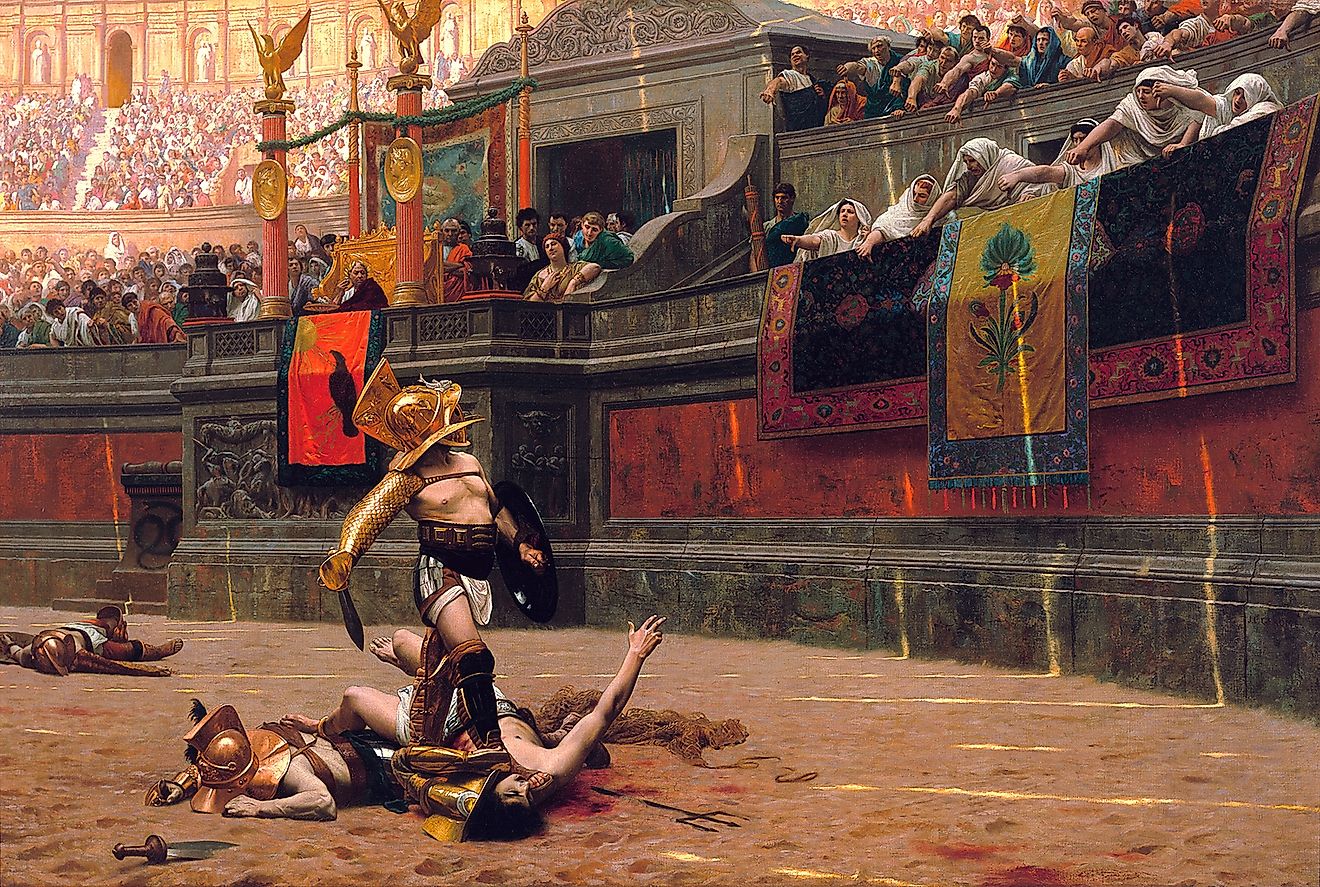
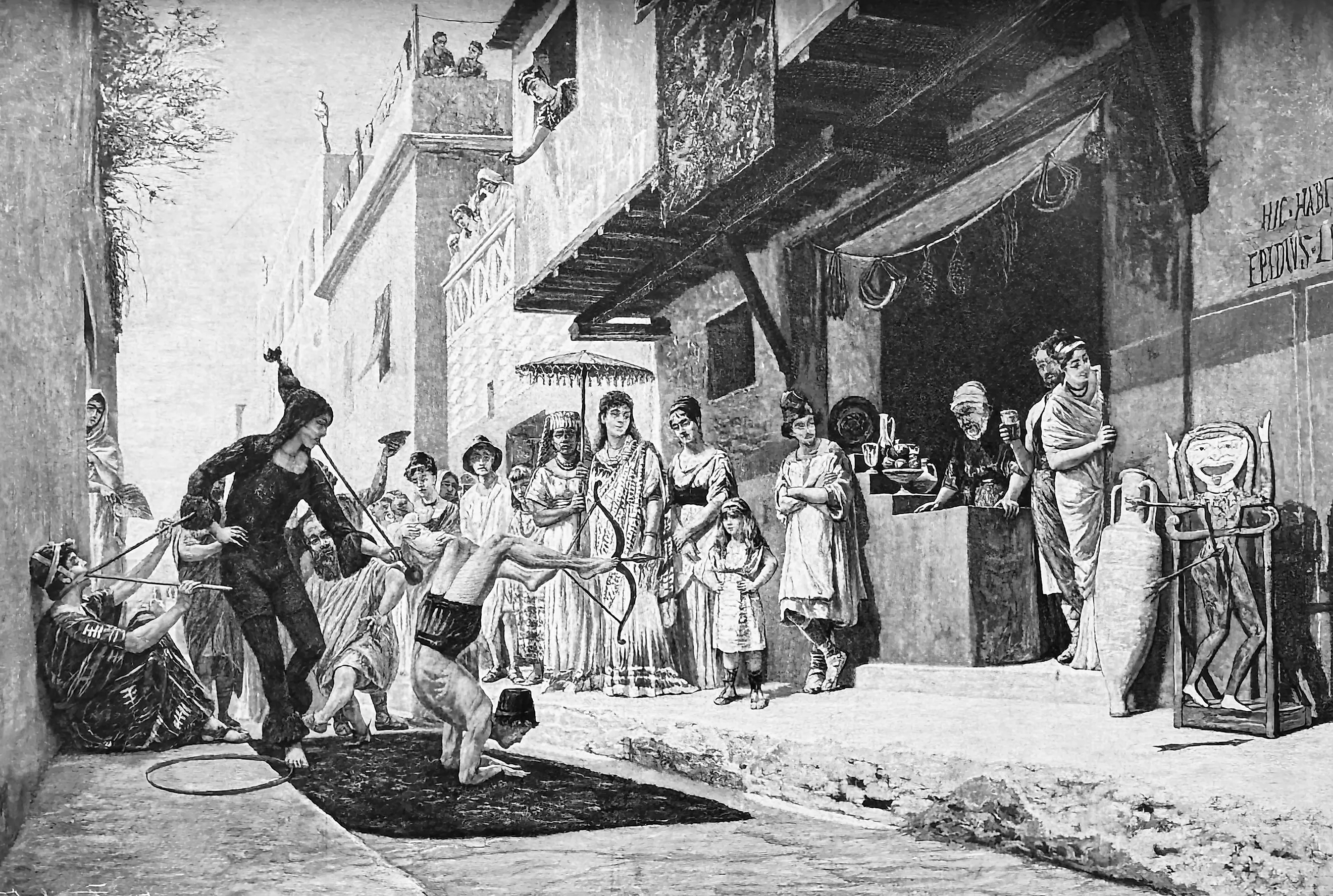
While life was difficult for the urban poor, not everything was bad. The city offered many opportunities for entertainment, including gladiatorial games, chariot races, theater performances, and festivals. The public baths were arguably the most important of these leisure options. Somewhat resembling modern-day spas, they contained activities like sunbathing, swimming, and massage. Crucially, the baths functioned as a social space where people from all classes interacted. People talked, gossiped, made plans for future engagements, and even developed romantic relationships.
Rural Farmers

The other poor Romans were small farmers who lived in the countryside. Due to the sheer size of the empire, this group was larger than all other social classes combined. These farmers lacked the lavish estates and slave labor of the wealthy landowners and therefore often struggled to survive. The hours were long, and their lives revolved around animal husbandry, seasonal labor, and growing crops. One bad harvest could mean starvation, since they often lacked sufficient food surpluses. Furthermore, crippling taxes became increasingly problematic. At the same time, the farmers proved remarkably resilient and helped sustain rural communities for generations.
How Life Changed Over Time

Everyday Roman life changed significantly over time. During the Republican Era (509 to 27 BCE), Rome expanded rapidly across the Mediterranean. This resulted in an influx of slaves and wealth, which quickly became concentrated amongst the elite. The Roman Republic thus witnessed the solidification of the classes discussed in this article.
After Rome became an empire, a roughly 200-year period of prosperity and stability called the Pax Romana followed. With a growing economy, secure trade routes, and political stability, many Romans experienced their highest-ever living standards. The Pax Romana also helped facilitate more social mobility.
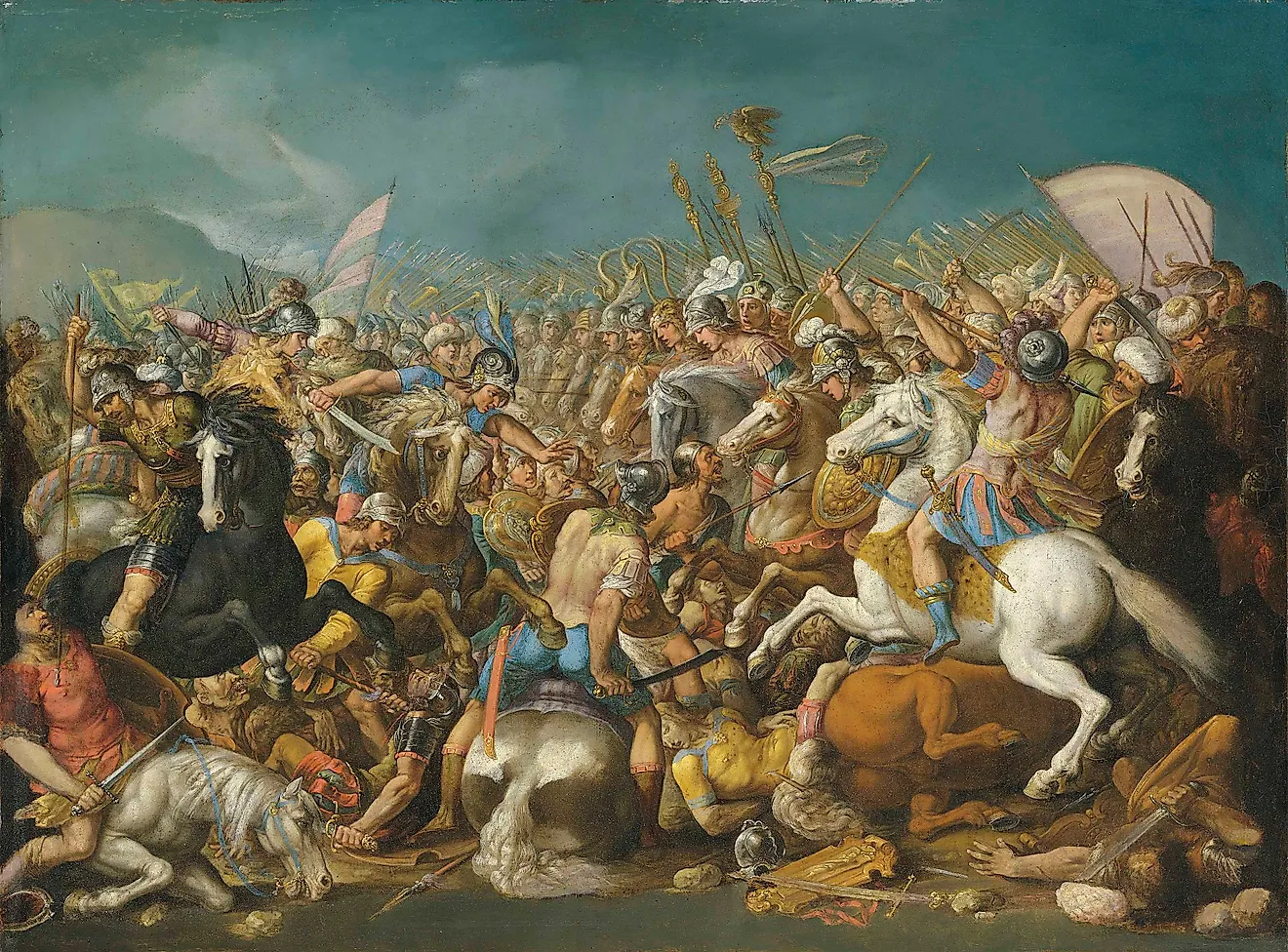
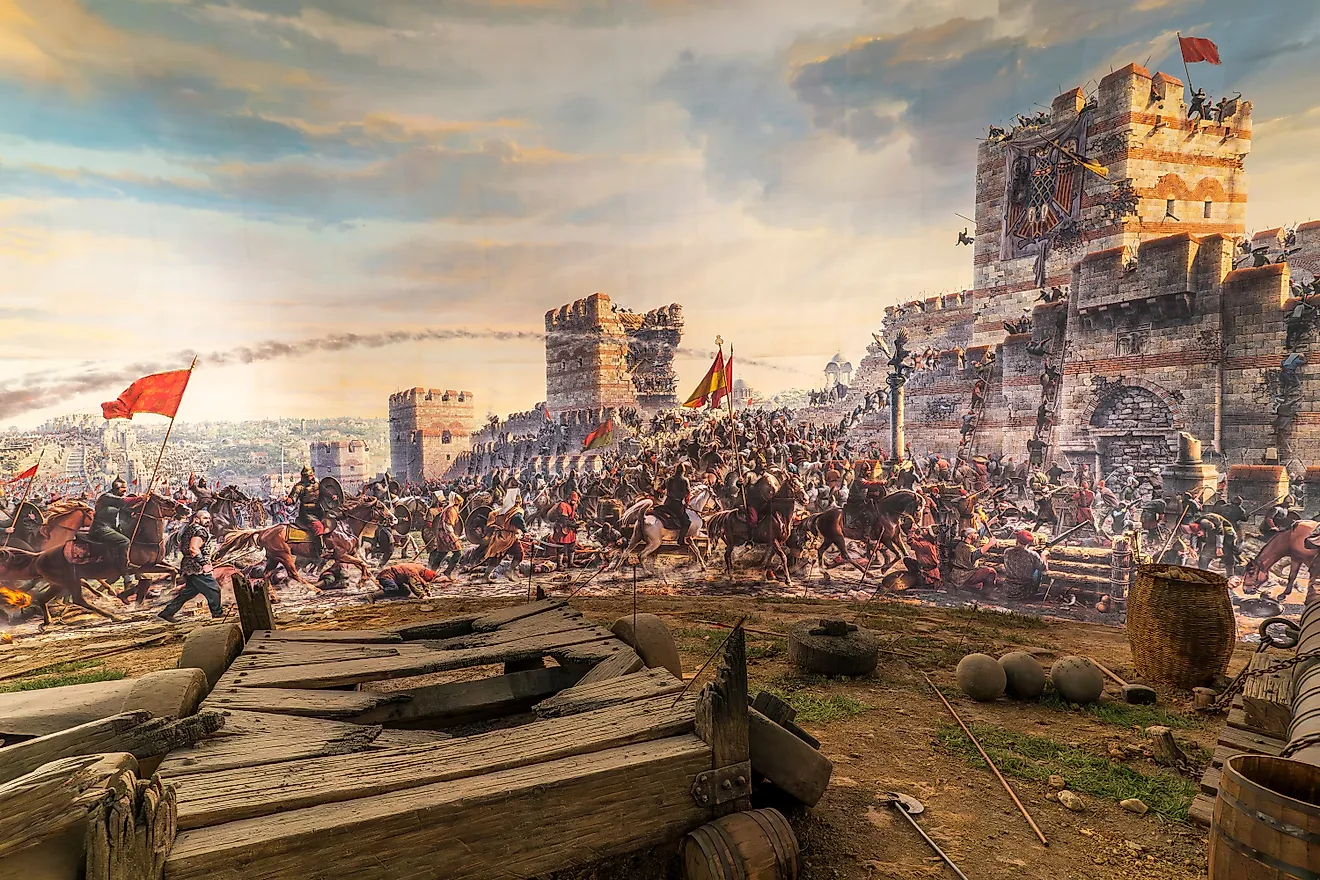
The tides turned during the Crisis of the Third Century (235 to 284 CE). A roughly 50-year period of civil wars and instability was accompanied by declining trade and rising taxes that limited economic growth. The situation only worsened over the following two centuries, as barbarian invasions made trade even more dangerous and communities grew more insular. Taxation became so crippling that many small farmers were forced to flee, thereby lowering the population and forcing even more draconian taxes on those that remained. All these problems ultimately led to the end of the Western Roman Empire in 476 CE.