How Wealthy Was Roman Africa?
Wealth wasn't evenly distributed in Ancient Rome. People of different social statuses experienced varying levels of prosperity, as did different regions. This dynamic was clearly on display in Africa. While impossible to put an exact number on how wealthy they were, Rome's African territories were among its richest. However, this depended on the province and a person's social status. Egypt's fertile farmland supplied Rome with large quantities of grain, and its port city of Alexandria drew a constant flow of traders. Africa Proconsularis, where the Romans rebuilt Carthage, exported grain, olive oil, wine, and ceramics. In Tripolitania, Leptis Magna grew into a grand urban center, while settlements farther inland remained smaller and less prosperous. Numidia added mining to its grain and olive oil trade, yet much of its wealth ended up in the hands of prosperous landowners.
Rome's African Territories

Before going any further, it's necessary to describe Rome's African territories. Even though they shared some similarities, their vast geographic spread produced important differences. The first Roman African province was Africa Proconsularis. Acquired after the Third Punic War (149 to 146 BCE), it encompassed Tunisia and parts of western Libya. Over the next decades and centuries, the Romans expanded eastward and westward. In doing so, they established the provinces of Cyrenaica (eastern Libya), Numidia (northeastern Algeria), Mauretania Caesariensis (central and western Algeria), Mauretania Tingitana (northern Morocco), Tripolitania (western Libya), and Egypt. For the sake of concision, this article will focus on the most important of these provinces.
Egypt

Egypt was arguably Rome's most vital African province. The Nile River flooded each year predictably, depositing fertile soil along its banks. This made it an agricultural powerhouse, and Egyptian grain helped feed the Roman Empire for centuries. While such numbers should be treated with caution, a later Roman source, the Epitome de Caesaribus, records that Egypt shipped roughly 135,000 tons of grain to Rome each year during Augustus' reign (27 BCE to 14 CE). The government also taxed grain, making it a major source of revenue. Finally, the city of Alexandria was a massive hub of economic activity. Located on the Mediterranean, it linked the broader region with places like the Red Sea and the Indian Ocean. Traders were thus constantly coming in and out of the city, bringing goods and fostering economic activity.
All these factors made Egypt very wealthy. Due to the limited number of ancient sources, it's impossible to say for sure if it was the wealthiest Roman province. Regardless, it was almost certainly one of them. In fact, when the Roman Empire split in 395 CE, Egypt was assigned to the Eastern Empire, and its wealth helped make the East the more prosperous half. This further lends credence to the notion that Egypt was one of Rome's wealthiest provinces.
Africa Proconsularis
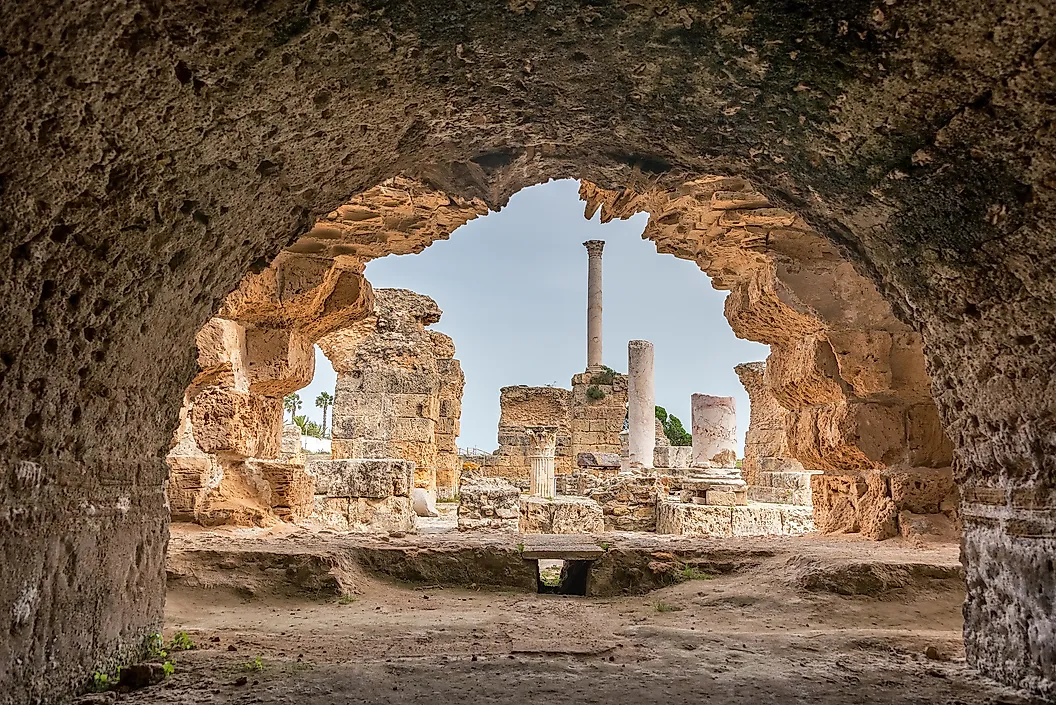
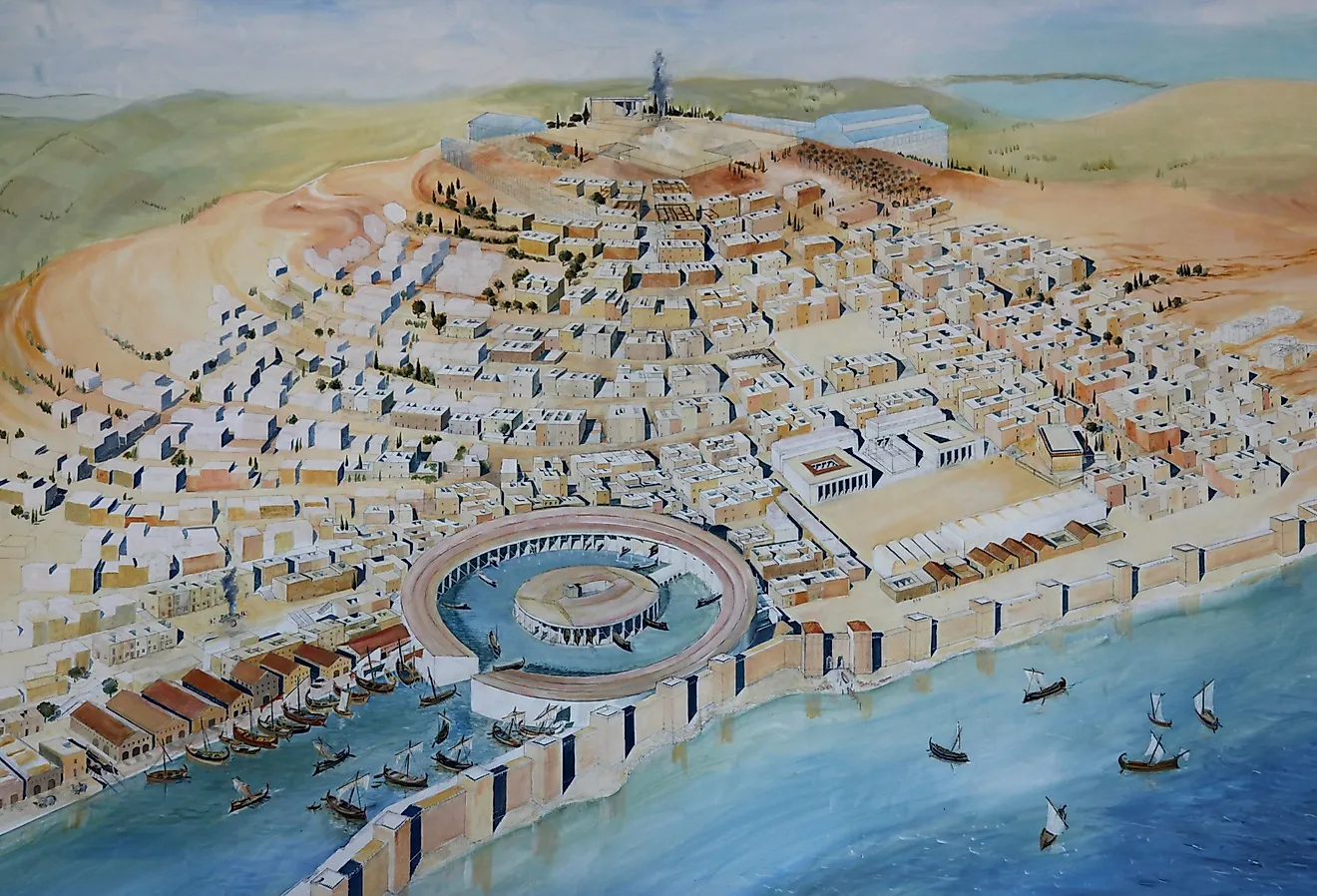
Africa Proconsularis was also very wealthy. Originally the home base of the Carthaginian Empire, the Region Was inherited by the Romans, along with its agricultural capacity. The city of Carthage was crucial in this regard. Even though the Romans razed it to the ground during the Third Punic War, they rebuilt it due to its strategic position along Mediterranean shipping routes and its agricultural hinterlands. The region soon became a major exporter of grain, olive oil, wine, ceramics, fish products, and goods from the African interior.
At its height, Roman North Africa had nearly 500 cities, at least 200 of them in modern-day Tunisia. While not all equally big or important, many had lavish buildings, elaborate public baths, theaters, temples, and wealthy residential districts. The region also produced numerous politicians and intellectuals, perhaps the most famous of whom was Augustine of Hippo (a 4th- and 5th-century Christian theologian). In short, Africa Proconsularis was wealthy in economic production, cultural integration, and intellectual life.
Tripolitania

Tripolitania, separated from Africa Proconsularis under Diocletian in the late 3rd century CE, was another rich African province. Its three main cities were Leptis Magna, Sabratha, and Oea, with Leptis Magna standing above them all. The home of Emperor Septimius Severus, who ruled from 193 to 211 CE, it transformed into an extravagant urban center under his reign. Regional prosperity was instrumental in making this transformation possible. Leptis' hinterland produced olive oil and other agricultural goods, and its port gave it access to the wider Mediterranean trade network. The city and Tripolitania more broadly also participated in caravan trade with oasis cities and nomadic peoples farther south in the Sahara. However, unlike Africa Proconsularis, Tripolitania's wealth was concentrated in a few select urban centers. Farming further inland was difficult, and settlements that relied on wells, seasonal rainfall, and oasis agriculture were smaller and less prosperous.
Numidia

Numidia was ruled by powerful indigenous kingdoms with robust agricultural systems for centuries. When the Romans colonized the region, they inherited these systems. Agricultural production was similar to that in other parts of North Africa, with grain and olive oil as the primary exports. However, mining also contributed to the economy. All this facilitated the construction of cities such as Timgad and Djemila. As in Tripolitania, this urban development didn't occur throughout the region but was confined to specific, strategically advantageous locations.
Numidia's wealth had a distinctly political dimension. While prosperous landowners could accumulate significant fortunes, everyday people in local communities were less successful. Owning property and wealth meant one could more easily negotiate favorable tax terms, whereas local communities lacked such influence.
Mauretania Tingitana

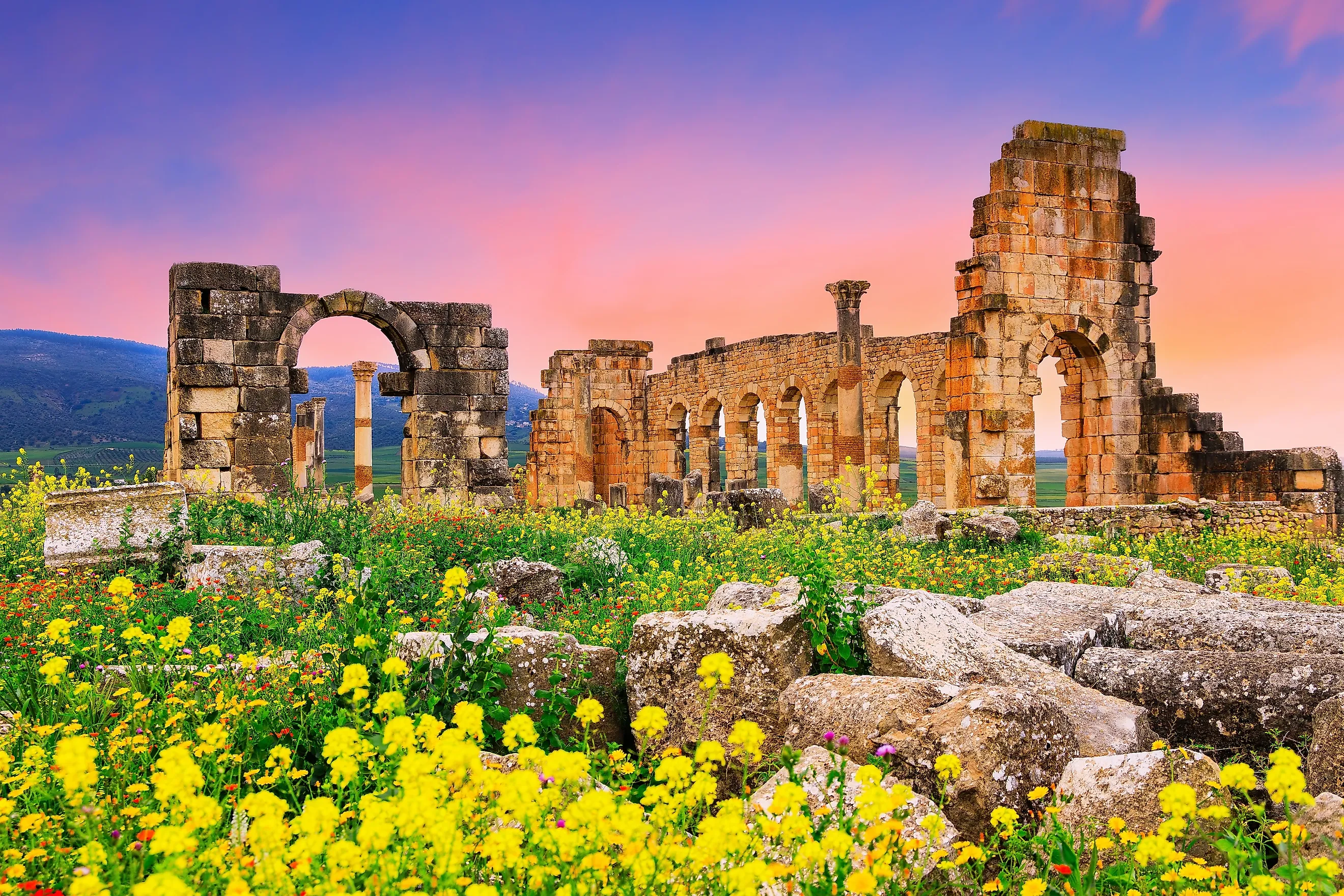
Corresponding to modern-day northern Morocco, Mauretania Tingitana was an important province in Roman Africa. Its sources of wealth were olive oil, wine, and fish products. Its proximity to the sea also meant that it participated in the broader Mediterranean trade network, challenging the often-espoused idea that it was isolated. At the same time, Roman control of Mauretania Tingitana was comparatively limited to other parts of North Africa. Regions beyond the coast and principal settlements were not administered as fully integrated Roman territories. Consequently, the province was less wealthy than the others discussed in this article.
How Wealthy Was Roman Africa?
Roman Africa was incredibly wealthy. Egypt and Africa Proconsularis were essential in keeping the empire fed for centuries, and the other provinces played a key role as well. As such, they were hubs of trade, culture, and economic activity. Due to the limited number of ancient sources, it's impossible to put an exact number on this wealth, but both Egypt and Africa Proconsularis likely ranked among the richest Roman provinces. At the same time, this wealth wasn't evenly distributed. Particularly in Tripolitania and Numidia, it was concentrated in a select number of major settlements and among the political and landowning elites.