Was Alexander The Great Or Julius Caesar A Better General?
Few ancient figures loom larger in popular historical memory than Alexander the Great and Julius Caesar. As leaders of Macedonia and Rome, respectively, they were also military commanders. On the battlefield, Alexander the Great came out slightly ahead of Julius Caesar.
Both were great, but Alexander defeated the Persian Empire, won every major battle he personally commanded, and repeatedly found ways to beat larger armies. Caesar was equally remarkable at adapting to difficult situations, particularly during sieges and the Roman civil war. Each inspired extraordinary loyalty and conquered vast territories, but Alexander's ability to win decisive battles without suffering a clear battlefield defeat gives him a narrow advantage.
Battlefield Tactics: Alexander

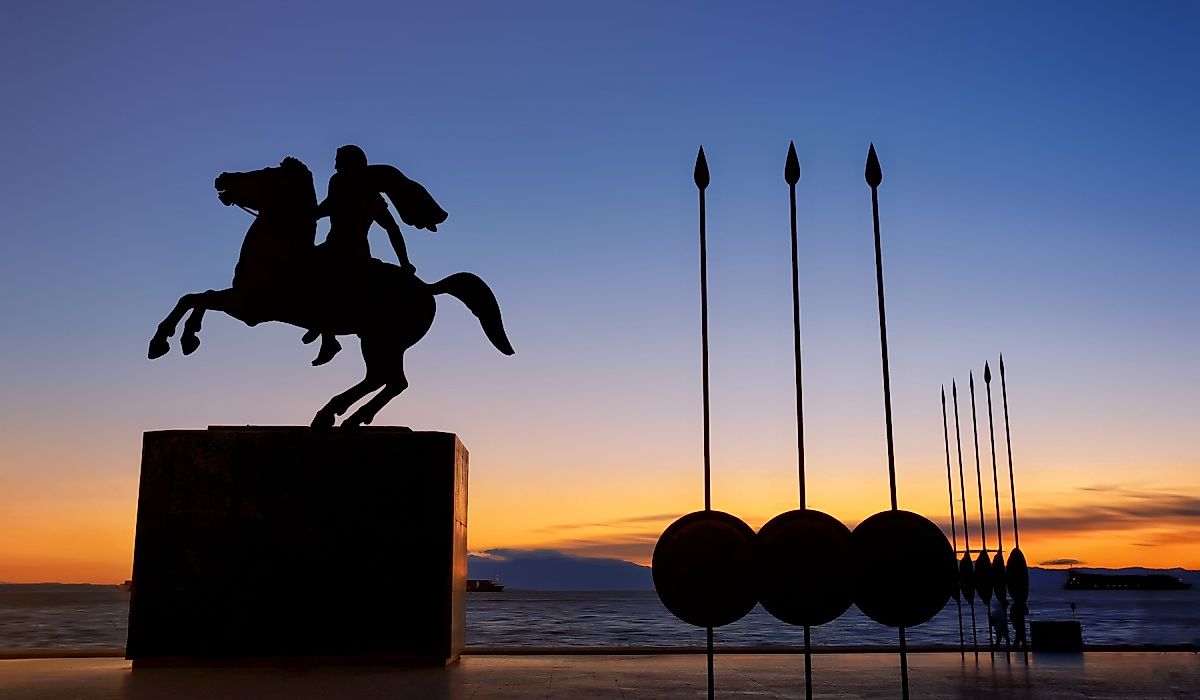
Alexander the Great was one of the best battlefield tacticians the world has ever known. He exemplified this numerous times during his Persian campaign (334 to 330 BCE). Consider the Battle of Issus in 333 BCE. Alexander’s army numbered between 35,000 and 40,000, whereas the Persian army likely numbered between 100,000 and 150,000. To negate the Persian size advantage, Alexander fought in a narrow passageway between the sea and the mountains. Doing so prevented the Persians from leveraging their numerical superiority by limiting the number of people on the battlefield at any given time.
The Battle of Gaugamela in 331 BCE again demonstrated Alexander’s tactical brilliance. Rather than attacking the Persian lines evenly, as was customary in ancient warfare, Alexander moved forward diagonally towards their left flank. This forced the Persians to respond, creating a gap in their defense that exposed King Darius III. Alexander subsequently charged through the gap at Darius.
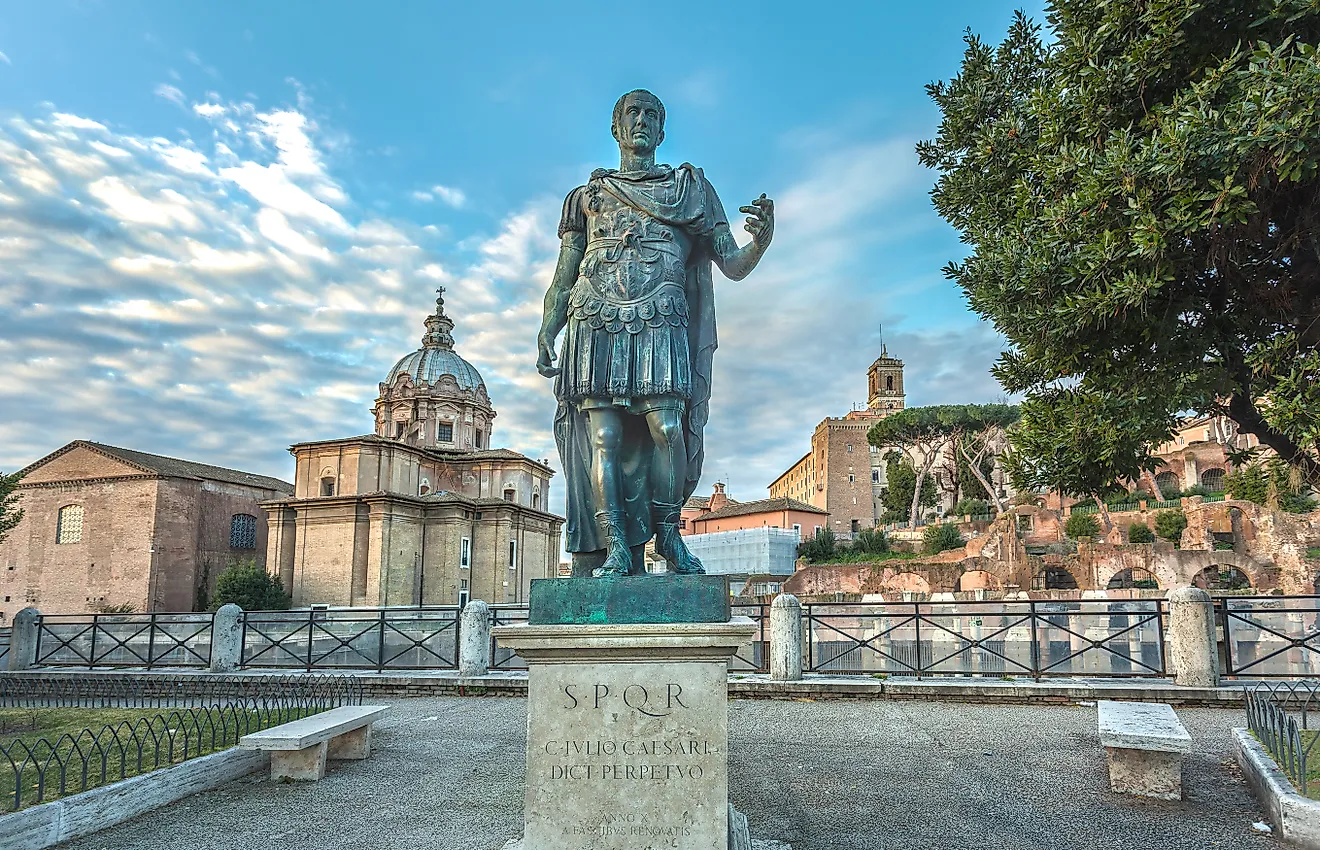
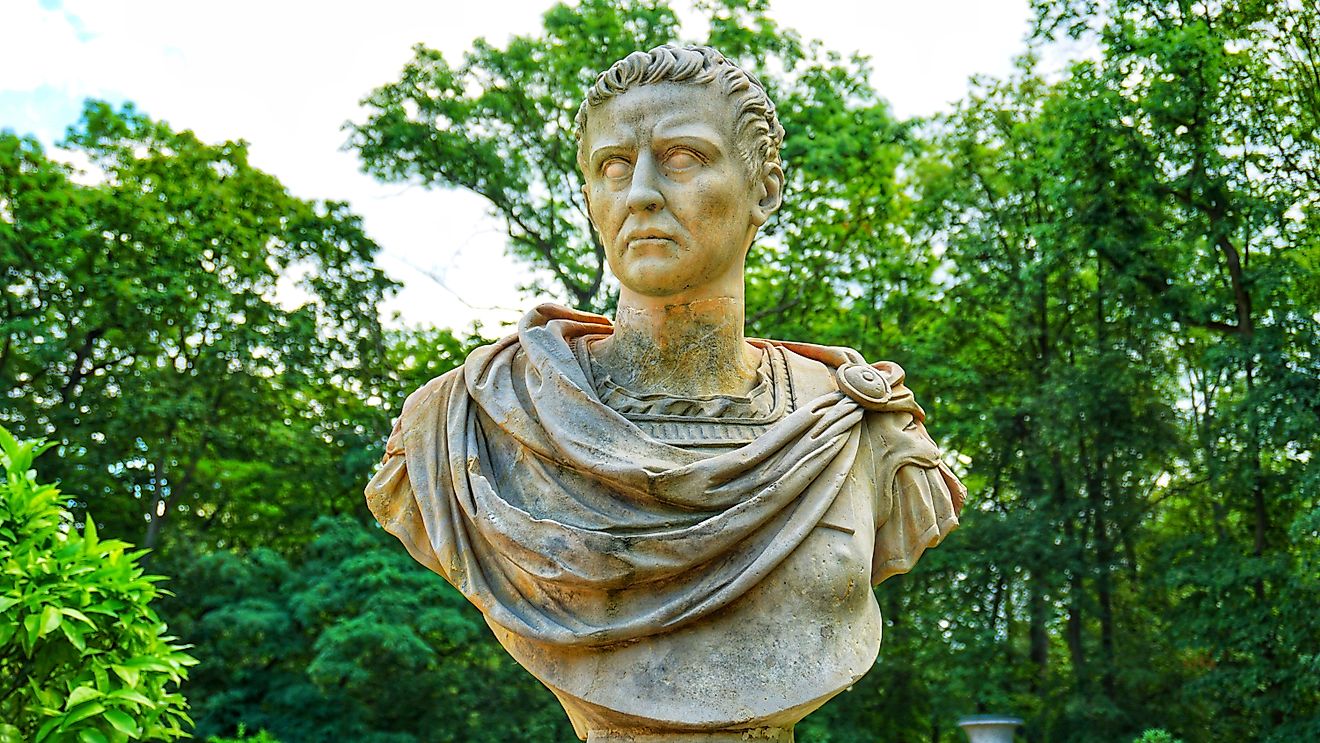
Julius Caesar was certainly a capable battlefield tactician. However, his maneuvers often relied on the abundance of resources provided by the Roman state. In many of his most famous military endeavours, like the Gallic campaign, Caesar possessed by far the superior army. While this isn’t to say that he couldn’t have accomplished what Alexander did when faced with the same odds, we don’t know for sure.
Operational Flexibility: Julius Caesar

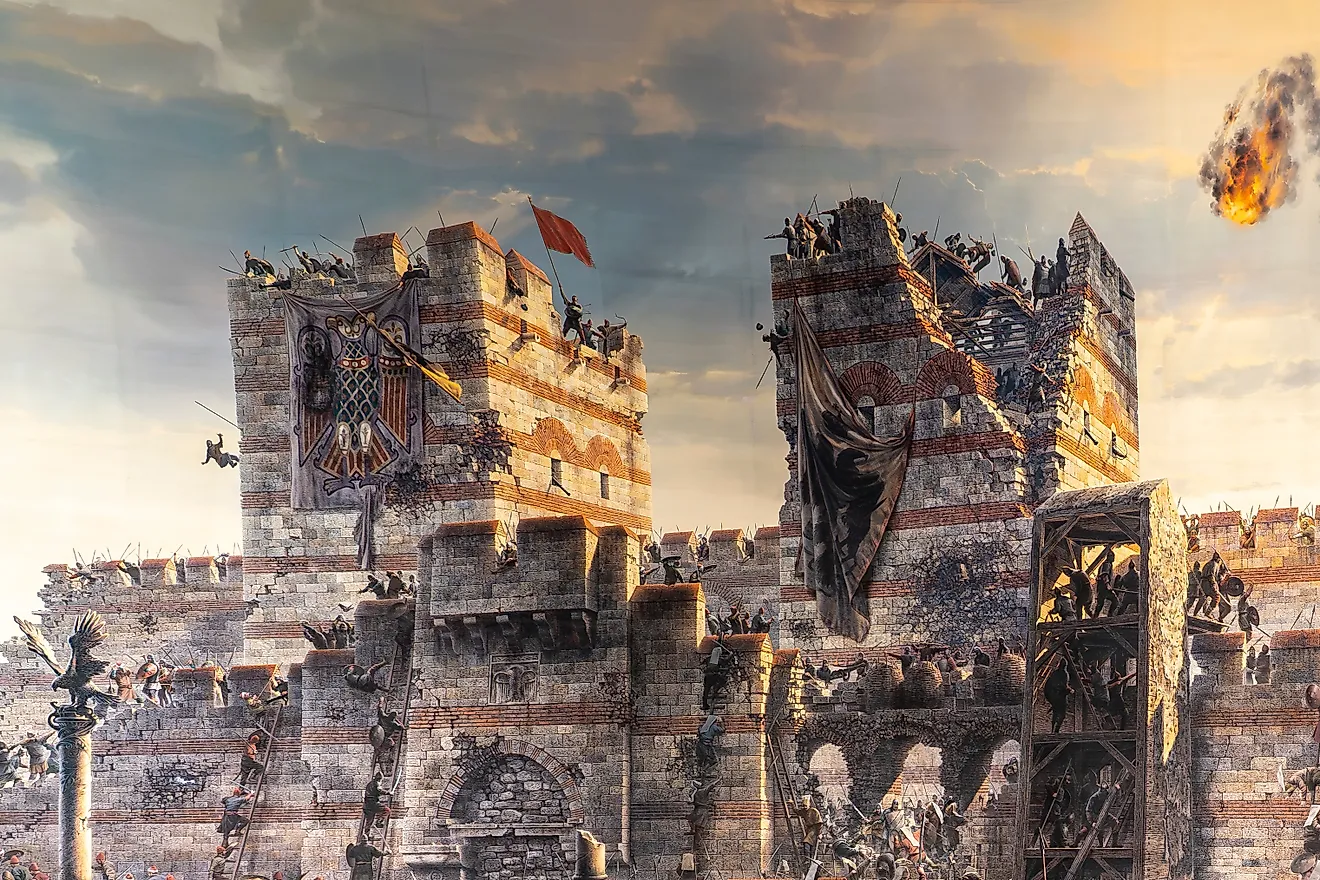
The Romans, and Caesar in particular, were renowned for their flexibility. This was exemplified in 55 BCE when Caesar faced threats from Germanic tribes. To stave them off, he ordered his soldiers to build a bridge across the Rhine River. They did so in ten days, facilitating the movement of thousands into Germania. Caesar again demonstrated his operational flexibility in 52 BCE. During a Gallic revolt led by Vercingetorix, the Romans besieged the hilltop settlement of Alesia. Vercingetorix was stationed there, so they wanted to end his rebellion once and for all. However, the Romans soon learned that a Gallic relief force was coming up behind them. Caesar therefore ordered two walls to be constructed: an inner one around Alesia to prevent supplies from entering it and an outer one to prevent the relief force from reaching the Romans. This tactic worked perfectly, and Vercingetorix was forced to surrender.
Alexander also exhibited operational flexibility during his campaigns. Even though he prevailed in all instances, there were challenges. The sieges of Tyre and Gaza took longer than expected, and Alexander was injured in the latter case. Central Asia also took years for the Macedonians to subdue due to its difficult terrain and guerrilla warfare tactics from its tribes. In short, Alexander adopted a more flexible approach when necessary, but doing so often came with trials and tribulations.
Difficulty Of Opponents: Tie

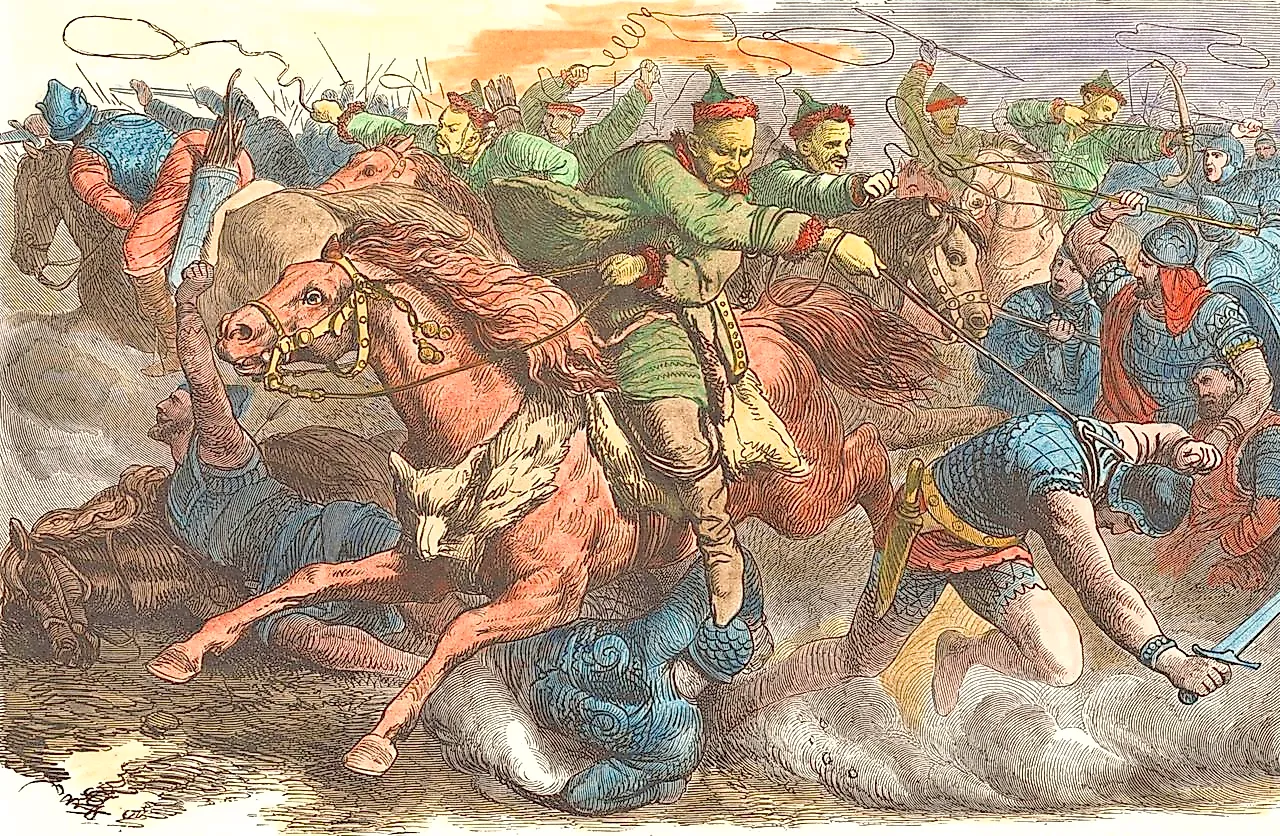
Ancient sources tend to portray Alexander’s main opponent, the Persians, as incompetent. We need to take this characterization with a grain of salt. Many of these historians were Greek or Roman and thus biased against Persia, the historic enemy of Greece. Centuries of successful Persian military campaigns beforehand further indicate that their armies were much better than is often portrayed. Alexander also faced other enemies in places like the Balkans, Greece, Central Asia, and India. All of them posed their own challenges and were worthy opponents.
On the other hand, while Julius Caesar was certainly the favorite in the Gallic Wars, the tribes often posed challenges. The affair with Vercingetorix exemplified this. Furthermore, Caesar later faced off against Roman armies commanded by Pompey the Great, a formidable general in his own right. Hence, when assessed in their totality, both Alexander and Caesar faced equally difficult opponents.
Leadership And Loyalty: Tie

Alexander and Caesar were excellent leaders who inspired loyalty amongst their soldiers. Alexander often directly led cavalry charges. By putting himself on the line and showing that he was willing to die, this encouraged his soldiers to fight with a similar ferocity. On top of this, most troops stayed the same throughout his twelve-year campaign. Fighting together for over a decade undoubtedly inspired comradery and loyalty.
Caesar’s troops also fought with him for years. When combined with his reputation for acting decisively and quickly, many were ready to die for Caesar. He rewarded service as well. Ever since the early 1st century BCE, it was common for Roman generals to directly pay their troops. Caesar took this a step further, granting them land, positions in political office, and merit-based promotions. All these measures resulted in intense loyalty.
Overall Record: Alexander (Very Slightly)

Alexander the Great famously never lost a battle. This isn’t to say that he never experienced difficulties. Sieges proved challenging, and Central Asia took a long time to subdue. Alexander also lost thousands of troops during a disastrous march through the Gedrosian Desert. Regardless, he ultimately prevailed.
Julius Caesar lost a handful of battles. The Battle of Gergovia in 52 BCE and the Battle of Dyrrhachium in 48 BCE are the best-known examples. These defeats were only minor setbacks, since Caesar won every war that he fought. Nevertheless, compared with Alexander’s near-spotless record, he comes up slightly short.
Impact And Legacy

Both men understood that soldiers fought harder for commanders they trusted. Alexander regularly rode into danger with his Companion cavalry, sharing the risks of battle rather than watching from a safe distance. Many men followed him through years of campaigning across Asia. Yet that loyalty had limits. In 326 BCE, his exhausted troops refused to march farther east at the Hyphasis River, forcing him to turn back. His subsequent march through the Gedrosian Desert cost many lives, showing that even an undefeated commander could make disastrous decisions.
Caesar earned similar devotion by sharing hardships with his veteran legions and rewarding their successes. He often moved quickly, sometimes taking risks his rivals considered reckless. His soldiers followed him into a civil war against other Romans, a particularly demanding test of personal loyalty.
Caesar's record also shows remarkable resilience. He was defeated at Gergovia in 52 BCE and Dyrrhachium in 48 BCE, but neither loss ended his campaign. After Dyrrhachium, he regrouped and defeated Pompey at Pharsalus. Alexander never suffered a comparable defeat in a major pitched battle, although his long campaigns brought costly sieges, rebellions, and strategic mistakes. Their political legacies complicate the comparison. Alexander's empire began breaking apart after his death in 323 BCE, while Caesar's victories helped end the Roman Republic and set the stage for the empire established under Augustus.
Greatness Incarnate
Ultimately, Alexander deserves first place by a small margin. His battlefield record and ability to defeat the Persian Empire remain extraordinary. Caesar was arguably better at recovering from reversals and managing complex campaigns, and Pharsalus proves he could defeat a highly skilled opponent despite serious disadvantages. If the measure is winning decisive battles, however, Alexander wins. If the measure is handling everything a long war can throw at a commander, Caesar makes the decision much closer.