The Dark Side Of Roman Africa
In 146 BCE, Roman soldiers destroyed Carthage and sold tens of thousands of its surviving inhabitants into slavery. Centuries later, the rebuilt city would become the center of one of Rome's wealthiest regions. Roman Africa produced vast quantities of grain and olive oil, supported trade across the Mediterranean, and produced scholars, generals, and emperors. Yet much of this prosperity came at a human cost. Conquest, forced labor, unequal land ownership, and religious persecution shaped life in North Africa. The Romans left behind roads, baths, and cities that can still be admired. Their rule also left a history of suffering that those monuments rarely reveal.
The Destruction Of Carthage

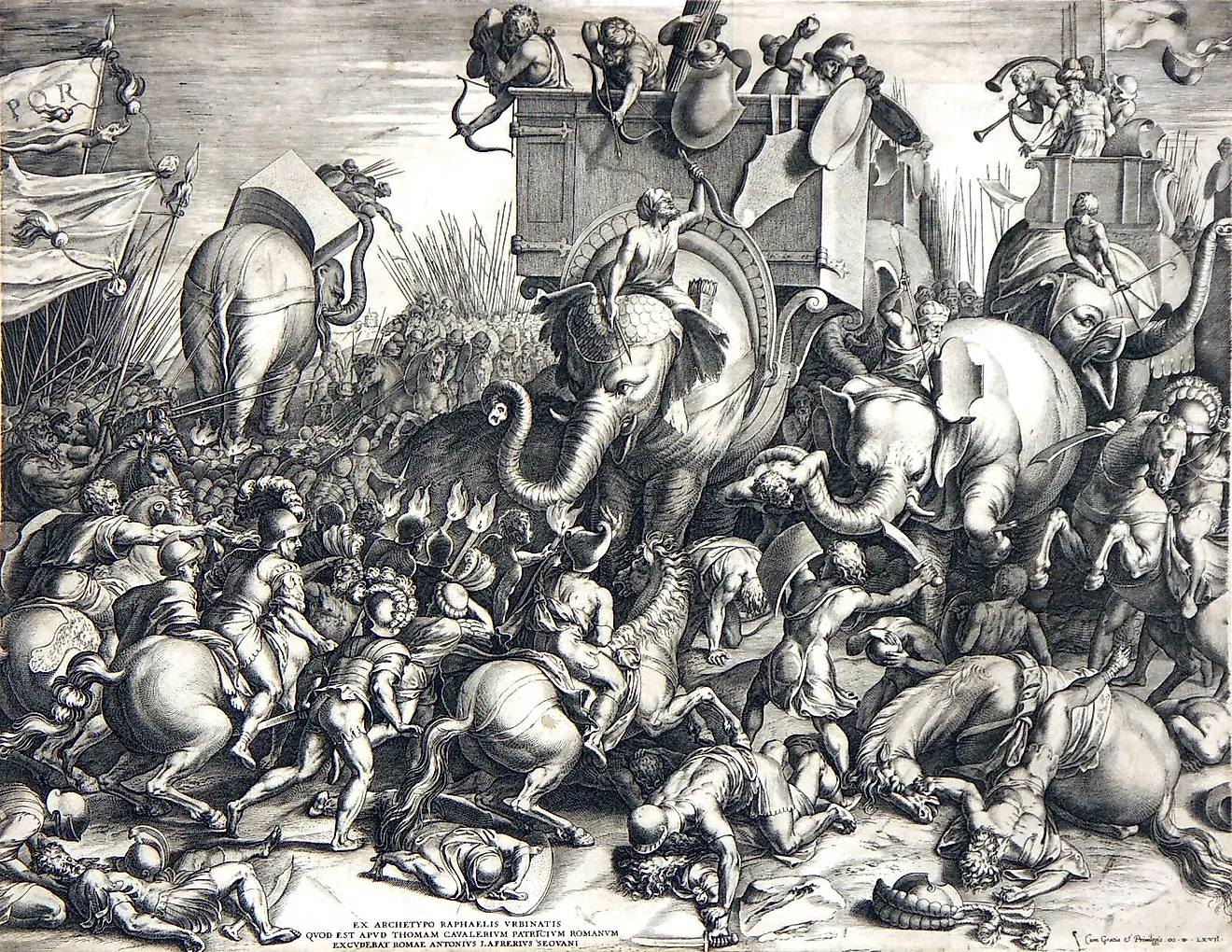
Before it became a Roman administrative center, Carthage was one of Rome's greatest rivals. The two powers fought three wars between 264 and 146 BCE. During the Second Punic War (218 to 201 BCE), the Carthaginian general Hannibal famously marched into Italy and inflicted several devastating defeats on Roman armies. Rome eventually won, leaving Carthage weakened and forbidden to wage war without Roman permission. When Carthage fought neighboring Numidia decades later, Rome accused it of breaking that agreement. The Third Punic War began in 149 BCE. Carthage surrendered hostages and weapons in an effort to avoid destruction, but the Romans demanded that its inhabitants abandon their city and settle farther inland. The Carthaginians refused, and the siege began. The defenders held out for nearly three years, despite hunger and heavy losses.
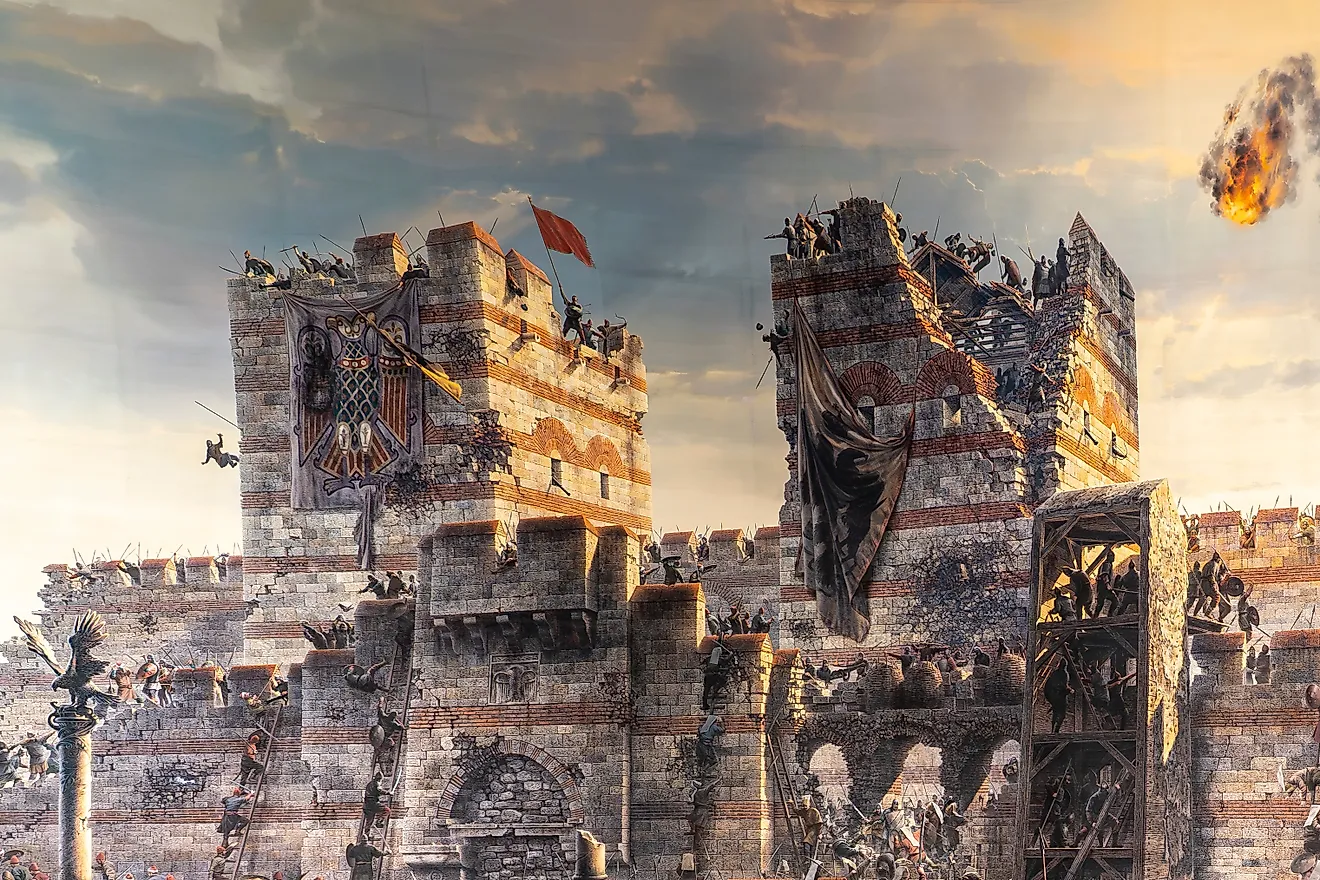
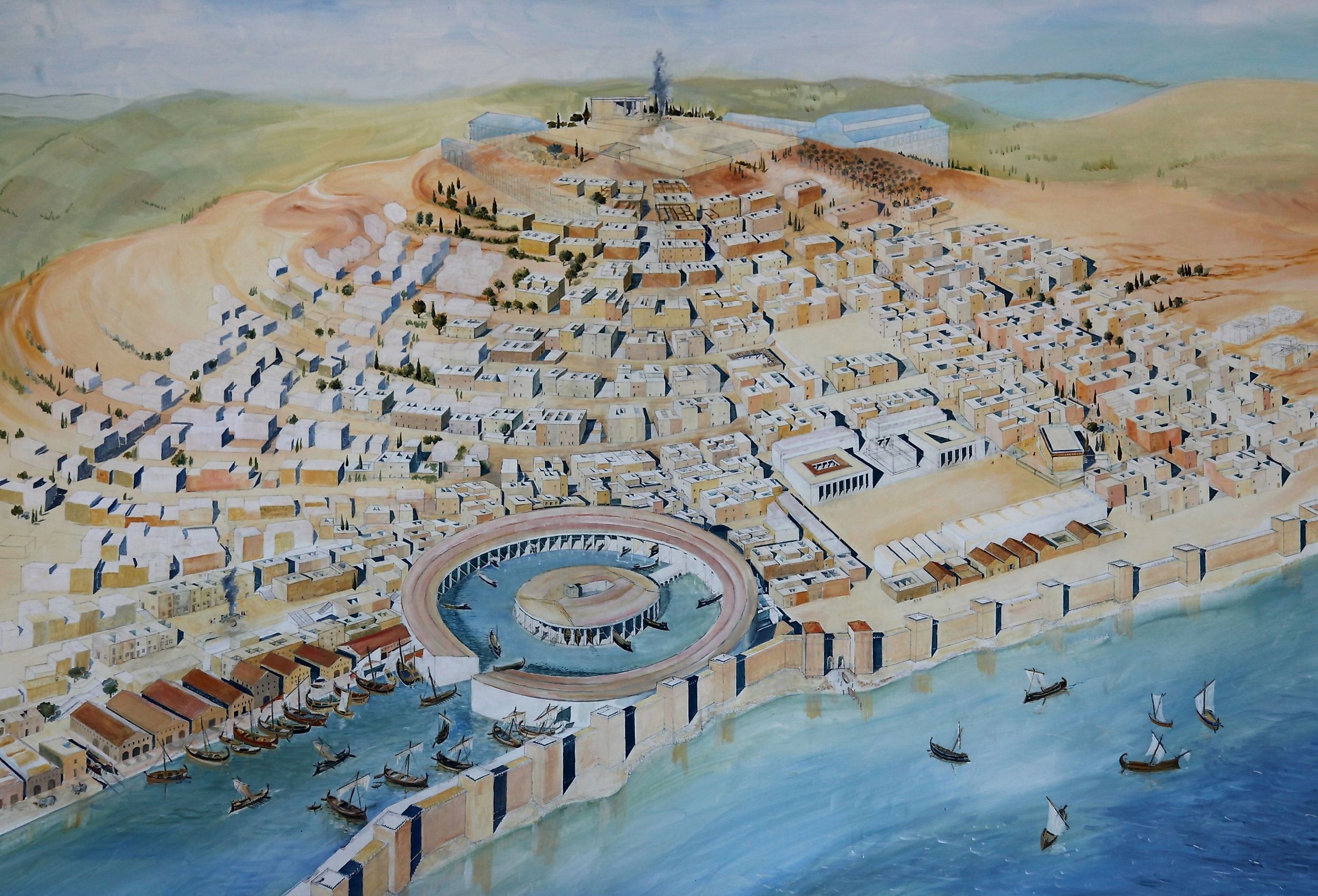
In 146 BCE, Scipio Aemilianus led the final attack. Roman soldiers fought through the streets and buildings as the city burned. According to the ancient historian Appian, around 50,000 survivors surrendered and were sold into slavery. Many others died, but their number is uncertain. The Romans demolished much of Carthage and established a province on its former territory. Utica initially served as the provincial capital. Carthage itself was rebuilt as a Roman city later, eventually becoming the political and commercial center of Roman Africa. The prosperity of that later city rested on a conquest that had destroyed the earlier one.
Slavery Was Key To The Economy

Roman Africa was an agricultural powerhouse. Grain from its fields helped supply Rome and its armies, while olive oil, wine, and pottery traveled through ports across the Mediterranean. Much of the wealth flowed to the imperial government, major estate owners, and influential families. Enslaved people were part of this economy, working in households, workshops, and on farms. Roman law treated them as property, and owners could subject them to harsh punishment or separate them from their families. Some eventually obtained freedom, but many never did. Children born to enslaved women inherited their mothers' status.
Free tenant farmers and hired workers also carried out much of the labor, and many lived under difficult conditions of their own. Large estates often belonged to wealthy families or the emperor, while tenants paid rent in money, crops, or labor. An inscription found at Henchir Mettich in present-day Tunisia describes arrangements in which farmers gave landowners a portion of their harvest. Such agreements could offer tenants opportunities, but bad harvests, debts, and demands from estate managers could leave families with little security. Later laws increasingly bound some tenant farmers to the land. Although legally distinct from slaves, these farmers had limited freedom to leave. The luxurious villas and public buildings of Roman Africa reflected extraordinary wealth. They also reflected a system in which those doing much of the work enjoyed far fewer rewards.
Wealth Wasn’t Evenly Distributed

Roman Africa was incredibly wealthy, primarily due to agriculture. Grain and produce supplied the army and cities across the empire, while tax revenue funded enormous construction projects. Crucially, this wealth wasn’t evenly distributed. Most of it went to the government and landowners with large swaths of property, while smaller landowners and tenants received very little. Wealth gave large landowners substantially more political influence. If they wanted to negotiate favorable tax conditions, they had the financial and economic resources to do so. On the other hand, smaller landowners and tenants vulnerable to poor harvests, debt, and shifting tax obligations. This dynamic became more pronounced during the later centuries of the Roman Empire, as its economic problems disproportionately affected poorer people.
The Romans Confiscated Land And Displaced Local Communities

When the Romans moved into Africa, they weren’t settling empty land. As they established new administrative systems, this often brought them into conflict with the locals. Tacfarinas’ revolt is an illustrative example. Tacfarinas was a Numidian who served in the Roman auxiliary forces before eventually turning against Rome in 17 CE. While impossible to know for sure, modern scholarship argues that the main driver behind the revolt was the expansion of Roman administration, taxation, and the confiscation of property. This was particularly disruptive to local communities who relied on seasonal movements with their livestock. The uprising lasted until 24 CE when Tacfarinas was killed and the Romans ultimately regained control.
Violence Was Common

As the centuries passed, the Roman Empire experienced more and more problems. Civil wars, economic dysfunction, and invasions by Germanic tribes were just some of its many issues. While Africa was remarkably resilient, it still faced challenges. The proliferation of Christianity was one of them. A key location for the development of Christian ideas, Roman Africa also saw numerous examples of persecution and violence. For instance, in 180 CE, a group of Christians from the town of Scillium were tried and executed in Carthage. Even once Christianity was legalized, violence continued. This time it was between two Christian groups: Donatists, who argued for a stricter conception of the religion’s purity, and Catholics, who were increasingly favored by the government.
Violence wasn’t just religion-based. Germanic tribes eventually reached Africa, as exemplified by the Vandal invasion in the 430s CE. When they took Carthage in 439 CE, this effectively signaled the end of Roman Africa (at least for the time being). Without access to African agriculture, the Western Roman Empire struggled and ultimately collapsed in 476 CE. The Eastern Roman Empire (known retroactively as the Byzantine Empire) eventually reconquered it under the leadership of Justinian I. However, this wouldn’t last, as various Arab Muslim armies moved into the region. The Umayyad Caliphate took Carthage in 698 CE, marking the official end of Roman Africa.
Impact And Legacy
Roman Africa's achievements were significant. Its farms helped feed an empire, its cities grew rich, and its people made major contributions to Roman history. But those achievements existed alongside slavery, land confiscation, inequality, and persecution. The destruction of Carthage showed how brutally Rome could treat a defeated enemy. The revolt of Tacfarinas revealed the costs of its expansion for local communities. Understanding Roman Africa means remembering the people who suffered under the same system that produced its wealth.