Who Ruled Italy Before The Romans?
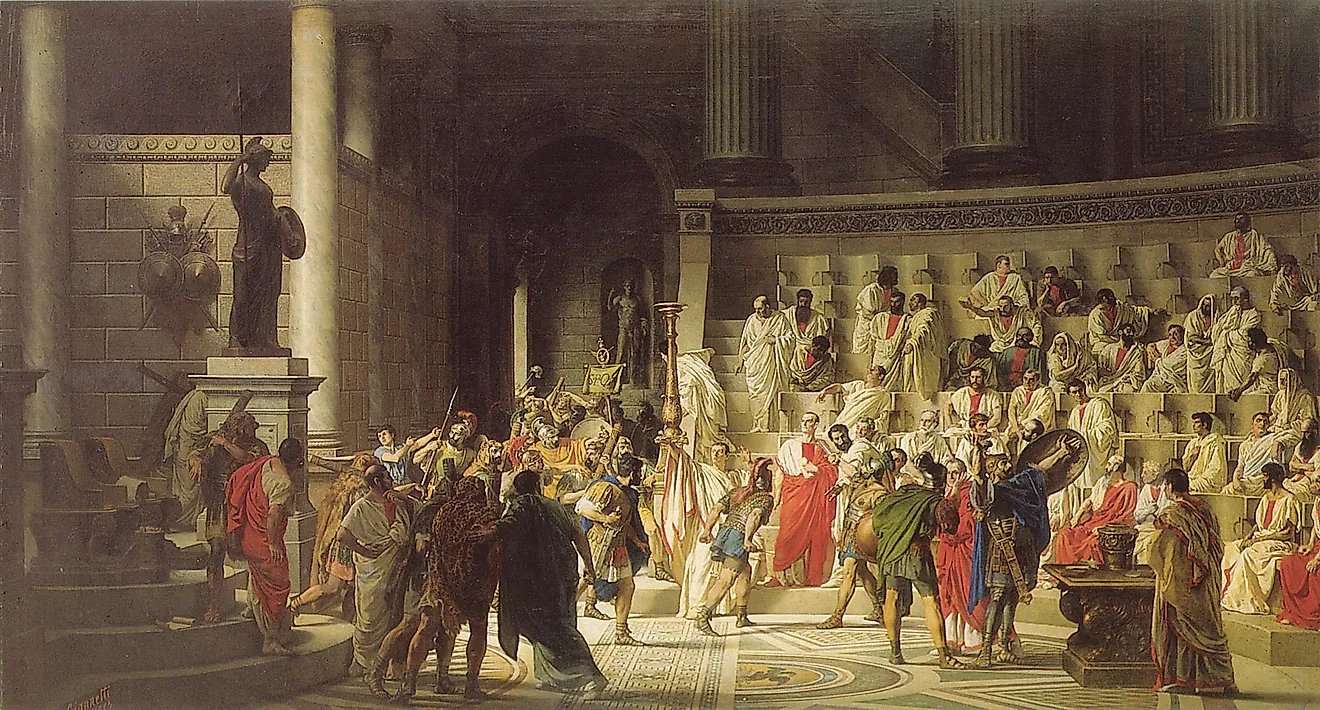
Long before Rome controlled the entire peninsula, Italy was a patchwork of rival peoples, city-states, and tribal confederations. The Romans eventually absorbed them all, but many Roman customs and traditions came from the neighbors and predecessors they conquered. The Etruscans, who emerged in the 900s BCE, gave Rome several of its early kings and shaped its architecture, engineering, and symbols of state power. Greek settlers arrived in the 8th century BCE and turned southern Italy into Magna Graecia, home to city-states such as Syracuse and Akragas. The Samnites, a warlike confederation from the mountains of south-central Italy, fought Rome for more than fifty years. The Gauls crossed the Alps into northern Italy and sacked Rome itself in the early 4th century BCE. Here is how each of these peoples rose to power, ruled their corner of Italy, and eventually gave way to Rome.
The Etruscans

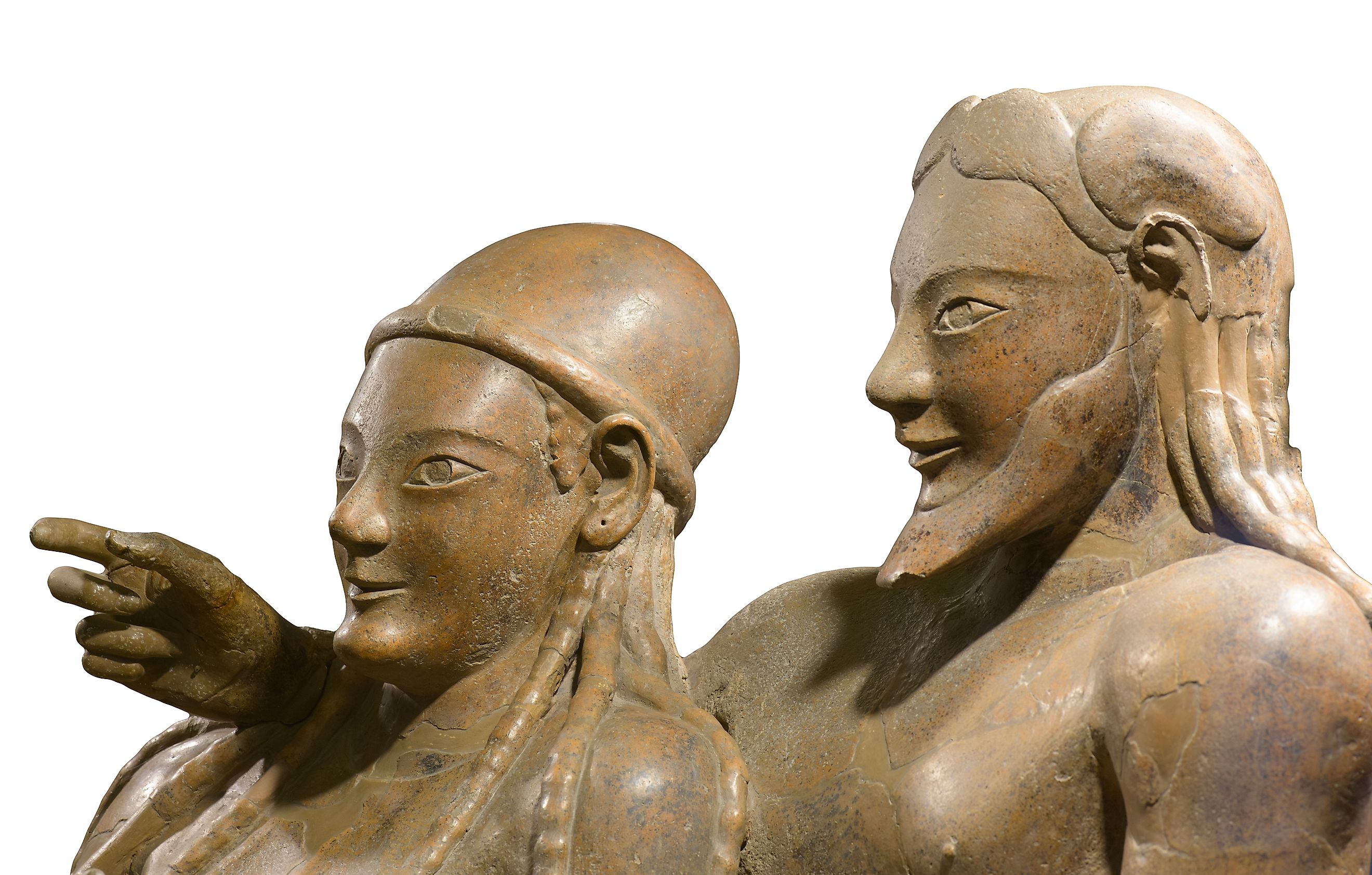
The Etruscans emerged in the 900s BCE. Located in Tuscany, western Umbria, and northern Lazio, their civilization became prosperous due to its fertile agriculture and abundant mineral wealth. The Etruscans also utilized a city-state system. These cities were nominally independent, but they sometimes joined together into a loose confederation.

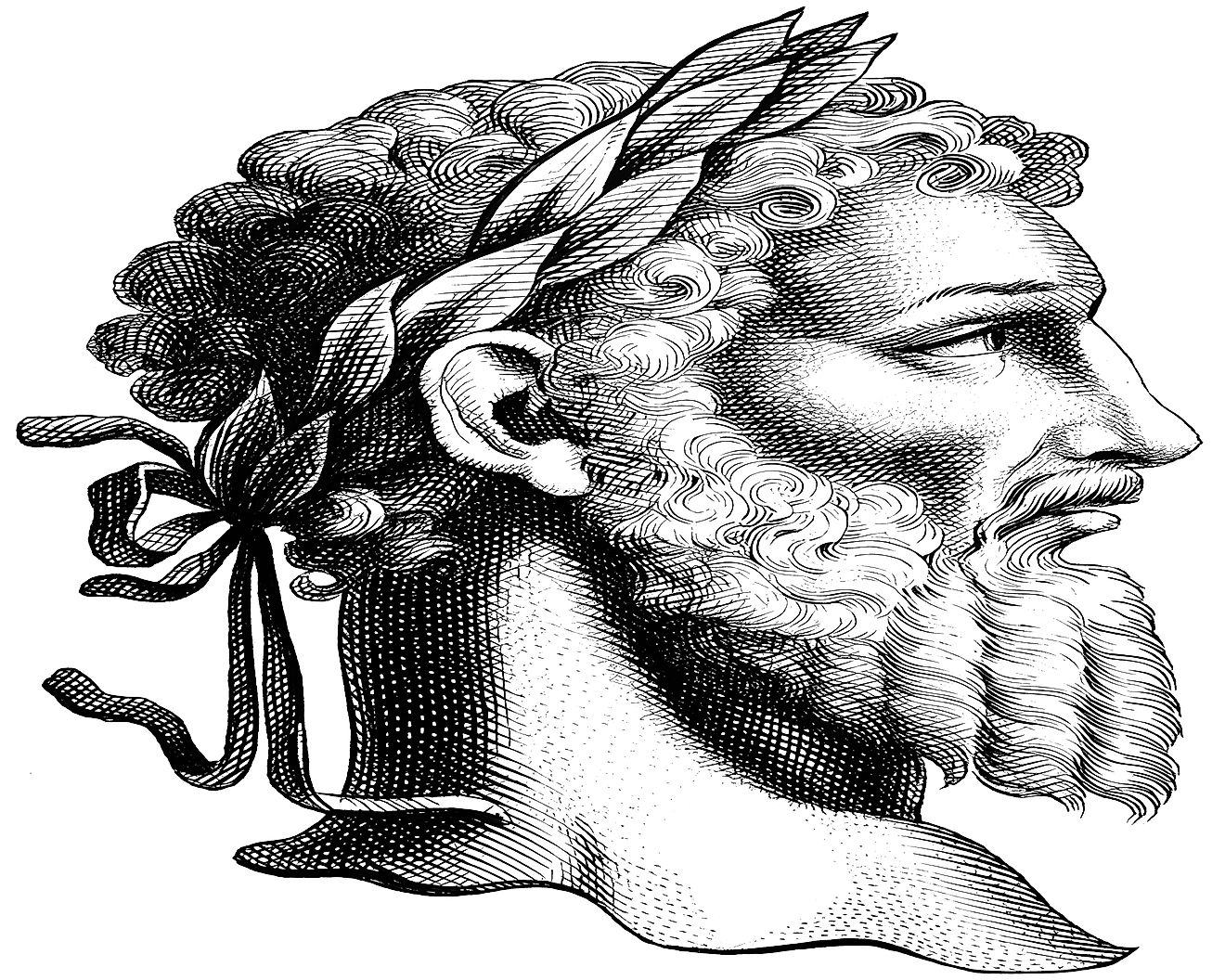
During the 6th century BCE, the Etruscans began expanding aggressively northward and southward. This impacted other Italian city-states, including Rome. In fact, several Roman kings were Etruscan, including Lucius Tarquinius Priscus and Lucius Tarquinius Superbus. Their ideas concerning architecture, urban planning, engineering, and symbols of state power went on to influence the Roman Republic and Empire.
As time went on, the Etruscans lost power. Wars against various Greek city-states, Latin cities, and the Gauls weakened their position. In Rome, the final Etruscan king, Lucius Tarquinius Superbus, was expelled in 509 BCE. The Romans then captured and destroyed the city of Veii, a major Etruscan power center, in 396 BCE. Ultimately, Etruscan civilization was completely subjugated by the mid 260s BCE.
Various Greek City-States

Due to overpopulation, poverty, and land shortages, some Greeks began migrating westward in the 8th century BCE. This led to the establishment of city-states in southern Italy. The region, known as Magna Graecia, eventually became a powerhouse. Cities like Neàpolis, Syracuse, and Akragas were bastions of Greek civilization, producing several philosophical, medical, and architectural innovations. Sybaris, one of the largest cities, reportedly had as many as 300,000 inhabitants before its destruction in 510 BCE.

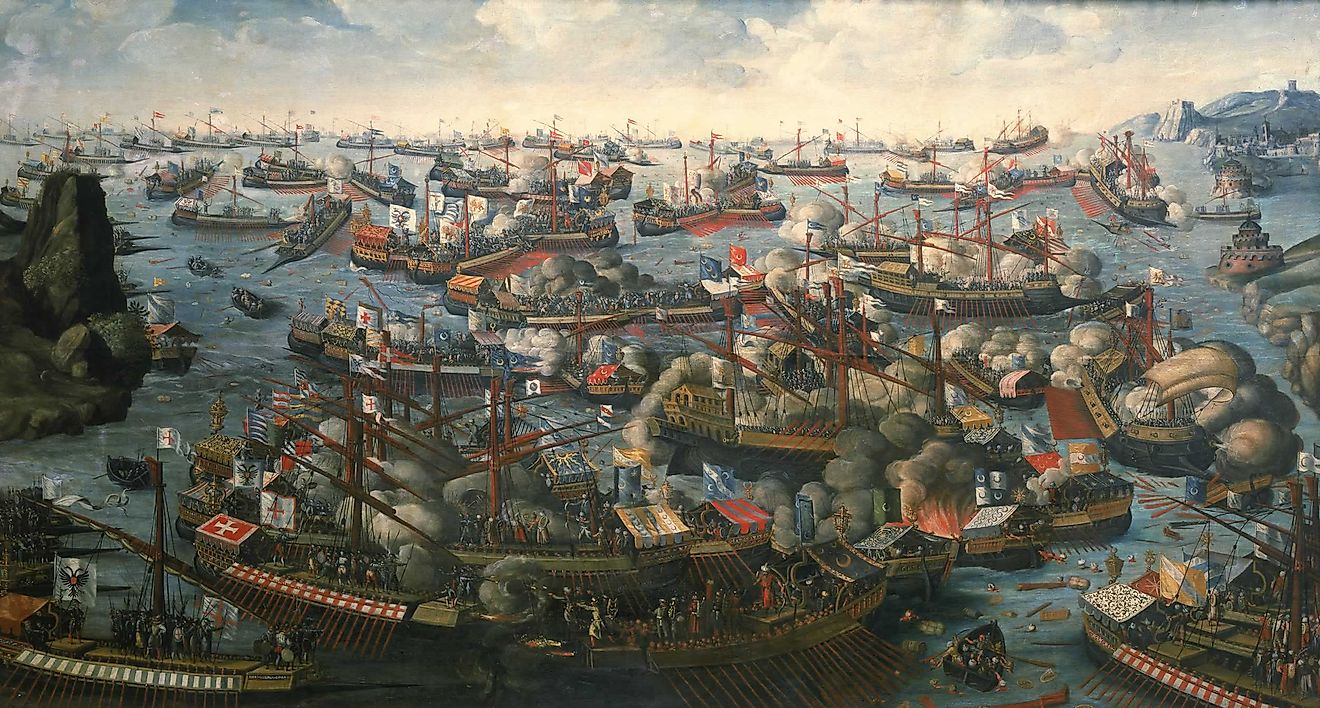
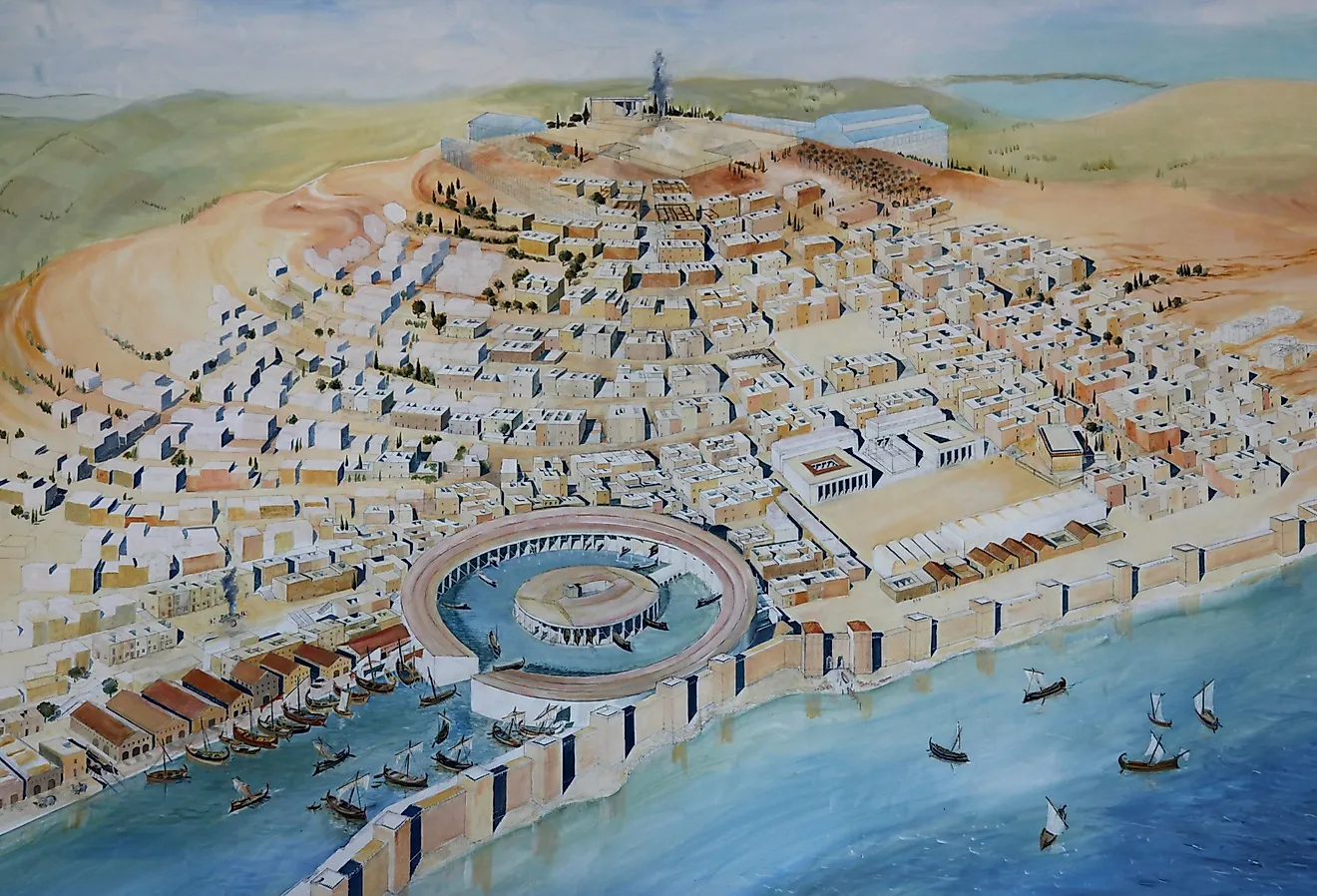
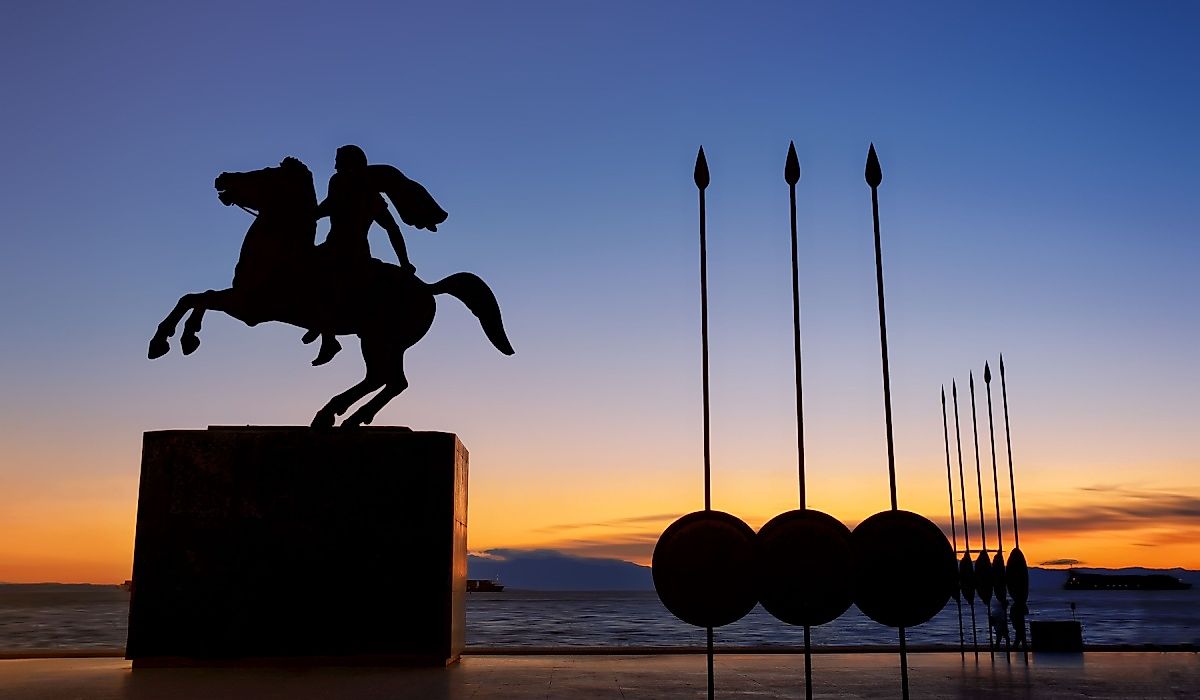
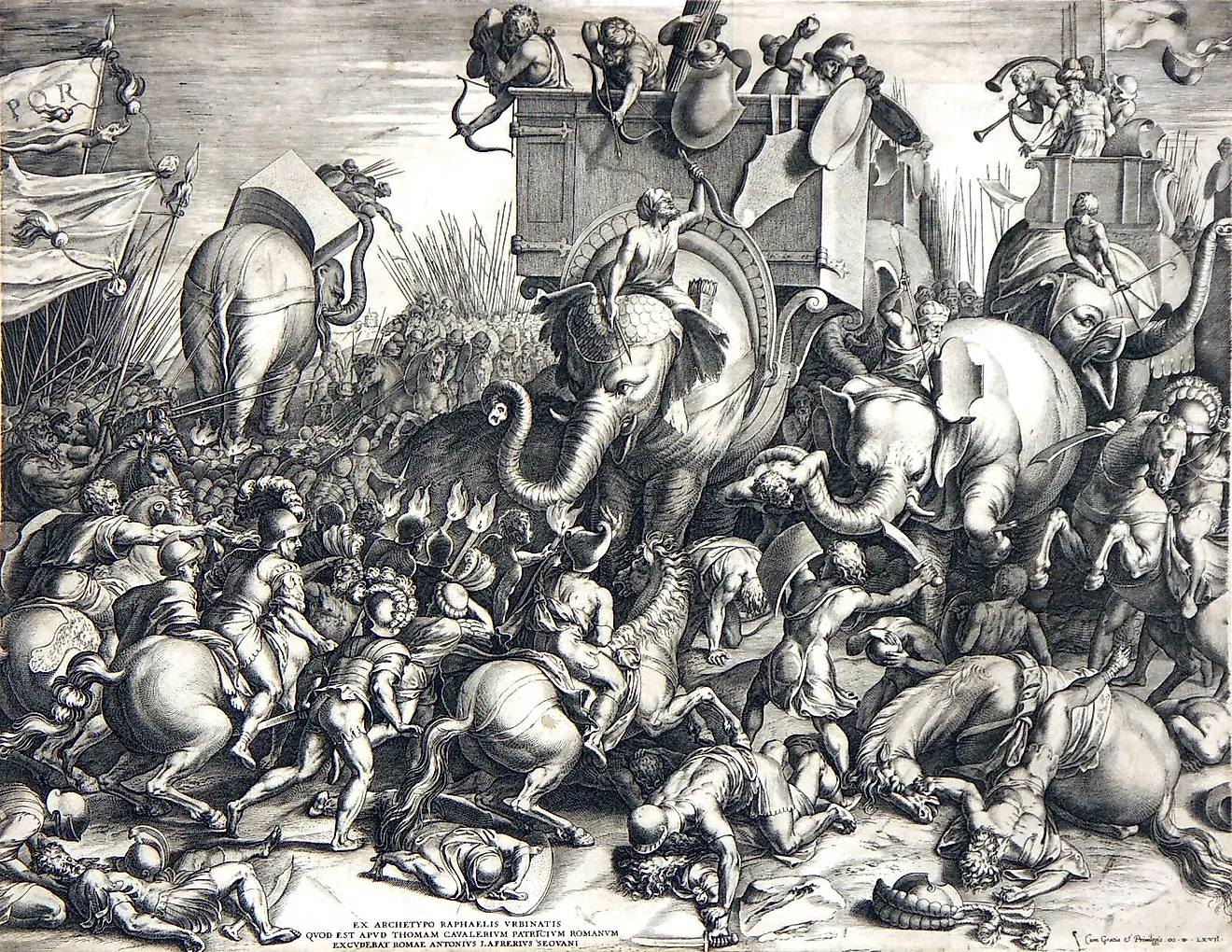
Despite their shared historical, linguistic, and cultural identity, these city-states frequently went to war with each other. This became more problematic during the 5th and 4th centuries BCE, as they faced threats from other peoples like the Samnites and Lucanians. However, the true turning point was the Pyrrhic War (281 to 275 BCE), which ended with the Romans establishing dominance over southern Italy. The final Greek city-states eventually lost their independence during the Second Punic War, with Syracuse coming under Roman control in 212 BCE. Regardless, much like the Etruscans, the Greeks had a profound cultural and political influence on Roman civilization for centuries to come.
The Latins

The Latins settled in west-central Italy sometime during the 2nd or 1st millennium BCE. Over time, small villages developed which then transformed into larger cities. While they were nominally independent, they all shared the same language, religious festivals, and mutual rights of trade and intermarriage. If faced with a military threat from peoples like the Etruscans or the Gauls, they also banded together into a confederation called the Latin League.
Rome was one such city. While it initially got along well with the other cities, tensions emerged as it grew more powerful. This led to the Latin War (340 to 338 BCE). Rome won the conflict and dissolved the Latin League in its aftermath. Rather than decimating the other Latin cities, the Romans instead incorporated them into their ever-growing state. This combined power was instrumental in Rome eventually controlling all of Italy.
The Samnites

The Samnites were a loose confederation of tribal peoples who lived in south-central Italy. The region's mountainous, rugged geography fostered a warlike culture that contrasted with those of their Greek, Latin, and Etruscan neighbors. It also made them a formidable opponent. The Romans learned this the hard way, spending more than fifty years fighting them in the late 300s and early 200s BCE. Although the Romans eventually defeated the Samnites in 290 BCE, they continued to rebel over the next 200 years.

During the Pyrrhic War, the Samnites allied with King Pyrrhus of Epirus. In the Second Punic War, many joined with Carthage. Samnite demands for full Roman citizenship and political rights were also the driving force behind the Social War (91 to 88 BCE). Ultimately, they made their final stand when they supported the Marian faction, led by Gaius Marius the Younger, in its civil war against Lucius Cornelius Sulla. The Marians lost, and Sulla massacred the Samnites in 82 BCE. In doing so, he effectively eliminated them as a distinct political and cultural entity.
The Gauls

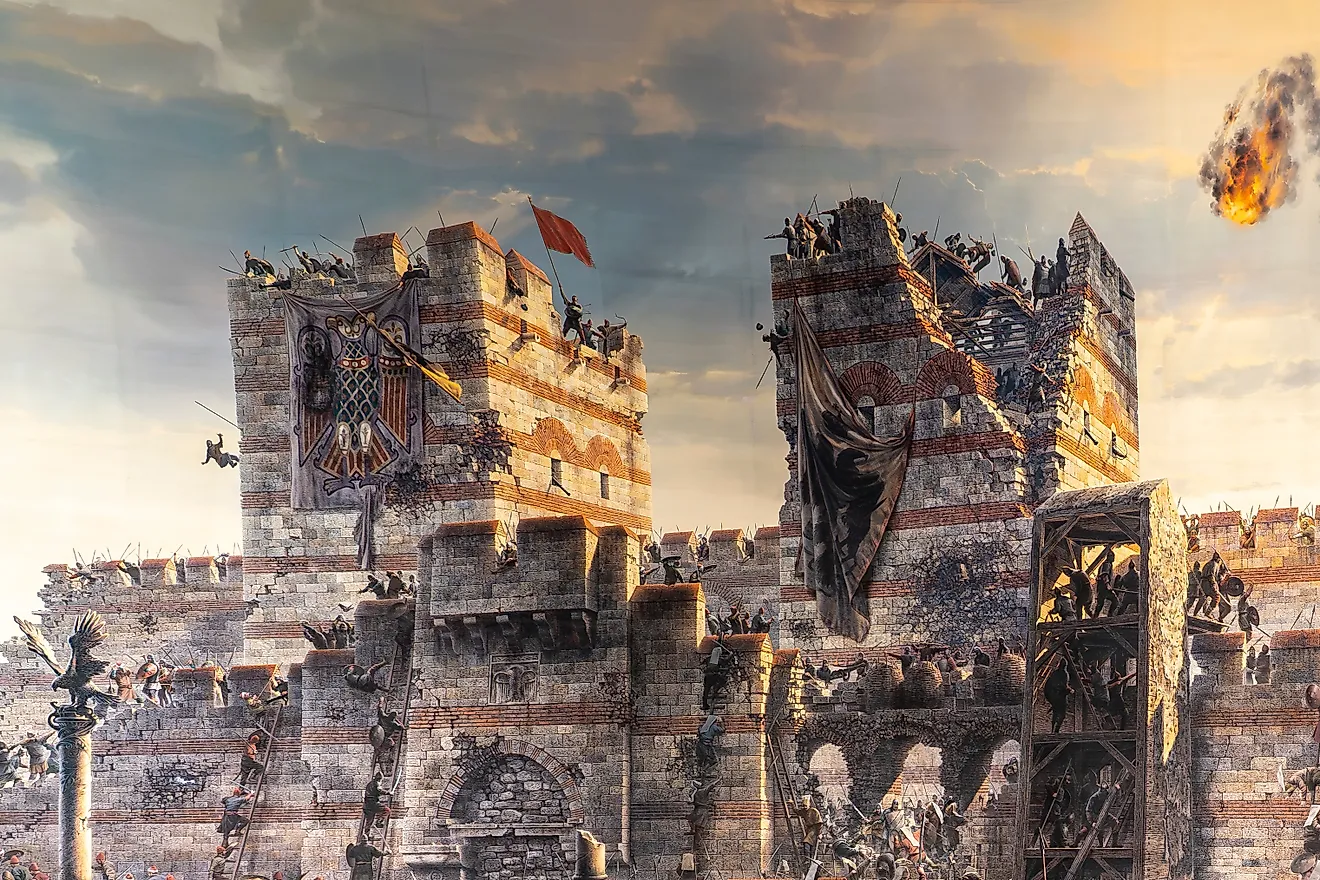
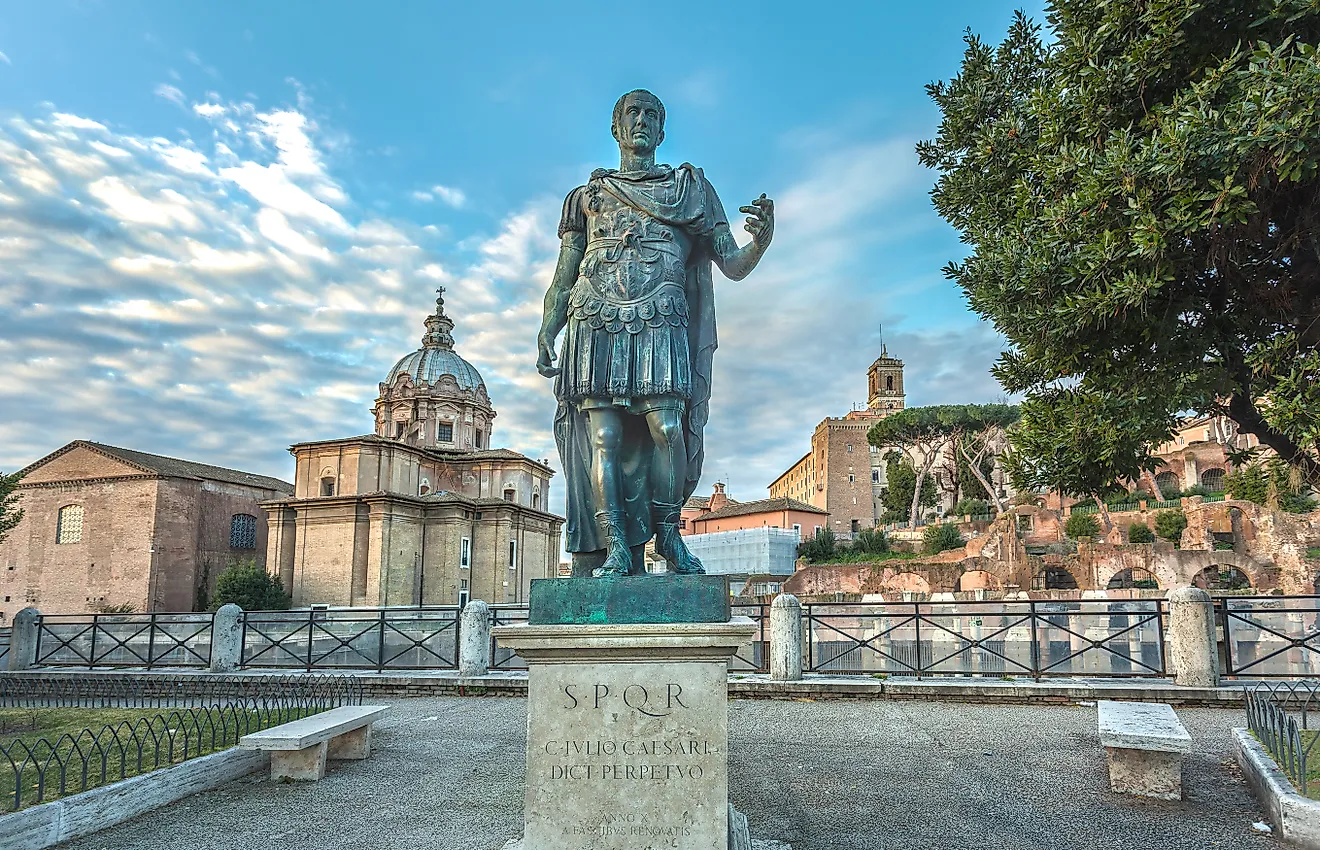
Beginning in the 5th and 4th centuries BCE, various Celtic tribes migrated across the Alps into northern Italy. These Gauls (named after their homeland, which roughly corresponds to modern-day France, Belgium, Luxembourg, and parts of Switzerland) threatened the native populations. Perhaps the most infamous incident occurred in 390 BCE (or 387 BCE according to some accounts), when they sacked Rome. This affair instilled a long-lasting fear of "barbarian" invasions and made securing the north a permanent objective for the Roman military and political establishment. The Gauls and Romans fought a series of wars over the next centuries. However, the true turning point came when Julius Caesar invaded Gaul in 58 BCE. Over the next eight years, he gradually gained territory by using brutal and arguably genocidal tactics. By 50 BCE, the region was subdued. In 49 BCE, Caesar extended Roman citizenship to the Gauls of northern Italy (Cisalpine Gaul). In 42 BCE, Cisalpine Gaul was formally merged into Roman Italy.
Impact And Legacy
You can't understand Roman civilization without comprehending what came before it. Several Etruscans ruled Rome and left a permanent political and cultural mark on it. The Greek city-states in southern Italy had a similar influence. Rome itself began as a Latin city-state. The Samnites were a constant thorn in the Romans' side for more than 250 years. Finally, the Romans and various Gallic tribes fought countless wars before Gaul was eventually incorporated into the Roman Republic.