The Shortest Reigning Roman Emperors In History
The Roman Empire had many emperors. Not all reigned for the same length of time. Some, like Trajan, Hadrian, and Marcus Aurelius, ruled for as long as two decades. However, others ruled for periods best measured in days. Consider Gordian I, Gordian II, Didius Julianus, Pertinax, and Otho, who were among the shortest-reigning emperors in Roman history.
Gordian I and Gordian II (238 CE) - 22 Days

From 235 to 284 CE, the Roman Empire was in trouble. Germanic invasions in the north and Persian incursions in the south posed a constant security threat. Plague also ran rampant, and the economy was in ruins. These factors led to numerous claims to the emperorship. Over twenty emperors rose and fell during this period, none more so than in 238 CE. Known as the Year of the Six Emperors, it featured the two shortest-reigning rulers in the empire’s history, Gordian I and Gordian II.

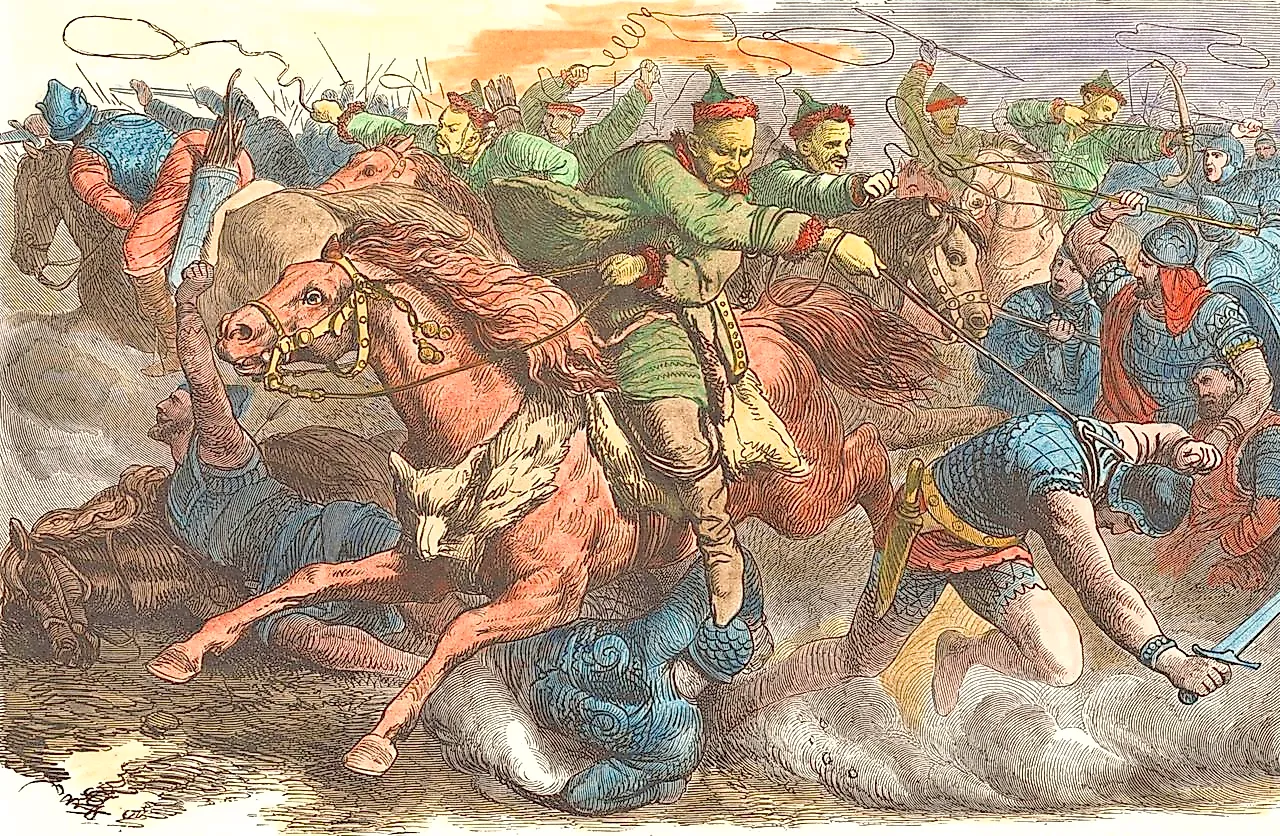
Their tenure began due to Emperor Maximus Thrax’s wars against Germanic tribes in the north. To fund these campaigns, he taxed people at extortionate rates. Fed up with this mistreatment, landowners in the province of Africa (modern-day Tunisia) forced their governor, the 80-year-old Gordian I, to become emperor. He agreed, but only if his son, Gordian II, could rule alongside him. The Senate, which hated Thrax, quickly ratified the agreement. However, the governor of the neighboring province of Numidia, Capelianus, was a Thrax loyalist and marched on the African capital of Carthage. Gordian II hastily assembled an untrained militia of local citizens, which was quickly crushed. Gordian II was also killed. Upon learning of his son's death, Gordian I committed suicide. The pair reigned for only 22 days.
Pertinax (193 CE) - 86 to 87 Days

Several other years throughout Roman history saw multiple emperors rise and fall. 193 CE is one example. Known as the Year of the Five Emperors, the chaos actually began on the final day of 192 CE, when Emperor Commodus was assassinated by the Praetorian Guard. The Praetorians then installed the Urban Prefect of Rome, Pertinax, in his place. Upon taking office, the 66-year-old aimed to model the restraint and thoughtfulness of Marcus Aurelius, one of the most well-regarded emperors in history. To do so, Pertinax needed to make some difficult decisions. Commodus bankrupted the imperial treasury and let corruption run rampant. Pertinax therefore auctioned off large swaths of Commodus’ property to raise money. He also reversed years of currency debasement by boosting the silver content of the denarius (the Roman silver coin) from 74 percent to 87 percent. Finally, Pertinax introduced severe austerity measures, cutting funding for gladiatorial games and the state welfare program called alimenta.

While these policies were unpopular, Pertinax maybe could have survived if not for one crucial error: he angered the Praetorian Guard. Technically meant to protect the emperor, it had grown accustomed to lavish living conditions, bribery, and loose discipline. Hence, Pertinax’s austerity measures and demands for military discipline didn’t go over well. On March 28, 193 CE, between 200 and 300 Praetorians stormed the imperial palace. Pertinax’s attempts to reason with them didn’t work, and he was killed.
Didius Julianus (193 CE) - 66 Days

After Pertinax was murdered, the Praetorian Guard participated in one of the most infamous chapters in Roman history: the auctioning off of the emperorship. There were two main competitors, Didius Julianus and Titus Flavius Sulpicianus. Julianus won by promising to grant 25,000 sesterces to every guardsman. The Guard promptly brought him to the Senate, which ratified his title out of fear.

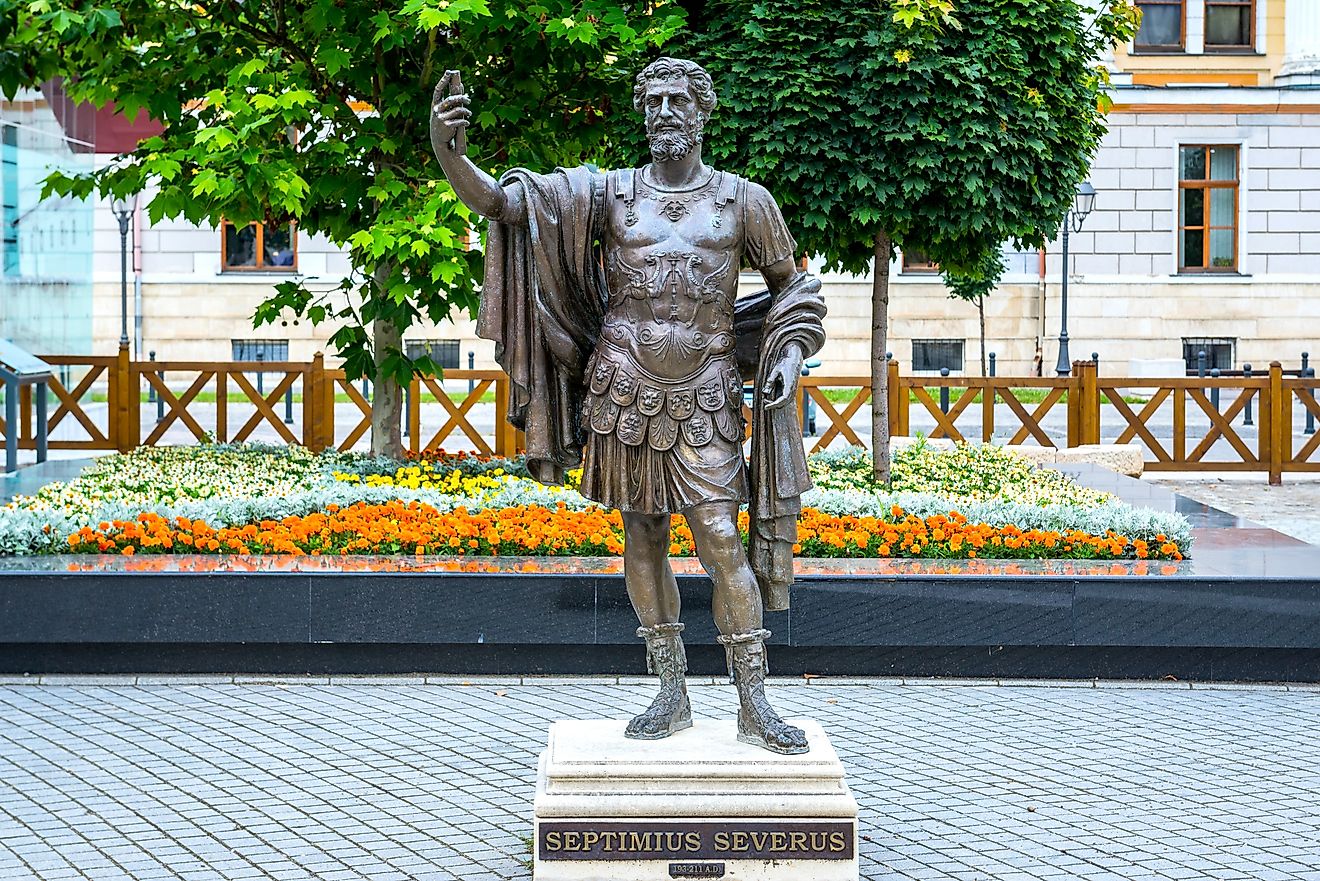
Appalled by this blatant act of corruption, the Roman populace despised Julianus. When he appeared in public, people reportedly shouted words like “robber” at him. To pay off his debt to the Guard, Julianus also debased the denarius by lowering its silver content from 87 percent to 75 percent (effectively undoing Pertinax’s work). All this resulted in three rival claimants to the emperorship: Septimius Severus, Pescennius Niger, and Clodius Albinus. Located in Upper Pannonia (modern-day Austria and Hungary), Severus was the closest and immediately marched on Rome. Julianus prepared to fight, but the Praetorian Guard refused to defend him. Then, on June 2nd, 193 CE, the Senate officially declared Severus emperor and sent a soldier to kill Julianus. He died after only 66 days in power.
Otho (69 CE) - 95 Days

Before the Year of the Five Emperors and the Year of the Six Emperors, the Roman Empire experienced the Year of the Four Emperors. It began when Emperor Nero committed suicide in the summer of 68 CE. Immediately afterwards, Galba, with Otho’s backing, marched on Rome and was recognized as emperor by the Senate. However, Otho turned against Galba when he wasn’t named heir. He ultimately bribed the Praetorian Guard to kill Galba and Lucius Calpurnius Piso Frugi Licinianus, his chosen heir, on January 15th, 69 CE. The Senate then confirmed Otho as emperor.

Otho quickly worked to secure support, promising to respect the Senate and the will of the people. Regardless, his reign was challenged almost immediately. Aulus Vitellius, commander of Germania Inferior, was declared emperor by his legions and began marching towards Italy. Otho attempted to negotiate a settlement, but it didn’t work. The two sides clashed at the Battle of Bedriacum on April 14th, 69 CE, and Otho’s troops suffered about 40,000 casualties. Seeing that the writing was on the wall, he committed suicide on April 16th, 69 CE.
Impact And Legacy
Several Roman generals ruled for extremely short periods of time. Consider Gordian I and II, who were raised to power by landowners in Africa only to find themselves dead after 22 days. Pertinax was a more willing and capable leader, but his reforms were deeply unpopular with the Praetorian Guard. Therefore, they killed him before he had ruled for three months. His successor, the blatantly corrupt Didius Julianus, lasted for even less time. Finally, Otho reigned for 95 days before committing suicide after the disastrous Battle of Bedriacum.