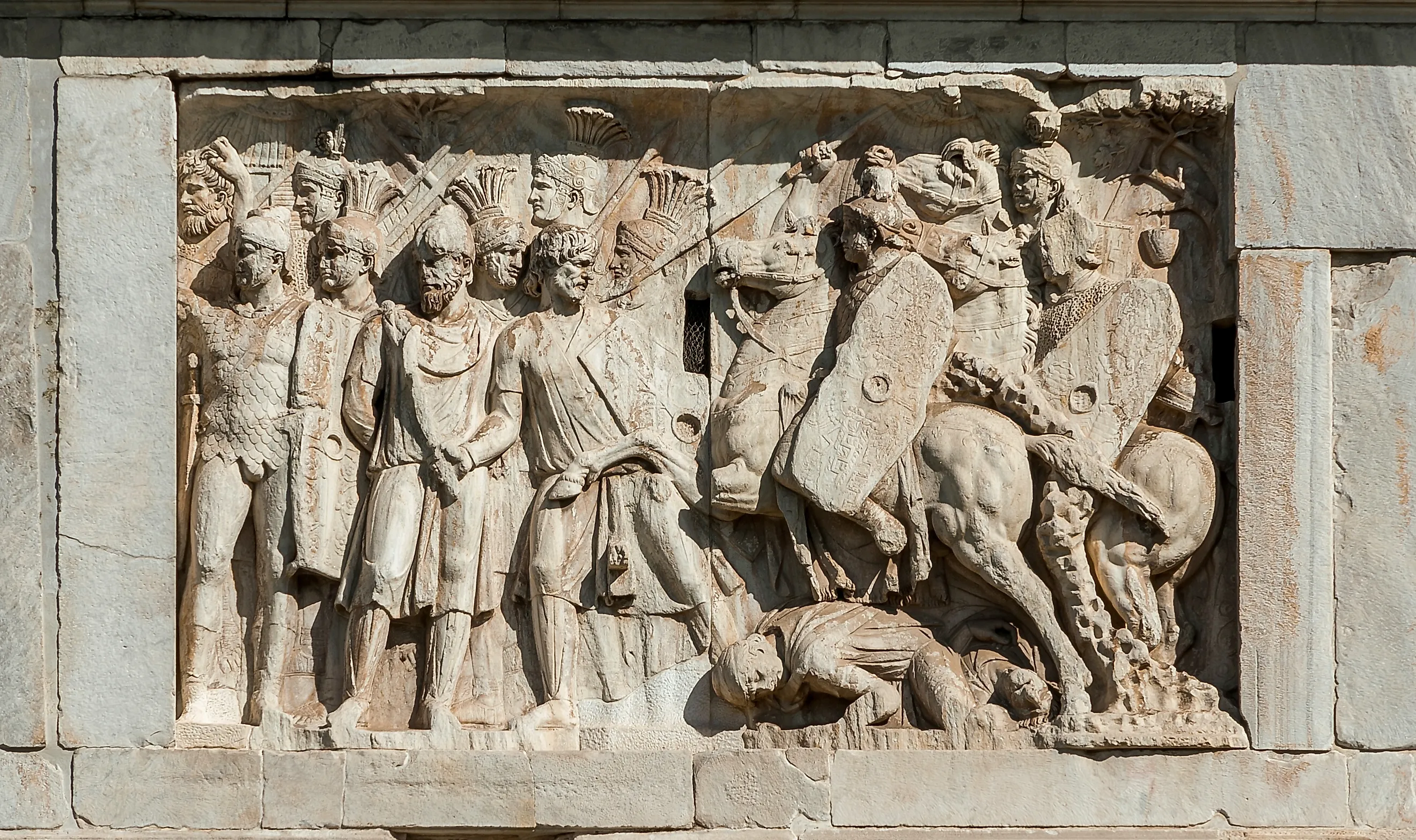
The Biggest Myths About The Fall Of Rome
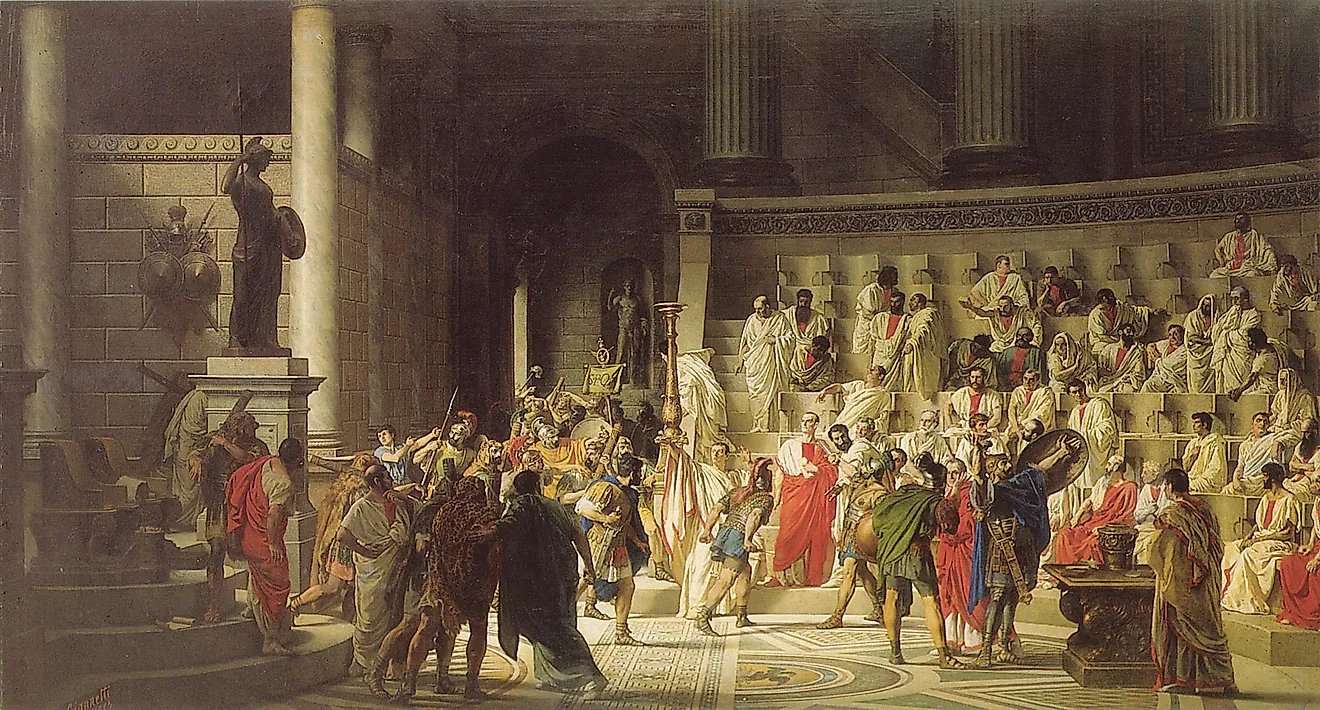
The fall of the Roman Empire is one of the most discussed events in history. As such, it has attracted numerous misconceptions and falsehoods. People often think it was a single catastrophic event, whereas the collapse actually took centuries. Images of "barbarians" storming the gates also loom large in popular memory. In reality, the Roman relationship with Germanic tribes was much more complicated. These are just two of the many myths about the fall of Rome.
It Was a Single Catastrophic Event

The collapse of the Western Roman Empire is typically dated to 476 CE. This gives the impression that it happened all at once. The problems actually began in 180 CE, when Commodus became emperor. His reign signified the end of the Pax Romana, approximately 200 years of peace and stability. While the Severan Dynasty somewhat restored stability, the assassination of Alexander Severus in 235 CE marked the beginning of the Crisis of the Third Century. This was a nearly fifty-year period of civil war, invasion, economic dysfunction, and plague. Aurelian and Diocletian ultimately restored order, but the whole affair demonstrated that the empire wasn't invincible.
The 4th and 5th centuries CE were even more problem-filled. As life became less safe, people often moved elsewhere. This was an issue, since the Roman government needed tax revenue to fund its defensive needs. Therefore, it increased taxes on those who remained, resulting in even more people leaving. Rome then split into an Eastern and Western Empire in 395 CE. While the Eastern Empire did well due to wealthy provinces like Egypt, the Western Empire struggled (even more so after the loss of its African provinces in the 430s CE). After years of challenges, it finally fell when the Germanic leader Odoacer deposed emperor Romulus Augustulus in 476 CE.
Barbarian Invasions Alone Destroyed Rome

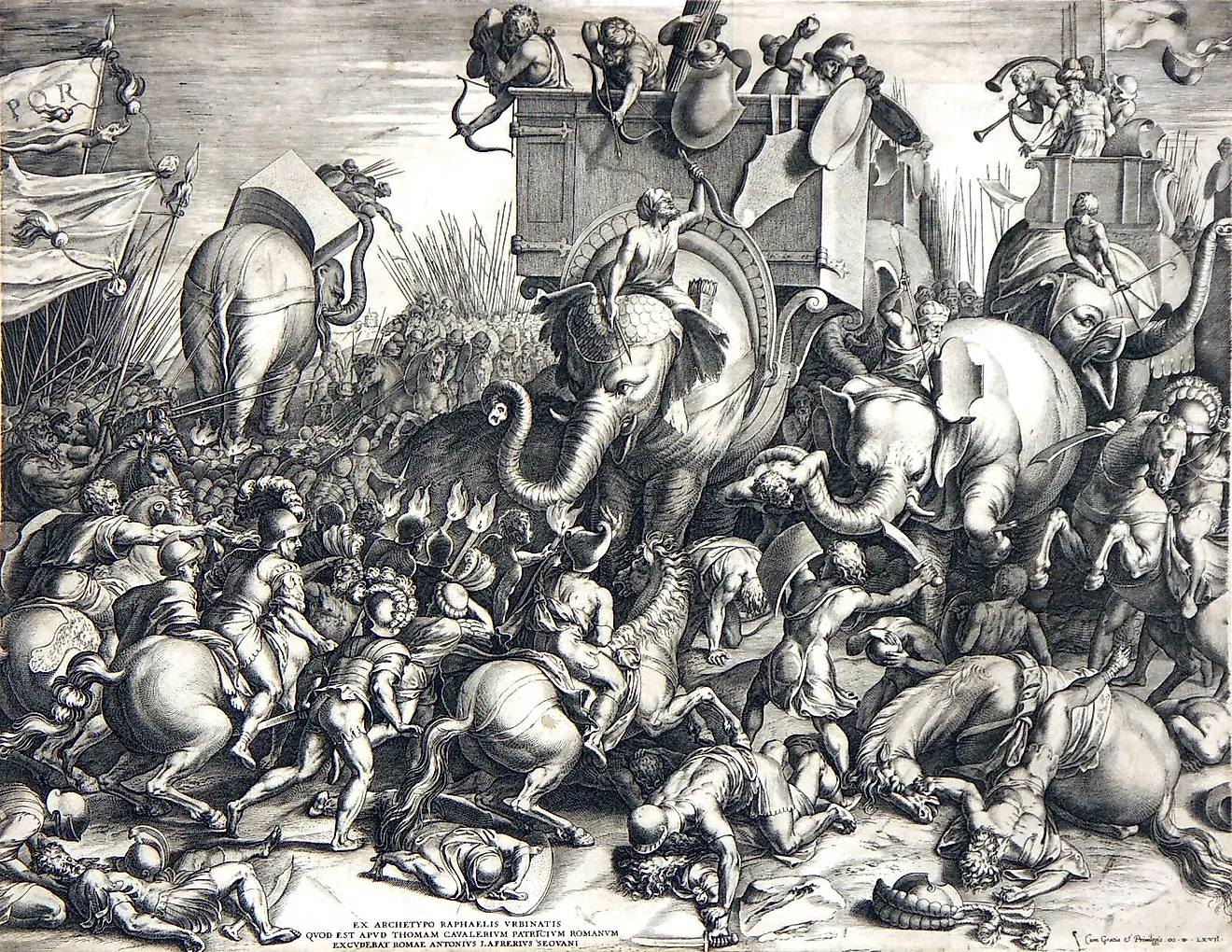
To briefly define terms, a barbarian was someone outside the Roman political, cultural, and linguistic sphere. In practice, they were mostly Germanic tribes from Central and Northern Europe. Barbarians absolutely played a role in the fall of the Roman Empire. Consider the Visigothic sack of Rome in 410 CE. The empire survived, but the psychological and reputational damage it did was long-lasting. The Vandal conquest of North Africa in the 430s CE was even more devastating. A major source of agriculture and wealth, the Western Roman Empire struggled to feed itself afterward. Finally, the Vandals then sacked Rome in 455 CE, further demonstrating the imperial government's vulnerability.
Despite all of this, it's inaccurate to say that barbarian invasions alone destroyed Rome. After all, they were made possible by economic dysfunction and territorial overreach. Furthermore, so-called barbarians often fought alongside the Romans. Germanic troops and generals made up large swaths of the Roman army during the late stages of the empire. While this was sometimes problematic, since they had their own political ambitions, they proved instrumental in several major victories. Perhaps the most significant example was the Battle of the Catalaunian Plains in 451 CE, when Roman forces and their allies checked Attila's invasion of Gaul.
The Roman Army Became Ineffective

The Roman army was one of the most formidable fighting forces in world history. However, as the empire struggled to defend itself during its last centuries and decades, it makes sense to assume that the army became ineffective. It certainly changed. As previously noted, the late Roman army contained many Germanic troops. Legions were also smaller, cavalry was used more frequently, and military doctrine emphasized avoiding risky open battles to prevent catastrophic losses.
These changes didn't make the army ineffective. It still boasted several formidable and prestigious generals, like Stilicho and Aetius, and could win major engagements, like the aforementioned Battle of the Catalaunian Plains. This isn't to say that it didn't have problems. Germanic generals often had interests separate from the Roman government, and the loss of tax revenue and agricultural capacity sometimes made it difficult to pay and feed soldiers. Regardless, it's still inaccurate to say that the Roman army became ineffective in its later years, and that the empire fell because of this.
The Roman Empire Ended in 476 CE

People often think that the Roman Empire fell in 476 CE. This is partially true, at least for the Western Roman Empire. Historians generally agree that Romulus Augustulus' deposition by Odoacer marked its end, but some argue that the Roman state had already changed so much that it effectively ended years earlier. On the other hand, major Roman institutions, like the Senate, remained in place for decades and sometimes centuries afterward. Hence, even though it's mostly accurate to say that the Western Roman Empire fell in 476 CE, this assertion should be caveated.
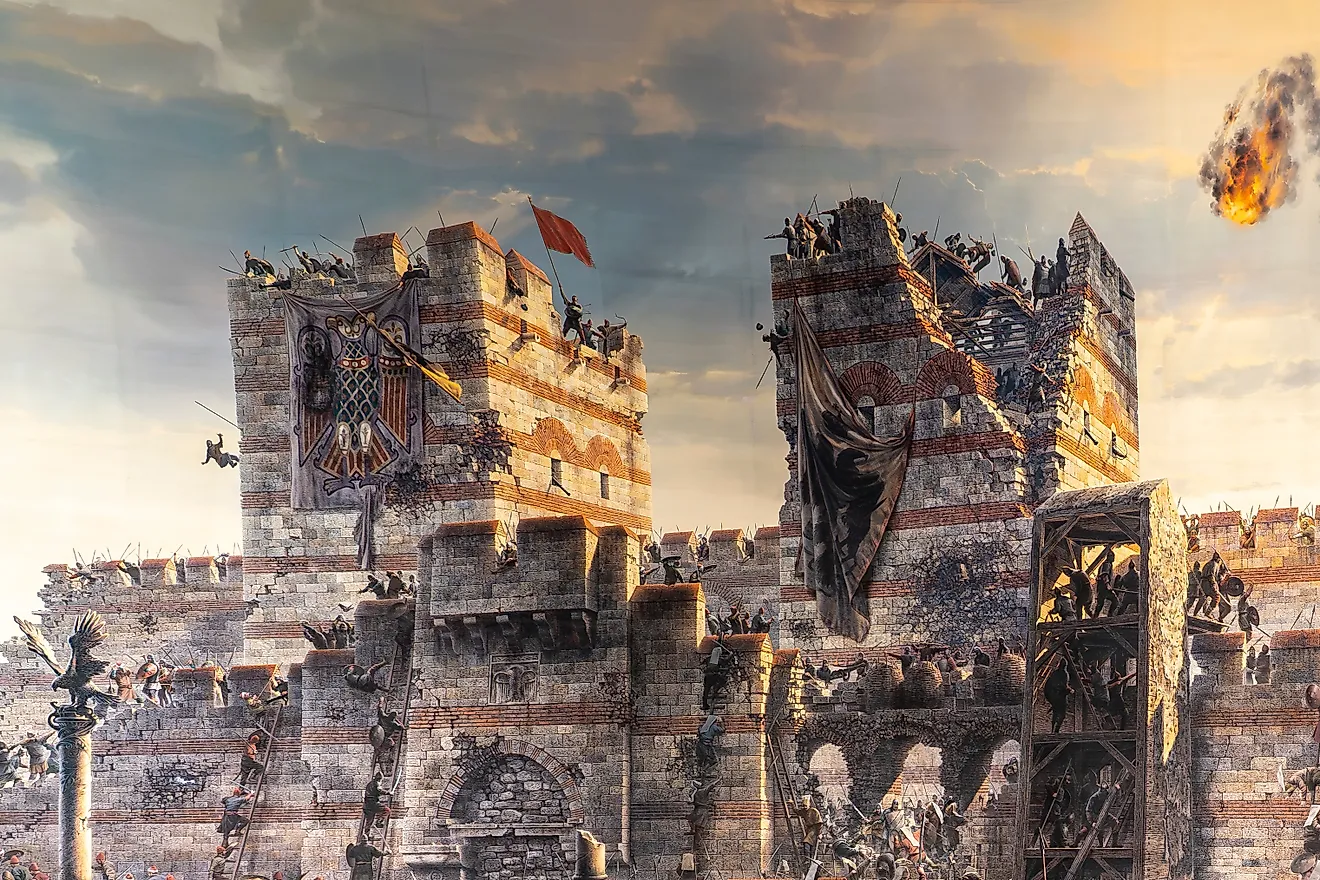
It's completely inaccurate to say that all of Roman civilization ended in 476 CE. After all, the Eastern Roman Empire survived for the next thousand years. Known retroactively as the Byzantine Empire, its inhabitants and rulers considered themselves Romans and carried over many traditions and customs. There were, admittedly, meaningful differences. The Byzantine Empire was a Christian state, whereas the Roman Empire was originally predominantly pagan (at least for its first 300 years). Greek was also the predominant language, contrasting with the Latin spoken in the West. Nevertheless, these differences don't disqualify the Byzantine Empire as a continuation of Roman civilization. Its ultimate fall to the Ottomans in 1453 CE should therefore be considered the final collapse of Rome.
Impact And Legacy
There are several myths about the fall of Rome. Perhaps the biggest one is that it was a single catastrophic event when, in reality, it was a multi-century process. "Barbarian" invasions certainly played a role, but they weren't the only reason for the collapse. The army changed substantially in the final years. However, it remained an effective fighting force. Finally, while it's mostly accurate to say that the Western Roman Empire fell in 476 CE, the Eastern Roman Empire lasted until 1453 CE.