Did The Roman Republic Or Roman Empire Have Better Generals?
The Roman Republic and the Roman Empire were both military powers, but they differed in important ways. While many of these differences were evident in the structure and organization of the army, others stemmed from generals. A Republican military leader often had greater name recognition and focused more on offensive campaigns. By contrast, Imperial generals were more loyal to the government and better at defense. Taken together, neither the Roman Republic nor the Empire had better generals, since they excelled at different things.
An Important Caveat
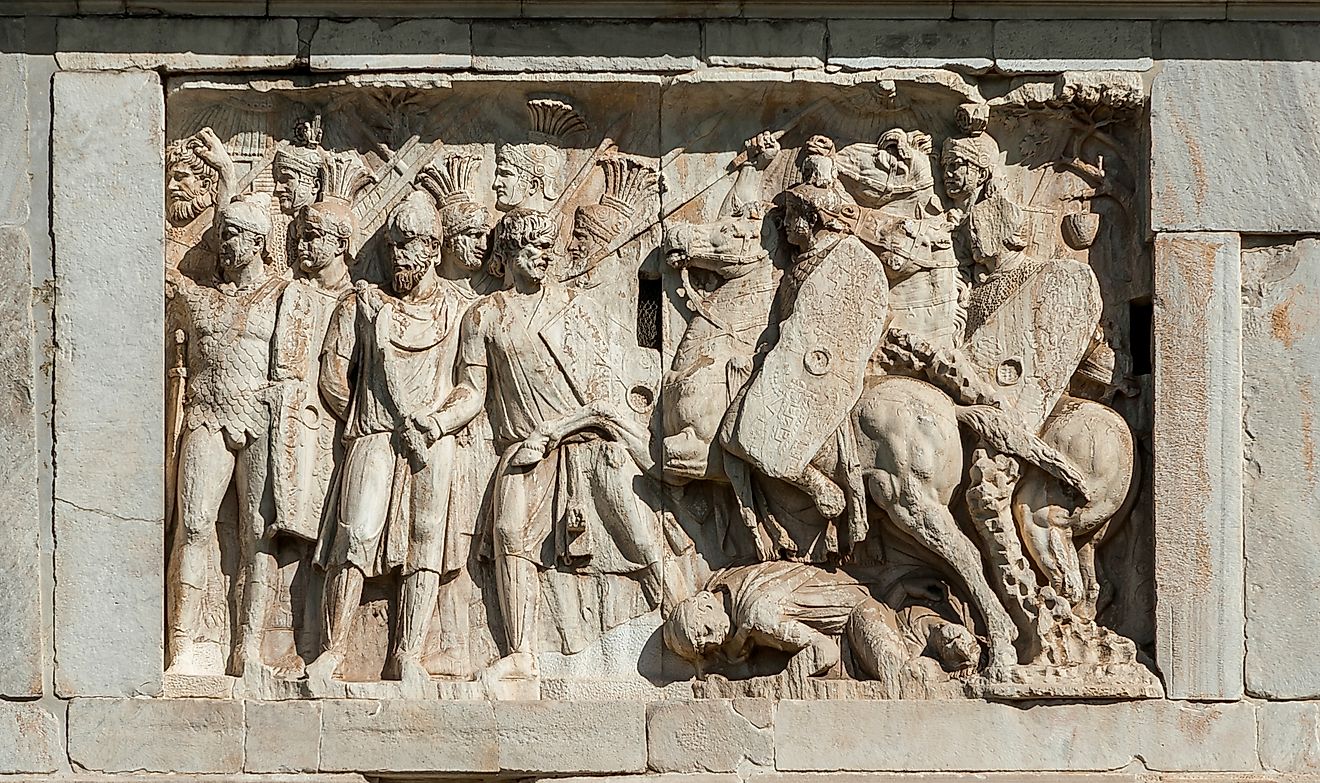
The Republican and Imperial armies changed significantly over time. During the First Punic War, the Republic built a navy to contend with Carthage and also increasingly relied on non-Italian auxiliary forces. The Imperial army contained even more of these troops and relied more on non-infantry units, particularly cavalry.
We need to consider these changes when assessing the differences between generals in the Roman Republic and Roman Empire. A general in the early Roman Republic would have had very different resources and operated under different circumstances than a general in the 50s BCE. This makes separating generals into two distinct eras somewhat difficult.
Regardless, this article will attempt to do so by focusing on the broad differences between Republican and Imperial generals.
Popularity: The Roman Republic

The Roman Republic was home to some of the most famous generals in ancient and world history. Consider Scipio Africanus who, after Rome's disastrous start to the Second Punic War (201 to 218 BCE), oversaw the counter-invasion of North Africa, which culminated in Carthage's defeat.
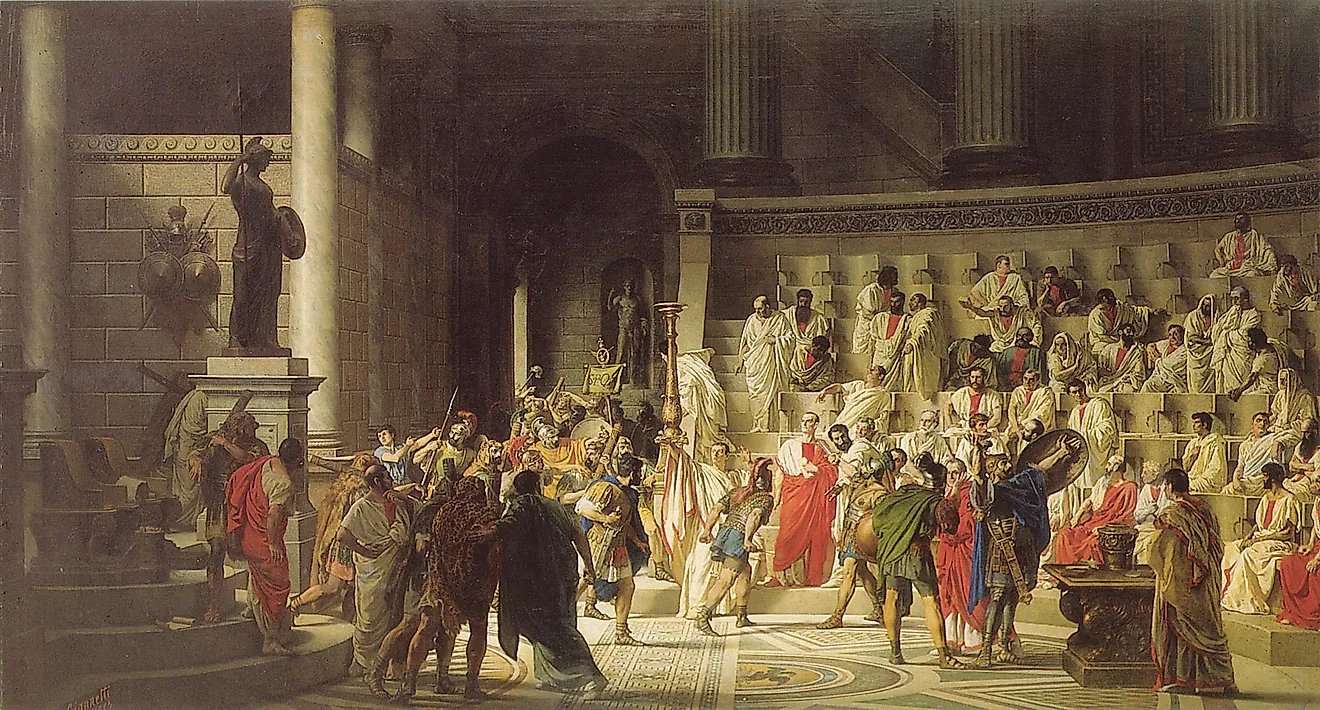
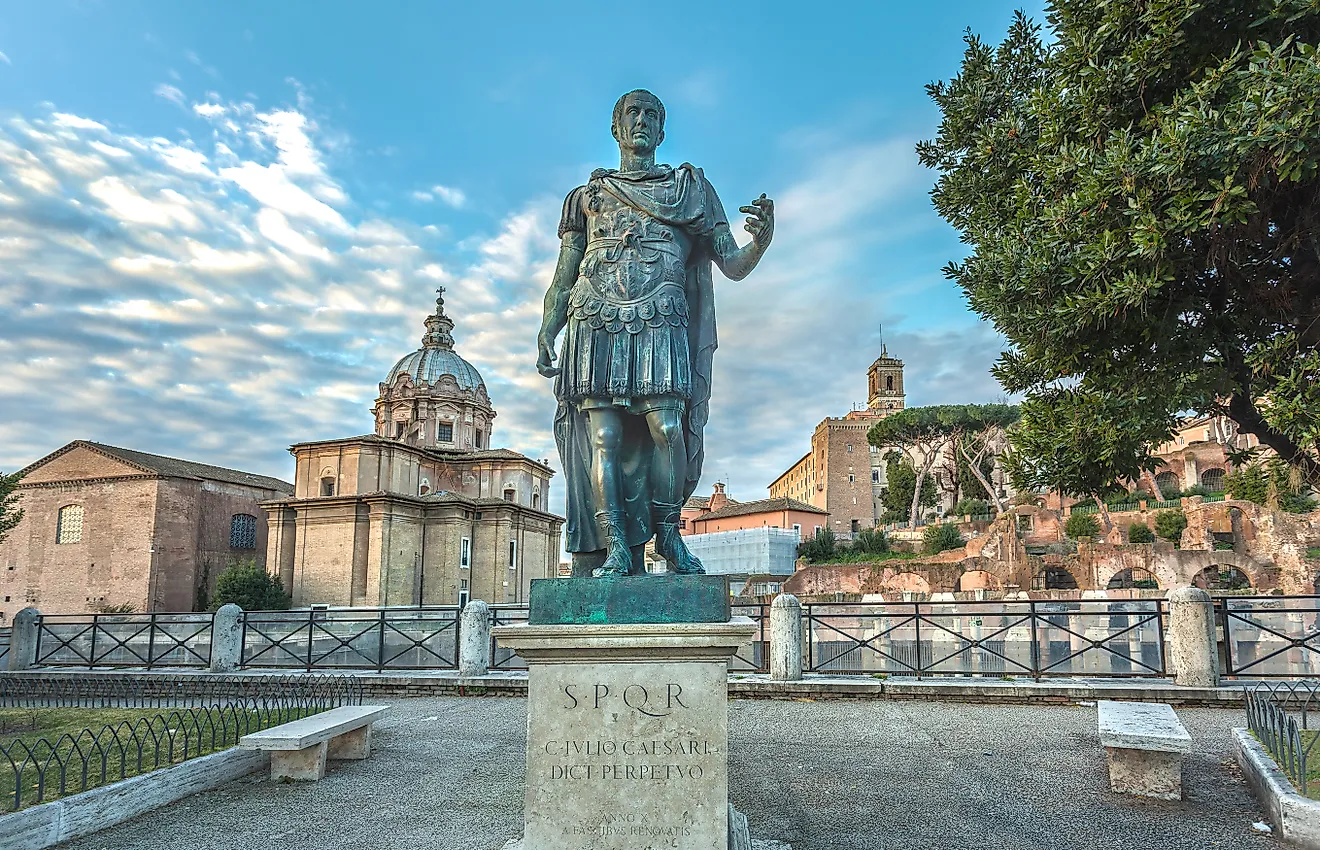
Over a hundred years later, Gaius Marius helped defend Rome against invasions by the Germanic Cimbri and Teutones. His violent rivalry with another famous general, Lucius Cornelius Sulla, then reshaped Roman political and military norms. This influenced generals like Julius Caesar and Pompey the Great, who fought a bloody civil war for control over Rome.
The Roman Empire had several famous generals with Germanicus perhaps the most well-known. After the disastrous Battle of Teutoburg Forest in nine CE, in which three legions were destroyed and between 15,000 and 20,000 troops were killed, he led retaliatory campaigns into Germania.
Belisarius was another famous general who oversaw the reconquest of much of the former Western Roman Empire in the 500s CE. Crucially, however, while these generals were certainly well-known, they worked for the Roman state. This contrasts with Pompey, Sulla, and Marius, who all had their own personal ambitions. Their troops also supported them over the government. Therefore, it's reasonable to posit that Republican generals had the edge in terms of personal popularity.
Offensive Campaigns: The Roman Republic

The Roman Republic transformed from a small Italian city-state into a Mediterranean-wide power. Much of this was due to the offensive campaigns waged by its generals.
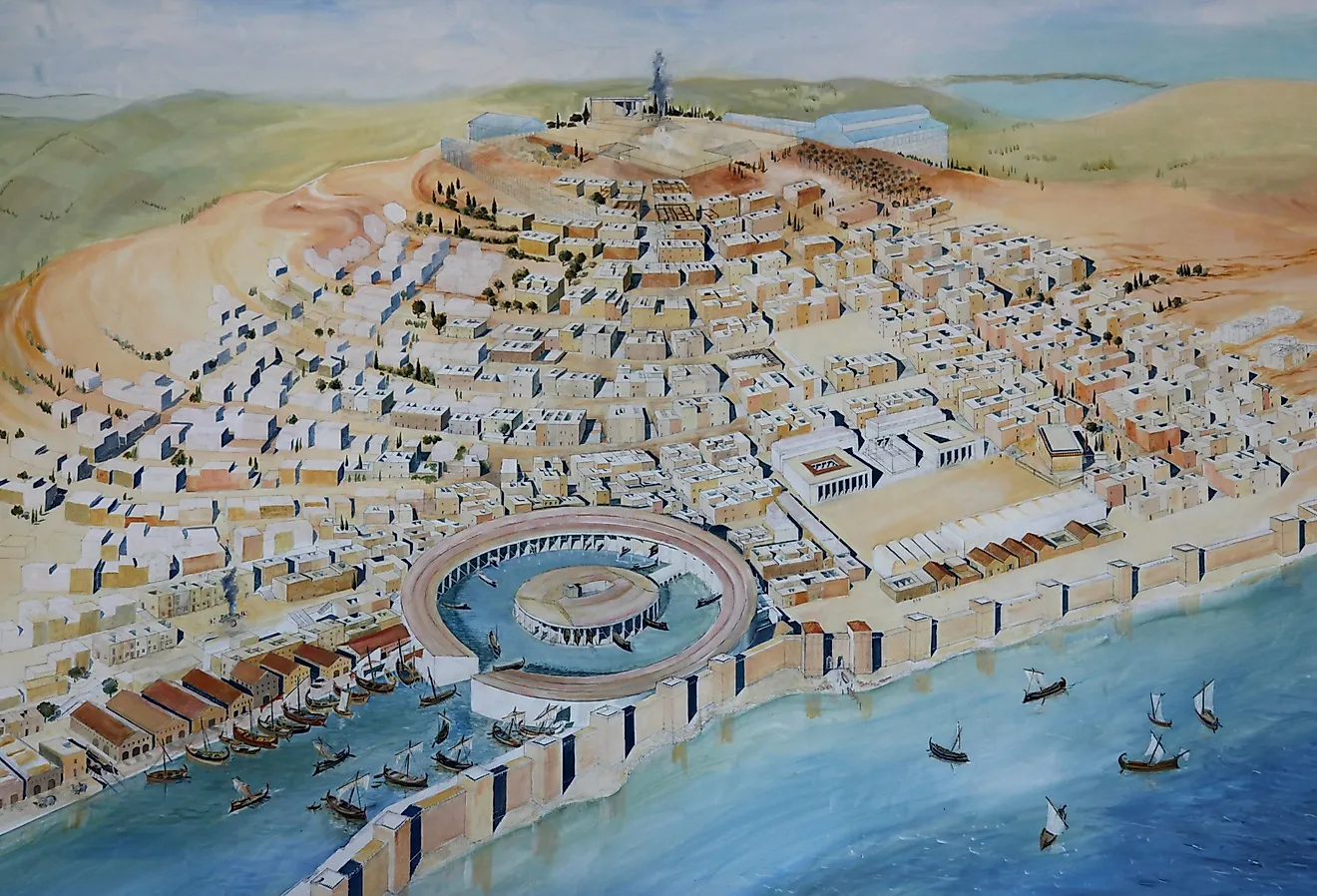
Scipio Aemilianus' victory in the Third Punic War (146 to 149 BCE) led to the destruction of Carthage and Rome establishing a foothold in North Africa. Pompey the Great's campaigns in the east helped the Romans control places like Syria, Judea, and parts of Anatolia. Caesar's Gallic Wars (58 to 50 BCE) ended with him conquering modern-day France, Belgium, Luxembourg, and parts of Switzerland. Finally, Octavian's war against Cleopatra (and her lover, Mark Antony) resulted in the Romans acquiring Egypt.
Offensive campaigns didn't completely stop during the Roman Empire. Trajan oversaw incursions into Dacia (modern-day Romania) and Mesopotamia, and Aulus Plautius led the initial invasion of Britain in the 40s CE (fully conquering it took decades).
Regardless, imperial generals were typically less focused on aggressive campaigns. The empire's sheer size meant that future expansions yielded diminishing returns, as more and more resources were spent on defending its thousands of miles of border.
Loyalty To The Government: The Roman Empire
The personal popularity of generals in the Roman Republic was a double-edged sword. While it sometimes meant that their soldiers fought with extra vigor, it also led to domestic instability. This was further compounded by the payment system where soldiers were paid by their generals as opposed to the Roman state, incentivizing loyalty to their commanding officer rather than the government.
Augustus, Rome's first emperor, changed the system. Soldiers were now paid directly by the state treasury. In turn, generals became more integrated with and loyal to the government. Their career trajectories also depended heavily on their relationship with the emperor. Admittedly, the system wasn't perfect. The Year of the Four Emperors (69 CE), the Year of the Five Emperors (193 CE), and the Crisis of the Third Century (235 to 284 CE) all saw rogue generals claim the emperorship for themselves. Nevertheless, these episodes often stemmed from political mismanagement or economic dysfunction rather than the structural relationship between the army and the general. They were also more intermittent than the constant civil war that characterized the final decades of the Roman Republic.
Defense: The Roman Empire

Generals in the Roman Empire were highly adept at defense. Consider Aulus Platorius Nepos. As governor of Britain, he held supreme military command over all legions and auxiliary forces stationed there. His construction of Hadrian's Wall, named after Emperor Hadrian, in northern Britain was instrumental in defending Roman territory in the region.
Even as the Western Roman Empire struggled in its final centuries and decades, generals still achieved notable defensive victories. The Battle of the Catalaunian Plains in 451 CE is a clear example. Despite facing a formidable Hunnic threat, Flavius Aetius repelled it with his Roman-led coalition. The Eastern Roman Empire carried forward this defensive strength after its Western counterpart fell. Faced with incursions from the Persians, Arabs, Bulgarians, and Normans, it survived for over a thousand years.
Impact and Legacy
Generals in the Roman Republic and Empire had different strengths. Republican generals were often immensely popular. Their offensive campaigns also allowed Rome to expand from a city-state into one of the largest powers in world history. By contrast, Imperial generals were often more loyal to the Roman state and adept at defense. In short, both the Roman Republic and the Empire possessed some of the greatest generals of all time.