The Worst Decisions Made By Roman Generals
The Roman Republic and Roman Empire boasted some of the greatest generals the world has ever known. This doesn't mean that they were perfect. Over the course of its 2,200-year history, Rome experienced its share of poor military decisions. Crassus's invasion of Parthia and Varus's march into the Teutoburg Forest are among the starkest examples, and exploring these mistakes is necessary to understand Roman military history in its totality.
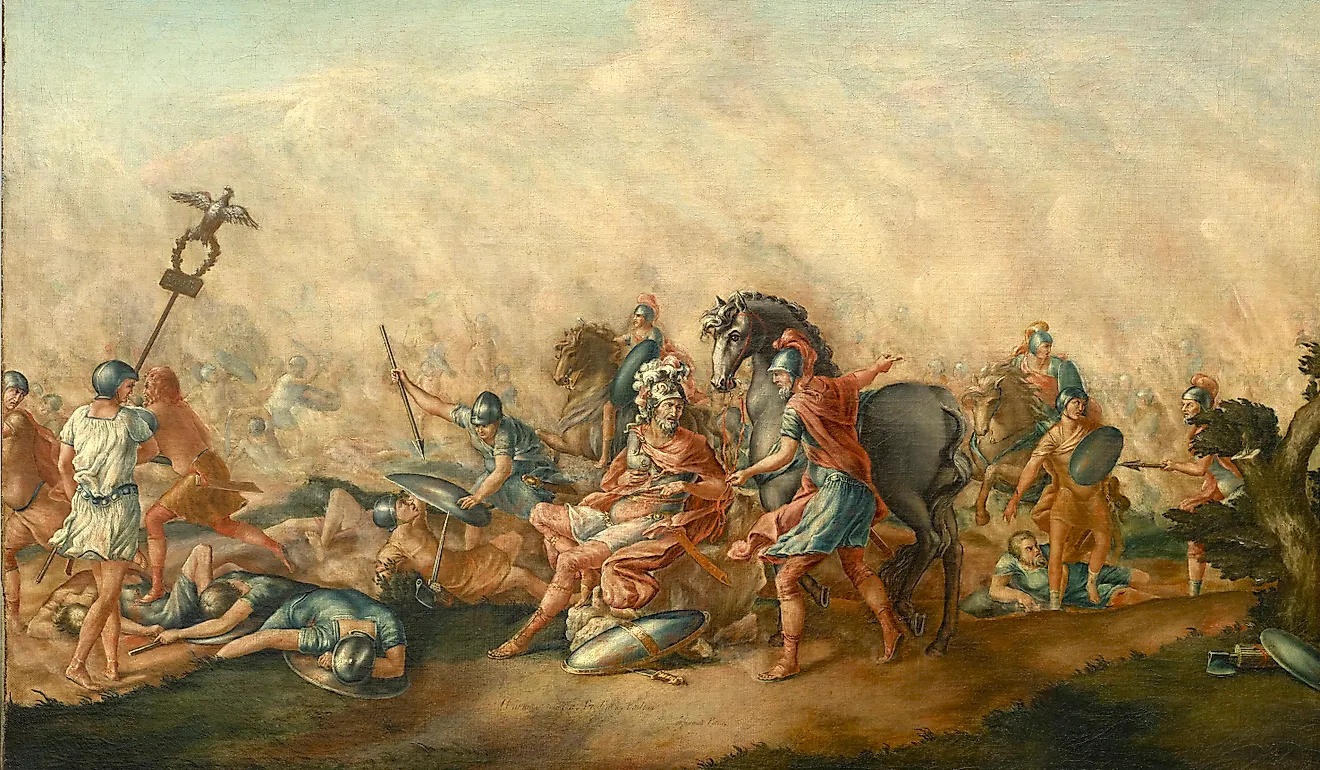
Varro Fighting The Battle Of Cannae (216 BCE)

Between 264 and 241 BCE, the Roman Republic and the North Africa-based empire of Carthage fought the First Punic War. It ended with Rome gaining control of Sicily. Enraged, many in the upper echelons of Carthaginian political and military leadership plotted revenge. Chief among them was Hamilcar Barca, who spent the years after the war building a new Carthaginian power base in Spain. His son was the general Hannibal Barca, who inherited that army along with the grievance behind it. Hannibal took command in 221 BCE. The revenge was finally enacted in 218 BCE when Hannibal invaded Italy. Rather than doing so via the sea, he marched over the Alps and invaded from the north. Doing so caught the Romans completely off guard.
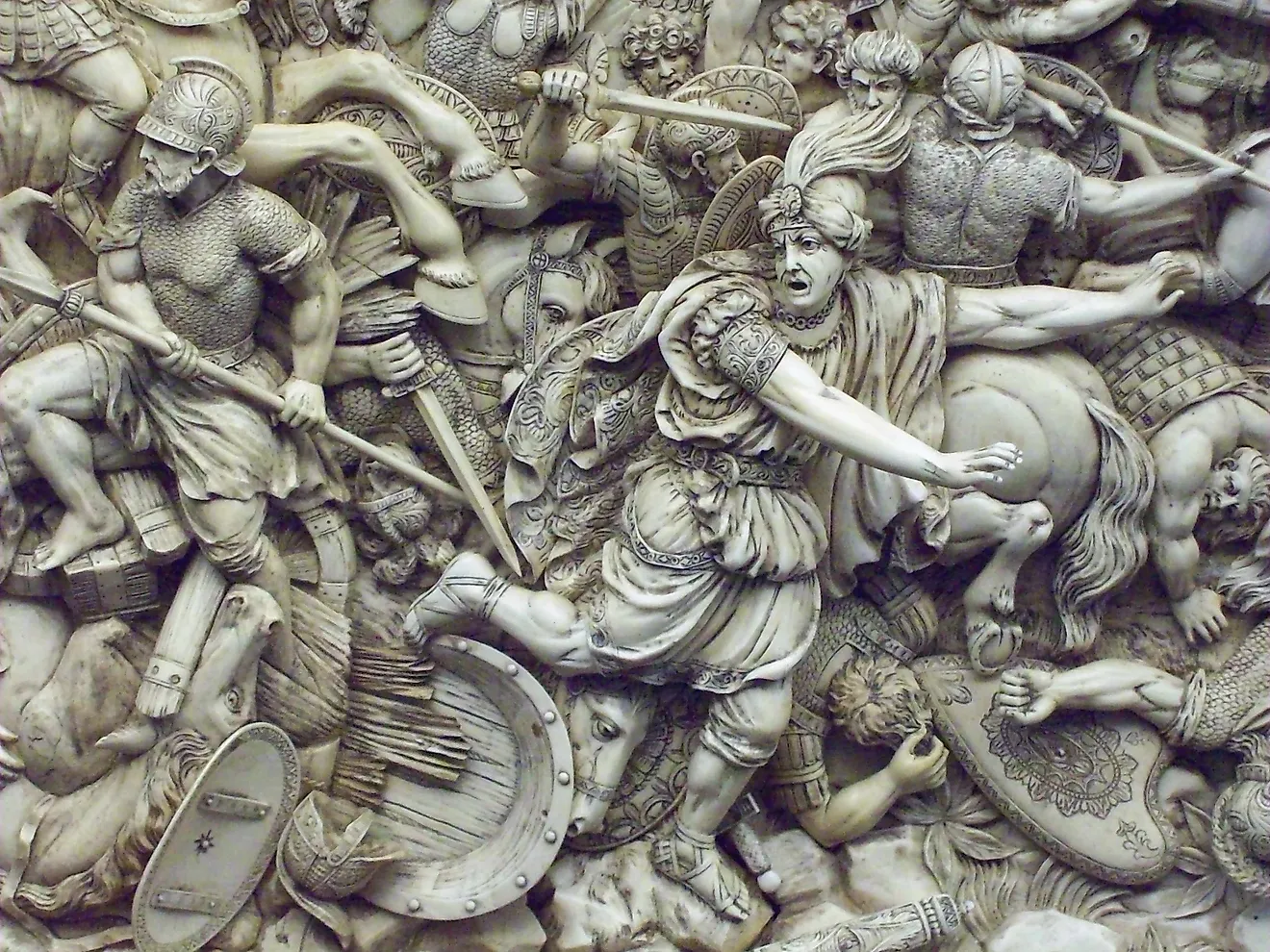
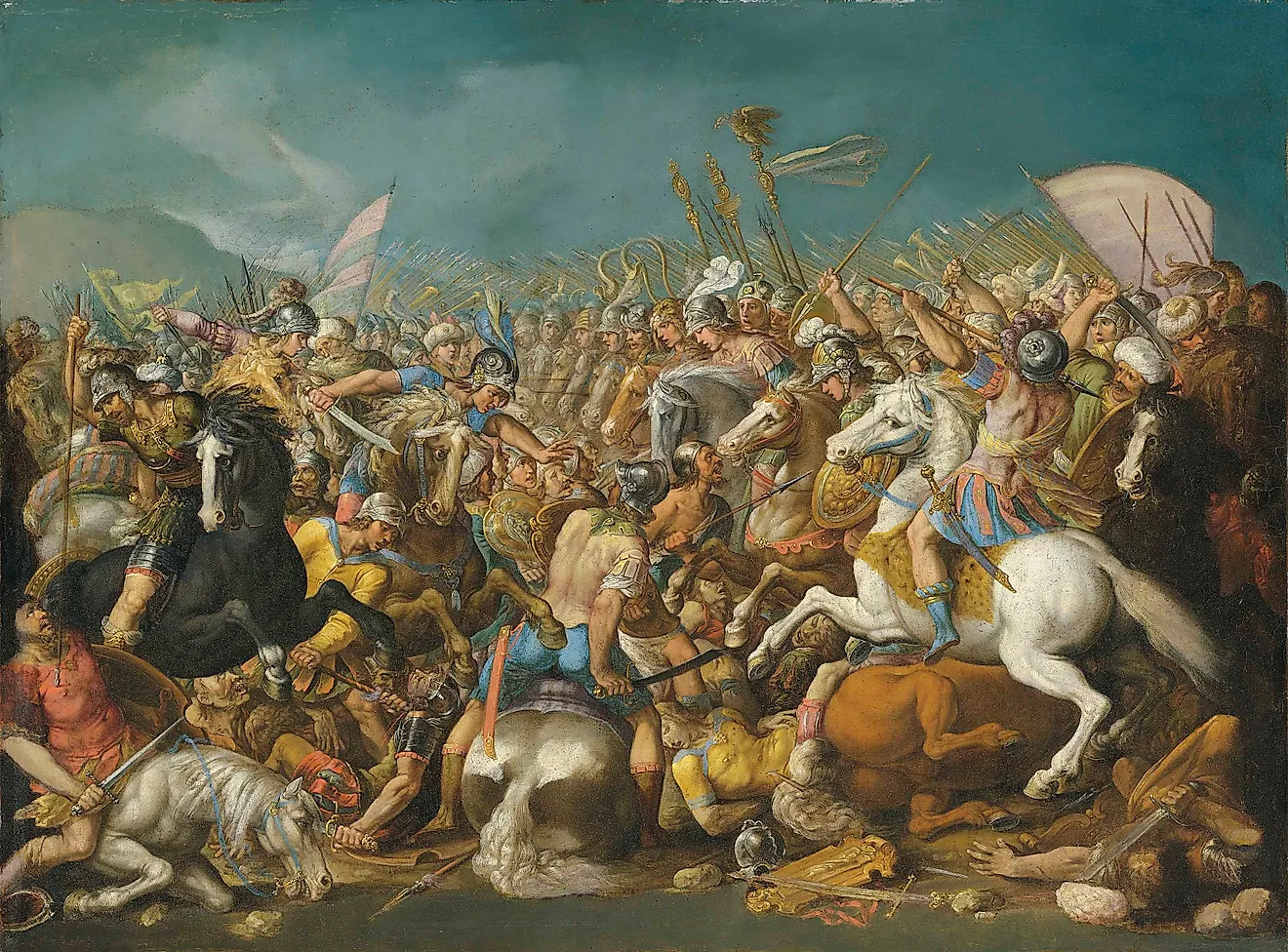
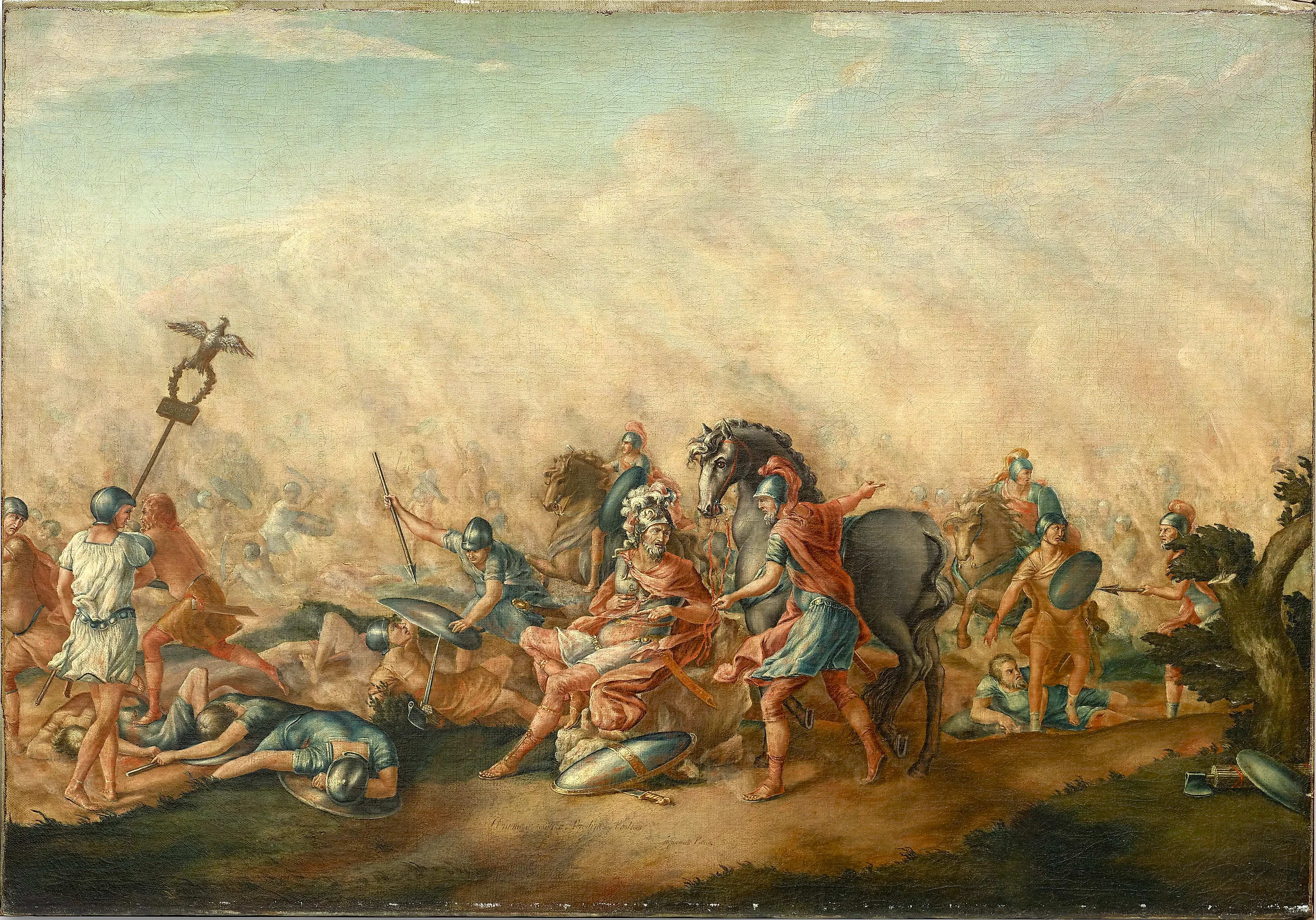
After losing battle after battle, the Roman Senate grew frustrated and demanded that Carthage be pushed out of Italy once and for all. It therefore ordered an army of between 80,000 and 86,000, the largest yet assembled. Command went to the year's two consuls, Gaius Terentius Varro and Lucius Aemilius Paullus, who alternated days at its head. The subsequent engagement, the Battle of Cannae, was arguably the most disastrous in Roman military history. Varro held command on the day of the battle, and he deployed an extremely deep and tightly packed formation. This allowed Hannibal to surround the Romans, despite the Carthaginians being outnumbered nearly two to one.
With nowhere to run, the Romans were slaughtered. Between 50,000 and 75,000 were killed, in comparison to only a few thousand Carthaginians. The disaster drove Rome back to a strategy it had already abandoned. Quintus Fabius Maximus devised the Fabian Strategy as dictator in 217 BCE, emphasizing the avoidance of catastrophic defeats in favor of winning by attrition. Roman impatience with that caution was part of what put the army in front of Hannibal at Cannae in the first place.
Crassus' Invasion Of Parthia (53 BCE)

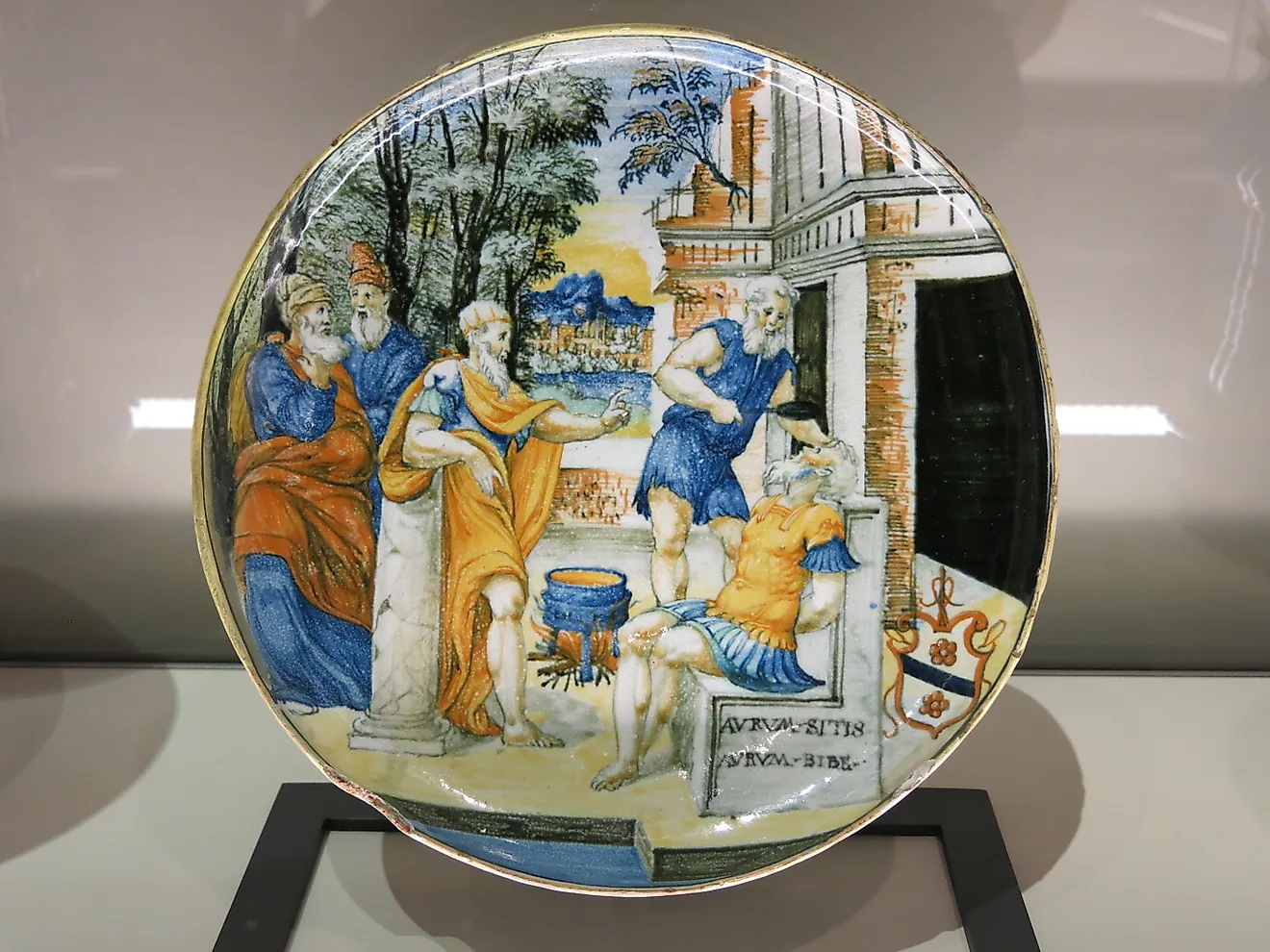
During the 50s BCE, the Roman Republic was run by three men: Julius Caesar, Pompey the Great, and Marcus Licinius Crassus. Their combined military power and wealth let the alliance, known as the First Triumvirate, bypass Republican institutions like the Senate to enact the policies it wanted. However, the dynamic was tenuous. Caesar and Pompey didn't like each other, and Crassus was insecure about his military accomplishments. This insecurity only grew as Caesar conquered Gaul (modern-day France, Belgium, and Luxembourg) between 58 and 50 BCE.
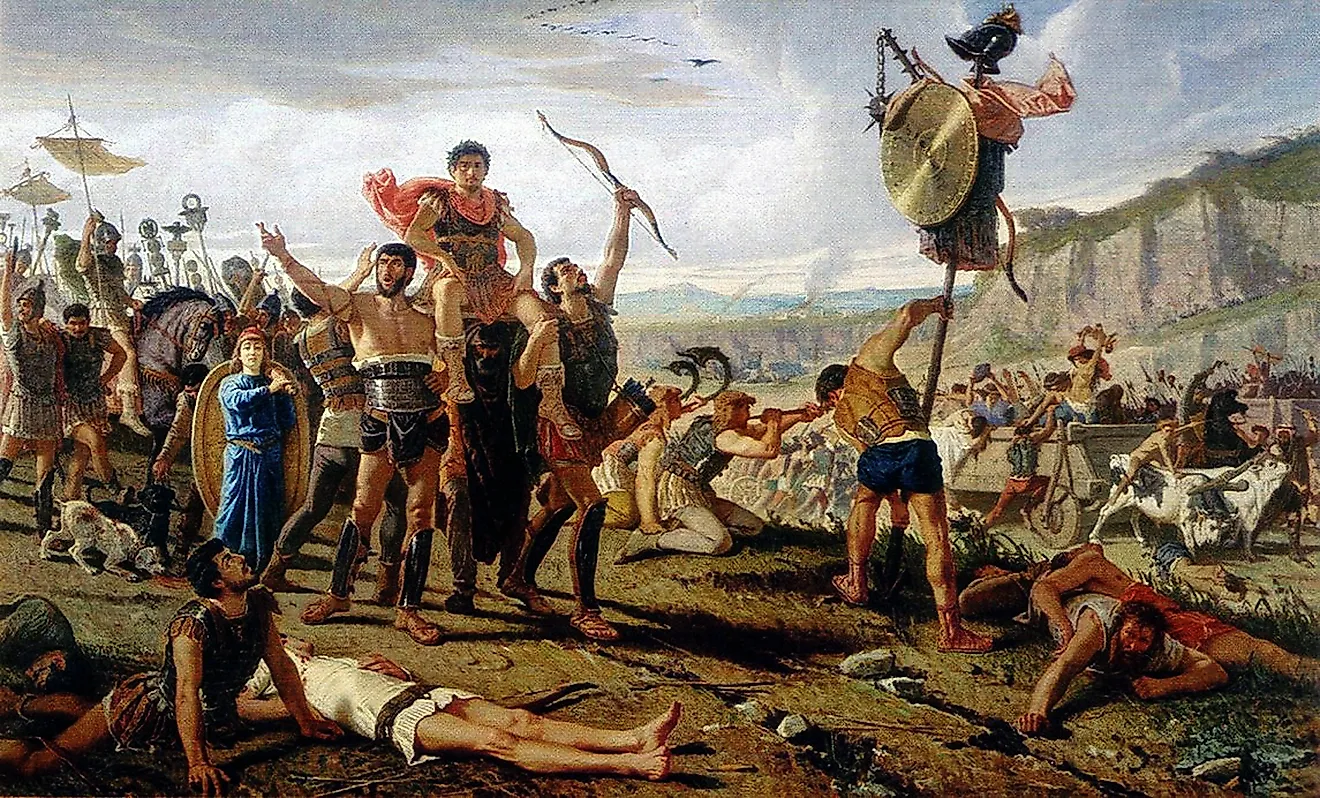
Desperate to achieve similar levels of glory, Crassus invaded the Persia-based Parthian Empire. Believing it would be an easy campaign, Crassus initially made rapid progress. The tide then turned at the Battle of Carrhae in 53 BCE. Instead of fighting on more advantageous terrain, Crassus chose to battle on open plains. This allowed the Parthians to exploit their cavalry and horse archers. Even though they were outnumbered, the Parthians soundly defeated the Romans, and Crassus was killed in a botched negotiation attempt after the battle. With the moderating figure of the First Triumvirate now gone, there was little holding Caesar and Pompey together, and they went to war within five years of Crassus' death. This war set off a chain reaction that led to the end of the Roman Republic and the rise of the Roman Empire.
Varus' March Into the Teutoburg Forest (9 AD)

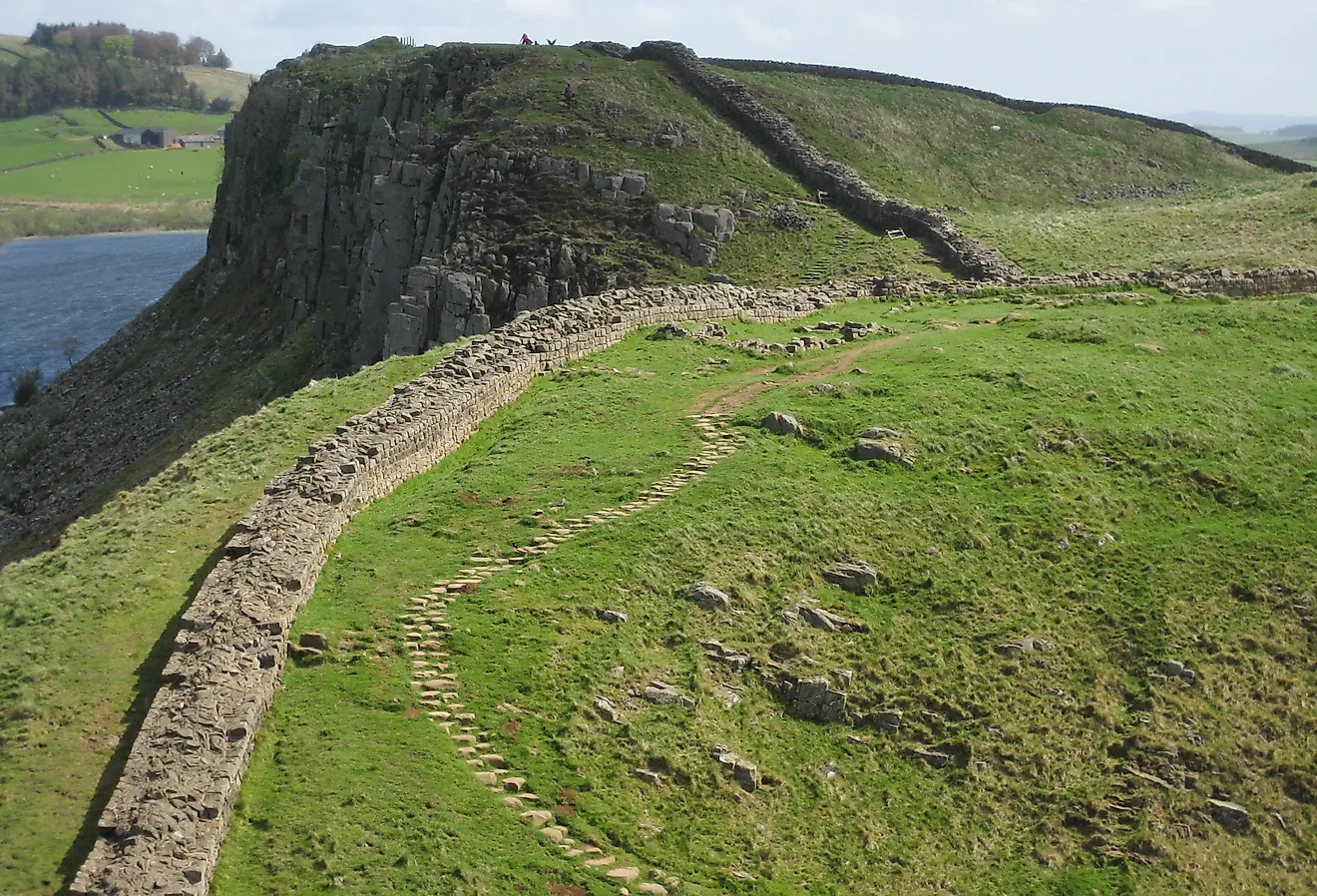
Ever since Julius Caesar made incursions into Germania during his Gallic campaign, the Romans wanted to permanently settle in the region. Progress toward such settlements began when generals like Drusus the Elder and Tiberius built up infrastructure along the Rhine River, starting in 12 BCE. The Romans soon began to make incursions past the Rhine and even established administrative centers and tax collection offices.
The Romans allied with various Germanic tribes to help with their expeditions. This dynamic worked smoothly until 9 CE. Under the command of Governor and General Publius Quinctilius Varus, three Roman legions were lured into the Teutoburg Forest by Germanic chieftain Arminius. There, several tribes were waiting and ambushed them. Over the next few days, the Romans were decimated. Between 15,000 and 20,000 Romans died, and the scale of the defeat reportedly caused Emperor Augustus to have a nervous breakdown. The Battle of the Teutoburg Forest also permanently halted Roman plans to expand past the Rhine.
Valens Not Waiting For Reinforcements (378 CE)

In the 370s CE, Rome was facing a series of self-inflicted problems. The Visigoths (or Goths), a Germanic tribe, were fleeing the Huns and therefore sought refuge in the Roman Empire. The Romans allowed them to do so, but treated them horribly. They extorted the Visigoths, kidnapped their children, and even assassinated their leaders. Fed up with this mistreatment, the Visigoths rebelled and started to raid towns in the Balkans.
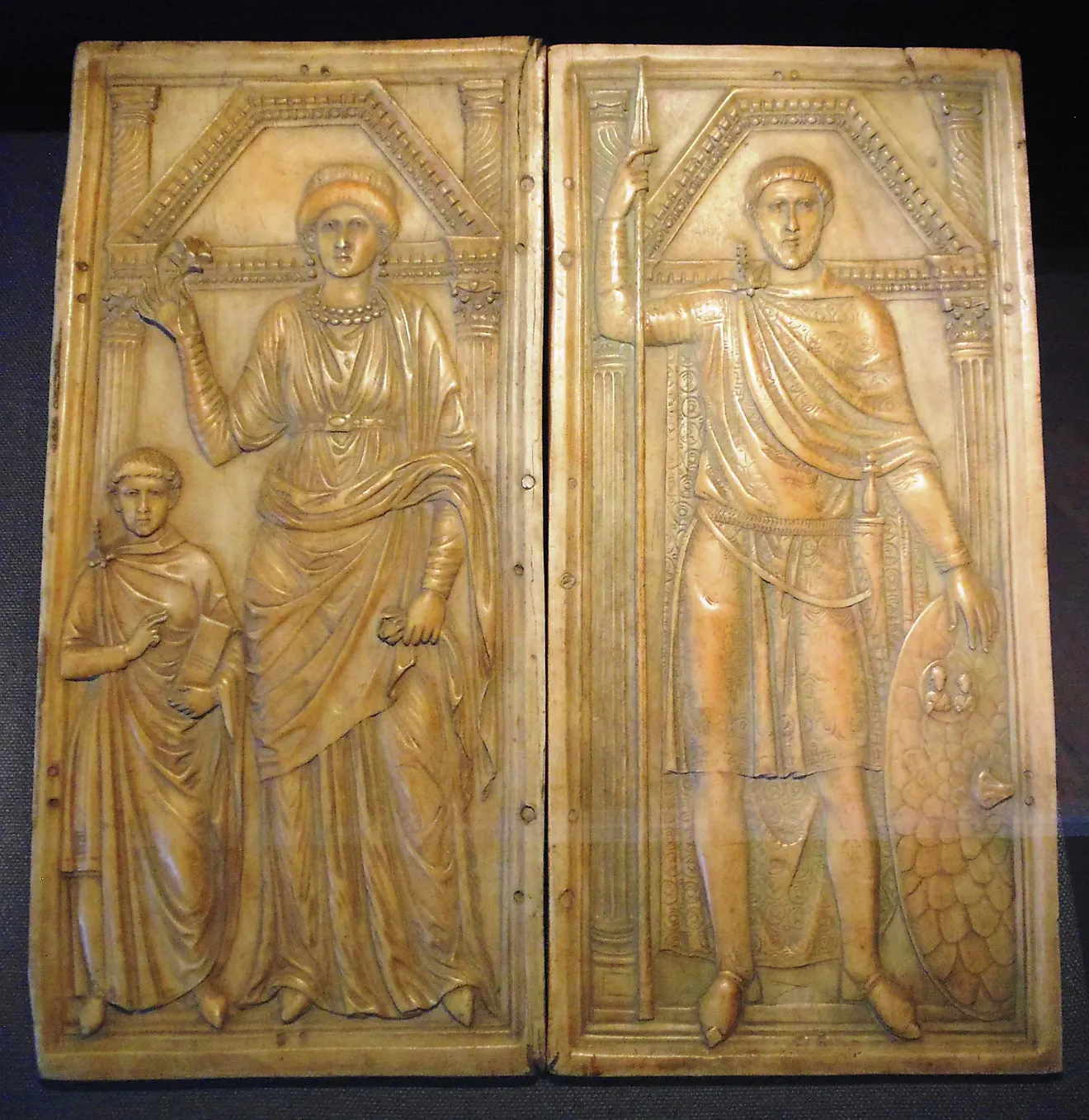
In an attempt to crush the Visigoths, Eastern Roman Emperor Valens rode out to the city of Adrianople to face them with his army. In doing so, he made a catastrophic strategic error. Rather than waiting for reinforcements from the Western Roman Empire, as he was supposed to, he instead immediately attacked the Visigoths. The summer heat, paired with Gothic cavalry reinforcements, resulted in a decisive defeat. Valens was killed, along with between 10,000 and 20,000 Roman soldiers. More broadly, the Battle of Adrianople was a massive reputational blow for the Roman Empire. Whereas before it was often considered unbeatable, being defeated by a "barbarian" army destroyed this reputation. This ultimately paved the way for the Sack of Rome by the Visigoths in 410 CE, and the eventual collapse of the Western Roman Empire in 476 CE.
Impact And Legacy

Several terrible decisions fundamentally altered the trajectory of Rome. Varro, who was admittedly under enormous pressure from the Senate, oversaw the worst defeat in Roman military history in the Battle of Cannae. Crassus then fundamentally altered the balance of power in Rome by dying in the Battle of Carrhae. Varus's disastrous march into the Teutoburg Forest permanently stopped Roman expansion into Germania. Finally, Emperor Valens's defeat and death in the Battle of Adrianople caused untold damage to the Roman Empire's reputation.