The Only City Outside The Great Lakes Basin Allowed To Drink Its Water
Nearly all the water in the Great Lakes, about a fifth of the fresh water on the entire planet, is legally off-limits to anyone living outside the lakes' drainage basin. You cannot simply pipe it to a thirsty town down the road, no matter how badly that town needs it. And yet exactly one American city sitting wholly outside that basin has been granted permission to pull Great Lakes water out and drink it. That city is Waukesha, Wisconsin, and here is how it pulled off something no other city has managed.
The Answer: Waukesha, Wisconsin

Waukesha is a suburb of about 70,000 people roughly 17 miles west of Lake Michigan, and here is the crucial part: it sits just on the wrong side of the hydrological divide, inside the Mississippi River watershed rather than the Great Lakes one. In 2016, it became the first, and still the only, city located entirely outside the Great Lakes Basin to win approval to tap the lakes for drinking water, and in October 2023 the taps finally turned on for real. So how exactly did one modest suburb get itself a key to the most tightly guarded fresh water on the continent?
Why the Great Lakes Are Locked Up

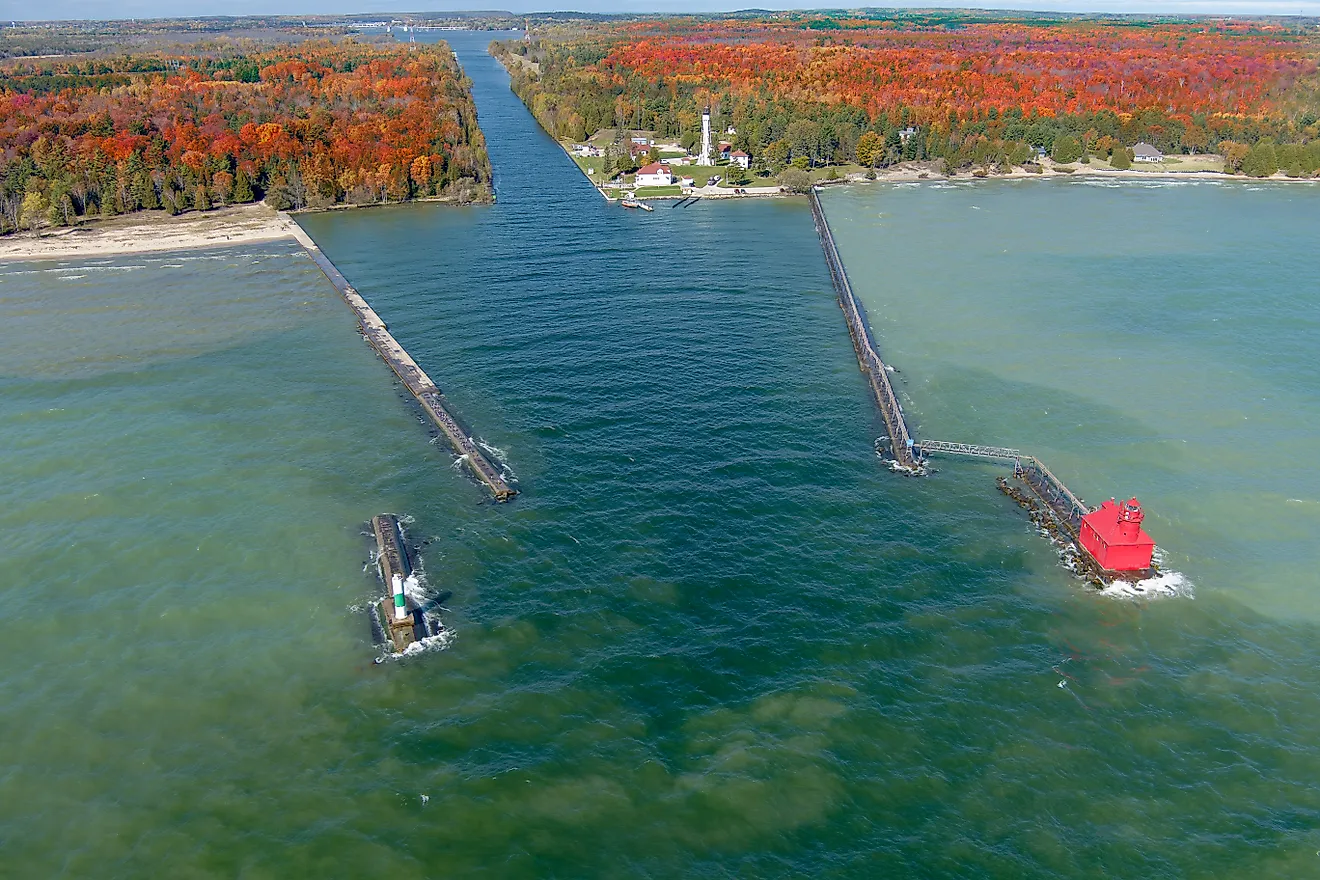
The gatekeeper is the Great Lakes Compact, a binding legal agreement signed in 2008 by the eight Great Lakes states and mirrored by the two Canadian provinces that share the lakes. Its entire purpose is to stop the Great Lakes from being drained to supply fast-growing, water-starved regions far away. As a flat rule, the Compact bans sending Great Lakes water outside the basin at all. The nightmare it was written to prevent is a long, growing line of distant cities each sticking a straw into the lakes until, eventually, there is nothing left to protect.
How Waukesha Got In

The Compact does leave one narrow door open. A community that lies outside the basin but within a county that straddles the basin line can apply for an exception, provided it clears a punishingly high bar. Waukesha qualified because Waukesha County straddles that very divide. It also had a genuine emergency on its hands: its deep groundwater wells were contaminated with naturally occurring radium, a radioactive element, and the city argued, successfully, that Lake Michigan was its only reasonable route to a safe, lasting water supply. In June 2016, after years of review, all eight Great Lakes governors unanimously signed off on the request.
It Has to Give the Water Back

Here is the clever catch that made approval possible in the first place: Waukesha does not actually get to keep the water. The Compact demanded a full, 100 percent return-flow guarantee. So the city draws roughly 8.2 million gallons a day from Lake Michigan, which it buys from neighboring Milwaukee, pipes it home, uses it, treats the resulting wastewater, and then sends every last drop back to the lake by way of the Root River. The net effect on the Great Lakes is zero. Waukesha, in other words, is not really taking the water so much as borrowing it and promising, in writing, to put it all back.
Why It's the Only One

You might wonder about other towns near the lakes that already use Great Lakes water, like New Berlin or Pleasant Prairie in Wisconsin. The distinction is subtle but it matters enormously: those communities straddle the basin line, meaning part of each one actually sits inside the basin, which gives them a much easier legal claim. Waukesha is the only community lying completely outside the line ever to be approved. Its application took around 13 years and became a landmark national test case precisely because it was the first to lean on that narrow straddling-county door, and the conditions attached were so strict that not a single city has followed it through since.
What About Chicago?
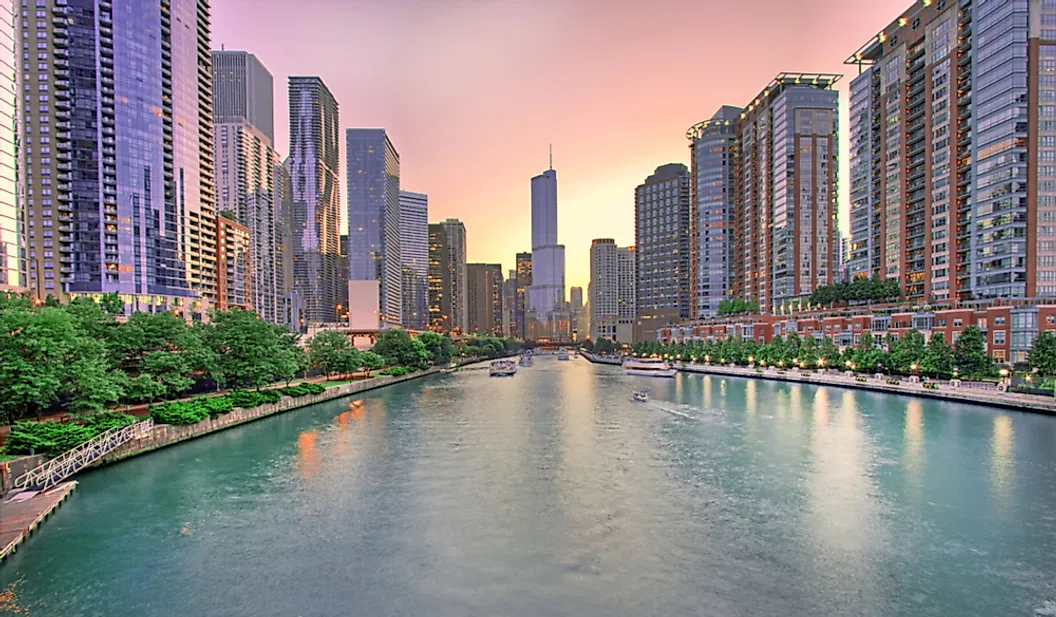
Sharp-eyed readers will immediately object: doesn't Chicago siphon enormous amounts of Lake Michigan water out of the basin? It absolutely does, around 2 billion gallons a day, ever since it famously reversed the flow of the Chicago River back in 1900 to carry its sewage off toward the Mississippi instead. But Chicago's diversion is the product of a century-old US Supreme Court decree, not the modern Compact, and unlike Waukesha, Chicago never sends that water back. It is a grandfathered giant, the great exception that predates all the current rules. Under today's Compact, Waukesha genuinely stands alone: the single city beyond the Great Lakes Basin with official permission to drink from the lakes, one carefully metered, fully returned gallon at a time.