Who Were The Roman Empire’s Greatest Emperors?
The Roman Empire was defined by its leaders. When an emperor was good, it generally thrived. When an emperor was bad, it often struggled. Understanding the best emperors in Roman history is therefore crucial to comprehending how the empire became such a formidable force. From Augustus, who founded the empire, to Marcus Aurelius, who instilled it with a philosophical backbone, these emperors left an indelible mark on Rome and the ancient world.
Augustus (27 BCE to 14 AD)

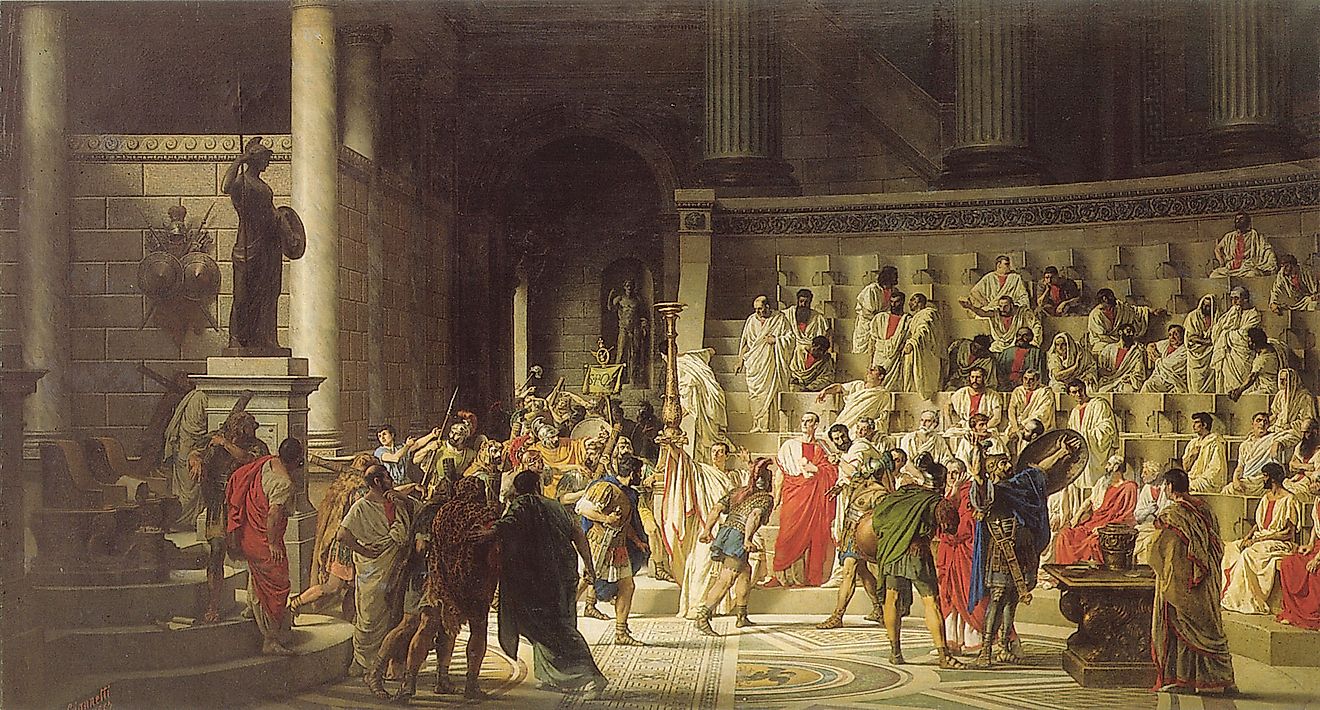
In 27 BCE, Augustus became Rome’s first emperor. Previously named Octavian, he had just emerged as the winner of a decades-long civil war. To show respect for Rome’s institutions, Octavian publicly “returned” power to the Senate, which responded by giving him authority over most provinces. The Senate also bestowed upon him the honorary name of “Augustus”. This political theater was essential. The Romans hated kings, so showing respect to a major institution built on power sharing was crucial. At the same time, getting his power from the Senate imbued Augustus’ reign with a sense of legitimacy.

Augustus’ reign addressed Rome’s biggest challenges, the most significant of which was its ineffective government. The Republic’s government was built to run a small city-state. This became an issue as it expanded across the broader Mediterranean, since it lacked the administrative capacity to understand and address the needs of the millions of people under its control.
To fix this problem, Augustus divided Rome’s provinces into two categories. The peaceful ones were governed by the Senate, whereas the unstable ones that required a more authoritative hand were run by the emperor. Augustus also built up the empire’s bureaucracy by hiring thousands of full-time administrators. Finally, he established a professional and standing army that was paid by the state treasury. This contrasted with the armies in the Republic, which were often paid by and loyal to charismatic generals, rather than the state. Collectively, all these measures set the Roman Empire up for 200 years of relative peace and prosperity known as the Pax Romana.
Trajan (98 to 117 AD)

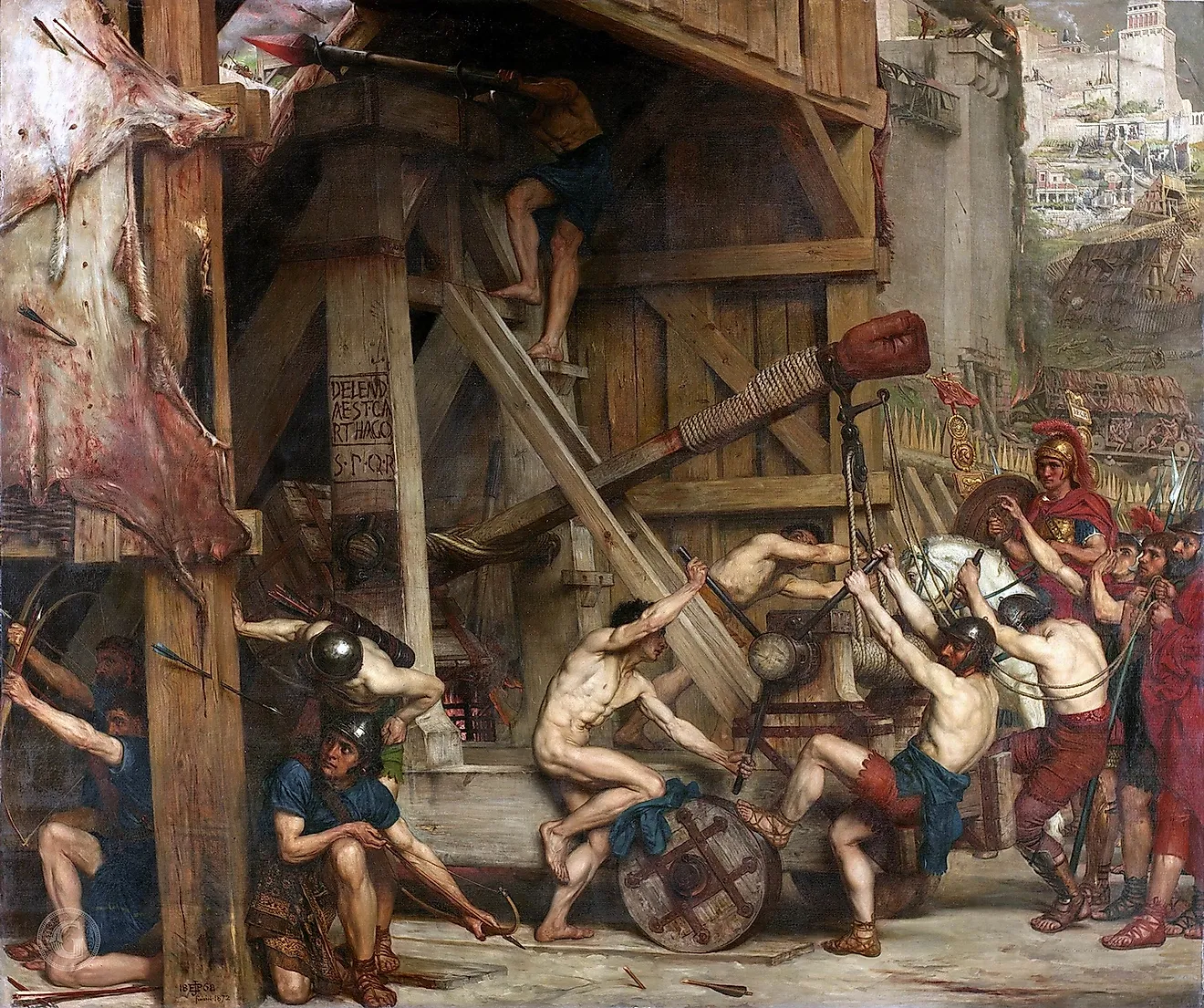
Under Trajan’s reign, Rome reached its greatest territorial extent. A key component of this was the Dacian Wars (101 to 106 AD), in which Trajan established Dacia (modern-day Romania) as a Roman province. He also peacefully annexed the Arabian Nabataean Kingdom in 106 AD, extending the empire’s southeastern territorial reach. Finally, in 113 AD, Trajan invaded the Persia-based Parthian Empire, taking Azerbaijan, northern Mesopotamia, and even reaching the Persian Gulf. While unable to hold much of this territory, the fact that he successfully made these incursions at all was indicative of the empire’s strength.

Trajan isn’t just remembered as a great emperor for his military achievements. Rather than ruling as an absolute monarch, he regularly consulted the Senate and genuinely valued its input. Trajan lived relatively modestly as well, contrasting with the opulence of former emperors like Caligula and Nero. He also made an effort to appeal to everyday people by expanding the state welfare program (called the Alimenta). In short, Trajan was a relatively benevolent leader.
Marcus Aurelius (161 to 180 AD)

Marcus Aurelius helped lead the Roman Empire through one of its most difficult periods. In 161 AD, the Parthians invaded Roman Armenia and threatened the empire’s eastern borders. Aurelius eventually pushed the Parthians back, but the returning soldiers brought back something even more dangerous. From 165 to 180 AD, the Antonine Plague ravaged the Roman Empire. The disease, which was likely smallpox or measles, killed between five and ten million people. It also caused economic decline and military recruitment issues, the latter of which became particularly problematic as Rome faced invasions from Germanic tribes in the north.

Throughout all of these crises, Marcus remained measured and calm. He followed the philosophy of Stoicism, which taught people to focus on what they can control, accept what they can’t control, and remain calm during hardship. This belief system was summarized in his personal writings, called the Meditations, in which he asserted that “you cannot control events, you can only control how you respond to them”.

Marcus’s approach to governance allowed him to repel invasions from the Persians and Germanic tribes and also get the plague under control. His level-headedness again proved useful when General Avidius Cassius revolted in 175 AD. Facing a possible civil war, Marcus remained calm and treated the conspirators with restraint. In turn, most provinces stayed loyal to him, and Cassius was assassinated by his own officers.
Constantine The Great (306 to 337 AD)

Much like Marcus Aurelius, Constantine the Great is remembered for his leadership during times of crisis. Immediately upon becoming emperor in 306 AD, he faced rival claimants, leading to a nearly two-decade-long civil war. He ultimately won by 324 AD and became the undisputed leader of Rome. In doing so, Constantine fundamentally changed the empire.

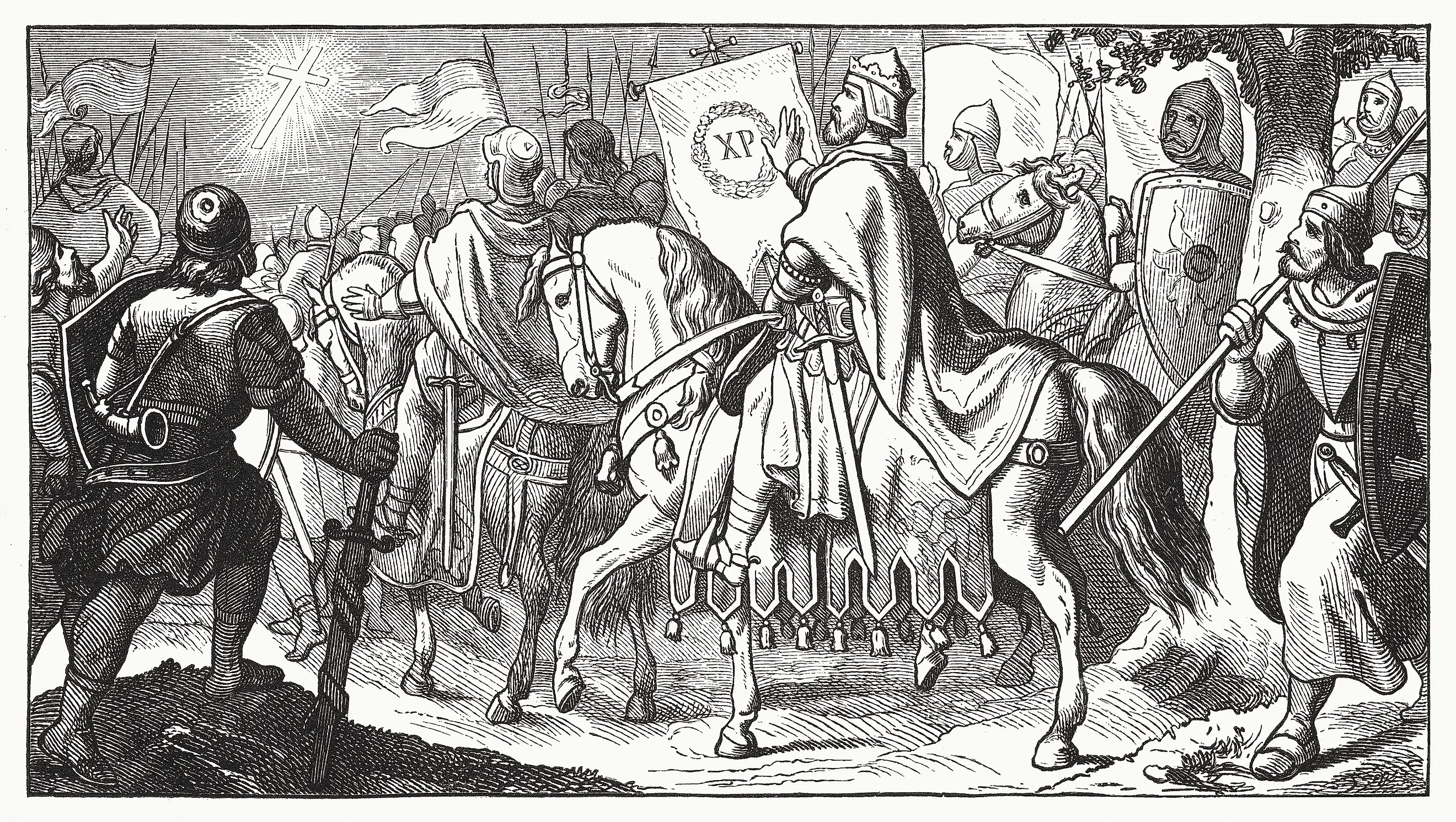
The night before the Battle of the Milvian Bridge (312 AD), Constantine supposedly saw a vision of a Christian cross, accompanied by the message “In this sign, conquer”. The next day, he won a decisive victory and converted to Christianity. He then legalized Christianity the next year. Upon winning the war, Constantine became the church’s greatest patron. His most notable act was convening the Council of Nicea in 325 AD, which aimed to resolve core disagreements about the nature of the Holy Trinity. This patronage eventually paved the way for Christianity to become the official religion of Rome in 380 AD.
Constantine also had a profound effect on the empire’s political makeup. Easily his most significant action came in 330 AD, when he moved the capital from Rome to the newly founded city of Constantinople. Situated at the crossroads of Europe and Asia, the city was easier to defend than Rome and closer to the empire’s wealthiest provinces, like Egypt. Constantinople therefore quickly became a major world city, and power shifted from the west to the east. This paved the way for Rome to split into an Eastern and Western Empire in 395 AD.