What Were The Most One-Sided Battles In Ancient History?
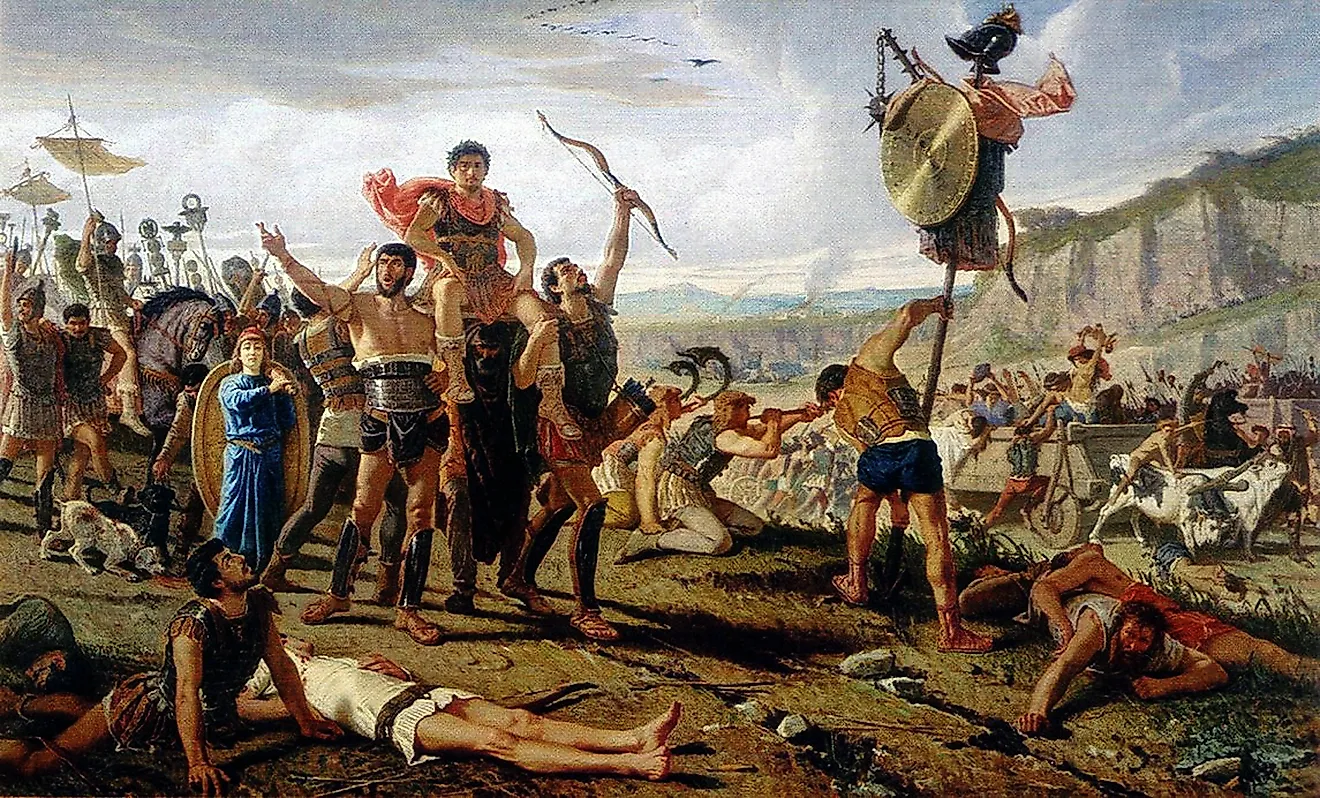
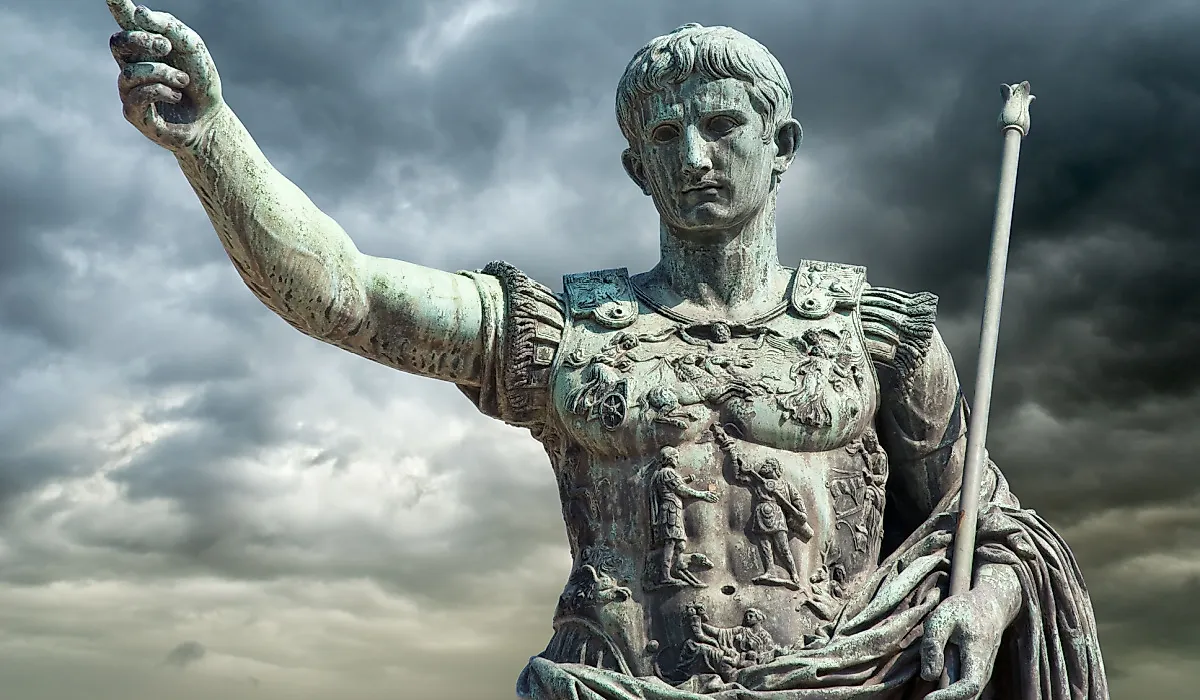
The ancient world saw some of the most one-sided battles in history, in which one force was vastly superior to the other. At the same time, the sheer discrepancy in deaths and wounded can sometimes make the numbers hard to believe. While sometimes exaggerated by ancient historians, they also reveal fundamental truths about the nature of warfare thousands of years ago. Alexander was outnumbered at Issus and again at Gaugamela, and both times the larger Persian army broke and ran. At Arausio, two full Roman armies went into the field, and almost nobody walked out.
The Battle Of Issus (333 BCE)

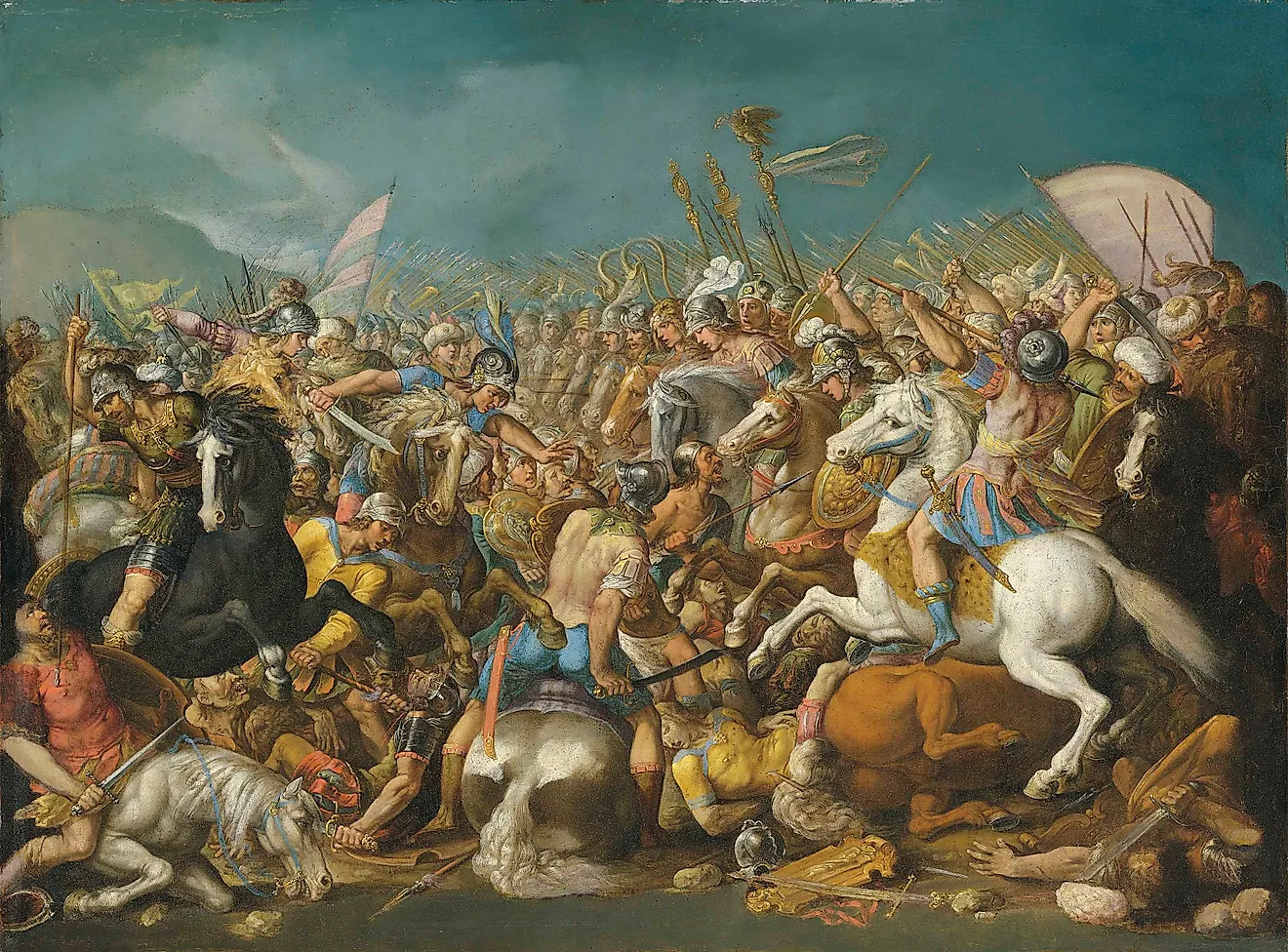
In 334 BCE, Alexander the Great invaded Persia. After defeating the Persians at the Battle of the Granicus, he and his army of between 40,000 and 50,000 began marching along the Anatolian coast. Eventually, they again ran into the Persian army near the town of Issus. Led by King Darius III, the Persians managed to get behind the Macedonians and cut them off from their supply lines. The Persian army was also much larger. Ancient sources claim that it numbered up to 600,000, though modern historians assert it was likely closer to about 100,000. Regardless, it was far larger than the Macedonian army, and the fast-approaching battle was quickly shaping up to be a disaster for Alexander.
The Macedonians nevertheless prevailed. The battlefield was narrow, a coastal strip along the Pinarus River pinched between the Mediterranean Sea and the Amanus Mountains. This neutralized the Persian numerical advantage, since only a certain number of troops could fight at any given time. Alexander's strategic approach was also superior. As the Macedonian army advanced, he led its right wing and moved it forward faster. Doing so created an oblique attack, forcing the Persians to change their formation and creating a gap in the center of their defenses. Alexander subsequently led a cavalry charge through the gap, directly at Darius. The king fled, and the Persian army collapsed.
Ancient sources assert that 100,000 Persians died in the Battle of Issus. This number is probably false, but it was undoubtedly far higher than the Macedonian losses, which ancient accounts put at a few hundred dead and several thousand wounded. The Battle of Issus thus demonstrates how ancient battles could have profoundly asymmetrical consequences.
The Battle Of Gaugamela (331 BCE)

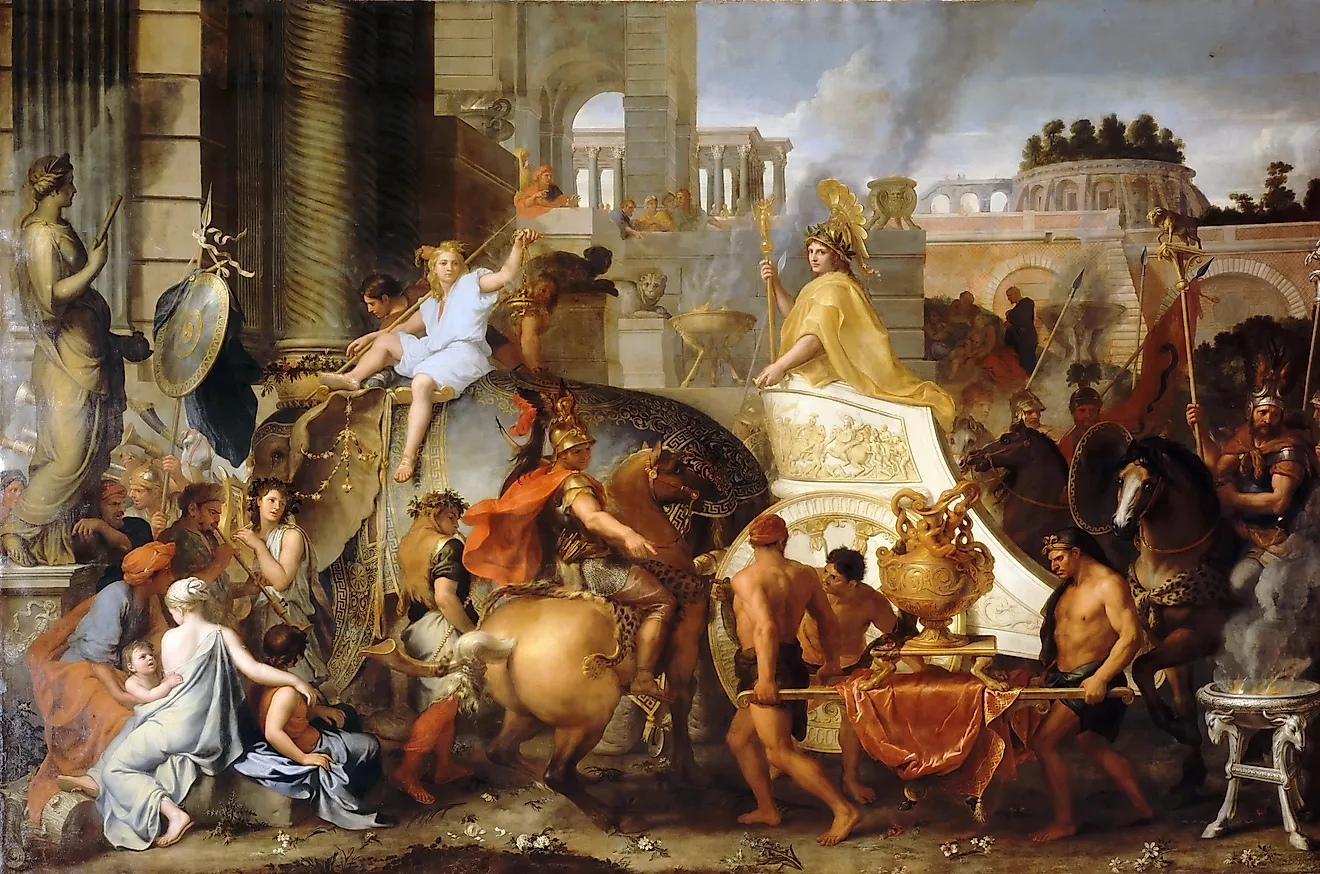
The Battle of Gaugamela mirrored the Battle of Issus in many ways. In the second (and final) engagement between Alexander and Darius, the Macedonians were yet again outnumbered by the Persians. The Persians probably had between 50,000 and 100,000 troops, whereas the Macedonians had about 40,000 infantry and 7,000 cavalry. However, as opposed to the narrow battlefield of Issus, Darius deliberately chose the wide, open plains near Gaugamela to fight. He hoped that this location would help him leverage his numerical advantage.
This was not the case. As the Macedonians approached, Alexander suddenly began moving diagonally. The Persian left wing was forced to move outwards to prevent the Macedonians from reaching its flank. In doing so, it created a gap in the center. Alexander and his Companion Cavalry then charged directly through this gap. Darius was again forced to flee, first to Ecbatana in Media and then east toward Central Asia, where his own satraps murdered him the following year. With their leader gone, the Persian army once again collapsed. Much like in Issus, they likely suffered tens of thousands of losses, against something closer to a thousand on the Macedonian side.
The Battle Of Cannae (216 BCE)

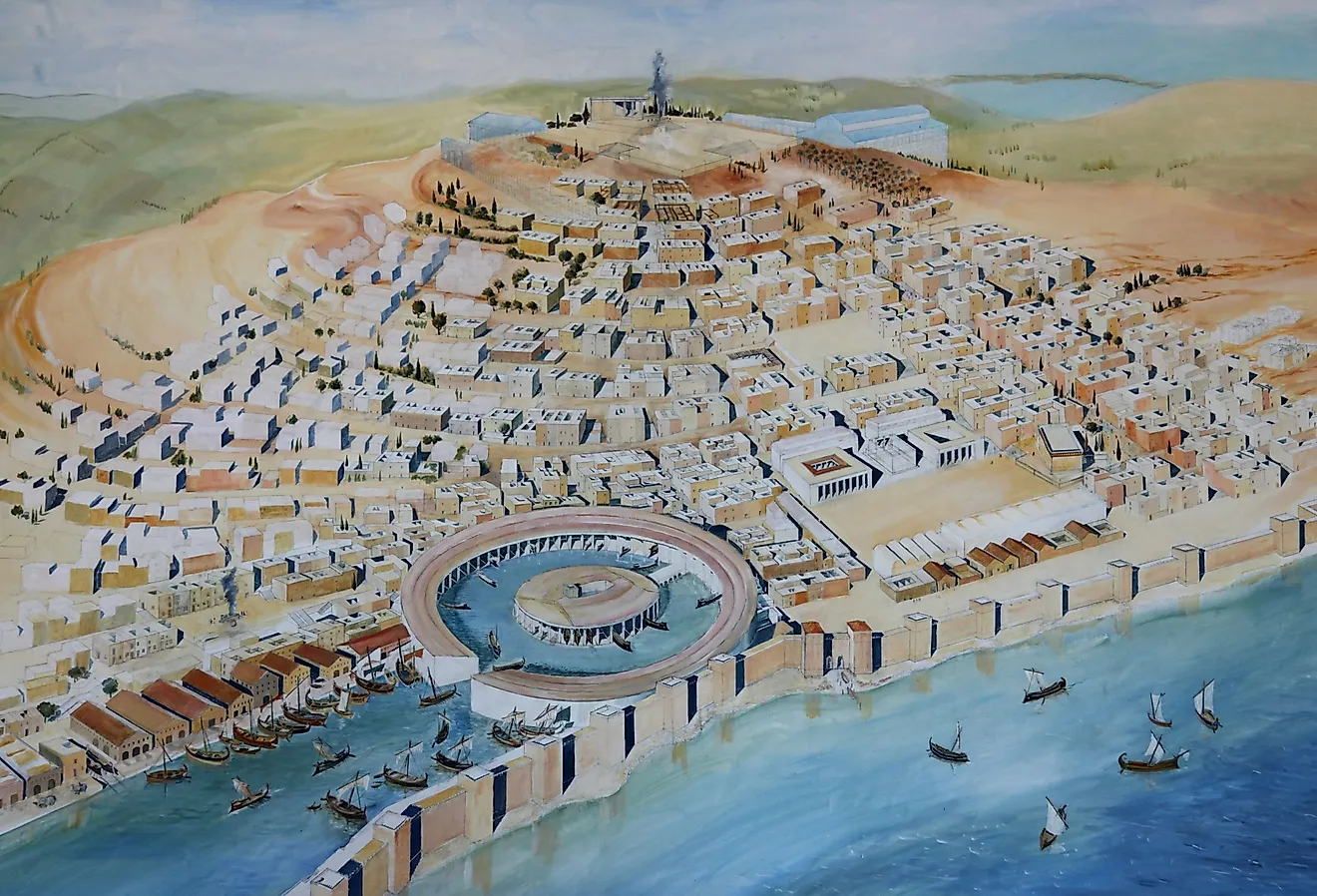
In 218 BCE, Carthaginian general Hannibal Barca invaded Italy from the north after marching over the Alps with his army. This daring maneuver was arguably ill-advised in the long term, but in the short term, it worked spectacularly. The Romans were completely caught off guard and lost battle after battle to begin the Second Punic War. Frustrated, the Roman Senate ordered the largest army yet to be raised to push Hannibal out of Italy once and for all.
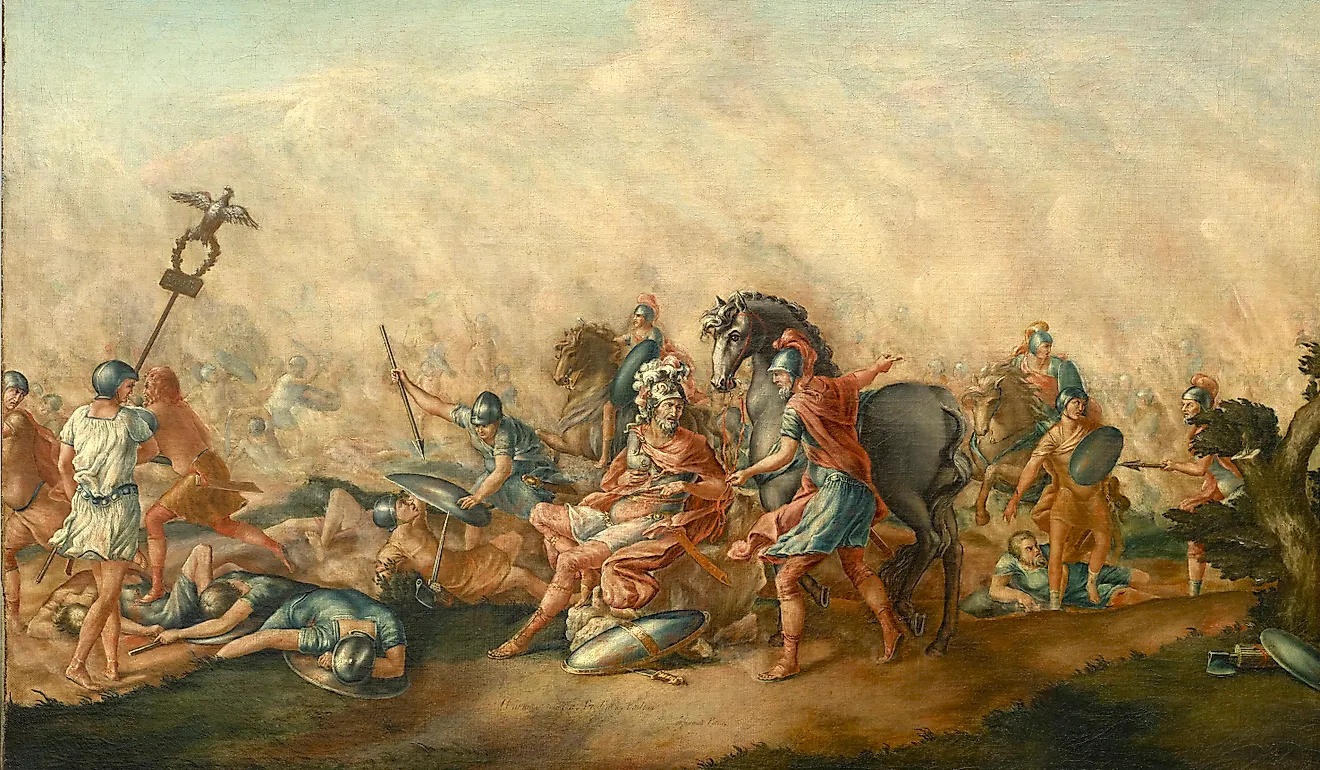
Between 80,000 and 86,000 Roman soldiers assembled near the village of Cannae. Hannibal, whose army numbered only between 40,000 and 50,000, knew that he needed a smart tactical approach if he wanted to prevail. He therefore devised a cunning plan. He stationed his weaker troops in the center and his stronger, African infantry on the sides. When the Romans attacked the center, it began giving ground, allowing the African infantry to move in. The Romans quickly found themselves surrounded, and with nowhere to run, they were slaughtered. Estimates assert that between 50,000 and 70,000 Romans were killed in the battle, contrasting the 5,000 to 8,000 Carthaginian losses.
The Battle Of Arausio (105 BCE)

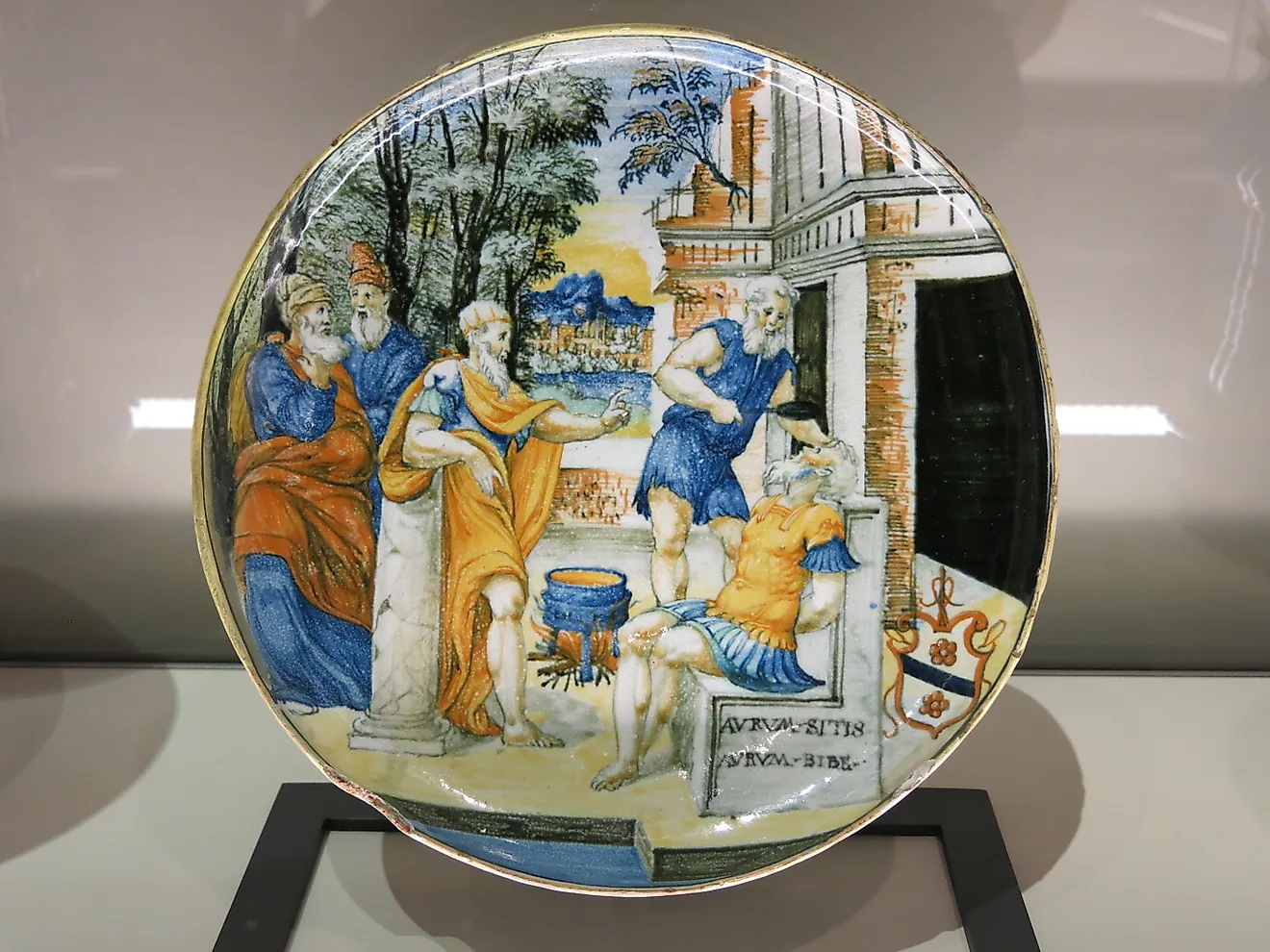
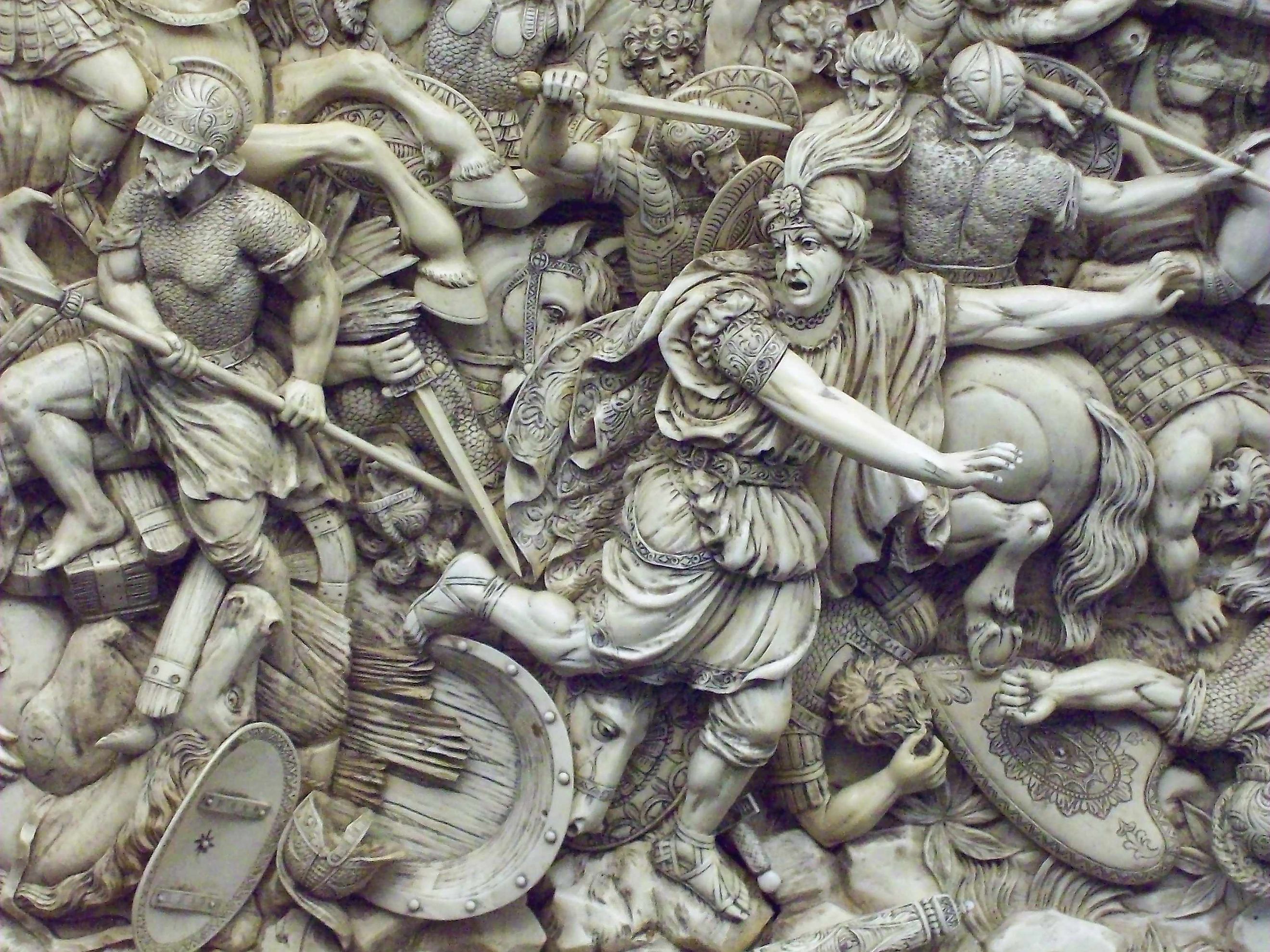
While the Battle of Cannae is often remembered as the worst defeat in Roman history, the Battle of Arausio gives it a run for its money. Fought in southern Gaul on October 6, 105 BCE, it pitted Rome against a coalition of Germanic and Celtic peoples led by the Cimbri and the Teutones, who had been migrating south toward Italy for years. The Romans sent two armies to deal with the threat, one under the proconsul Quintus Servilius Caepio and another under the sitting consul, Gnaeus Mallius Maximus. Together, they numbered between 70,000 and 80,000.
There was a problem. The two generals did not work well together, since they came from different socio-economic backgrounds. They also underestimated their opponents. These factors led to a complete and utter disaster. Caepio's army was first attacked, and Mallius did not provide support. This resulted in it being destroyed. Thereafter, Mallius' army was also attacked and annihilated. Almost every Roman soldier was either killed or captured, meaning that the death toll rivals that of the Battle of Cannae. The scale of this defeat was so traumatic that it carried Gaius Marius to a run of consulships and to the reforms that reshaped the Roman Army for the next century.
Impact And Legacy
The most one-sided battles in ancient history show the importance of tactics over numbers. Consider the Battle of Issus and the Battle of Gaugamela. Despite being dramatically outnumbered, Alexander and the Macedonians prevailed due to their daring and cunning maneuvers. Hannibal did the same in the Battle of Cannae when he managed to encircle the Roman army, which outnumbered his own by nearly two to one. Finally, the lack of tactical cohesion led to the disaster that was the Battle of Arausio, in which two entire Roman armies were wiped out.