Why Did The Roman Empire Convert To Christianity?
Christianity initially struggled to find its place in the Roman Empire. Despite the popularity of its message, Roman leaders felt threatened by its theological and political implications. Everything changed, however, after an emperor's miraculous vision, and Christianity was legalized in 313 CE. Later that century, it was adopted as the official state religion. Just how, and why, did Rome reverse its position on Christianity? Read on to find out.
Christianity Emerges

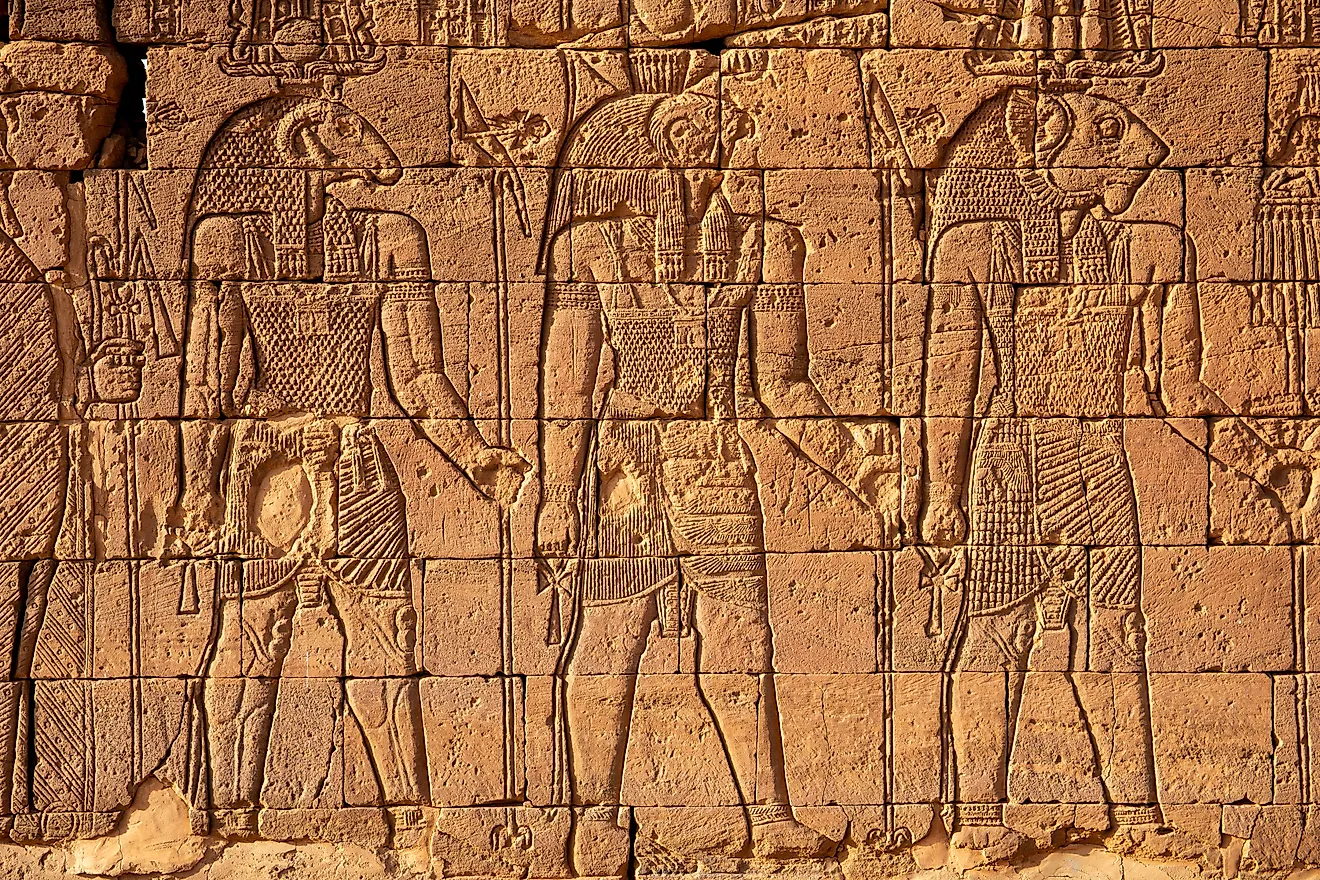
Before Christianity, Rome was an overwhelmingly polytheistic society. People worshipped countless gods from a variety of cultures, including Roman, Greek, and Egyptian. Religion also had a political utility. Festivals and other religious gatherings helped maintain social order, while emperors were considered divine figures. All these factors meant that Roman religion was diverse and multifaceted, yet unified in creating a coherent sense of Roman identity.
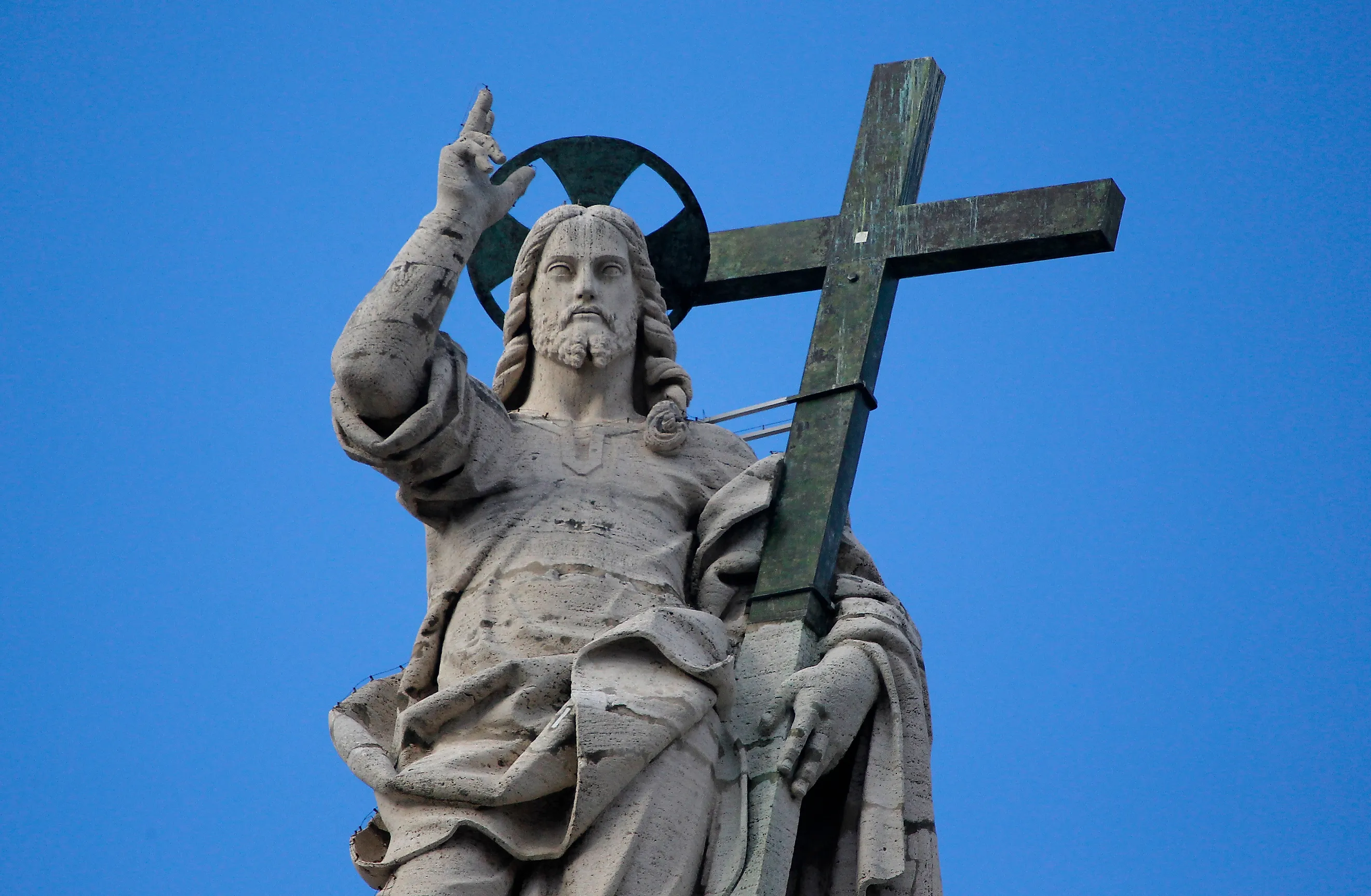
Emerging around the 1st century CE in Judea, Christianity began with the teachings of Jesus of Nazareth. His message of radical love, forgiveness, humility, and spiritual transformation proved popular with the local populace. However, Jesus’ own popularity threatened Roman authority. Fearing a possible insurrection, Pontius Pilate, the governor of Judea, had Jesus executed via crucifixion. This plan backfired, and Jesus’ message only grew in strength, particularly as news spread of his supposed resurrection three days after his death.
Christianity Spreads

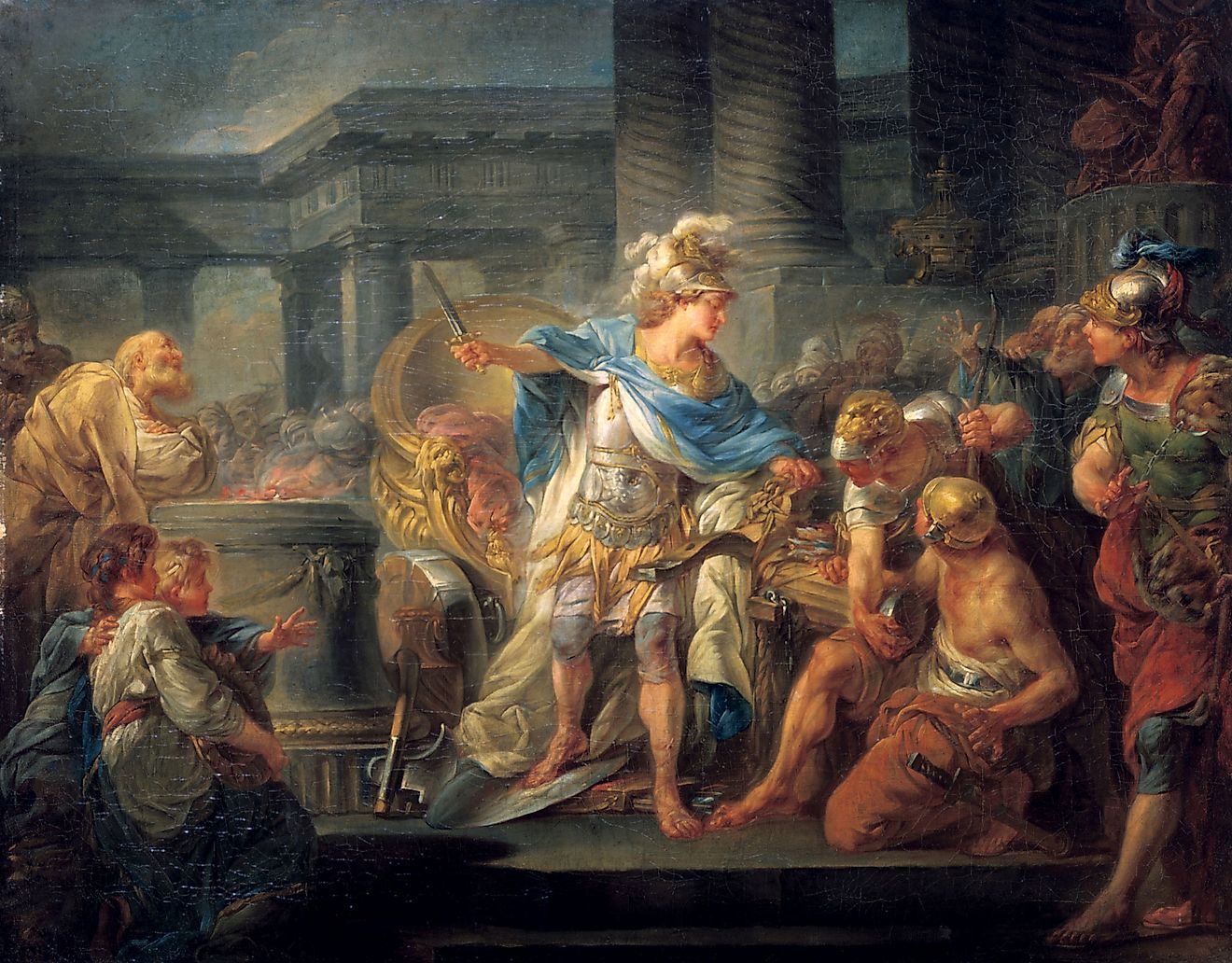
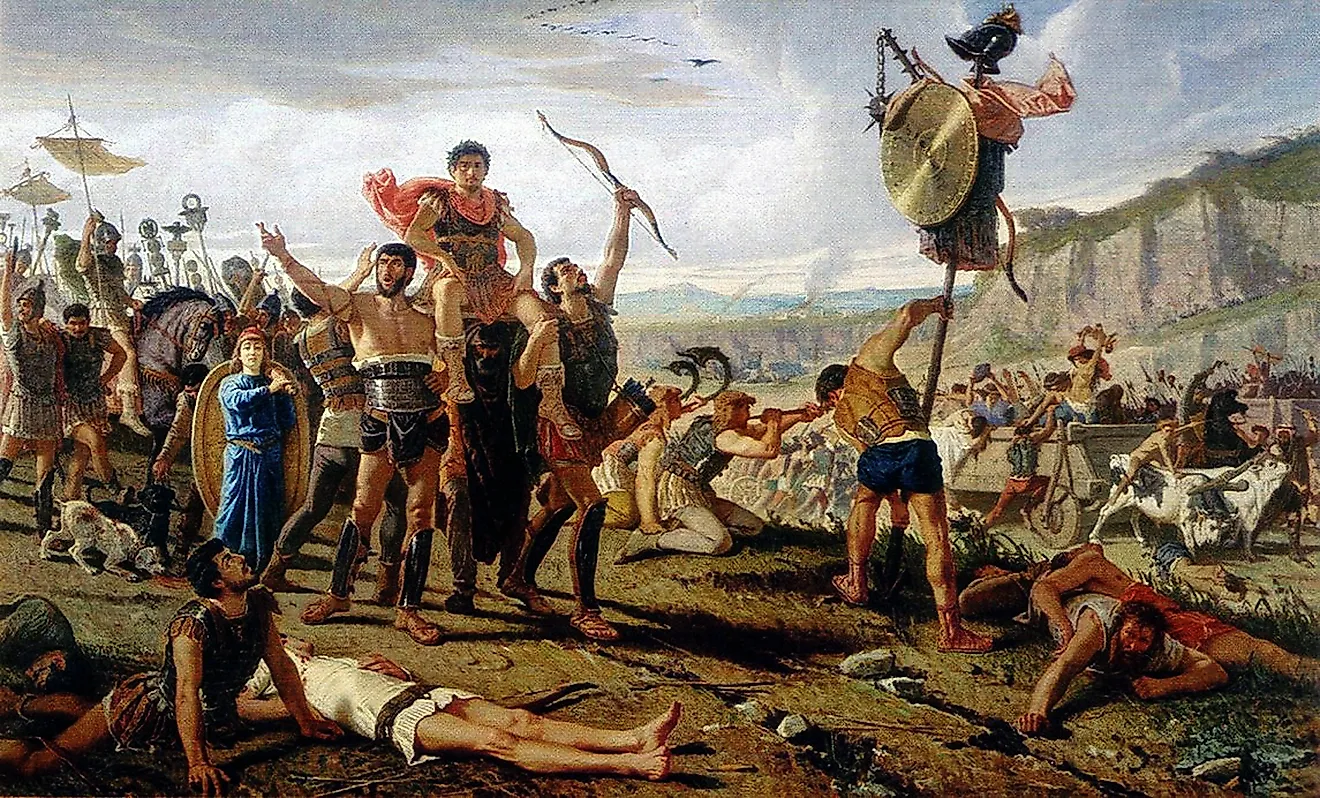
Three centuries before Jesus, Alexander the Great established a vast multicontinental empire. While doing so, he built infrastructure, like roads, bridges, and forts, in Greece, Anatolia, Persia, Mesopotamia, and North Africa. He also created major urban centers like Alexandria. The Romans then expanded on what Alexander had built when they became the major power in the Mediterranean. All this facilitated the spread of Christianity, as people, like Paul the Apostle, could easily travel vast distances to preach Jesus’ message. This message found willing recipients among many Romans, who felt that their traditional religions no longer fulfilled their spiritual needs.
Persecution Intensifies

The widespread adoption of Christianity caused Roman leaders to panic. Since they only worshipped one God, Christians did not recognize the emperor as a divine figure. Christians also refused to make sacrifices to the Roman gods. These factors made them frequent targets of persecution. For instance, Emperor Nero blamed the Great Fire of Rome in 64 CE on Christians. They were subsequently subjected to a series of brutal public executions, which included being burned alive, torn apart by animals, and crucifixion. This persecution set a dangerous precedent, and for the first time in Roman history, being a Christian was a punishable offense.
The most wide-ranging persecutions came under Emperor Diocletian. In 303 CE, he issued a series of edicts that stripped Christians of their rights. Property was confiscated, the clergy were arrested, and many were executed. Regardless, the efficacy of these edicts was limited. They were unevenly applied, with Christians in the East feeling the brunt of the impact, while those in places like Gaul and Britain were relatively safe. This lack of systematic application, paired with sympathy towards Christians among other Romans due to centuries of persecution, meant that, overall, Christianity emerged from Diocletian’s reign stronger than at the beginning.
Constantine Converts

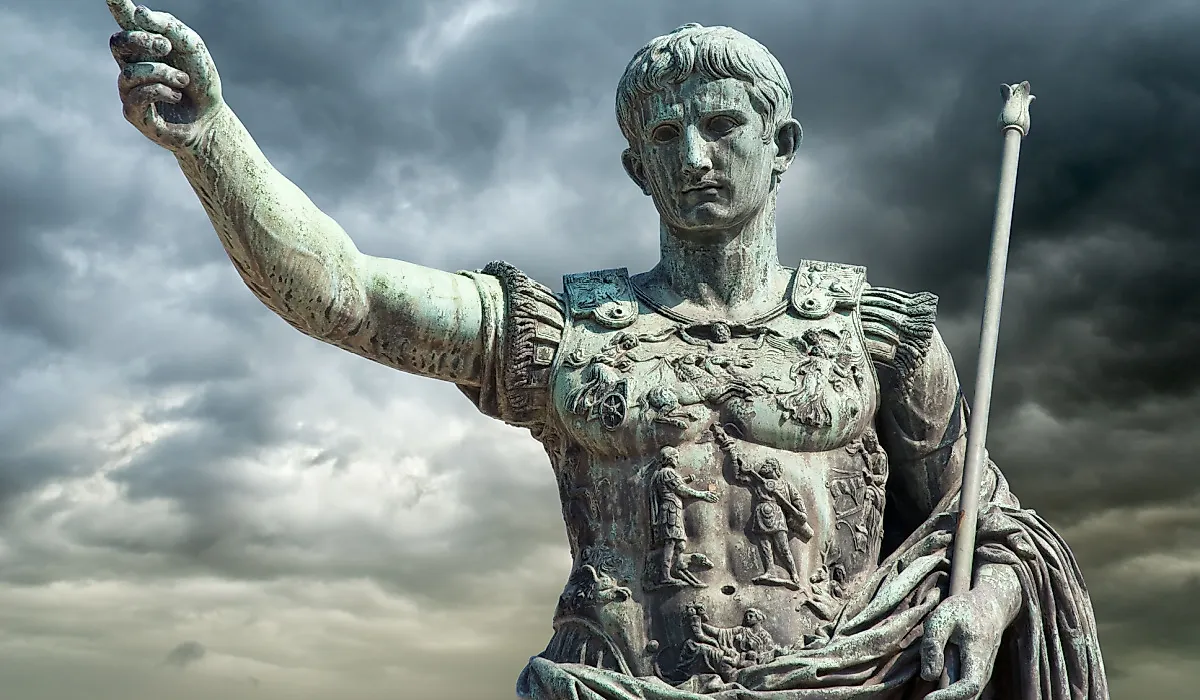
A major turning point came under the reign of Emperor Constantine I. Before the Battle of the Milvian Bridge in 312 CE, he supposedly saw a vision of a Christian cross in the sky with the message “In this sign, you will conquer”. The next year, he issued the Edict of Milan, which legalized Christianity in the Roman Empire. He also personally converted.
The story of Constantine’s vision is dubious, and historians continue to discuss the real reasons for his turn to Christianity. One was likely political. At that time, the empire was torn apart by civil war, and Christianity provided a universal morality/framework to help reunite it. The church was also highly organized, with sophisticated communication networks, charities, and community leadership. This made it an ideal partner for the Roman government. Finally, Constantine probably did have some Christian beliefs, but these developed gradually, rather than due to some grand vision.
Christianity Becomes the State Religion
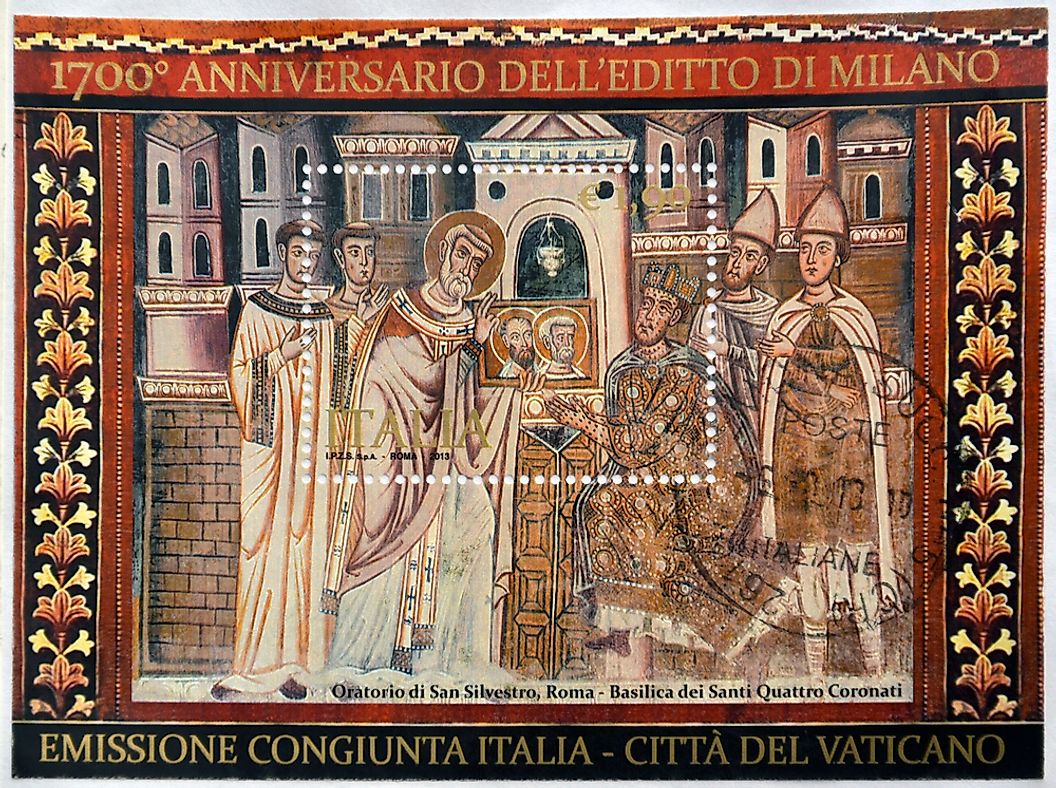
Over the next century, the Roman Empire became more and more Christian. Constantine offered the church state funding, patronage, and political and legal privileges. He also called the First Council of Nicaea in 325 CE, a formative event in Christian history that helped settle core theological debates about the nature of Jesus’ divinity.
Perhaps the most significant turning point came in 380 CE when Emperor Theodosius I issued the Edict of Thessalonica, which made Christianity the official state religion of the Roman Empire. In the decades that followed, pagan temples declined in popularity as they lost state funding, and Christianity became the primary cultural touchstone of everyday Roman life. Even when the Western Roman Empire fell in 476 CE, Christianity only grew in popularity in Europe. It also remained a dominant force in the Eastern Roman Empire, defining its cultural and imperial identity for the next thousand years.
Impact and Legacy
Christianity has a complicated place in Roman history. From the beginning, it threatened Roman leaders, leading to the execution of Jesus and Christians being persecuted for centuries. At the same time, it provided an appealing moral and spiritual framework that helped unite an increasingly divided Roman populace. When combined with genuine religious beliefs, this resulted in Constantine I converting to and legalizing Christianity in the early 4th century CE. It then became the state religion in 380 CE.