What Was The Role Of Religion In The Ottoman Empire?
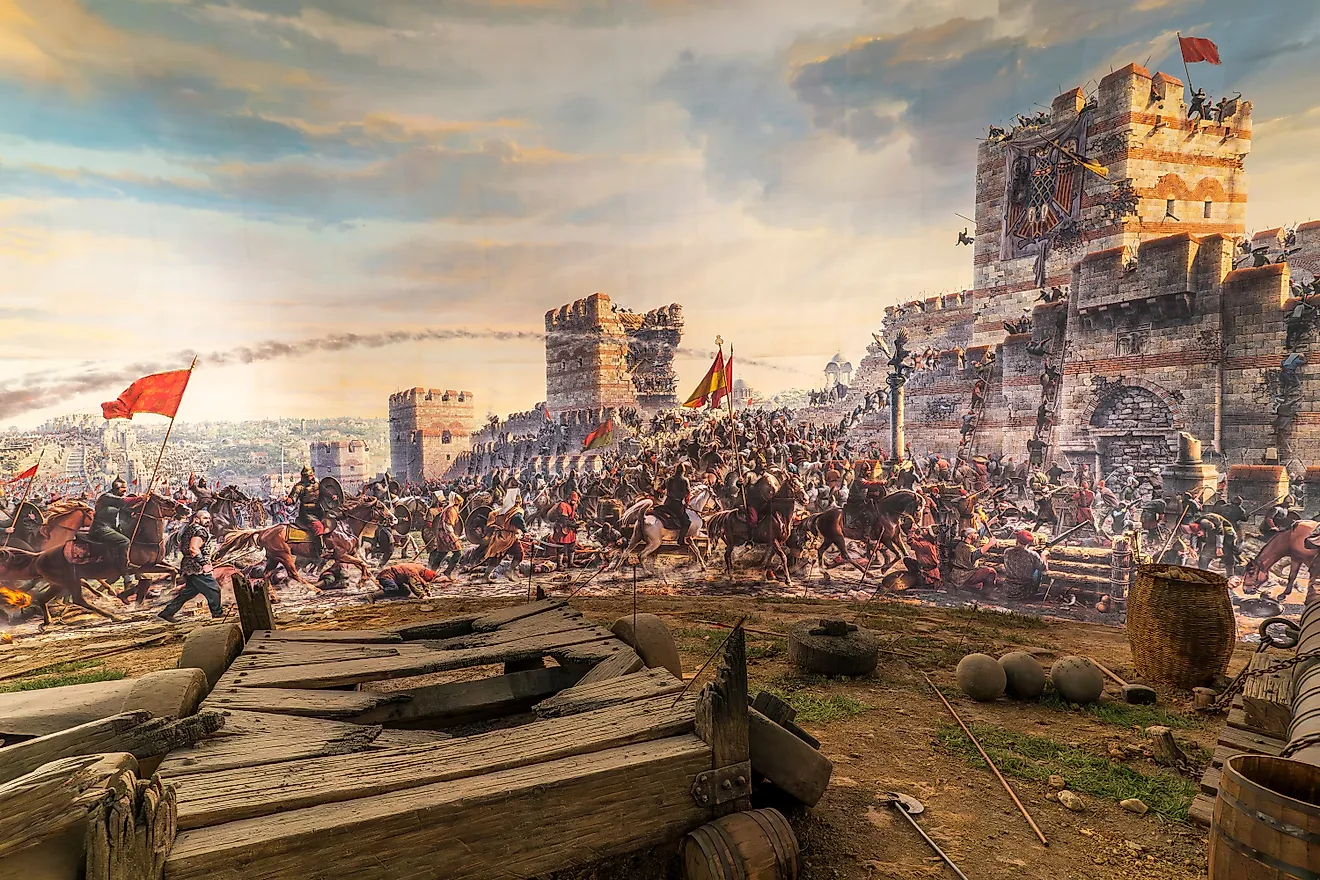
The Ottoman Empire is generally remembered as one of the largest Islamic powers of all time. However, while the official state religion was Sunni Islam, viewing the Ottoman Empire as a solely Islamic entity ignores its numerous religious minorities. The role of Islam itself changed over time, with its influence shifting according to the particular ruler and prevailing political situation. All these factors make investigating the role of religion in the Ottoman Empire a worthwhile endeavor.
Islam

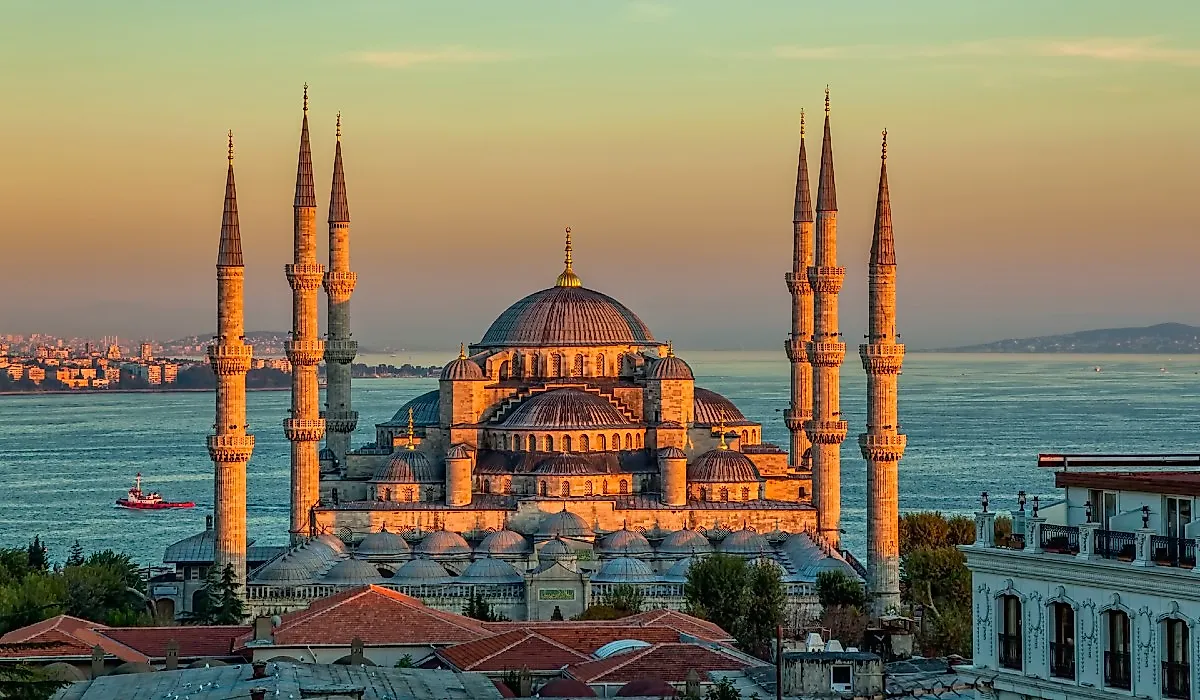
As noted above, Islam, specifically Sunni Islam, was the official state religion of the Ottoman Empire. Religion and politics were deeply intertwined, with the Ottoman Sultan being both the political leader and the religious leader (known as the Caliph). Islam also played a key role in legislation, and both Islamic law (sharia) and secular, Sultanic law (kanun) influenced Ottoman policies.
Islamic scholars (ulema) occupied key positions throughout Ottoman society, acting as, among other things, judges, teachers, and legal scholars. Finally, religious institutions played a major role in Ottoman life. Mosques functioned as schools, community centers, and charitable institutions. Waqf (charitable endowments), a key concept in Islamic law, was also prominent, with it being the main driving force behind the funding of hospitals, public works projects, and other social welfare programs. In short, Islam played a crucial role in Ottoman society.
Religious Minorities
While most Ottomans were Muslim, there were also many religious minorities in the empire. The most prominent minorities were Christians, who themselves were primarily divided between Greek Orthodox and Armenian Apostolic, and Sephardic Jews, who settled in the Ottoman Empire after being expelled from Spain and Portugal in the 1490s.

Outside of these major groups, there were numerous other smaller minorities, including the Druze, Catholics, Syriac, Chaldean, and Coptic Christians. The way the Ottomans treated religious minorities was more tolerant than many other contemporary empires. First, under Islamic law, Christians and Jews were Dhimmis (protected peoples). They could therefore practice their religions freely, so long as they paid a tax called the jizya.

The millet system, an administrative system of self-governance amongst religious minorities, also gave them significant autonomy, allowing them to manage their personal law, education, and taxation. Admittedly, the treatment of religious minorities was imperfect. While the Jizya allowed them to peacefully practice their religions, its existence meant that they were still lower-class citizens than Muslims. Jews and Christians rarely occupied major political positions. Regardless, in comparison to many other world powers at the time, like the Spanish, Habsburg, and Russian Empires, which often forcibly converted or expelled religious minorities, the Ottomans were relatively tolerant.
The Shifting Role of Religion Over Time

The role of religion in the Ottoman Empire dramatically changed over its history. For instance, the early period, meaning the 14th and 15th centuries, saw the Ottomans use Islam as both a legitimizing force and a practical tool for shaping laws, government institutions, and culture. Under Suleiman the Magnificent in the 16th century, who arguably led the Ottomans to the peak of their power, religion was further cemented as a dominant presence in governance and everyday society.
Sharia was a major influence on laws and policies, and the hierarchy between Muslims and non-Muslims was formally established. However, over the next two centuries, the role of religion diminished somewhat. It still played a crucial role, but governance increasingly occurred through sultanic decree rather than Sharia.

The Tanzimat reforms of the mid-1800s, which aimed to both consolidate the government's control over the far reaches of the empire and foster a coherent sense of Ottoman identity, further diminished religion's influence. The Jizya was abolished, and multiple Sultans declared that all Ottoman citizens were equal, regardless of their religion. Islam then returned as a major force in Ottoman society under the reign of Abdul Hamid II (1876-1909), with him using it to encourage loyalty amongst Muslims in the increasingly weakening empire.
Finally, under the rule of the Young Turks in the 1910s, Islam's power was greatly diminished. This process continued after the end of World War I. The Ottoman Empire collapsed soon thereafter, and its successor state, Turkey, abolished both the Sultanate and the Caliphate in the 1920s.
Importance and Legacy

Religion played a crucial and ever-changing role in the history of the Ottoman Empire. While mainly an Islamic Empire, religious minorities enjoyed comparatively better treatment than in other empires at the time. The role of Islam itself was ever-changing, initially serving as a legitimizing force, then operating as a central organizing principle, and finally declining in importance at the end of the empire's existence.