Why The Roman Empire Still Matters Today
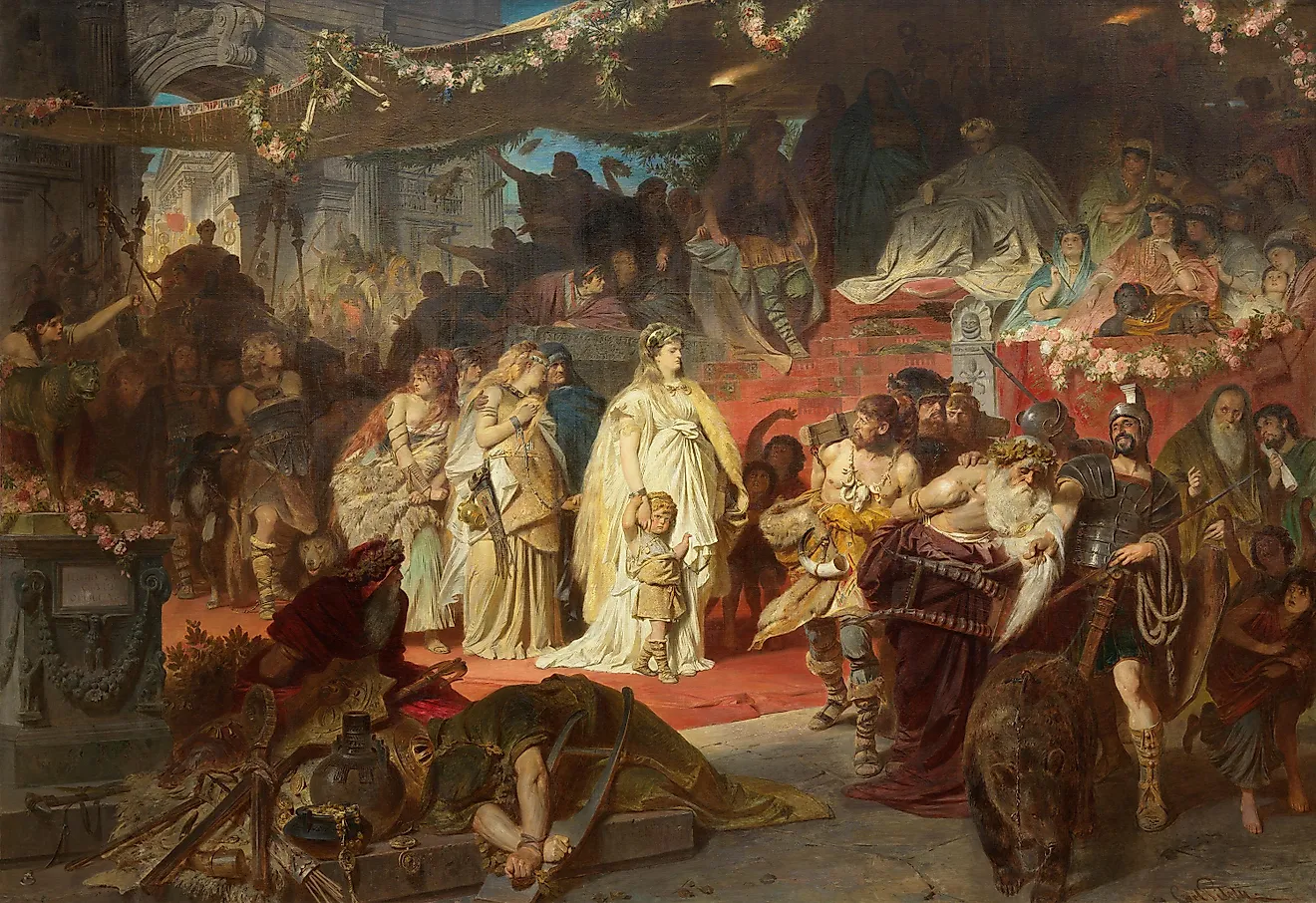
The Roman Empire’s importance is impossible to overstate. As one of the largest empires in world history, its influence can still be felt. Rome shaped modern governments by informing their institutions and providing them with important lessons. It also helped create a more connected and globalized world, a core component of which involved the spread of Christianity. Finally, Rome inspired countless future empires and continues to capture our imagination.
Rome Shapes Modern Governments

Rome’s influence can be seen in modern governments and states. One of its most important contributions was the notion of a republic, a state in which citizens have the power, rather than a monarch. The Roman Republic had legislative assemblies, elected officials, and checks and balances meant to give everyday citizens a voice. While still elite-dominated, the idea that normal people should have a voice at all was borderline revolutionary.
Modern countries like the United States and France have inherited this concept, labelling themselves “republics” and basing their institutions around the concept of representative democracy. The American founding fathers, in particular, studied Roman political history and drew heavy inspiration from the Republican period when designing the United States’ political system. This can be seen in the separation of powers between the legislative, executive, and judiciary, the bicameral legislature, and the limits on executive power.
Rome Provides Political Lessons

Rome provides us with many important political lessons. Perhaps the most important one is that no state is safe from authoritarianism. Despite seemingly strong institutions, they were eroded by economic inequality, political instability, and the growing power of charismatic generals like Julius Caesar. This culminated in the end of the Republic in 27 BCE when Augustus (previously named Octavian) declared himself emperor. With growing populism and respect for democratic norms declining across North America and Europe, it’s important to keep Rome’s history in mind. Authoritarian turns in democracies have historical precedent. If we’re not careful, we could also end up with an emperor.
Rome Created A Globalized World

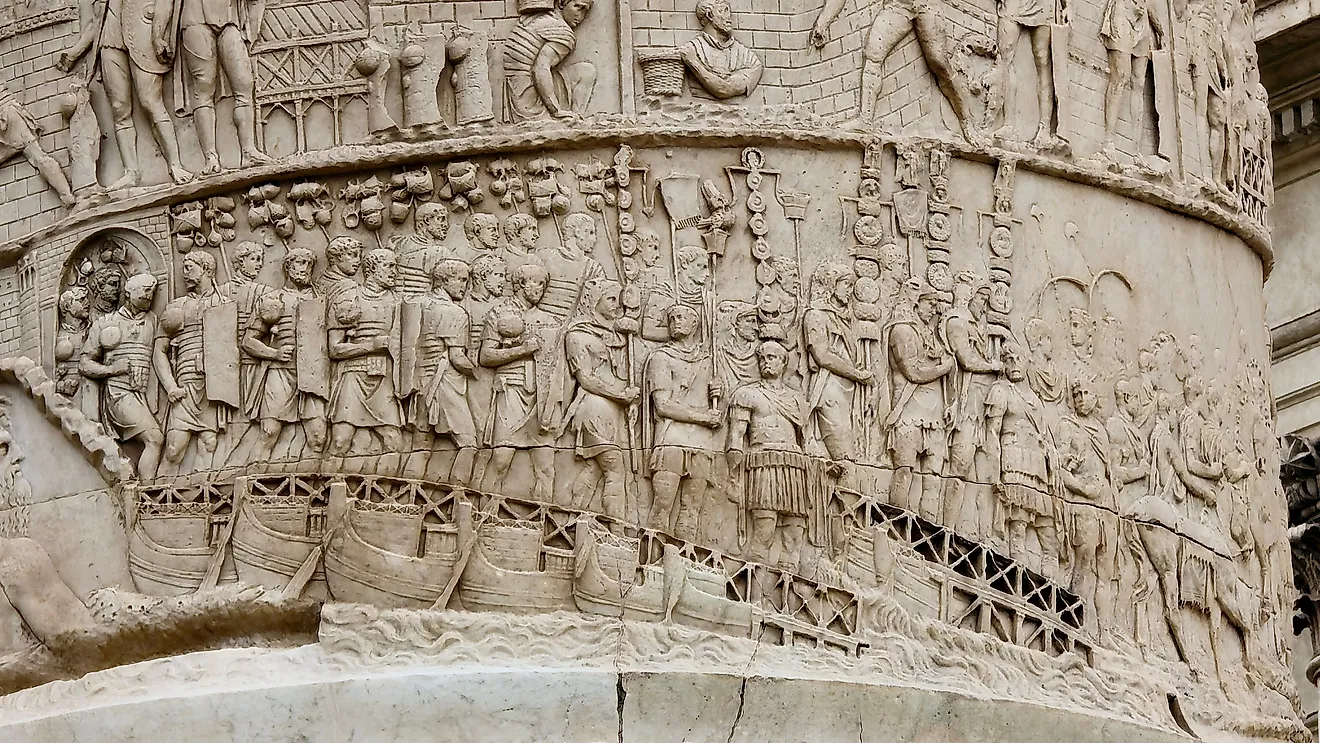
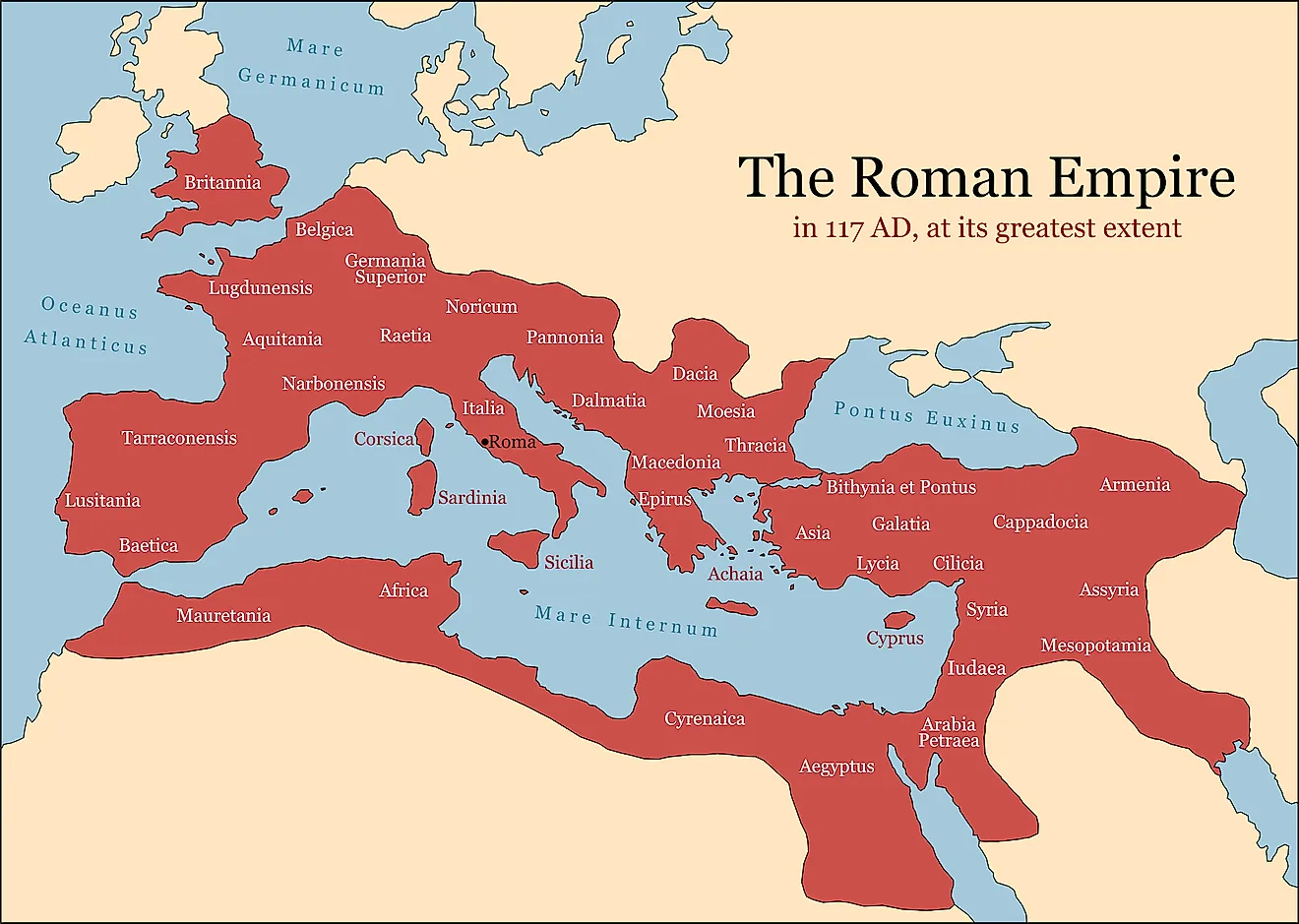
Before Rome’s rise, the Mediterranean was divided into competing kingdoms and city-states. It was therefore relatively insular, with one civilization’s culture, economy, and politics having little impact on another, except in war. Rome changed this. By conquering territories from Britain to Egypt, and from Spain to Mesopotamia, it helped create what historians call a “Mediterranean world economy”. Roads were a crucial component of this interconnection. The Romans built over 250,000 miles (400,000 km) of roads, allowing for faster and safer trade, cultural exchange, and rapid movement of armies. The Mediterranean Sea was also key, serving as a “Roman lake” that facilitated the movement of goods, ideas, and people throughout the empire. In short, while far more limited, the Roman Empire essentially functioned as an early version of the ultraglobalized world in which we now live.
Rome Spread Christianity

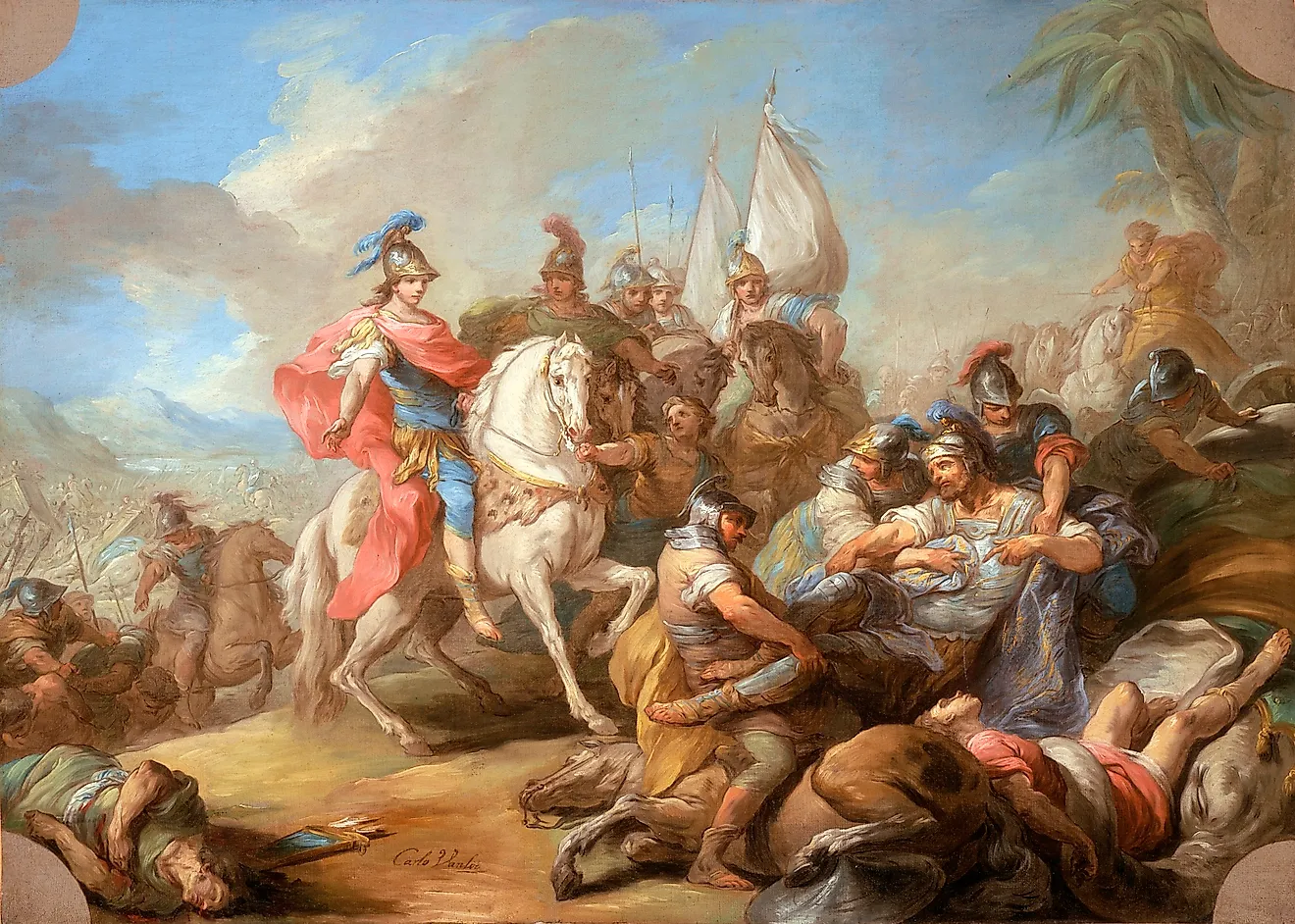
One of the most interesting by-products of this globalization was the spread of Christianity. The foundation of the rapid and widespread adoption of Jesus’ teaching was established centuries before by Alexander the Great, who also helped globalize the ancient world by uniting it under one empire. The Romans then built on Alexander’s work, as demonstrated in the previous paragraph. All this allowed Jesus’ message to spread across the Mediterranean. Followers like Paul the Disciple could easily travel from town to town, where there were thousands of people interested in hearing their message. A shared language, as established by Alexander and the Romans, further facilitated the spread of these ideas.
Roman authorities persecuted Christians for centuries. This changed under Emperor Constantine when he converted to Christianity in 312 CE and legalized it the following year. In 380 CE, Emperor Theodosius made Christianity the official state religion of the Roman Empire. This state-sponsorship deeply embedded Christianity in Europe, ensuring that even when the Western Roman Empire fell in 476 CE, the church survived. The Eastern Roman Empire also lasted for another thousand years and continued spreading Christianity into Eastern Europe and the Middle East for centuries.
Rome Influenced Future Empires

The Roman Empire has influenced almost every empire that has come after it. This was particularly the case in medieval Europe, as seen by the awkwardly named Holy Roman Empire. Despite being very different from the Roman Empire (its power centre was in Germany, rather than Italy), it used Roman iconography, names, and titles (like emperor) to create a sense of legitimacy. The Ottoman Empire also claimed Roman inheritance, particularly after the conquest of the Eastern Roman capital of Constantinople in 1453 CE. Sultan Mehemd II called himself Kayser-i Rum (“Caesar of Rome”), and the Ottomans worked hard to ensure that Constantinople maintained its status as an important global city.
Rome Captures Our Imagination
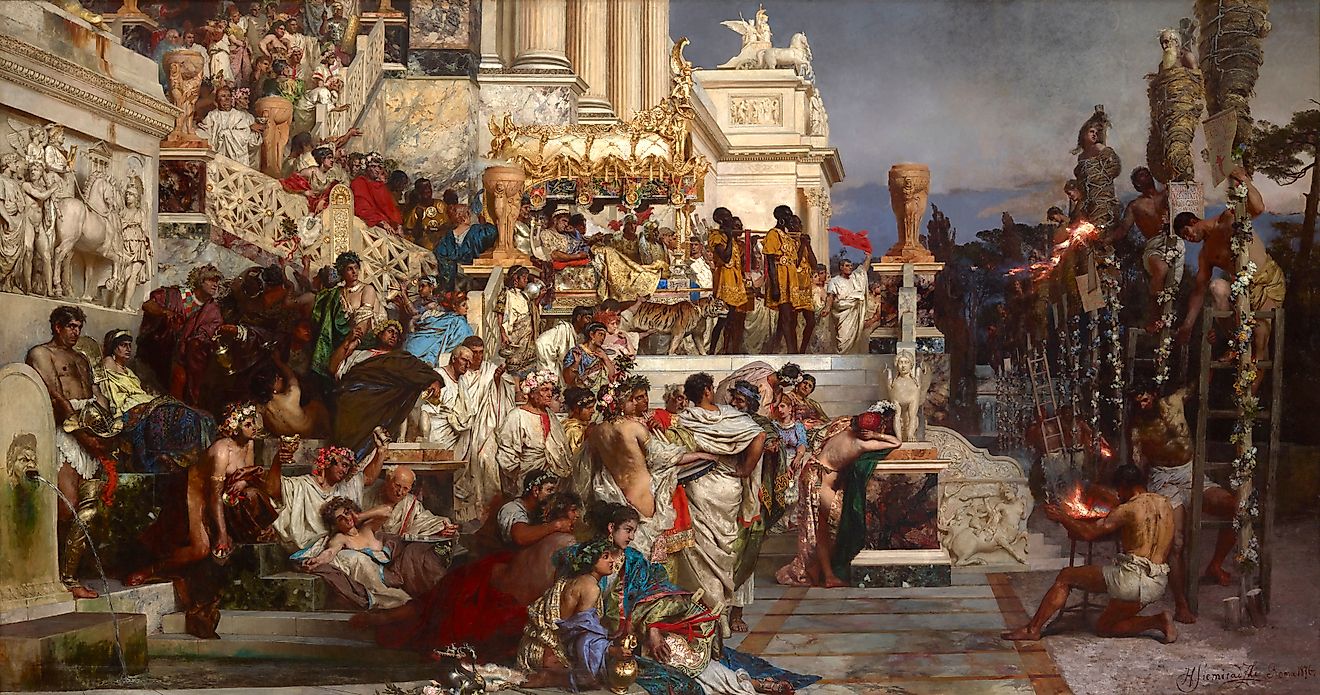
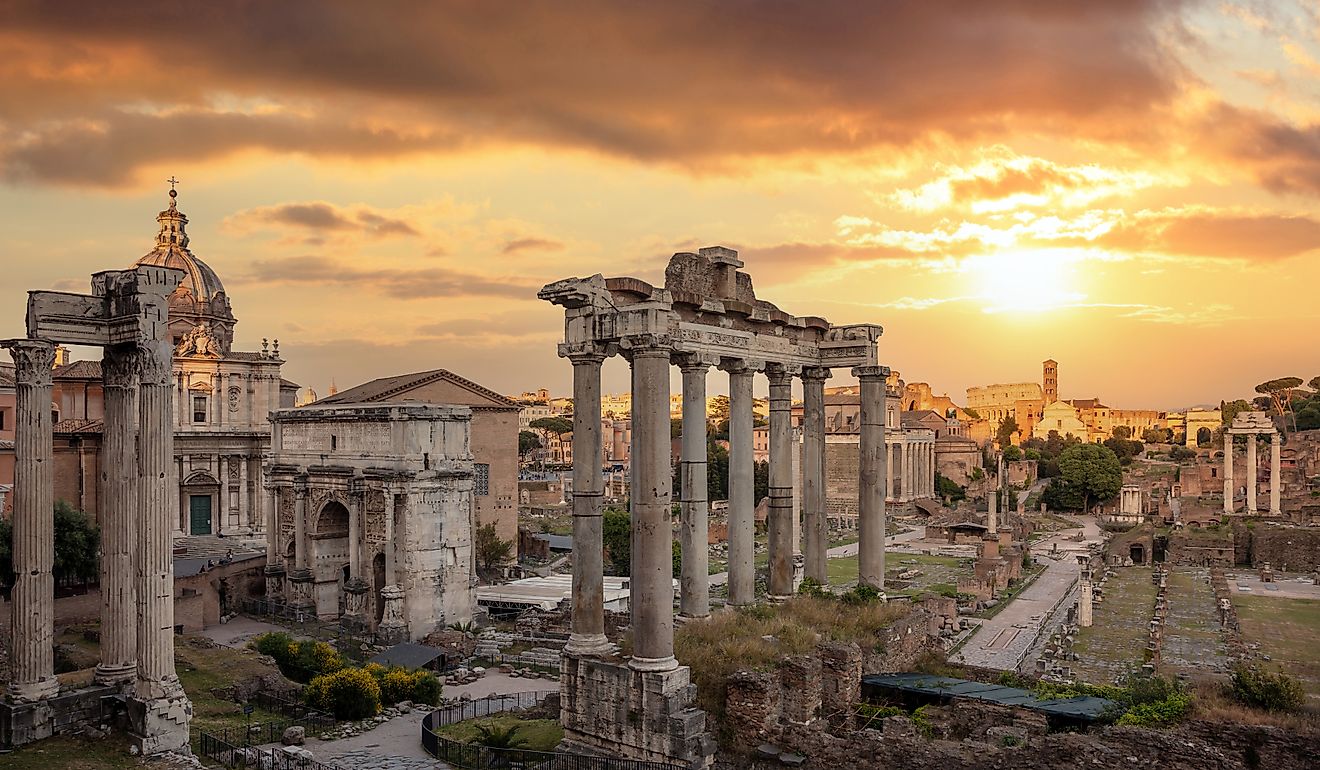
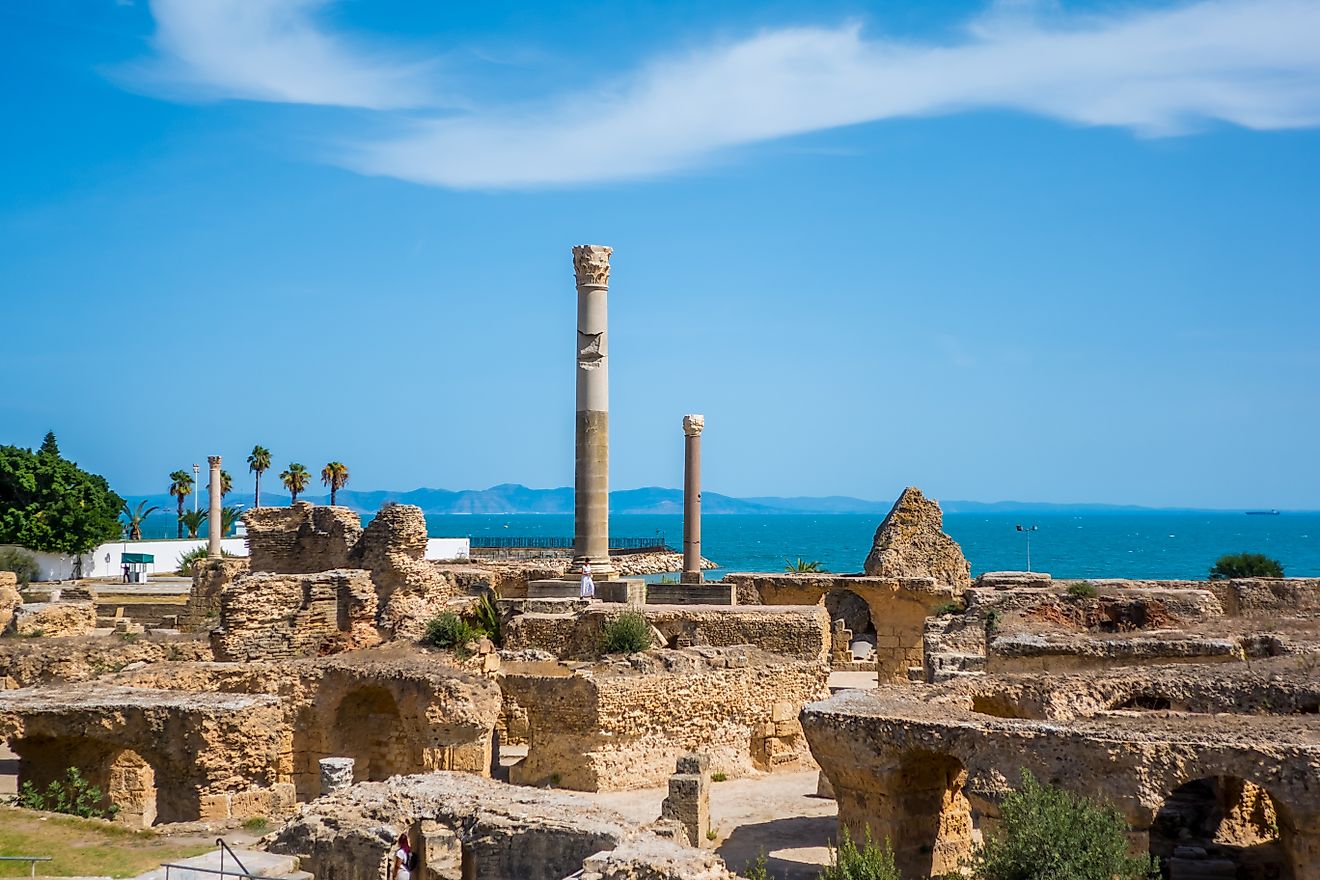
The Roman Empire still interests us. It seems impossible that any one power could rule from Western Europe to the Middle East nowadays, let alone thousands of years ago. Rome’s history is also filled with countless fascinating characters, like Julius Caesar, Mark Antony, Cleopatra, Augustus, and Nero, each with their own personality, intrigues, and historical importance. Significant pieces of Roman agriculture, like the Colosseum, still exist and serve as monuments to an almost mythical-seeming world. Finally, the fall of Rome connects to modern anxieties about corruption, economic dysfunction, and cultural conflict. For all these reasons, and many more, Rome inspires awe and worry.