How The Ottoman Empire Became A Superpower
For nearly seven centuries the Ottoman Empire sat at the center of European and Middle Eastern affairs. Also known as the Turkish Empire, it spanned the end of the Middle Ages and the start of the Renaissance and lasted beyond World War I into modernity. At its peak it stretched from modern-day Ukraine to Aden in what is now Yemen. What kept such a sprawling state together? A combination of superior military, flexible governance, and useful geography did the work.
The Janissaries

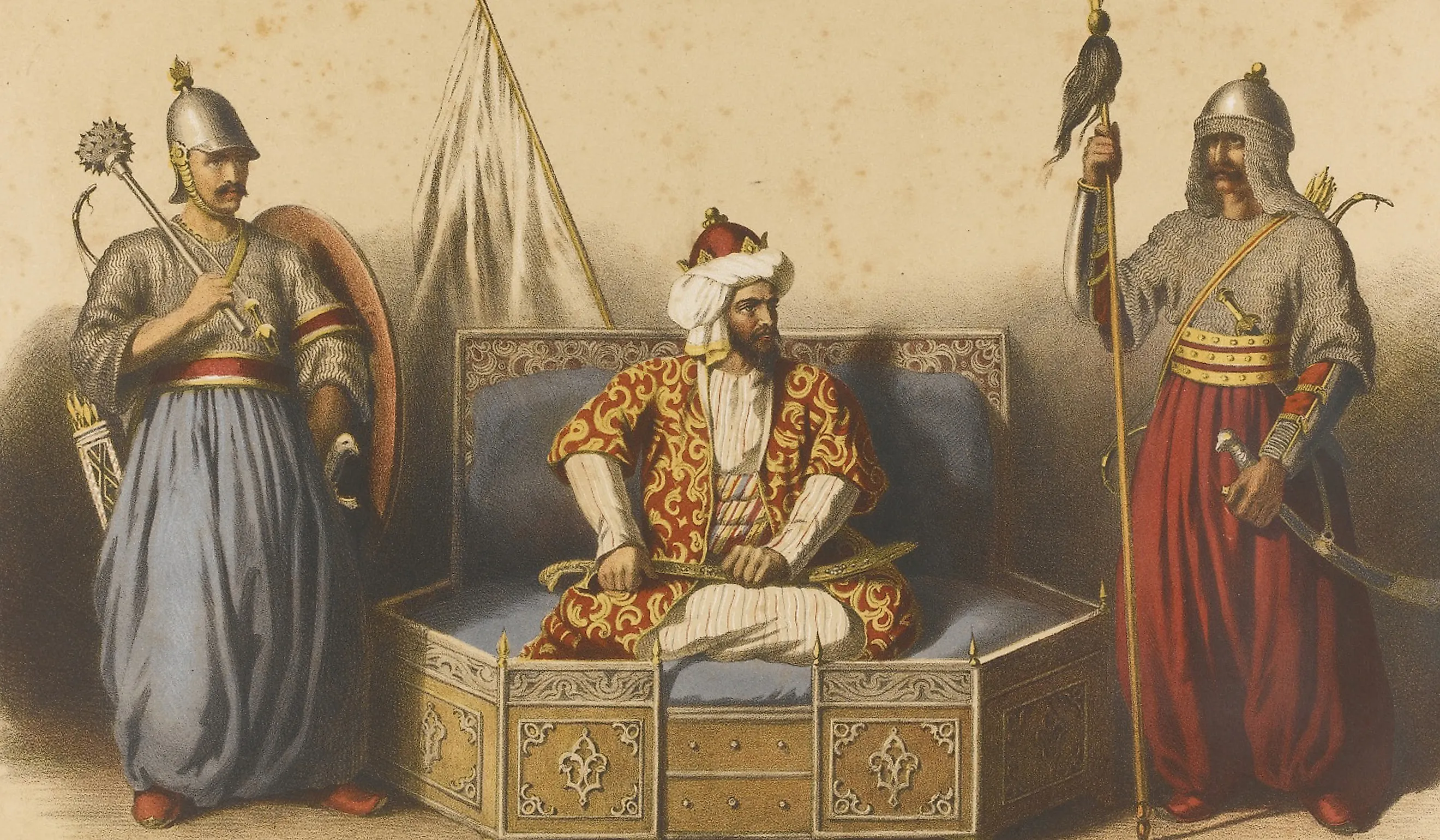
The core of early Ottoman hard power was an elite military corps called the Janissaries, often considered the first infantry force in the world trained with firearms. The Janissaries were originally comprised mostly of young Christian boys, forcibly collected from the Balkans, converted to Islam, and trained in elite military schools. Their main purpose was to protect the sultan, but they found wider use in Ottoman military campaigns across Anatolia and the Balkans.
As one of the first professional and paid standing armies in Europe, the Janissaries outmatched contemporary fighting forces that were often civilian or mercenary-based. Because they were collected at a young age, they lacked ties to the politics or culture of the regions they conquered, unlike the mercenary groups most other European and Middle-Eastern leaders relied on, whose loyalty was often questionable. The Janissaries were completely reliant upon the Sultan for pay and housing, which ensured their loyalty and gave the Ottomans reliable military might to command and conquer with.
General Military Superiority

Other factors also gave the Ottomans military superiority. Their early use of gunpowder, muskets, and later Damascus steel proved instrumental in besieging cities and toppling major centers of power. The Ottomans are also credited with forming the first modern military bands, incorporating Turkish cymbals, drums, and wind instruments. The bands boosted morale, demonstrated organizational prowess, and struck fear into opposing forces.
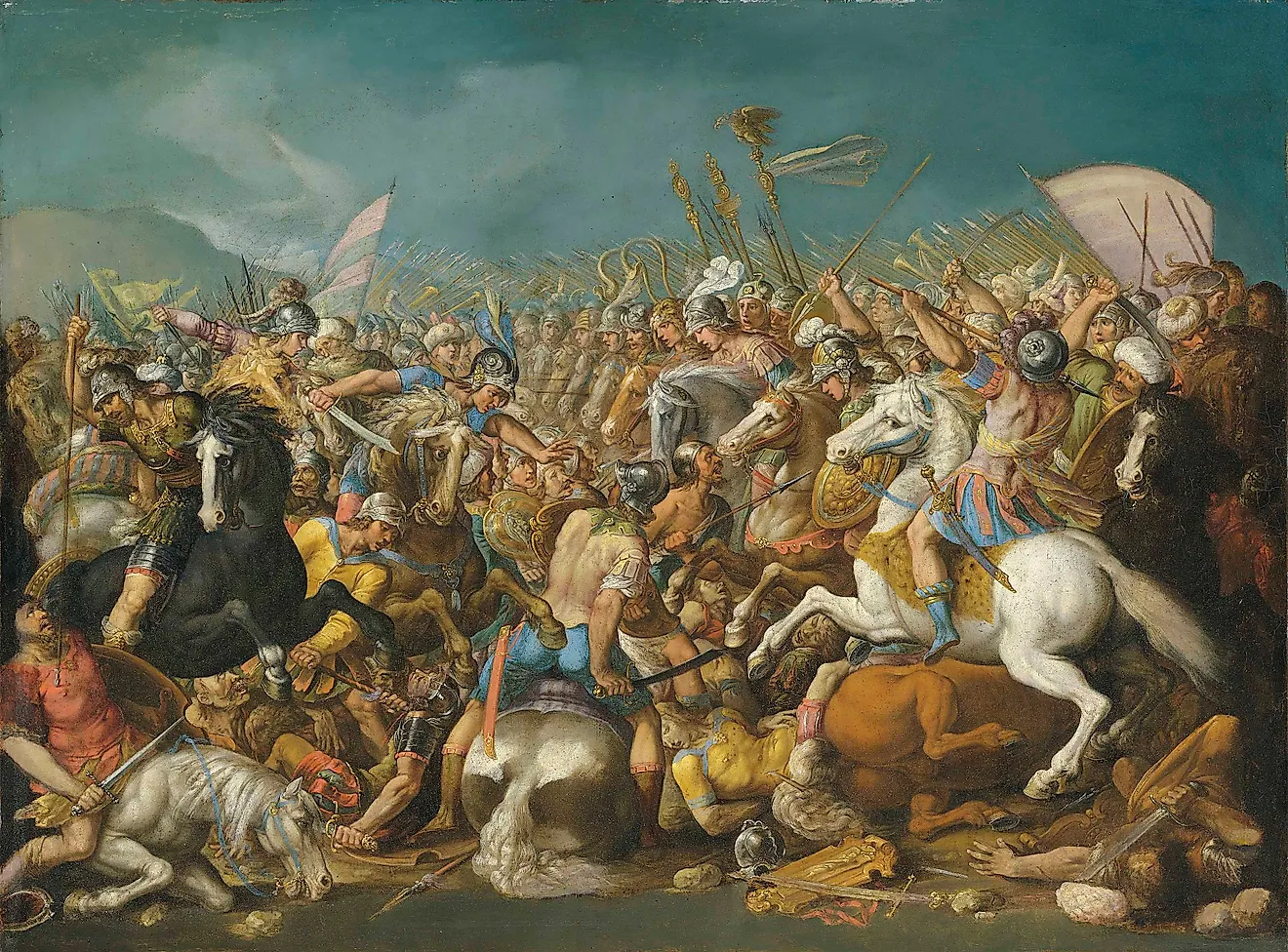
A combined command approach was used in battle, including infantry, cavalry, artillery, and the navy. The clearest example of joint military action was the Conquest of Constantinople in 1453. Taking the capital of the Byzantine Empire eliminated the Ottomans’ main rival and cleared the way for centuries of expansion. The battle began with Ottoman infantry fighting Byzantine defenders outside the city walls. Large cannons like the bronze-cast Dardanelles Gun were placed around Constantinople for heavy bombardment. The Ottomans then used their navy to attack the city by sea, completely surrounding it. Constantinople fell after a 53-day siege, and the Ottomans established themselves as a major regional and global power.
Flexible Governance

Military strength was key in gaining vast swaths of territory, but actually controlling it over the long term required something more. At its peak, the Ottoman Empire was a multicontinental power that encompassed many different peoples and cultures. Rather than attempt centralized government, Ottoman leadership let local populations maintain their traditions and local leaders. The approach worked on two fronts at once. It kept the empire light on its feet during rapid expansion by avoiding a heavy administrative state, and it kept conquered populations content because their day-to-day lives stayed mostly the same.
The Ottoman approach to religion was also indicative of flexible governance. The official state religion was Islam, but the empire contained millions of religious minorities, most of whom were Christians or Jews. Rather than forcibly convert or expel these groups, as many other contemporary empires did, the Ottomans allowed them to operate autonomously. Jews and Christians could practice their religion and run their own schools as long as they paid a tax called the Jizya. This approach, known as the millet system, was key to limiting religious-based uprisings against Ottoman rule.
Advantageous Geostrategic Positioning

Geography mattered too, especially after the Ottomans took Constantinople. Sitting on the Dardanelles and the Bosphorus Straits, the only waterway between the Black Sea and the Mediterranean Sea, the city controlled a crucial trade route between Asia and Europe. The Ottoman Empire’s location on the Silk Road gave it further leverage in East-West trade. The empire’s size also gave it access to a wide variety of goods, including olives and tobacco from the Balkans, citrus from Lebanon and Palestine, and grain from Anatolia. The Ottoman economy was highly diversified and could withstand challenges while fueling future growth.
Ottoman geography also made the empire easily defensible. Its size gave it a buffer between frontier regions and its power center in Anatolia and the Balkans. Natural borders like mountains in Anatolia and deserts in North Africa made invasion difficult. Control of the Dardanelles and the Bosphorus Straits gave the Ottomans significant influence over naval developments in the Mediterranean. From the 16th to 18th centuries, they more or less completely halted Russian attempts to move into the region, since the only way through was via the straits.
Impact and Legacy
The Ottoman Empire achieved superpower status through its ability to exert power without overextending itself. Its superior military allowed it to take vast swaths of territory and defeat the Byzantines. A flexible approach to governance kept that territory under Ottoman control for centuries. Its geostrategic positioning gave the Ottomans economic and military advantages that let them further assert their power.