The Bloodiest Sieges Of The Ancient World
Sieges are notorious for their brutality. This was particularly the case in the ancient world, where these prolonged assaults sometimes lasted years and frequently resulted in famine and disease. Exploring some of the bloodiest sieges from this period helps us understand the specifics of these atrocities. Lachish, Tyre, Carthage, and Alesia each ended in mass killing, mass enslavement, or the destruction of a city outright. Two of them also rank among the longest sieges in ancient history.
The Siege of Lachish (701 BCE)

The Siege of Lachish is one of the most well-documented events in ancient history, with the Bible and surviving stone wall carvings serving as key sources. In 701 BCE, King Hezekiah of Judah stopped paying tribute to the Neo-Assyrian Empire, Judah's imperial overlord. Instead, he allied with local states to fight back against the Assyrians. King Sennacherib invaded Judah in retaliation and intended to take the capital of Jerusalem. However, the city of Lachish stood in their way, so they had to take it first.
The Assyrians besieged the city. They built dirt ramps up to the city walls and constructed heavy siege engines to break through the defenses. Lachish didn't last long, and the Assyrians quickly stormed it. They inflicted harsh and draconian punishments on the population, including mass deportations, mass enslavement, impalement, and other forms of public execution. This was all part of the Neo-Assyrian playbook, in which state-sponsored terror was utilized to discourage rebellion.
The Siege of Tyre (332 BCE)

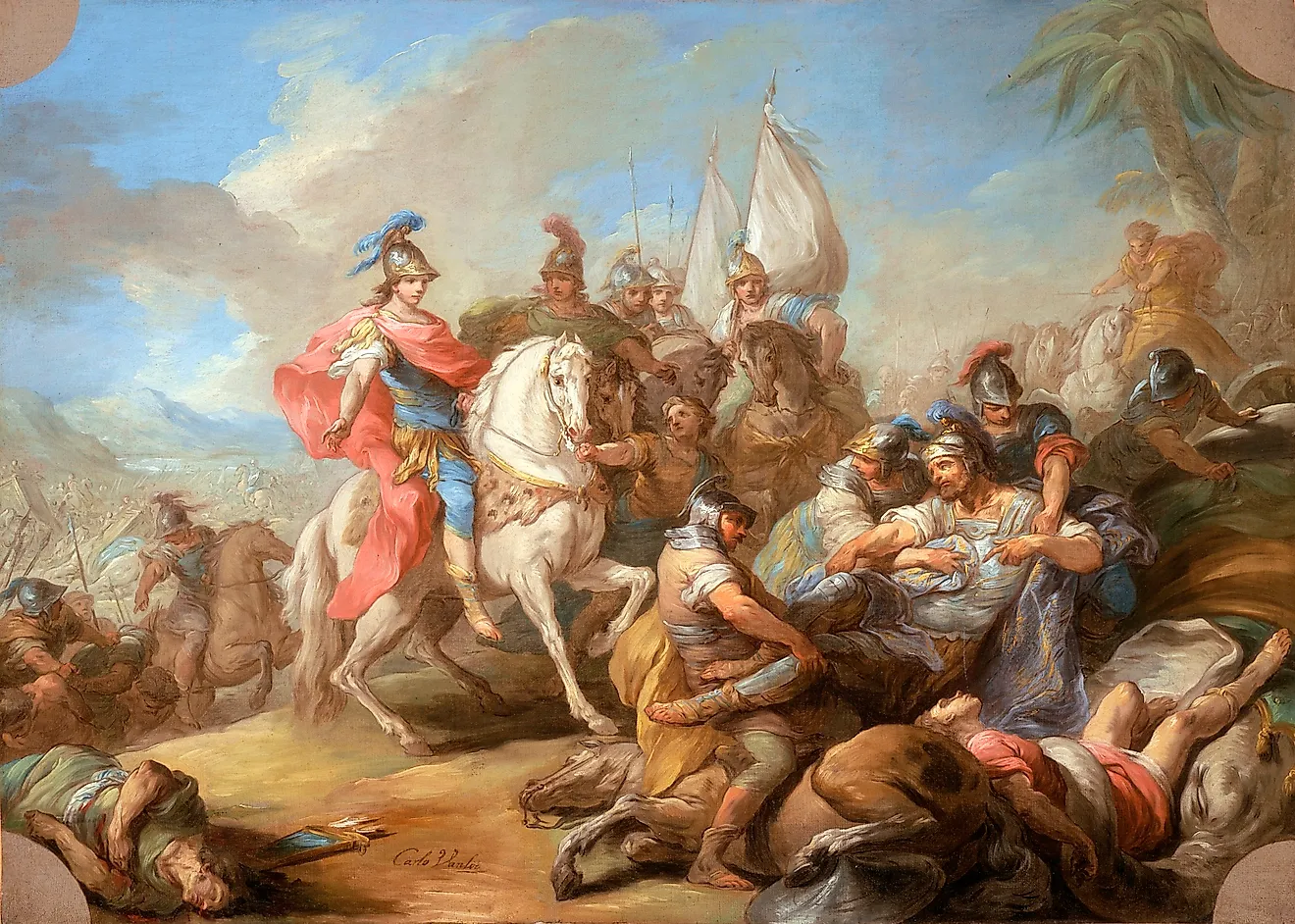
Alexander the Great, King of Macedon, invaded the Achaemenid Persian Empire in 334 BCE. For the first two years of his campaign, he made rapid progress. This was temporarily halted when he entered modern-day Lebanon and set about taking Tyre. An island city, its inhabitants believed that its geography and massive walls made it unconquerable. Alexander disagreed, and he ordered a massive causeway to be built out to the island. As Tyrian ships slowed Macedonian progress, Alexander gathered ships from Cyprus, Sidon, and other allies to blockade the city's harbor.
Ultimately, after a seven-month siege, Alexander's combined naval and land forces managed to breach the city walls. Enraged by the act of defiance and by how long the whole affair had taken him, Alexander enacted incredibly brutal punishments on the survivors. The supposedly "enlightened" and "just" king had 2,000 killed via crucifixion on the beaches. 30,000 were also sold into slavery. Ancient accounts put the number killed when the city fell at between 6,000 and 8,000.
The Siege of Carthage (149 to 146 BCE)

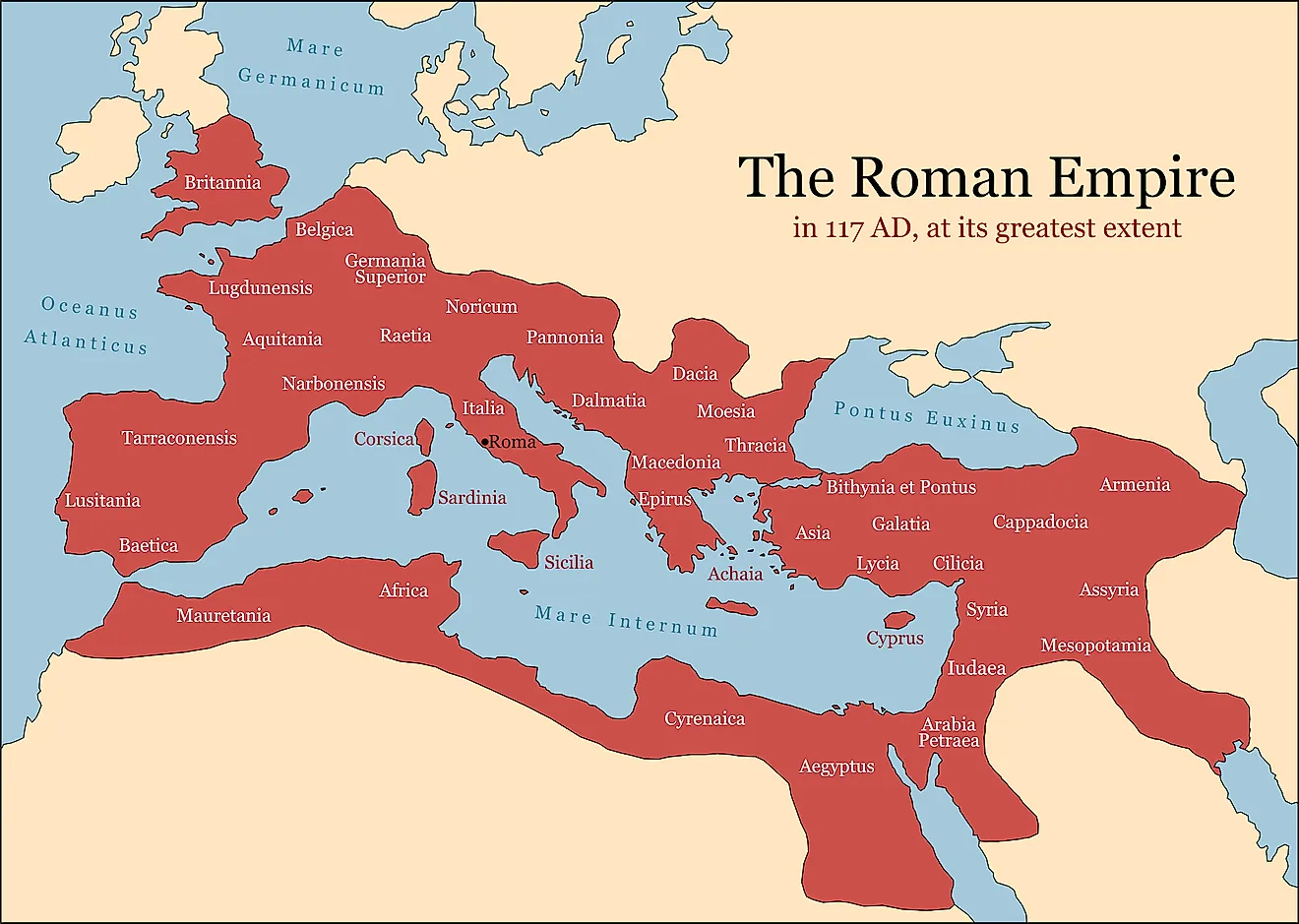
Carthage was the Roman Republic's biggest enemy during the 200s and 100s BCE. However, after the Second Punic War (218 to 201 BCE), the North Africa-based empire was left a shell of its former self. This didn't stop politicians in Rome from wanting to eliminate it once and for all. They finally got the opportunity to do so in 151 or 150 BCE, when Carthage retaliated militarily against Numidian raids in its territory. A supposed violation of the peace terms with Rome established after the Second Punic War, the Republic used this as an excuse to again go to war with Carthage.
The Romans landed in North Africa in 149 BCE. They demanded that the Carthaginians abandon their city and flee ten miles (16 km) inland, so that they could destroy it. Viewing these terms as unreasonable, the Carthaginians instead chose to fight. With this, the Siege of Carthage began. The Romans struggled for the first two years. Carthage's triple landward wall, roughly 45 feet (14 m) high, proved impossible to breach, and everyone in Carthaginian society was mobilized and highly motivated. On the other hand, morale was low in the Roman camps due to poor sanitation and rampant disease.

The tide turned in 147 BCE when the consul Scipio Aemilianus took charge. He restored discipline and refocused the Romans' long-term strategy. The crux of this goal involved isolating Carthage, on land and at sea. Scipio therefore ordered a massive brick mole to be constructed in the water, which completely blocked off the harbor. He also oversaw the construction of a double wall on land. These measures made resupplying the city impossible. As disease and famine ran rampant in Carthage, the Romans finally saw their opportunity and breached the city walls in early 146 BCE. After six days of brutal house-to-house fighting, Carthage finally fell.
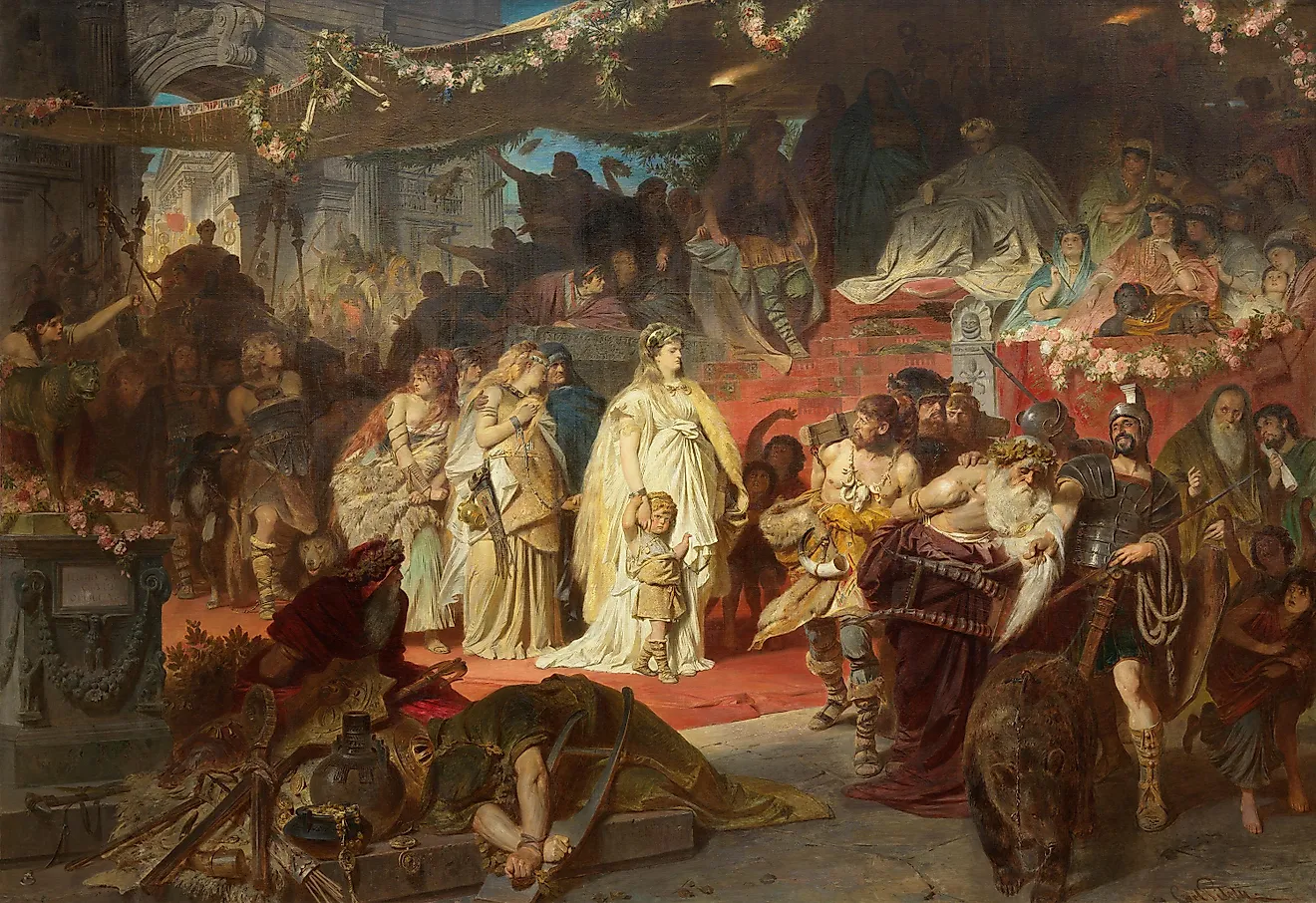
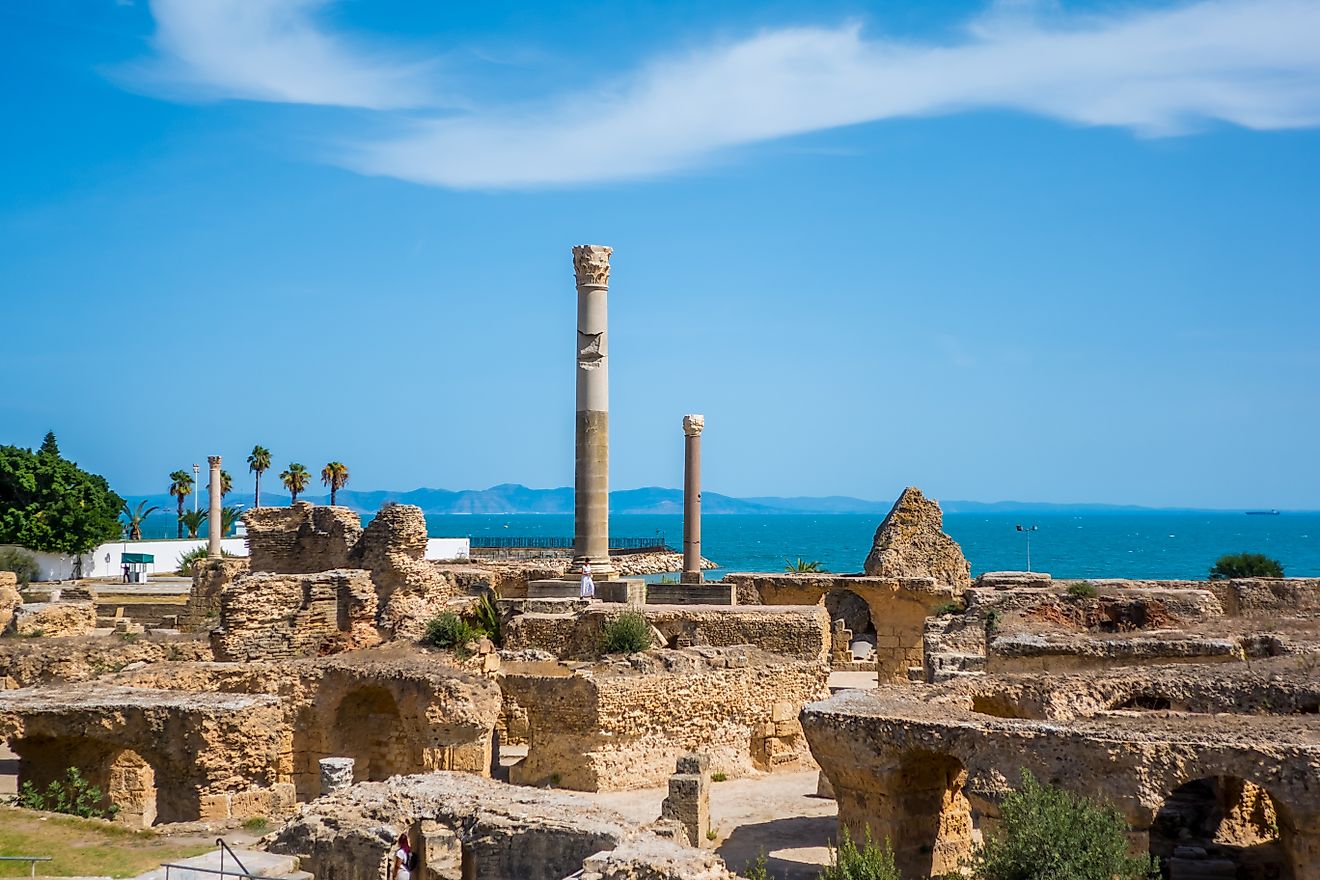
According to the ancient sources, between 150,000 and 200,000 people died during the siege. While modern historians debate these numbers, the death toll was undoubtedly high. About 50,000 survivors were also enslaved. Finally, Carthage, save for a few key buildings, was systematically destroyed. This destruction, paired with the death toll, is why some historians consider the Siege of Carthage to have been a genocide.
The Siege of Alesia (52 BCE)

In 58 BCE, Roman general and future dictator Julius Caesar invaded Gaul (modern-day France, Belgium, Luxembourg, and parts of Switzerland). For the first five or so years, the Gauls were divided, making it easy for the Romans to defeat them via divide-and-conquer methods. This eventually changed when Vercingetorix, a member of the Arverni tribe, managed to unite the Gauls. Under his rule, they adopted scorched earth tactics, thereby denying the Roman armies vital supplies and shelter. Vercingetorix also handed Caesar a rare loss in the Battle of Gergovia in 52 BCE.
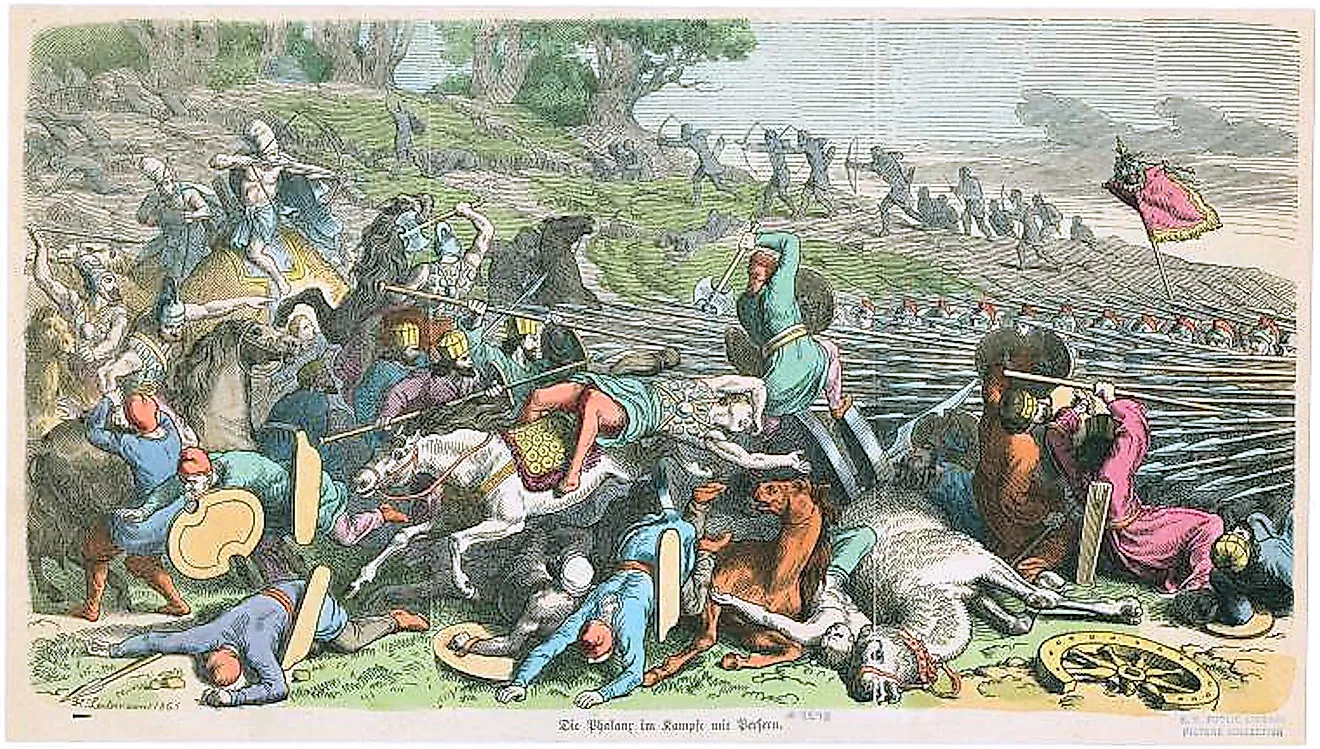
Later that year, Vercingetorix and his army of 80,000 retreated to the hilltop fortress town of Alesia. Noting an opportunity to finally crush the Gallic resistance, Caesar decided to besiege the town. His legionnaires thus constructed a 16-kilometer-long (10-mile) inner wall to prevent supplies from entering Alesia. Upon learning that a Gallic relief force was coming, Caesar also ordered a 20-kilometer-long (12-mile) outer wall to be built to protect the Romans. This strategy worked spectacularly, and Vercingetorix was eventually forced to surrender.

Ancient estimates assert that tens of thousands died during the siege, and many more were taken captive. More broadly, the later writers Plutarch and Appian put the toll for the whole invasion of Gaul at a million killed and another million enslaved. Even though these numbers can't be taken at face value, Caesar indeed attempted to annihilate entire Gallic tribes. Much like the siege of Carthage, many historians therefore consider the invasion of Gaul to have been a genocidal campaign.
The Logic Behind The Slaughter
What links these four sieges is that the violence at the end of each one was a decision rather than an accident. The Assyrians publicized what they did at Lachish precisely so that other vassal states would hear about it. Alexander crucified Tyrians on the beach because the city had cost him seven months he had not budgeted for. Rome erased Carthage to remove a commercial rival permanently, and Caesar broke the Gauls at Alesia to end a war he had started largely for his own advancement. The numbers are a separate problem. Almost every figure quoted above comes from the side that won, recorded by writers who had reasons to inflate the scale of a victory or the savagery of an enemy. Excavation at both Lachish and Alesia has confirmed the physical outlines of the siegeworks without settling the arithmetic, which is why the modern death tolls remain ranges instead of totals.